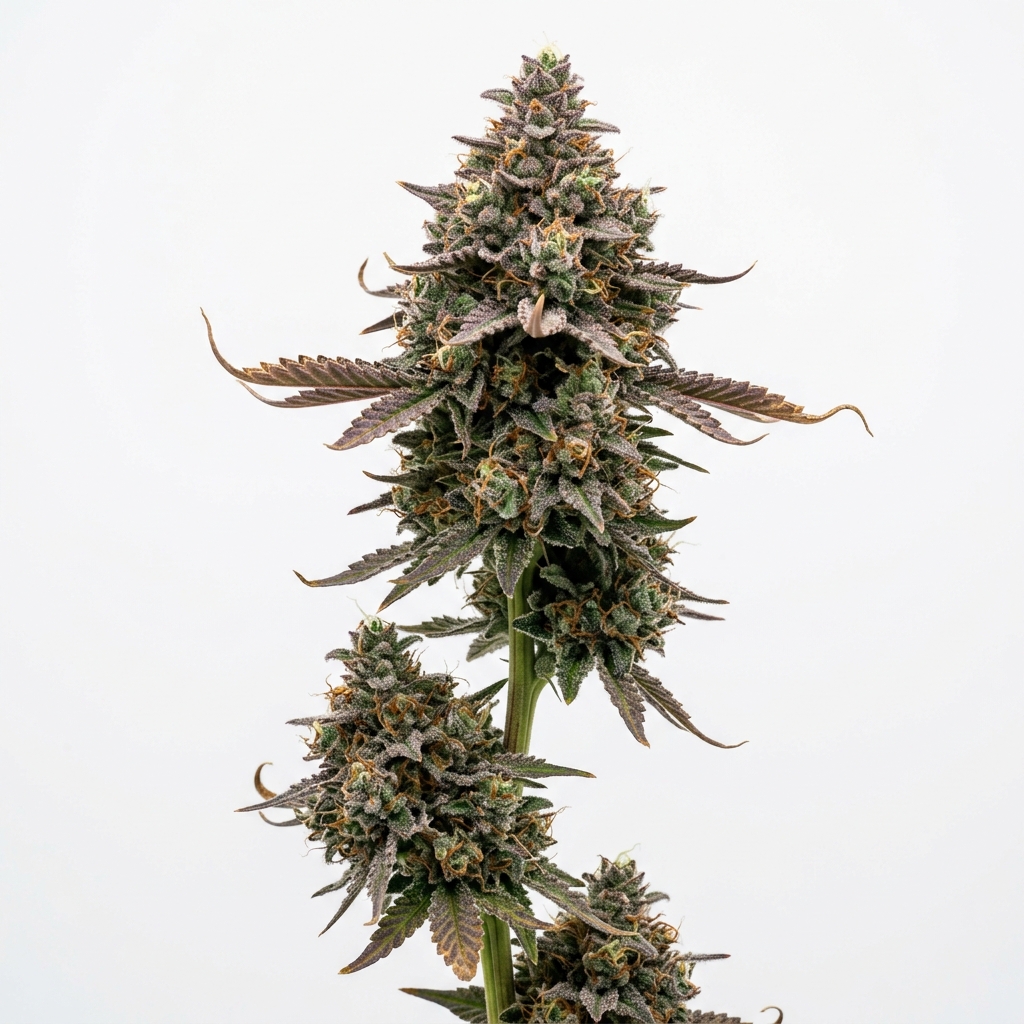
Cookie Rain (Cannabis Strain)
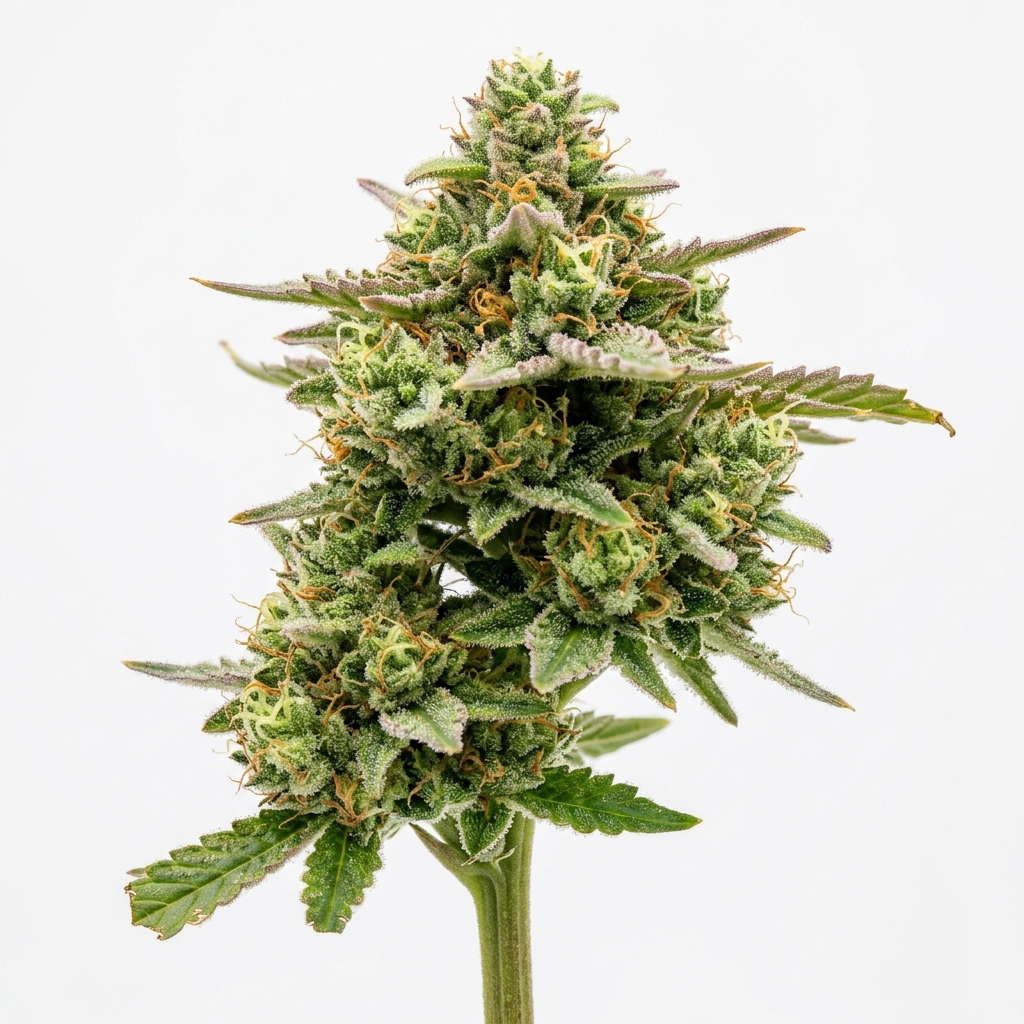
Cookie Rain is an indica-dominant hybrid dried flower cultivar typically testing between 20% and 26% THC. The original breeder is not consistently documented in reliable public records, though the cut is widely recognized as a cross between Girl Scout Cookies and Candy Rain. The cultivar is characterized by dense bract development, heavy glandular trichome coverage, and a distinct terpene signature combining baked sweet dough, dark fruit, and an earthy fuel finish. Its resin density and manageable canopy stretch make it a frequent choice for solventless extraction and boutique indoor grows.
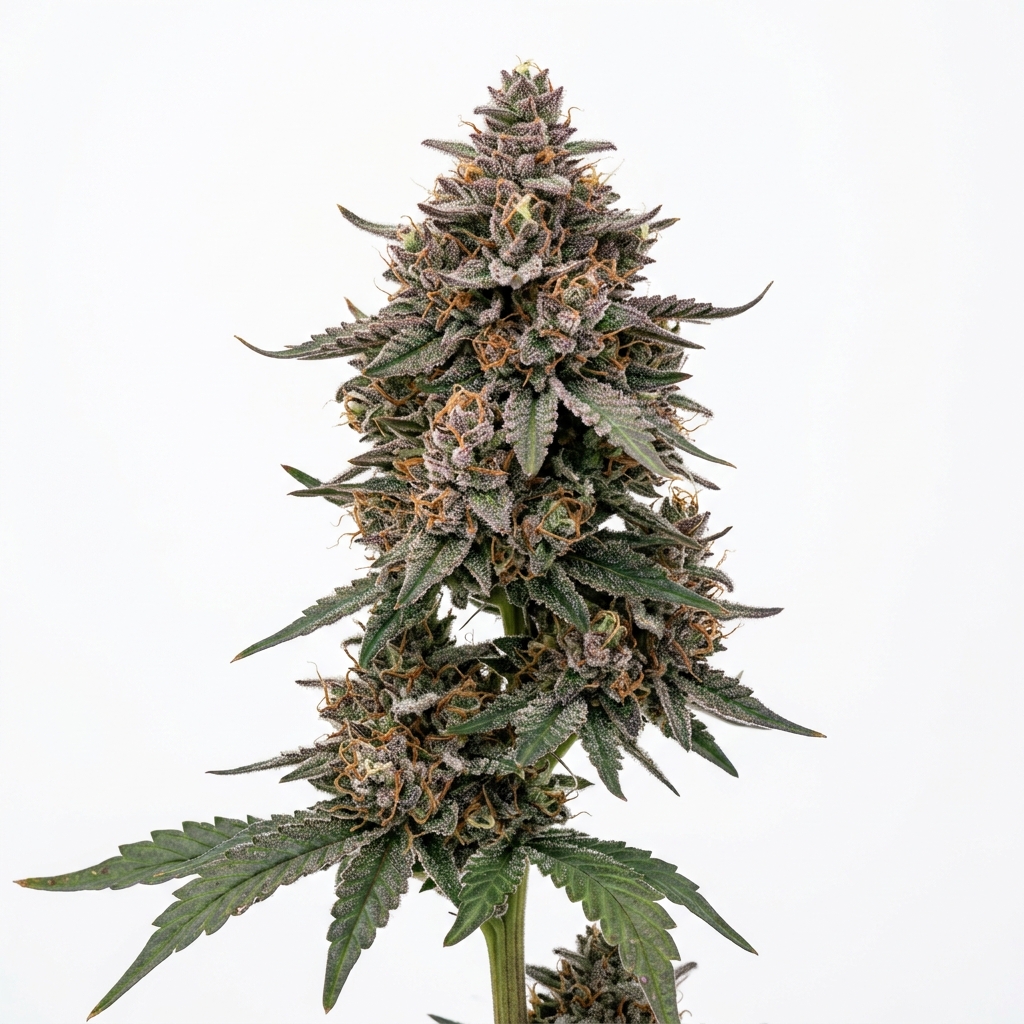
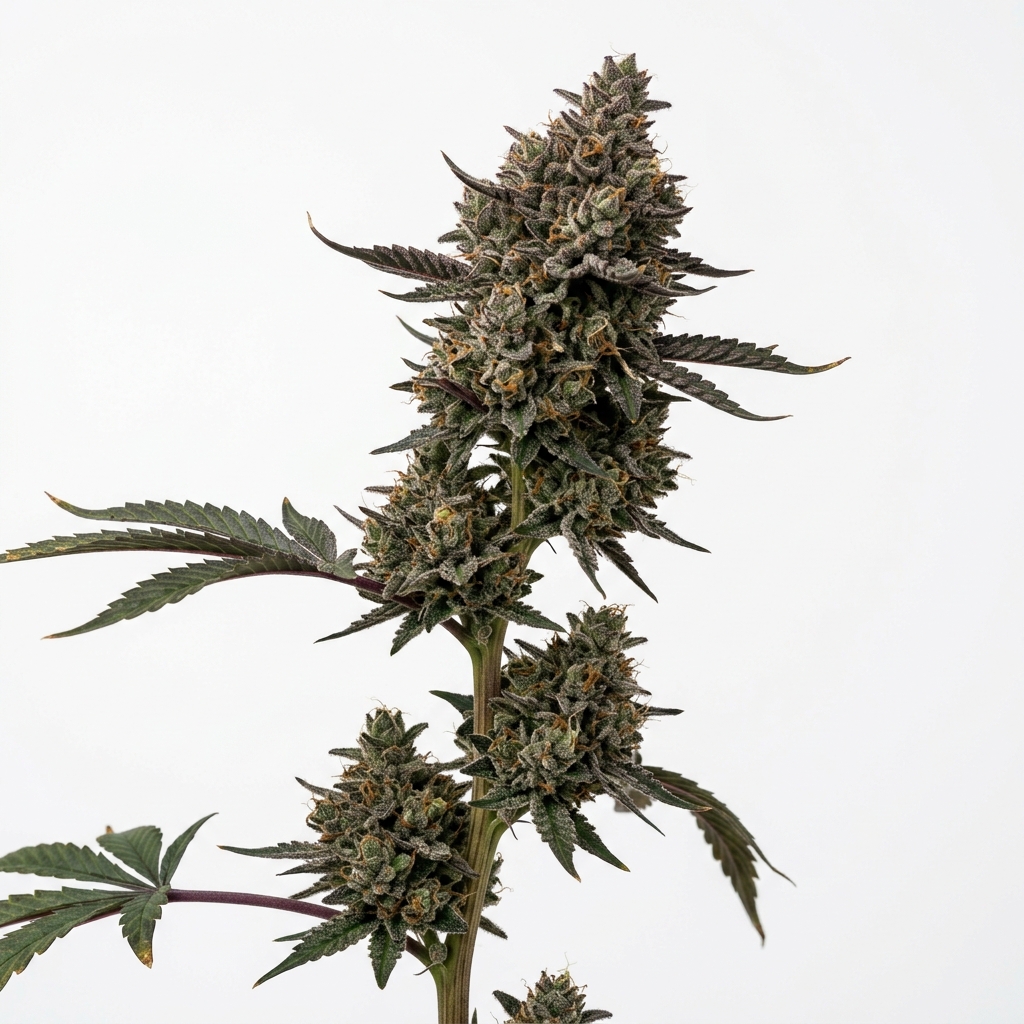
The lineage pairs the deep, earthy pastry notes of Girl Scout Cookies with the candied citrus and gas profile of Candy Rain. Plants develop strong lateral branches supporting compact, golf-ball-sized colas that display violet foliage during the final weeks of bloom. Commonly reported effects describe a grounding physical relaxation accompanied by a mellow, sensory head ease that settles in smoothly without jarring early stimulation.
Quick Facts
| Field | Detail |
|---|---|
| Breeder | Not consistently documented |
| Genetics | Girl Scout Cookies × Candy Rain |
| Variety | Indica-dominant hybrid (approx. 70/30) |
| THC Range | 20% – 26% (dried flower) |
| Flowering Time | 8 – 9 weeks (56 – 63 days) |
| Yield Potential | Moderate to high (400 – 500 g/m² indoor) |
| Plant Height | Medium (approx. 100 – 140 cm) |
| Climate Preference | Temperate to Mediterranean; controlled indoor optimal |
| Difficulty | Moderate |
Scientific & Botanical Overview
Cookie Rain shows vegetative traits characteristic of contemporary dessert polyhybrids. Broad, dark green fan leaves emerge from thick, sturdy stems with moderate internodal spacing. The plant handles top canopy pruning well, responding with balanced secondary lateral growth rather than uncontrolled apical stretching.
During the floral transition, the bracts stack tightly around the nodes to form dense, rounded floral clusters. Glandular capitate-stalked trichomes develop early in flower, forming a thick resin coat across calyx surfaces and extending deep into surrounding sugar leaves. Anthocyanin accumulation is common late in the flowering cycle, bringing deep purple and slate-gray tones to the foliage when night temperatures drop.
The chemical profile is led by major sesquiterpenes and monoterpenes, primarily beta-caryophyllene, limonene, and linalool. This secondary metabolite makeup supports the warm bakery, fruit, and spice aromatics typical of its parental heritage. The high gland density and firm head integrity make the cured flower especially suited to dry-sift and ice-water extraction workflows.
Effects & Use-Cases (Reported)
Commonly reported effects: Consumers typically report a gradual physical ease that softens muscle tension without causing sudden lethargy. The onset often brings a light cerebral glow, easing everyday stress before giving way to sustained physical calm and quiet mental focus.
Use-case context: Given its calming profile and solid potency, Cookie Rain is most frequently selected for evening routines, post-work decompression, or low-tempo social settings. The steady body relaxation also lends itself well to quiet creative tasks or winding down before sleep.
Note: Individual response to cannabis cultivars varies based on personal tolerance, setting, dosage, and unique chemical sensitivity. What feels relaxing for one individual may feel sedative or mentally stimulating for another.
Aroma & Flavors
Aroma: The initial jar note delivers rich, baked pastry sweetness combined with creamy vanilla and a noticeable earthy kush foundation. Breaking the dense buds releases sharper layers of tart berry, subtle citrus peel, and a distinct diesel bite.
Flavor: The smoke is thick and coaty, opening with sweet dough, brown sugar, and dark fruit on the inhale. The exhale shifts toward peppery spice, herbal lavender, and lingering gas, leaving a clean dessert finish on the palate.
Terpene associations: The dominant aromatic presence is driven by beta-caryophyllene, supported by limonene, linalool, and secondary levels of myrcene and humulene.
Tested Cannabinoid & Terpene Ranges
| Compound | Compound Type | Reported Range (Dried Flower) |
|---|---|---|
| Δ9-THC | Cannabinoid | 20.0% – 26.0% |
| CBG | Cannabinoid | 0.4% – 1.2% |
| CBC | Cannabinoid | 0.1% – 0.5% |
| CBD | Cannabinoid | < 0.2% (typically trace) |
| β-Caryophyllene | Terpene | 0.4% – 1.0% |
| Limonene | Terpene | 0.3% – 0.8% |
| Linalool | Terpene | 0.1% – 0.4% |
| Myrcene | Terpene | 0.1% – 0.3% |
Range note: Cannabinoid and terpene figures represent published commercial and diagnostic flower testing averages. Exact figures vary across specific phenotypes, nutrient regimens, lighting intensity, environmental conditions, and post-harvest drying practices.
Cultivation Notes
- Humidity management: Maintain relative humidity between 55% and 60% during early bloom, lowering gradually to 40%–45% during the final three weeks. Due to the high floral density of the colas, adequate dehumidification and constant air exchange are necessary to prevent microclimates from trapping moisture inside the flower clusters.
- Nutrient requirements: Cookie Rain shows a moderate feeding appetite. It performs reliably on a standard bloom feed with balanced potassium and phosphorus, but can show tip burn if nitrogen levels remain high past week four of flower. Moderate calcium and magnesium support helps maintain strong cell walls in dense stems.
- Canopy training: Low-stress training (LST) and early topping create an even canopy of productive tops. The moderate internodal stretch allows for effective trellis netting, which helps space out secondary sites and supports the weight of swelling tops in late flower.
- Defoliation: Strategic leaf removal at day 21 and day 42 of flowering opens lower node sites to direct light. Removing dense interior fan leaves significantly improves airflow through the lower canopy without stunting flower swell.
- Harvest window: Optimal ripeness typically falls between 56 and 63 days of 12/12 light. Inspect trichome heads along the middle calyxes; target approximately 10% to 15% amber heads with the remainder fully milky for balanced aromatic and sensory expression.
Grower Notes (Week-by-Week Snapshot)
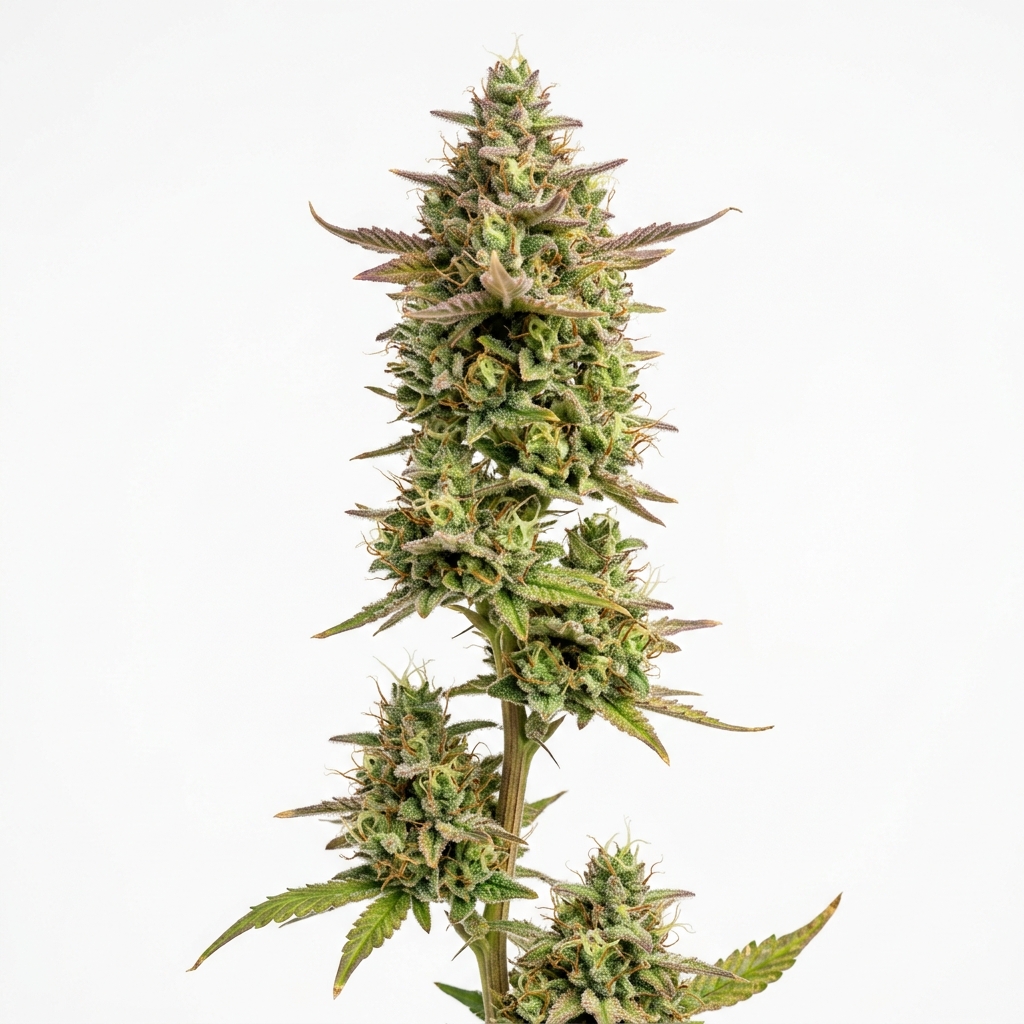
- Weeks 1–3 (Stretch and Early Flower): Plants exhibit a manageable 1.5x to 2x stretch. Stems thicken quickly while initial white pistil clusters form tightly along apical nodes. Early light defoliation around day 21 helps establish light penetration to lower branch junctions.
- Weeks 4–6 (Bud Formation and Resin Onset): Calyxes begin stacking densely, forming distinct golf-ball-shaped flower clusters. Trichome coverage expands rapidly over bracts and fan leaf stems, releasing a noticeable sweet pastry and fuel aroma. Maintain steady airflow across the canopy.
- Weeks 7–9 (Ripening and Senescence): Vertical growth ceases completely as flowers swell and firm up. Fan leaves often fade into deep purple, burgundy, and bronze shades, particularly with cooler nighttime temperatures (18°C–20°C / 64°F–68°F). Trichomes shift from translucent to predominantly milky.
- Post-Harvest Cure: Dry whole plants or large branches at 15°C–18°C (59°F–64°F) and 58%–62% relative humidity for 11 to 14 days. A slow, unhurried dry followed by a three- to four-week cure in airtight containers preserves the delicate sweet dough and berry volatile notes.
Genetic Lineage
The genetic background of Cookie Rain unites two prominent modern dessert families. Its maternal parent, Girl Scout Cookies (OG Kush × Durban Poison), established the benchmark for dense, resin-rich flowers with sweet earthy dough and pungent diesel undertones. GSC contributes its signature calyx structure, heavy resin gland density, and grounding physical effects to the cross.
On the other side, Candy Rain (London Pound Cake × Gelato) introduces richer anthocyanin expression, enhanced lateral vigor, and an intensely sweet terpene spectrum marked by candied fruit and creamy gas. The pairing refines the classic Cookies structure into a resinous, high-aroma hybrid with improved bag appeal and deeper terpene complexity.
Research Insights
Cannabis phytochemistry research shows that the interplay between major cannabinoids and volatile aromatic compounds significantly influences sensory perception and receptor affinity. The dominant presence of beta-caryophyllene is noteworthy, as scientific literature recognizes it as a functional dietary cannabinoid capable of binding directly to peripheral CB2 receptors, where it displays anti-inflammatory properties in preclinical models.
Monoterpenes such as limonene and linalool have been studied for their potential modulation of neurotransmitter pathways associated with stress and mood regulation in basic pharmacology studies. While these general botanical findings offer insight into the physiological properties of individual plant compounds, they do not constitute medical validation or clinical proof regarding the therapeutic outcomes of consuming whole-flower Cookie Rain.
Frequently Asked Questions
Who is the original breeder of Cookie Rain?
The original breeder of Cookie Rain is not consistently documented in reliable public sources. The cultivar emerged from modern dessert breeding projects that combined Girl Scout Cookies genetics with Candy Rain, and it is now circulated through various clone-only selections and boutique seed offerings.
Is Cookie Rain an indica or sativa?
Cookie Rain is an indica-dominant hybrid, generally showing an approximate 70% indica to 30% sativa ratio. Its plant morphology, dense bud formation, and reported calming physical effects reflect its heavy indica genetic heritage.
What does Cookie Rain smell and taste like?
Cookie Rain smells like baked vanilla cookies, sweet dough, and dark berries, layered over an earthy fuel foundation. The flavor delivers a sweet dessert inhale followed by peppery spice, herbal lavender, and light diesel on the exhale.
What is the flowering time for Cookie Rain?
Under a standard 12/12 indoor lighting schedule, Cookie Rain typically completes flowering in 8 to 9 weeks (56 to 63 days). Colder night cycles toward the end of this window help bring out rich purple coloration across the buds and sugar leaves.
Educational Disclaimer
This content is for educational and informational purposes only. Cannabis laws and regulations vary by jurisdiction. Always consult with a qualified professional before beginning any cultivation project or consuming cannabis products.
Rate and review this strain
Ratings and reviews are accepted only from signed-in Google accounts.
Sign in with Google to leave a rating and written review.
Latest Reviews
0 reviewsNo reviews yet. Be the first Google user to rate and review this strain.
Follow New Cultivar Records
Get newly documented genetics, breeder history, research highlights, and important Strainpedia discoveries by email.