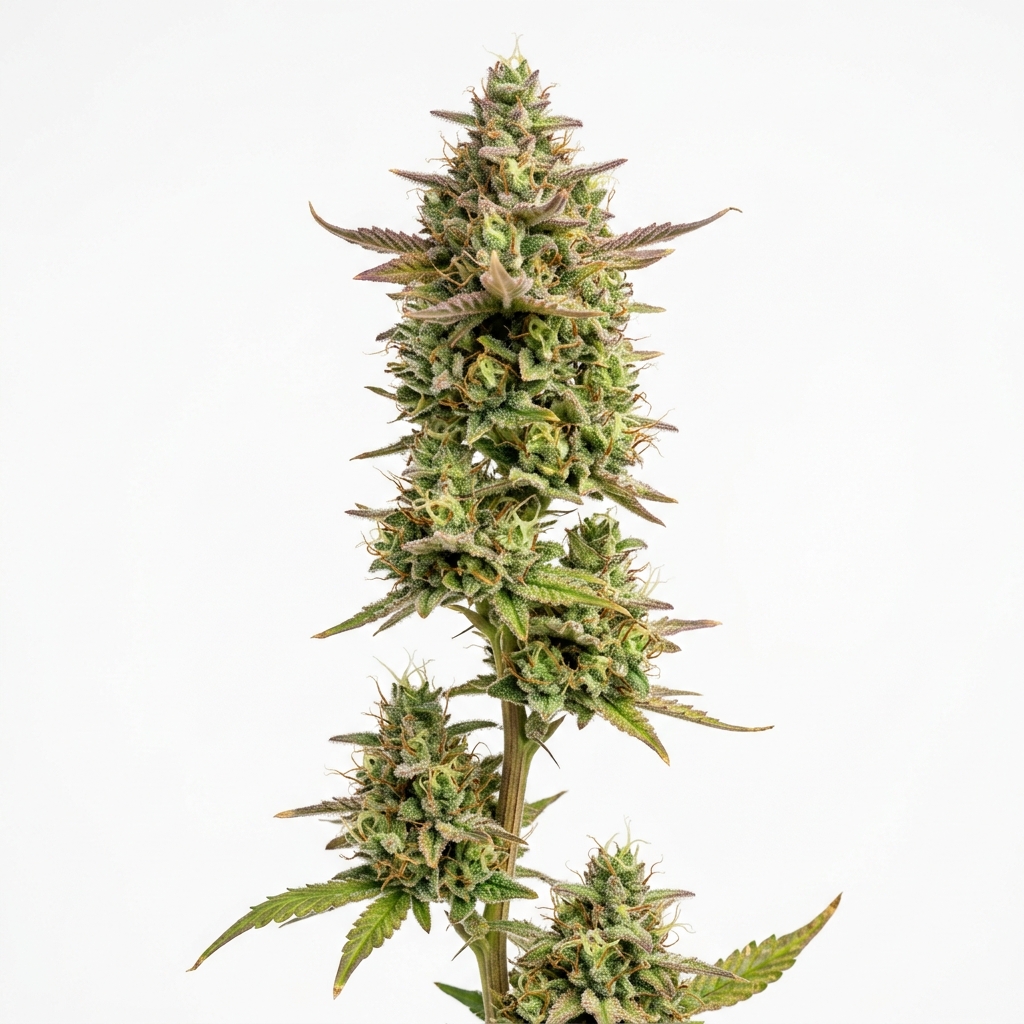
Acapulco Punch (Cannabis Strain)
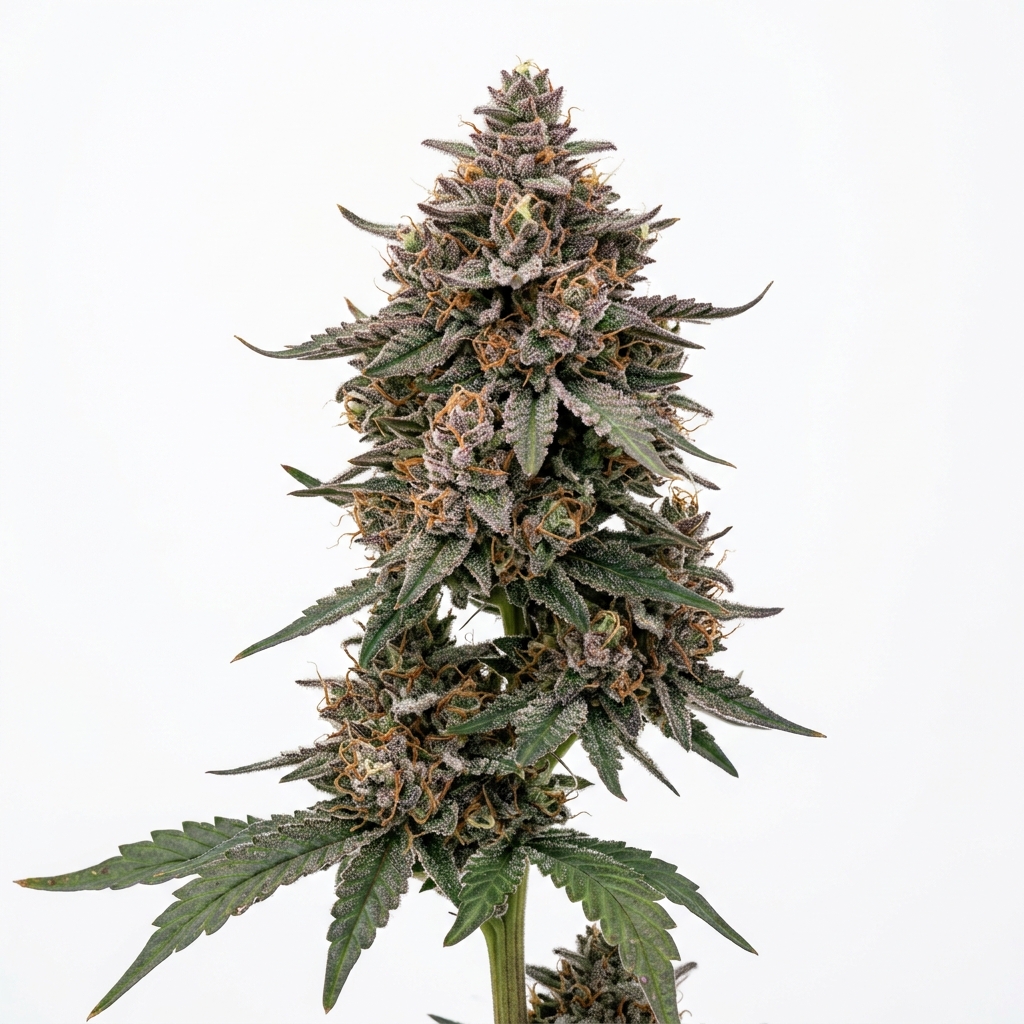
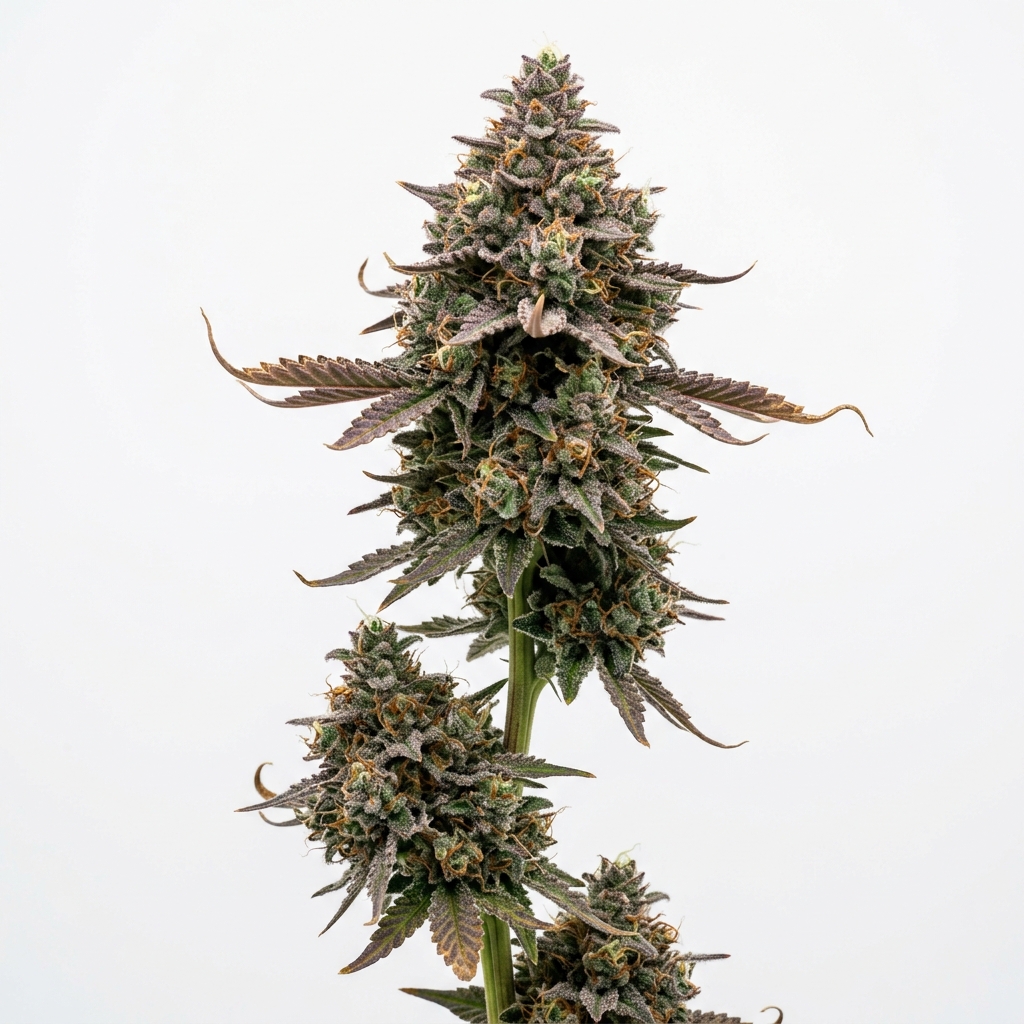
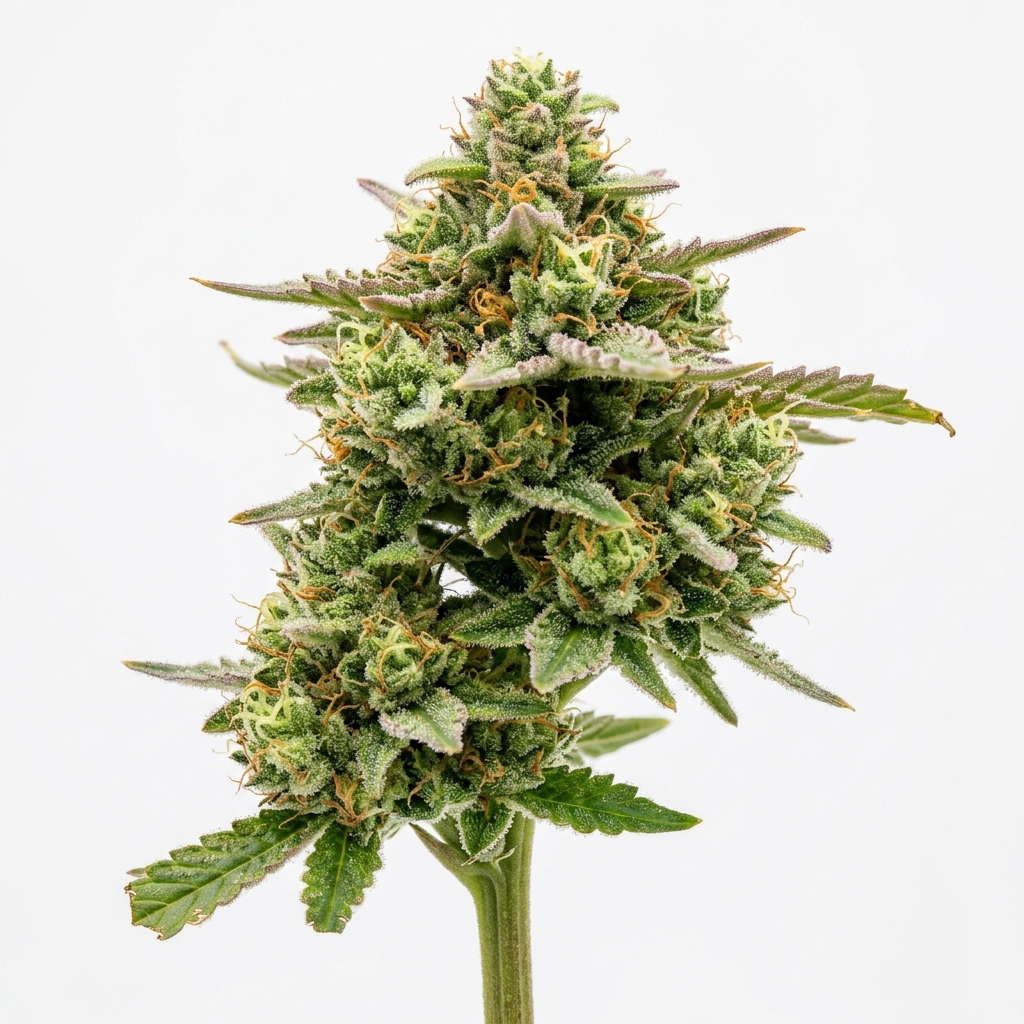
Acapulco Punch is a sativa-dominant hybrid bred by crossing the celebrated Mexican heirloom descendant Acapulco Gold with the resin-dense dessert cultivar Purple Punch. Verified flower testing generally places dried uninfused potency between 19% and THC not consistently reported, establishing a vibrant daytime profile defined by tart tropical citrus, spiced wood, and dark grape sweetness. The original breeder is not consistently documented across commercial releases, though several West Coast seed houses and legacy growers have popularized selections aimed at uniting classic equatorial vigor with modern resin density. The finished flower produces elongated spear colas lined with dense, frost-coated bracts and amber pistils.
By balancing the lanky, upright architecture of Acapulco Gold with the tight internodal spacing and abundant trichomes of Purple Punch, this cultivar offers growers a manageable canopy alongside generous dry-sift and flower yields. Consumers typically report a clear, elevated head space paired with an easy physical relaxation that avoids heavy sedation. Its bright flavor clarity and sensory lift make it well-suited for daytime outdoor activities, focused creative projects, or social settings.
Quick Facts
| Field | Detail |
|---|---|
| Breeder | Not consistently documented |
| Genetics | Acapulco Gold × Purple Punch |
| Variety | Sativa-dominant hybrid (approx. 65% sativa / 35% indica) |
| THC Range | 19% – 24% |
| Flowering Time | 9 – 10 weeks (63 – 70 days) |
| Yield Potential | Moderate to high (450 – 550 g/m² indoors) |
| Plant Height | Medium to tall (moderate stretch) |
| Climate Preference | Warm, temperate to semi-arid with controlled late humidity |
| Difficulty | Moderate |
Scientific & Botanical Overview
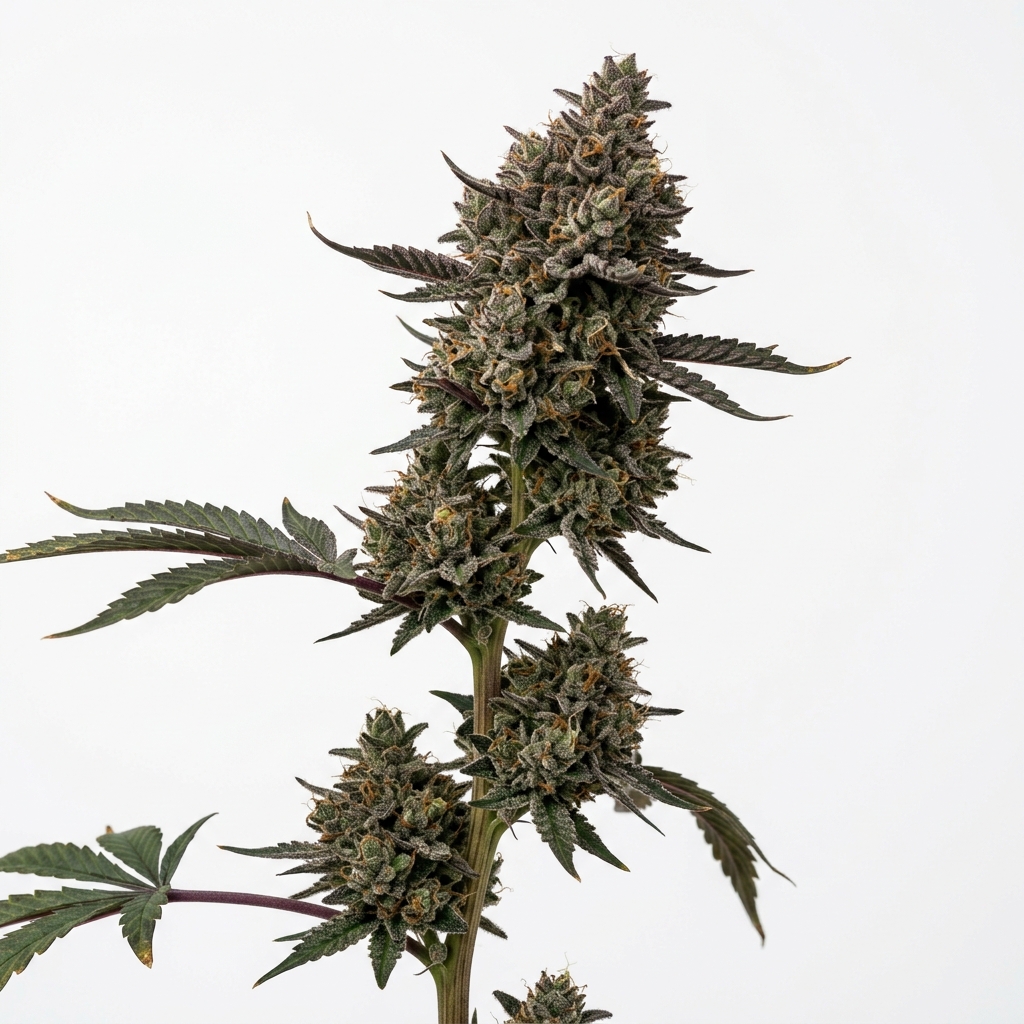
Acapulco Punch shows hybrid growth characteristics with prominent sativa traits inherited from its Mexican landrace roots. Plants feature moderately thin fan leaves, sturdy central stalks, and substantial lateral branching that fills out quickly during the vegetative cycle. When transitioned to bloom, the plant displays a moderate-to-high stretch, producing stacked nodes that develop into extended conical colas.
The floral architecture balances density and airflow better than typical pure indica lines. Calyxes swell noticeably during the final three weeks of flowering, forming chunky clusters dusted in short-stalked glandular trichomes. Under cooler night temperatures late in the cycle, foliage and outer floral bracts can develop soft violet or plum hues inherited from the Purple Punch parent, contrasting with bright copper pistils.
Resin glands on mature flowers remain sticky and aromatic, holding high volatile terpene concentrations when dried properly. The plant thrives under strong lighting and maintains high photosynthetic rates when root-zone temperatures and canopy airflow are properly balanced.
Effects & Use-Cases (Reported)
Commonly reported effects: The onset typically begins behind the eyes and temples with an uplifting, cerebral clarity that promotes mood elevation and creative engagement. As the session progresses, a mellow physical ease spreads through the shoulders and neck without introducing heavy lethargy or motor impairment. Users frequently note an upbeat, talkative state accompanied by mild sensory sharpening.
Use-case context: Acapulco Punch is frequently selected for morning or afternoon use, weekend social events, outdoor hikes, and studio work. Its functional mental buzz makes it a practical option for tasks requiring focus and good spirits rather than deep evening rest.
Note: Individual physiological response varies significantly based on individual tolerance, dosing, and setting. High-potency cannabis should always be approached mindfully.
Aroma & Flavors
Aroma: Breaking apart the dried flowers releases a burst of tart tropical fruit, ripe mango, and sweet Concord grape backed by hints of spicy cedar and warm earth. A subtle musky gas note lingers in the background when the buds are ground.
Flavor: The smoke or vapor delivers a bright palate of candied fruit punch, lemon zest, and sweet berries on the inhale. The exhale shifts toward a drier, woody finish with light herbal spice and faint earthiness that lingers pleasantly on the tongue.
Terpene associations: Analytical profiles commonly highlight terpinolene, beta-caryophyllene, myrcene, and limonene as the primary contributors to this cultivar’s tropical, spicy, and citrus-forward bouquet.
Tested Cannabinoid & Terpene Ranges
| Compound | Typical Flower Range |
|---|---|
| Δ9-THC | 19.0% – 24.0% |
| CBD | < 0.2% |
| CBG | 0.4% – 1.1% |
| Total Cannabinoids | 21.0% – 27.0% |
| Terpinolene | 0.3% – 0.8% |
| beta-Caryophyllene | 0.2% – 0.6% |
| Myrcene | 0.2% – 0.5% |
| Limonene | 0.1% – 0.4% |
| Total Terpenes | 1.4% – 2.6% |
Range note: Cannabinoid and terpene metrics reflect published third-party laboratory analyses of dried flower. Environmental inputs, light intensity, phenotype selection, and curing protocols directly affect final chemical concentrations.
Cultivation Notes
- Humidity management: Maintain vegetative relative humidity between 60% and 65%, gradually lowering to 48%–52% in mid-flower, and targeting 40%–45% during the final two weeks to protect developing spear colas from mold.
- Nutrient requirements: Feed with moderate electrical conductivity throughout veg; transition to higher phosphorus and potassium levels during weeks 4 through 7 of bloom while moderating nitrogen to prevent leaf clawing.
- Canopy training: Apply low-stress training (LST) and early topping at the fourth or fifth node to manage vertical stretch and encourage a level multi-cola canopy.
- Defoliation: Conduct a selective defoliation around day 21 of flower to expose lower bud sites to direct light, followed by a light maintenance prune around day 42 to sustain bottom-to-top airflow.
- Harvest window: Inspect glandular trichomes with a jeweler’s loupe, aiming for harvest when heads transition to roughly 5%–10% amber with the rest fully milky, typically between days 63 and 70.
Grower Notes (Week-by-Week Snapshot)
- Weeks 1–3 (Vegetative & Early Bloom Flip): Plants establish vigorous root networks and rapid vertical shoot development. Topping during early veg establishes multiple strong leaders before inducing flower.
- Weeks 4–6 (Stretch & Early Flower Formation): The vertical stretch can increase height by 1.5x to 2x. Trellising keeps dominant branches supported as button-like calyx clusters form and early resin heads appear on sugar leaves.
- Weeks 7–9 (Cola Swelling & Terpene Surge): Calyxes swell into thick spears and pistils darken to deep orange. The room fills with a strong tropical fruit and cedar fragrance as trichome coverage thickens across upper bracts.
- Post-Harvest (Slow Dry & Glass Cure): A steady dry at 60°F (15.5°C) and 60% relative humidity for 10 to 14 days protects delicate volatile monoterpenes, followed by a minimum 3-week cure in airtight glass containers.
Genetic Lineage
On the maternal side, Acapulco Gold provides an iconic heirloom genetic baseline originating from the coastal mountains of Guerrero, Mexico. Renowned in cannabis history for its soaring, stimulating onset and distinctive spiced-wood fragrance, this sativa parent contributes vertical vigor, elongated floral clusters, and a rich historical cannabinoid profile.
The paternal influence comes from Purple Punch, a modern indica-leaning hybrid created by crossing Larry OG with Granddaddy Purple. Purple Punch contributes dense bract formation, rich grape and berry dessert terpenes, and heavy trichome coverage that tempers the extended flowering cycle of pure equatorial sativas.
Research Insights
Scientific literature on cannabis pharmacology highlights how specific terpene profiles modulate the consumer experience. Monoterpenes such as terpinolene and limonene, which are well-represented in equatorial sativa descendants, are frequently investigated for their aromatic brightness and potential alerting sensory characteristics when combined with delta-9-THC.
While strain-specific clinical trials on Acapulco Punch have not been conducted, broader phytocannabinoid research confirms that sesquiterpenes like beta-caryophyllene act directly as full agonists at peripheral CB2 receptors. These findings suggest that the complex interplay of minor cannabinoids and volatile aromatics underpins the clear, functional experience described in anecdotal reports.
Frequently Asked Questions
Who is the original breeder of Acapulco Punch?
The original breeder is not consistently documented across commercial releases, though several West Coast seed houses and boutique hybridizers have developed and stabilized selections pairing Acapulco Gold with Purple Punch.
Is Acapulco Punch an indica or sativa?
Acapulco Punch is a sativa-dominant hybrid, generally showing approximately 65% sativa and 35% indica genetics that balance vertical plant structure with dense, resin-covered colas.
What does Acapulco Punch smell and taste like?
It features a primary profile of tart tropical fruit, ripe mango, and sweet Concord grape, balanced by an earthy base of spicy cedar and light citrus peel on the exhale.
How long does Acapulco Punch take to flower?
Indoor flowering typically requires 9 to 10 weeks (63 to 70 days), depending on the specific phenotype and environmental growing conditions.
Educational Disclaimer
This content is for educational and informational purposes only. Cannabis laws and regulations vary by jurisdiction. Always consult with a qualified professional before beginning any cultivation project or consuming cannabis products.
Rate and review this strain
Ratings and reviews are accepted only from signed-in Google accounts.
Sign in with Google to leave a rating and written review.
Latest Reviews
0 reviewsNo reviews yet. Be the first Google user to rate and review this strain.
Follow New Cultivar Records
Get newly documented genetics, breeder history, research highlights, and important Strainpedia discoveries by email.