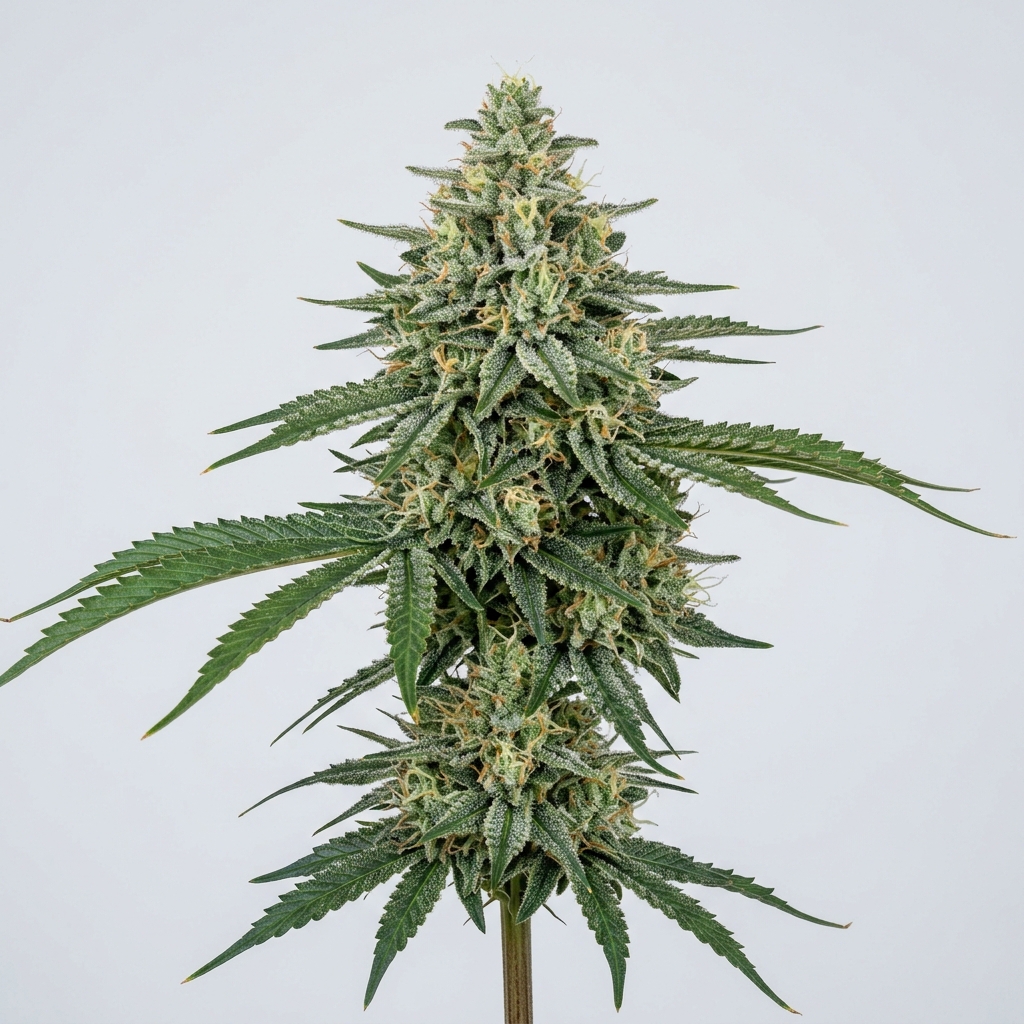
Glass Slipper (Cannabis Strain)
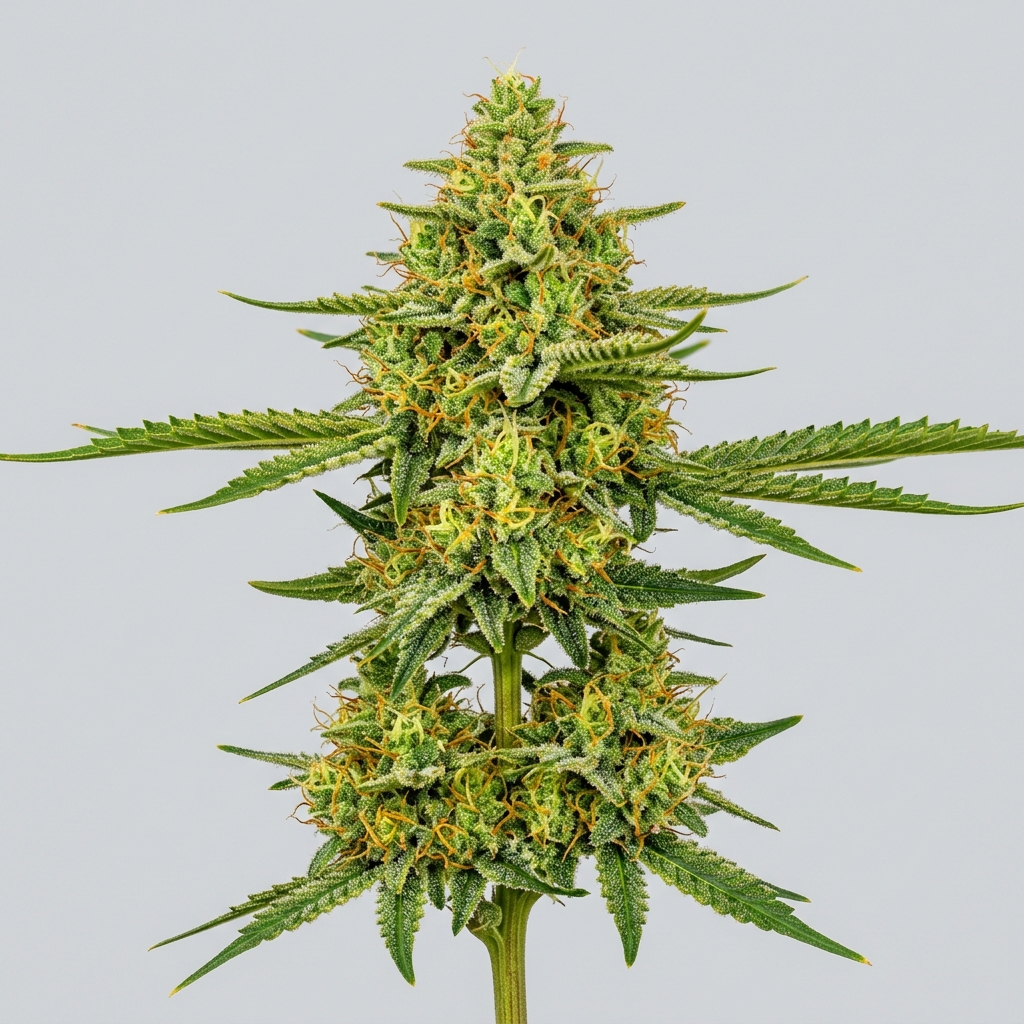
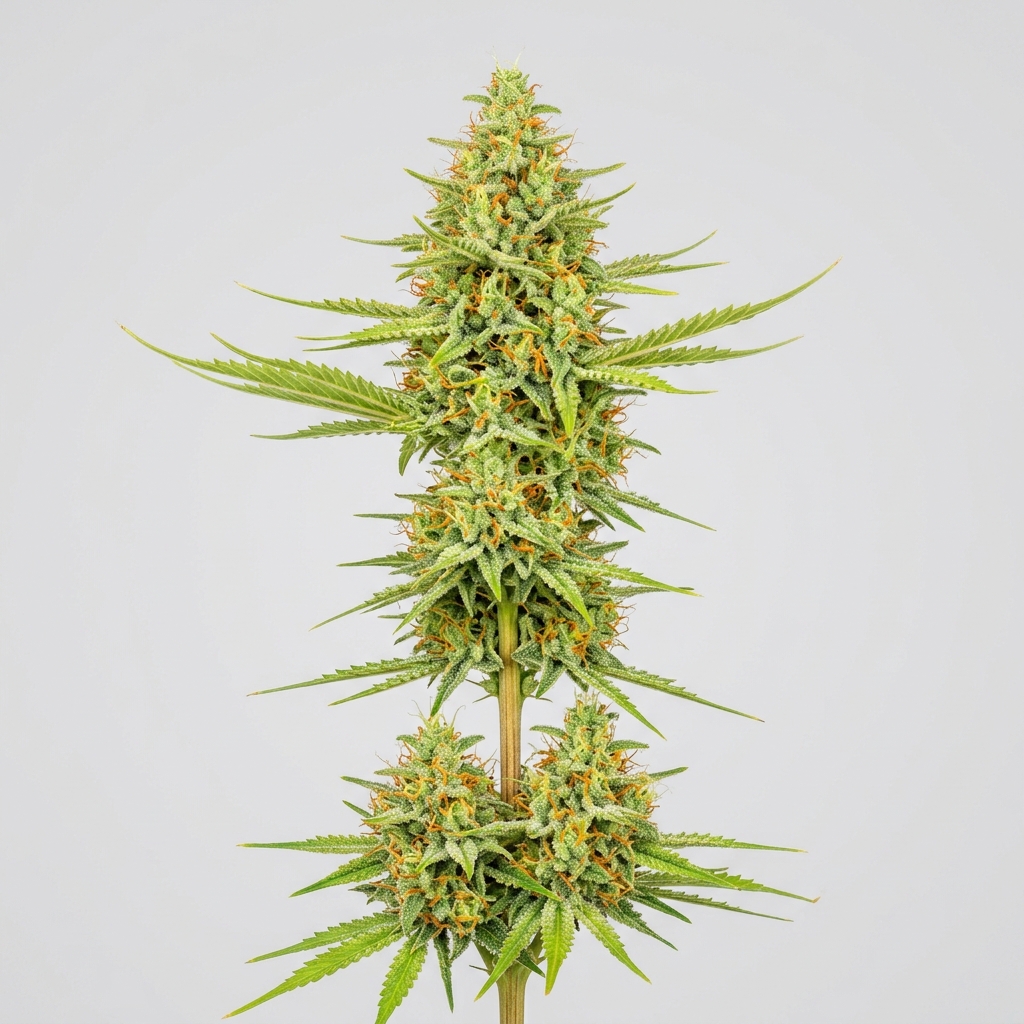
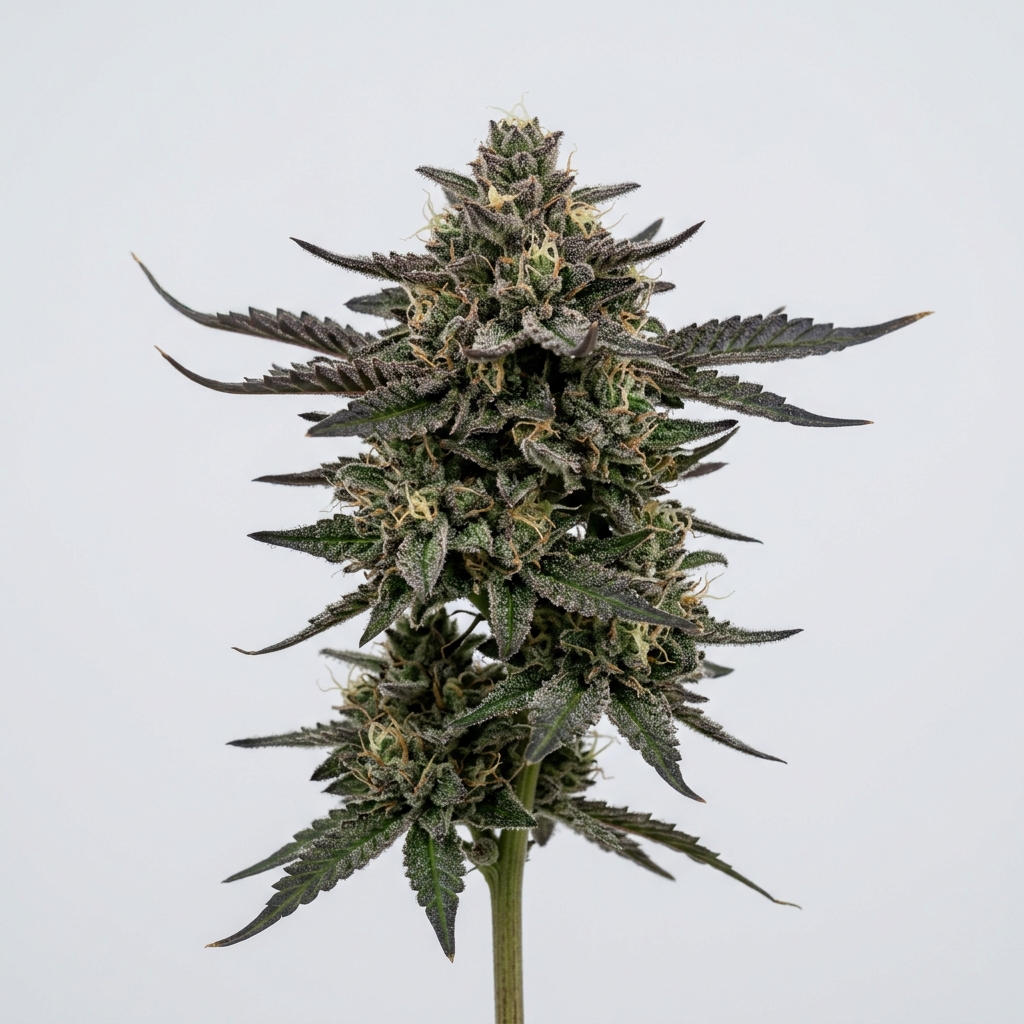
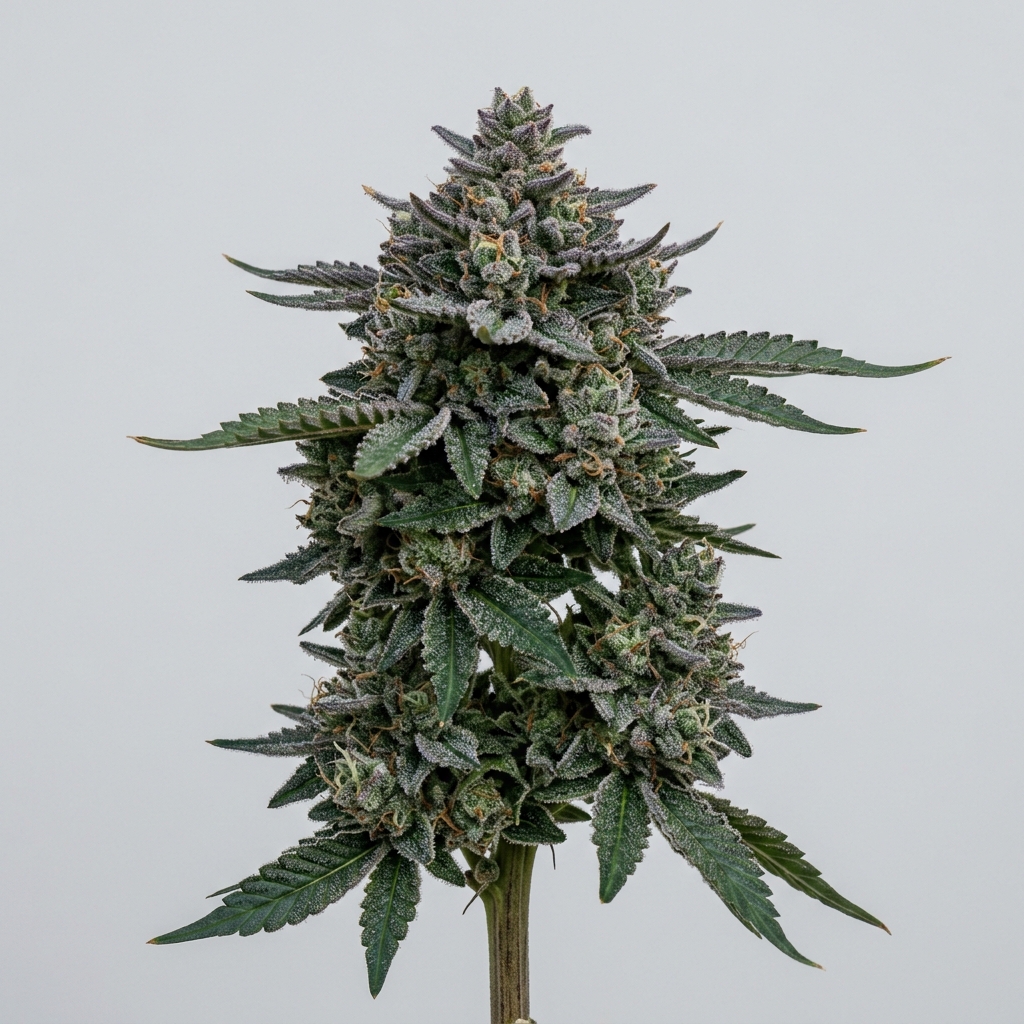
Glass Slipper is a sativa-dominant hybrid, typically testing between 20% and 25% THC, created by crossing the legendary Cinderella 99 with the resin-heavy The White. Known for its glassy buds and wet frost appearance, this cultivar delivers a sharp citrus lift layered over a sweet, tropical pineapple base. It shows a moderate stretch during early flower, developing dense, spear-shaped colas that require careful humidity management to protect their resin-rich flowers.
The cultivar has earned a solid reputation among growers for its reliable trichome production and terpene clarity. While it leans sativa in its growth structure and uplifting effects, the dense bracts and heavy resin coverage clearly show the structural influence of its indica-leaning parentage.
Quick Facts
| Attribute | Details |
|---|---|
| Genetics | Cinderella 99 × The White |
| Variety | Sativa-dominant Hybrid |
| THC Range | 20% – 25% |
| Flowering Time | 56 – 65 Days (8 – 9 Weeks) |
| Yield Potential | Moderate to High |
| Plant Height | Medium to Tall |
| Climate Preference | Temperate, Low Humidity |
| Difficulty | Moderate |
Scientific & Botanical Overview
Glass Slipper displays a classic hybrid morphology, characterized by moderate internodal spacing and thin, serrated fan leaves that allow decent light penetration. The plant inherits its structural vigor from Cinderella 99, stretching noticeably when flipped to light cycles of 12/12. This requires growers to plan canopy management strategies early in the vegetative cycle.
As the flowering phase progresses, the calyxes swell significantly, forming tight, spear-shaped colas covered in a dense layer of capitate-stalked trichomes. The resin production is highly pronounced, turning the deep green foliage almost white by week seven. This thick coating of wet frost gives the mature buds their characteristic glassy, crystalline appearance.
This cultivar thrives in environments where growers can closely monitor atmospheric parameters. The dense structure of its upper colas requires strict airflow control to prevent moisture retention within the tight bracts. Maintaining stable root zone temperatures helps preserve the delicate monoterpenes during the final weeks of development.
Effects & Use-Cases (Reported)
Commonly reported effects: Growers and consumers describe a rapid, clear-headed stimulation that transitions into a calm, functional physical relaxation. The initial onset is marked by a sharp sensory focus, making it a popular choice for daytime activities without heavy physical sedation. Users often note a sustained sense of alertness and clean energy.
Use-case context: This profile is well-suited for creative tasks, morning routines, or social environments where mental clarity is preferred over heavy physical downtime. Its lack of a heavy physical crash makes it a versatile option for daytime use.
Note: Individual experiences may vary, and high-THC cultivars can sometimes induce mild anxiety in sensitive users.
Aroma & Flavors
Aroma: Sweet pineapple, tart citrus, and a subtle undercurrent of earthy pine dominate the profile of the cured flower.
Flavor: Bright tropical fruit on the inhale, followed by a clean, slightly herbal mint finish and a touch of fuel.
Terpene associations: High concentrations of limonene, myrcene, and caryophyllene drive the aromatic profile of this cultivar.
Tested Cannabinoid & Terpene Ranges
| Compound | Typical Range |
|---|---|
| Δ9-THC | 20.0% – 25.0% |
| CBD | < 0.5% |
| Limonene | 0.4% – 0.8% |
| Myrcene | 0.3% – 0.6% |
| Caryophyllene | 0.2% – 0.5% |
| Pinene | 0.1% – 0.3% |
Cannabinoid and terpene levels are highly variable and depend heavily on cultivation practices, curing methods, and specific phenotypes.
Cultivation Notes
- Maintain relative humidity below 45% during the final three weeks of flowering to protect the dense, resin-rich colas.
- Responds well to early topping and low-stress training (LST) to manage the moderate stretch and promote an even canopy.
- Requires a balanced nutritional regimen, with a slight reduction in nitrogen early in the flowering cycle to avoid leaf curl.
- Plan for a slow dry of 10 to 14 days at 60°F and 60% humidity to preserve the volatile tropical terpenes.
- Select phenotypes that display the tight internodes of The White combined with the sweet, citrus-forward nose of Cinderella 99.
Grower Notes (Week-by-Week Snapshot)
- Weeks 1–3 (Transition & Stretch): The plants show a rapid vertical stretch, often doubling in height. Ensure early trellis support is in place to manage the expanding branch structure.
- Weeks 4–6 (Flower Development): Small, frosty button buds begin to merge into distinct spear colas. Trichome development accelerates rapidly on the sugar leaves.
- Weeks 7–9 (Ripening & Flush): Calyxes swell and the “glassy” resin coating becomes highly pronounced. Reduce humidity, monitor trichome amber ratios, and initiate a clean water flush.
Genetic Lineage
The genetic foundation of Glass Slipper rests on two highly regarded parents: Cinderella 99 and The White. Cinderella 99, a sativa-dominant classic bred from Jack Herer genetics, contributes its signature sweet pineapple aroma and uplifting mental effects. This parental line is famous for its fast flowering times and energetic profile.
On the other side, The White contributes its legendary resin-producing capabilities and dense, compact bud structure. The resulting hybrid balances the structural stretch and aromatic complexity of the sativa parent with the heavy trichome density of the indica-leaning lineage, creating a stable and highly resinous cultivar.
Research Insights
Analytical testing reveals a high concentration of monoterpenes, specifically limonene and myrcene, which work alongside the cannabinoid fraction to influence the cultivar’s uplifting profile. The presence of caryophyllene adds a mild spicy undertone, contributing to the overall complexity of the resin. This specific terpene distribution supports the clear-headed, functional effects reported by consumers.
Breeding circles value Glass Slipper for its consistent resin coverage, making it a viable candidate for extraction-grade resin production. Its terpene stability during a proper cure makes it highly sought after for solventless extraction methods, where the preservation of the pineapple-citrus profile is paramount.
Frequently Asked Questions
Is Glass Slipper an indica or a sativa?
Glass Slipper is a sativa-dominant hybrid, though it displays physical traits from both sides of its lineage, including dense buds from its indica parent, The White.
How long does Glass Slipper take to flower?
This cultivar typically completes its flowering cycle in 56 to 65 days (8 to 9 weeks) when grown indoors.
What does Glass Slipper smell like?
It features a prominent aroma of sweet, tropical pineapple and sharp citrus, backed by a subtle earthy, pine-like finish.
Is Glass Slipper difficult to grow?
It is moderately difficult to grow. While it is structurally resilient, its dense, resinous buds require strict humidity control during late flower to prevent mold.
Educational Disclaimer
This profile is for informational and educational purposes only. Cultivation of cannabis must comply with local laws and regulations. Always consult with professional horticultural resources and local authorities before undertaking cultivation.
Rate and review this strain
Ratings and reviews are accepted only from signed-in Google accounts.
Sign in with Google to leave a rating and written review.
Latest Reviews
0 reviewsNo reviews yet. Be the first Google user to rate and review this strain.