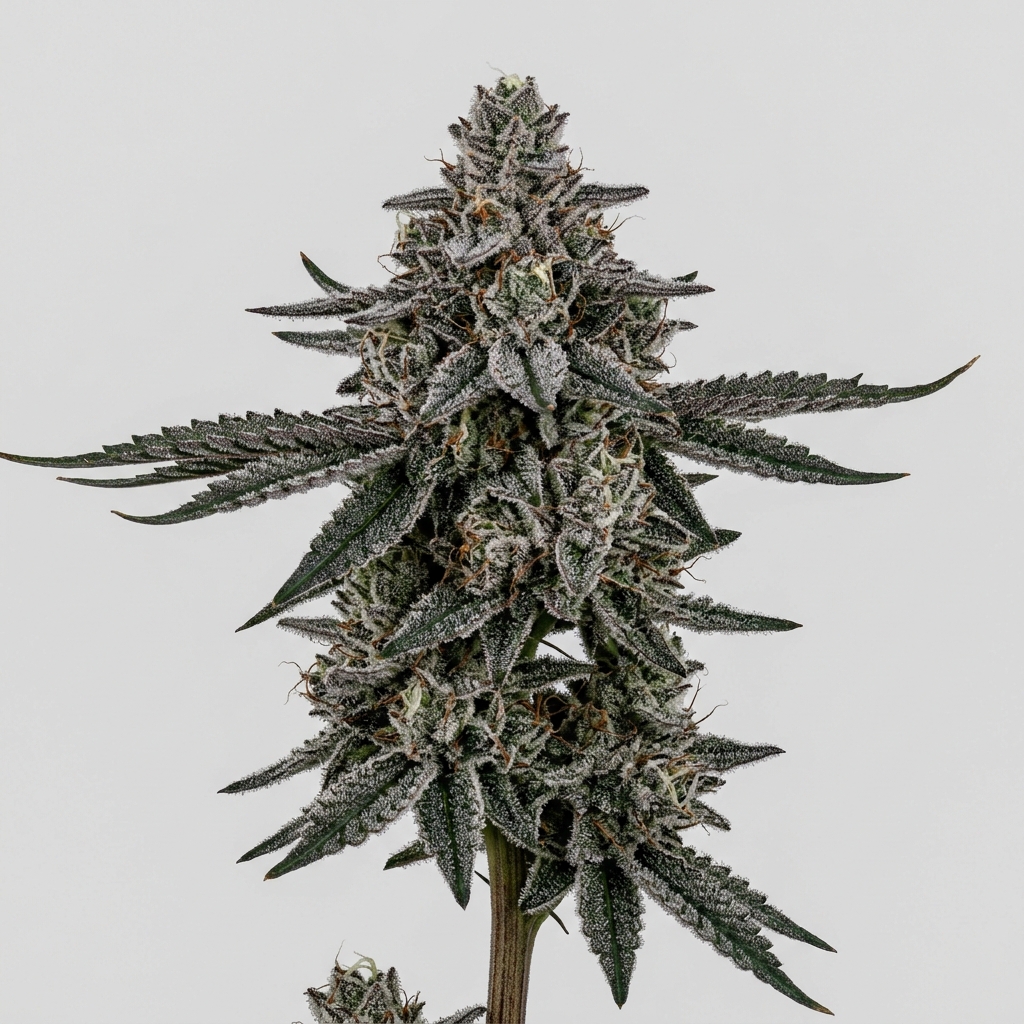
Elmer’s Glue (Cannabis Strain)
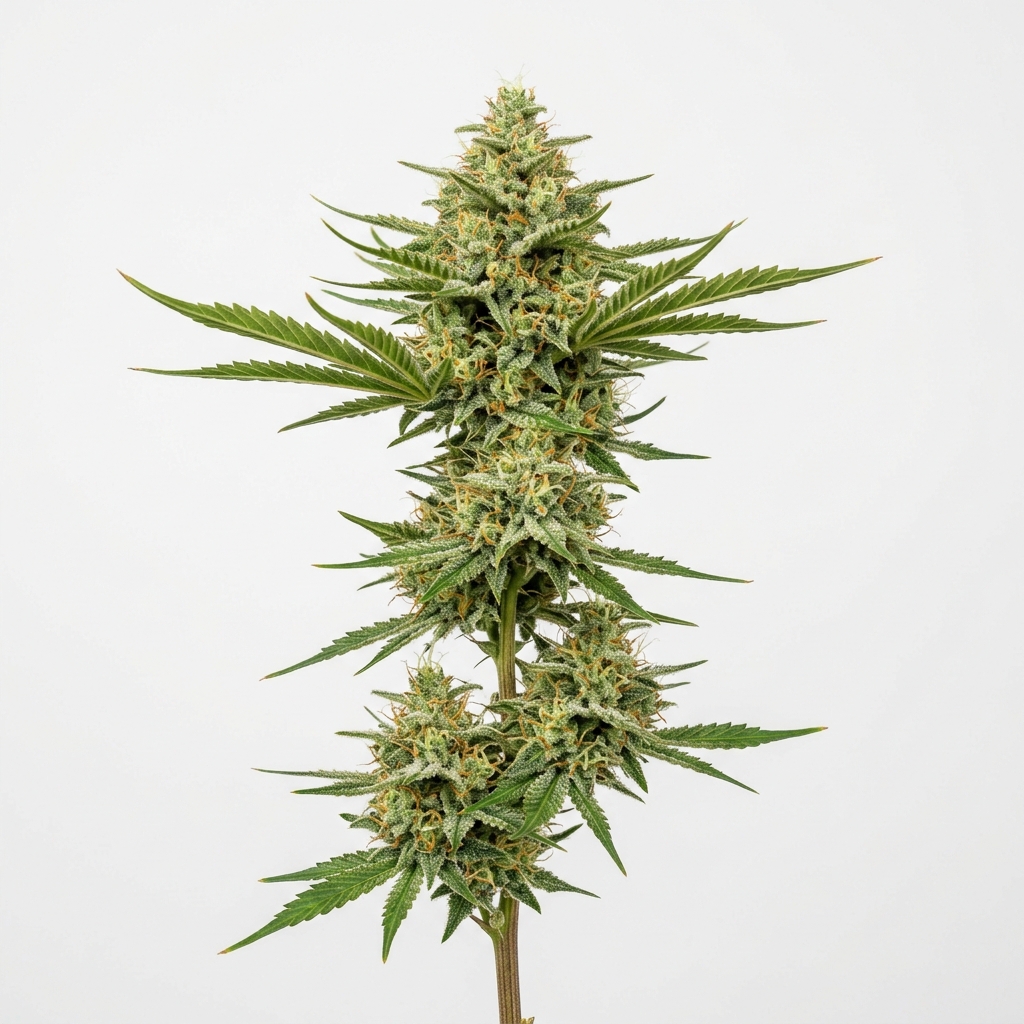
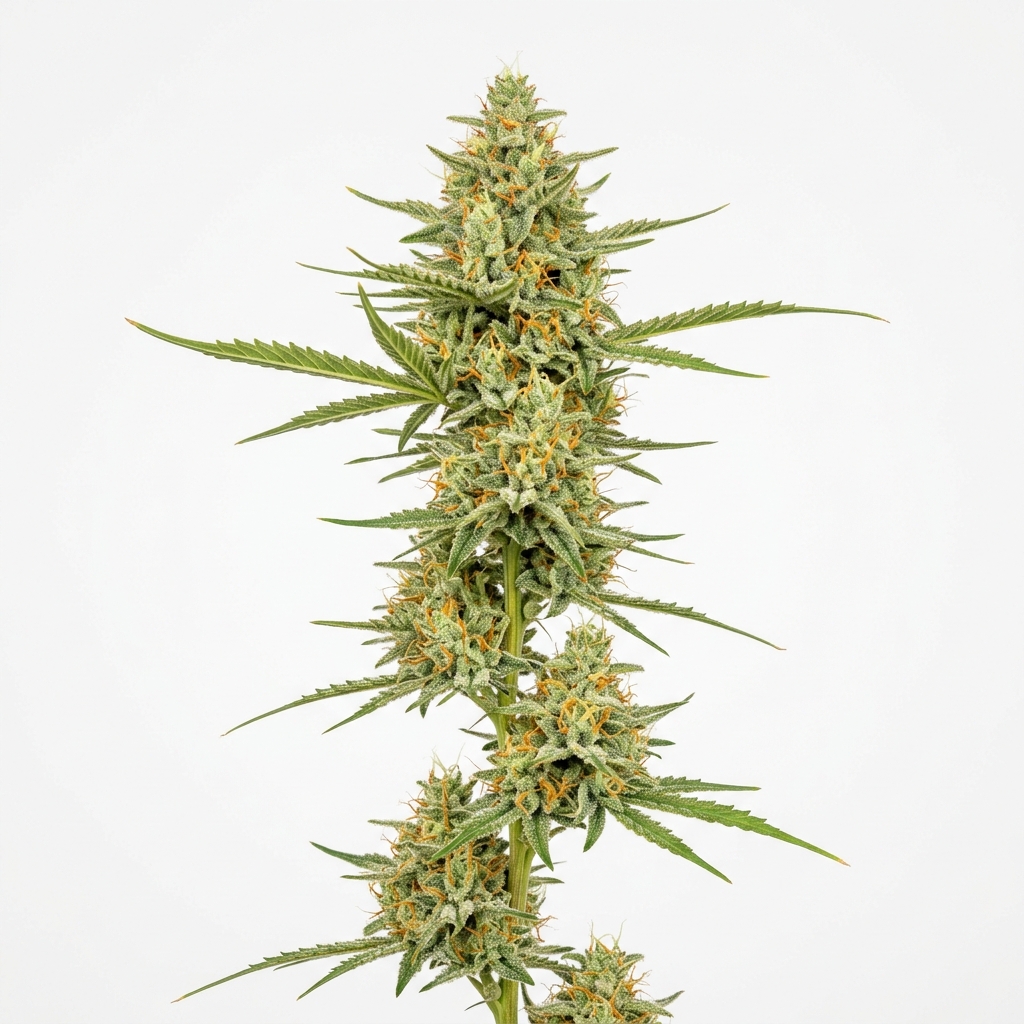
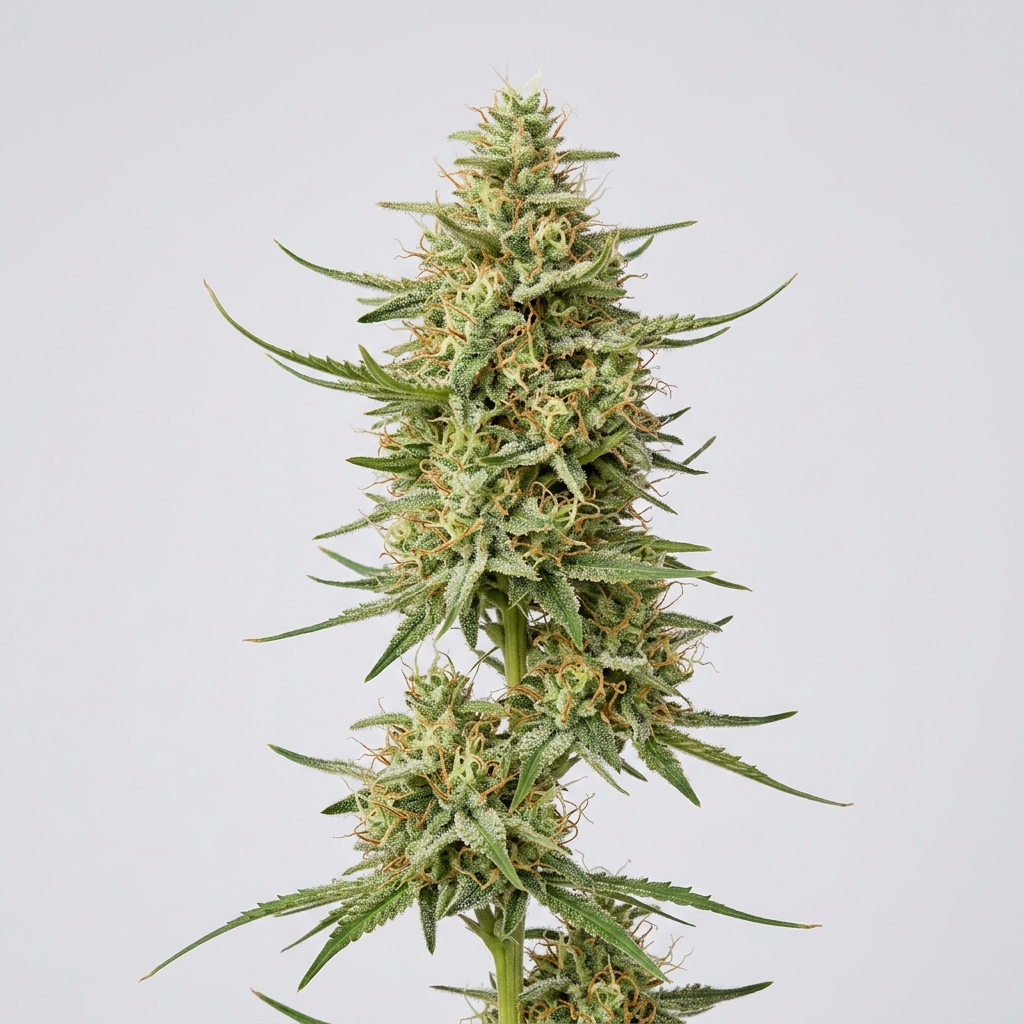
Elmer’s Glue is an exceptionally resinous hybrid strain, typically testing between 20% and 28% THC, created by crossing the legendary Gorilla Glue #4 (GG4) with the trichome-heavy The White. This cultivar is defined by its intense, glassy buds and a pungent aroma of earthy pine, sharp chemical gas, and subtle sweet undertones. Developed for maximum resin production, it shows a controlled stretch in the grow room, producing dense, spear-shaped colas that require careful humidity management. It serves as a premier choice for extractors and growers seeking heavy-handed physical relaxation paired with a clear, functional head high.
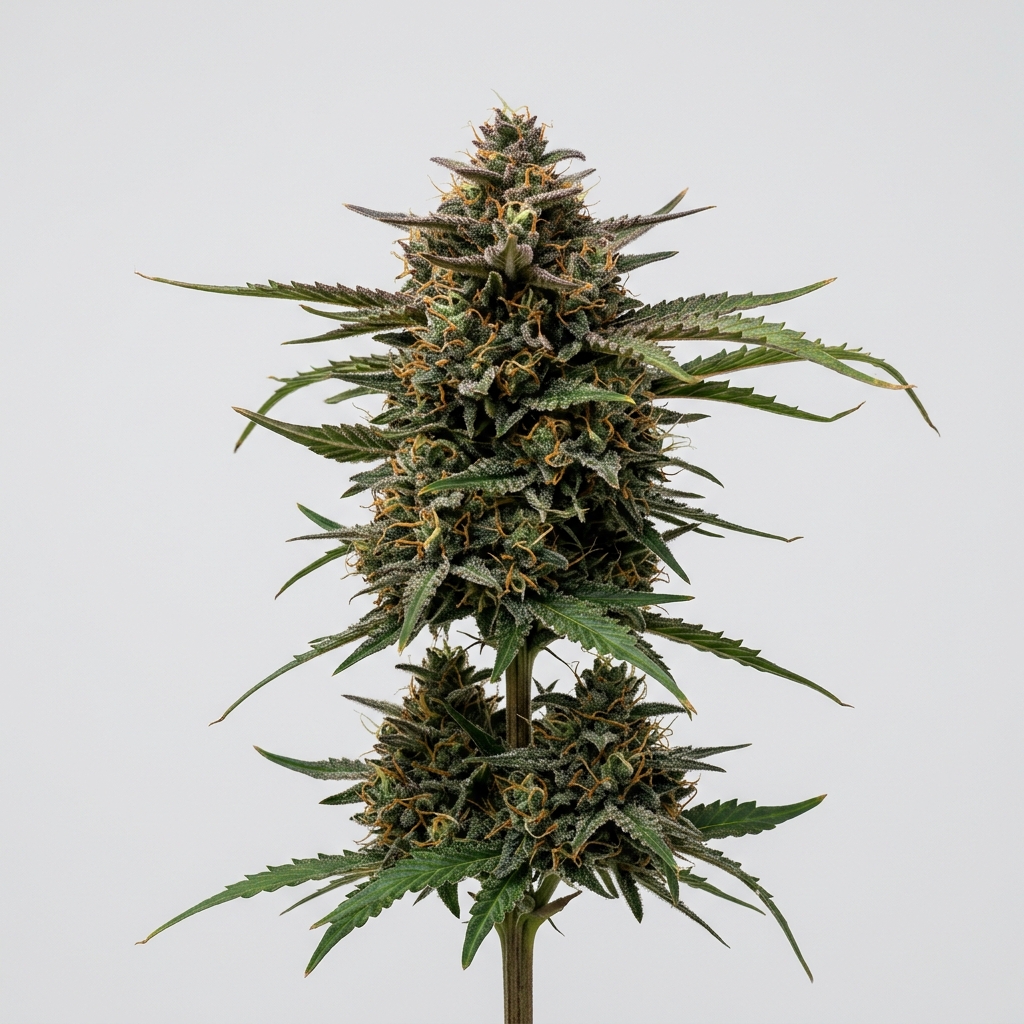
Named for its adhesive-like stickiness, the strain inherits the massive resin output of both parent lines. The dried flowers are often so coated in wet frost that the deep green and occasional purple hues underneath are nearly obscured. Cultivators prize this variety for its reliable extraction yields and its ability to retain terpene clarity through the curing process.
Quick Facts
| Attribute | Detail |
|---|---|
| Genetics | Gorilla Glue #4 × The White |
| Variety | Hybrid (Balanced) |
| THC Range | 20% – 28% |
| Flowering Time | 8 – 9 Weeks |
| Yield Potential | Moderate to High |
| Plant Height | Medium |
| Climate Preference | Temperate, low humidity |
| Difficulty | Moderate |
Scientific & Botanical Overview
Botanically, Elmer’s Glue shows a sturdy hybrid structure characterized by strong lateral branching and tight internodal spacing. The leaves are broad and dark green, showing strong heritage from its indica ancestry, though the plant stretches moderately during the transition to flower. It responds well to training, creating a flat, uniform canopy that optimizes light distribution across the lower flowering sites.
The defining physical characteristic of this cultivar is its extraordinary glandular trichome density. Capitate-stalked trichomes cover not only the swollen calyxes but also extend deep into the surrounding fan leaves, creating a greasy resin layer that is highly sought after for solventless extraction. Under a lens, the trichome heads appear tightly packed and glassy, maturing from clear to milky white with minimal amber transition.
The bracts are dense and tightly packed, forming heavy, resin-rich flowers that require robust airflow during the final weeks of cultivation. This structural density makes the plant sensitive to microclimatic moisture, demanding precise environmental control to prevent mold. Proper crop steering and dry-backs during late flower help solidify the dense flower structure.
Effects & Use-Cases (Reported)
Commonly reported effects: Consumers typically describe a fast-acting, cerebral lift that transitions into a heavy, deeply relaxing physical sensation. Despite its high potency, the mental clarity remains relatively intact, making it less sedative than pure indica varieties. The onset begins with a warming sensation behind the eyes before spreading evenly throughout the limbs.
Use-case context: This balanced profile makes it well-suited for late afternoon or evening use, particularly for creative projects, unwinding after physical exertion, or social settings that do not require high physical energy. The physical weight provides a grounded sensation, while the cerebral stimulation keeps the mind engaged.
Note: Due to elevated THC levels, novice consumers should approach this strain with caution, as its physical onset can be intense and long-lasting.
Aroma & Flavors
Aroma: The nose is dominated by a sharp, chemical gas coupled with fresh pine and damp earth, reminiscent of its Gorilla Glue heritage. Breaking the buds releases a deeper, skunky undertone with hints of industrial adhesive and sweet wood.
Flavor: On the exhale, the smoke carries a strong earthy kush base accented by a tart gas finish and a lingering woody sweetness. The flavor is heavy and coats the palate, leaving a clean, herbal-mint aftertaste.
Terpene associations: Lab profiles typically show a dominance of caryophyllene, limonene, and myrcene, which shape its complex, savory-sweet profile and contribute to the heavy physical finish.
Tested Cannabinoid & Terpene Ranges
| Compound | Typical Range |
|---|---|
| Δ9-THC | 20.0% – 28.0% |
| CBG | 0.5% – 1.5% |
| beta-Caryophyllene | 0.4% – 1.0% |
| Limonene | 0.3% – 0.8% |
| Myrcene | 0.2% – 0.6% |
Cannabinoid and terpene levels are highly variable and depend on specific phenotypes, cultivation methods, and curing practices.
Cultivation Notes
- Humidity Control: Maintain late-flower humidity below 45% to protect the dense, sticky colas from moisture retention and bud rot.
- Nutrient Regimen: This cultivar is a moderate feeder; avoid heavy nitrogen in mid-to-late flower to prevent leaf curl and preserve terpene clarity.
- Training Techniques: Responds exceptionally well to topping and low-stress training (LST) to create an even canopy and maximize light penetration to lower bud sites.
- Defoliation: Prune lower fan leaves and unproductive branches before the second week of flower to improve airflow through the dense inner canopy.
- Harvest Timing: Look for amber trichome transition on the calyxes rather than the sugar leaves, as the heavy resin on the leaves can mature prematurely.
Grower Notes (Week-by-Week Snapshot)
- Weeks 1–3 (Vegetative & Transition): Plants show steady, manageable stretch. Establish the canopy structure early through light training and ensure root zones are well-aerated.
- Weeks 4–6 (Mid-Flower): Resin production begins early, with wet frost appearing on the developing bracts. Expect a strong chemical and pine aroma to emerge in the room.
- Weeks 7–9 (Late Flower & Flush): Buds swell into dense, glassy spears. Flush with plain water for the final 10 to 14 days to enhance the clean, earthy flavor profile and ensure a smooth burn.
- Post-Harvest (Dry & Cure): Execute a slow dry at 60°F (15°C) and 60% relative humidity for 11 to 14 days to preserve the volatile monoterpenes before a minimum three-week cure.
Genetic Lineage
Elmer’s Glue is a direct cross of Gorilla Glue #4 and The White. Gorilla Glue #4, famed for its extreme stickiness and sour, fuel-forward aroma, contributes its robust structure and heavy physical effects. This parent line is responsible for the strain’s complex chemical and earthy nose, as well as its high-yielding resin potential.
The White, known for its lack of odor but unmatched visual appeal and dense trichome coverage, infuses this hybrid with its signature frosty appearance and structural density. The resulting offspring successfully merges the intense aromatic complexity of GG4 with the concentrated resin production of The White, yielding a highly stable, extraction-grade cultivar.
Research Insights
Analytical testing of Elmer’s Glue frequently reveals a high concentration of sesquiterpenes, particularly beta-caryophyllene, which may interact with peripheral cannabinoid receptors. This terpene profile, combined with minor cannabinoids like CBG, contributes to the strain’s distinct physical profile. Researchers note that the synergy between these compounds may enhance physical relaxation without inducing heavy sedation.
The heavy resin output of this cultivar makes it a subject of interest for breeders studying trichome gland density and mechanical separation efficiency. Its physical traits highlight how selective hybridization can amplify resin volume without compromising the complex aromatic profile of the parent genetics, making it a valuable benchmark for modern concentrate production.
Frequently Asked Questions
Is Elmer’s Glue an indica or sativa?
Elmer’s Glue is a balanced hybrid strain, displaying physical growth characteristics and effects from both its indica and sativa lineages.
Who bred Elmer’s Glue?
This cultivar was originally developed by Relentless Genetics, crossing two highly sought-after resin producers to maximize trichome density.
What does Elmer’s Glue smell like?
The strain features a pungent, industrial aroma of sharp chemical gas, fresh pine, and damp earth, with a sweet, woody undertone.
Is Elmer’s Glue difficult to grow?
It is considered moderately difficult to grow, primarily due to its dense bud structure which requires strict humidity control during the late flowering stage to prevent mold.
Educational Disclaimer
This strain profile is for educational purposes only. Cannabinoid profiles, terpene content, and growth characteristics can vary significantly based on environmental factors, cultivator expertise, and specific phenotype variations.
Rate and review this strain
Ratings and reviews are accepted only from signed-in Google accounts.
Sign in with Google to leave a rating and written review.
Latest Reviews
0 reviewsNo reviews yet. Be the first Google user to rate and review this strain.