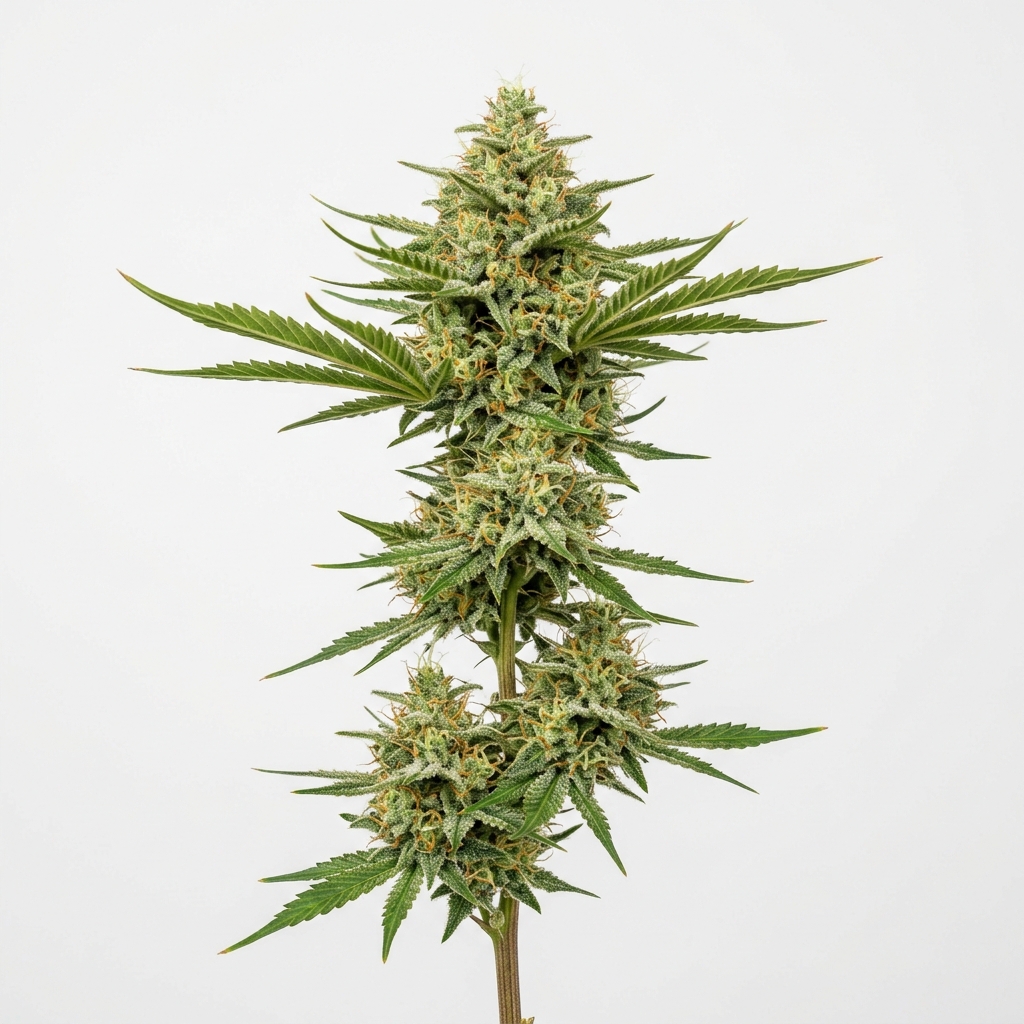
Emerald Jack (Cannabis Strain)
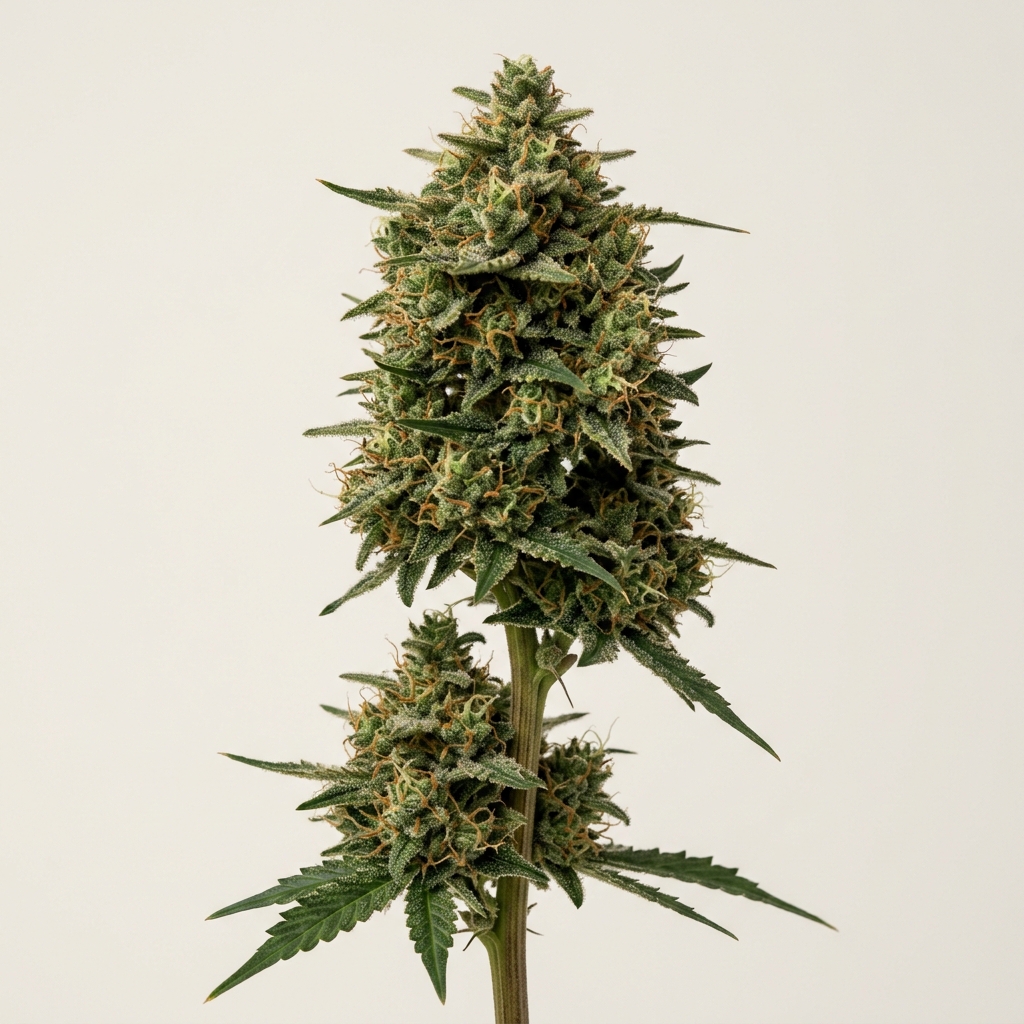
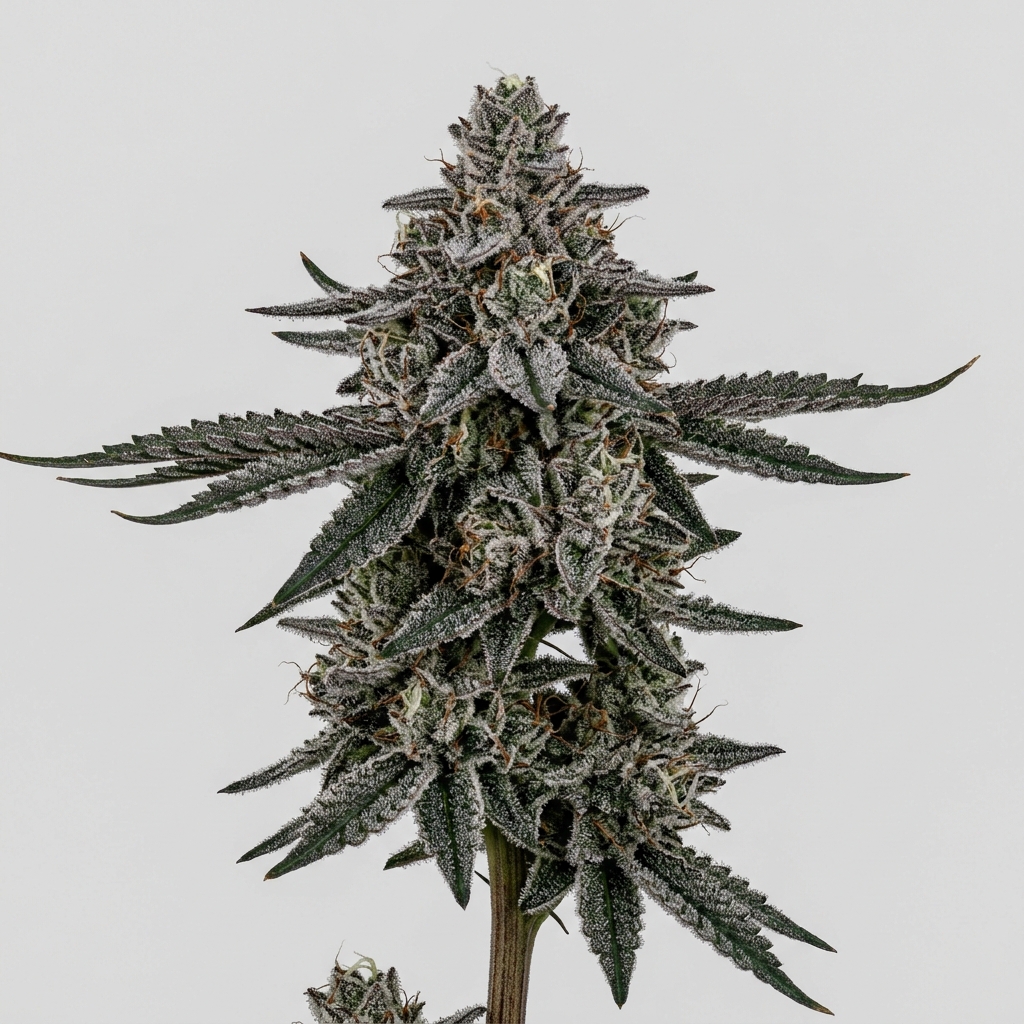
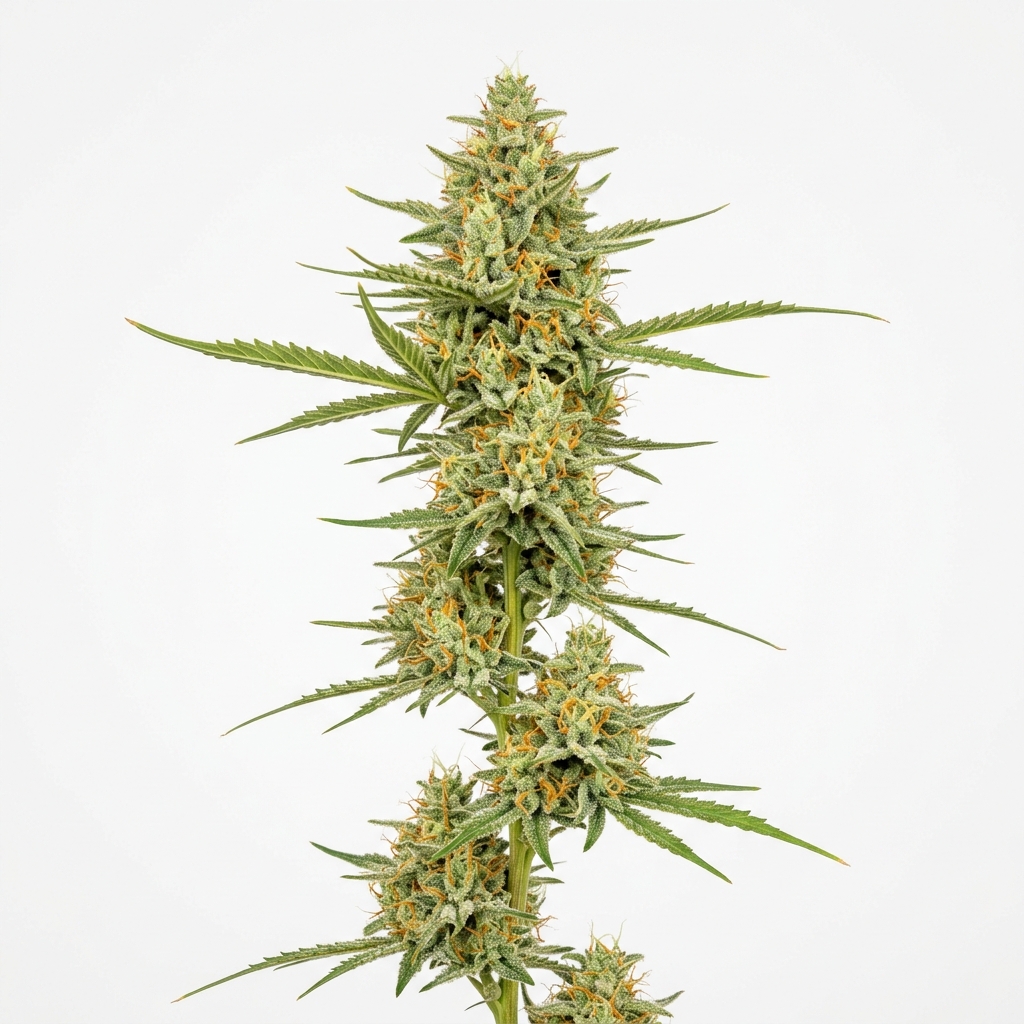
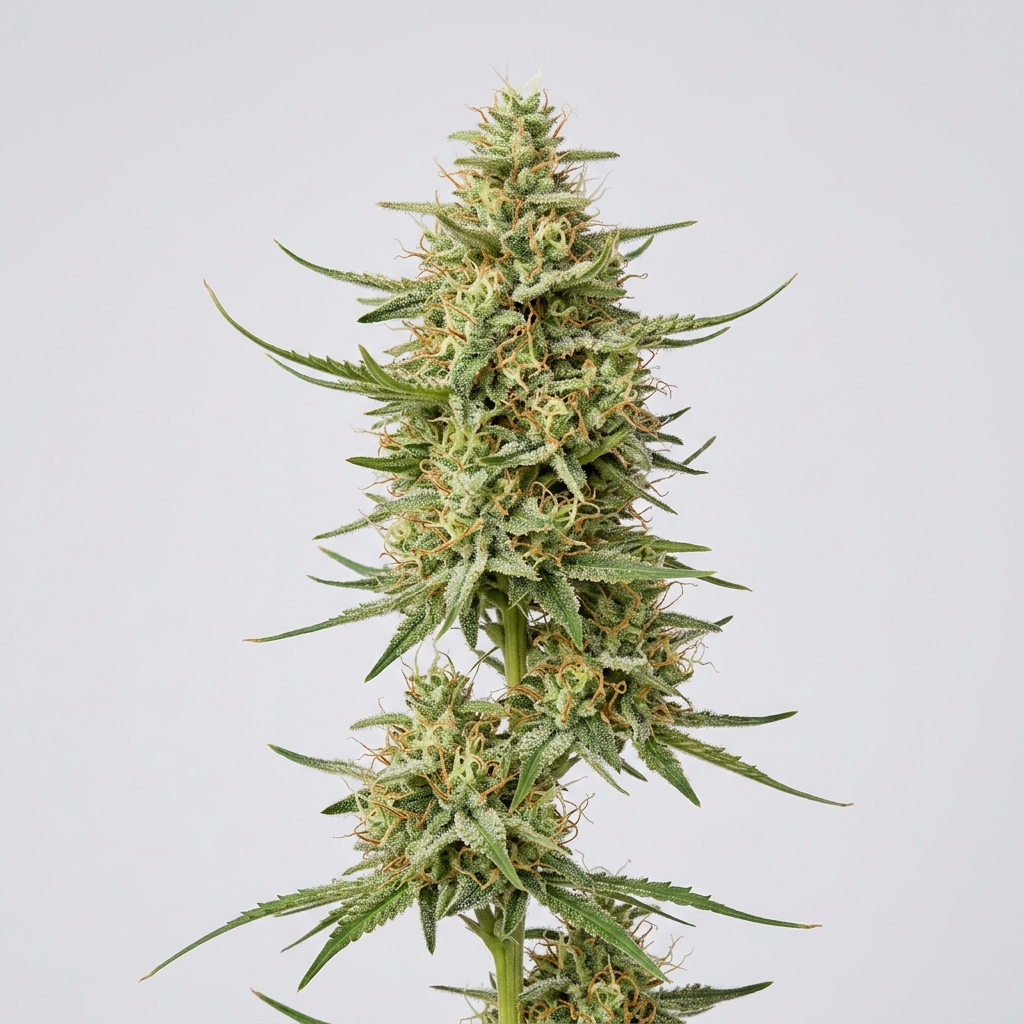
Emerald Jack is a sativa-dominant hybrid, typically testing between 18% and 24% THC, created by crossing the legendary Jack Herer with the resin-heavy Emerald OG. This cultivar combines a sharp citrus lift and earthy kush base with a growth habit characterized by a vigorous stretch and long, spear colas. The resulting flowers exhibit glassy buds coated in a wet frost that appeals to extraction artists and flower enthusiasts alike.
Designed for daytime sensory clarity, this hybrid balances the energetic, uplifting qualities of its Jack lineage with the structural density of its OG parent. Growers value the cultivar for its reliable performance in both indoor setups and warm, dry outdoor climates.
Quick Facts
| Attribute | Details |
|---|---|
| Genetics | Jack Herer × Emerald OG |
| Variety | Sativa-dominant Hybrid (approx. 70/30) |
| THC Range | 18% – 24% |
| Flowering Time | 9 – 10 Weeks |
| Yield Potential | Moderate to High |
| Plant Height | Tall |
| Climate Preference | Warm, dry, temperate |
| Difficulty | Moderate |
Scientific & Botanical Overview
Structurally, Emerald Jack showcases its sativa heritage through rapid vegetative growth and significant internodal spacing. The plants stretch considerably during the early weeks of transition, requiring early structural support to manage the eventual weight of the upper canopy.
The leaves are typically narrow with long, slender fingers, characteristic of tropical cultivars, which allows for excellent airflow through the plant body. Bud formation concentrates along the main stems, developing into elongated, resin-rich spear colas rather than dense, rounded golf balls.
Resin production is prominent, with capitate-stalked trichomes developing early in the flowering cycle. The calyxes swell significantly in late bloom, creating a knobby, textured bud structure that resists moisture retention better than denser indica varieties.
Effects & Use-Cases (Reported)
Commonly reported effects include a rapid, clear-headed mental lift accompanied by a subtle, relaxing physical undercurrent. Users frequently describe an increase in focus, creative energy, and sensory awareness without the racing anxiety sometimes associated with pure sativas.
Use-case context typically centers on daytime activities, creative projects, or social gatherings where mental clarity is desired. The gentle physical relaxation provided by the OG parent helps ground the experience, making it suitable for extended tasks.
Note: Individual tolerance and phenotype variation can significantly influence the onset and duration of these effects.
Aroma & Flavors
Aroma: A sharp citrus lift dominates the initial profile, followed closely by fresh pine needles, damp earth, and a subtle, sour tropical undertone.
Flavor: The smoke delivers a crisp, sweet citrus and mint finish on the exhale, anchored by a deeper, earthy kush base that lingers on the palate.
Terpene associations: High concentrations of terpinolene, caryophyllene, and myrcene drive this complex aromatic profile.
Tested Cannabinoid & Terpene Ranges
| Compound | Typical Range |
|---|---|
| Δ9-THC | 18.0% – 24.0% |
| CBG | 0.5% – 1.2% |
| Terpinolene | 0.4% – 0.9% |
| beta-Caryophyllene | 0.3% – 0.7% |
| Myrcene | 0.2% – 0.6% |
| Limonene | 0.1% – 0.4% |
Note: Terpene and cannabinoid levels are highly variable and depend on specific phenotypes, cultivation environments, and curing methods.
Cultivation Notes
- Humidity management: Maintain relative humidity below 45% during the final three weeks of flowering to protect the dense inner structures of the long colas.
- Canopy control: use low-stress training (LST) or a Screen of Green (ScrOG) setup early in veg to manage the substantial stretch during the transition to flower.
- Nutrient profile: This cultivar responds well to a moderate feeding schedule, showing sensitivity to excess nitrogen during mid-to-late bloom.
- Airflow: Ensure consistent cross-ventilation through the lower canopy, pruning away non-productive lower growth to direct energy upward.
Grower Notes (Week-by-Week Snapshot)
- Weeks 1–3 (Transition & Stretch): Expect a rapid vertical stretch of up to 150%. Secure plants to trellis netting early and prune the lower third of the canopy to promote airflow.
- Weeks 4–6 (Flower Development): Elongated pistils emerge as the spear colas begin to take shape. Trichome production becomes visible on the sugar leaves, and a sharp pine scent begins to develop.
- Weeks 7–9 (Maturation & Swell): Calyxes swell and the buds gain density. Reduce nitrogen inputs and monitor trichome color, looking for a mix of milky and amber heads.
- Post-Harvest (Dry & Cure): Hang-dry the entire plant at 60°F and 60% humidity for 11 to 14 days. A slow cure in glass jars preserves the delicate terpinolene and limonene fractions.
Genetic Lineage
Emerald Jack derives its energetic profile from Jack Herer, a classic sativa-dominant cultivar renowned for its spicy pine aroma and clear-headed stimulation. This maternal influence provides the structural framework, sativa stretch, and dominant terpinolene profile of the offspring.
The paternal contributor, Emerald OG, infuses the cross with a dense, resinous flower structure and a grounding, earthy gas finish. This OG lineage tempers the wilder sativa growth patterns, yielding more compact, resin-rich flowers than a pure Jack phenotype.
Research Insights
Analytical testing indicates that Emerald Jack frequently expresses a terpinolene-dominant profile, a relatively rare trait among modern commercial hybrids. This terpene, combined with moderate levels of beta-caryophyllene, contributes to the clean, uplifting sensory profile without inducing physical lethargy.
The presence of minor cannabinoids like CBG suggests potential areas of interest for breeders looking to stabilize daytime-focused cultivars. The synergy between the high THC content and the specific terpene matrix defines the overall character of this resilient hybrid.
Frequently Asked Questions
Is Emerald Jack hard to grow?
It is moderately difficult due to its significant stretch and height. Indoor growers must use training techniques like topping or trellising to keep the canopy under control.
What does Emerald Jack smell like?
It features a sharp pine and sour citrus aroma, backed by a deep, earthy kush undertone inherited from its OG parent.
How long does Emerald Jack take to flower?
The flowering cycle typically wraps up in 9 to 10 weeks when grown indoors, while outdoor harvests usually occur in mid-to-late October.
What are the main effects of Emerald Jack?
It is commonly reported to deliver an energizing, clear-headed mental lift, making it highly suitable for daytime use and creative tasks.
Educational Disclaimer
This content is for educational purposes only. Cannabis laws and individual tolerances vary. Consult a professional before starting any new cultivation or consumption regimen.
Rate and review this strain
Ratings and reviews are accepted only from signed-in Google accounts.
Sign in with Google to leave a rating and written review.
Latest Reviews
0 reviewsNo reviews yet. Be the first Google user to rate and review this strain.