Cracker Jack (Cannabis Strain)
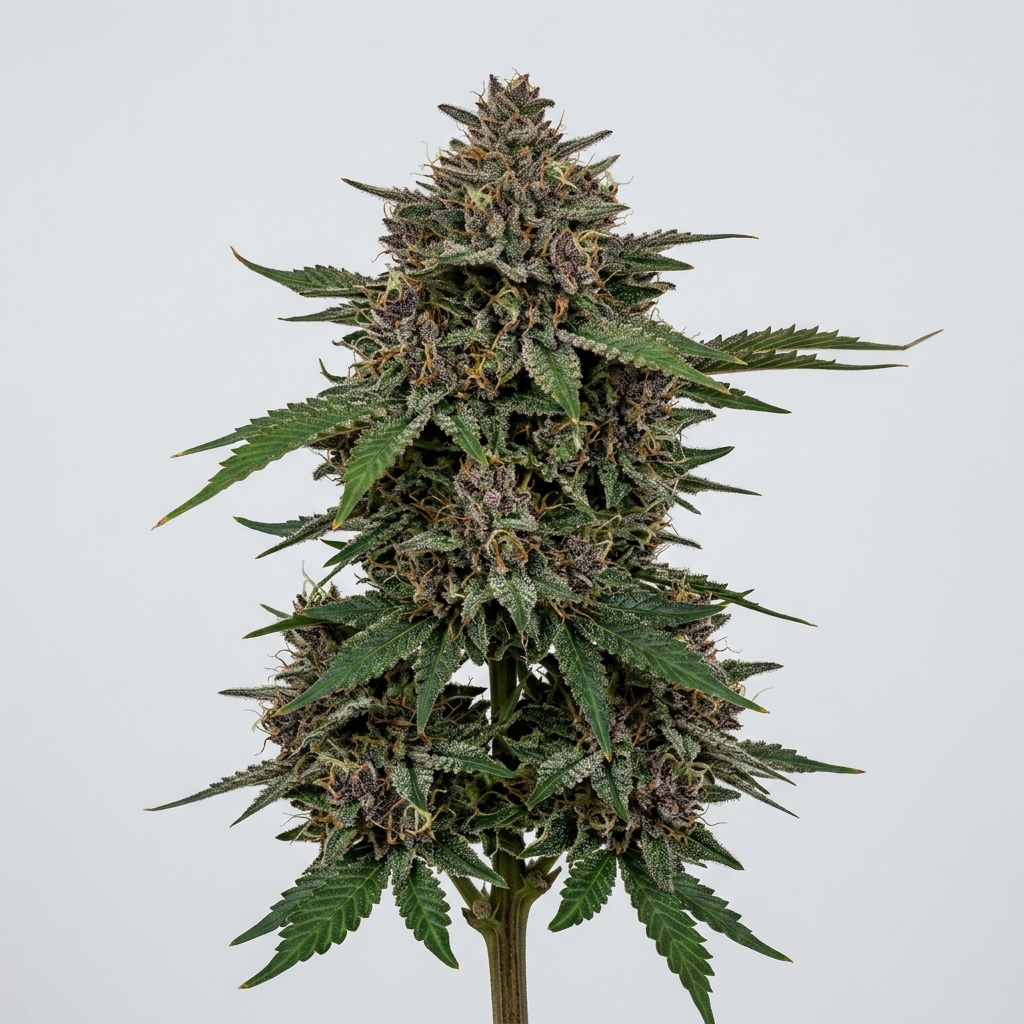
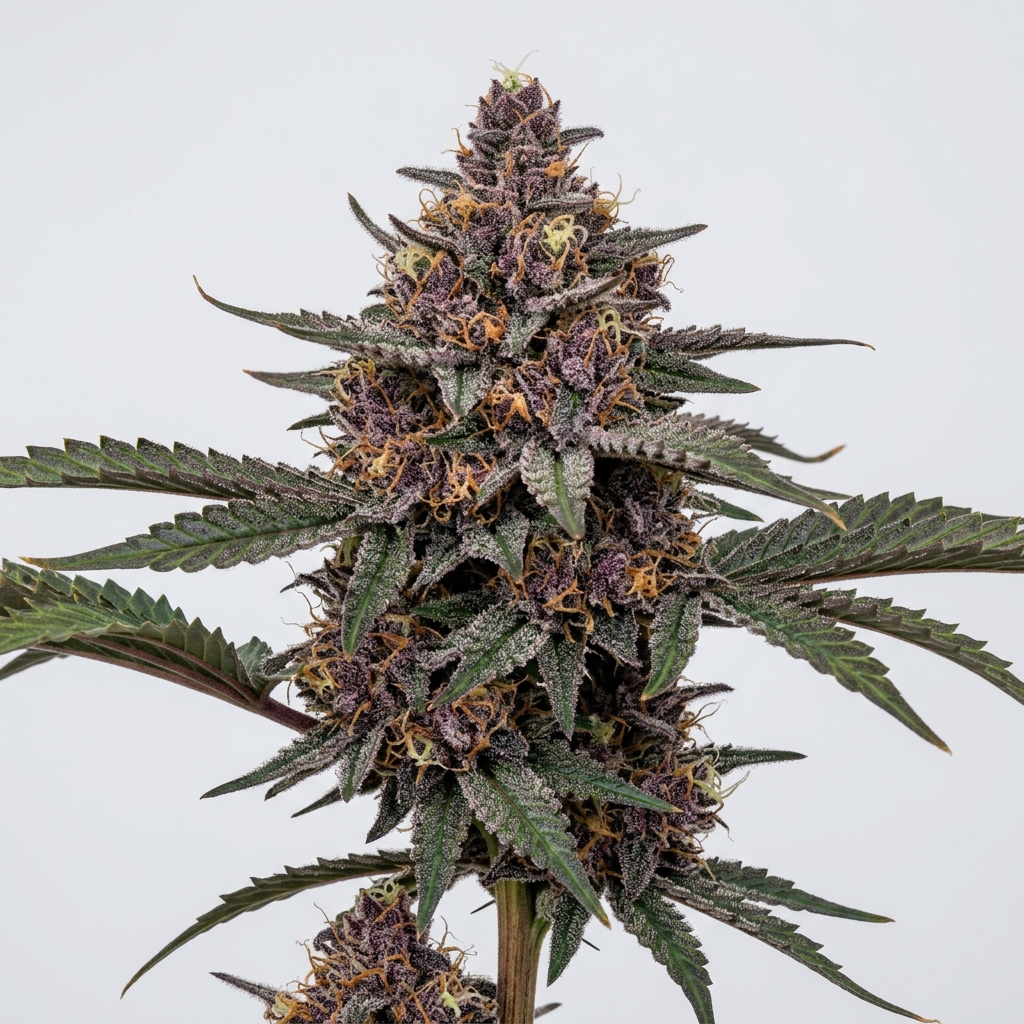
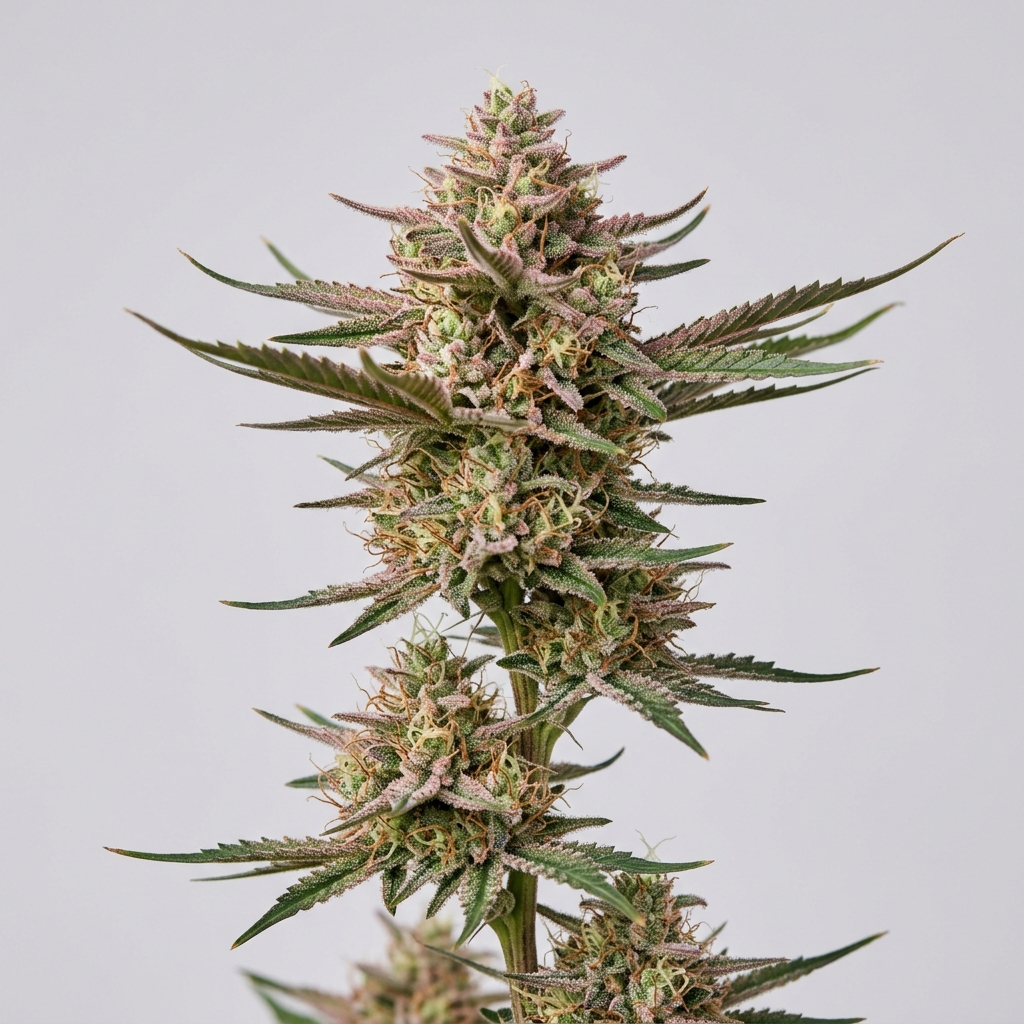
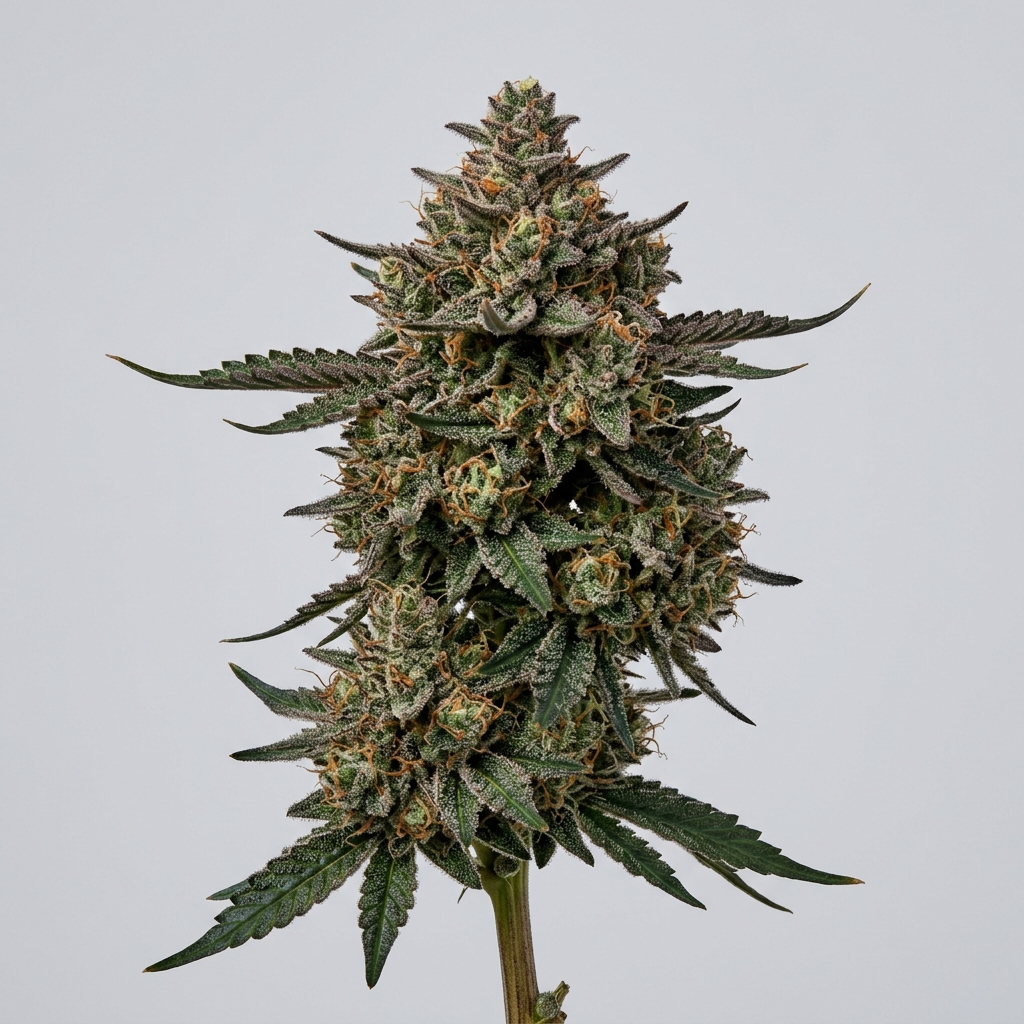
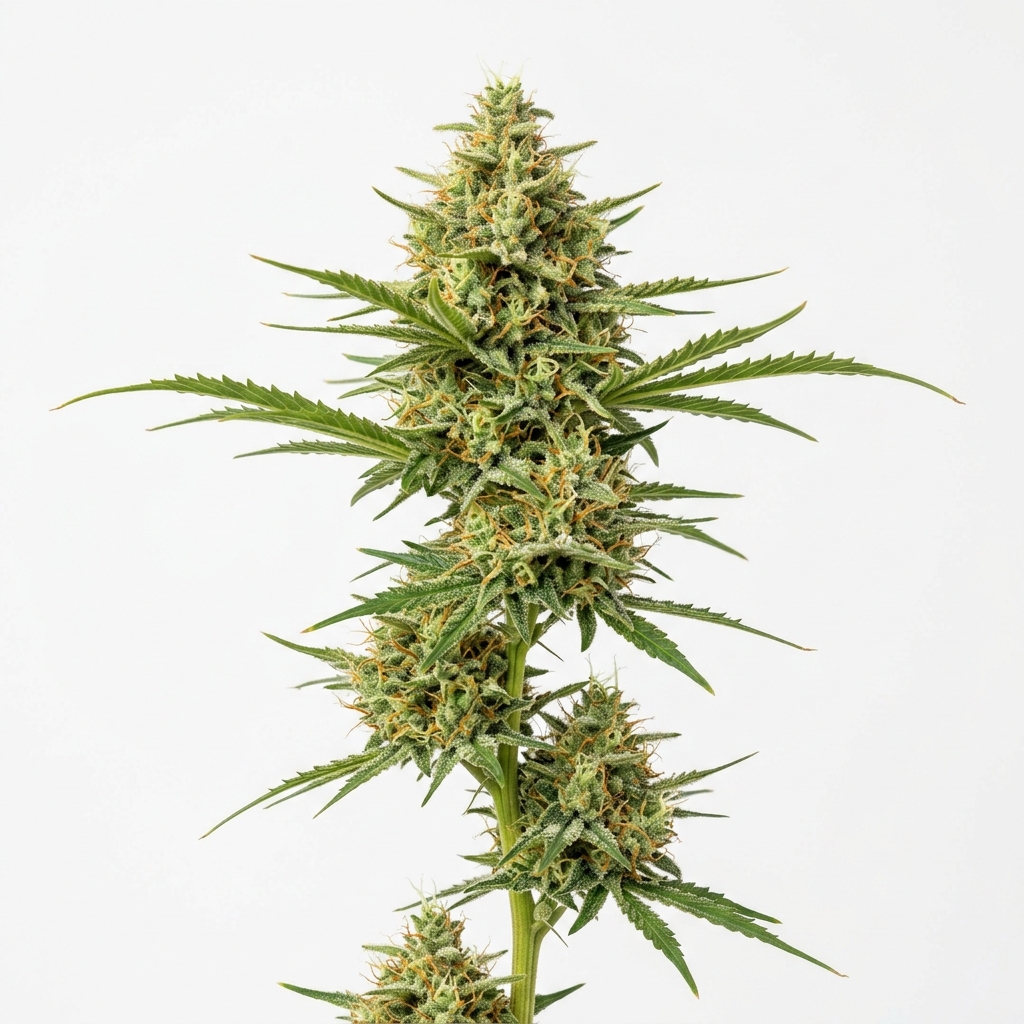
Cracker Jack is a sativa-dominant hybrid cultivated by crossing the legendary Jack Herer with the high-energy Green Crack. This daytime-focused cultivar typically tests between 18% and 23% THC, delivering a sharp citrus and spicy pine aroma paired with a clean, functional lift. Its structure favors elongated, spear-shaped colas coated in a fine layer of glassy, sand-like trichomes that preserve terpene clarity well after the cure.
Growers favor this cultivar for its vigorous vegetative growth and its ability to finish faster than traditional Haze varieties. The plant naturally develops a high calyx-to-leaf ratio, making the post-harvest process exceptionally clean. Its resilient nature and open canopy structure make it a reliable choice for both indoor environments and warm, dry outdoor climates.
Quick Facts
| Attribute | Details |
|---|---|
| Genetics | Jack Herer × Green Crack |
| Variety | Sativa-dominant Hybrid |
| THC Range | 18% – 23% |
| Flowering Time | 8 – 9 Weeks |
| Yield Potential | Moderate to High |
| Plant Height | Medium to Tall |
| Climate Preference | Warm, semi-dry, low humidity |
| Difficulty | Moderate |
Scientific & Botanical Overview
From a botanical perspective, Cracker Jack displays a classic sativa-leaning morphology with thin, sharply serrated fan leaves and wide internodal spacing. This open structure naturally promotes excellent airflow through the lower canopy, reducing the risk of microclimate humidity pockets. The plant stretches considerably during the first three weeks of transition, requiring early structural support to manage its height.
The resin profile of this cultivar is characterized by capitate-stalked trichomes that remain relatively dry and glassy rather than greasy or wet. This physical trait makes the flowers less susceptible to mold during late-flower humidity spikes. The buds mature into dense, pointed spear colas with bright orange pistils weaving tightly through the light green bracts.
Nutrient uptake is generally steady, with the plant showing a preference for moderate nitrogen levels during vegetative growth. Unlike heavier indica hybrids, its root system expands rapidly, requiring adequate pot volume to support its fast-paced transpiration rates. The cultivar responds exceptionally well to high-intensity light setups that mimic its preferred sunny, Mediterranean-like environments.
Effects & Use-Cases (Reported)
Commonly reported effects: Users frequently note an immediate energetic lift, accompanied by sharp cerebral clarity and a sustained sense of focus. The physical sensation is light and non-sedating, making it a popular choice for morning or early afternoon consumption.
Use-case context: This cultivar is highly suited for creative projects, physical outdoor activities, or social gatherings that require mental sharpness. It is often integrated into daytime routines where productivity and alertness are paramount.
Note: High-THC sativa-dominant profiles can occasionally cause mild sensory acceleration in sensitive individuals. Newer consumers should approach this strain with a cautious, low-dose strategy.
Aroma & Flavors
Aroma: The initial nose is dominated by a sharp citrus lift, accented by fresh, woodsy pine and a distinct background of spicy incense inherited from its Haze ancestry.
Flavor: On the palate, it delivers a bright lemon zest and sweet tropical undertone, finishing with an earthy, herbal base that lingers cleanly without heavy fuel notes.
Terpene associations: Analytical profiles show a strong dominance of terpinolene, supported by secondary levels of myrcene and pinene.
Tested Cannabinoid & Terpene Ranges
| Compound | Tested Range |
|---|---|
| Δ9-THC | 18.0% – 23.0% |
| CBD | < 1.0% |
| Terpinolene | 0.4% – 0.8% |
| Myrcene | 0.2% – 0.5% |
| Pinene | 0.1% – 0.3% |
Note: Cannabinoid and terpene levels are highly variable and depend heavily on individual phenotype selection, cultivation techniques, and post-harvest curing protocols.
Cultivation Notes
- Humidity Management: Keep relative humidity below 45% during the final three weeks of flowering to protect the dense interior of the spear colas.
- Training Techniques: Implement topping and low-stress training (LST) early in vegetative growth to manage the vertical stretch and encourage lateral branching.
- Nutrient Strategy: Maintain a moderate feeding schedule, avoiding heavy nitrogen applications in early flower to prevent leaf curl and delayed bud development.
- Airflow Optimization: Ensure consistent under-canopy airflow using oscillating fans, as this cultivar thrives with active air exchange.
- Harvest Window: Harvest when the trichomes are mostly milky white with just a touch of amber to preserve the uplifting, terpinolene-heavy profile.
Grower Notes (Week-by-Week Snapshot)
- Weeks 1–3 (The Stretch): Plants will double in size. Secure branches to trellis netting early to support the rapid vertical extension.
- Weeks 4–6 (Flower Development): Elongated colas begin to form, showing early resin glands. Keep daytime temperatures around 78°F (25°C) to prevent terpene volatilization.
- Weeks 7–9 (Ripening & Cure): Bud swelling slows as resin production peaks. Flush with plain water for the final 10 days, and maintain a slow 14-day dry at 60°F and 60% relative humidity.
Genetic Lineage
The lineage of Cracker Jack is a direct pairing of two highly influential sativa-dominant cultivars. By crossing Jack Herer (a complex Haze, Northern Lights, and Shiva Skunk hybrid) with Green Crack (a fast-flowering Skunk #1 phenotype), breeders successfully combined classic old-school Dutch genetics with modern West Coast efficiency.
This genetic blend results in a plant that retains the intricate, incense-like terpene profile of its Haze ancestors while inheriting the vigorous, high-yielding growth patterns of the Skunk line. The hybrid vigor is highly apparent in its rapid root development and strong resistance to common environmental stressors.
Research Insights
Analytical testing of Cracker Jack frequently highlights a high concentration of the monoterpene terpinolene. While most modern commercial hybrids lean heavily toward myrcene or caryophyllene dominance, this cultivar’s terpinolene-forward profile makes it an interesting subject for researchers studying the distinct daytime effects of specific cannabis chemotypes.
When combined with moderate levels of pinene, this profile is often associated with clear-headed, alert states rather than physical sedation. This synergy provides valuable data for researchers exploring the entourage effect and how specific terpene ratios influence the overall direction of the consumer experience.
Frequently Asked Questions
Is Cracker Jack an indica or sativa?
Cracker Jack is a sativa-dominant hybrid, bred by crossing the sativa-dominant classics Jack Herer and Green Crack. It delivers a primarily cerebral and energetic experience.
What does Cracker Jack smell like?
This strain features a sharp citrus lift mixed with fresh pine and a subtle undertone of spicy, woodsy incense on the finish.
How long does it take to flower?
Cracker Jack typically matures within 8 to 9 weeks when grown indoors, which is relatively fast for a sativa-dominant hybrid.
Is Cracker Jack difficult to grow?
It is considered moderately easy to grow. While it stretches significantly during early flower, its natural resistance to mold and pests makes it highly manageable with basic canopy training.
Educational Disclaimer
This strain profile is intended strictly for educational and informational purposes. Cultivation of cannabis is subject to varying local, state, and federal laws; readers should always consult their local regulations before attempting to grow or consume any cannabis cultivar.
Rate and review this strain
Ratings and reviews are accepted only from signed-in Google accounts.
Sign in with Google to leave a rating and written review.
Latest Reviews
0 reviewsNo reviews yet. Be the first Google user to rate and review this strain.