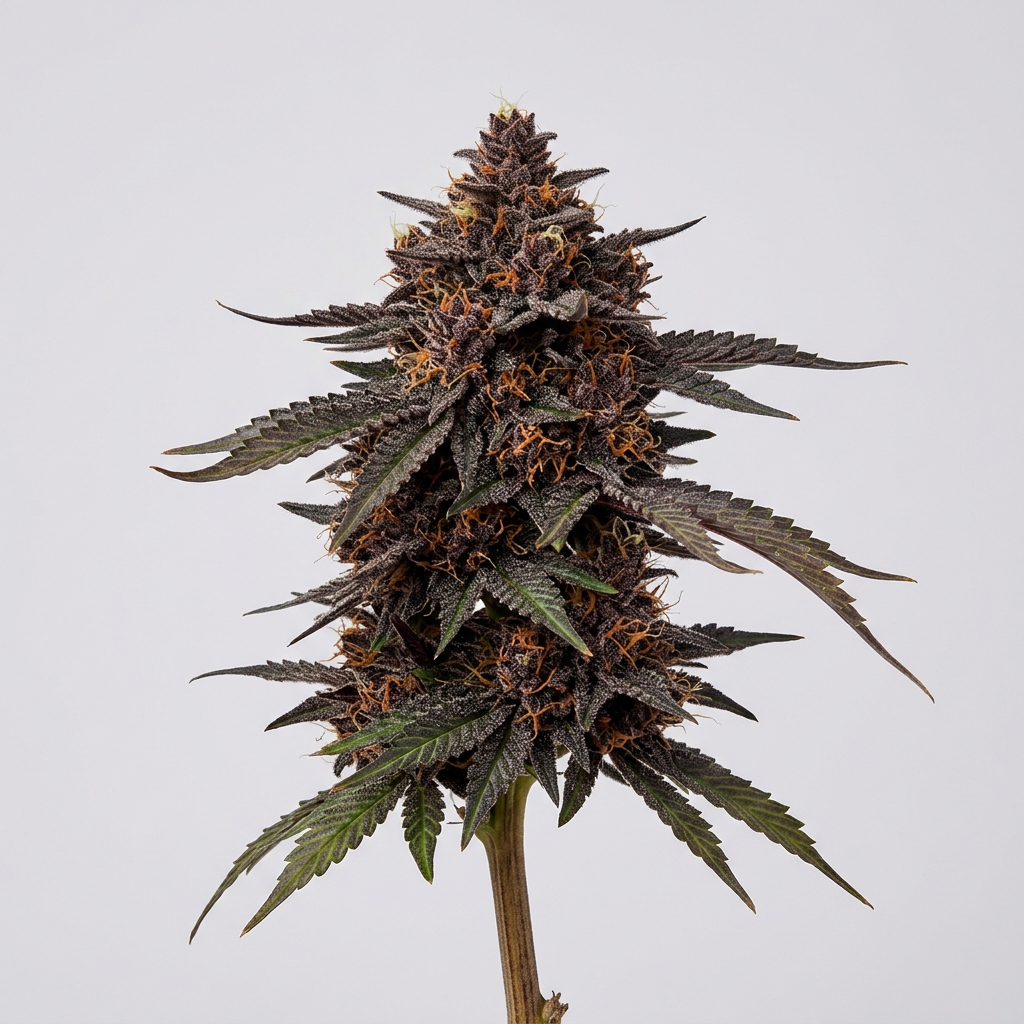
Black Beauty (Cannabis Strain)
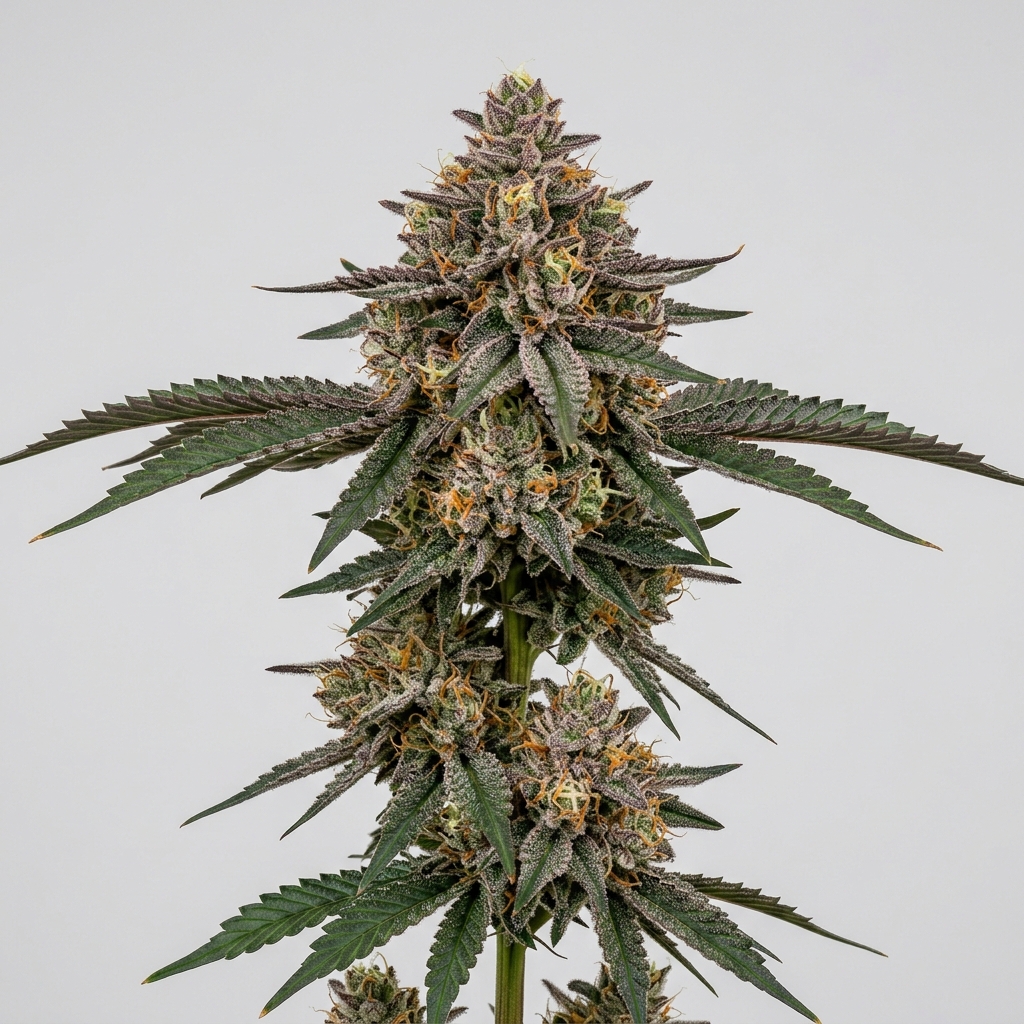
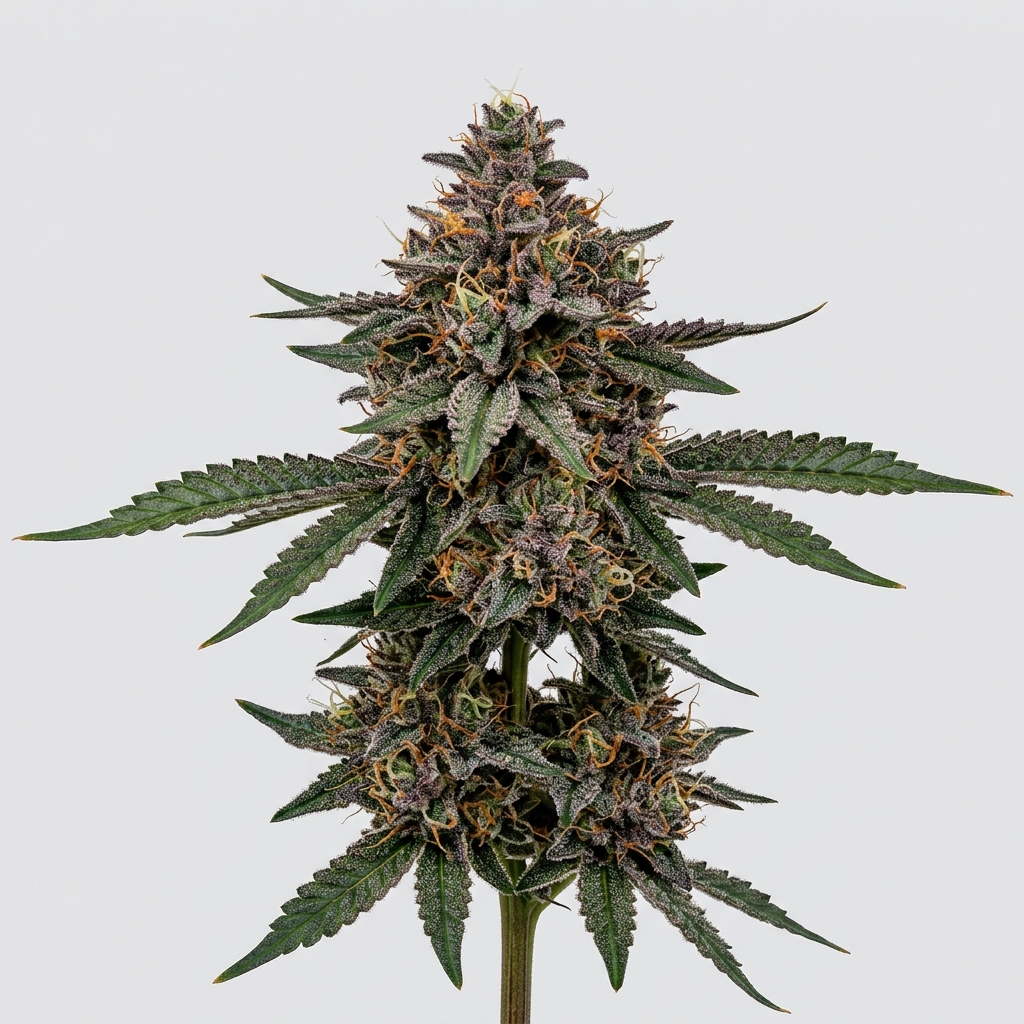
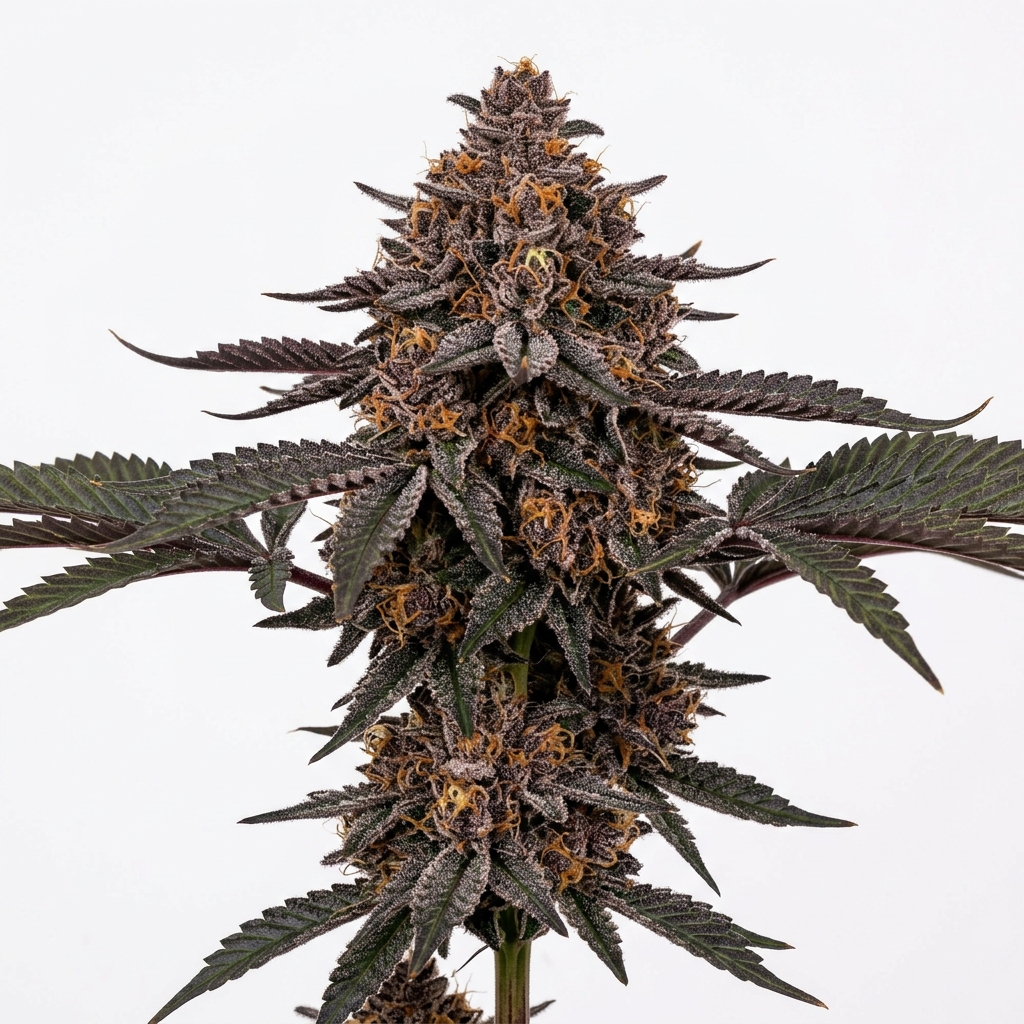
Black Beauty is a highly distinctive, purple-dominant hybrid cultivar renowned for its rare, elevated levels of tetrahydrocannabivarin (THCV), typically presenting a unique ratio of roughly 2:1 or 1:1 of THC to THCV. Originating from a cross of Sensi Star and Blackberry, this strain produces striking, near-black spear colas coated in glassy resin, carrying a profile of dark berry edge, tart gas, and dry floral woodiness. It shows a controlled stretch and tight internodal spacing, making it a highly sought-after daytime sensory hybrid for experienced cultivators and connoisseurs seeking clear-headed, physical utility.
Beyond its visual appeal, the strain is highly prized for its functional, non-sedating qualities. Its dense bracts and dark purple foliage develop late in the flowering cycle, requiring precise environmental controls to maximize both anthocyanin expression and cannabinoid diversity.
Quick Facts
| Trait | Details |
|---|---|
| Genetics | Sensi Star × Blackberry |
| Variety | Sativa-dominant Hybrid |
| THC Range | 10% – 15% (plus 3% – 7% THCV) |
| Flowering Time | 8 – 9 Weeks |
| Yield Potential | Moderate |
| Plant Height | Medium |
| Climate Preference | Temperate, low humidity |
| Difficulty | Moderate to Experienced |
Scientific & Botanical Overview
Botanically, Black Beauty is characterized by its intense accumulation of anthocyanins, which drive the deep purple and near-black coloration in the fan leaves and calyxes. This pigmentation becomes especially pronounced during the final weeks of bloom when night temperatures are dialed back. The plant showcases a sturdy branching structure that supports its resin-rich flowers without requiring excessive physical support.
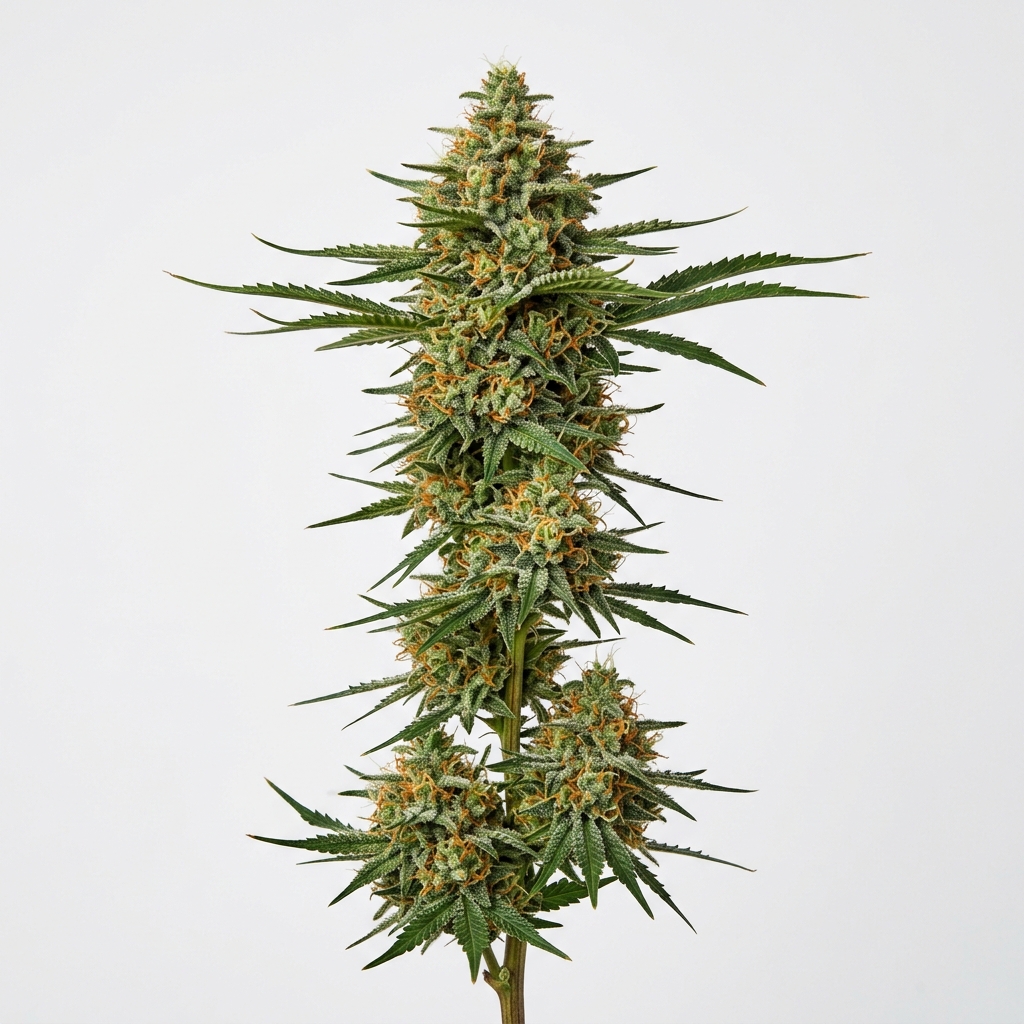
The cultivar shows a classic hybrid morphology with broad fan leaves that gradually thin out as the plant transitions to flower. Its tight internodes support dense, spear-shaped colas that hold their weight well, provided the vegetative stage establishes strong lateral branching. The calyx-to-leaf ratio is highly favorable, making the post-harvest manicuring process remarkably efficient.
Unlike standard high-THC varieties, this plant’s terpene expressions favor the synthesis of propyl cannabinoids, resulting in a significant concentration of THCV. This unique cannabinoid profile influences the overall resin structure, producing smaller, highly concentrated trichome heads that carry a distinct terpene clarity. The greasy resin coat remains stable even under slightly warmer indoor cultivation setups.
Effects & Use-Cases (Reported)
Commonly reported effects: Users frequently describe a clear-headed, energetic, and highly focused sensation that lacks the heavy physical sedation typical of other dark purple cultivars. The presence of THCV is often associated with a suppressed appetite and a clean, uplifting physical lift. It is widely noted for providing physical relaxation without inducing mental fog.
Use-case context: This profile makes the strain ideal for daytime use, creative projects, and physical activities where mental clarity must be maintained. It is often integrated into morning or afternoon routines as a functional sensory hybrid. The lack of a heavy comedown makes it suitable for extended tasks.
Note: Individual experiences may vary significantly depending on tolerance, dosage, and the specific cannabinoid ratio of the phenotype consumed.
Aroma & Flavors
Aroma: A pungent blend of tart gas and dark berry, rounded out by a deep, earthy kush base and subtle hints of dry wood.
Flavor: The smoke delivers a sharp berry sweetness on the intake, followed by a clean, dry floral and mint finish that lingers on the palate.
Terpene associations: High concentrations of terpinolene, caryophyllene, and myrcene drive this complex aromatic profile, balancing sweet fruit tones with a sharp, chemical edge.
Tested Cannabinoid & Terpene Ranges
| Compound | Typical Range |
|---|---|
| Δ9-THC | 10% – 15% |
| THCV | 3% – 7% |
| CBG | 0.5% – 1.5% |
| Terpinolene | 0.4% – 0.9% |
| Beta-Caryophyllene | 0.3% – 0.7% |
| Myrcene | 0.2% – 0.5% |
Note: Cannabinoid and terpene levels are highly variable and depend on specific cultivation methods, environmental factors, and curing protocols.
Cultivation Notes
- Humidity Management: Maintain low humidity during late flower (under 45% RH) to protect the dense, resin-rich flowers from moisture retention.
- Temperature Stepping: Drop night temperatures by 10-15°F during the final two weeks of bloom to stimulate the deep purple and black anthocyanin expression.
- Nutrient Feeding: Respond to the cultivar’s moderate feeding habits by avoiding excessive nitrogen in early bloom to prevent leafy bud structures.
- Training Techniques: use low-stress training (LST) and early topping to promote even canopy development and maximize light penetration to lower bud sites.
- Harvest Timing: Monitor trichome maturity closely, as the high-THCV resin heads may mature at a slightly different rate than standard THC-dominant trichomes.
Grower Notes (Week-by-Week Snapshot)
- Weeks 1–3 (Vegetative & Transition): The plant displays steady, controlled stretch. Focus on establishing strong lateral stems and strip lower fan leaves to improve airflow before the canopy closes.
- Weeks 4–6 (Mid-Flower): Bud sites begin to stack with dense bracts, and the first signs of purple coloration appear on the leaf margins. Maintain stable phosphorus and potassium levels to support early resin production.
- Weeks 7–9 (Late Flower & Flush): Foliage transitions to a deep, near-black shade as temperatures drop. Flush with pure water to clear remaining nutrients, ensuring terpene clarity and a clean, slow dry.
Genetic Lineage
Black Beauty is breeder-reported as a cross of Sensi Star and Blackberry. This lineage blends the robust, resin-heavy indica traits of Sensi Star with the rich, dark berry aromas and deep coloration of Blackberry, creating a structurally sound plant with exceptional visual appeal.
The emergence of the high-THCV phenotype within this lineage remains a point of distinction in modern breeding. This rare genetic expression has made the cultivar a valuable tool for breeders aiming to introduce propyl cannabinoids into contemporary gene pools.
Research Insights
Analytical testing of this cultivar highlights the rare co-expression of THCV and THC in significant quantities. Research suggests that THCV acts as a selective antagonist or agonist at the CB1 receptor depending on dose, which may explain the reported lack of appetite stimulation and clear-headed energy associated with this strain.
The terpene profile, dominated by terpinolene and caryophyllene, works in tandem with the unique cannabinoid ratio to shape the overall sensory experience. This specific chemical synergy makes Black Beauty a subject of ongoing interest for researchers studying the non-sedating pathways of purple cultivars.
Frequently Asked Questions
What makes Black Beauty different from other purple strains?
Unlike most purple strains that deliver heavy, sedative effects, Black Beauty is known for its high levels of THCV, which provide a clear-headed, energetic, and focused experience.
What does Black Beauty smell like?
It features a pungent aroma of tart gas, dark berries, and earthy pine, with a clean floral and mint finish.
Is Black Beauty difficult to grow?
It is rated as moderate to experienced. The plant requires careful humidity management in late flower and temperature adjustments to fully bring out its dark purple colors.
What is the typical flowering time for Black Beauty?
This cultivar typically completes its flowering cycle in 8 to 9 weeks when grown indoors.
Educational Disclaimer
This article is for educational purposes only. Cannabis cultivation and consumption are subject to local laws and regulations. Consult with a qualified professional before making any agricultural or health-related decisions.
Rate and review this strain
Ratings and reviews are accepted only from signed-in Google accounts.
Sign in with Google to leave a rating and written review.
Latest Reviews
0 reviewsNo reviews yet. Be the first Google user to rate and review this strain.