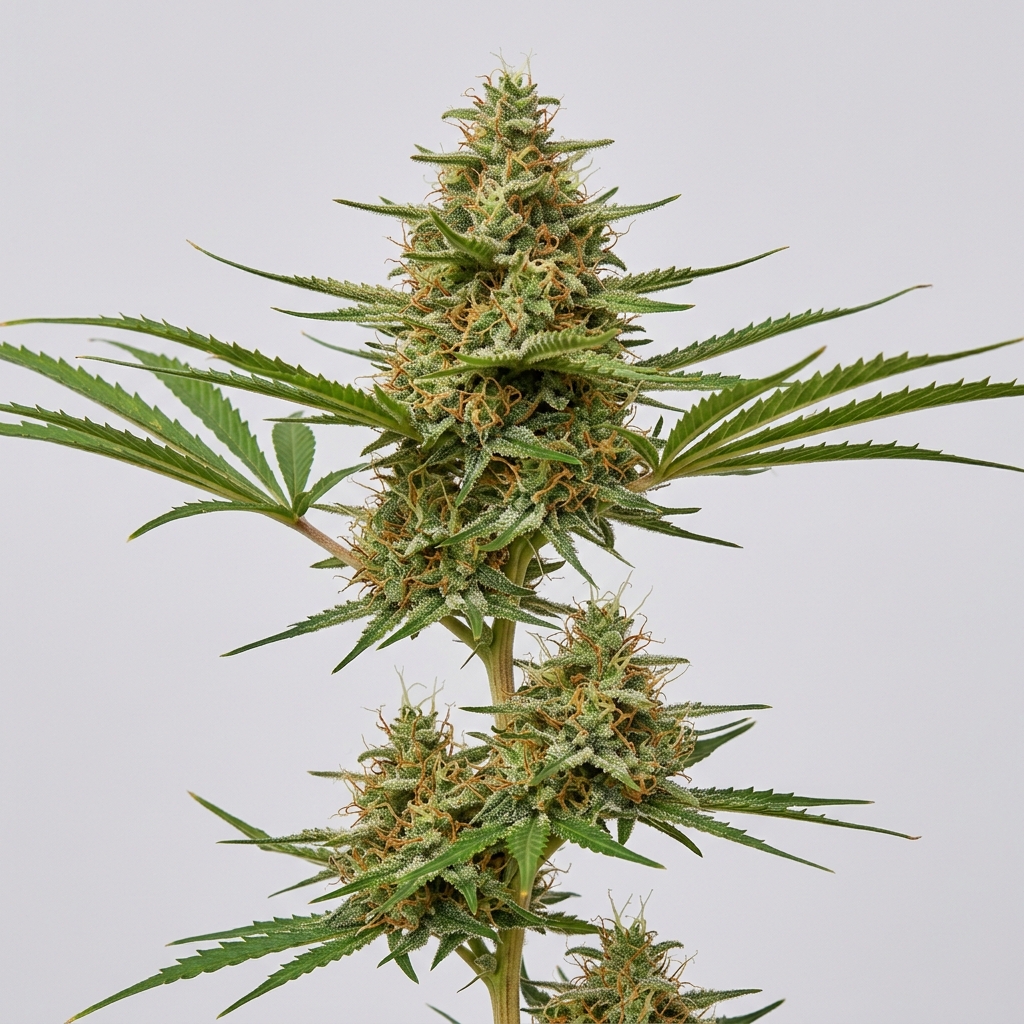
Jack the Ripper (Cannabis Strain)
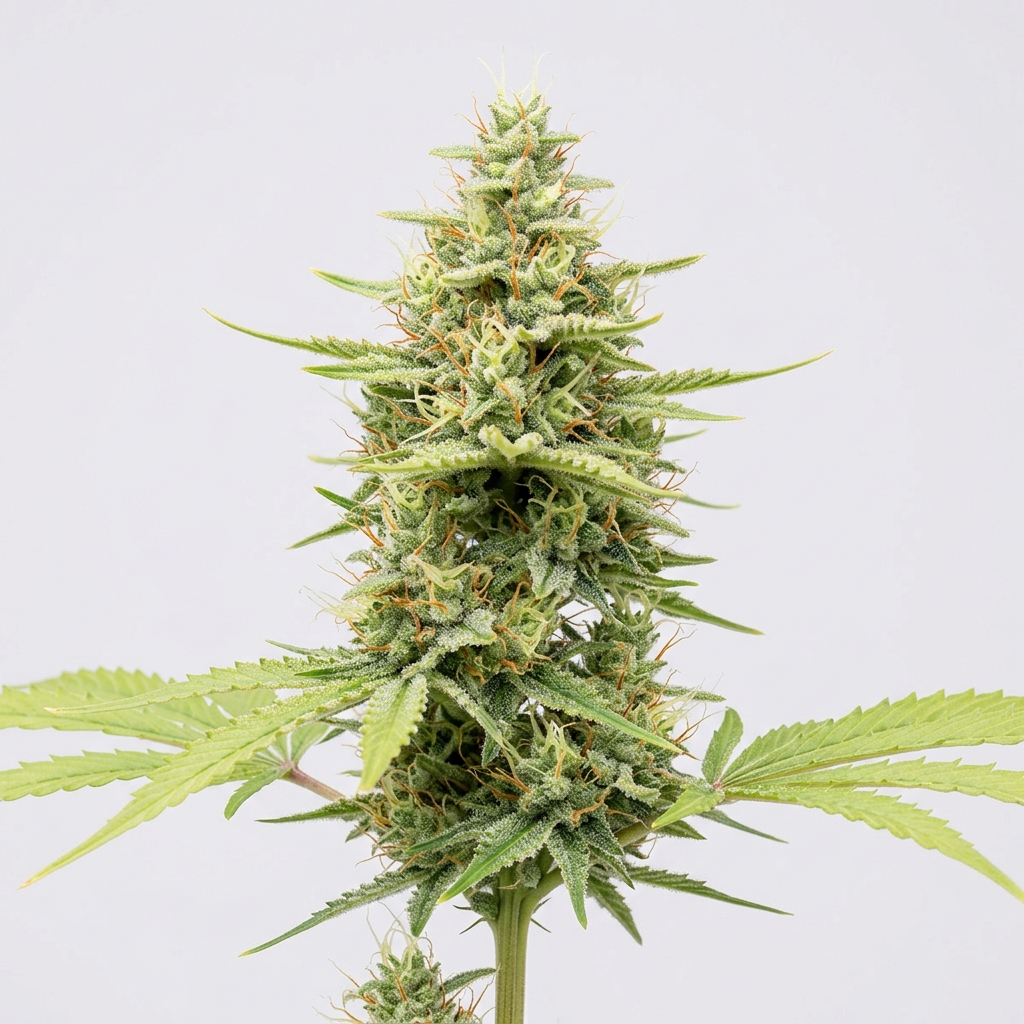
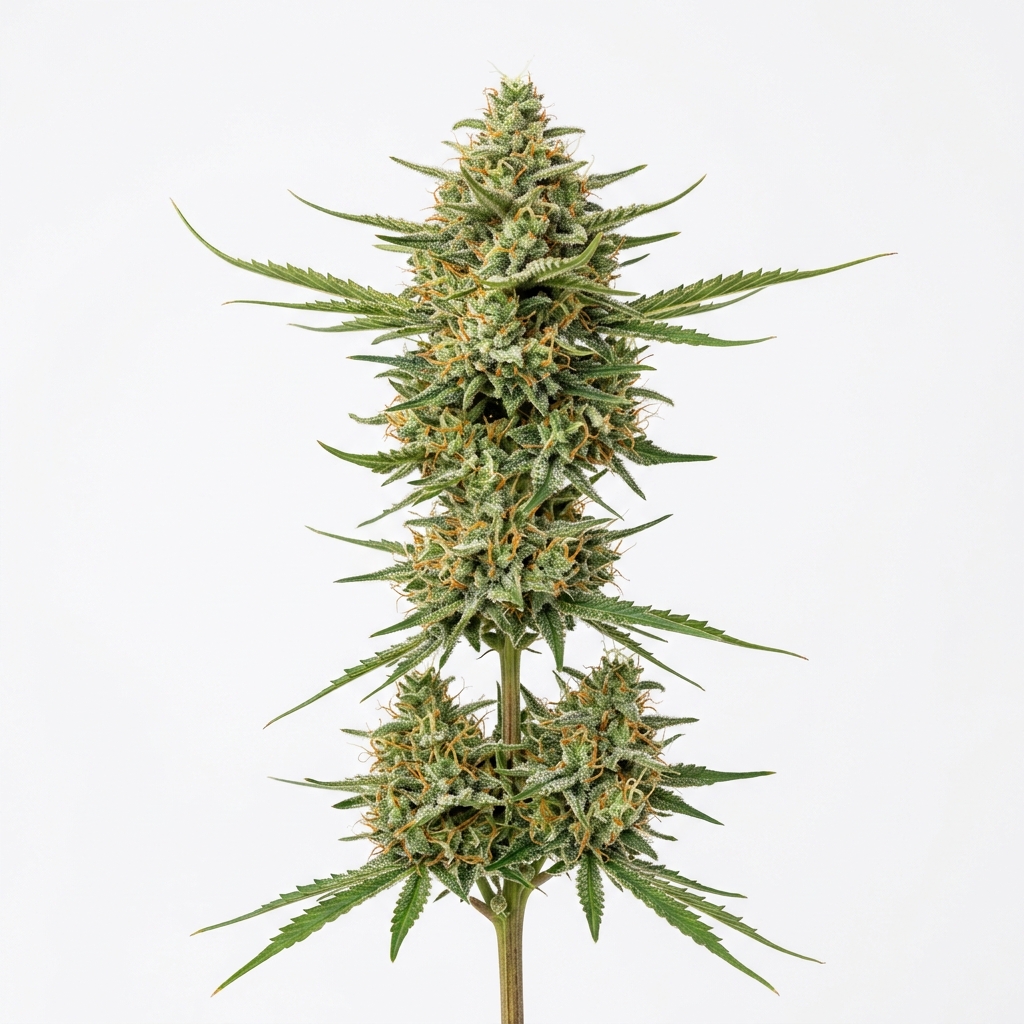
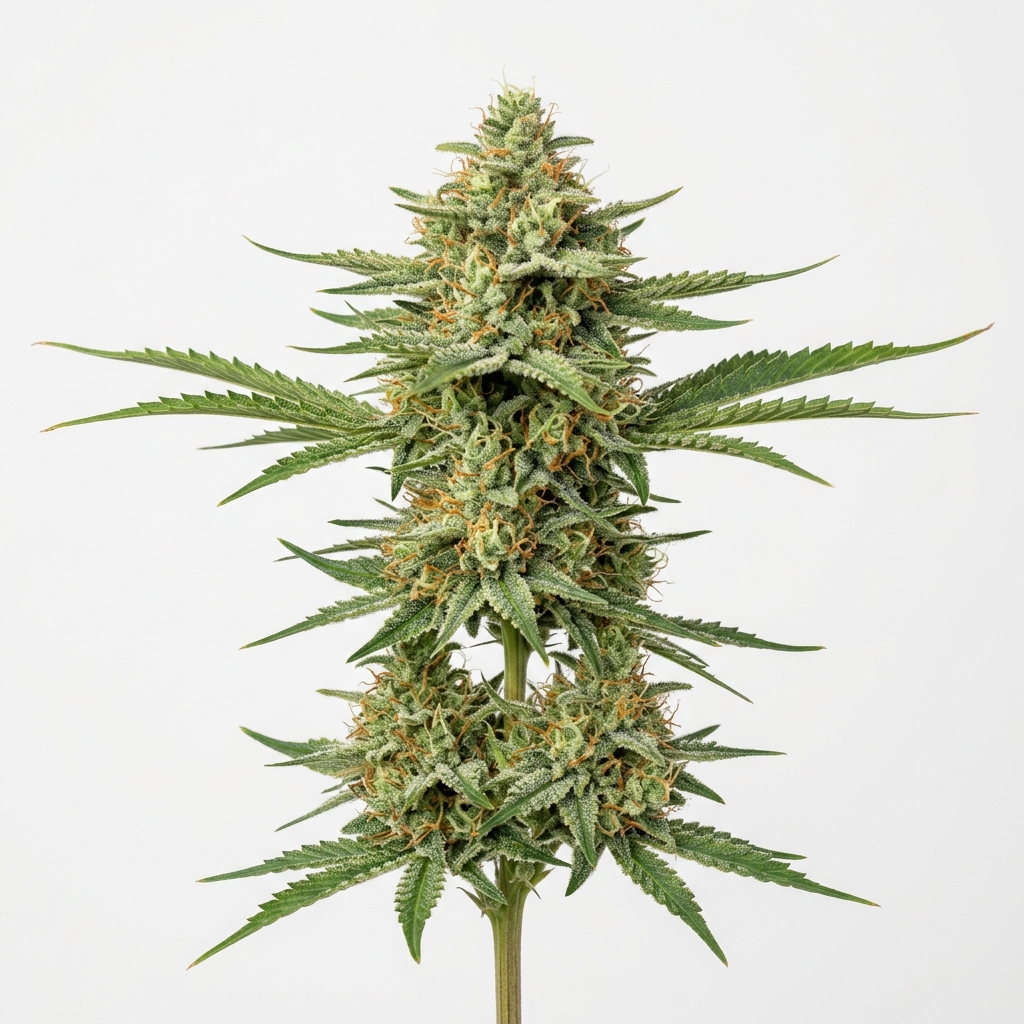
Jack the Ripper is a historic sativa-dominant hybrid, typically testing between 15% and 22% THC, created by crossing Jacks Cleaner with Space Queen. Recognized for its aggressive resin production and sharp lemon-cleaner aroma, this cultivar develops elongated spear colas covered in a wet frost. Its growth is characterized by a rapid vegetative stretch and a relatively short flowering cycle for a sativa-dominant plant.
Originally bred by TGA Subcool, this strain earned its place in the extraction market due to its oily, terpene-rich trichomes. The high concentration of terpinolene delivers a sharp citrus lift that remains a favorite for daytime enthusiasts who appreciate clean, old-school genetics.
Quick Facts
| Attribute | Details |
|---|---|
| Genetics | Jacks Cleaner × Space Queen |
| Variety | Sativa-dominant hybrid (approx. 70/30) |
| THC Range | 15% – 22% |
| Flowering Time | 8 – 9 weeks |
| Yield Potential | Moderate to high |
| Plant Height | Tall (significant stretch) |
| Climate Preference | Warm, dry, temperate climates |
| Difficulty | Moderate (requires height management) |
Scientific & Botanical Overview
Structurally, this cultivar displays classic sativa traits, including wide internodal spacing and thin-bladed fan leaves. It stretches significantly during the transition to flower, requiring early training to manage height. The plant usually keeps tight branching below but pushes its main energy into heavy, upright colas.
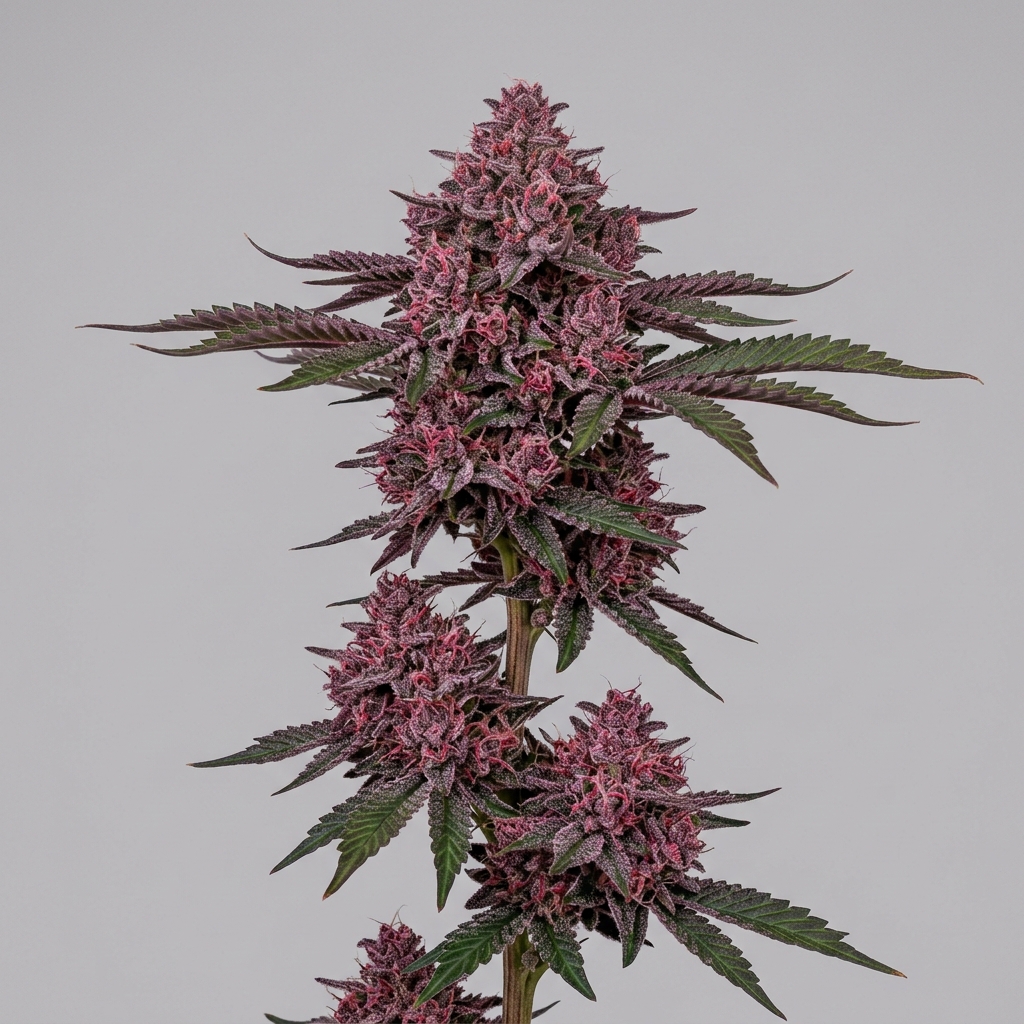
The calyx-to-leaf ratio is exceptionally high, producing dense bracts that stack into spear-like structures. Glandular trichomes cover the buds early in the flowering cycle, producing a greasy resin that makes the flowers feel sticky and wet to the touch. This high density of resin glands is a hallmark of its Space Queen heritage.
The chemical expression is dominated by monoterpenes, which contribute to the plant's intense fragrance during late bloom. Maintaining moderate root zone temperatures and low humidity helps preserve these volatile compounds during the final weeks of flower.
Effects & Use-Cases (Reported)
Commonly reported effects include a rapid, clear-headed stimulation accompanied by physical energy and enhanced focus. Users often describe the experience as bright and motivating, without the heavy physical sedation common in indica-dominant hybrids.
Use-case context typically centers on daytime activities, creative projects, or social settings where mental clarity is desired. The uplifting onset makes it a popular choice for morning or afternoon use, helping to sustain focus throughout tasks.
Note: Due to its high concentration of stimulating terpenes, sensitive individuals should approach this cultivar with caution to avoid potential pacing or over-stimulation.
Aroma & Flavors
Aroma: The primary scent is a sharp, chemical-tinged lemon cleaner, backed by fresh pine and a subtle tropical sweetness. The fragrance is highly pungent and easily fills a room even before the buds are broken apart.
Flavor: On the palate, it delivers a tart citrus peel taste mixed with earthy haze and a crisp mint finish. The smoke is sharp but clean, leaving a lingering sour lemon flavor on the exhale.
Terpene associations: Terpinolene dominates the profile, supported by significant levels of myrcene and pinene, which anchor the bright citrus notes with an earthy, piney undertone.
Tested Cannabinoid & Terpene Ranges
| Compound | Typical Range |
|---|---|
| Δ9-THC | 15% – 22% |
| CBG | 0.5% – 1.5% |
| Terpinolene | 0.8% – 1.5% |
| Myrcene | 0.3% – 0.7% |
| Pinene | 0.2% – 0.5% |
Note: These ranges are literature-informed references. Actual cannabinoid and terpene content can vary significantly depending on cultivation methods, environmental factors, and specific phenotype selection.
Cultivation Notes
- Humidity management: Keep late-flower humidity below 45% to prevent mold in the dense, resinous spear colas.
- Training: Responds well to topping and low-stress training (LST) to manage the vigorous vertical stretch.
- Nutrition: Provide moderate nitrogen during the early stretch, transitioning to a phosphorus-rich feeding schedule by week four of flower.
- Harvest timing: Harvest when the glassy trichomes turn mostly milky with a small percentage of amber for optimal terpene clarity.
- Airflow: Ensure constant airflow through the lower canopy to prevent moisture buildup within the tight internodes.
Grower Notes (Week-by-Week Snapshot)
- Weeks 1 – 3 (The Stretch): Expect a rapid vertical stretch. Secure trellis netting early to support the branches as they begin to grow thin and tall.
- Weeks 4 – 6 (Flower Stacking): Spear colas begin to form as wet frost develops rapidly on the calyxes. The room will begin to smell strongly of sweet lemon cleaner.
- Weeks 7 – 9 (Ripening): Trichomes transition from clear to milky. The lemon-cleaner aroma intensifies significantly; carbon filters are highly recommended during this phase.
- Post-Harvest (Dry & Cure): Slow dry at 60°F and 60% relative humidity for 10 to 14 days to preserve the delicate terpinolene profile before a minimum three-week cure.
Genetic Lineage
The maternal parent, Jacks Cleaner, is a legendary Pacific Northwest clone-only strain known for its intense household-cleaner aroma. Its heritage includes Pluton, Lambsbread, Purple Haze, and Northern Lights, giving it a complex, old-school sativa foundation.
The paternal side comes from Space Queen, specifically a selected male known as Space Dude. This cross of Romulan and Cinderella 99 infuses the lineage with high resin production, sweet tropical undertones, and structural stability, helping to shorten the flowering time of the sativa-dominant mother.
Research Insights
Phytochemical analysis of this cultivar highlights an uncommon synergy between high terpinolene levels and moderate pinene concentrations. This specific ratio is often associated with the classic active profile of old-school Haze varieties, contributing to the strain's clear-headed, non-sedating reputation.
Its utility in breeding programs is well-documented, as it consistently passes down its greasy resin production and sharp citrus terpene profile to offspring. Researchers and breeders value the cultivar for its predictable inheritance patterns regarding trichome density.
Frequently Asked Questions
Is Jack the Ripper an indica or a sativa?
Jack the Ripper is a sativa-dominant hybrid, typically classified as a 70% sativa and 30% indica cross. It shows classic sativa growth patterns and energetic, daytime-oriented effects.
How long does Jack the Ripper take to flower?
This cultivar has a relatively fast flowering time for a sativa-dominant strain, typically completing its cycle in 8 to 9 weeks when grown indoors.
What does Jack the Ripper smell like?
It has an intense, pungent aroma dominated by sharp lemon cleaner, sour citrus peel, and pine, with subtle undertones of sweet tropical fruit.
Is this strain difficult to grow?
It is considered moderately difficult due to its rapid vertical stretch. Growers must use training techniques like topping or trellising to manage its height indoors.
Educational Disclaimer
This article is for educational and informational purposes only. Cannabis cultivation and consumption are subject to local laws and regulations. Consult with local guidelines before undertaking any cultivation activities.
Rate and review this strain
Ratings and reviews are accepted only from signed-in Google accounts.
Sign in with Google to leave a rating and written review.
Latest Reviews
0 reviewsNo reviews yet. Be the first Google user to rate and review this strain.