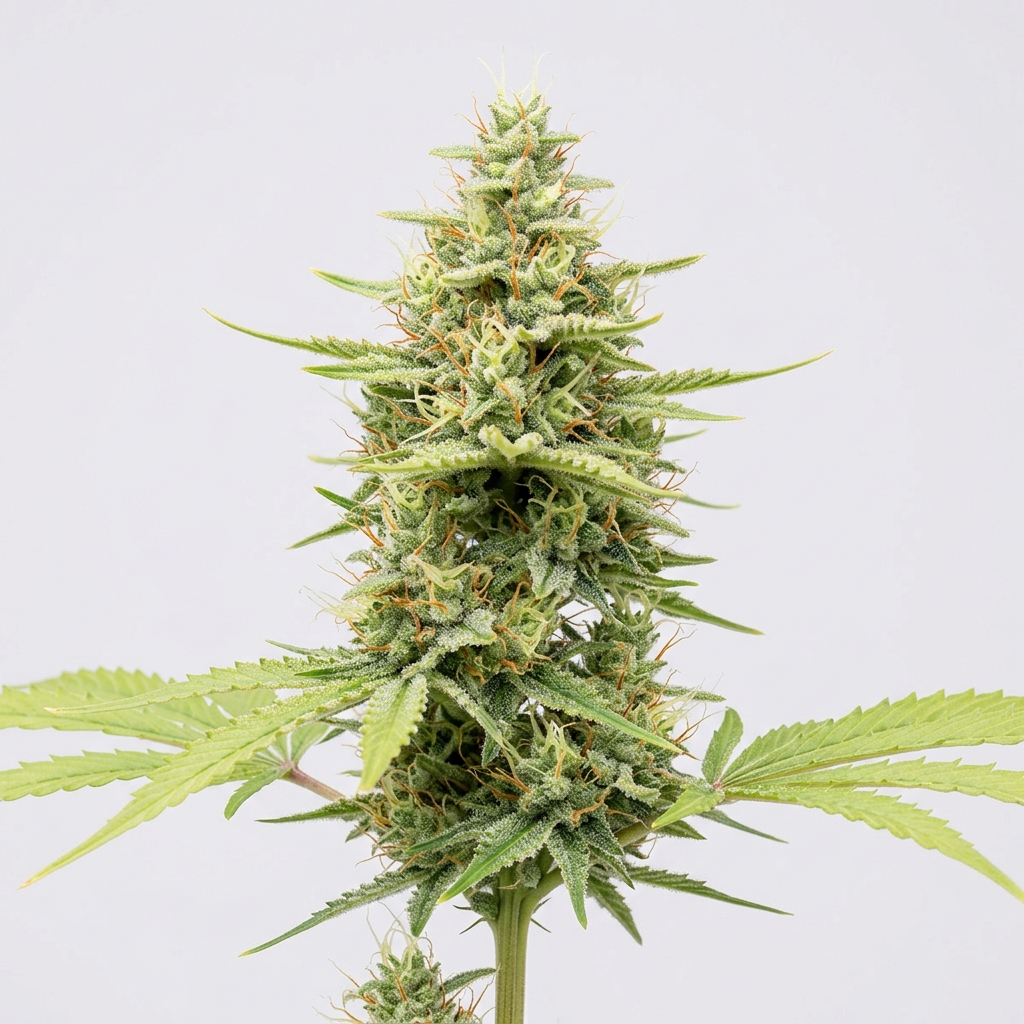
Apollo 13 (Cannabis Strain)
Apollo 13 is a rare, sativa-dominant hybrid typically testing between 16% and 22% THC, created by crossing the coveted Genius clone with Princess. Known for its quick-flowering nature and sticky, resin-drenched spear colas, this cultivar delivers a pungent profile of sour citrus, rotting fruit, and peppery skunk. Its growth behavior favors a moderate, controlled stretch that produces highly resinous, easily managed canopies ideal for indoor growers seeking classic sativa clarity without the typical long flowering cycle.
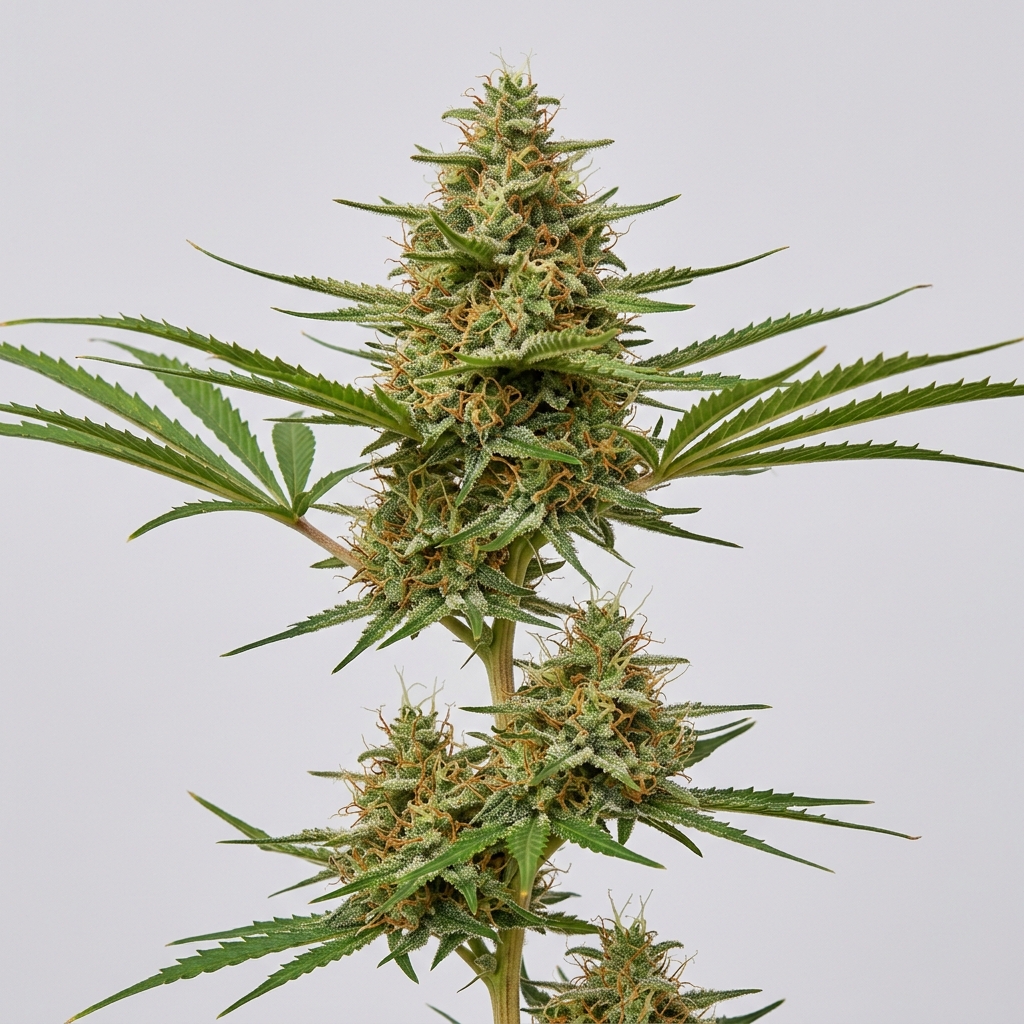
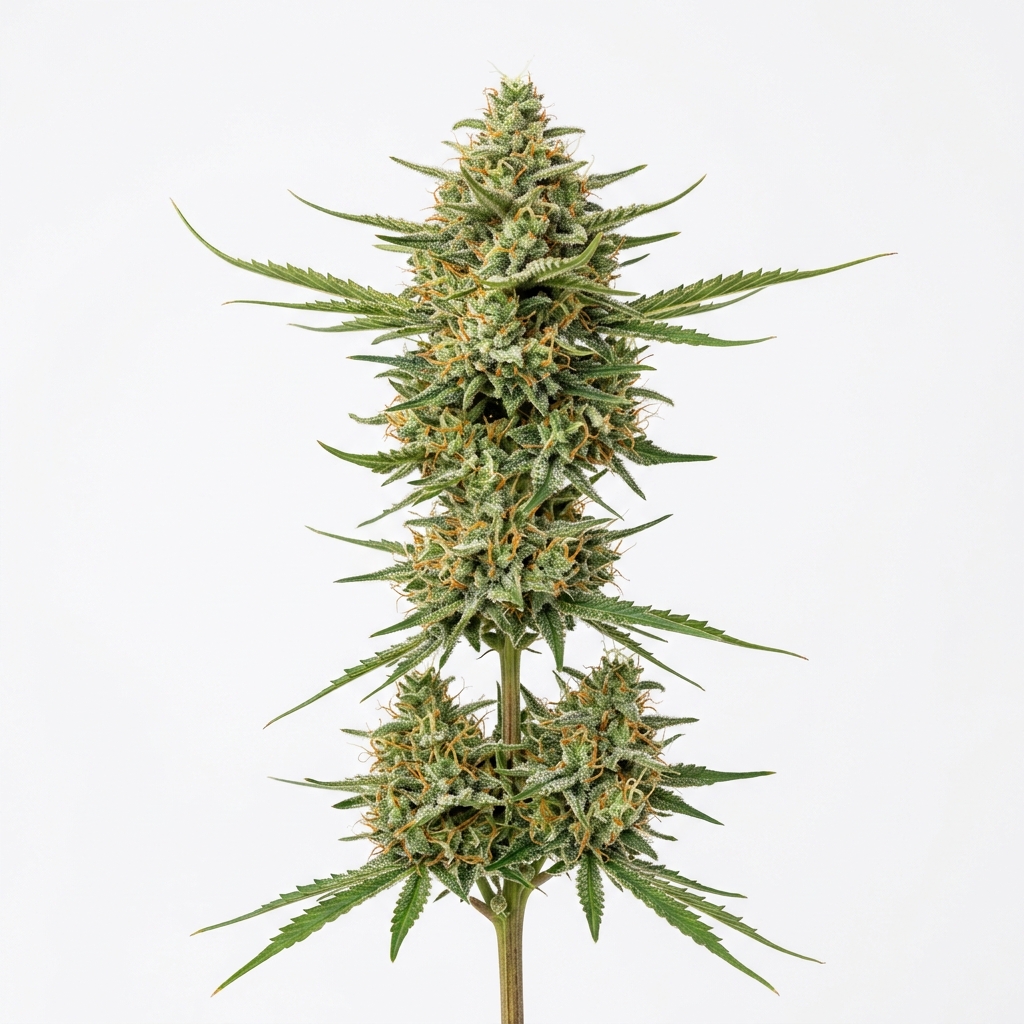
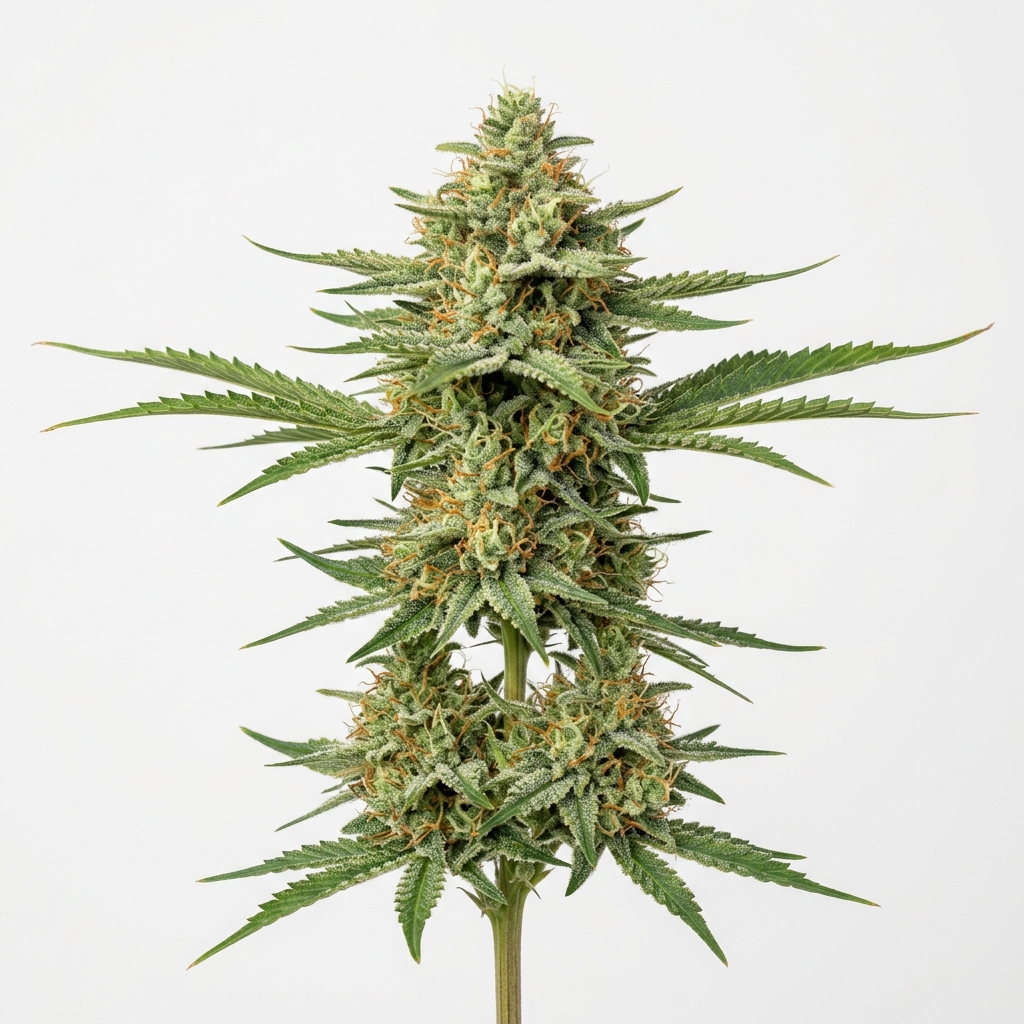
Originally bred by the Brothers Grimm in the late 1990s, this cultivar remains a legendary staple among old-school growers who value terpene clarity and rapid resin development. The buds cure to a pale green with thin, bright orange pistils, coated in a layer of greasy resin that makes it a prized selection for dry-sift extraction.
Quick Facts
| Attribute | Details |
|---|---|
| Genetics | Genius × Princess |
| Variety | Sativa-dominant Hybrid |
| THC Range | 16% – 22% |
| Flowering Time | 7 – 8 Weeks (50 – 55 Days) |
| Yield Potential | Moderate to High |
| Plant Height | Medium to Tall |
| Climate Preference | Mild, temperate, low humidity |
| Difficulty | Moderate |
Scientific & Botanical Overview
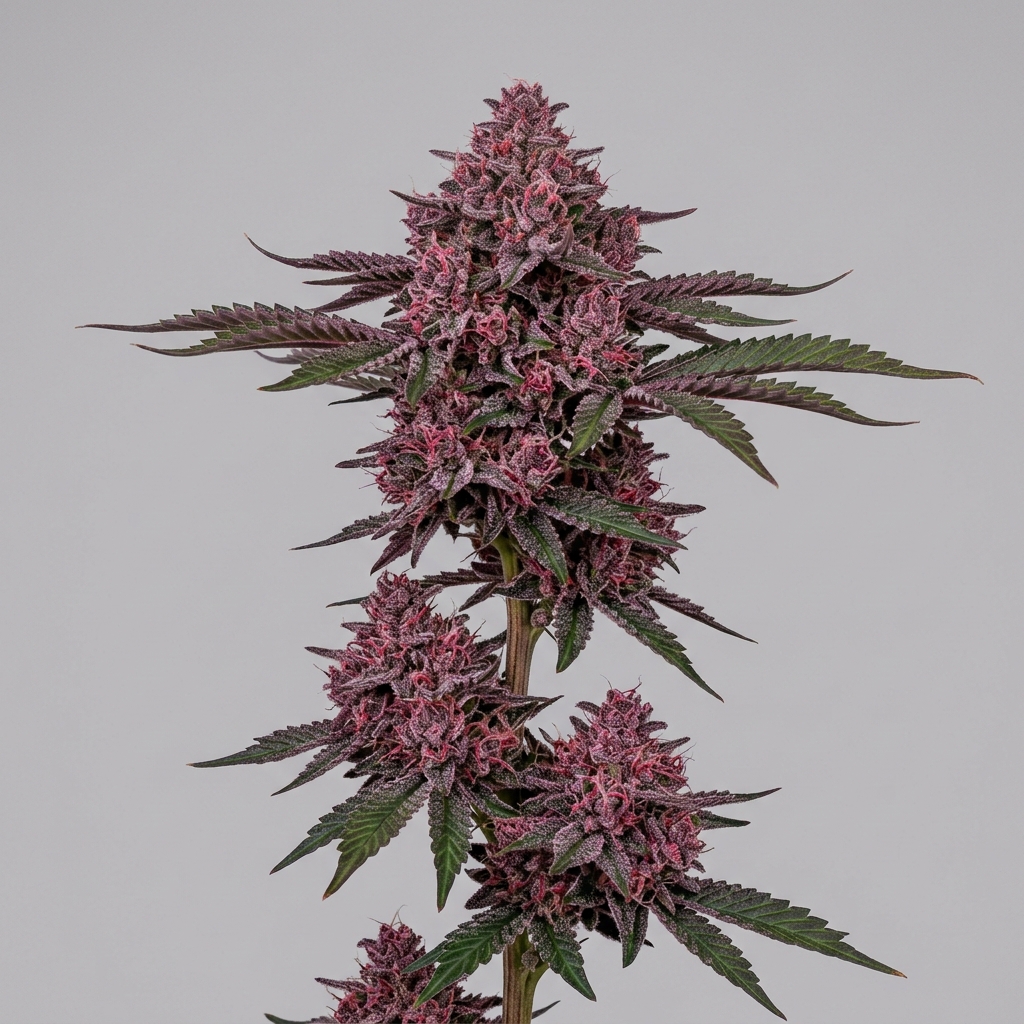
Botanically, Apollo 13 shows classic sativa morphology modified by its tight, compact indica-leaning ancestral genetics. The plant produces long, spear-shaped colas with a high calyx-to-leaf ratio, making trimming exceptionally straightforward. Broad fan leaves appear during early veg, but the plant transitions to thin, serrated leaflets as it enters the flowering stage.
Its nodal spacing is moderately wide, allowing excellent light penetration and airflow through the lower canopy. Under optimal conditions, the fan leaves remain light green, while the bracts swell significantly during the final two weeks of bloom. The physical structure benefits greatly from early training, which encourages lateral branching and multiple dominant colas.
Resin production begins early in the flowering cycle, presenting as a wet, greasy layer of capitate-stalked trichomes. The stems remain relatively slender, often requiring external support as the heavy floral clusters pack on weight. This cultivar is highly efficient in its nutrient uptake, showing a clear preference for consistent, moderate feeding schedules.
Effects & Use-Cases (Reported)
Commonly reported effects: Users frequently describe a rapid, clear-headed cerebral lift that promotes focus and physical energy without heavy physical sedation. The experience is often characterized by a bright, motivating onset that transitions smoothly into a calm, functional clarity.
Use-case context: This cultivar is highly suited for daytime activities, creative projects, and social settings where mental alertness is desired. Its light physical footprint makes it a preferred option for those wishing to avoid the heavy, couch-lock sensations associated with late-night indica hybrids.
Note: Individual tolerance and dosage significantly influence the onset and duration of these cerebral properties.
Aroma & Flavors
Aroma: The initial nose is dominated by a sharp citrus lift, quickly followed by a complex funk reminiscent of rotting fruit, damp earth, and peppery diesel.
Flavor: On the palate, it delivers a distinct herbal tea and tart lemon flavor, leaving a lingering peppery spice and skunky undertone on the exhale.
Terpene associations: Lab analyses of typical phenotypes show a dominant presence of terpinolene, caryophyllene, and myrcene, which drive its unique sweet-and-sour herbal complexity.
Tested Cannabinoid & Terpene Ranges
| Compound | Tested Range |
|---|---|
| Δ9-THC | 16.0% – 22.0% |
| CBG | 0.5% – 1.5% |
| Terpinolene | 0.4% – 0.9% |
| Caryophyllene | 0.3% – 0.7% |
| Myrcene | 0.2% – 0.6% |
Note: Values are breeder-reported and laboratory-verified averages. Actual profiles may vary depending on cultivation methods, environmental factors, and specific phenotypes.
Cultivation Notes
- Keep late-flower humidity below 45% to prevent moisture retention in the dense, resin-rich spear colas.
- use a Screen of Green (ScROG) setup to manage the moderate stretch and support the slender branches.
- Provide a balanced, moderate nutrient regimen, as this cultivar can be sensitive to nitrogen toxicity in early bloom.
- Prune lower fan leaves and non-productive bud sites during week three of flowering to maximize airflow.
- A slow dry of 10 to 14 days at 60°F and 60% relative humidity is critical to preserving the volatile terpinolene profile.
Grower Notes (Week-by-Week Snapshot)
- Weeks 1 – 3: The plant shows a rapid vegetative transition with a noticeable stretch. Ensure early training or trellis netting is established to guide the slender branches and even out the canopy.
- Weeks 4 – 6: Flower clusters begin to stack rapidly, forming distinct spear colas. Greasy resin production becomes highly visible on the sugar leaves, accompanied by a sharp, sour citrus aroma.
- Weeks 7 – 8: Calyxes swell significantly, and pistils turn a vibrant orange. Monitor trichome clarity closely, as this fast-flowering sativa can ripen quickly, often finishing in just 50 to 55 days.
- Post-Harvest: Cure the buds in airtight glass jars for a minimum of three weeks to allow the complex earthy and rotting fruit undertones to fully mature.
Genetic Lineage
Apollo 13 is a masterful cross of Genius and Princess, two highly regarded selections from the early Brothers Grimm breeding library. Genius, a select phenotype of Jack Herer, contributes the sharp citrus lift and clear-headed focus, while Princess brings the sweet, tropical, and resinous characteristics of the Cinderella line.
This specific pairing was designed to capture the soaring, energetic qualities of classic sativas while drastically reducing the flowering time. The resulting progeny has become a cornerstone of modern hybrid breeding, passing down its rapid maturation and greasy resin traits to numerous contemporary cultivars.
Research Insights
The chemical profile of Apollo 13 is particularly notable for its high concentration of terpinolene, a relatively uncommon dominant terpene in modern commercial hybrids. This compound, when combined with moderate levels of caryophyllene and myrcene, is believed to modulate the uptake of THC, contributing to the strain’s characteristically clear, non-sedating cognitive effects.
Horticultural researchers value this cultivar for its exceptional breeding utility, particularly its ability to transmit fast-flowering traits and high calyx-to-leaf ratios to offspring. Its genetic stability makes it a reliable reference point for studying the inheritance of resin density and terpene preservation under indoor cultivation parameters.
Frequently Asked Questions
What is the genetic background of Apollo 13?
Apollo 13 is a sativa-dominant hybrid created by crossing the Genius clone (a Jack Herer phenotype) with Princess (a precursor to Cinderella 99), originally bred by Brothers Grimm.
How long does Apollo 13 take to flower?
This cultivar has an exceptionally fast flowering time for a sativa-dominant hybrid, typically finishing in 7 to 8 weeks (approximately 50 to 55 days) when grown indoors.
What does Apollo 13 smell like?
It features a pungent, complex aroma dominated by sharp sour citrus, decaying fruit, peppery spices, and a damp, earthy skunk undertone.
Is Apollo 13 difficult to grow?
It is considered of moderate difficulty. While its fast flowering time and high calyx-to-leaf ratio make it easy to manage, its slender branches require physical support like trellising to hold up the heavy spear colas.
Educational Disclaimer
This article is for educational, historical, and botanical reference purposes only. It does not constitute medical advice or encourage illegal cultivation practices. Always consult local laws and regulations regarding cannabis use and cultivation.
Rate and review this strain
Ratings and reviews are accepted only from signed-in Google accounts.
Sign in with Google to leave a rating and written review.
Latest Reviews
0 reviewsNo reviews yet. Be the first Google user to rate and review this strain.