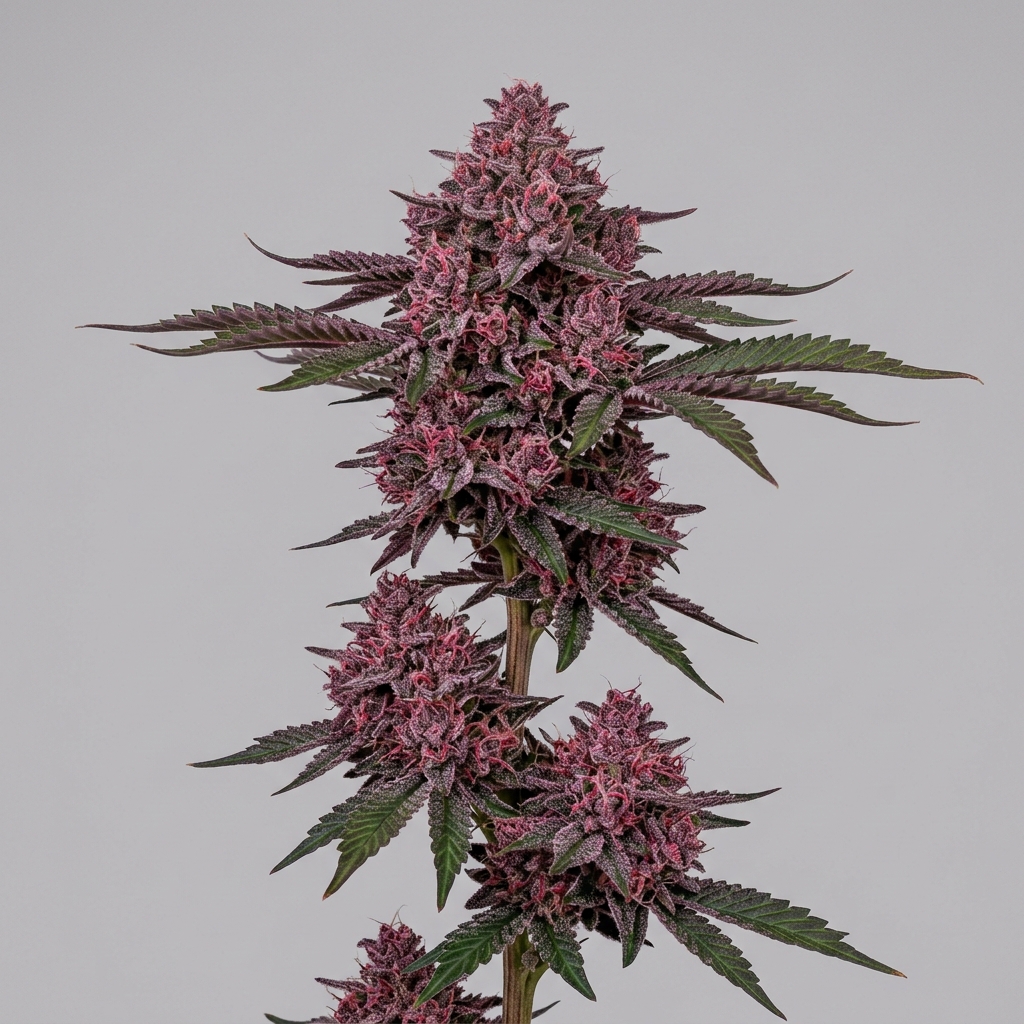
Plushberry (Cannabis Strain)
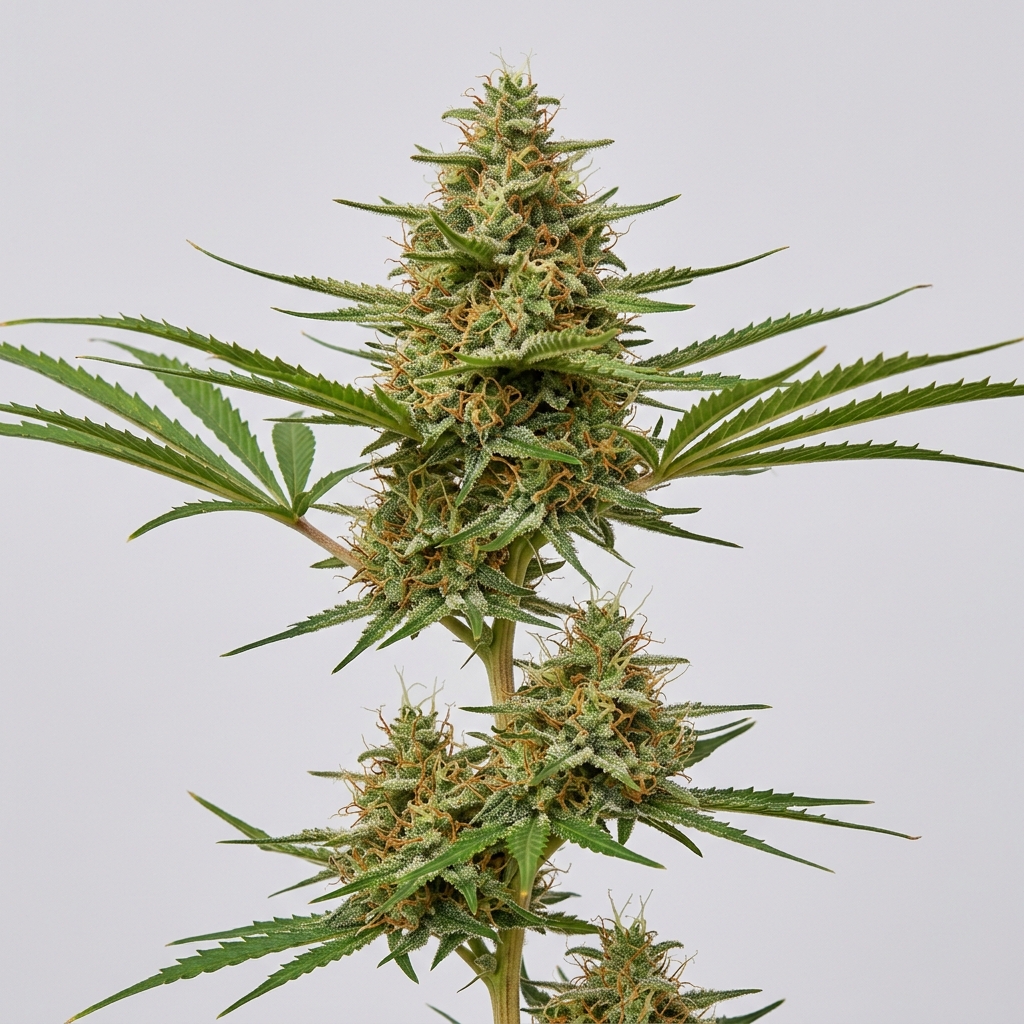
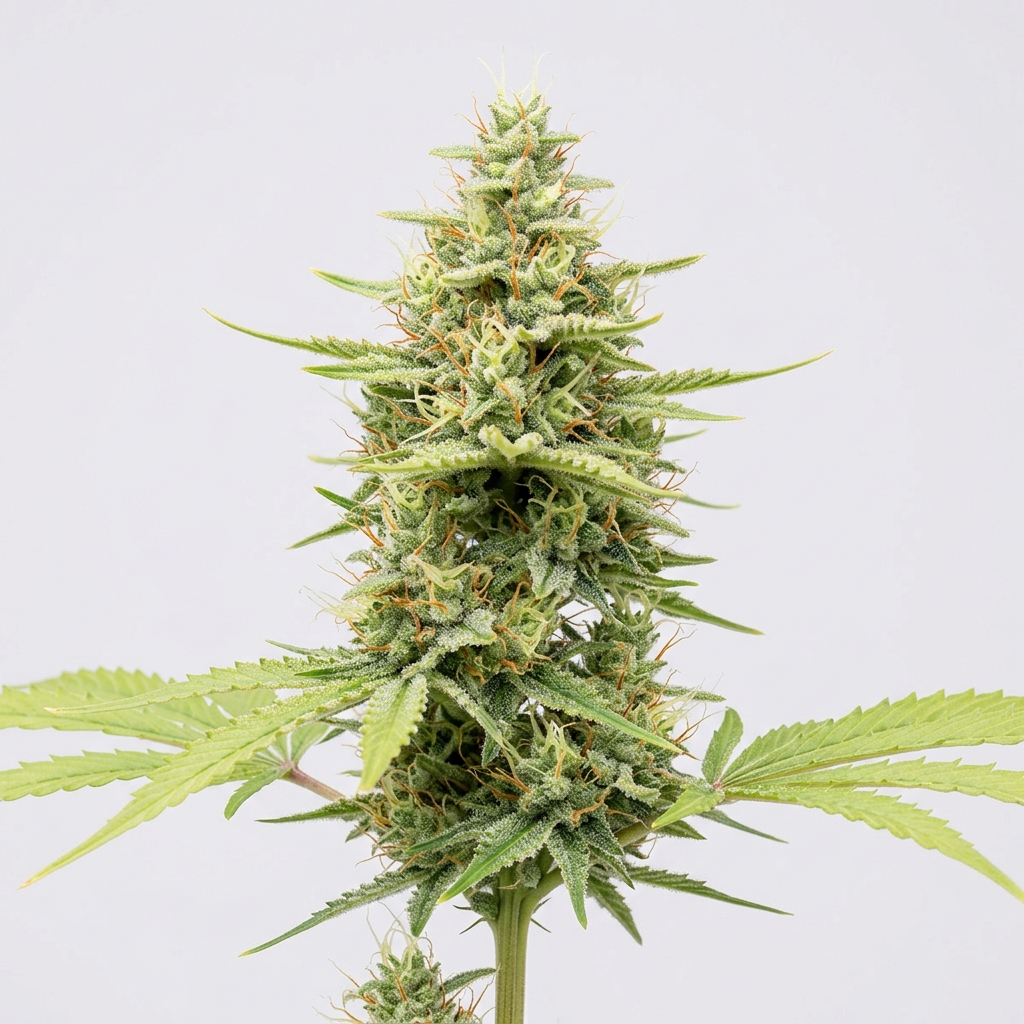
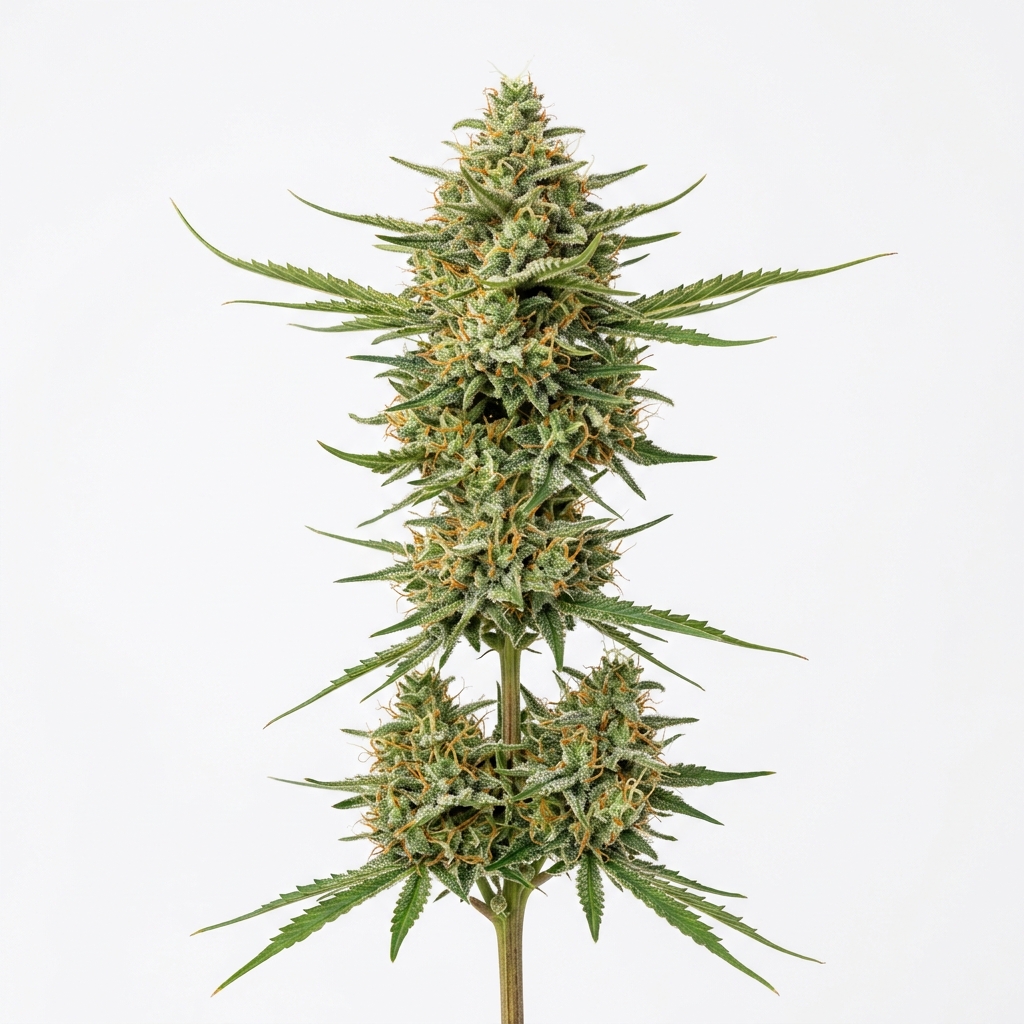
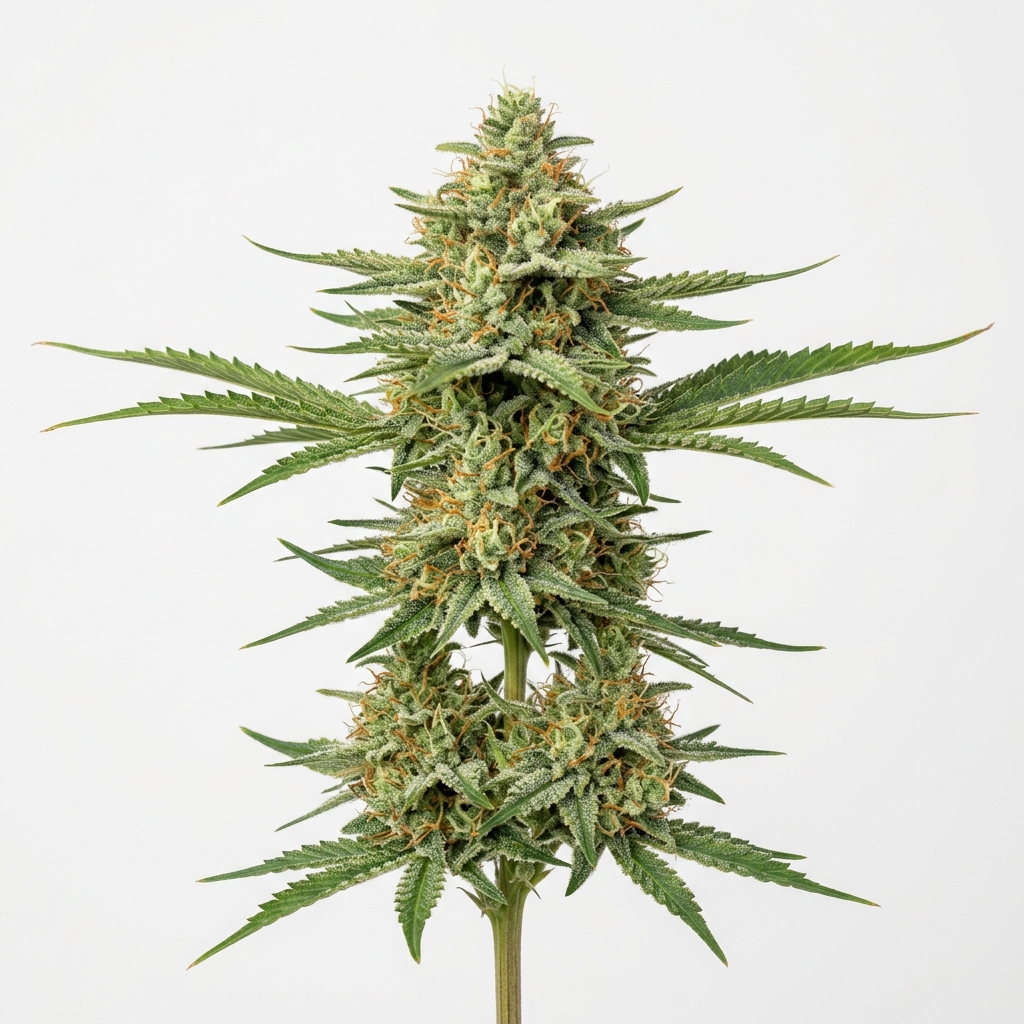
Plushberry is an indica-dominant hybrid typically testing between 15% and 20% THC, developed by crossing the legendary Black Cherry Soda and Space Queen. Known for its striking pink and violet hues, this cultivar delivers a distinct sweet black cherry and herbal berry aroma backed by a moderate, resin-rich flower structure. The plant shows a manageable growth habit with a medium stretch, producing dense, golf-ball-sized colas that make it a favorite for growers seeking striking bag appeal and classic fruit-forward terpene profiles.
Originally bred by TGA Subcool Genetics, this strain stands out for its visual presentation and classic Pacific Northwest heritage. While it does not push extreme cannabinoid numbers, its value lies in its rich terpene complexity and reliable resin production, making it a staple for sensory-focused gardens.
Quick Facts
| Metric | Details |
|---|---|
| Genetics | Black Cherry Soda × Space Queen |
| Variety | Indica-dominant hybrid (approx. 80/20) |
| THC Range | 15% – 20% |
| Flowering Time | 55 – 65 Days (8 – 9 Weeks) |
| Yield Potential | Moderate to High |
| Plant Height | Medium |
| Climate Preference | Temperate, controlled indoor preferred |
| Difficulty | Moderate |
Scientific & Botanical Overview
Plushberry expresses two primary phenotypes: a heavy, resin-dense indica-leaning structure and a taller, more space-saving sativa-leaning variation. The indica-dominant phenotype is highly prized for its vibrant pink and deep purple coloration, which is triggered by cooler night temperatures during late bloom.
The calyx-to-leaf ratio is favorable, allowing for easy trimming and excellent airflow through the canopy. Its glandular trichomes are dense but relatively short, creating a velvet-like coating of wet frost across the bracts rather than the long, greasy stalks seen in modern cookie crosses.
The leaves are typically broad and dark green in early vegetative growth, but they rapidly transition to shades of magenta and deep violet as the plant matures. Stiff stems and tight internodal spacing help support the weight of its dense floral clusters without excessive trellising.
Effects & Use-Cases (Reported)
Commonly reported effects: Users frequently describe a gentle, warming physical relaxation accompanied by a calm, clear-headed mental state. It is generally noted for providing a steady, functional calm that avoids heavy sedation, making it suitable for early evening transition.
Use-case context: This cultivar is well-suited for quiet social settings, creative hobbies, or unwinding after a long shift without immediate couch-lock.
Please note: As with any resin-rich cultivar, individuals sensitive to physical relaxation should start with lower quantities to gauge personal tolerance.
Aroma & Flavors
Aroma: A dominant sweet black cherry scent is immediately present, layered with notes of wild blackberry, damp forest floor, and a subtle herbal musk.
Flavor: The smoke carries a distinct berry sweetness on the inhale, followed by a slightly tart, woody undertone with a clean, mint-like finish on the exhale.
Terpene associations: The primary terpene expression is dominated by myrcene, caryophyllene, and pinene, which contribute to its deep fruit signature and grounding herbal undertones.
Tested Cannabinoid & Terpene Ranges
| Compound | Typical Range |
|---|---|
| Δ9-THC | 15.0% – 20.0% |
| CBD | < 0.5% |
| Myrcene | 0.4% – 0.9% |
| Caryophyllene | 0.2% – 0.5% |
| Pinene | 0.1% – 0.3% |
Note: Cannabinoid and terpene levels are highly dependent on specific phenotypes, cultivation methods, and environmental curing conditions.
Cultivation Notes
- Humidity: Maintain vegetative humidity at 55-60%, dropping to 40-45% by late flower to protect the dense, compact buds from moisture retention.
- Nutrition: Responds well to a moderate, steady nutrient feed; avoid heavy nitrogen in mid-to-late flower to preserve color transition.
- Training: Topping once or twice early in veg encourages a multi-topped bush structure, optimizing the yield of its rounded spear colas.
- Harvest: Watch trichomes closely; harvest when they turn mostly milky with about 10% amber to capture the peak sweet cherry flavor profile.
- Phenotype management: Select the shorter, pink-hued phenotype for the most intense berry aroma and classic structural traits.
Grower Notes (Week-by-Week Snapshot)
- Weeks 1–3 (Transition & Early Stretch): Plants show a moderate stretch, usually doubling in height. Focus on light under-canopy pruning (lollipopping) to improve airflow.
- Weeks 4–6 (Mid-Flower & Bud Development): Round, golf-ball-sized flower clusters begin to stack along the branches. Resin production starts early, coating the sugar leaves in a fine, wet frost.
- Weeks 7–9 (Late Flower & Color Shift): Drop nighttime temperatures by 10-15°F to stimulate the expression of anthocyanins, turning the fan leaves and calyxes deep purple and magenta.
- Post-Harvest (Dry & Cure): A slow, 10-to-14-day dry at 60°F and 60% humidity is essential to lock in the volatile berry terpenes before a minimum three-week jar cure.
Genetic Lineage
Plushberry inherits its distinct fruit-forward profile and deep coloration from Black Cherry Soda, an elusive clone-only strain renowned in the Pacific Northwest for its dark purple buds and sweet, soda-like aroma. This maternal influence provides the foundational color and cherry sweetness that defines the cultivar.
The paternal contributor, Space Queen (specifically the famous Space Dude male), introduces the genetics of Romulan and Cinderella 99. This lineage injects structural vigor, resin density, and a subtle tropical, resinous complexity that elevates the overall terpene yield of the offspring.
Research Insights
The terpene profile of this cultivar shows a high concentration of monoterpenes, specifically myrcene and pinene, which work alongside moderate THC levels to produce its characteristic calming but clear-headed effects. Research into anthocyanin accumulation in cannabis suggests that the striking purple coloration of this strain is genetically determined but heavily regulated by temperature-dependent pathways during the final weeks of flower.
Breeding studies highlight this cross as a classic example of outcrossing a clone-only sweet phenotype with a highly stable, resin-dominant male to preserve rare organoleptic qualities. The resulting offspring maintain the unique sensory characteristics of the mother while gaining the improved yield and resin density of the father.
Frequently Asked Questions
Is Plushberry easy to grow?
Yes, it is considered moderately easy to grow. It responds well to training and does not require heavy nutrient regimens, making it suitable for both novice and experienced growers.
Does Plushberry always turn purple?
While genetic predisposition is strong, the pink and purple hues are phenotype-dependent and are most pronounced when night temperatures are lowered in late flower.
What does Plushberry taste like?
It delivers a distinct sweet black cherry and berry flavor on the inhale, with a slightly woody, earthy, and clean herbal finish.
What is the flowering time for Plushberry?
This strain typically finishes flowering in 55 to 65 days, or approximately 8 to 9 weeks, when grown indoors.
Educational Disclaimer
This guide is intended for educational and informational purposes only. Local laws regarding cannabis cultivation and consumption vary widely, and readers should always consult their local regulations.
Rate and review this strain
Ratings and reviews are accepted only from signed-in Google accounts.
Sign in with Google to leave a rating and written review.
Latest Reviews
0 reviewsNo reviews yet. Be the first Google user to rate and review this strain.