Kaboom (Cannabis Strain)
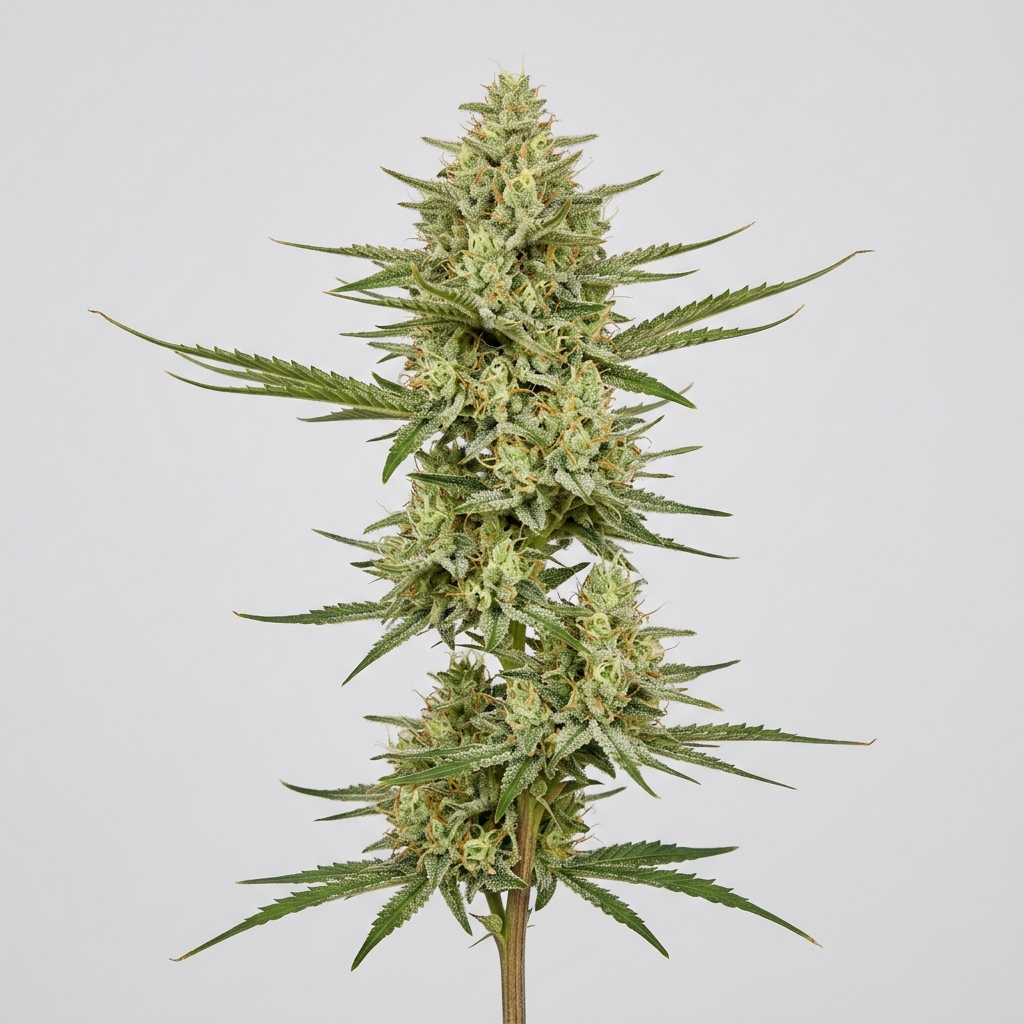
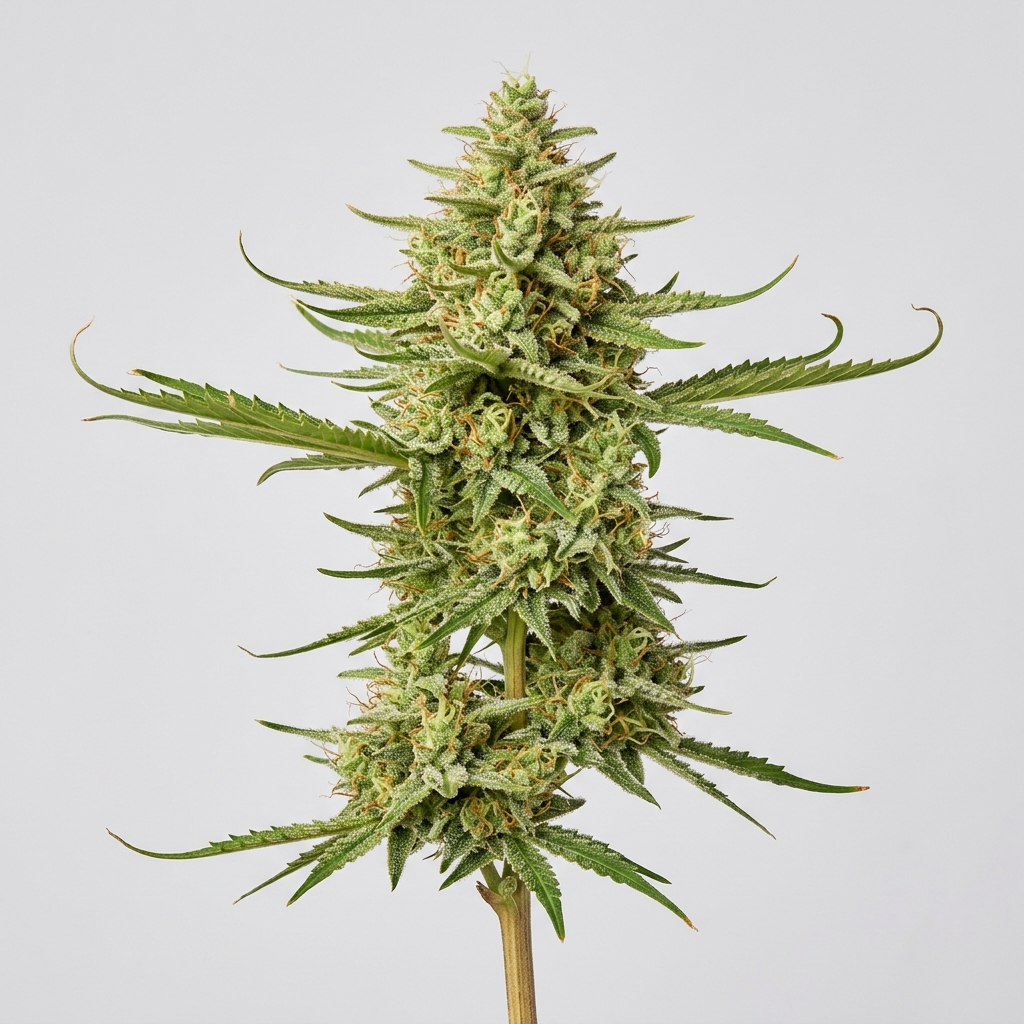
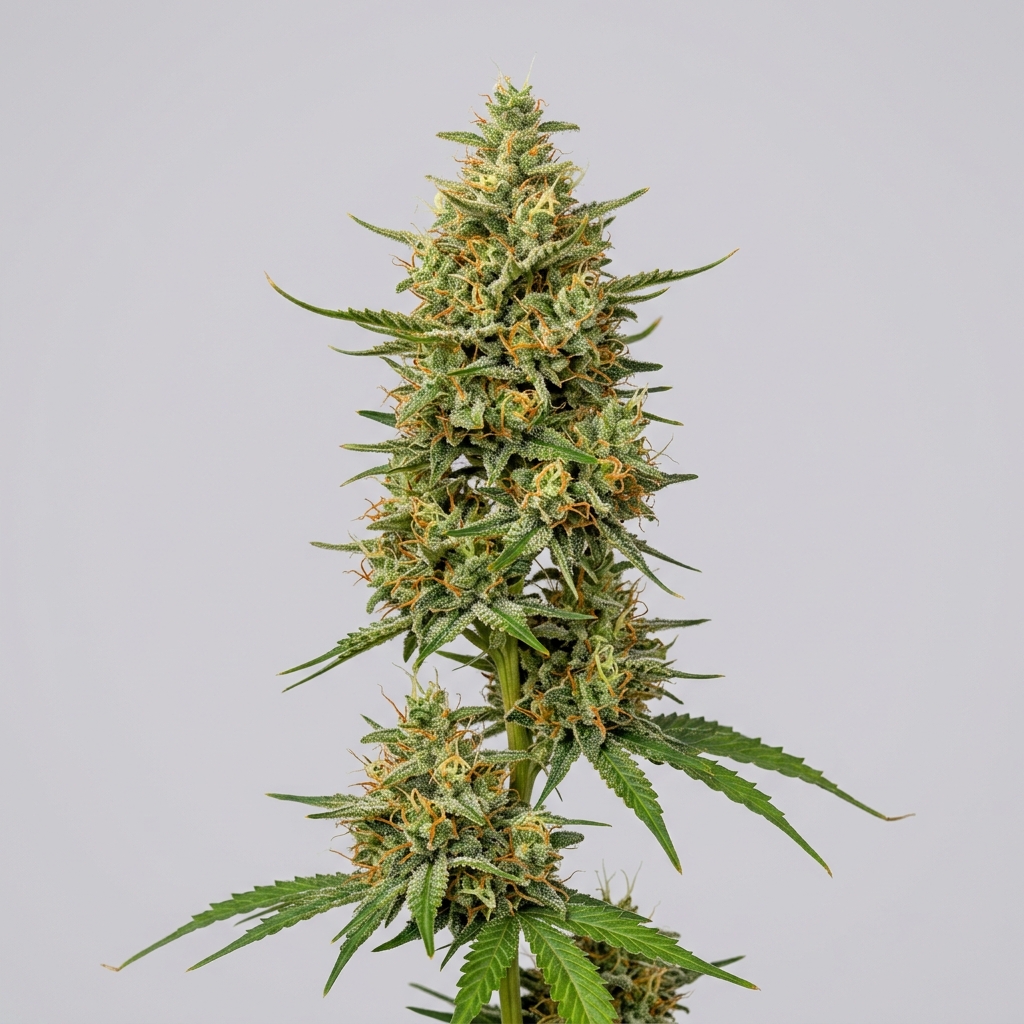
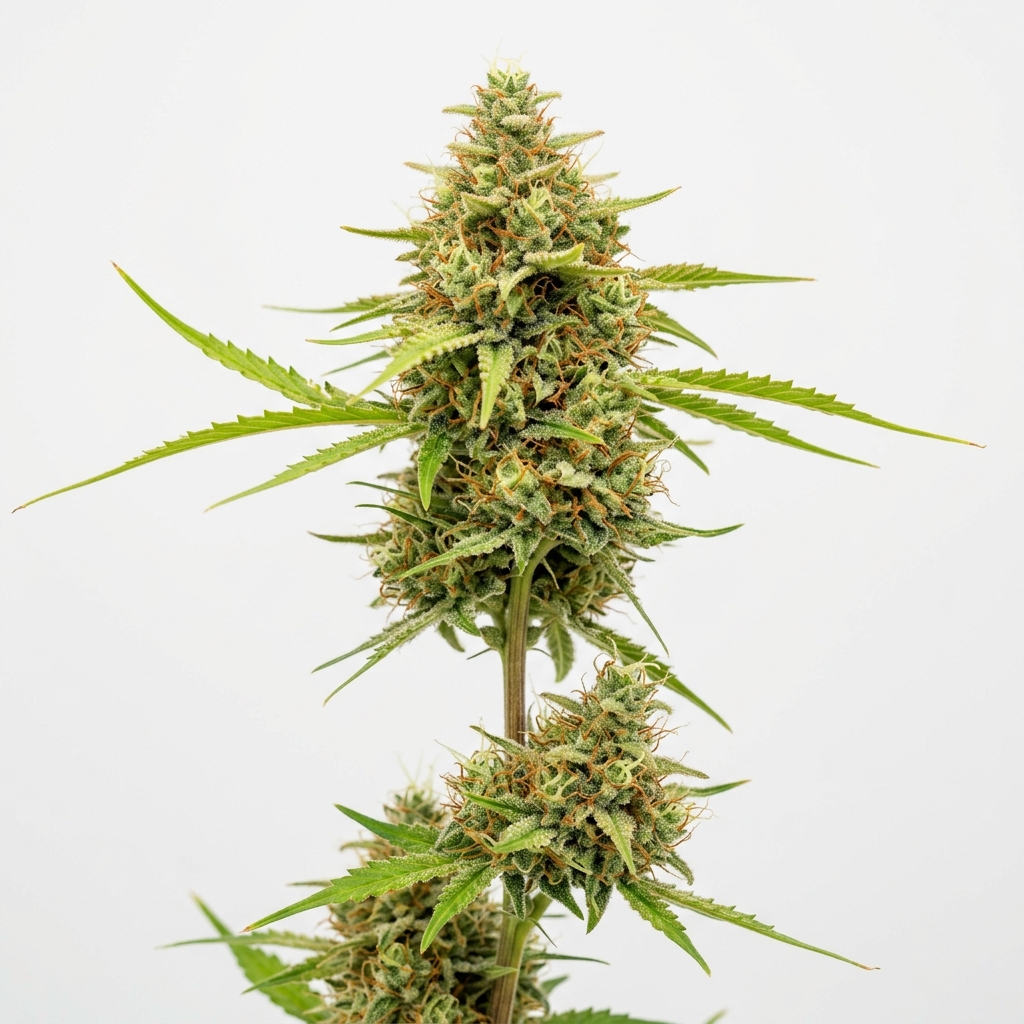
Kaboom is a sativa-dominant hybrid crossing the classic Jack Herer with the tropical-leaning Vortex. Typically testing between 16% and 21% THC, this cultivar delivers a sharp citrus lift anchored by a sweet, fermented fruit finish on the palate. The plants produce tall, resin-rich spear colas that show off glassy buds with bright orange pistils, making it a favorite for growers seeking a classic, high-energy daytime profile without the prolonged flowering time of pure sativas.
Cultivators appreciate this variety for its vigorous vegetative growth and open canopy structure. It handles training exceptionally well, making it highly adaptable to indoor environments where vertical space must be managed. The cured flowers retain excellent terpene clarity, appealing to those who value clean, old-school haze characteristics mixed with modern tropical sweetness.
Quick Facts
| Attribute | Detail |
|---|---|
| Genetics | Jack Herer × Vortex |
| Variety | Sativa-dominant hybrid |
| THC Range | 16% – 21% |
| Flowering Time | 8 – 10 weeks |
| Yield Potential | Moderate to high |
| Plant Height | Tall |
| Climate Preference | Warm, dry, temperate |
| Difficulty | Moderate |
Scientific & Botanical Overview
Kaboom displays a typical sativa-dominant structure, characterized by rapid vegetative growth and long, thin-fingered fan leaves. The internodal spacing is naturally wide, which allows for excellent light penetration and natural airflow throughout the lower branches. This open framework helps prevent moisture buildup, though the plant still benefits from strategic pruning during early development.
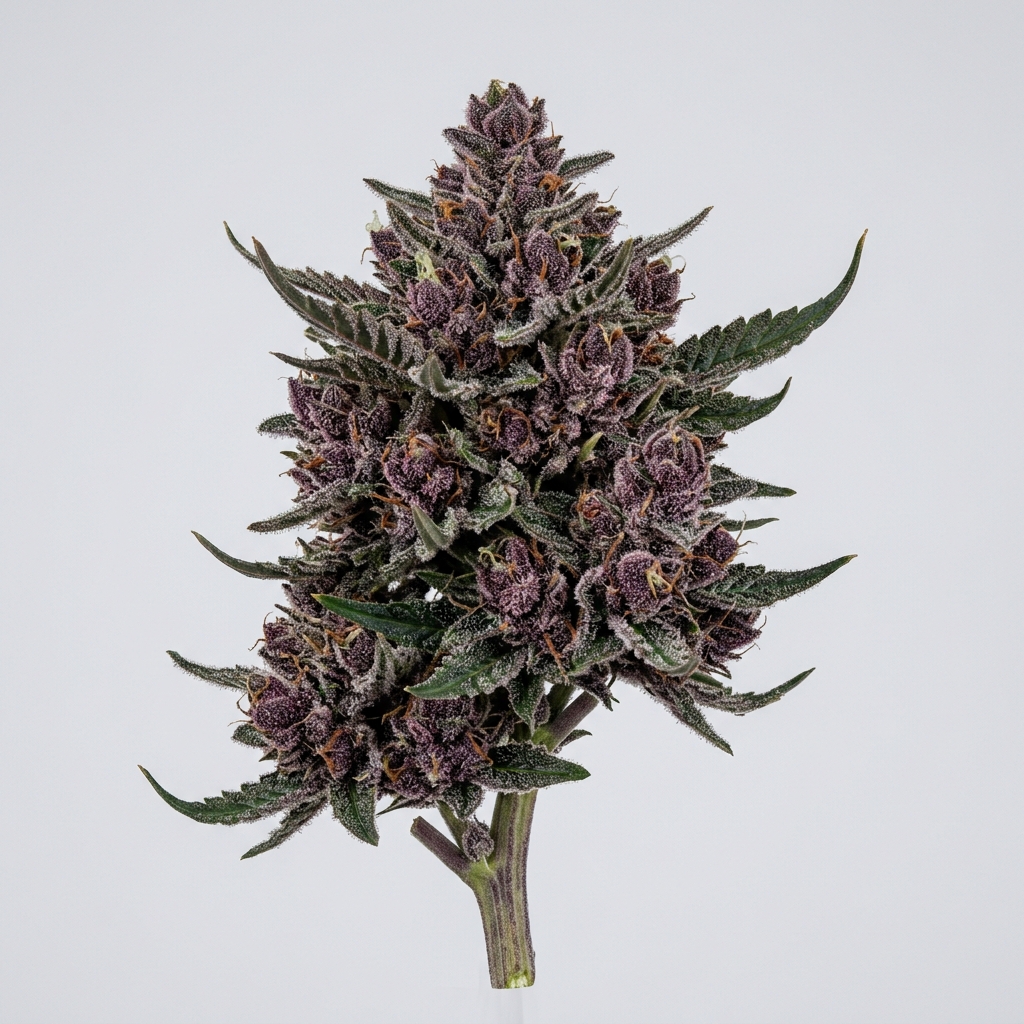
The buds mature into elongated, spear-shaped colas rather than dense, rounded clusters. The bracts are slightly open, showing off swollen calyxes that host a dense layer of fine, sandy trichomes. This dry, glassy resin makes the flowers highly manageable during the manicuring phase and reduces the stickiness that can complicate machine trimming.
Horticultural observations indicate that the cultivar is highly sensitive to light quality, performing exceptionally well under full-spectrum lighting. It maintains a steady nutrient uptake throughout its cycle, requiring a balanced approach to nitrogen to avoid excessive leaf production during the early weeks of flowering.
Effects & Use-Cases (Reported)
Commonly reported effects: Mental clarity, physical energy, sharp focus, and a gentle physical relaxation that does not lead to heavy sedation.
Use-case context: This cultivar is well-suited for daytime activities, creative projects, and outdoor tasks. Users often report a clean transition from productivity to mild physical ease, making it a practical choice for social settings or early morning routines.
Note: High-THC sativa-dominant cultivars can occasionally induce mild sensory sensitivity or pacing thoughts if consumed in larger amounts. Cautious dosing is recommended for those sensitive to stimulating varieties.
Aroma & Flavors
Aroma: A sharp burst of lemon-lime and tropical pineapple, anchored by a deeper undertone of damp earth and black pepper.
Flavor: The smoke carries a bright citrus entry, followed by a sweet, slightly fermented fruit taste on the exhale, leaving a clean, spicy pine finish on the palate.
Terpene associations: Terpinolene, myrcene, and caryophyllene dominate the profile, shaping both the sharp citrus lift and the warm, earthy base.
Tested Cannabinoid & Terpene Ranges
| Compound | Typical Range |
|---|---|
| Δ9-THC | 16.0% – 21.0% |
| CBG | 0.5% – 1.2% |
| Terpinolene | 0.4% – 0.9% |
| Myrcene | 0.3% – 0.7% |
| Caryophyllene | 0.2% – 0.5% |
Note: Cannabinoid and terpene levels are highly phenotype-dependent and heavily influenced by cultivation practices, lighting spectrum, and curing methods.
Cultivation Notes
- Humidity: Keep relative humidity around 40% to 45% during the final three weeks of flowering to preserve the delicate terpinolene profile.
- Nutrition: Responds well to moderate nitrogen levels during veg, but requires a clean transition to phosphorus and potassium early in flower.
- Training: Topping and low-stress training (LST) are recommended to manage the significant vertical stretch.
- Harvest: Harvest when trichomes are mostly milky with a small scattering of amber to preserve the energetic, clear-headed profile.
- Phenotype management: Look for the phenotype that shows a strong lemon-pineapple nose and keeps a slightly more compact stretch.
Grower Notes (Week-by-Week Snapshot)
- Weeks 1–3 (Early Flower & Stretch): The plant undergoes a rapid vertical stretch, often doubling in height. Ensure trellis netting is in place early to support the long branches.
- Weeks 4–6 (Mid-Flower & Bud Formation): Bud sites begin to cluster into long, thin spear shapes. Airflow must be maintained through light defoliation of the lower third of the canopy.
- Weeks 7–9 (Late Flower & Ripening): Calyxes swell and pistils turn a deep orange. The tropical citrus aroma intensifies significantly; keep temperatures moderate to prevent terpene degradation.
- Post-Harvest (Dry & Cure): Hang dry at 60°F and 60% relative humidity for 10 to 14 days. A slow dry and a three-week glass jar cure bring out the complex, sweet-sour fruit notes.
Genetic Lineage
Kaboom inherits its soaring, energetic qualities from Jack Herer, a legendary sativa-dominant cultivar famed for its piney, haze-forward profile and uplifting effects. This parental side provides the structural backbone, contributing the tall, spear-like colas and the underlying earthy spice that balances the sweeter elements of the cross.
The other half of the lineage comes from Vortex, a classic creation that infuses the cross with a complex, sweet-sour fruit profile and a heavy dose of tropical citrus. This combination tempers the sharp haze of the Jack Herer, resulting in a more balanced, multi-dimensional flavor profile and a smoother physical finish.
Research Insights
Analytical data indicates that Kaboom frequently displays a high concentration of terpinolene, a relatively uncommon primary terpene that contributes to its distinct pine-and-citrus aroma. When paired with moderate levels of myrcene, this profile creates a distinct sensory profile that balances stimulation with physical comfort.
The presence of minor cannabinoids like CBG in some phenotypes suggests potential for further breeding applications. This cannabinoid profile, combined with its robust vegetative vigor, makes Kaboom a practical genetic resource for breeders focusing on high-energy, terpene-rich daytime hybrids.
Frequently Asked Questions
Is Kaboom hard to grow indoors?
While not overly difficult, Kaboom requires active canopy management due to its significant vertical stretch. Utilizing techniques like topping or a SCROG setup makes it highly manageable for indoor growers.
What does Kaboom smell like?
It features a sharp, tropical citrus aroma dominated by lemon-lime and pineapple, with a complex undertone of earthy spice and sweet, fermented fruit.
When is the best time to harvest Kaboom?
For the most energetic and clear-headed effects, harvest when the trichomes are predominantly milky white with about 5% to 10% turning amber, typically around week 9 of flowering.
How does Kaboom compare to Jack Herer?
Kaboom retains much of the uplifting, haze-like energy of Jack Herer but introduces a sweeter, more tropical fruit flavor and a slightly rounder physical finish thanks to its Vortex lineage.
Educational Disclaimer
This article is intended solely for educational, informational, and historical purposes. Cultivation of cannabis is subject to varying local, state, and federal laws. Always consult local regulations before germinating seeds or propagating clones.
Rate and review this strain
Ratings and reviews are accepted only from signed-in Google accounts.
Sign in with Google to leave a rating and written review.
Latest Reviews
0 reviewsNo reviews yet. Be the first Google user to rate and review this strain.