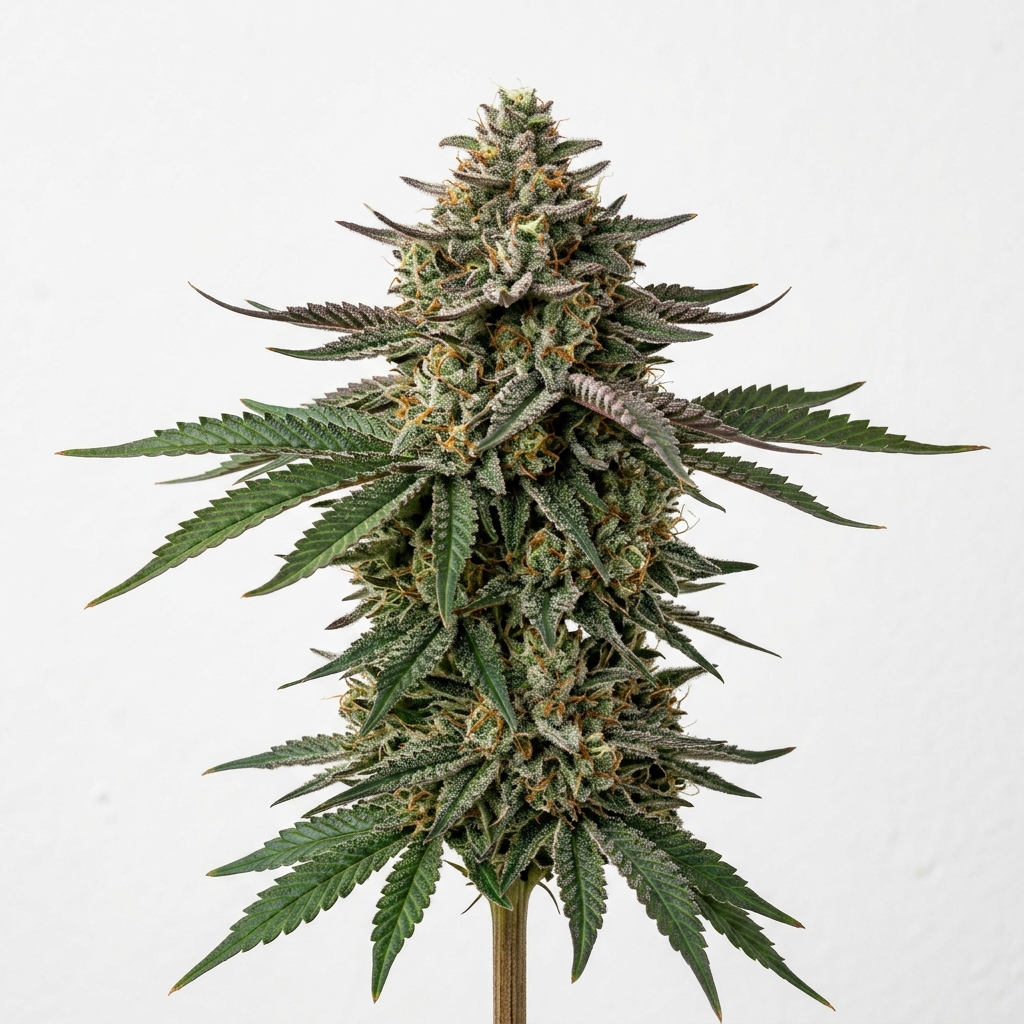
Connie Chung (Cannabis Strain)
Connie Chung is an indica-dominant hybrid crossing the legendary G13 with DNA Genetics’ flagship LA Confidential. Typically testing between 18% and 23% THC, this cultivar is highly regarded for its dense, resin-rich flowers that carry a deep, earthy kush base accented by sweet pine and subtle citrus undertones. Growers prize the strain for its controlled stretch and tight internodal spacing, which culminate in heavy, glassy buds blanketed in a thick layer of greasy resin. It delivers a steady, physical weight that has made it a staple among evening enthusiasts.
Cultivated primarily by those who appreciate old-school hash plant genetics, this variety shows its heritage through broad fan leaves and an exceptionally sturdy frame. The flowers develop swollen calyxes that pack tightly along the main stems, minimizing the need for extensive support structures. Its reputation for reliable performance in both soil and hydroponic setups has cemented its status as a dependable choice for small-scale artisanal gardens and commercial operations alike.
Quick Facts
| Field | Details |
|---|---|
| Genetics | G13 × LA Confidential |
| Variety | Indica-dominant hybrid |
| THC Range | 18% – 23% |
| Flowering Time | 8 – 9 weeks (56 – 63 days) |
| Yield Potential | Moderate to High |
| Plant Height | Medium, compact |
| Climate Preference | Temperate, low late-flower humidity |
| Difficulty | Moderate |
Scientific & Botanical Overview
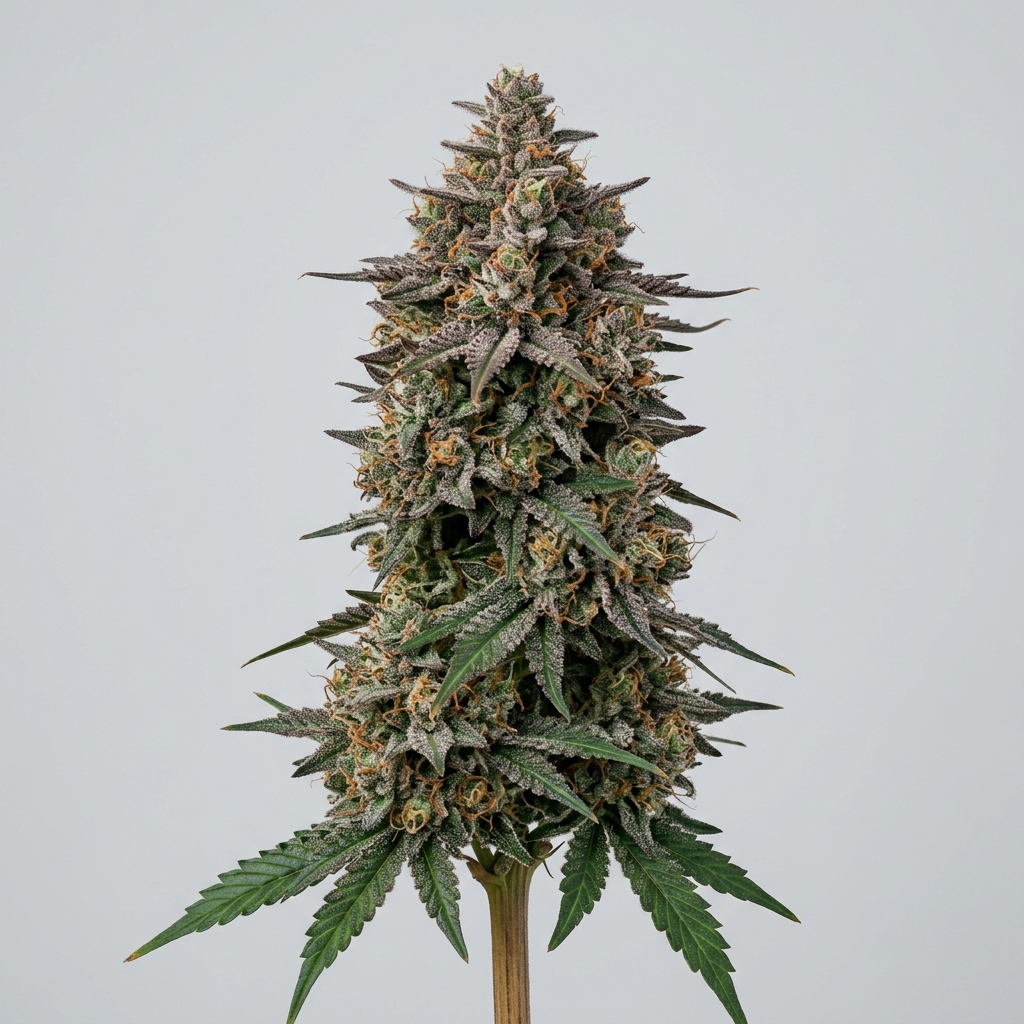
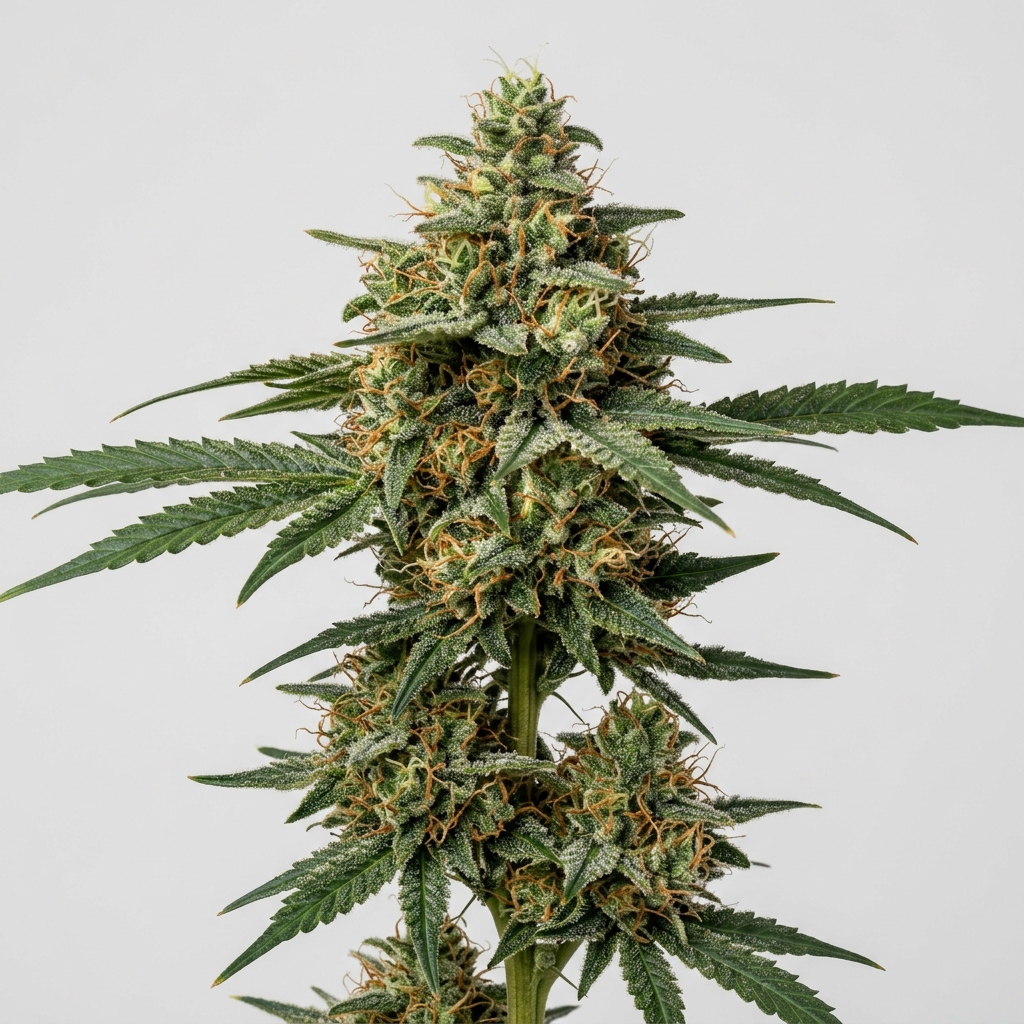
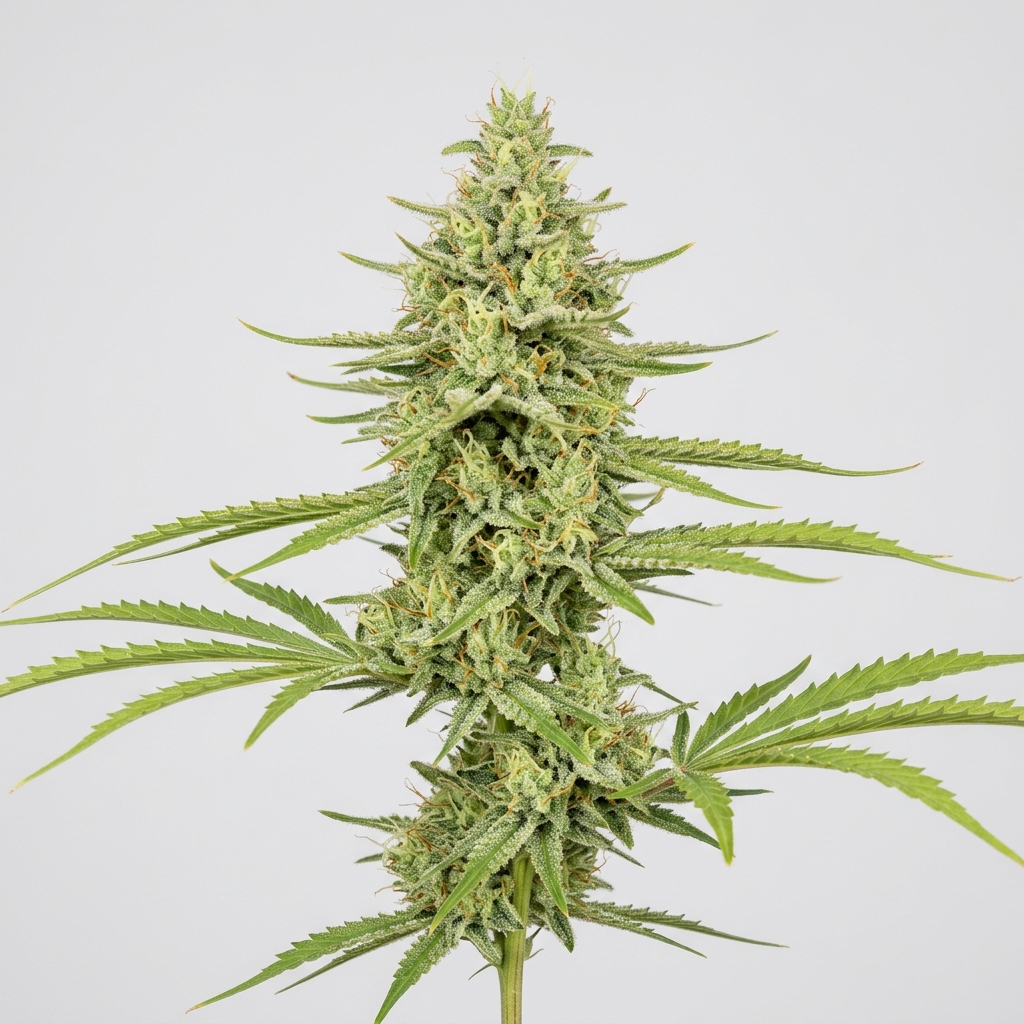
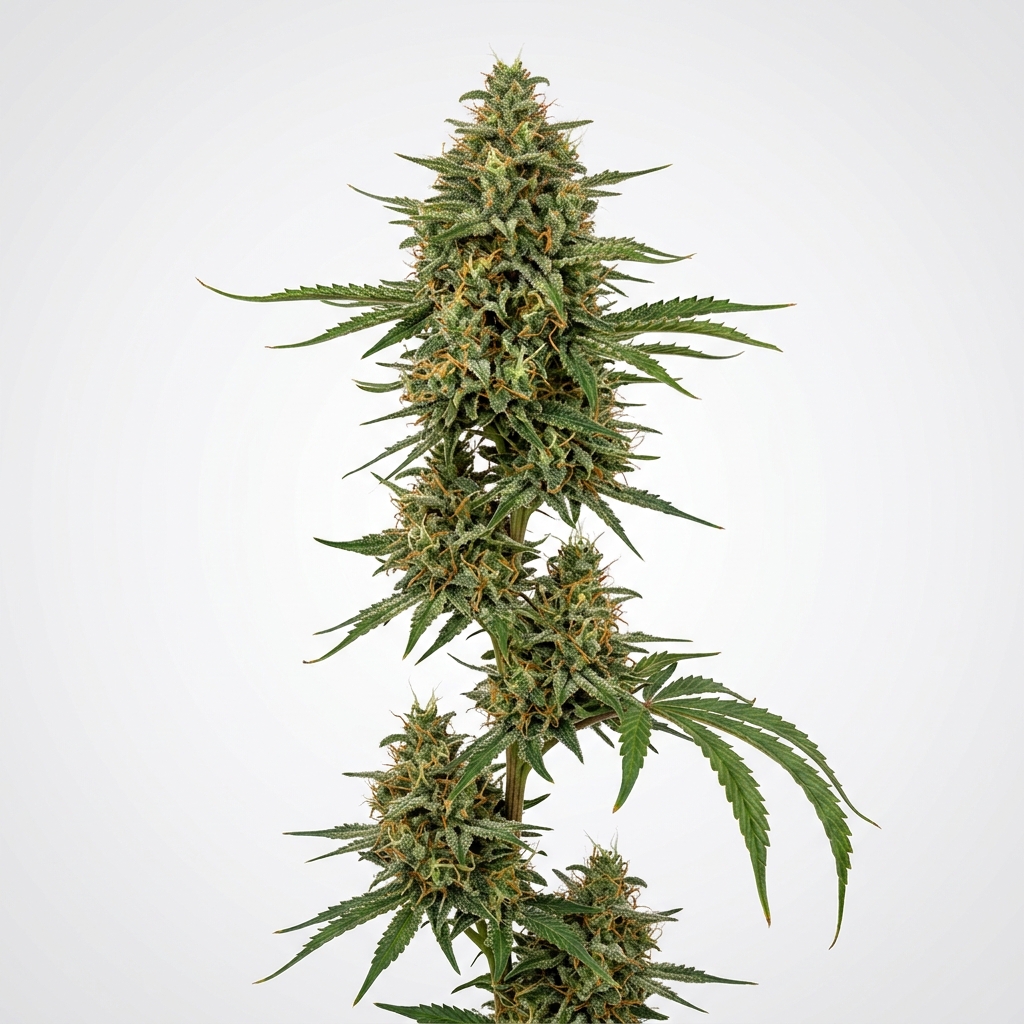
Botanically, this cultivar shows classic indica morphology, characterized by a short, stocky stature and broad, dark green fan leaves. The nodal development is highly compact, which requires proactive defoliation to maintain adequate airflow through the lower canopy. Under optimal conditions, the plant focuses its energy on developing dense, spear-shaped colas rather than excessive lateral branching.
The resin production on this selection is early and aggressive, with trichomes beginning to coat the fan leaves and petioles by the third week of flowering. The capitate-stalked trichomes are exceptionally dense, yielding a sticky, greasy texture that remains highly stable throughout the late stages of bloom. Cold night temperatures during the final two weeks often trigger a deep purple coloration in the bracts and sugar leaves.
Its cellular structure shows a strong resistance to common environmental stressors, though the density of the mature buds makes it susceptible to moisture retention. Maintaining low relative humidity during the final ripening phase is crucial to preventing botrytis in the dense colas. The vascular system supports rapid nutrient uptake, particularly during the mid-flower transition.
Effects & Use-Cases (Reported)
Commonly reported effects: Users frequently note a heavy, warming physical sensation that begins in the limbs before settling into a deep, relaxing body stone. This physical weight is accompanied by a calm, quiet mental state that gently slows down racing thoughts without immediate sedation. Over time, the experience transitions into a deep state of restfulness, making it highly suitable for late-evening use.
Use-case context: Given its deeply relaxing nature, this strain is best reserved for post-work wind-downs, quiet weekends, or as a prelude to sleep. It is rarely selected for daytime activities or tasks requiring high physical mobility, as the heavy physical onset tends to encourage prolonged periods of rest.
Note: Individual tolerance and environmental setting play a significant role in how these physical sensations manifest. New consumers should approach this cultivar with caution due to the creeping nature of its heavy physical effects.
Aroma & Flavors
Aroma: The primary aromatic profile is dominated by a damp, earthy kush base combined with sharp notes of fresh pine needles and a subtle, sweet musk. Breaking the cured buds releases a deeper, slightly spicy fuel note inherited from its G13 parentage.
Flavor: On the palate, the smoke is thick and expansive, delivering a rich blend of sweet earth and dark berry edge on the inhale. The exhale is notably smooth, leaving a lingering mint finish and a clean, resinous aftertaste.
Terpene associations: The complex sensory profile is driven by a high concentration of myrcene, caryophyllene, and limonene, which work together to create its signature sweet-earth and pine character.
Tested Cannabinoid & Terpene Ranges
| Compound | Typical Range |
|---|---|
| Δ9-THC | 18.0% – 23.0% |
| CBD | < 1.0% |
| CBG | 0.5% – 1.2% |
| Myrcene | 0.6% – 1.2% |
| Caryophyllene | 0.4% – 0.8% |
| Limonene | 0.3% – 0.6% |
Note: Cannabinoid and terpene levels are highly variable and depend heavily on environmental conditions, growing medium, and the specific phenotype cultivated.
Cultivation Notes
- Humidity Control: Keep relative humidity below 45% during the final three weeks of flowering to protect the dense, compact colas from moisture buildup.
- Canopy Management: Implement strategic defoliation and lollipop the lower branches before the transition to bloom to maximize light penetration and airflow through the tight internodes.
- Nutrient Regimen: This cultivar responds well to a steady, moderate feeding schedule; avoid heavy nitrogen applications during mid-to-late flowering to prevent leafy bud structures.
- Training Techniques: Low-stress training (LST) or topping early in vegetative growth helps spread the canopy, encouraging the development of multiple uniform spear colas.
- Harvest Timing: Look for a high ratio of amber trichomes (roughly 20% to 30%) to maximize the heavy, relaxing qualities of the finished flower.
Grower Notes (Week-by-Week Snapshot)
- Weeks 1–3 (Transition & Early Stretch): The plant undergoes a controlled stretch, typically doubling in height. Focus on light tucking of fan leaves and establish the final canopy shape before the first flower clusters appear.
- Weeks 4–6 (Mid-Flower & Resin Onset): Calyxes begin to swell rapidly and a wet frost of trichomes coats the surrounding sugar leaves. Maintain a stable daytime temperature of 74–78°F and ensure consistent watering cycles.
- Weeks 7–9 (Late-Flower & Ripening): The aroma intensifies into a heavy, sweet pine and fuel profile. Reduce night temperatures by 5–10°F to encourage potential purple hues, and flush the medium thoroughly during the final 10 days.
- Post-Harvest (Slow Dry & Cure): Hang-dry the whole plant at 60°F and 60% relative humidity for 10 to 14 days to preserve the delicate terpene clarity before transferring to jars for a minimum 4-week cure.
Genetic Lineage
The maternal parent, G13, is a legendary, high-potency indica strain shrouded in cannabis folklore, celebrated for its heavy physical effects and robust, resilient growth structure. By crossing this historic clone-only variety with DNA Genetics’ highly acclaimed LA Confidential, breeders successfully infused a rich, sweet-earth flavor profile and enhanced resin density into the offspring.
This combination results in a highly stable hybrid that preserves the raw physical potency of the G13 lineage while adopting the refined, glassy trichome coverage and deep coloration characteristic of the LA Confidential line. The resulting progeny consistently displays a highly uniform growth pattern across various phenotypes.
Research Insights
Scientific interest in this hybrid focuses on its dense concentration of sesquiterpenes and monoterpenes, particularly the interaction between myrcene and caryophyllene. Researchers study how these specific compounds interact with cannabinoid receptors to modulate the overall physical experience, often referred to as the entourage effect. The stable genetic background makes it an excellent subject for studying terpene preservation during post-harvest processing.
Additionally, the strain’s robust glandular trichome structure has made it a popular choice for extraction research. The high concentration of non-volatile resins within the swollen calyxes yields exceptional returns in solventless extraction methods, highlighting the cultivar’s utility in modern concentrate production.
Frequently Asked Questions
Is Connie Chung suitable for beginner growers?
Yes, its controlled stretch and sturdy structure make it relatively easy to manage. However, growers must pay close attention to humidity levels in late flower, as the dense buds are susceptible to mold if airflow is inadequate.
What does Connie Chung smell like?
It features a classic, old-school aroma dominated by a damp, earthy kush base, sharp pine, and a subtle, sweet musk. Breaking the buds reveals a deeper fuel and spice undertone.
How long does Connie Chung take to flower?
This cultivar typically completes its flowering cycle in 8 to 9 weeks (56 to 63 days) when grown indoors. Outdoor harvests generally occur in early to mid-October.
Does Connie Chung turn purple?
Yes, expressing purple hues is phenotype-dependent but can be reliably encouraged by lowering night temperatures during the final two weeks of the flowering cycle.
Educational Disclaimer
This article is intended solely for educational and informational purposes. Cannabis cultivation and consumption are subject to varying local laws and regulations. Always consult with a professional and adhere to local legal guidelines.
Rate and review this strain
Ratings and reviews are accepted only from signed-in Google accounts.
Sign in with Google to leave a rating and written review.
Latest Reviews
0 reviewsNo reviews yet. Be the first Google user to rate and review this strain.