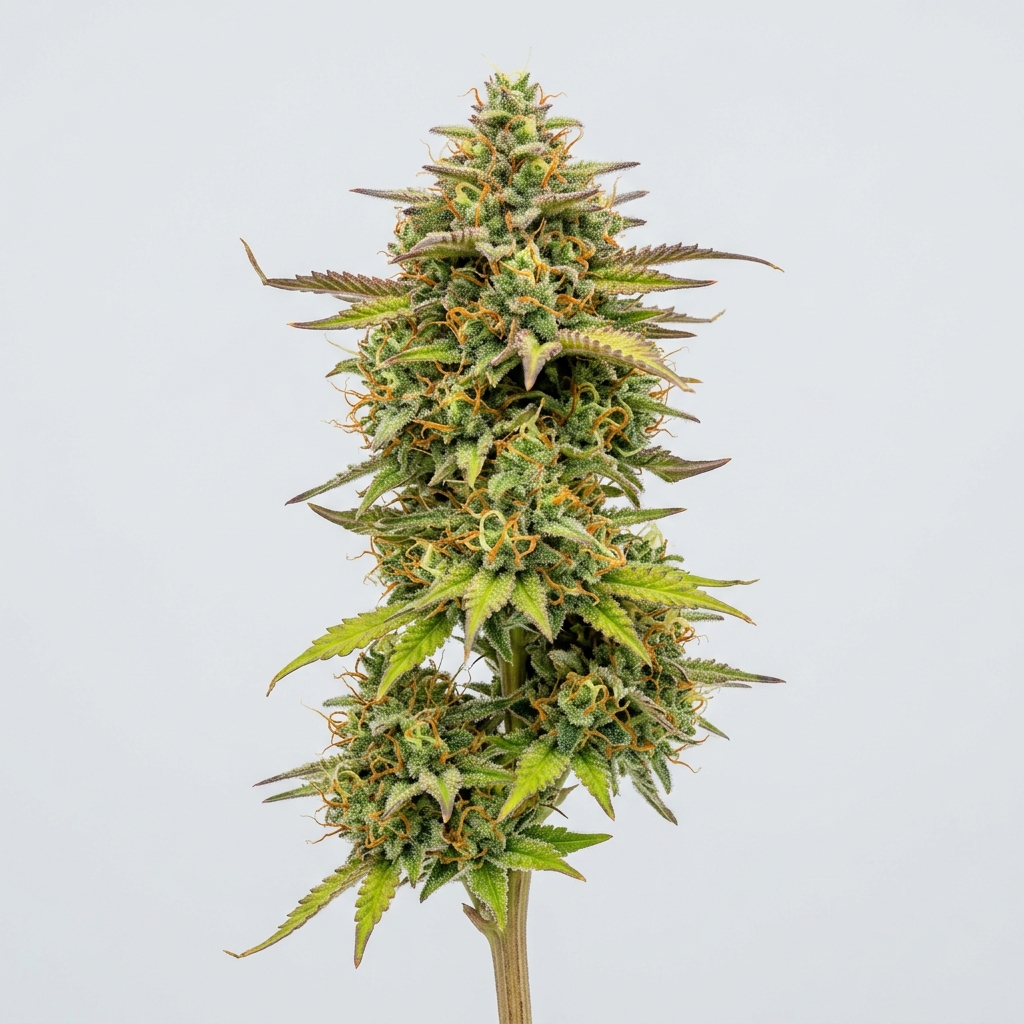
Liberty Haze (Cannabis Strain)
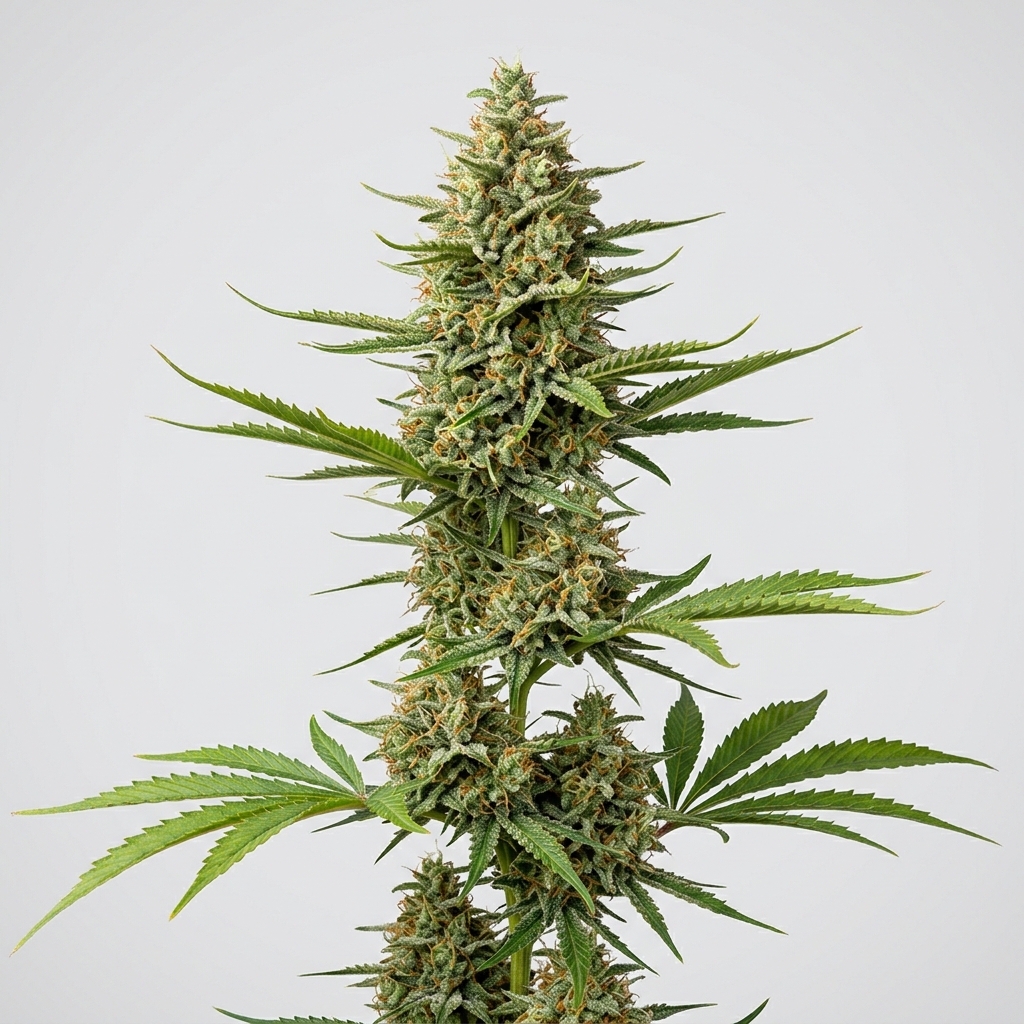
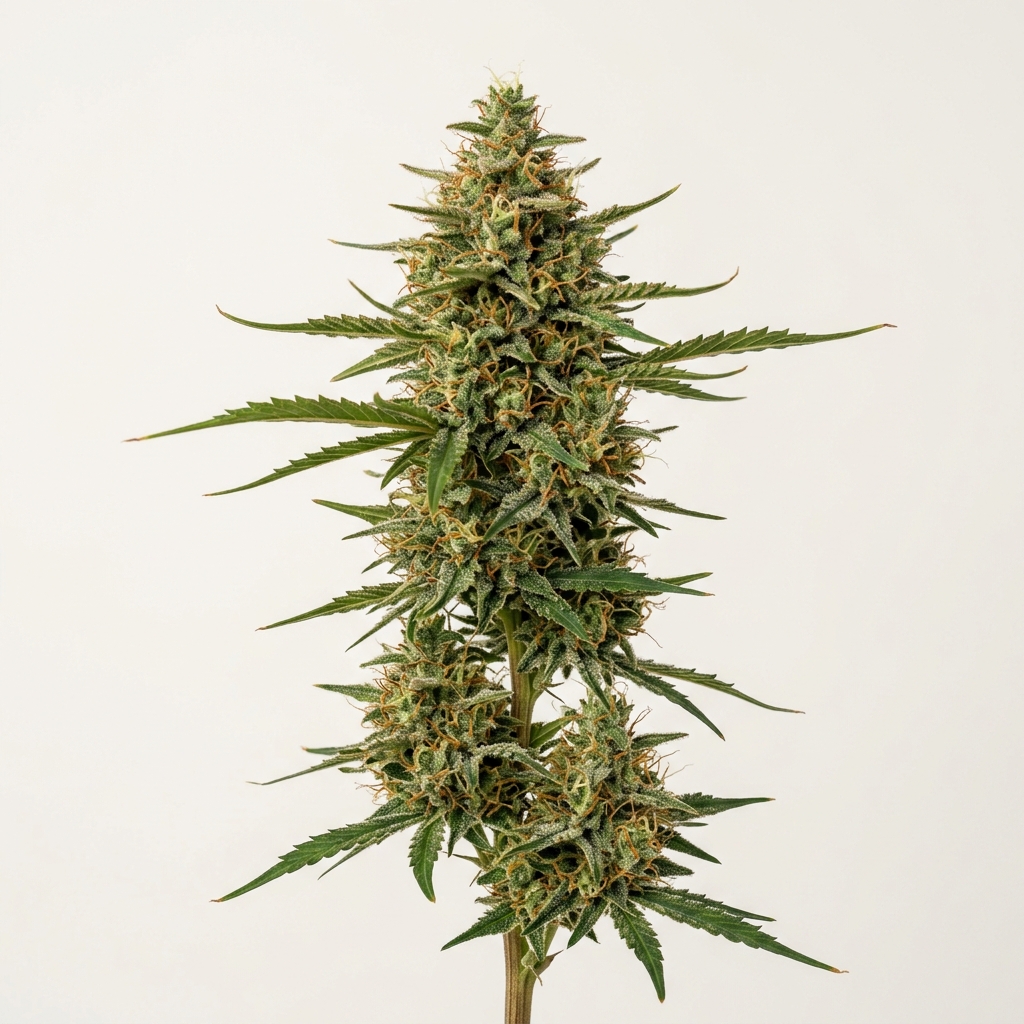
Liberty Haze is a fast-flowering hybrid crossing the legendary G13 with Chem Dawg 91, producing a potent cultivar with a tested THC range of 21% to 25%. Known for its sharp lime-citrus aroma, earthy fuel undertones, and glassy resin coverage, this strain delivers a balanced, uplifting experience. The plants develop dense, lime-green colas with tight internodal spacing and a controlled stretch, making it a favorite for growers seeking Haze-like qualities without the long flowering cycle.
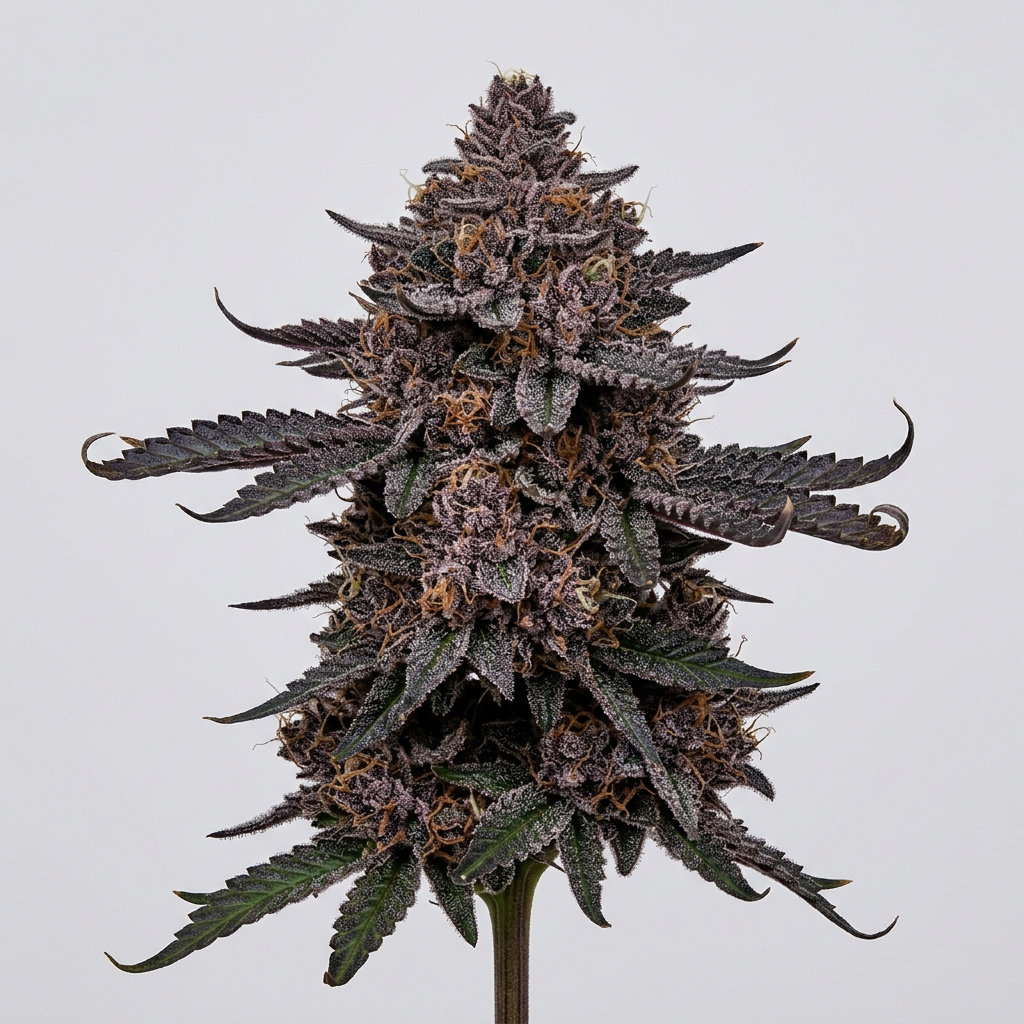
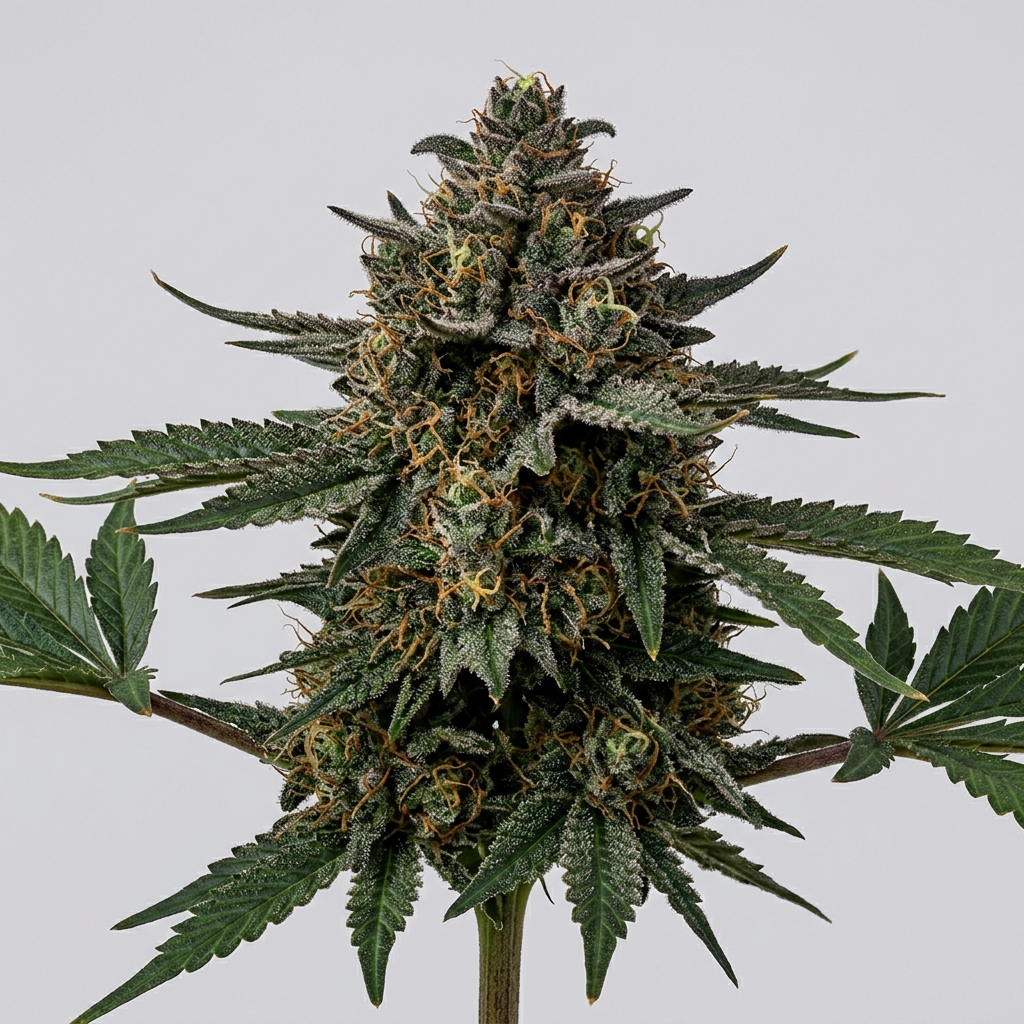
Originally bred by Barney’s Farm, this variety has earned international recognition for its reliable structure and rich terpene profile. The mature buds present striking orange pistils and occasional purple hues under cooler night temperatures, coated in a thick layer of greasy trichomes. It serves as a staple for both boutique flower production and terpene-focused extractions.
Quick Facts
| Attribute | Detail |
|---|---|
| Genetics | G13 × Chem Dawg 91 |
| Variety | Balanced Hybrid (Sativa-dominant) |
| THC Range | 21% – 25% |
| Flowering Time | 8 – 9 Weeks (56 – 63 days) |
| Yield Potential | Moderate to High |
| Plant Height | Medium (approx. 100 – 110 cm) |
| Climate Preference | Temperate, Mediterranean |
| Difficulty | Moderate |
Scientific & Botanical Overview
Botanically, Liberty Haze shows a hybrid morphology that leans slightly Sativa in its leaf structure but retains Indica-like density in its flowers. The nodal spacing remains surprisingly tight during the initial vegetative phase, allowing for efficient light penetration across the canopy. As the plant transitions to flower, it produces spear colas with swollen calyxes that pack tightly along the stems.
The cultivar’s resin production is characterized by a high concentration of capitate-stalked trichomes that develop early in the flowering cycle. These glands produce a sticky, terpene-rich oil that preserves volatile monoterpenes even under moderate heat stress. The foliage displays deep green tones, which can transition to deep violet shades near harvest when exposed to lower nocturnal temperatures.
Stomata density and transpiration rates are moderate, requiring steady airflow to prevent microclimates within the dense canopy. The plant’s root system is robust and adapts well to both soil and inert hydroponic media. Proper vegetative training is recommended to support the weight of the heavy terminal buds during late-stage flower.
Effects & Use-Cases (Reported)
Commonly reported effects: Users frequently report an immediate, clear-headed cerebral lift accompanied by a warm, relaxing physical sensation. The experience is often described as energetic yet grounded, avoiding the racy edge sometimes associated with pure Haze varieties.
Use-case context: This hybrid is well-suited for daytime activities, creative projects, and social gatherings where focus and mental clarity are desired. Its physical relaxation makes it equally appropriate for winding down in the late afternoon without inducing heavy sedation.
Note: Individual tolerance and phenotype variation can significantly alter the intensity of these effects. Higher doses may shift the experience toward a more sedative physical state.
Aroma & Flavors
Aroma: A sharp citrus lift dominated by fresh lime and sour lemon, layered over a deep, earthy kush base with hints of woody pine and tart gas.
Flavor: The smoke carries a bright, zesty lime entry with a clean mint finish and a lingering herbal, fuel-like aftertaste on the exhale.
Terpene associations: Terpene analysis typically shows a dominance of limonene for the bright citrus notes, paired with myrcene for the earthy undertones, and caryophyllene providing a subtle spicy fuel complexity.
Tested Cannabinoid & Terpene Ranges
| Compound | Typical Range |
|---|---|
| Δ9-THC | 21.0% – 25.0% |
| CBD | 0.1% – 0.5% |
| Limonene | 0.4% – 0.8% |
| Myrcene | 0.3% – 0.6% |
| Caryophyllene | 0.2% – 0.5% |
Note: Cannabinoid and terpene profiles are literature-informed references and are highly dependent on specific phenotypes, environmental conditions, and cultivation techniques.
Cultivation Notes
- Humidity Management: Maintain relative humidity (RH) at 55-60% during early veg, tapering down to 40-45% in late flower to protect the dense, heavy colas from moisture retention.
- Nutrient Regimen: Responds well to a moderate feeding schedule; avoid excessive nitrogen in early flower to prevent leaf curling and maintain terpene clarity.
- Canopy Control: use low-stress training (LST) or topping early in vegetative growth to promote lateral branching and create a uniform canopy.
- Airflow Requirements: Ensure strong sub-canopy airflow with oscillating fans to prevent stagnant air pockets around the lower bud sites.
- Phenotype Selection: Look for phenotypes that show early resin development and a distinct lime-gas aroma by week four of flower.
Grower Notes (Week-by-Week Snapshot)
- Weeks 1–3 (Transition & Stretch): Plants undergo a moderate stretch, typically doubling in height. Tuck broad fan leaves and apply light defoliation to improve light penetration to lower nodes.
- Weeks 4–6 (Bud Formation & Resin): Flowers begin to stack rapidly, forming distinct spear colas. Greasy resin starts coating the calyxes, accompanied by a sharp, rising citrus aroma.
- Weeks 7–9 (Ripening & Flush): Calyxes swell significantly, and pistils turn orange. Reduce humidity, lower night temperatures to encourage purple hues, and initiate a clean water flush.
- Post-Harvest (Dry & Cure): Hang dry at 60°F (15°C) and 60% RH for 10 to 14 days. A slow cure in glass jars for a minimum of three weeks preserves the delicate lime-mint finish.
Genetic Lineage
The genetic foundation of Liberty Haze rests on a cross between G13 and Chem Dawg 91. G13, a legendary indica-dominant cultivar shrouded in government-breeding folklore, contributes exceptional density, resin output, and a heavy, physical base. This classic lineage ensures the hybrid maintains a manageable height and a shorter flowering window than traditional Sativa-dominant Haze varieties.
Complementing the G13 is Chem Dawg 91, which infuses the cross with its signature fuel-forward terpene profile, sharp chemical bite, and uplifting cerebral potency. The fusion of these two heavyweights creates a balanced hybrid that retains the soaring, sensory qualities of a Haze while delivering the robust structure and quick finish of its elite parents.
Research Insights
Analytical testing of Liberty Haze consistently highlights the interaction between high concentrations of limonene and moderate levels of myrcene. This specific ratio is believed to modulate the uptake of THC, facilitating an alert, creative state while mitigating the physical anxiety sometimes induced by high-THC sativa varieties. The presence of secondary sesquiterpenes like caryophyllene further contributes to the cultivar’s complex sensory profile.
From a breeding perspective, the strain shows high stability, with offspring reliably inheriting the fast-flowering traits of the G13 parent and the distinct citrus-fuel aroma of the Chem Dawg lineage. This genetic predictability makes it a valuable resource for breeders looking to shorten the flowering cycles of other long-flowering Haze cultivars without sacrificing potency.
Frequently Asked Questions
Is Liberty Haze difficult to grow?
Liberty Haze is considered moderately easy to grow. Unlike traditional Haze strains that require long flowering times and precise nutrient management, this hybrid finishes in 8 to 9 weeks and adapts well to standard training techniques.
What does Liberty Haze smell like?
The strain features a sharp, zesty lime and lemon aroma, balanced by an earthy, woody base with subtle undertones of sour gas and fresh mint.
How much does Liberty Haze stretch during flower?
It shows a controlled stretch, usually doubling its vegetative height. This makes it much easier to manage in indoor grow spaces compared to pure Sativa varieties.
What are the primary terpenes in Liberty Haze?
The most prominent terpenes found in this cultivar are limonene, myrcene, and caryophyllene, which together create its signature citrus-fuel flavor and balanced effects.
Educational Disclaimer
This guide is intended solely for educational and informational purposes. Cultivation of cannabis is subject to local laws and regulations. Please consult local guidelines before initiating any cultivation project.
Rate and review this strain
Ratings and reviews are accepted only from signed-in Google accounts.
Sign in with Google to leave a rating and written review.
Latest Reviews
0 reviewsNo reviews yet. Be the first Google user to rate and review this strain.