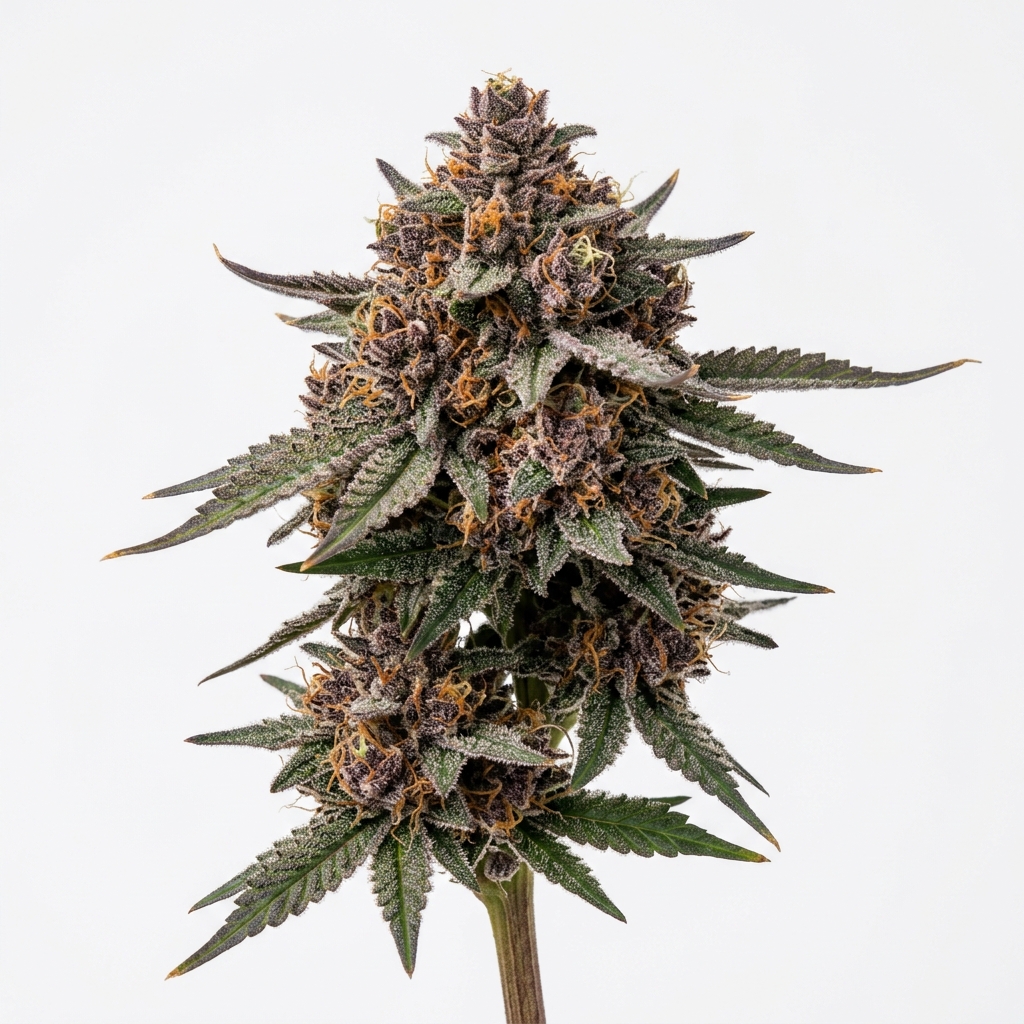
Grape Cream (Cannabis Strain)
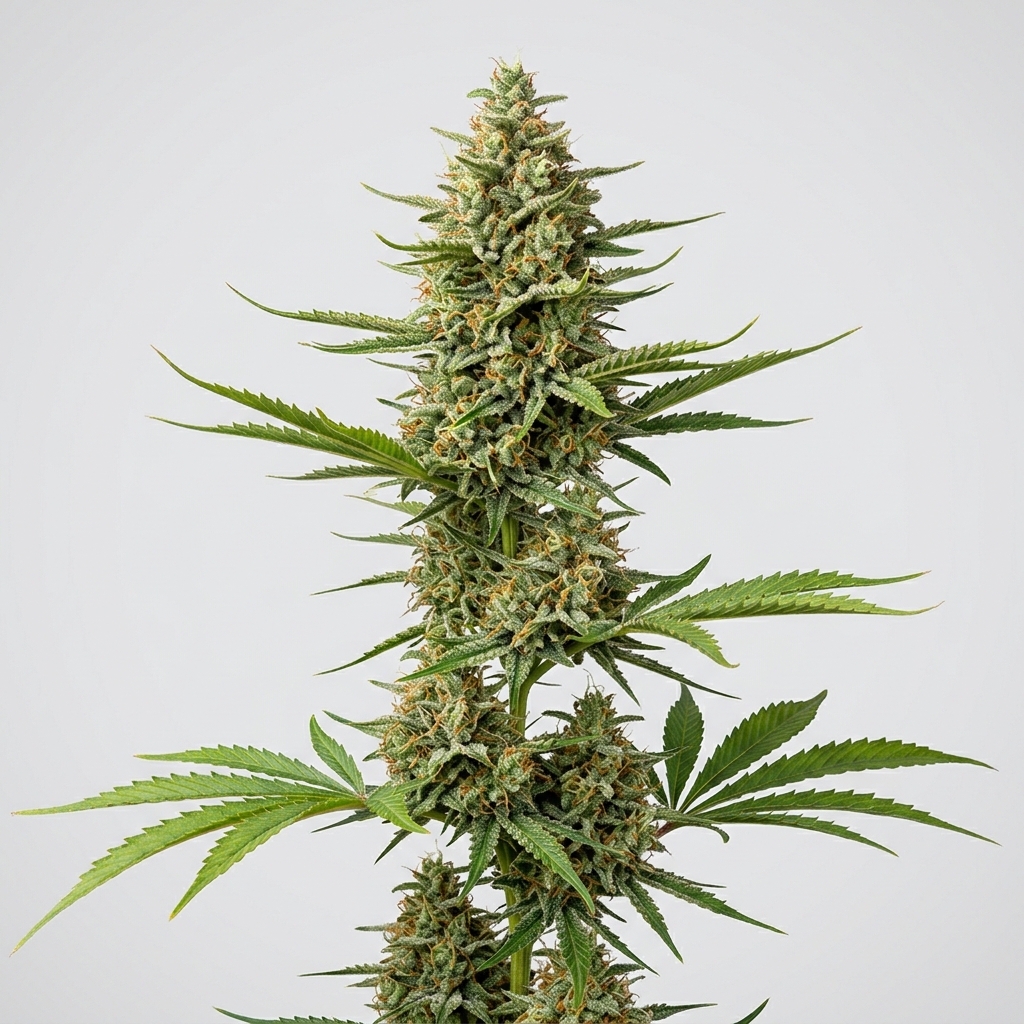
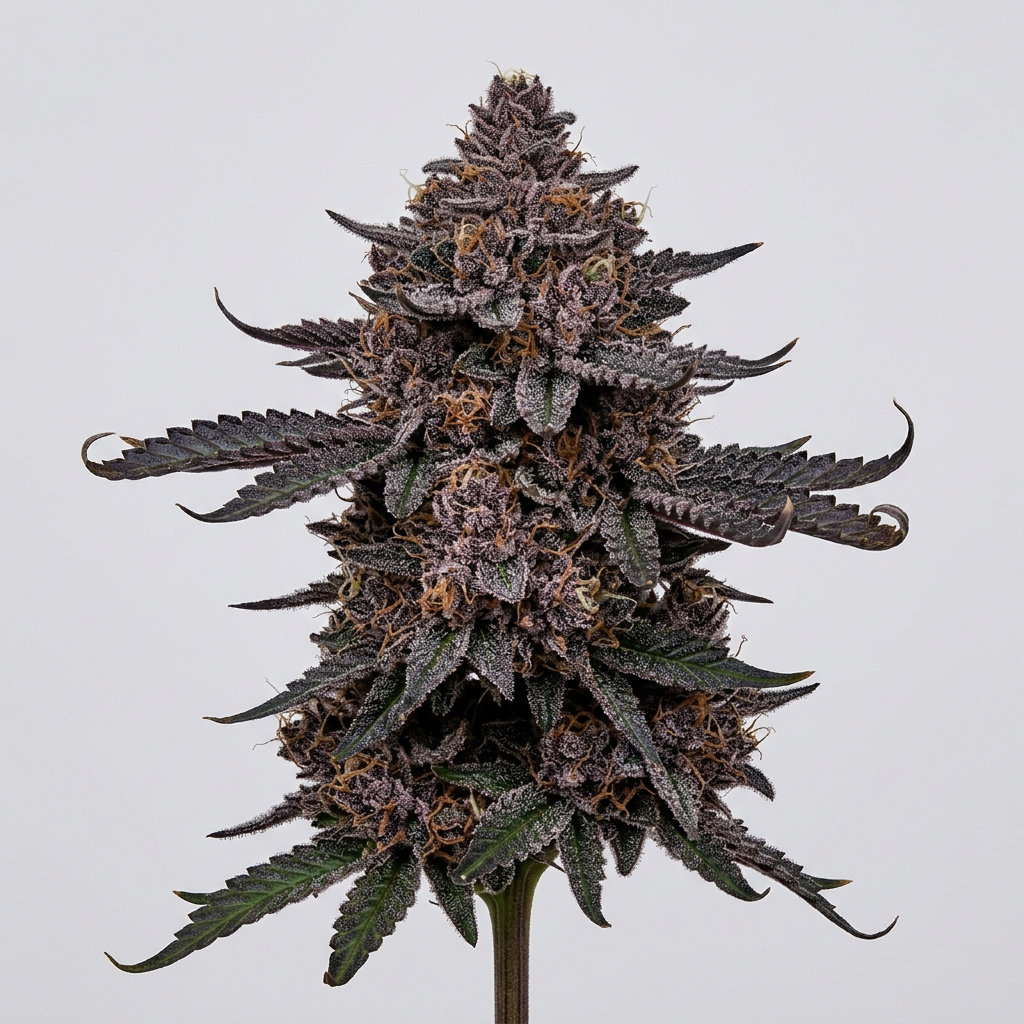
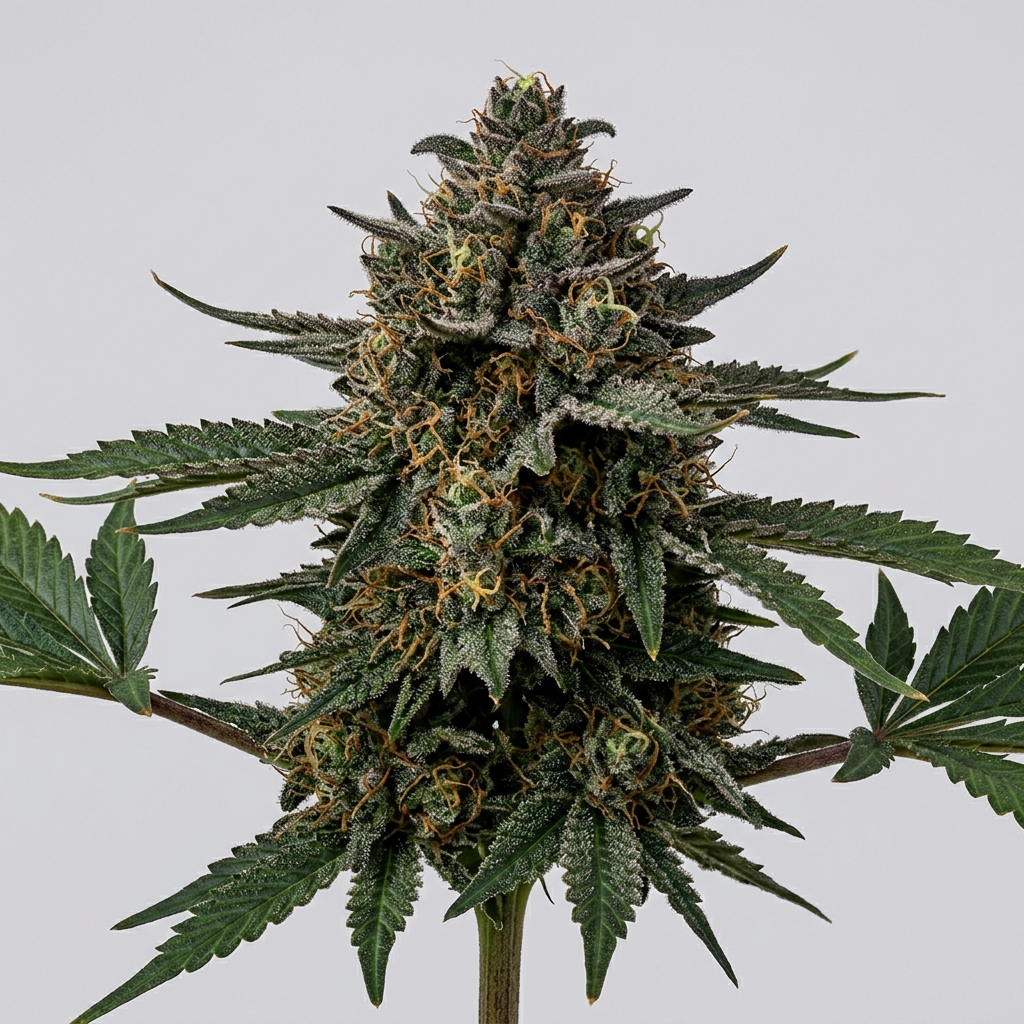
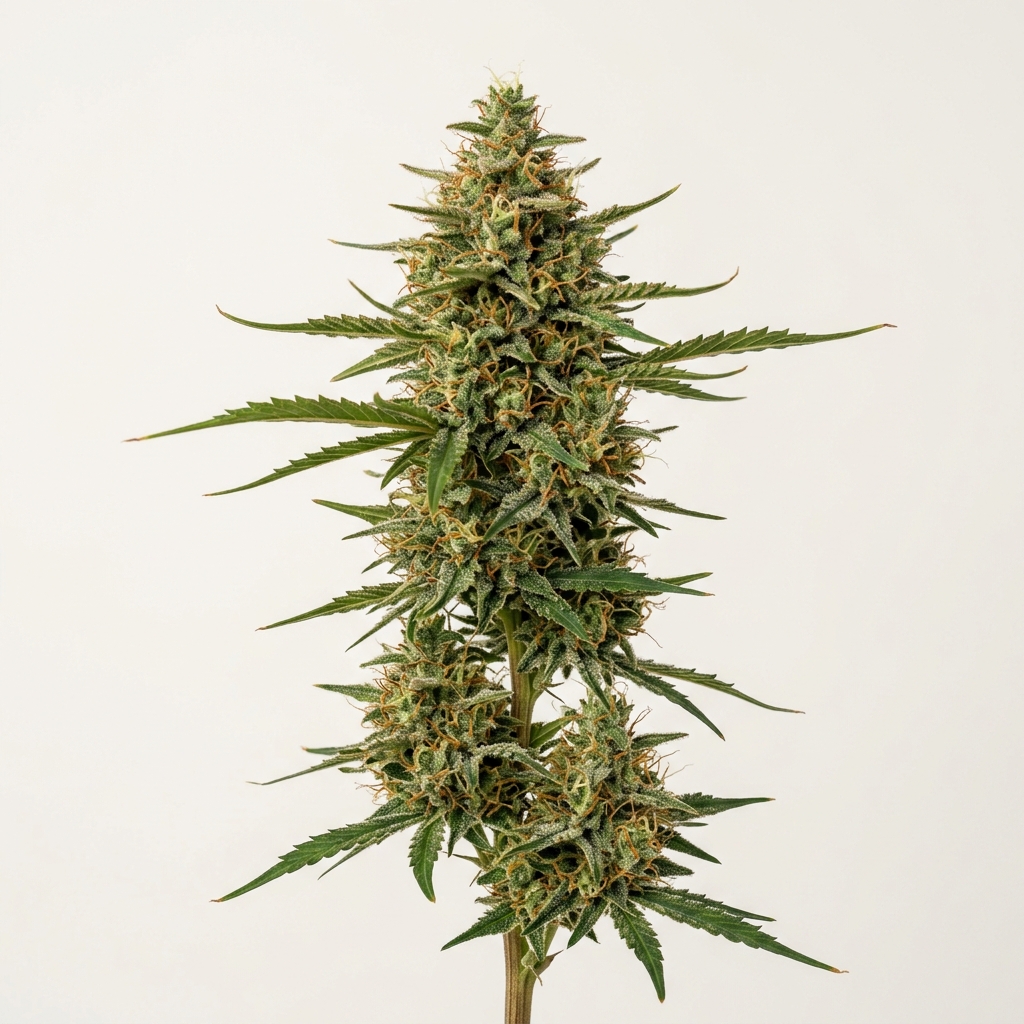
Grape Cream is an indica-dominant hybrid developed by crossing the renowned Ice Cream Cake and Grape Pie cultivars. Typically testing between 22% and 26% THC, this strain is highly regarded for its dense, trichome-heavy flowers that yield impressive solventless concentrates. The growth profile shows a manageable stretch, dense branching, and a finish characterized by deep violet hues and a heavy coating of greasy resin. Its profile balances sweet vanilla dough with a dark, fermented grape finish, making it a favorite for evening relaxation.
Cultivators appreciate Grape Cream for its exceptional resin-producing capabilities, often selecting it specifically for washing bubble hash or pressing live rosin. The flowers cure to a glassy finish, with swollen calyxes that retain their structural integrity through the drying process. In the garden, it demands attentive humidity control during the late-flowering stage to protect its dense, tightly packed colas.
Quick Facts
| Field | Details |
|---|---|
| Genetics | Ice Cream Cake × Grape Pie |
| Variety | Indica-dominant hybrid |
| THC Range | 22% – 26% |
| Flowering Time | 8 – 9 weeks |
| Yield Potential | Moderate to high |
| Plant Height | Medium |
| Climate Preference | Temperate, low humidity late flower |
| Difficulty | Moderate |
Scientific & Botanical Overview
Grape Cream shows classic indica-dominant morphology, characterized by broad fan leaves, short internodal spacing, and a stocky frame. The plants require early canopy management, such as topping and selective defoliation, to ensure adequate light penetration to lower bud sites. During the transition to flower, the lateral branches stretch moderately but remain sturdy enough to support the heavy developing colas.
The bracts are tightly arranged and develop a high density of capitate-stalked trichomes early in the flowering cycle. As temperatures drop in the final weeks, the plant’s anthocyanin production increases, turning the deep green foliage into shades of purple and near-black. The resin is notably greasy to the touch, indicating a high concentration of volatile terpenes held within the glassy heads.
This cultivar performs exceptionally well in indoor environments where environmental parameters can be precisely regulated. Hydroponic setups tend to maximize growth rates, but organic living soil remains the preferred medium for cultivators looking to maximize the complexity of its grape and vanilla terpene profile.
Effects & Use-Cases (Reported)
Commonly reported effects: Users typically report a heavy physical relaxation that begins behind the eyes before spreading throughout the body. The mental state is described as calm and quiet, making it highly effective for winding down after a long day without immediate, heavy sedation.
Use-case context: Given its heavy physical profile, Grape Cream is best suited for evening or nighttime use. It is frequently chosen by consumers looking to ease physical tension, promote restfulness, or accompany a quiet, low-energy activity.
Note: Individual experiences may vary based on tolerance, dosage, and the specific batch’s cannabinoid profile.
Aroma & Flavors
Aroma: The initial scent is dominated by a heavy, sweet vanilla cake batter, followed closely by a tart grape undertone and a faint hint of earthy fuel.
Flavor: On the palate, it delivers a smooth, creamy smoke that tastes of baked dough and dark berry preserves, leaving a lingering sweet mint and fuel finish.
Terpene associations: The complex profile is driven by a high concentration of caryophyllene, limonene, and myrcene, which together create the signature doughy fruit nose.
Tested Cannabinoid & Terpene Ranges
| Compound | Tested Range |
|---|---|
| Δ9-THC | 22.0% – 26.0% |
| CBD | < 1.0% |
| CBG | 0.5% – 1.2% |
| Beta-Caryophyllene | 0.4% – 0.8% |
| Limonene | 0.3% – 0.6% |
| Myrcene | 0.2% – 0.5% |
| Linalool | 0.1% – 0.3% |
Cannabinoid and terpene levels are highly variable and depend on specific cultivation practices, environmental conditions, and curing methods.
Cultivation Notes
- Humidity control: Maintain relative humidity below 45% during the final three weeks of flower to prevent moisture retention in the dense colas.
- Nutrient regimen: Grape Cream responds well to moderate feeding, requiring a slight taper of nitrogen early in the flower cycle to prevent leaf curl.
- Training: Implement low-stress training (LST) and a double-grid trellis system to spread the canopy and support the heavy lateral branches.
- Harvest window: Look for a 70/30 mix of milky to amber trichomes, which typically occurs around day 60 of flowering.
- Phenotype variation: Some selections lean heavily toward the Grape Pie parent, showing faster flowering times and deeper purple colors, while others retain the taller, doughy structure of Ice Cream Cake.
Grower Notes (Week-by-Week Snapshot)
- Weeks 1–3 (Vegetative & Transition): Plants establish a strong root system quickly. Prune lower fan leaves before flipping to a 12/12 light cycle to encourage airflow through the dense lower canopy.
- Weeks 4–6 (Mid-Flower): Trichome production begins early on the sugar leaves. The stretch slows down, and the buds start forming distinct spear colas with a noticeable sweet dough aroma.
- Weeks 7–9 (Late Flower & Flush): Introduce cooler night temperatures to stimulate purple color expression. Flush with plain water for the final 10 to 14 days to enhance terpene clarity and ensure a clean burn.
- Post-Harvest (Dry & Cure): Hang whole plants at 60°F and 60% relative humidity for 12 to 14 days. A slow dry preserves the delicate grape notes before transferring to airtight vessels for a minimum three-week cure.
Genetic Lineage
The maternal parent, Ice Cream Cake (itself a cross of Gelato 33 and Wedding Cake), contributes the heavy, doughy vanilla sweetness and dense, trichome-laden structure. This lineage is famous for its exceptional resin quality and smooth, creamy smoke profile that has dominated the modern dessert-strain market.
The paternal influence comes from Grape Pie (Cherry Pie × Grape Stomper), which injects the distinct dark berry flavor and striking purple coloration. Grape Pie is highly regarded by hash makers for its brittle trichome heads, a trait that transfers beautifully to Grape Cream, making it a staple in extraction laboratories.
Research Insights
Chemical analysis of Grape Cream reveals a high density of sesquiterpenes, particularly beta-caryophyllene, which interacts directly with peripheral cannabinoid receptors. When combined with the monoterpene limonene, this profile supports the deeply relaxing physical sensations commonly reported by consumers, without the immediate mental fog associated with pure myrcene-heavy cultivars.
From a breeding perspective, the genetic stability of the parental lines ensures that offspring display high phenotypic consistency. Breeders focus on this cross to lock in the desirable combination of high-yield solventless extraction potential and a stable, commercially viable flowering time.
Frequently Asked Questions
Is Grape Cream suitable for beginner growers?
While Grape Cream is relatively sturdy, its dense bud structure requires strict humidity control during late flower. Moderate growing experience is recommended to successfully manage the canopy and prevent moisture-related issues like bud rot.
What does Grape Cream taste like?
It features a complex flavor profile of sweet vanilla dough and baked berries on the inhale, followed by a smooth, slightly gassy grape finish on the exhale.
How long does Grape Cream take to flower?
Most phenotypes of Grape Cream reach full maturity within 8 to 9 weeks of flowering when grown indoors.
Why is Grape Cream popular for extraction?
The strain produces exceptionally large, brittle trichome heads that easily separate during the ice water extraction process, yielding high-quality bubble hash and live rosin.
Educational Disclaimer
This article is for educational and informational purposes only. Cannabis laws and regulations vary by jurisdiction. Always consult with a healthcare professional before using cannabis for therapeutic purposes.
Rate and review this strain
Ratings and reviews are accepted only from signed-in Google accounts.
Sign in with Google to leave a rating and written review.
Latest Reviews
0 reviewsNo reviews yet. Be the first Google user to rate and review this strain.