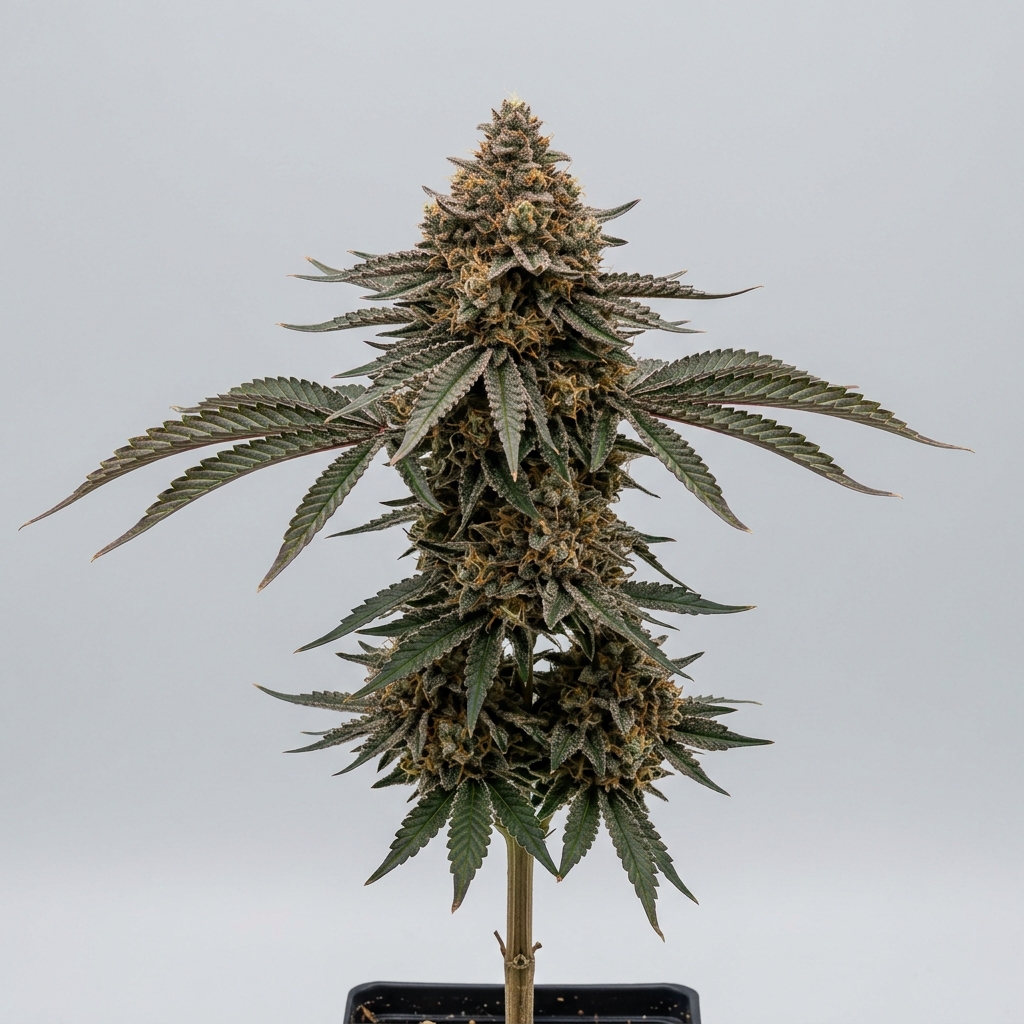
Pink Runtz Cake (Cannabis Strain)
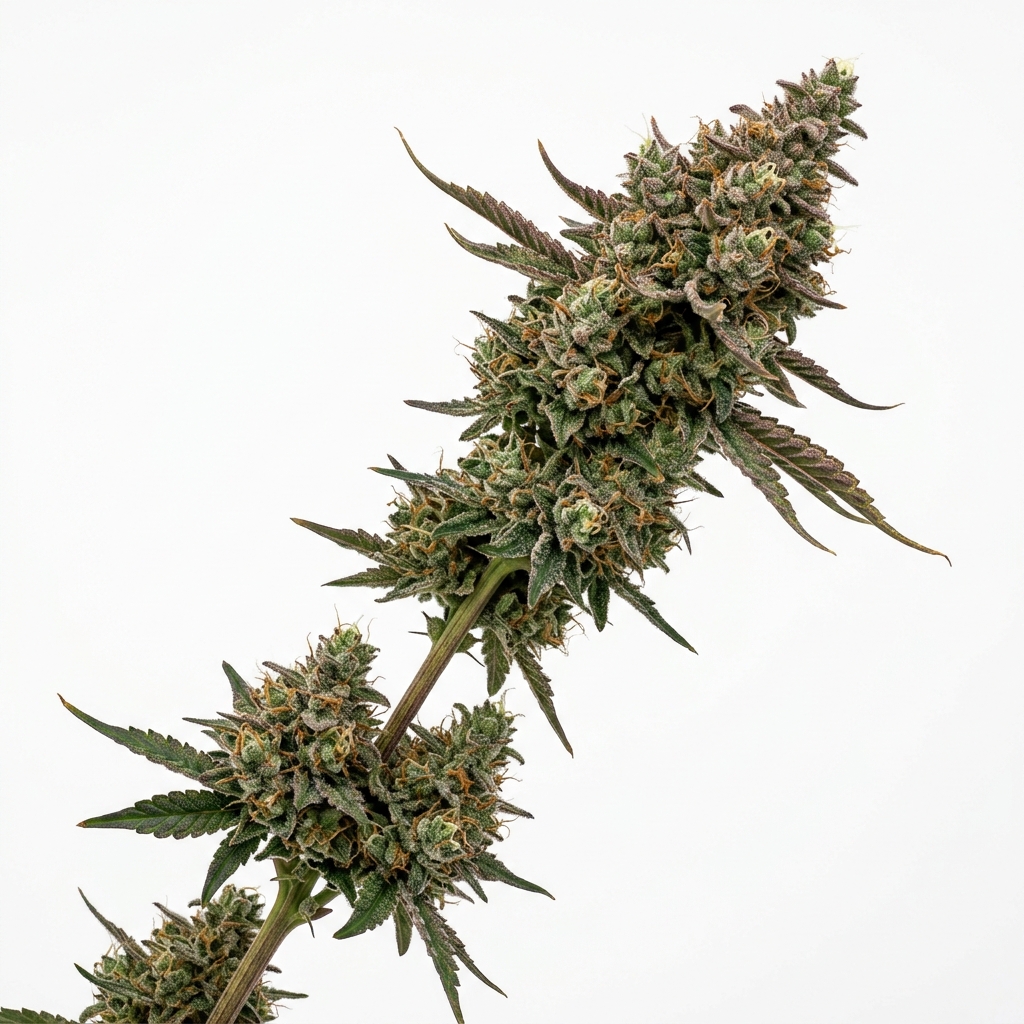
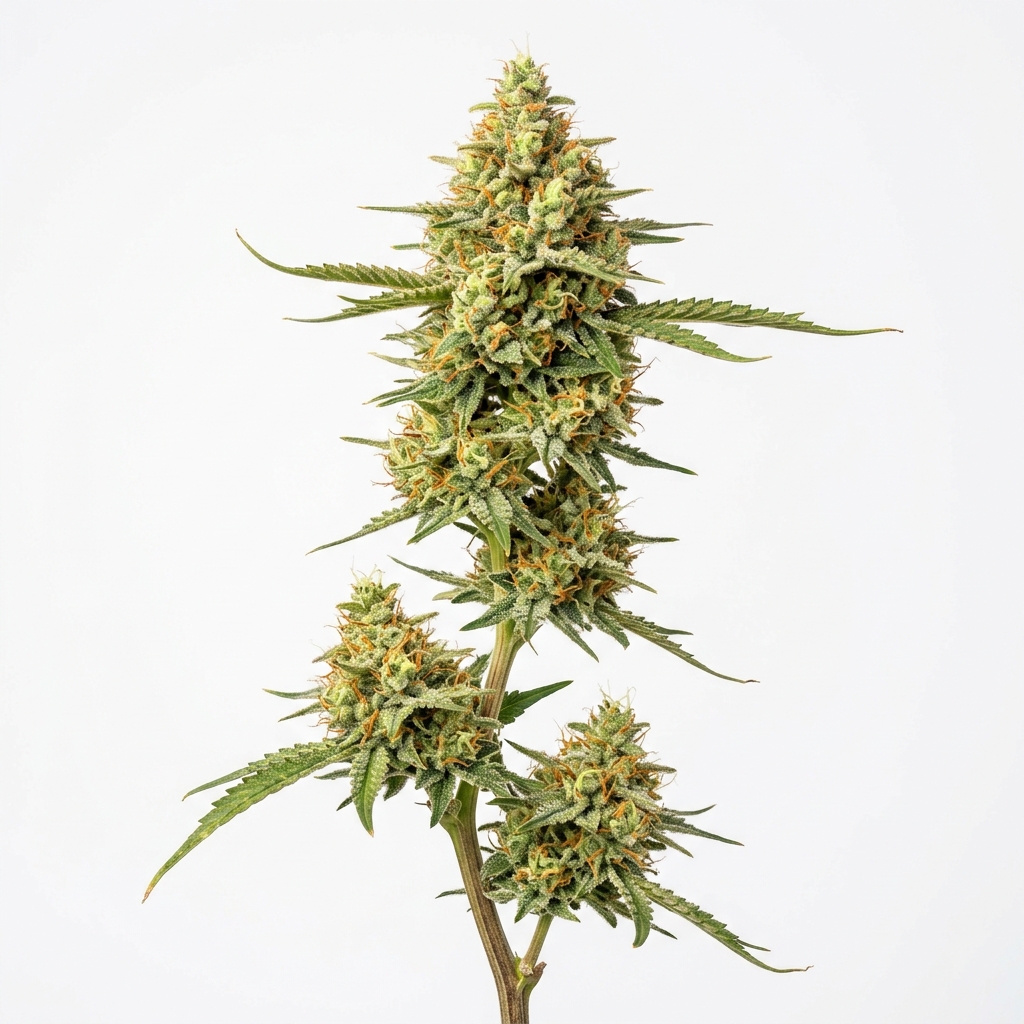
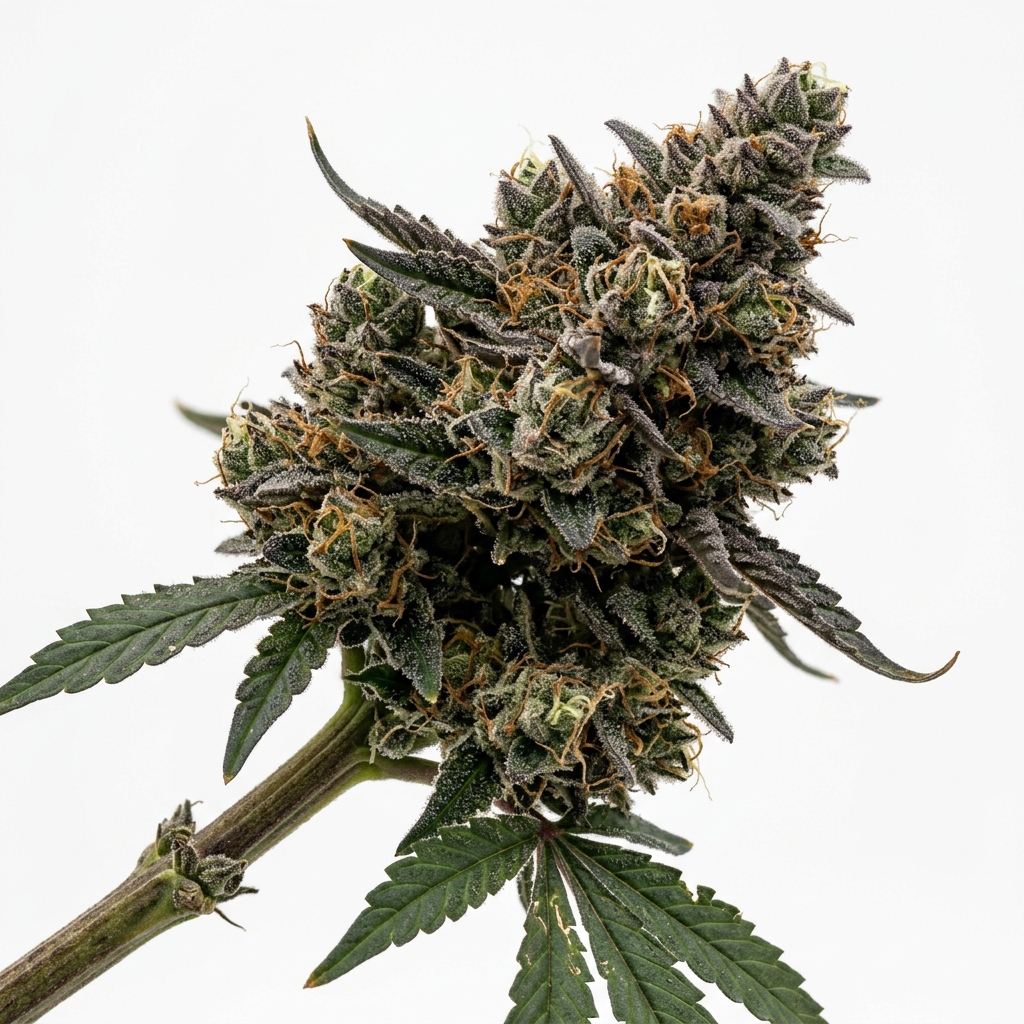
Pink Runtz Cake is an indica-dominant hybrid cultivar developed by crossing the renowned Pink Runtz with the dessert-forward Wedding Cake. This cultivar typically tests between 20% and 26% THC, delivering a balanced profile characterized by a sweet, creamy candy aroma backed by a sharp gas finish. Known for its resin-rich flowers and striking visual appeal, the plant produces dense, purple-tinged bracts coated in a thick layer of wet frost, making it a favorite among extraction artists and boutique growers alike.
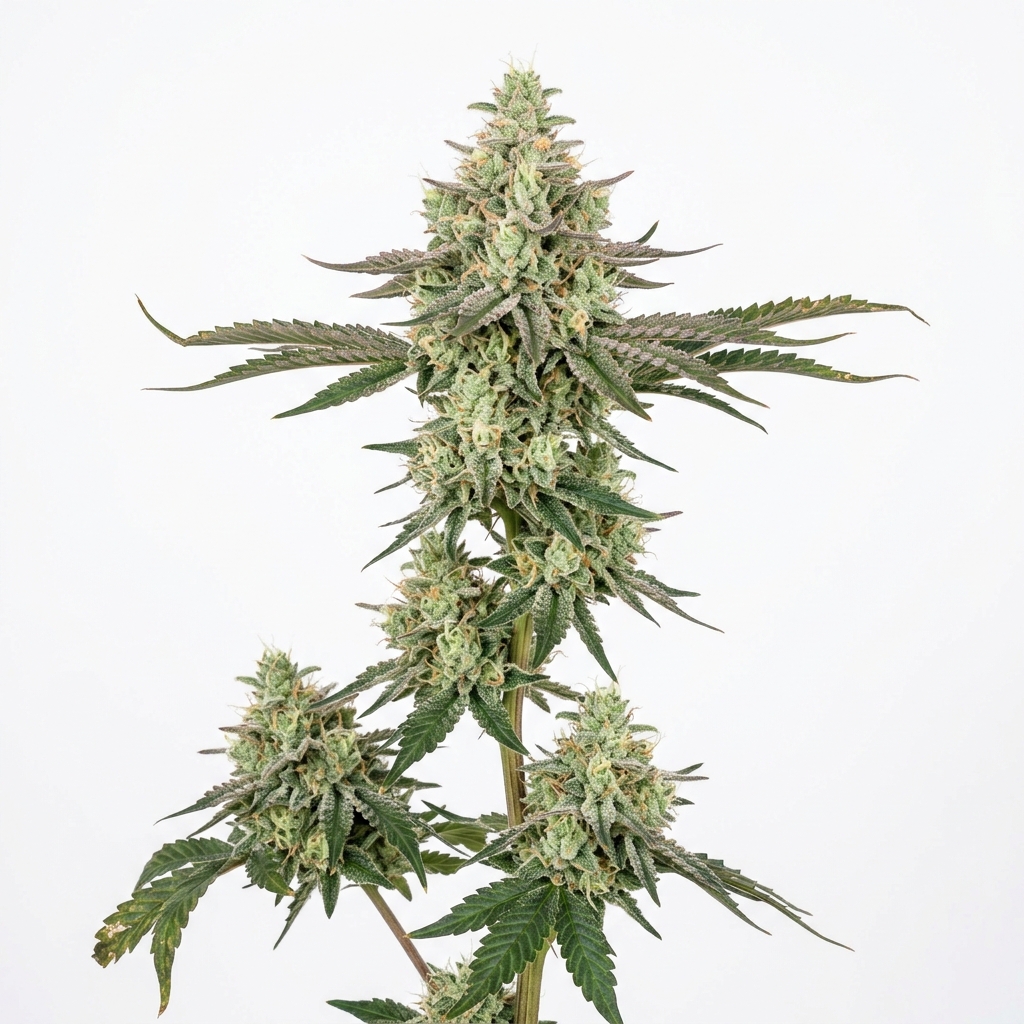
In the garden, Pink Runtz Cake shows a controlled stretch and tight internodal spacing, inheriting its robust structure from its Wedding Cake lineage. The buds mature into heavy, resinous spear colas that require careful humidity management in late flower. Its complex terpene profile and exceptional bag appeal have secured its place as a staple in contemporary dessert-strain collections.
Quick Facts
| Attribute | Details |
|---|---|
| Genetics | Pink Runtz × Wedding Cake |
| Variety | Indica-dominant Hybrid |
| THC Range | 20% – 26% |
| Flowering Time | 8 – 9 Weeks |
| Yield Potential | Moderate to High |
| Plant Height | Medium |
| Climate Preference | Temperate, controlled indoor environments |
| Difficulty | Moderate |
Scientific & Botanical Overview
From a botanical perspective, Pink Runtz Cake shows classic indica-leaning growth habits during its vegetative phase. The plants develop broad fan leaves with dark green coloration and tight internodes, creating a compact but sturdy frame. This dense structure requires regular defoliation to maintain adequate airflow through the lower canopy.
As the plant transitions to the flowering stage, it undergoes a moderate, highly manageable stretch. The nodal sites quickly stack, forming tight clusters of dense bracts that swell significantly in the final weeks. Under cooler night temperatures, the foliage and calyxes frequently express deep purple and violet hues due to high anthocyanin concentrations.
The trichome development on Pink Runtz Cake is exceptionally dense, producing a greasy resin layer that covers both the flowers and surrounding sugar leaves. The capitate-stalked trichomes mature to a milky white color with amber heads at peak ripeness. This high concentration of resin-rich glands demands strict environmental controls to prevent moisture retention within the dense colas.
Effects & Use-Cases (Reported)
Commonly reported effects: Users frequently describe a rapid onset of cerebral clarity accompanied by a soothing, full-body physical relaxation. The initial lift transitions into a calm, heavy sensation that settles into the limbs without causing immediate sedation.
Use-case context: This cultivar is well-suited for late afternoon or evening use, providing a relaxed backdrop for creative projects, casual socializing, or unwinding after a demanding day. Its balanced physical weight makes it a preferred choice for quiet, low-energy activities.
Note: Due to its high cannabinoid concentration, less experienced consumers should approach this strain with caution, starting with low doses to assess personal tolerance.
Aroma & Flavors
Aroma: The olfactory profile is dominated by a sugary, candied sweetness reminiscent of fruit confectionery, layered over a rich, doughy vanilla base. A sharp, fuel-like undertone emerges when the buds are broken apart, adding depth to the sweet profile.
Flavor: On the palate, the strain delivers a smooth blend of sweet berries and creamy cake batter, followed by a lingering tart gas on the exhale. A subtle mint finish is occasionally noted in well-cured specimens.
Terpene associations: The primary terpenes driving this complex profile are limonene, which contributes the bright sweetness; caryophyllene, providing a spicy, gassy contrast; and linalool, which adds a soft floral and herbal undertone.
Tested Cannabinoid & Terpene Ranges
| Compound | Typical Range |
|---|---|
| Δ9-THC | 20.0% – 26.0% |
| CBD | < 1.0% |
| CBG | 0.5% – 1.5% |
| Beta-Caryophyllene | 0.4% – 0.9% |
| Limonene | 0.3% – 0.7% |
| Linalool | 0.1% – 0.4% |
Note: Cannabinoid and terpene percentages represent typical laboratory findings and are highly variable depending on cultivation practices, curing methods, and specific phenotypes.
Cultivation Notes
- Humidity Management: Keep relative humidity below 45% during the final three weeks of flower to protect the dense, heavy colas from moisture-related issues.
- Canopy Training: use low-stress training (LST) and early topping to encourage lateral branching and create an even canopy.
- Defoliation: Perform a thorough defoliation before initiating the flower cycle, and again around week three, to improve light penetration and airflow.
- Nutrient Requirements: This cultivar responds well to a moderate feeding schedule, requiring careful nitrogen management during early flower to prevent leaf burn.
- Temperature Control: Introduce a 10-degree temperature drop during nighttime hours in late flower to stimulate the expression of deep purple hues.
Grower Notes (Week-by-Week Snapshot)
- Weeks 1–3 (Transition & Stretch): Plants undergo a modest stretch, doubling in size. Focus on tucking large fan leaves and establishing the canopy shape. Minor lollipop pruning can be performed at the end of week three.
- Weeks 4–6 (Flower Development): Bud sites stack rapidly, and the first visible layer of greasy resin begins to coat the calyxes. Ensure support structures like trellis netting are in place to handle the weight of the developing colas.
- Weeks 7–9 (Ripening & Flush): Resin production peaks, giving the flowers a wet frost appearance. Reduce temperatures and flush with plain water during the final 10 days to enhance terpene clarity and encourage color fade.
- Post-Harvest (Dry & Cure): Hang whole plants for a slow dry at 60°F and 60% relative humidity for 11 to 14 days. A minimum 3-week cure in sealed containers is recommended to fully develop the creamy candy flavor.
Genetic Lineage
The lineage of Pink Runtz Cake combines two powerhouse sweet-leaning cultivars. Its maternal parent, Pink Runtz, is a highly sought-after phenotype within the Runtz family, celebrated for its intense candy-sweet flavor profile and colorful, resin-coated buds. This parent contributes the signature fruit sweetness and vibrant purple coloration to the hybrid.
The paternal influence comes from Wedding Cake, a robust cross of Triangle Kush and Animal Mints. Wedding Cake lends its sturdy skeletal structure, high resin potential, and a rich, doughy vanilla undertone. This combination balances the sweet candy traits of the Runtz with a heavy, gassy depth and enhanced flower density.
Research Insights
Analytical testing of Pink Runtz Cake highlights a terpene profile rich in cyclic sesquiterpenes and monoterpenes. The co-dominance of beta-caryophyllene and limonene suggests a balanced interaction with cannabinoid receptors, which may modulate the intensity of the high THC content. This chemical profile is typical of modern dessert-style hybrids designed for sensory depth.
In breeding circles, the stability of the Wedding Cake backbone makes this hybrid a reliable candidate for further crossing. The consistent expression of dense bracts and heavy trichome coverage, combined with the volatile candy terpenes of Pink Runtz, makes it highly valued for solventless extraction processes where resin yield and terpene preservation are paramount.
Frequently Asked Questions
Is Pink Runtz Cake an indica or sativa?
Pink Runtz Cake is an indica-dominant hybrid. It typically shows indica-leaning growth characteristics, such as tight internodal spacing and broad leaves, while delivering a balanced physical relaxation with a clear-headed cerebral lift.
What does Pink Runtz Cake smell like?
This strain features a sweet, candied fruit aroma layered over a creamy, vanilla-dough base. When the buds are broken apart, a sharp, fuel-like gas undertone becomes prominent.
How long does Pink Runtz Cake take to flower?
When grown indoors under controlled conditions, Pink Runtz Cake typically requires 8 to 9 weeks of flowering to reach peak maturity and optimal resin development.
Is Pink Runtz Cake difficult to grow?
It is considered a moderate-difficulty strain to cultivate. While its controlled stretch makes it easy to manage physically, its dense bud structure requires careful monitoring of humidity levels to prevent mold during late flower.
Educational Disclaimer
This article is intended solely for educational and informational purposes. Cannabis laws and regulations vary by region; always comply with local legislation. The information provided does not constitute medical advice or cultivation instructions where prohibited.
Rate and review this strain
Ratings and reviews are accepted only from signed-in Google accounts.
Sign in with Google to leave a rating and written review.
Latest Reviews
0 reviewsNo reviews yet. Be the first Google user to rate and review this strain.
Follow New Cultivar Records
Get newly documented genetics, breeder history, research highlights, and important Strainpedia discoveries by email.