Animal Chocolate Pie (Cannabis Strain)
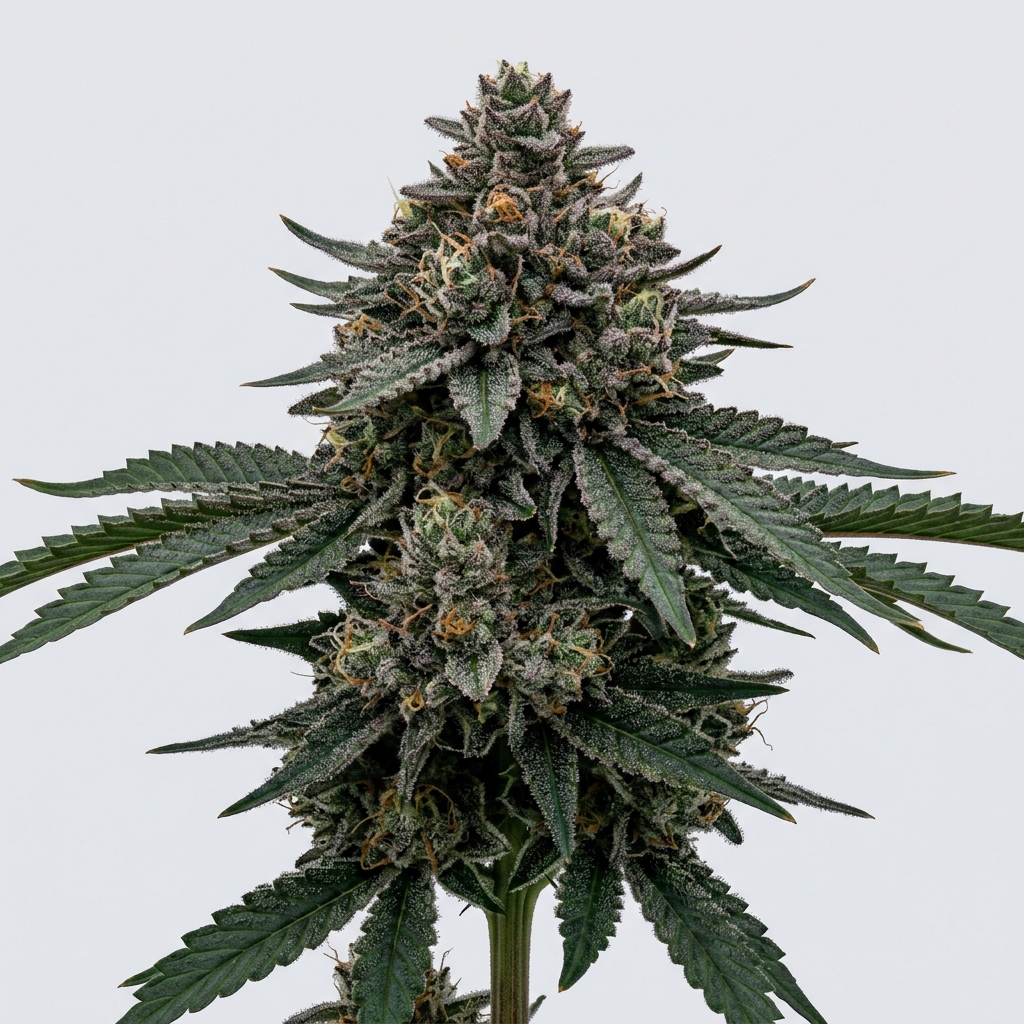
Animal Chocolate Pie is an indica-dominant hybrid cultivar, typically testing between 22% and 27% THC, created by crossing the legendary Animal Cookies with Chocolate Pie. Known for its greasy resin production and dense, dark-tinted flowers, this strain delivers a rich profile of doughy cocoa, sharp fuel, and earthy spice. The plants exhibit a stout, cookie-style growth habit with tight internodes, broad fan leaves, and a moderate stretch that demands early canopy management. Cultivators prize this variety for its heavy trichome coverage and suitability for solventless extraction.
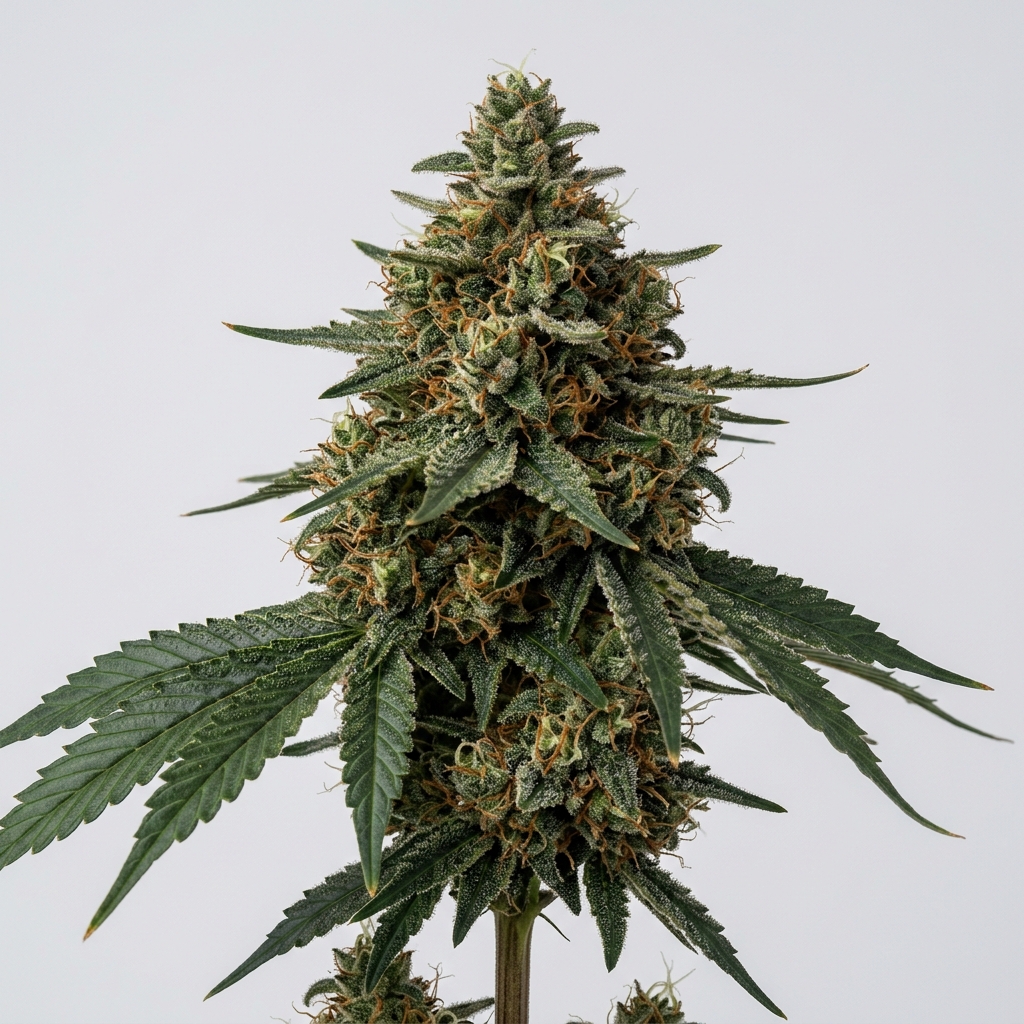
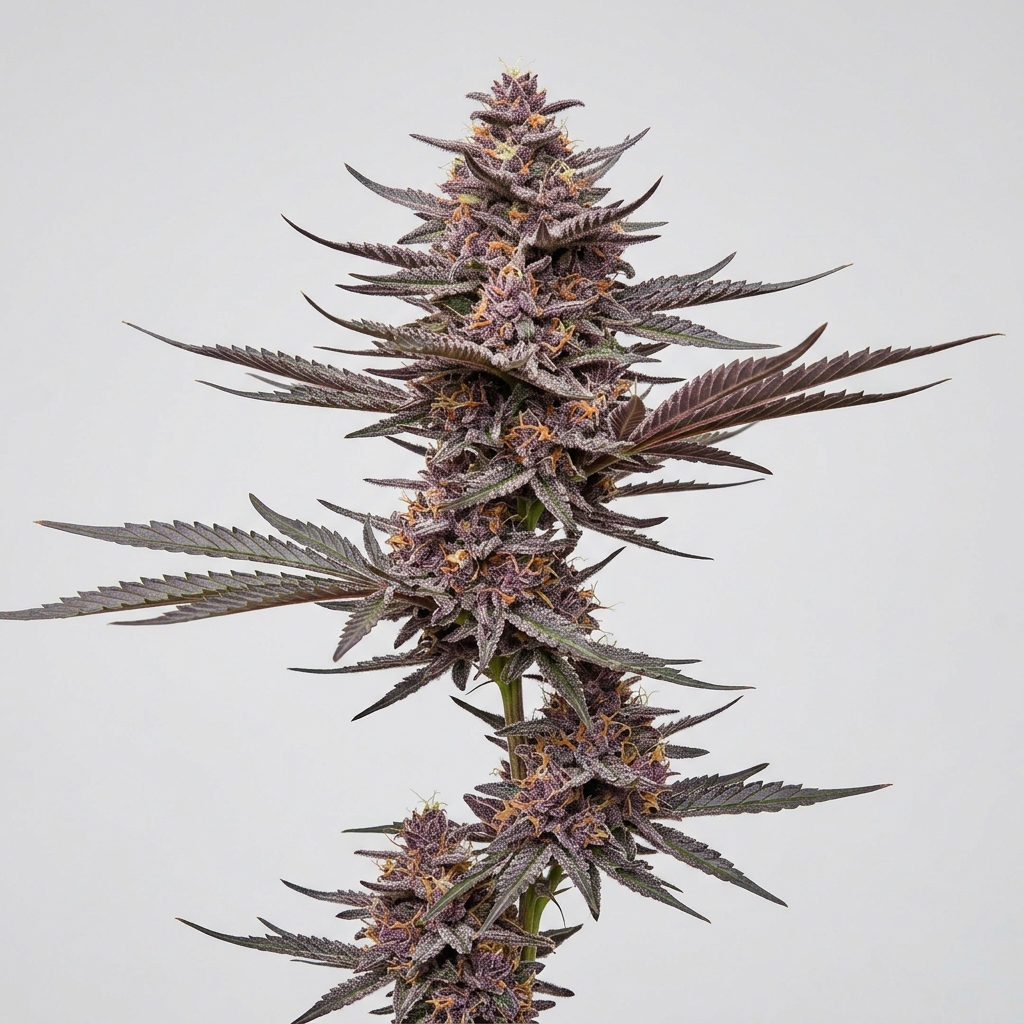
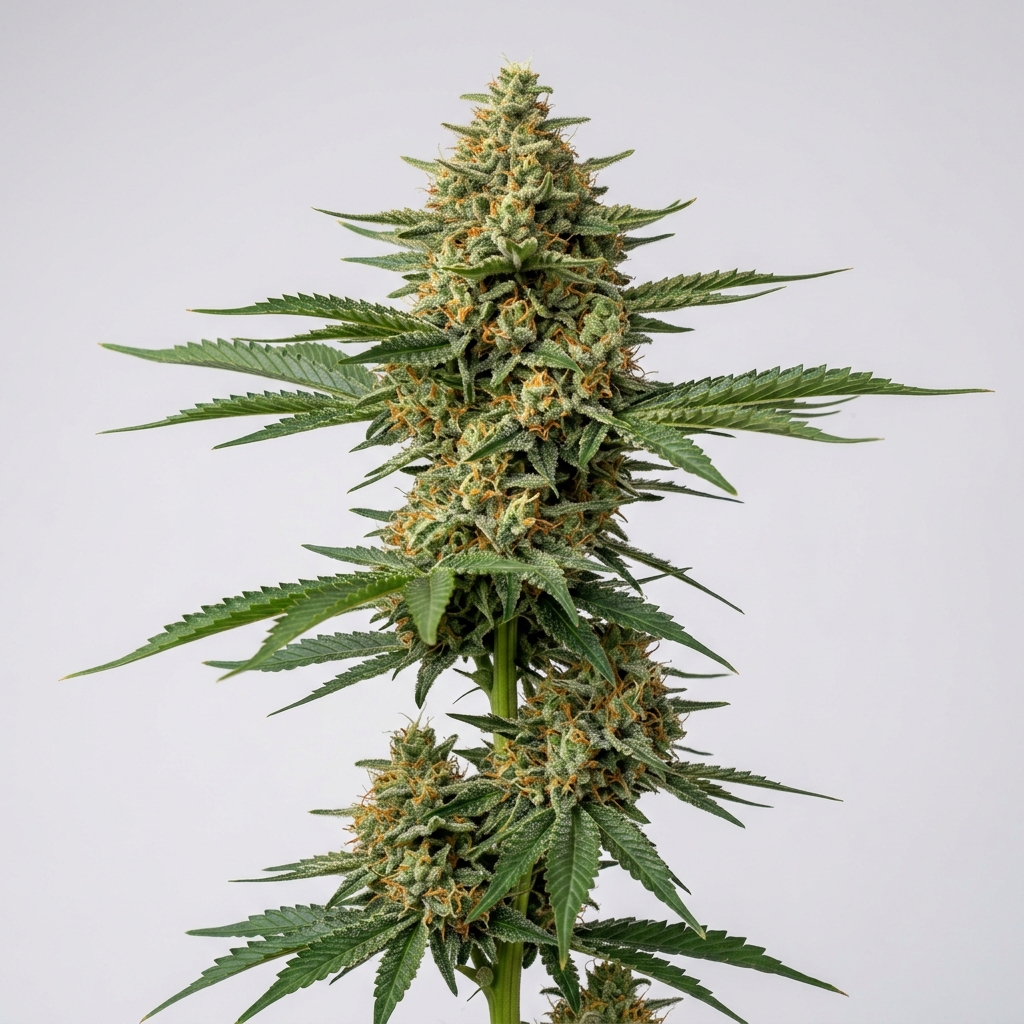
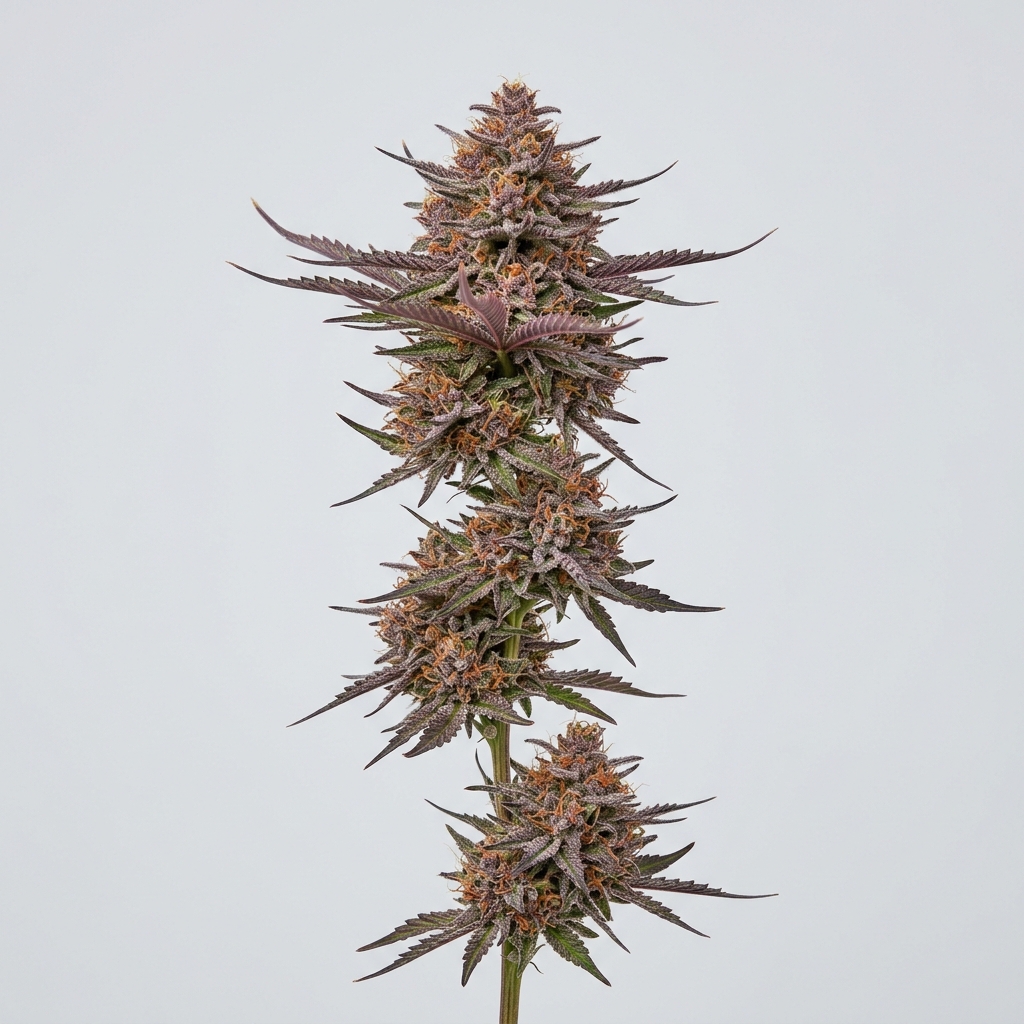
This cultivar appeals primarily to experienced consumers and extractors seeking deep physical relaxation and complex dessert-gas terpene profiles. The cured buds display a striking array of deep forest greens and violet undertones, heavily frosted with a thick layer of sticky, wet-looking trichomes. Its slow-curing nature preserves the delicate volatile oils, making it a standout choice for high-end boutique jars.
Quick Facts
| Metric | Details |
|---|---|
| Genetics | Animal Cookies × Chocolate Pie |
| Variety | Indica-dominant Hybrid |
| THC Range | 22% – 27% |
| Flowering Time | 8 – 9 Weeks |
| Yield Potential | Moderate to High |
| Plant Height | Medium (Controlled Stretch) |
| Climate Preference | Temperate, Low Humidity |
| Difficulty | Moderate |
Scientific & Botanical Overview
Anatomically, Animal Chocolate Pie showcases dense, tightly packed bracts and swollen calyxes that stack into heavy, rounded colas. The influence of its Cookie heritage is apparent in its structural rigidity, requiring strong lateral support as the flower sites swell. Broad, dark green fan leaves dominate the vegetative phase, requiring selective defoliation to maintain optimal light penetration.
Resin production begins early in the flowering cycle, transitioning from a glassy sheen to a thick, greasy coat by week six. The trichomes are primarily capitate-stalked with large glands, making the flowers highly tactile and resilient during dry trimming. Under cooler night temperatures during late bloom, the plant readily expresses anthocyanins, shifting its color palette toward deep plum and violet.
The cultivar maintains a compact root structure but feeds heavily on phosphorus and potassium once flowering is initiated. Its tight node spacing requires careful humidity management during the final three weeks of bloom to prevent moisture retention within the dense inner canopy.
Effects & Use-Cases (Reported)
Commonly reported effects: Users frequently describe a rapid onset of heavy physical relaxation coupled with a calm, grounding mental ease. The experience is often characterized by a warm, soothing sensation that spreads from the temples down through the limbs, easing physical tension without immediate sedation.
Use-case context: This profile makes the strain highly suited for late evening use, wind-down routines, or quiet creative sessions. Its deeply relaxing physical footprint is often favored by those looking to decompress after high-stress activities or intense physical exertion.
Note: Individual experiences may vary depending on tolerance and dosage; the high concentration of minor cannabinoids and heavy terpene load can amplify the physical weight of the effects for novice consumers.
Aroma & Flavors
Aroma: The primary nose is a rich blend of baked dough, dark cocoa, and a sharp, gassy undertone that intensifies when the buds are broken apart. A subtle hint of damp earth and herbal spice lingers in the background, grounding the sweet dessert notes.
Flavor: On the palate, it delivers a smooth, creamy smoke characterized by toasted nuts, sweet chocolate, and a distinct minty gas finish. The exhale is notably clean, leaving a lingering taste of dark berry and spicy kush.
Terpene associations: Lab analyses frequently indicate a dominance of beta-caryophyllene, limonene, and myrcene, with trace amounts of linalool contributing to its soft floral-herbal undertones.
Tested Cannabinoid & Terpene Ranges
| Compound | Typical Range |
|---|---|
| Δ9-THC | 22.0% – 27.0% |
| CBD | < 0.5% |
| CBG | 0.8% – 1.5% |
| Beta-Caryophyllene | 0.6% – 1.2% |
| Limonene | 0.4% – 0.9% |
| Myrcene | 0.3% – 0.7% |
Note: Quantitative values are literature-informed references representing common laboratory findings. Individual harvests are highly dependent on phenotype selection, cultivation methods, and curing practices.
Cultivation Notes
- Humidity Management: Maintain relative humidity (RH) below 45% during the final three weeks of flower to protect the dense, resin-rich buds from moisture retention.
- Nutrient Regimen: Responds well to a moderate nitrogen feed in veg, transitioning to high phosphorus and potassium inputs during mid-to-late flower to support calyx swelling.
- Training Techniques: use low-stress training (LST) and early topping to encourage lateral branching and create an even canopy before flipping to a 12/12 light cycle.
- Airflow: Ensure robust under-canopy airflow by stripping lower growth (lollipoping) during the second week of flowering to maximize energy distribution to the upper spear colas.
- Phenotype Variation: Look for phenotypes that exhibit both the sharp cookie gas and the deep purple coloration, as these tend to yield the highest resin quality.
Grower Notes (Week-by-Week Snapshot)
- Weeks 1-3 (Transition & Early Bloom): Plants undergo a moderate stretch, typically doubling in height. Focus on tucking fan leaves and applying a light defoliation at day 21 to expose emerging bud sites.
- Weeks 4-6 (Mid-Bloom & Resin Development): The stretch halts as flower clusters begin to stack rapidly. Wet frost starts to coat the bracts and sugar leaves, accompanied by a rising aroma of sweet dough and gas.
- Weeks 7-9 (Late Bloom & Ripening): Reduce feeding and initiate a clean flush. Lower night temperatures by 5 to 10 degrees Fahrenheit to encourage the expression of dark violet hues and maximize terpene clarity.
- Post-Harvest (Slow Dry & Cure): Hang-dry the whole plant at 60°F and 60% RH for 12 to 14 days. A slow, controlled cure in airtight glass jars for at least three weeks is essential to unlock the deep chocolate and fuel notes.
Genetic Lineage
The maternal parent, Animal Cookies (Fire OG × Girl Scout Cookies), contributes its signature dense bud structure, extreme resin production, and heavy physical potency. This lineage is famous for introducing a sharp, fuel-like sourness and a highly sought-after doughy complexity to its offspring.
The pollen donor, Chocolate Pie, tempers the aggressive stretch of the Cookie line while infusing the hybrid with rich, dark cocoa undertones and a smoother, creamier smoke profile. This genetic combination stabilizes the plant’s structure, resulting in a more manageable canopy and a more balanced, dessert-forward flavor profile.
Research Insights
Analytical testing of the cultivar’s terpene profile highlights a high concentration of sesquiterpenes, particularly beta-caryophyllene. This compound’s ability to interact directly with peripheral cannabinoid receptors may explain the deep, physical relaxation commonly reported by consumers, independent of the high THC content.
Breeding observations suggest that the combination of Cookie and Pie genetics yields a highly stable resin membrane. This structural characteristic prevents early terpene degradation during the drying phase, preserving volatile monoterpenes like limonene and enhancing the overall aromatic clarity of the cured flower.
Frequently Asked Questions
Is Animal Chocolate Pie hard to grow?
It is moderately challenging. While it has a manageable stretch and sturdy branches, its dense bud structure requires close monitoring of humidity and airflow to prevent late-stage mold.
What does Animal Chocolate Pie smell like?
It features a rich aroma of sweet, baked cookie dough and dark cocoa, balanced by a sharp, gassy finish and subtle earthy undertones.
Is this strain suitable for solventless extraction?
Yes. The cultivar is highly regarded for extraction due to its abundant, greasy trichomes and stable resin heads, which yield excellent results in ice water washing and dry sifting.
What are the typical effects of this strain?
It is known for delivering deep physical relaxation and a calm, grounded mental state, making it ideal for evening use and winding down.
Educational Disclaimer
This profile is for educational and informational purposes only. Cultivation and consumption of cannabis are subject to local laws and regulations. Always consult with a healthcare professional before using cannabis products for therapeutic purposes.
Rate and review this strain
Ratings and reviews are accepted only from signed-in Google accounts.
Sign in with Google to leave a rating and written review.
Latest Reviews
0 reviewsNo reviews yet. Be the first Google user to rate and review this strain.