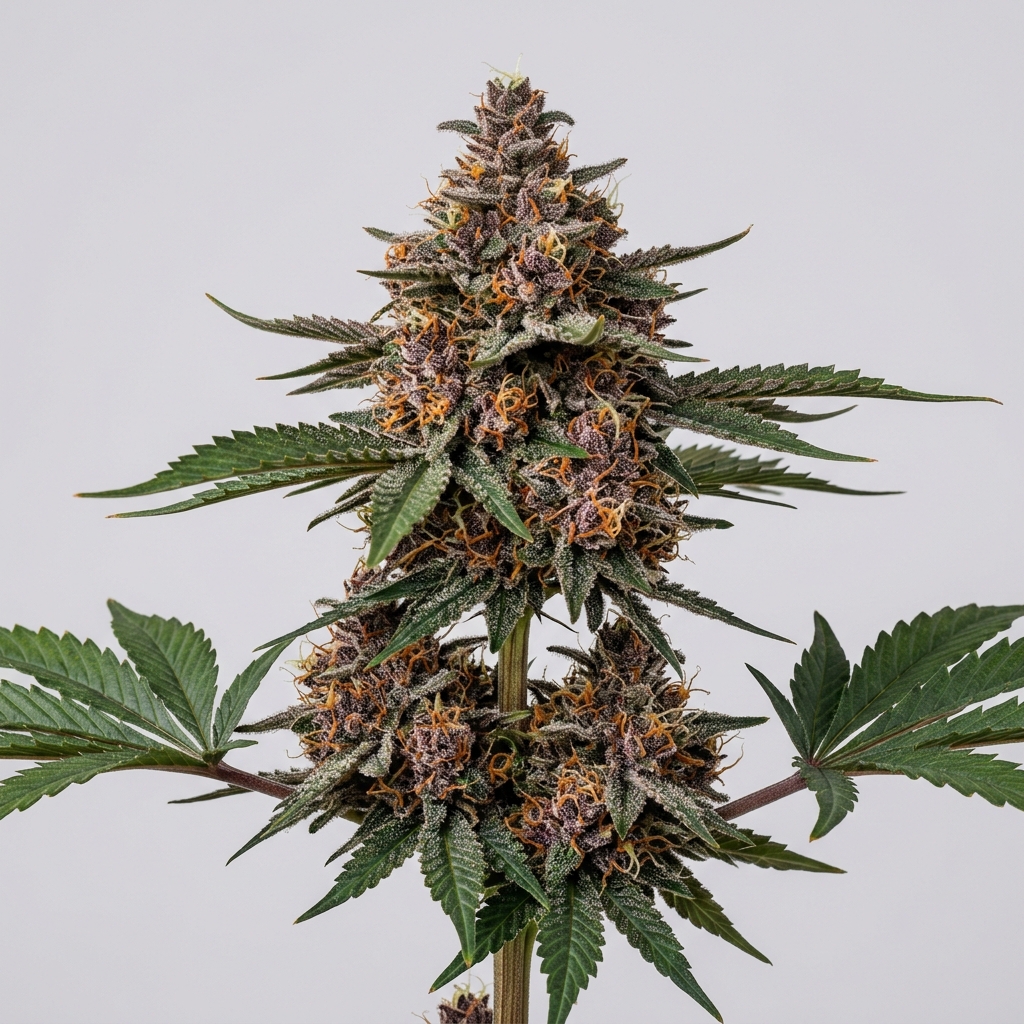
Unicorn Tears (Cannabis Strain)
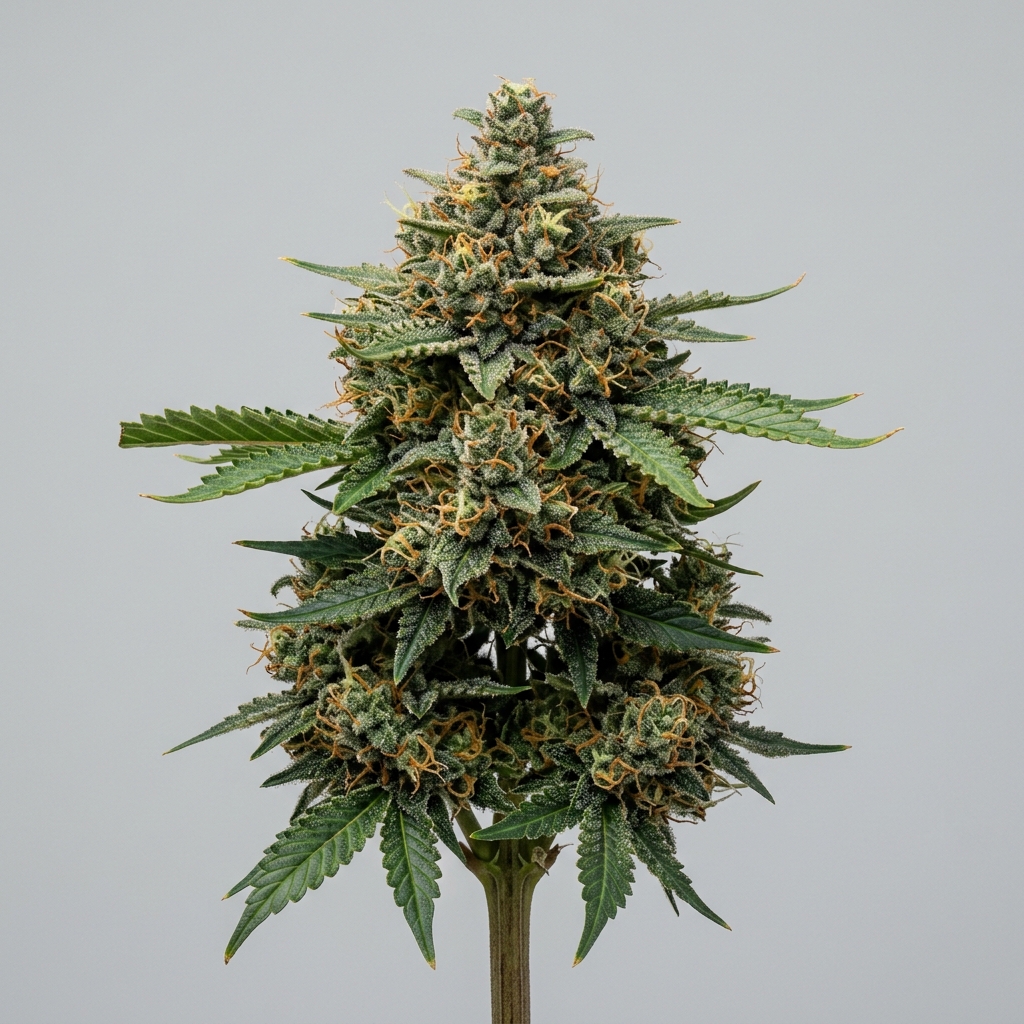
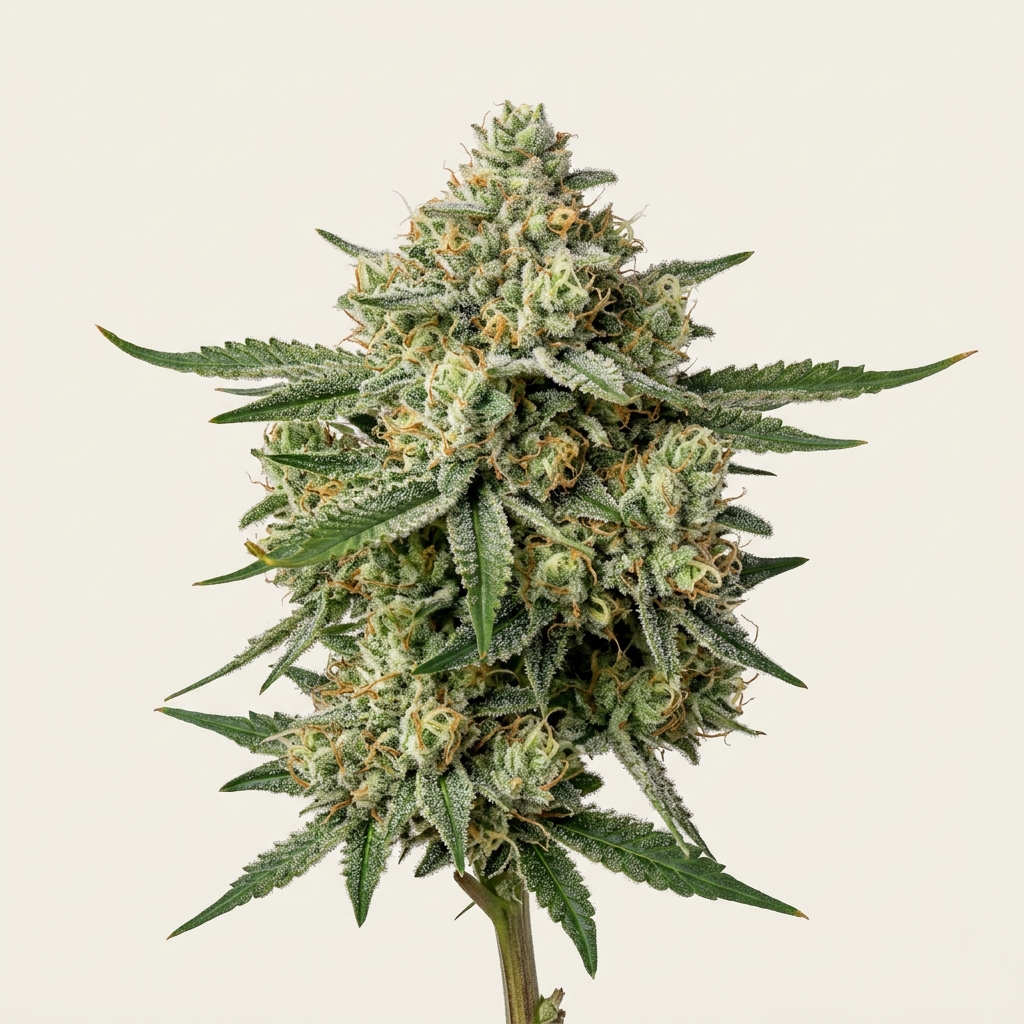
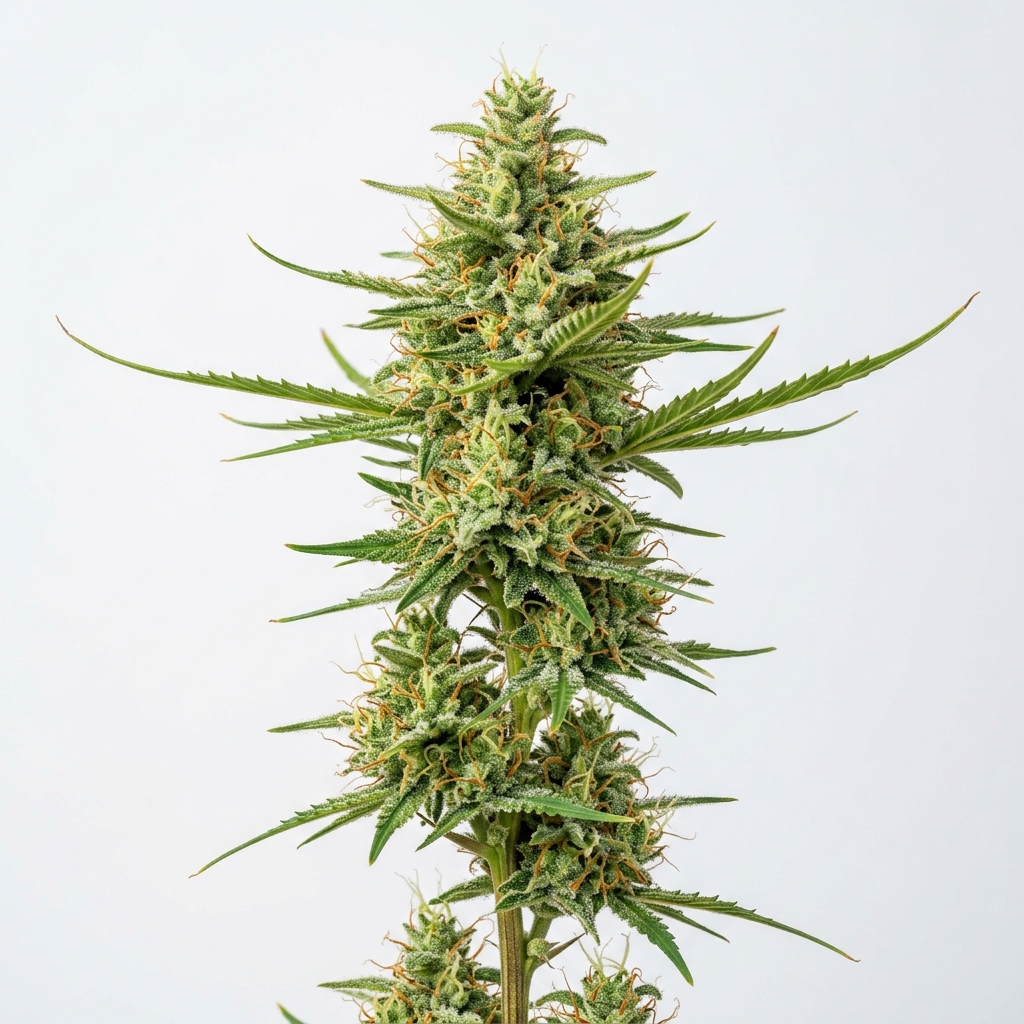
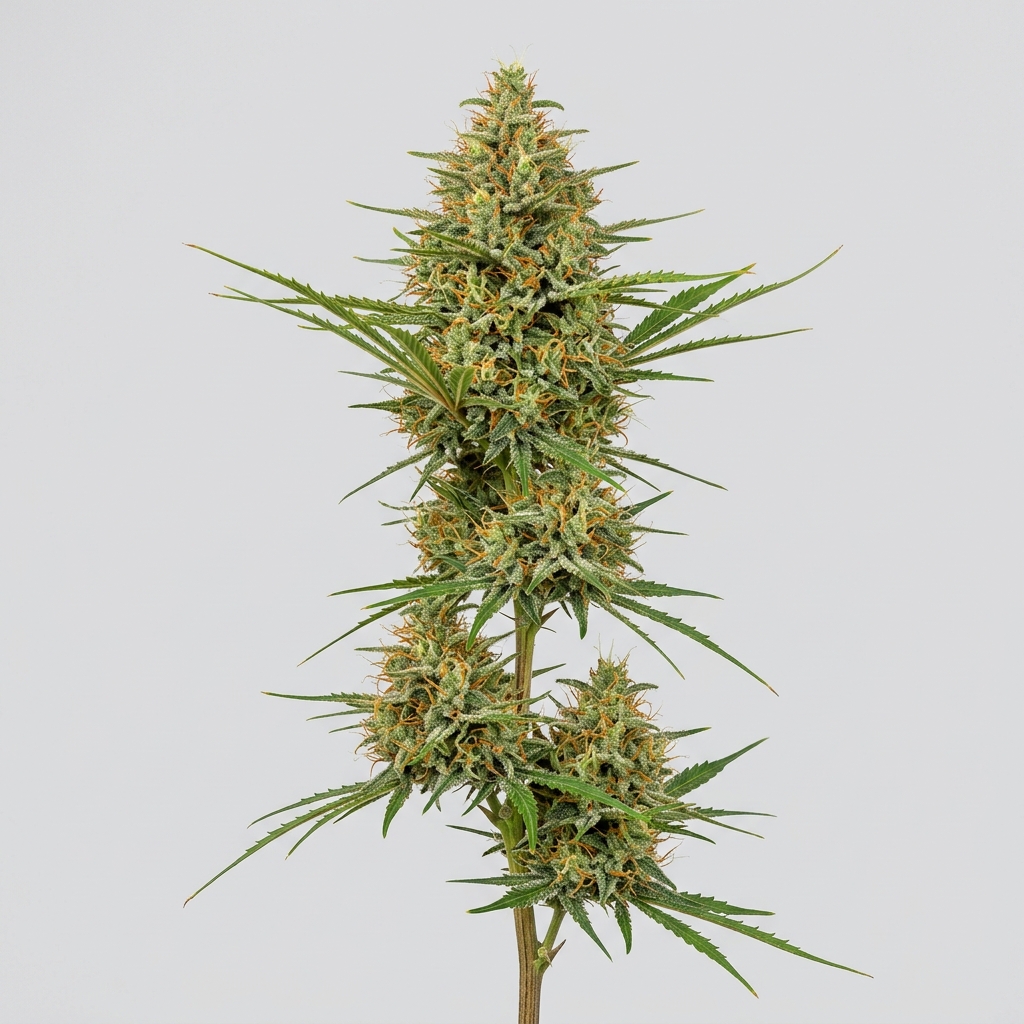
Unicorn Tears is a highly sought-after exotic hybrid cannabis strain, typically testing between 22% and 28% THC, created by crossing Sour Apple with Unicorn. Known for its striking visual appeal and intense resin production, this cultivar features dense, glassy buds coated in wet frost that give off a complex aroma of sour candy, tart apple, and a sharp chemical gas finish. It shows a moderately compact growth habit with sturdy lateral branching and tight internodes, making it an appealing option for growers seeking extraction-grade material with a unique terpene profile.
Cultivators prize this strain for its exceptional resin coverage and its ability to develop deep purple hues when exposed to cooler nighttime temperatures late in the flowering cycle. Its balanced physical and mental effects make it a popular choice for connoisseurs seeking both sensory depth and functional relaxation.
Quick Facts
| Attribute | Details |
|---|---|
| Genetics | Sour Apple × Unicorn |
| Variety | Hybrid |
| THC Range | 22% – 28% |
| Flowering Time | 8 – 9 Weeks |
| Yield Potential | Moderate to High |
| Plant Height | Medium |
| Climate Preference | Temperate, Low Humidity |
| Difficulty | Moderate |
Scientific & Botanical Overview
Unicorn Tears shows a stout, bush-like structure during the vegetative stage, transitioning into a moderate stretch once flowering is induced. The leaves are broad and dark green, showing classic hybrid traits with strong petioles that support heavy, resin-rich flowers. Its nodal spacing remains relatively tight, requiring strategic leaf tucking or defoliation to maintain optimal light penetration.
The flowers develop as dense, spear-shaped colas characterized by highly swollen calyxes and minimal foliage within the bud sites. This high calyx-to-leaf ratio facilitates efficient airflow throughout the canopy and simplifies the post-harvest trimming process. Under close inspection, the bracts show a tight, stacked arrangement that locks in moisture during development.
Trichome production begins early in the flowering cycle, evolving from clear stalked capitate glands into a dense, sticky carpet of milky-white resin. The resin remains greasy to the touch, indicating a high concentration of volatile terpenes held within the heads. This heavy resin coat serves as a natural protective barrier, sealing in the delicate aromatic compounds as the plant matures.
Effects & Use-Cases (Reported)
Commonly reported effects: Users frequently describe a rapid onset of cerebral clarity accompanied by a gentle, warming physical relaxation that does not lead to immediate sedation. The mental state is often characterized as focused yet calm, transitioning into a soft physical ease over time.
Use-case context: This cultivar is well-suited for late afternoon or early evening use, providing a smooth transition from active work to relaxation. It is commonly selected by those looking to ease physical tension while maintaining mental engagement.
Note: Individual responses to high-THC cannabis cultivars can vary significantly. Those unfamiliar with potent hybrid genetics should approach with caution.
Aroma & Flavors
Aroma: The initial scent profile is dominated by a sharp, sour apple tartness, followed quickly by a sweet, artificial candy note and a heavy undertone of chemically-tinged fuel.
Flavor: On the palate, it delivers a distinct blend of sweet green apple and sugary dough, finishing with a lingering mint and earthiness on the exhale.
Terpene associations: The complex profile is driven by a dominance of limonene, caryophyllene, and myrcene, which combine to produce the characteristic sweet-and-sour gas contrast.
Tested Cannabinoid & Terpene Ranges
| Compound | Typical Range |
|---|---|
| Δ9-THC | 22.0% – 28.0% |
| CBG | 0.5% – 1.2% |
| Limonene | 0.4% – 0.9% |
| Caryophyllene | 0.3% – 0.7% |
| Myrcene | 0.2% – 0.5% |
Note: Cannabinoid and terpene levels are highly variable and depend heavily on individual phenotypes, growing medium, and cultivation practices.
Cultivation Notes
- Humidity management: Maintain strict humidity control, keeping relative humidity (RH) below 45% during the final three weeks of flower to prevent moisture retention in the dense colas.
- Nutrient requirements: Responds well to a moderate feeding schedule, with a slight increase in phosphorus and potassium during mid-flower to support calyx swelling.
- Canopy training: use low-stress training (LST) or topping early in the vegetative phase to promote even canopy distribution and maximize light penetration to lower bud sites.
- Temperature control: Dropping nighttime temperatures by 10–15°F during the last two weeks of flower will encourage the expression of deep purple and violet hues in the fan leaves and bracts.
- Harvest window: Harvest when trichomes are roughly 90% milky and 10% amber to preserve the sharp, sweet terpene clarity.
Grower Notes (Week-by-Week Snapshot)
- Weeks 1–3 (Transition & Stretch): Plants undergo a moderate stretch, typically doubling in height. Ensure early trellis support is in place to manage lateral branches as they begin to stiffen.
- Weeks 4–6 (Flower Development & Resin Onset): Bud sites begin to cluster into distinct spear colas. Trichome production accelerates rapidly, and the signature sour apple aroma begins to emerge in the grow space.
- Weeks 7–9 (Ripening & Color Expression): The buds swell significantly, becoming dense and sticky. Reduce humidity and introduce cooler night temperatures to bring out the purple color variations and lock in the greasy resin.
- Post-Harvest (Dry & Cure): A slow dry at 60°F and 60% relative humidity for 10 to 14 days is essential to preserve the delicate volatile terpenes before transitioning to a minimum three-week jar cure.
Genetic Lineage
The lineage of Unicorn Tears stems from a deliberate pairing of two highly expressive parents: Sour Apple and Unicorn. Sour Apple contributes its signature tart, green apple flavor profile and structurally dense bud architecture, ensuring a solid yield and reliable physical traits.
The paternal contributor, Unicorn, infuses the cross with its distinct sugary sweetness, chemical gas undertones, and an abundance of trichome coverage. This genetic combination results in a highly stable hybrid that consistently delivers exceptional resin quality and visual appeal.
Research Insights
Scientific interest in cultivars like Unicorn Tears focuses on the interaction between high concentrations of limonene and caryophyllene when paired with a robust THC baseline. This specific terpene combination is believed to modulate the psychoactive effects of THC, helping to mitigate potential anxiety while enhancing physical relaxation.
From a breeding perspective, the strain highlights the market's shifting preference toward extraction-grade cultivars. The high concentration of capitate-stalked trichomes and the durability of the resin heads make it an ideal subject for solventless extraction research and live rosin production.
Frequently Asked Questions
What are the primary effects of Unicorn Tears?
It typically delivers a balanced experience characterized by initial cerebral stimulation and focus, which gradually gives way to a calming, full-body physical relaxation.
Is Unicorn Tears difficult to grow?
It is considered moderately difficult, requiring attentive humidity management during late flower due to its highly dense bud structure.
What does Unicorn Tears smell like?
The strain features a complex aroma of sour apple, sweet candy, and a sharp, chemical gas finish.
How long does Unicorn Tears take to flower?
This cultivar typically finishes its flowering cycle in 8 to 9 weeks when grown indoors.
Educational Disclaimer
This content is for educational purposes only. Cannabis laws and regulations vary by jurisdiction. Consult local laws before cultivating or consuming cannabis.
Rate and review this strain
Ratings and reviews are accepted only from signed-in Google accounts.
Sign in with Google to leave a rating and written review.
Latest Reviews
0 reviewsNo reviews yet. Be the first Google user to rate and review this strain.