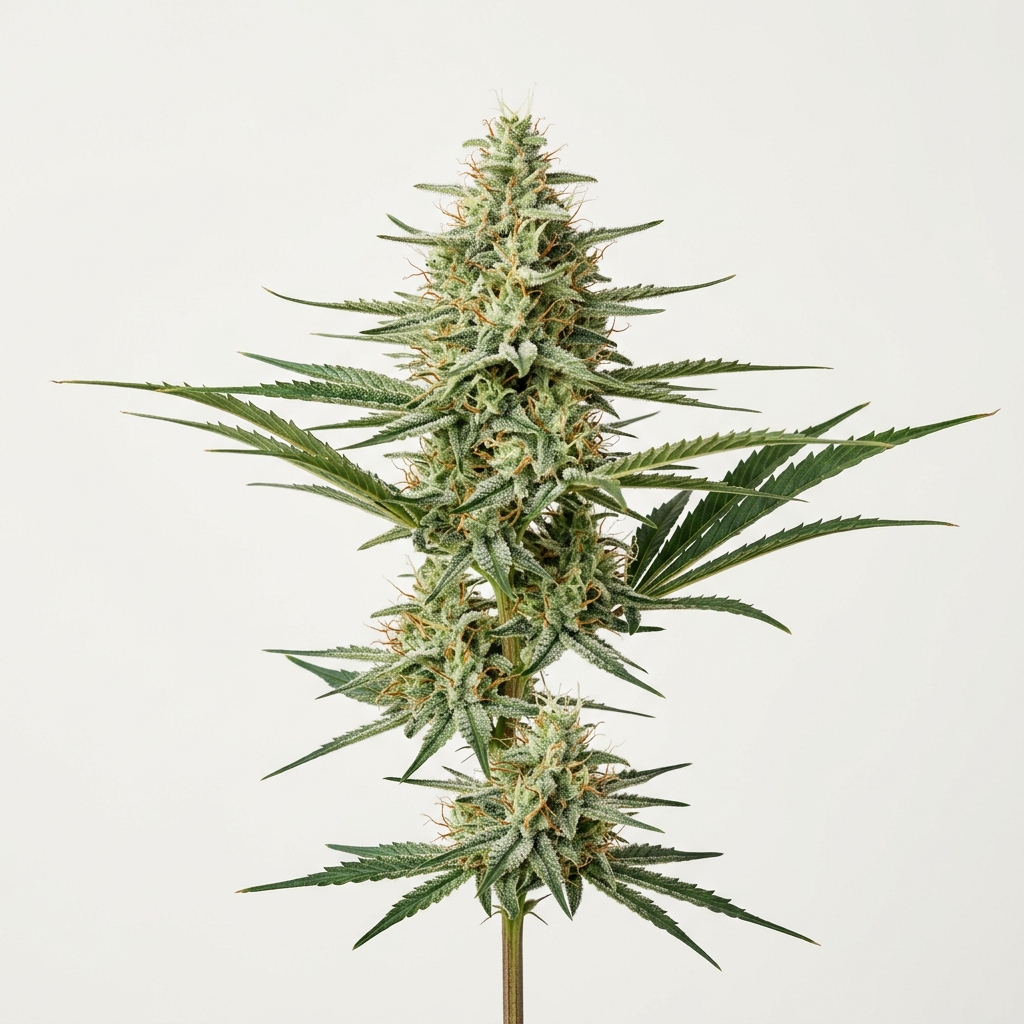
Honeydew (Cannabis Strain)
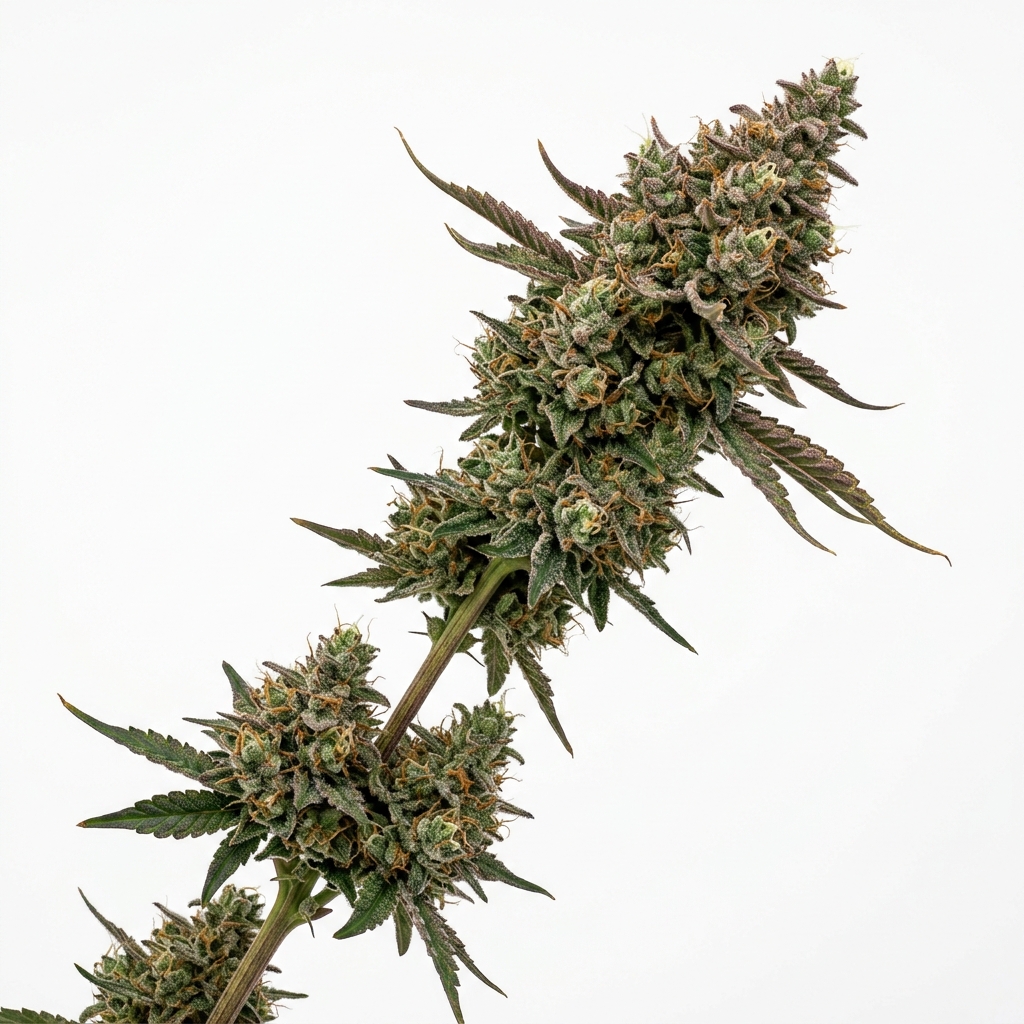
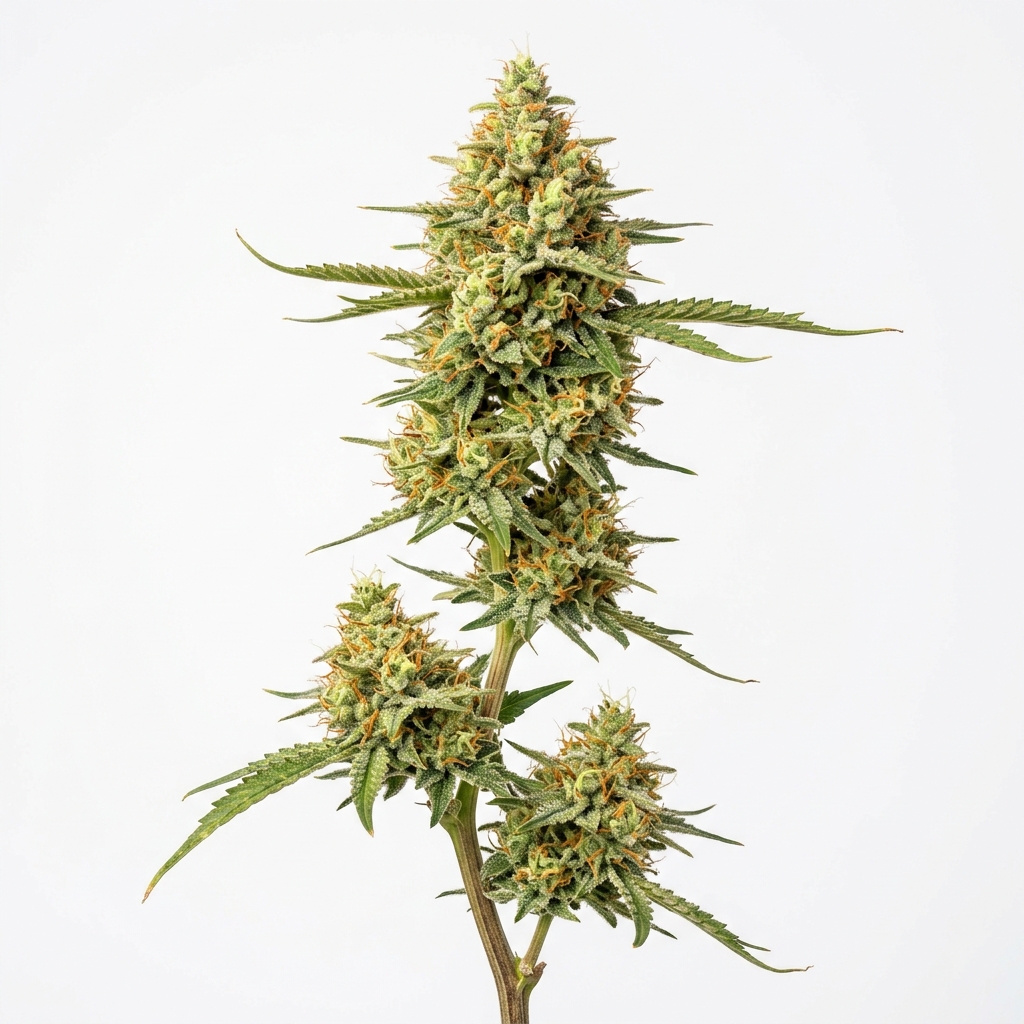
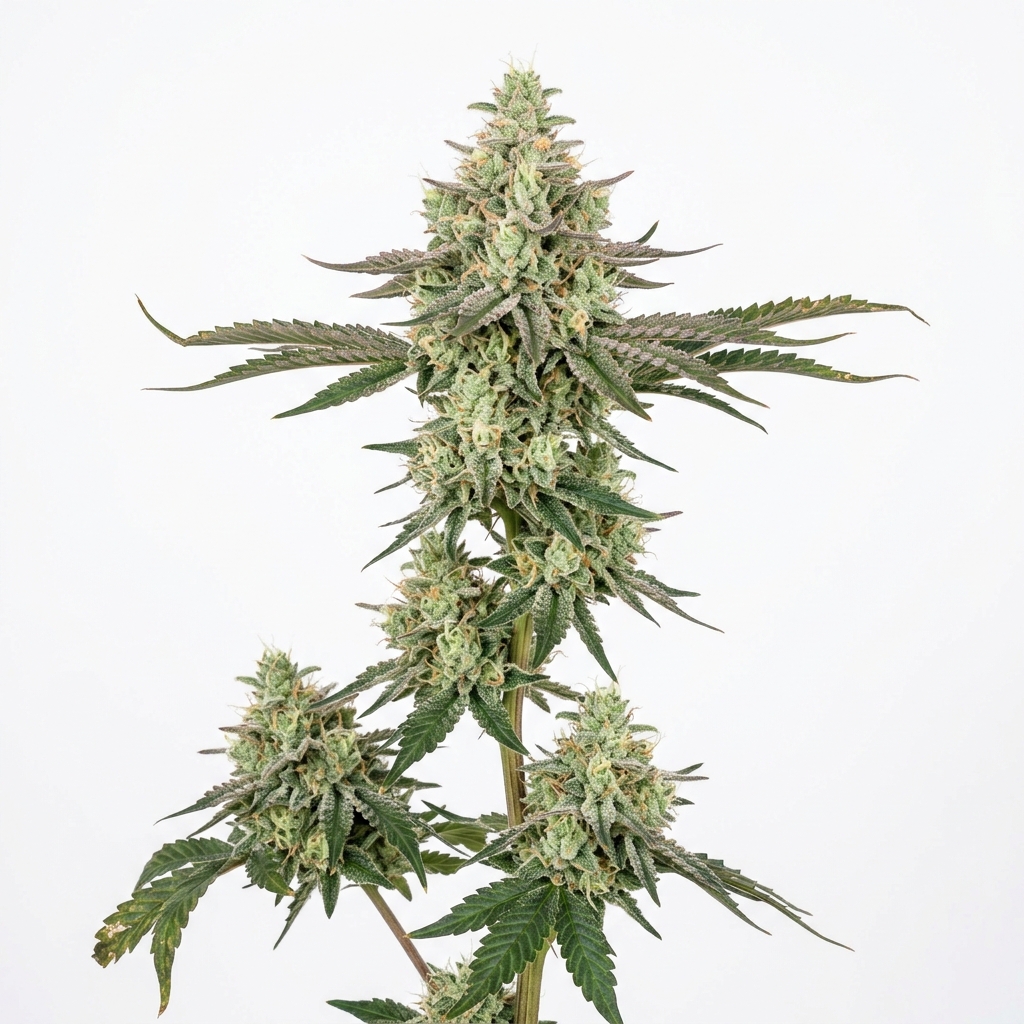
Honeydew is a sativa-dominant hybrid cultivar celebrated for its crisp melon aroma and bright, functional clarity. Typically testing between 20% and 24% THC, this selection crosses Dirty Melon with Peach Crescendo to yield spear-shaped, light-green colas coated in a fine layer of glassy trichomes. The plant shows a classic sativa-leaning growth structure with a moderate stretch and open canopy that favors excellent light penetration and late-flower airflow.
Cultivated primarily for its distinct fruit-forward terpene profile, the strain offers a refreshing departure from heavy dessert and fuel-dominated varieties. It has earned a dedicated following among growers who prioritize terpene clarity and clean daytime appeal. The finished flowers dry to a vibrant pale green with subtle gold undertones, preserving a delicate sweetness that defines the smoke.
Quick Facts
| Field | Details |
|---|---|
| Genetics | Dirty Melon × Peach Crescendo |
| Variety | Sativa-dominant Hybrid |
| THC Range | 20% – 24% |
| Flowering Time | 9 – 10 Weeks |
| Yield Potential | Moderate to High |
| Plant Height | Medium to Tall |
| Climate Preference | Temperate, Low Humidity |
| Difficulty | Moderate |
Scientific & Botanical Overview
Botanically, Honeydew displays classic hybrid vigor with a notable stretch during the first three weeks of transition. Its leaves are typically broad but taper into thin, elegant fingers, reflecting its sativa lineage without completely sacrificing lateral branching. The internodal spacing is moderate, allowing for distinct bud sites that eventually swell into spear-shaped colas.
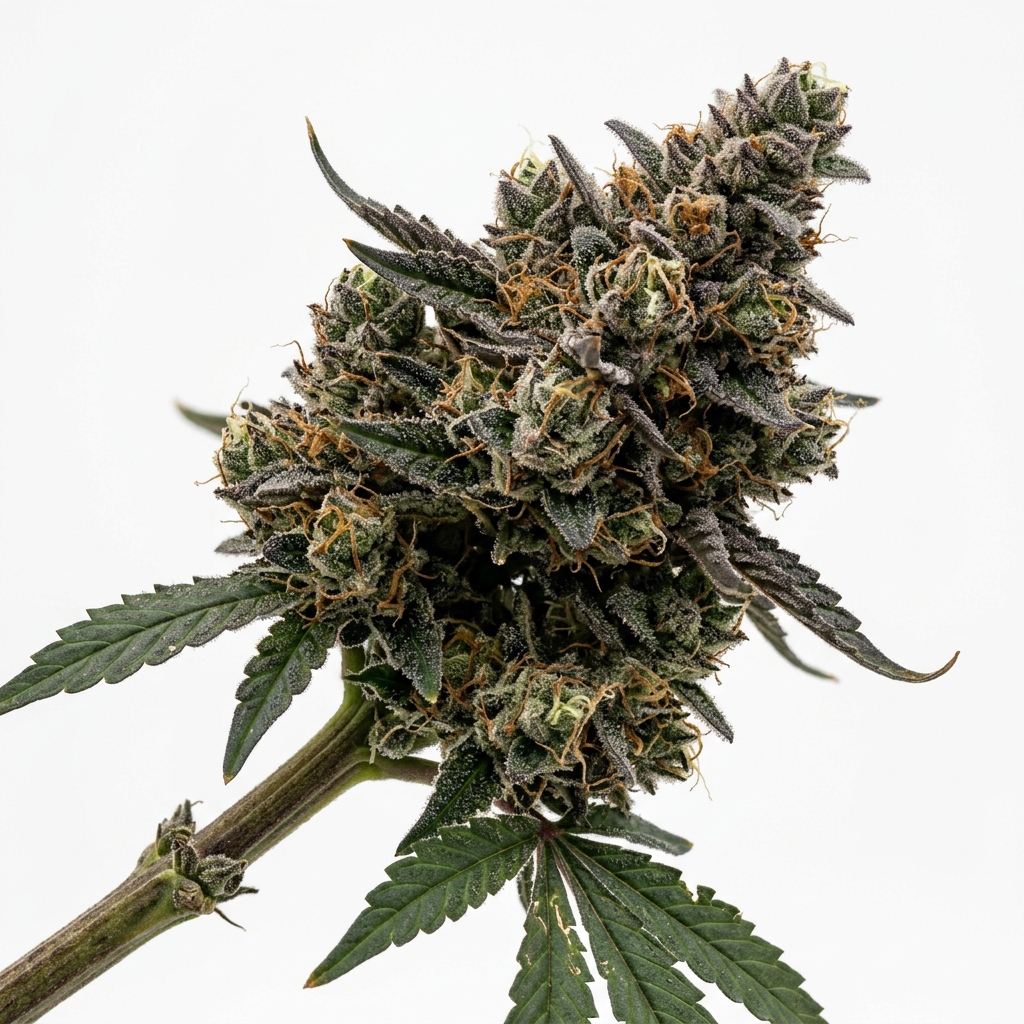
The bract structure is moderately dense, characterized by swollen calyxes that stack neatly along the stems. Unlike dense indica globes, these flowers maintain an airy, resin-rich architecture that naturally resists moisture retention. The resin heads are small to medium but highly concentrated, giving the mature colas a wet, glassy sheen rather than a thick, greasy paste.
Anthocyanin expression is minimal in this cultivar, with the plant maintaining its bright lime and emerald green shades throughout its lifecycle. Under cooler night temperatures, the pistils shift from a soft cream to a deep, burnt orange, contrasting sharply against the frosty bracts. This clean, green morphology makes it highly recognizable among modern fruit-forward cultivars.
Effects & Use-Cases (Reported)
Commonly reported effects: Users frequently describe a bright, cerebral lift that emerges shortly after consumption, characterized by mental clarity and a subtle physical energy. The physical sensation remains light and non-sedating, making it a popular choice for daytime activities. There is minimal heavy comedown, allowing the experience to taper off smoothly.
Use-case context: This cultivar is highly suited for creative projects, social gatherings, or outdoor activities where focus and physical mobility are desired. Its refreshing sensory profile makes it an excellent option for morning or mid-afternoon sessions.
Note: Individual experiences may vary depending on personal tolerance, dosage, and specific phenotype chemistry.
Aroma & Flavors
Aroma: A dominant fragrance of sliced honeydew melon and crisp cucumber, backed by a subtle herbal undertone and a faint trace of sweet soil.
Flavor: The smoke is remarkably clean, delivering a sweet melon rind flavor on the inhale, followed by a mild mint and white pepper finish.
Terpene associations:
Myrcene provides the soft, sweet fruit base, while limonene adds a bright citrus lift, and caryophyllene contributes a subtle, grounding spice on the exhale.
Tested Cannabinoid & Terpene Ranges
| Compound | Average Range |
|---|---|
| Δ9-THC | 20.0% – 24.0% |
| CBD | < 0.2% |
| CBG | 0.5% – 1.2% |
| Myrcene | 0.6% – 1.1% |
| Limonene | 0.4% – 0.8% |
| Caryophyllene | 0.3% – 0.6% |
Note: These ranges represent typical analytical testing across multiple licensed cultivations. Actual chemical profiles are highly dependent on phenotype selection and environmental variables.
Cultivation Notes
- Humidity Management: Maintain relative humidity below 50% during the final three weeks of flowering to protect the semi-dense, resin-rich colas from moisture buildup.
- Training Techniques: Responds exceptionally well to low-stress training (LST) and topping, which help manage the vertical stretch and encourage a more even, multi-topped canopy.
- Nutrient Regimen: Prefers moderate nitrogen levels during vegetative growth; avoid over-feeding in early bloom to prevent leaf curl and preserve the delicate terpene profile.
- Pruning: Implement strategic defoliation around week three of flower to clear out lower fan leaves and improve light penetration to the lower bud sites.
- Harvest Timing: Look for clear-to-milky trichome transition; harvesting slightly earlier preserves the bright, uplifting terpene clarity, while letting it go longer brings out deeper herbal notes.
Grower Notes (Week-by-Week Snapshot)
- Weeks 1–3 (The Stretch): The plant undergoes a rapid vertical stretch, often doubling in size. Ensure adequate vertical clearance and begin gentle training to establish the canopy height.
- Weeks 4–6 (Bud Set & Resin Development): Small, frosty buttons form along the branches, accompanied by a distinct sweet melon aroma. Maintain moderate nutrient levels and monitor soil runoff EC.
- Weeks 7–9 (Maturation & Flush): Calyxes swell and the lime-green colas become heavily coated in glassy resin. Reduce temperatures slightly and execute a clean two-week water flush to enhance the final flavor.
- Post-Harvest (Cure): A slow, 10-to-14-day dry at 60°F (15°C) and 60% relative humidity is critical to locking in the delicate melon terpenes before a minimum three-week jar cure.
Genetic Lineage
Honeydew is a modern hybrid lineage resulting from the cross of Dirty Melon and Peach Crescendo. Dirty Melon contributes the heavy, sweet cucurbit profile and clean growth structure, while Peach Crescendo introduces a subtle gassy complexity and enhanced resin production. Together, these parents create a highly refined fruit-forward profile that stands out in a market heavily saturated with heavy, doughy dessert strains.
Some variations of the Honeydew name are linked to classic sativa selections derived from Cantaloupe Haze or Dirty Widow crosses. However, the contemporary boutique standard relies on the Dirty Melon parentage to deliver the glassy, resin-rich flowers and authentic melon rind aroma that modern consumers expect.
Research Insights
Analytical testing of the Honeydew cultivar highlights a high concentration of myrcene working in tandem with moderate levels of limonene and ocimene. This specific distribution of monoterpenes is relatively rare in modern commercial hybrids, which more frequently skew toward heavy caryophyllene or limonene-dominant profiles. The presence of ocimene, in particular, is believed to contribute to the crisp, sweet, and almost woodsy clarity of the strain’s aroma.
From a breeding perspective, Honeydew represents a successful effort to stabilize sweet fruit profiles without sacrificing yield or physical bag appeal. The offspring typically retain the open canopy structure of their sativa ancestors while inheriting the faster flowering times and dense calyx stacking of modern polyhybrids, making it a strong candidate for clean, solventless extraction.
Frequently Asked Questions
Is Honeydew a sativa or an indica?
Honeydew is a sativa-dominant hybrid, typically exhibiting a 70:30 sativa-to-indica ratio. It features an uplifting, functional physical effect and an open, taller growth structure.
What does Honeydew taste like?
This strain features a distinct flavor profile dominated by sweet melon rind and fresh cucumber on the inhale, followed by a crisp, slightly minty and peppery finish.
How long does Honeydew take to flower?
Under standard indoor conditions, Honeydew typically completes its flowering cycle in 9 to 10 weeks, producing pale green, resin-rich colas.
Is Honeydew easy to grow?
It is rated as moderate difficulty. While it adapts well to training and boasts good airflow, growers must actively manage its significant vertical stretch during the early weeks of flowering.
Educational Disclaimer
This guide is intended strictly for educational and informational purposes. Cultivation of cannabis is subject to varying local, state, and federal laws. Always consult local regulations before germinating seeds or cultivating live plants.
Rate and review this strain
Ratings and reviews are accepted only from signed-in Google accounts.
Sign in with Google to leave a rating and written review.
Latest Reviews
0 reviewsNo reviews yet. Be the first Google user to rate and review this strain.
Follow New Cultivar Records
Get newly documented genetics, breeder history, research highlights, and important Strainpedia discoveries by email.