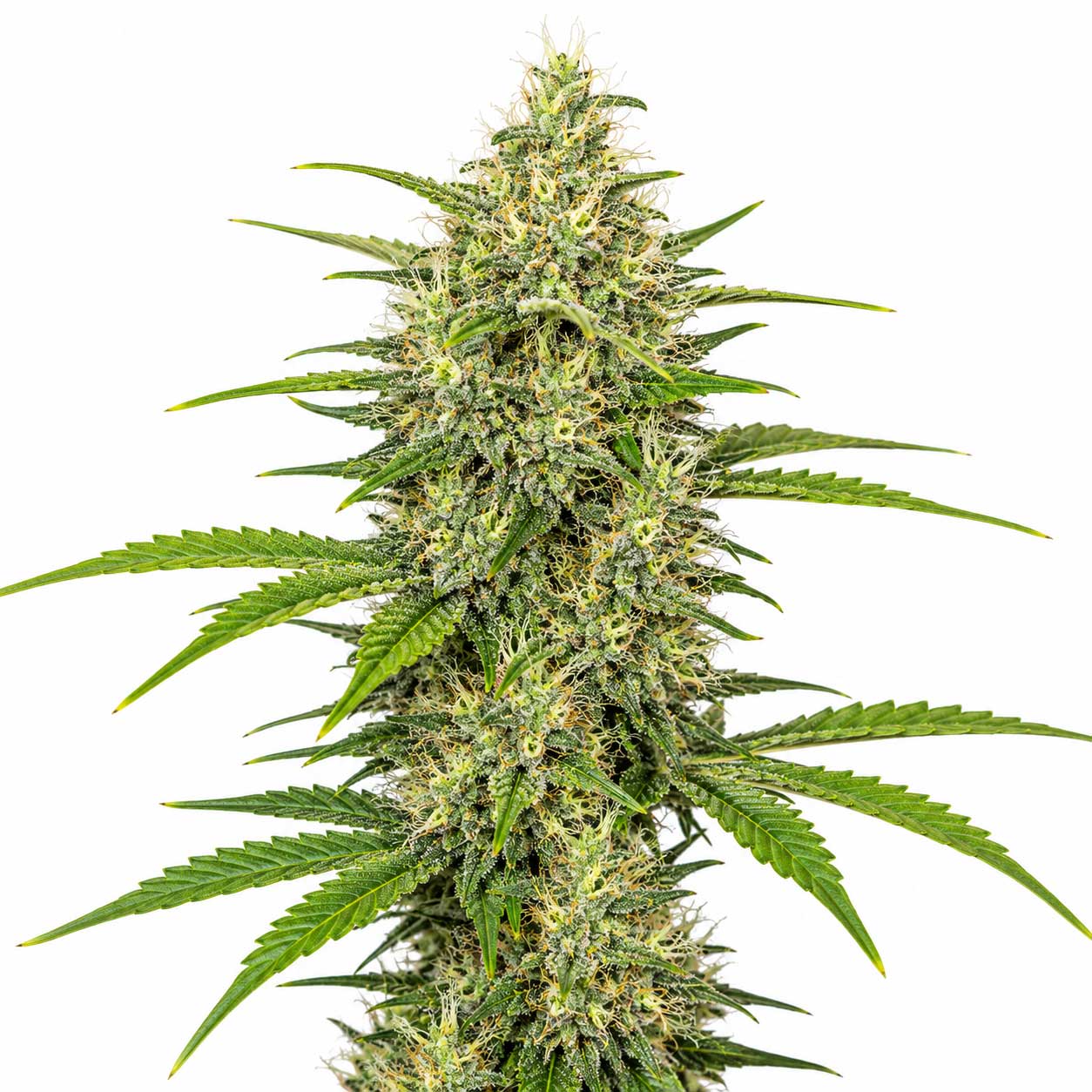
Chem 91 (Cannabis Strain)
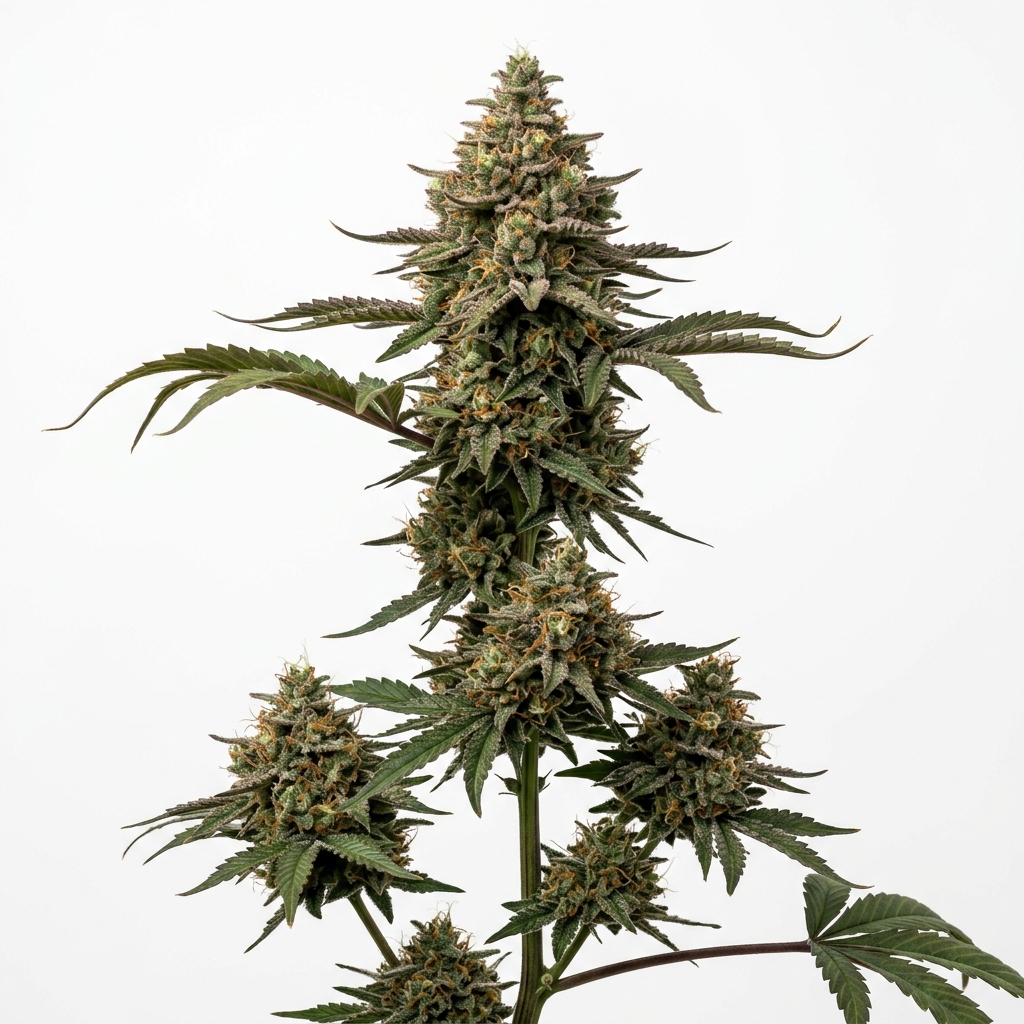
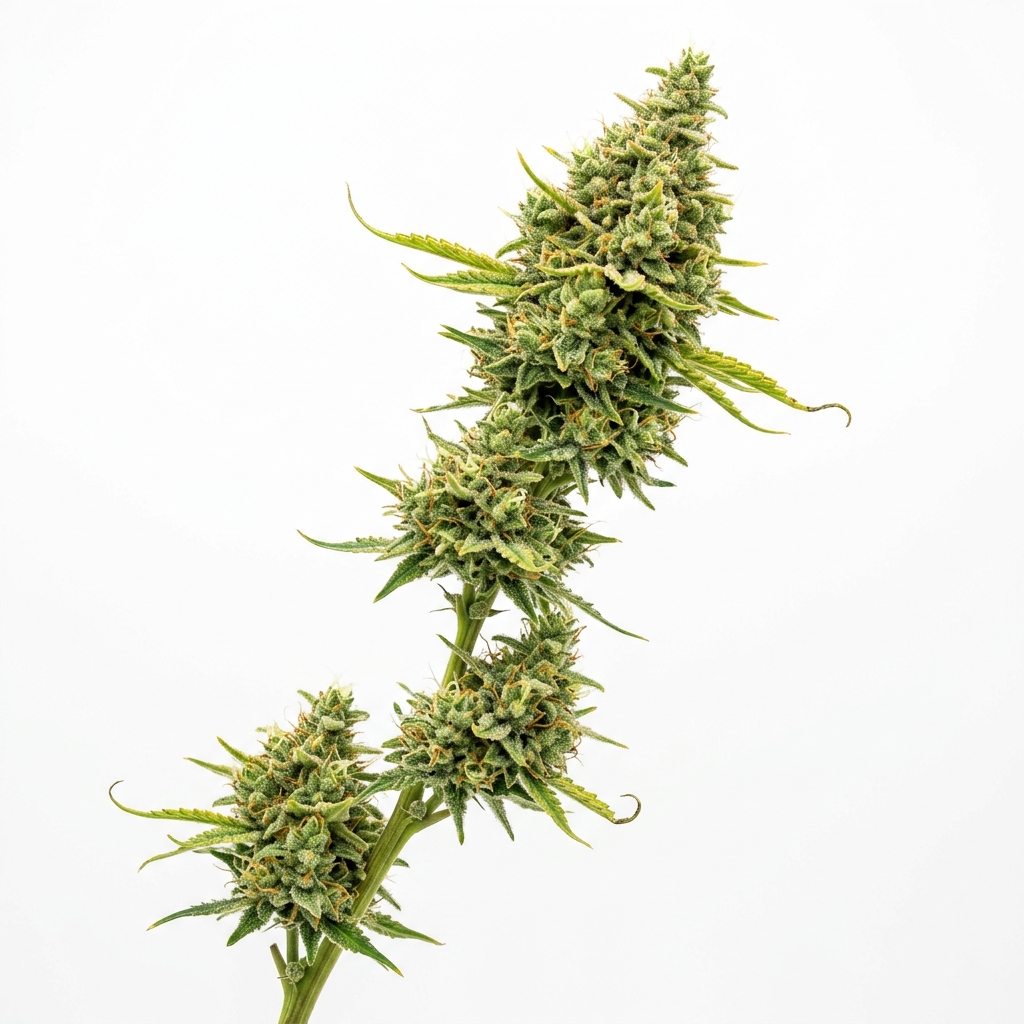
Chem 91 (also commonly referred to as Chemdawg 91) is a legendary clone-only cultivar testing between 20% and 26% THC, widely regarded as the cornerstone of modern gas-profile breeding. Originating from a historic bagseed line, this hybrid yields greasy resin on slender, light green spear colas and shows a stretchy growth habit that requires structural support. Its profile is defined by an intense chemical fuel aroma with skunky, earthy undertones, delivering a heavy, mind-focused experience that transitions into deep physical relaxation.
Since emerging in the early 1990s, the original clone has maintained its status through sheer potency and genetic stability. Growers prize it for its unmatched terpene clarity, while breeders continue to rely on its raw chemical traits to anchor new fuel-forward crosses.
Quick Facts
| Field | Details |
|---|---|
| Genetics | Unknown bagseed origin (Dog Bud lineage) |
| Variety | Indica-leaning Hybrid |
| THC Range | 20% – 26% |
| Flowering Time | 9 – 10 weeks |
| Yield Potential | Moderate |
| Plant Height | Tall (significant stretch) |
| Climate Preference | Controlled indoor / warm, dry outdoor |
| Difficulty | Moderate to High |
Scientific & Botanical Overview
Structurally, Chem 91 shows classic hybrid morphology with a strong leaning toward its sativoid ancestors in its internodal spacing and stretching behavior. The leaves are typically broad but thin-fingered, transitioning to a lighter lime-green hue during the mid-flowering phase.
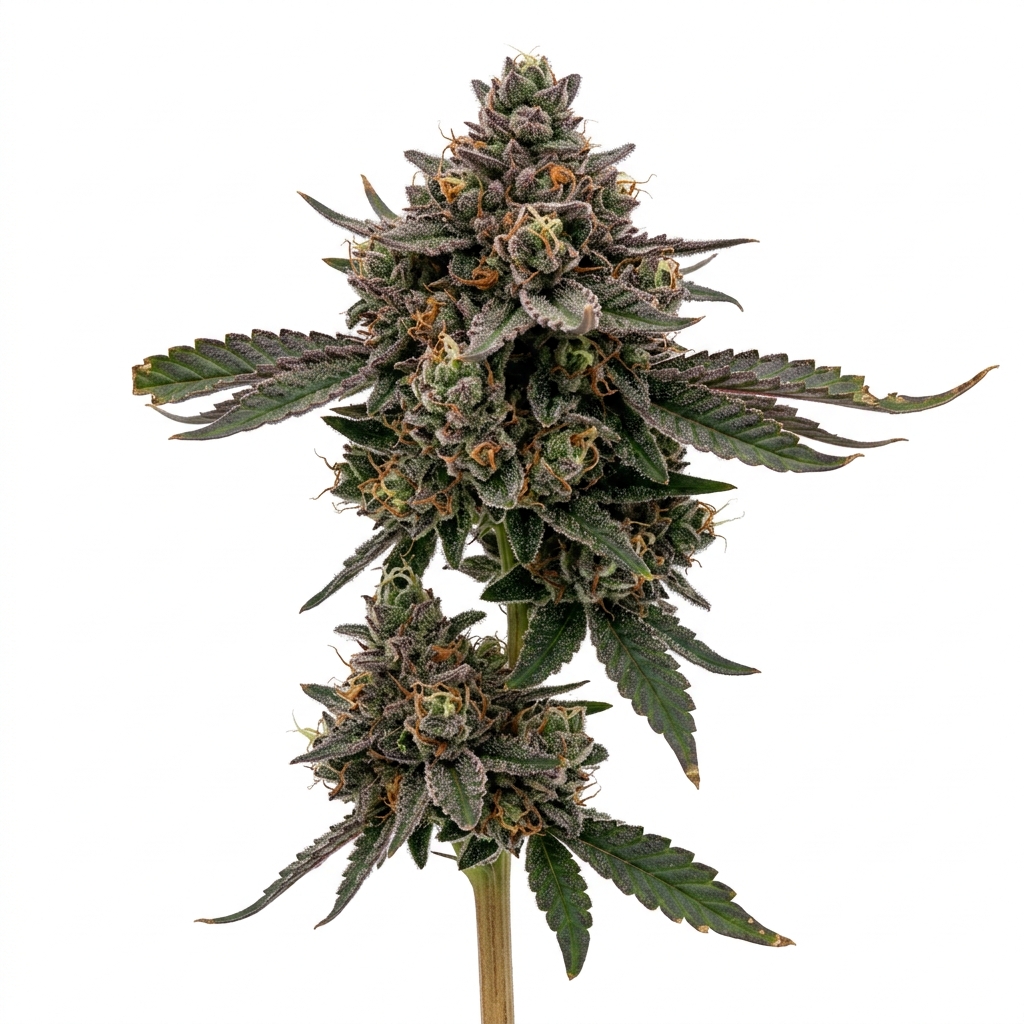
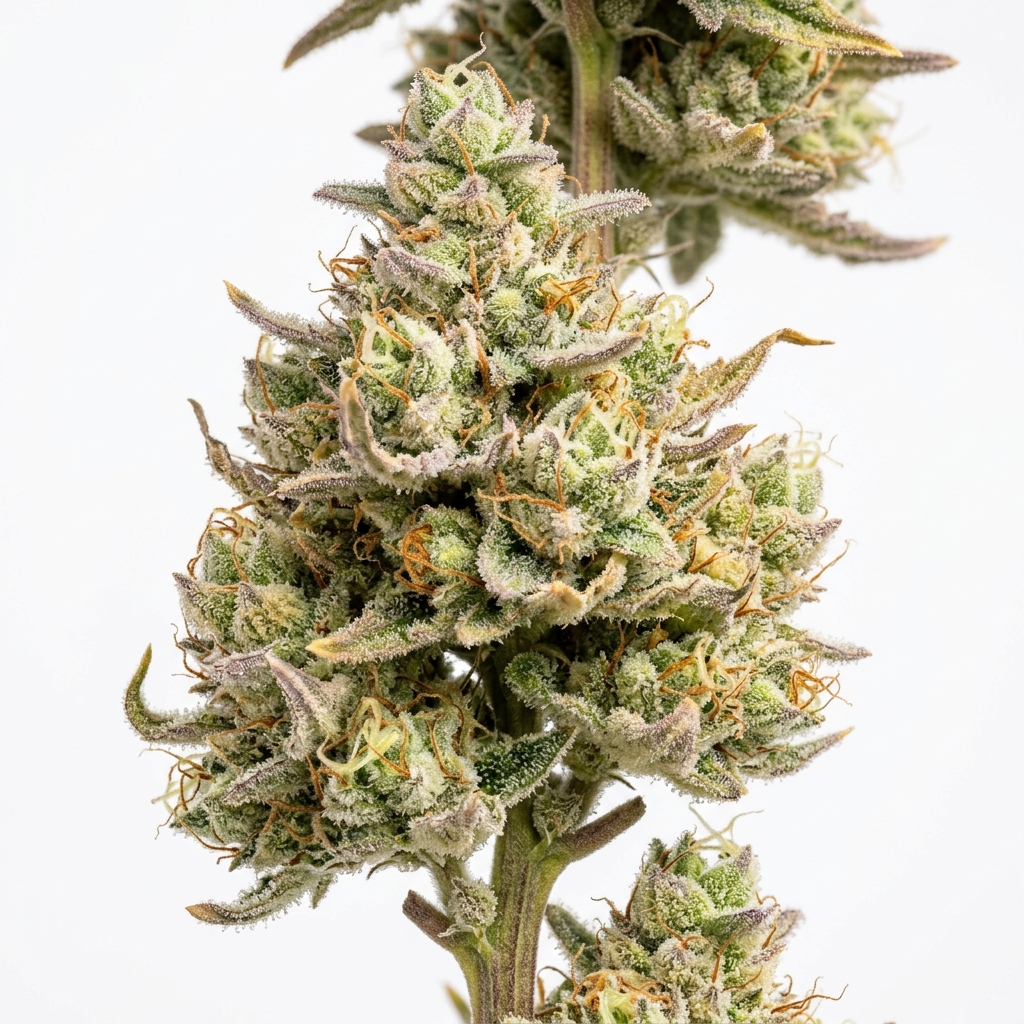
The cultivar produces elongated, spear-shaped colas rather than dense, rounded golf-ball structures. Swollen calyxes stack tightly along the stems, coated in a layer of greasy, wet-looking trichomes that feel exceptionally sticky to the touch.
Stem rub assessments during early vegetative growth yield a sharp, rubbing-alcohol odor that hints at the heavy hydrocarbon production to come. This early resin development demands careful attention to air circulation, as the dense inner canopy can trap moisture easily.
Effects & Use-Cases (Reported)
Commonly reported effects: A rapid, clear-headed cerebral onset that sharpens sensory awareness before settling into a heavy, warm body stone. Many note a strong sense of physical ease without immediate sedation, allowing for creative focus or quiet conversation.
Use-case context: Best suited for late afternoon or evening sessions when physical demands are low but mental engagement is still desired. Its potent profile makes it a favorite among experienced consumers looking to unwind without inducing heavy sleep.
Note: Due to its high potency and rapid onset, novice consumers should approach this cultivar with caution to avoid overstimulation.
Aroma & Flavors
Aroma: A pungent blast of industrial chemical fuel, kerosene, and sour skunk, cut by a sharp citrus lift.
Flavor: The smoke carries a heavy, earthy kush base with a sharp diesel bite and a lingering, acrid chemical finish on the exhale.
Terpene associations: Dominant in caryophyllene, myrcene, and limonene, which drive its classic chemical and fuel-forward profile.
Tested Cannabinoid & Terpene Ranges
| Compound | Typical Range |
|---|---|
| Δ9-THC | 20.0% – 26.0% |
| CBD | < 0.5% |
| β-Caryophyllene | 0.4% – 0.9% |
| Myrcene | 0.3% – 0.7% |
| Limonene | 0.2% – 0.6% |
Quantitative values represent typical laboratory profiles for the original Chem 91 clone-only cut. Individual results vary significantly based on cultivation methodology, light spectrum, and curing techniques.
Cultivation Notes
- Structural Support: The thin branches and heavy colas require early trellising or stakes to prevent snapping during late flower.
- Humidity Management: Maintain late-flower humidity below 45% to protect the dense, resin-rich flowers from mold and bud rot.
- Nutrient Sensitivity: Chem 91 is sensitive to nitrogen toxicity in early flower; transition to bloom nutrients gradually.
- Cloning: The original clone roots relatively easily but requires a clean, sterile environment to avoid systemic pathogens.
- Stress Prevention: Keep environmental conditions highly stable, as sudden temperature swings or light leaks can induce hermaphroditic tendencies.
Grower Notes (Week-by-Week Snapshot)
- Weeks 1–3 (The Stretch): Plants will double or triple in height upon flipping to a 12/12 light cycle. Early tucking into a SCROG screen is highly recommended to manage the canopy height.
- Weeks 4–6 (Flower Development): Small, white-haired button buds form along the elongated stems. A distinct kerosene smell begins to emerge, and the first visible layer of greasy resin coats the fan leaves.
- Weeks 7–9 (Ripening & Flush): Calyxes swell and the pistils turn a deep amber color. Reduce nitrogen entirely and begin a clean water flush in the final 10 to 14 days to preserve terpene clarity.
- Post-Harvest (Cure): Hang dry the entire plant at 60°F and 60% humidity for 14 days. A slow dry is essential to lock in the volatile chemical aromas and prevent a grassy finish.
Genetic Lineage
The exact origin of Chem 91 remains one of the most famous mysteries in cannabis history. The prevailing consensus traces the strain back to a single bag of high-grade “Dog Bud” purchased at a Grateful Dead show in Indiana in 1991, from which a handful of seeds were later popped on the East Coast.
From these seeds, the “91” cut was selected and preserved, eventually serving as the direct genetic parent or ancestor to legendary lines like Sour Diesel, OG Kush, and Underdog OG. Its genetic footprint is permanently stamped across the entire modern diesel and gas family.
Research Insights
Analytical testing of the Chem 91 profile highlights a high concentration of volatile monoterpenes alongside heavy sesquiterpenes. The synergy between high levels of caryophyllene and limonene contributes to the sharp, acrid fuel aroma that defines the olfactory profile of its descendants.
Furthermore, its genetic stability over three decades of vegetative cloning makes it a subject of study for somatic mutation rates in cannabis. Breeders continue to use its robust terpene pathways to introduce chemical and skunk traits into modern dessert-dominant hybrids.
Frequently Asked Questions
Is Chem 91 an indica or sativa?
Chem 91 is an indica-leaning hybrid. While its physical growth characteristics, such as significant stretch and narrow leaflets, lean toward sativa, its heavy physical effects and flower structure reflect its indica heritage.
How does Chem 91 differ from Chemdawg?
Chem 91 is the original, specific clone-only phenotype selected from the initial seed batch popped in 1991. “Chemdawg” is often used as a broad umbrella term for the family, which includes other sister cuts like Chem Sis, Chem 4, and Chem D.
What does Chem 91 smell like?
It has an intense, pungent aroma dominated by industrial chemicals, kerosene, and sour skunk. Underneath the heavy gas, there are subtle notes of damp earth and sharp lemon.
Is Chem 91 easy to grow?
No, it is considered moderately difficult to grow. It requires active canopy management due to its heavy stretch, needs physical support for its floppy branches, and is sensitive to environmental stress.
Educational Disclaimer
This article is for educational and informational purposes only. Cultivation and consumption of cannabis are subject to varying local laws and regulations.
Rate and review this strain
Ratings and reviews are accepted only from signed-in Google accounts.
Sign in with Google to leave a rating and written review.
Latest Reviews
0 reviewsNo reviews yet. Be the first Google user to rate and review this strain.
Follow New Cultivar Records
Get newly documented genetics, breeder history, research highlights, and important Strainpedia discoveries by email.