Red Pop (Cannabis Strain)
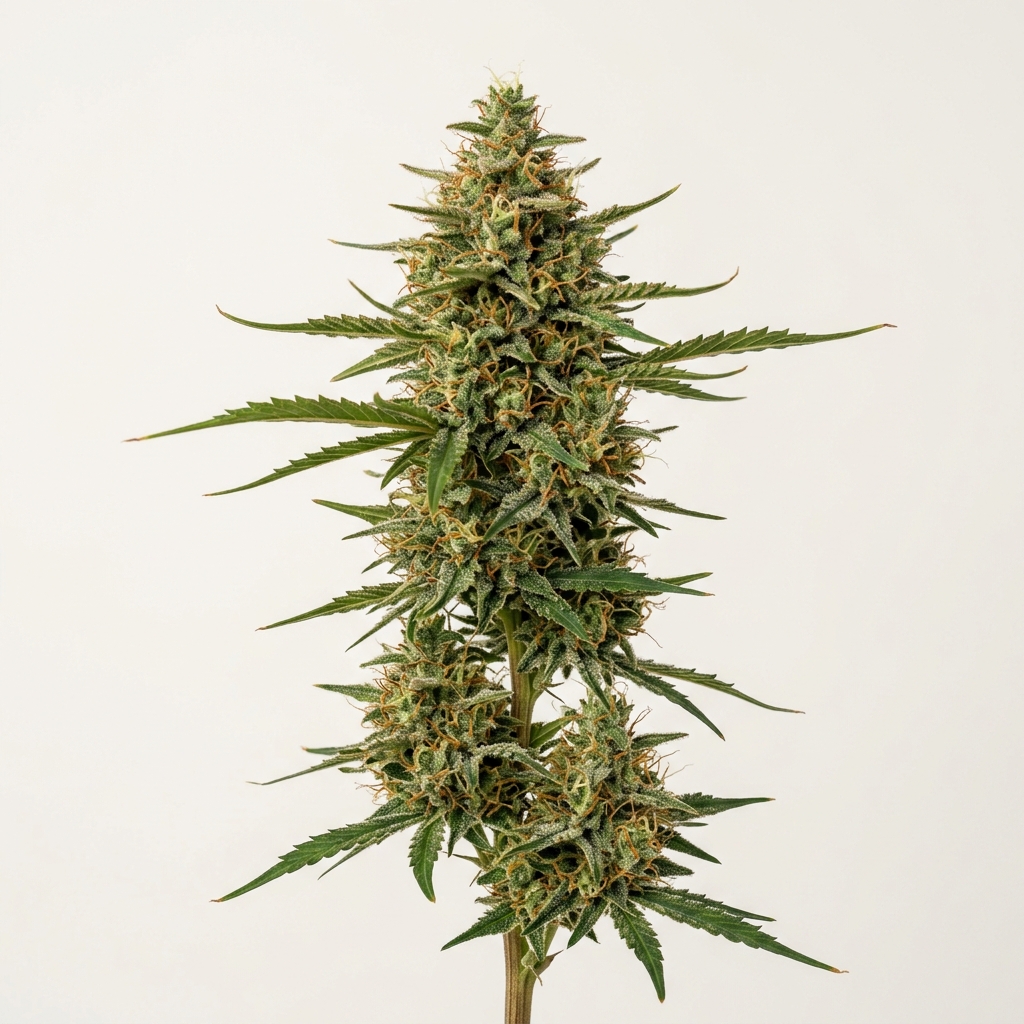
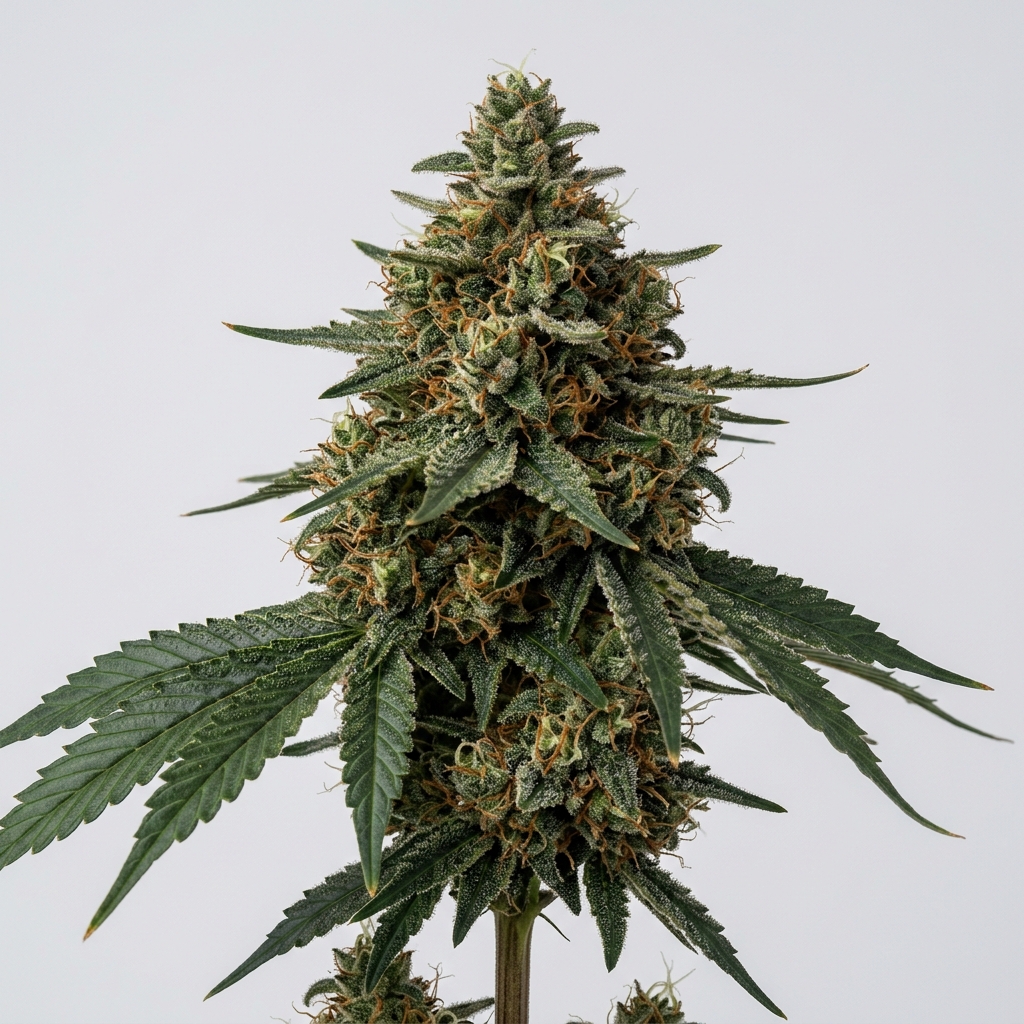
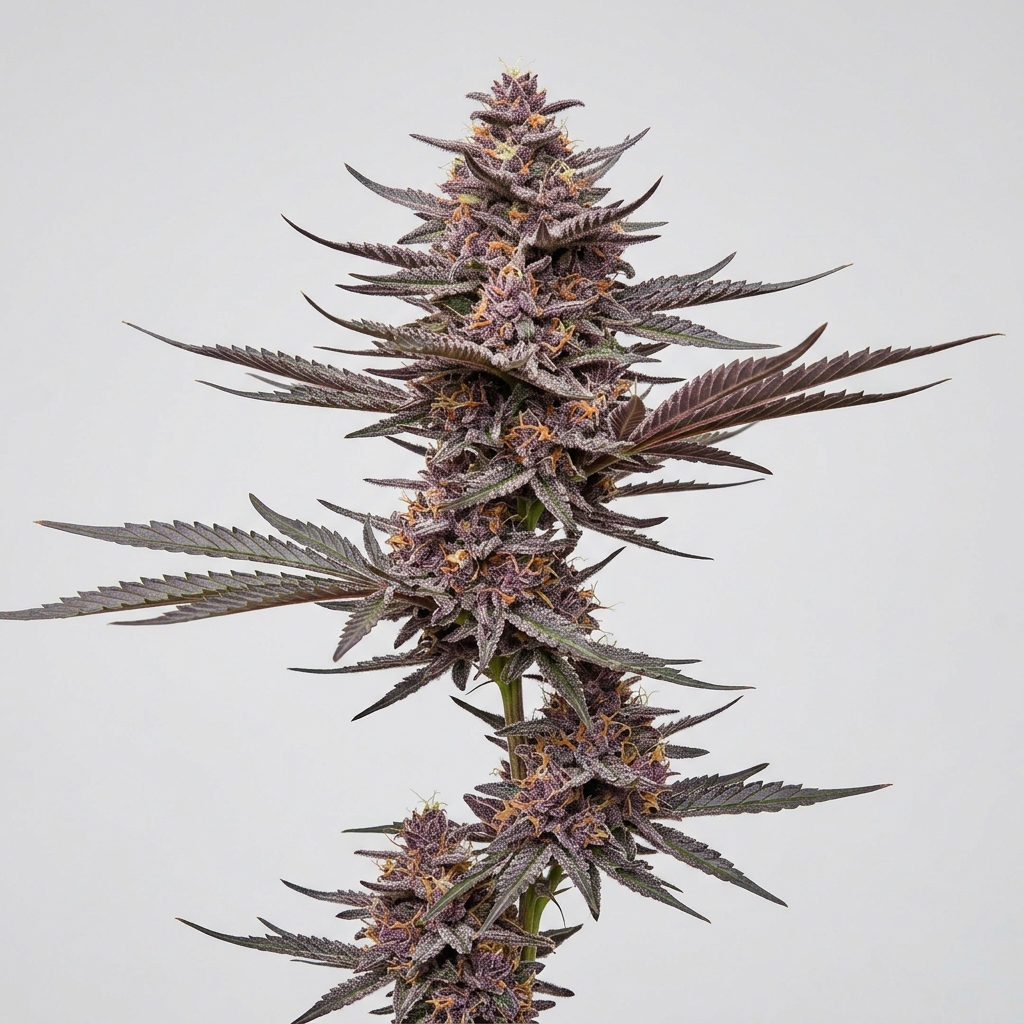
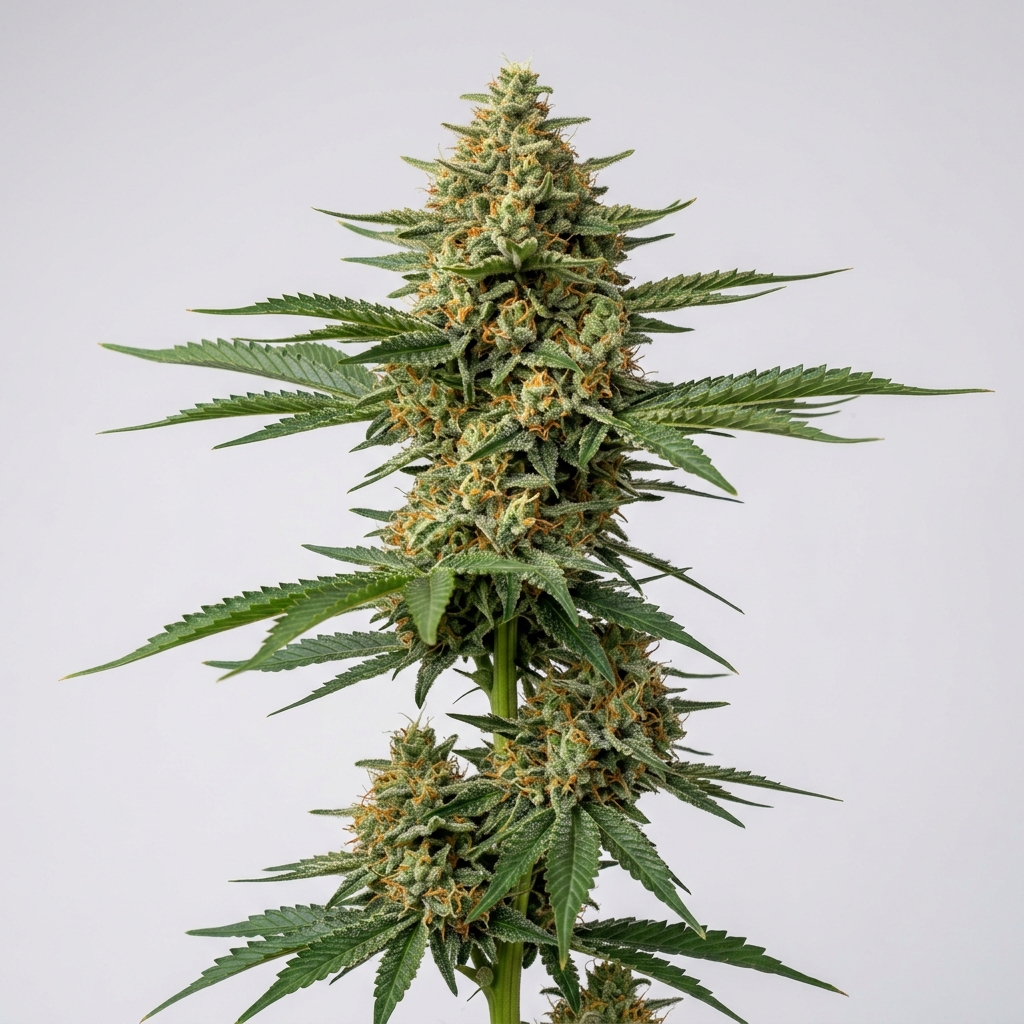
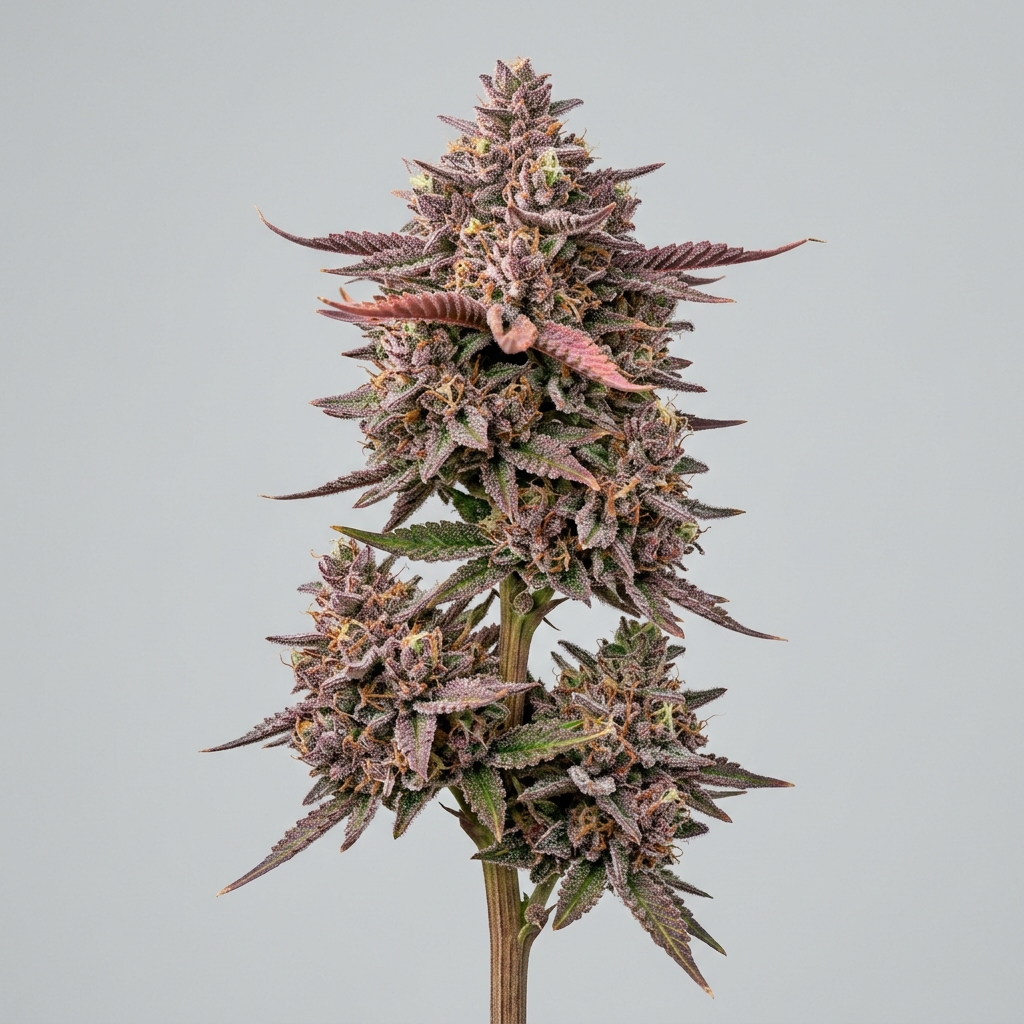
Red Pop is an indica-dominant hybrid typically testing between 20% and 26% THC, bred by crossing a classic Afghani landrace with a sweet, proprietary Strawberry phenotype. Known for its distinct strawberry soda aroma and heavy resin production, this cultivar develops dense, glassy buds that carry a distinct red and purple hue late in flower. It shows a controlled, bush-like growth structure with tight internodal spacing, making it a favorite among extraction artists and boutique cultivators seeking a true candy-forward terpene profile.
The strain has gained significant traction in contemporary breeding projects, frequently serving as a robust pollen donor to inject sweet, fizzy notes into modern hybrids. Its visual appeal is defined by swollen calyxes coated in a greasy resin layer that preserves volatile terpenes during the drying process.
Quick Facts
| Attribute | Details |
|---|---|
| Genetics | Afghani × Strawberry Phenotype |
| Variety | Indica-dominant Hybrid |
| THC Range | 20% – 26% |
| Flowering Time | 8 – 9 Weeks |
| Yield Potential | Moderate to High |
| Plant Height | Medium (Controlled Stretch) |
| Climate Preference | Temperate, Low Late-Flower Humidity |
| Difficulty | Moderate |
Scientific & Botanical Overview
Botanically, Red Pop displays classic indica morphology with broad fan leaves and a sturdy, lateral branching habit. The plants maintain a compact canopy, directing energy toward dense terminal colas rather than excessive vertical stretch.
During mid-to-late flower, the cultivar undergoes a noticeable color shift, producing deep anthocyanin pigments that range from dark violet to subtle reddish-pink. This coloration is accompanied by a rapid accumulation of glandular trichomes, giving the mature flowers a wet frost appearance.
The bracts are tightly packed and highly resinous, requiring consistent airflow to prevent moisture pocketing. Growers typically manage the dense canopy early in the vegetative cycle to ensure light penetration reaches the lower node sites.
Effects & Use-Cases (Reported)
Commonly reported effects: Users frequently describe a calming, body-centric relaxation paired with a soft, euphoric mental lift. The onset is typically gradual, settling into a heavy physical ease without immediate sedation.
Use-case context: This cultivar is well-suited for late afternoon or evening use, providing a relaxing transition after daily activities. Its soothing nature makes it popular among those looking to unwind without the jarring, high-energy stimulation of sativa-dominant varieties.
Note: Individual experiences vary based on tolerance, dosage, and specific phenotype chemistry.
Aroma & Flavors
Aroma: The initial scent profile is dominated by a sweet, artificial cherry and strawberry soda note, backed by a subtle, earthy undertone. Breaking the buds releases a sharper, slightly fizzy quality reminiscent of carbonated candy.
Flavor: On the palate, the strain delivers a pronounced candied berry flavor, followed by a faint herbal and spicy finish. The smoke is exceptionally smooth, leaving a lingering sweetness on the exhale.
Terpene associations: The dominant terpenes commonly associated with this profile include caryophyllene, limonene, and myrcene.
Tested Cannabinoid & Terpene Ranges
| Compound | Typical Range |
|---|---|
| Δ9-THC | 20.0% – 26.0% |
| CBD | < 1.0% |
| β-Caryophyllene | 0.4% – 0.8% |
| d-Limonene | 0.3% – 0.6% |
| β-Myrcene | 0.2% – 0.5% |
Range note: These ranges are literature-informed references. Actual cannabinoid and terpene levels are highly dependent on specific phenotypes, environmental conditions, and cultivation methods.
Cultivation Notes
- Humidity management: Maintain relative humidity below 45% during the final three weeks of flowering to protect the dense, heavy colas from mold.
- Nutrient feeding: Red Pop responds well to a moderate feeding schedule, with a slight increase in potassium and phosphorus during peak flower development.
- Canopy training: use Low Stress Training (LST) and early topping to encourage lateral growth and maximize the efficiency of the compact structure.
- Defoliation: Perform a thorough defoliation right before initiating the flower cycle, and a light cleanup around day 21 of flower to optimize airflow.
- Temperature control: Drop night temperatures by 5 to 10 degrees Fahrenheit during the final two weeks of flower to stimulate the expression of deep red and purple hues.
Grower Notes (Week-by-Week Snapshot)
- Weeks 1–3 (Transition & Early Stretch): The plant shows a controlled stretch, usually doubling in height. Focus on securing branches and establishing a clean, even canopy using trellis netting.
- Weeks 4–6 (Bud Formation & Resin Onset): White pistils cluster rapidly as the first signs of wet frost appear on the sugar leaves. The sweet, soda-like aroma begins to develop, requiring early carbon filter management.
- Weeks 7–9 (Ripening & Color Shift): Calyxes swell significantly, and the fan leaves begin their natural senescence. Lowering night temperatures now will draw out the characteristic red and purple tones as trichomes transition from clear to milky.
- Post-Harvest (Slow Dry & Cure): Hang the entire plant to dry at 60°F and 60% relative humidity for 11 to 14 days. A slow dry preserves the delicate, volatile monoterpenes responsible for the sweet candy finish.
Genetic Lineage
The genetic foundation of Red Pop is rooted in a deliberate pairing of old-school stability and modern flavor selection. The maternal contributor is a robust Afghani landrace, which passes down a sturdy structural frame, dense flower clusters, and a heavy, resinous output.
The paternal influence comes from a proprietary, highly aromatic Strawberry phenotype selected for its distinct candy sweetness. This combination successfully tempers the sharp, earthy qualities of the landrace parent with a bright, fruit-forward terpene expression.
Research Insights
Analytical testing of Red Pop frequently highlights a high concentration of caryophyllene alongside secondary monoterpenes like limonene and myrcene. This specific distribution suggests a chemical profile optimized for physical relaxation, as caryophyllene directly interacts with peripheral cannabinoid receptors.
From a breeding perspective, the cultivar is highly valued for its stable inheritance patterns. Breeders often select Red Pop to pass down its dense bract structure, purple coloration, and sweet, fizzy aroma to progeny without compromising overall vigor.
Frequently Asked Questions
What is the origin of the Red Pop strain?
Red Pop was developed by Exotic Genetix, utilizing a selection from an Afghani landrace crossed with a sweet, proprietary Strawberry phenotype to achieve its unique soda-like profile.
Does Red Pop turn purple during flower?
Yes, this cultivar frequently displays deep purple and reddish hues late in the flowering cycle, especially when exposed to cooler nighttime temperatures during the final weeks.
What are the dominant aromas of Red Pop?
The strain is widely recognized for its sweet, artificial strawberry soda and candied cherry aroma, accented by a faint, carbonated fizz and earthy undertones.
Is Red Pop difficult to grow?
It is considered a moderate strain to cultivate. While its compact structure is easy to manage, its dense flower clusters require careful humidity control during late flower to prevent moisture-related issues.
Educational Disclaimer
This material is provided for educational and informational purposes only. Cultivation of cannabis is subject to varying local laws and regulations. Always consult local guidelines before germinating seeds or cultivating live plants.
Rate and review this strain
Ratings and reviews are accepted only from signed-in Google accounts.
Sign in with Google to leave a rating and written review.
Latest Reviews
0 reviewsNo reviews yet. Be the first Google user to rate and review this strain.