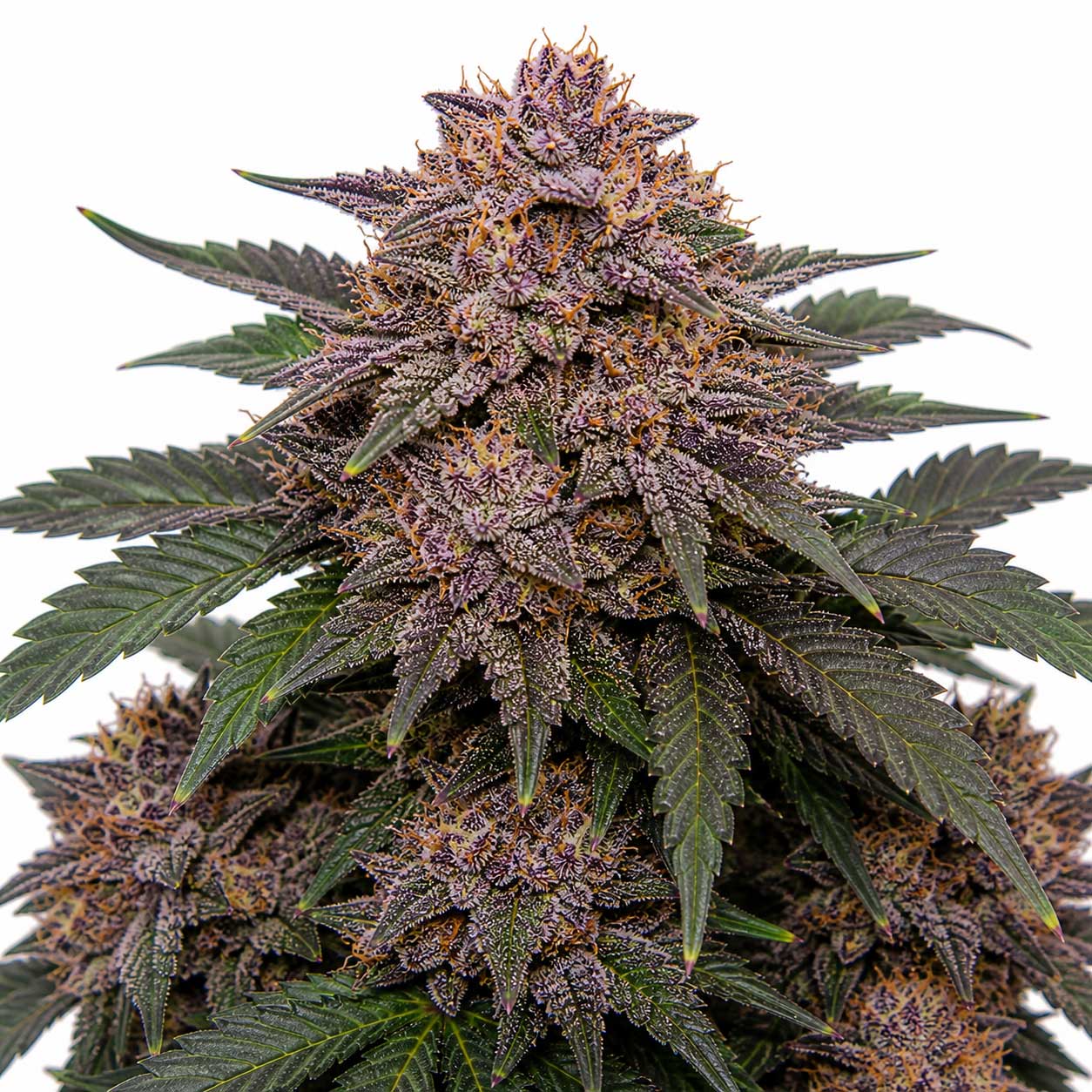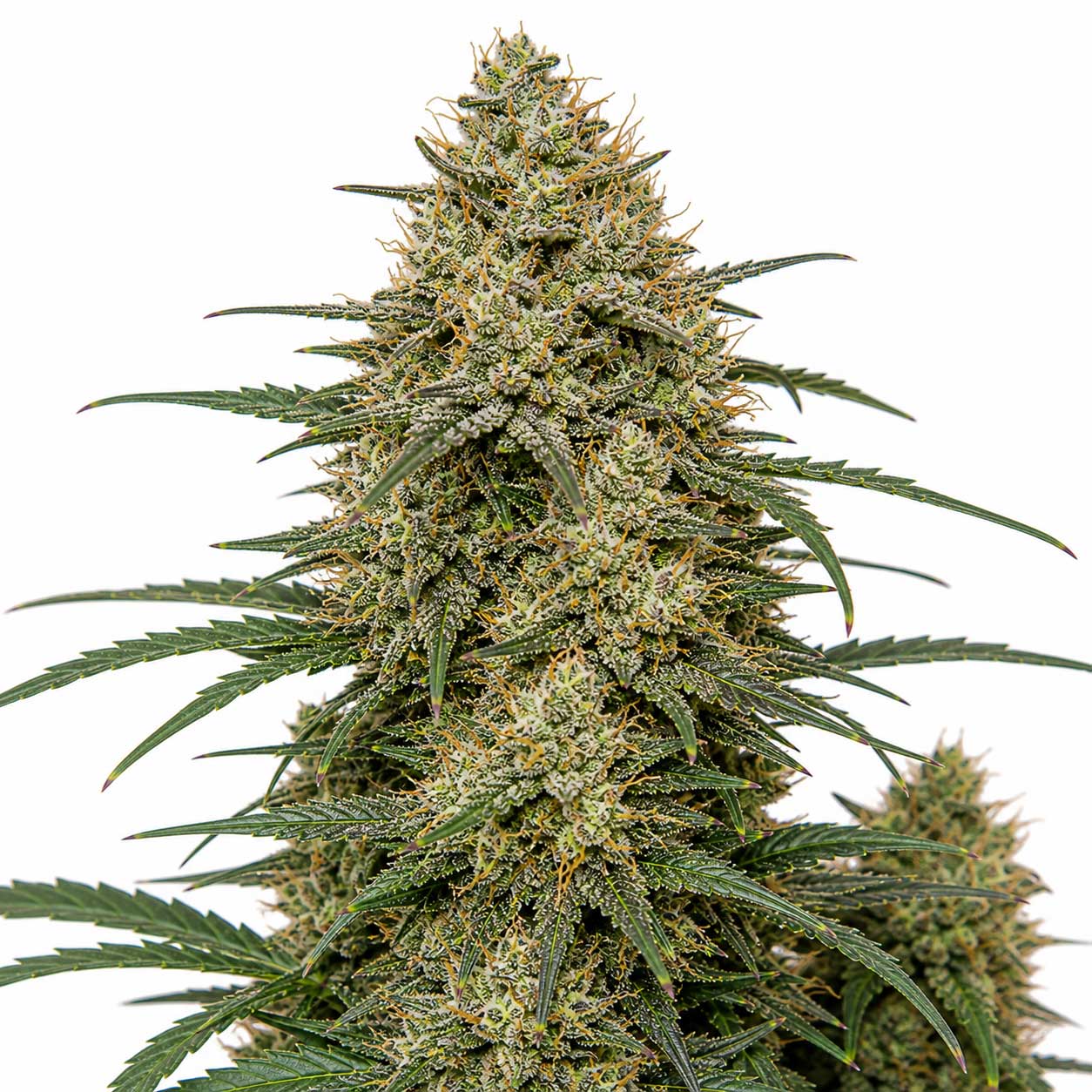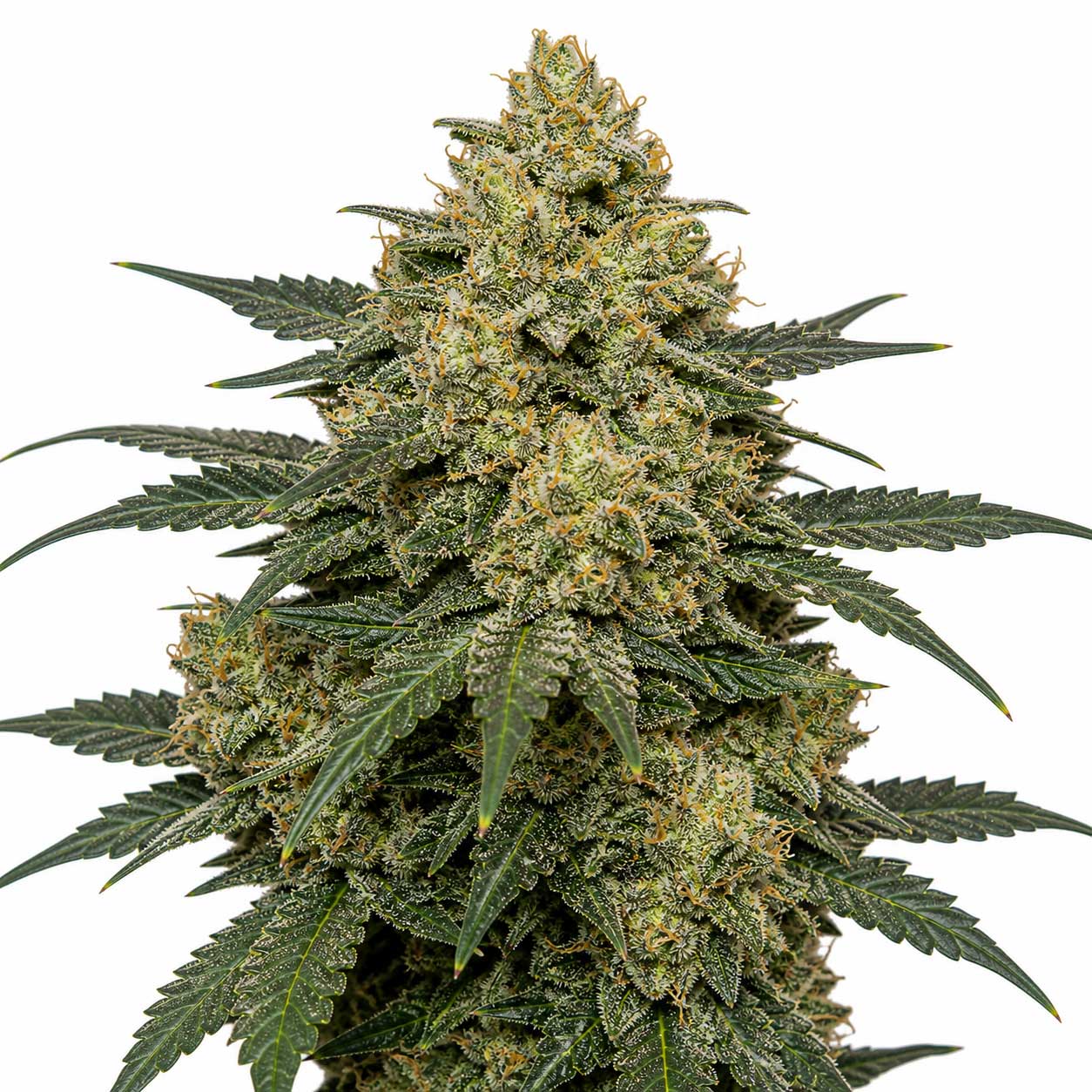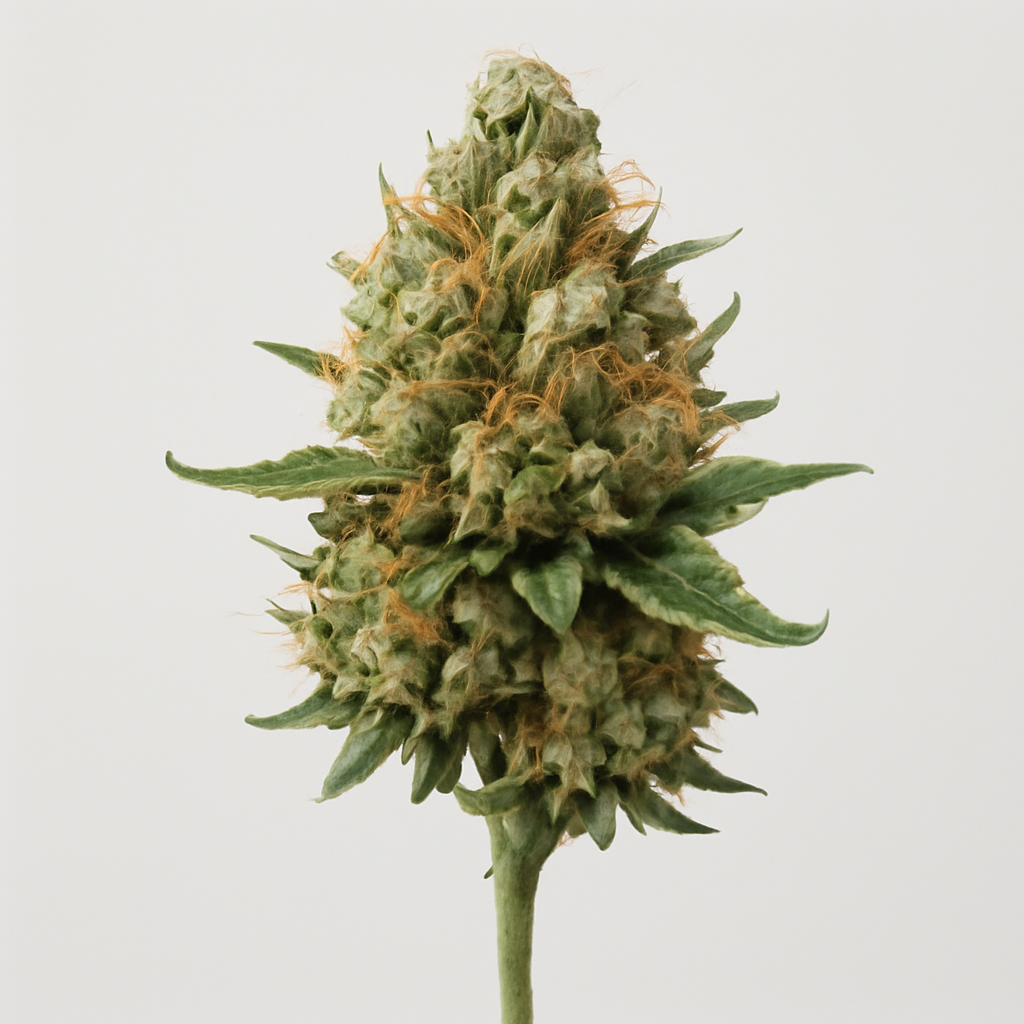
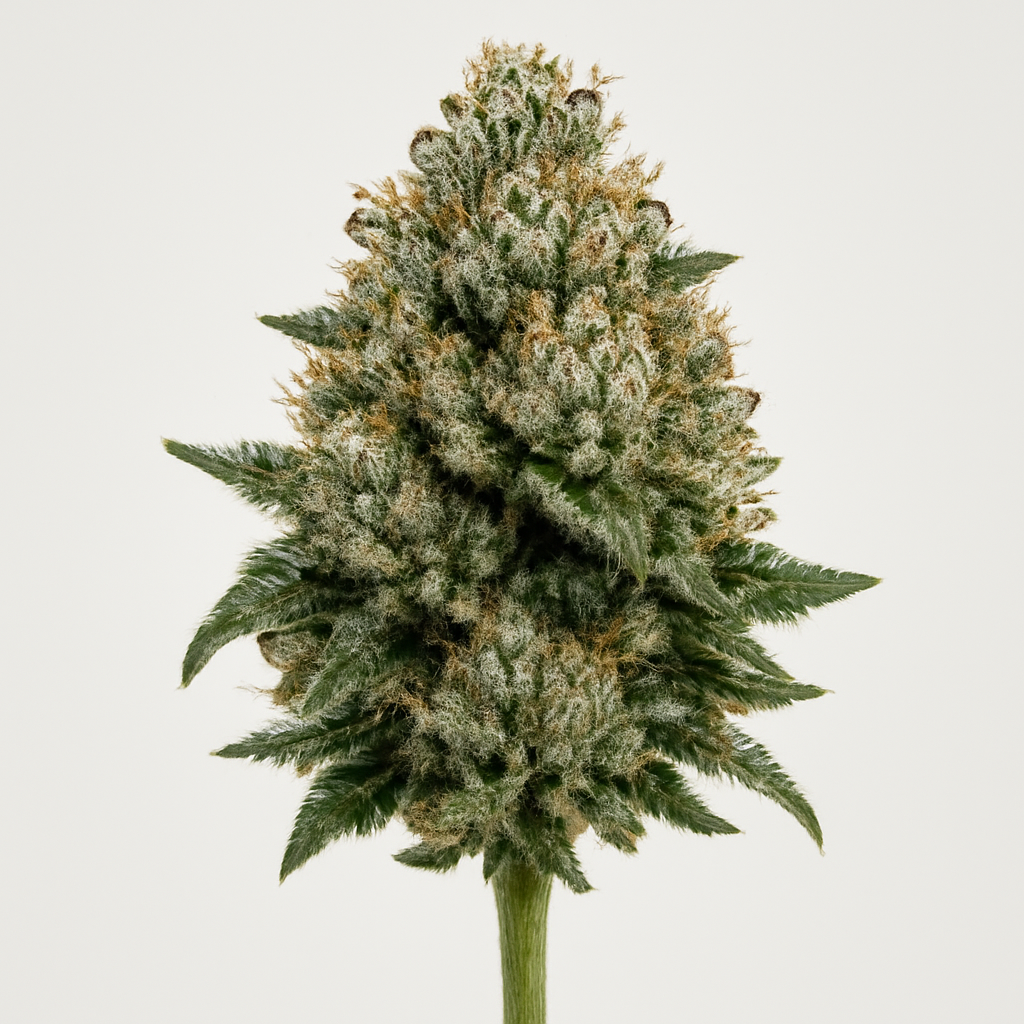
SFV OG Kush (Cannabis Strain)
SFV OG Kush is an elite indica-dominant hybrid testing between 20% and 26% THC, originally selected as a standout phenotype of OG Kush in California’s San Fernando Valley. This legendary cut is celebrated for its greasy resin production, tight internodal spacing, and a sharp, fuel-forward aroma accented by tart lemon peel and earthy pine. Grown primarily for its loud terpene profile and dense, spear-shaped colas, it remains a foundational building block for contemporary West Coast breeding.
Unlike sweeter, dessert-style modern hybrids, this cultivar preserves the raw, chemical-gassy funk that defined early-2000s cannabis culture. It is highly regarded by cultivators and extraction artists who demand uncompromising potency and a heavy, resin-rich yield.
Quick Facts
| Fact | Detail |
|---|---|
| Genetics | OG Kush phenotype (San Fernando Valley selection) |
| Variety | Indica-dominant Hybrid |
| THC Range | 20% – 26% |
| Flowering Time | 8 – 9 Weeks |
| Yield Potential | Moderate to High |
| Plant Height | Medium (with moderate stretch) |
| Climate Preference | Warm, dry, low humidity |
| Difficulty | Moderate |
Scientific & Botanical Overview
Botanically, SFV OG Kush exhibits a classic indica-leaning structure characterized by sturdy, thick stems and broad fan leaves that transition to narrower leaflets during the stretch phase. The internodal spacing is tight, allowing for dense clusters of swollen calyxes to stack along the lateral branches.
The cultivar is highly resinous, producing glandular trichomes that cover both the bracts and surrounding sugar leaves in a thick layer of wet frost. Unlike some modern hybrids that sacrifice structure for color, this selection focuses its energy on calyx density and terpene concentration.
Its physical resilience is notable, though its dense flower structure makes late-flower humidity management critical to prevent moisture retention within the colas. Breeders value this selection for its genetic stability, often using it to introduce a reliable fuel-and-citrus backbone to new crosses.
Effects & Use-Cases (Reported)
Commonly reported effects: A rapid, cerebral lift that quickly transitions into a deep, warming body relaxation and heavy physical stillness.
Use-case context: Ideal for late-evening sessions, wind-down routines, or quiet social settings where a heavy, grounding physical character is preferred.
Note: These observations are based on historical user reports and should not be interpreted as medical advice or clinical guidelines.
Aroma & Flavors
Aroma: Sharp diesel fuel, pungent wet earth, pine resin, and a bright, chemical-like lemon peel lift.
Flavor: A robust blend of citrus rind, peppery hash, and woody pine that coats the palate on the inhale.
Terpene associations: Typically dominated by myrcene, limonene, and caryophyllene, creating a classic gassy-citrus profile.
Tested Cannabinoid & Terpene Ranges
| Compound | Typical Range | Notes |
|---|---|---|
| Δ9-THC | 20% – 26% | High concentration in indoor-grown flowers |
| CBD | < 0.5% | Trace levels only |
| Myrcene | 0.20% – 0.60% | Contributes to the musky, earthy undertone |
| Limonene | 0.15% – 0.45% | Drives the sharp citrus and lemon top notes |
| Caryophyllene | 0.10% – 0.35% | Adds a spicy, black pepper finish |
Tested values represent typical analytical ranges across multiple cultivation environments; individual results will vary based on growing methods and curing protocols.
Cultivation Notes
- Keep late-flower relative humidity below 45% to prevent mold in the dense, resin-rich colas.
- Utilize low-stress training (LST) and light defoliation to improve light penetration and airflow through the canopy.
- Provide a robust nutrient regimen during the vegetative phase, but ease off nitrogen early in the flowering cycle to avoid leaf burn.
- Aim for a slow, controlled dry of 10 to 14 days at 60°F and 60% humidity to preserve the volatile terpene profile.
Grower Notes (Week-by-Week Snapshot)
- Weeks 1–3 (The Stretch): Expect a moderate stretch of up to 50-80% after flipping to a 12/12 light cycle; secure lateral branches early to support future bud weight.
- Weeks 4–6 (Mid-Flower): Resin production begins to accelerate rapidly, coating the developing calyxes in a sticky, wet frost while a sharp citrus-fuel aroma emerges.
- Weeks 7–9 (Late-Flower & Harvest): The colas swell significantly, and pistils turn deep orange; flush the medium during the final 10 days as trichomes transition from clear to milky.
Genetic Lineage
The exact origin of the parent OG Kush lineage remains a subject of friendly debate, but the SFV cut was isolated in the San Fernando Valley by growers seeking to preserve the most pungent, fuel-forward phenotypes. It represents a highly stable phenotype selection rather than a modern hybrid cross, maintaining the raw, unadulterated traits of early California Kush.
Over the decades, this specific selection has been preserved via cloning and backcrossing, serving as the genetic foundation for legendary lines like SFV OG Kush IBL and numerous award-winning OG hybrids. Its enduring popularity is a testament to the timeless appeal of its sharp chemical and earthy profile.
Research Insights
The synergistic relationship between its high concentration of myrcene and limonene is of particular interest to researchers studying cultivar-specific effects. While limonene typically provides a bright, uplifting sensory cue, the high levels of myrcene in this selection appear to anchor the physical experience, leading to the characteristic heavy relaxation reported by consumers.
Additionally, the presence of caryophyllene acts as a functional balance, interacting directly with peripheral receptors to complement the overall cannabinoid delivery. This specific chemical arrangement makes SFV OG Kush a valuable reference point for analyzing classic, non-hybridized chemotypes.
Frequently Asked Questions
Is SFV OG Kush an indica or a sativa?
SFV OG Kush is an indica-dominant hybrid, displaying the compact growth, dense bud structure, and relaxing physical effects typical of classic indica-leaning cultivars.
How does SFV OG Kush differ from standard OG Kush?
SFV OG Kush is a specific phenotype selection of the original OG Kush lineage, isolated in the San Fernando Valley for its sharper lemon-fuel aroma, heavier resin production, and slightly more compact growth habit.
What are the dominant terpenes in SFV OG Kush?
The primary terpenes found in this strain are myrcene, limonene, and caryophyllene, which combine to create its signature gassy, citrusy, and woody pine aroma.
Is this strain difficult to grow?
It is considered moderately difficult to grow, requiring careful humidity control in late flower due to its dense colas, along with regular pruning to ensure proper airflow.
Educational Disclaimer
This content is provided for educational and informational purposes only. It is not intended as medical advice, diagnosis, or treatment. Cultivation of cannabis is subject to varying legal regulations globally; always consult local laws before germinating seeds or propagating clones.
Rate and review this strain
Ratings and reviews are accepted only from signed-in Google accounts.
Sign in with Google to leave a rating and written review.
Latest Reviews
0 reviewsNo reviews yet. Be the first Google user to rate and review this strain.