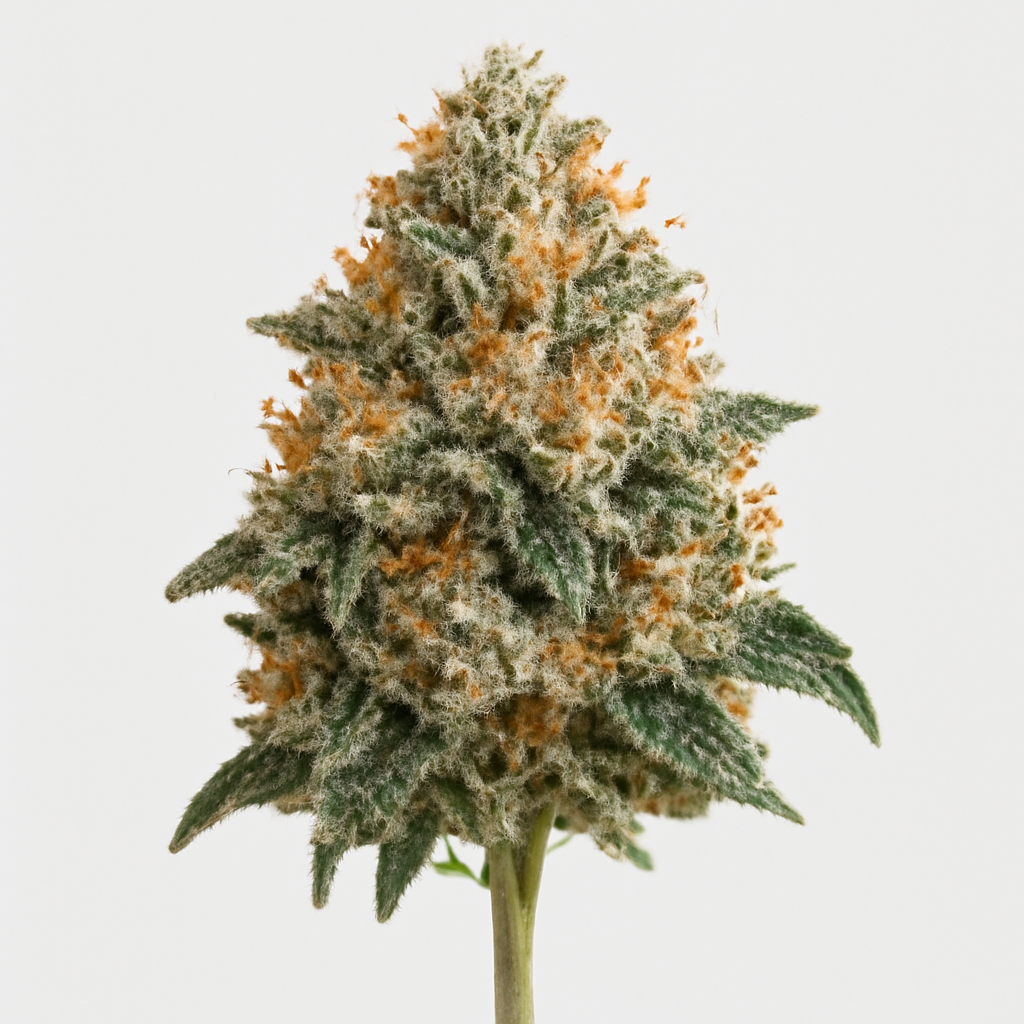
Burmese Kush (Cannabis Strain)
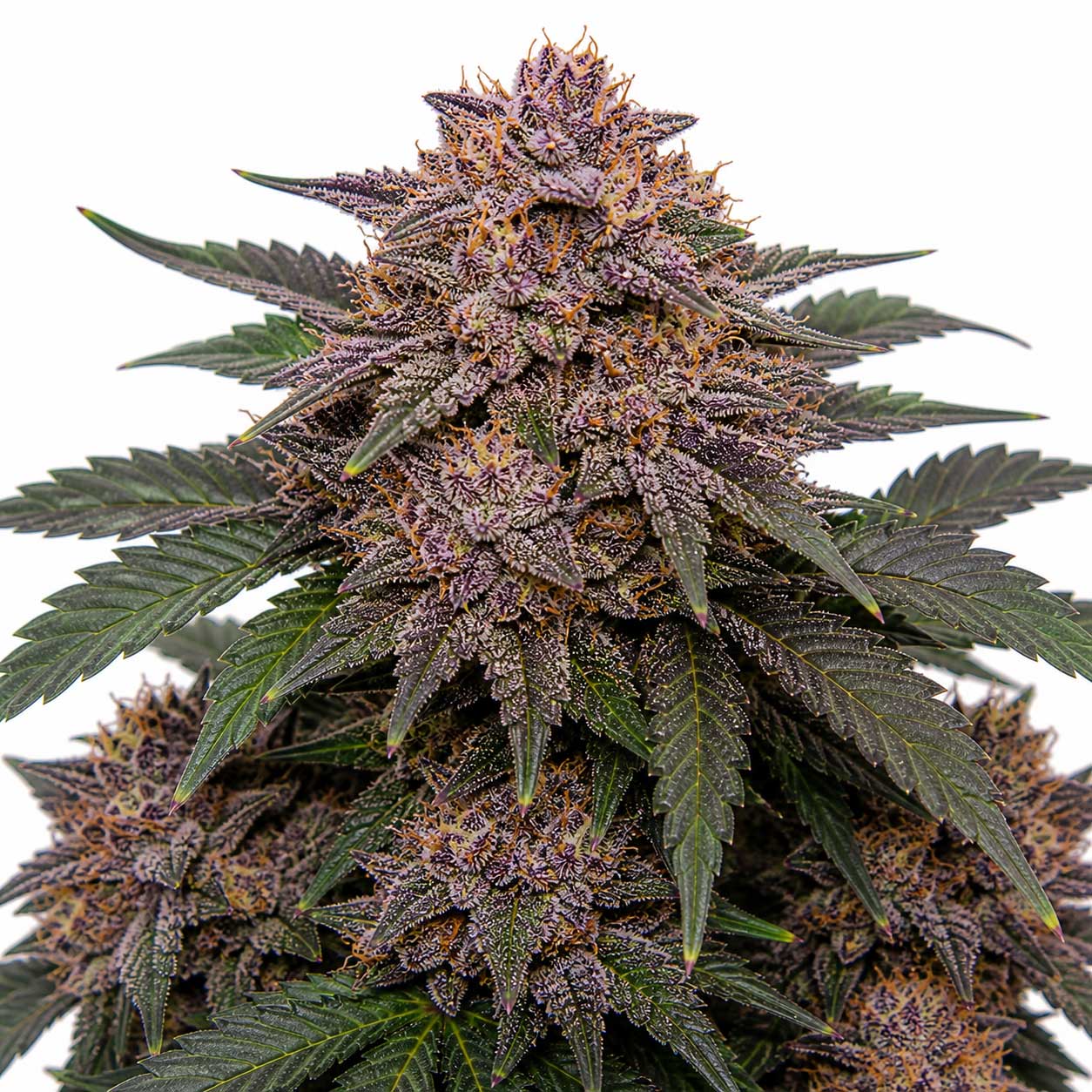
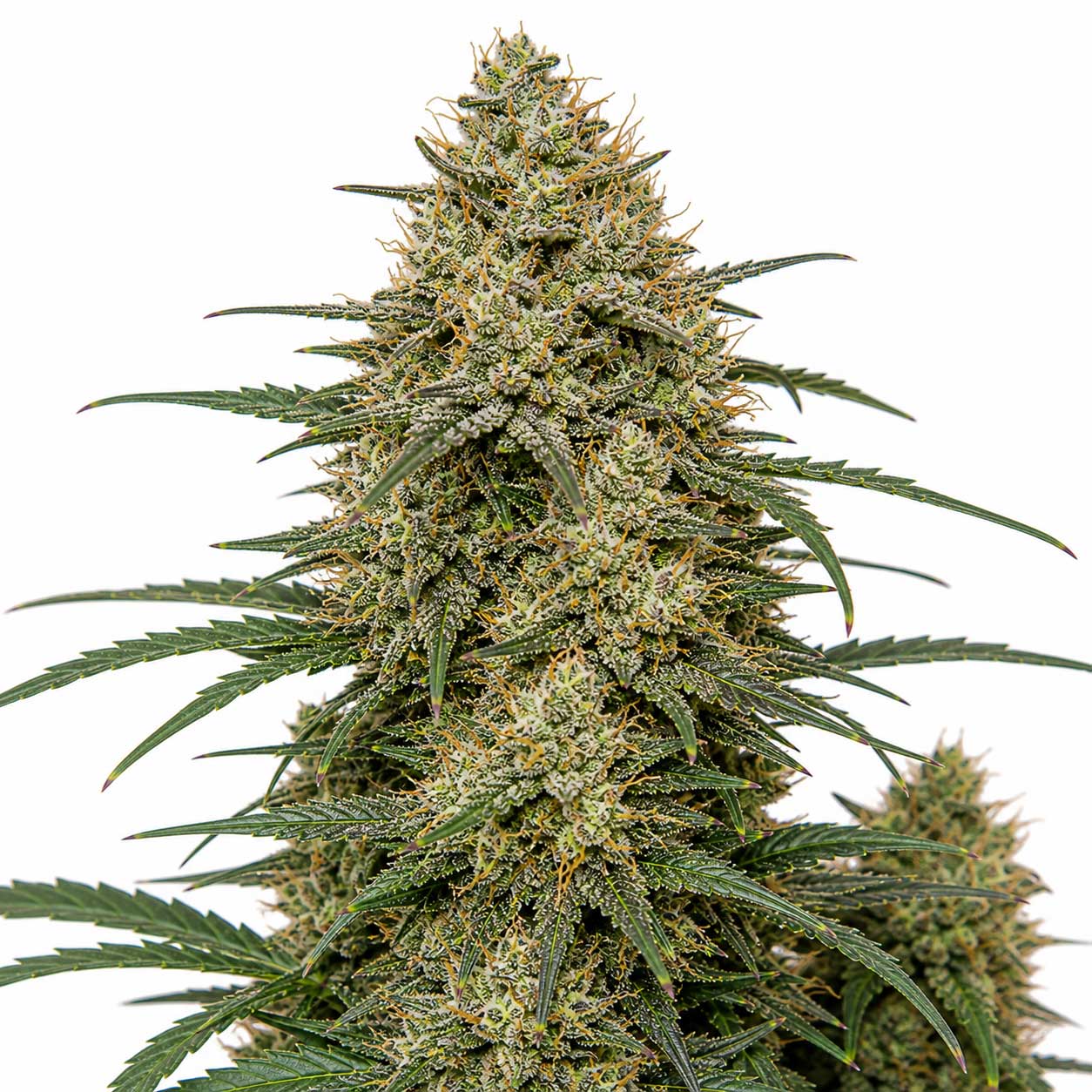
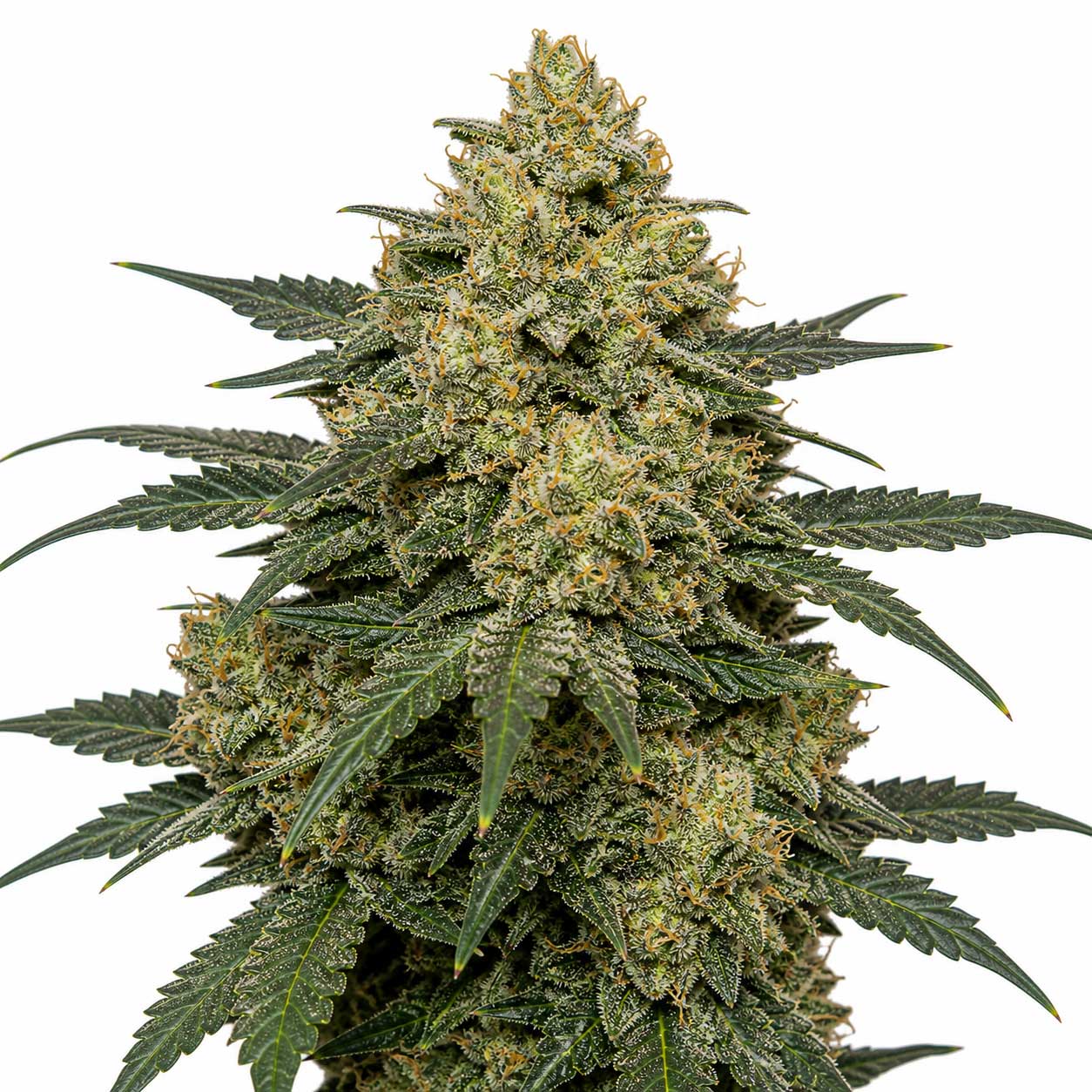
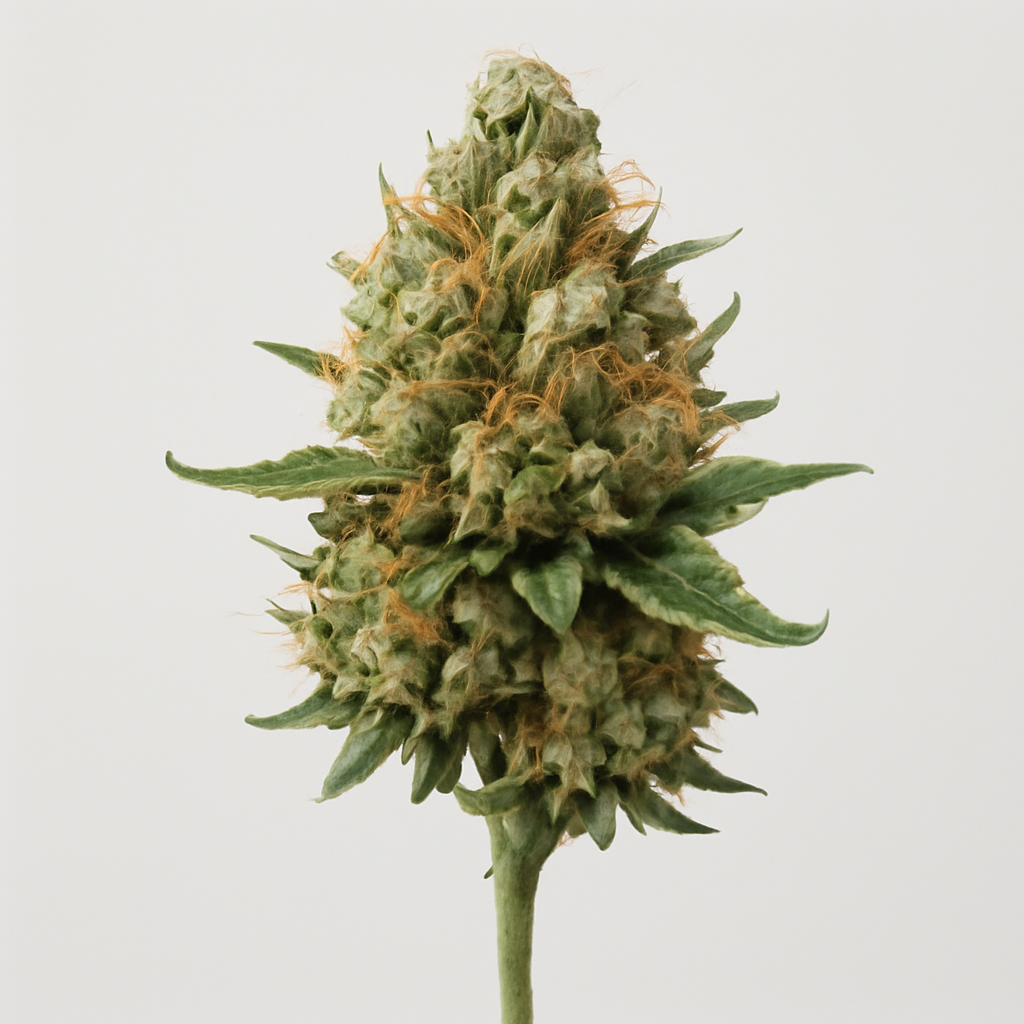
Burmese Kush is an indica-dominant hybrid testing between 18% and 24% THC, created by crossing a rare Burmese landrace phenotype with the legendary OG Kush. This cultivar balances a sweet, incense-like spice with a heavy, pine-rich earthiness, producing dense, resin-rich flowers with compact bracts and a thick layer of glassy trichomes. It typically exhibits a manageable indoor stretch, sturdy branching, and a reliable eight-to-nine-week flowering cycle, making it a highly regarded evening selection for both cultivators and connoisseurs.
Unlike many modern dessert-leaning crosses, this strain retains an old-school hash character that appeals to those seeking physical depth and structural integrity. Its growth pattern reflects a classic kush morphology, delivering tight internodes and thick, dark green fan leaves that demand deliberate canopy management to maximize light penetration.
Quick Facts
| Field | Details |
|---|---|
| Genetics | Burmese × OG Kush |
| Variety | Indica-dominant Hybrid |
| THC Range | 18% – 24% |
| Flowering Time | 8 – 9 weeks |
| Yield Potential | Moderate to High |
| Plant Height | Medium |
| Climate Preference | Warm, dry, low humidity |
| Difficulty | Moderate |
Scientific & Botanical Overview
Burmese Kush integrates the stout, compact structure of its OG Kush parentage with the subtle vigor of its Southeast Asian lineage. Botanically, the plant develops strong lateral branches that support dense, rounded colas, reducing the risk of stem breakage under heavy bud weight. The influence of the Burmese parent is primarily observed in a slightly more robust vegetative growth rate and a more complex volatile terpene profile.
The calyx-to-leaf ratio is highly favorable, allowing for straightforward post-harvest processing and efficient manicuring. Glandular trichomes cover the entire floral surface, developing early in the flowering phase and maturing into a sticky, greasy resin layer. This resin density makes the cultivar particularly suitable for solventless extraction methods.
The plant’s stomatal density and cuticle thickness reflect its dry-climate adaptation, meaning it thrives under controlled indoor environments with strong airflow. While it can handle minor temperature fluctuations, it performs best when root zone temperatures remain stable and humidity is stepped down progressively.
Effects & Use-Cases (Reported)
Commonly reported effects: A gentle initial mental lift followed by deep physical ease, muscle relaxation, and a quiet, grounded headspace.
Use-case context: Best suited for late-evening sessions, wind-down routines after physical exertion, or quiet, low-stimulus social settings.
Note: These observations are based on historical user reports and anecdotal evidence, and they should not be interpreted as medical advice or clinical claims.
Aroma & Flavors
Aroma: Deep, musky earth and spiced incense, layered with sharp pine resin, cedarwood, and a faint citrus peel undertone.
Flavor: Rich, toasted hash and woodsy pine on the inhale, shifting to a sweeter herbal spice and subtle citrus zest on the exhale.
Terpene associations: Typically dominated by myrcene, limonene, and caryophyllene, which drive its complex, forest-floor profile.
Tested Cannabinoid & Terpene Ranges
| Compound | Typical Range | Notes |
|---|---|---|
| Δ9-THC | 18.0% – 24.0% | The primary driver of the strain’s physical potency. |
| CBD | < 1.0% | Present only in trace amounts. |
| Myrcene | 0.20% – 0.60% | Contributes the musky, herbal base notes. |
| Limonene | 0.15% – 0.45% | Provides a subtle citrus lift on the exhale. |
| Caryophyllene | 0.10% – 0.40% | Adds a woody, black pepper spice to the profile. |
Cannabinoid and terpene levels are highly dependent on specific phenotypes, environmental conditions, and curing protocols.
Cultivation Notes
- Humidity control: Maintain relative humidity (RH) around 55-60% during early vegetative growth, reducing it to 40-45% by late flower to prevent moisture retention in the dense colas.
- Nutrient requirements: Responds well to a moderate-to-heavy feeding schedule, showing a high tolerance for nitrogen in veg and requiring robust potassium and phosphorus during peak flower.
- Canopy training: Utilize low-stress training (LST) or topping early in the vegetative cycle to promote even canopy distribution and multi-site bud development.
- Airflow management: Ensure strong under-canopy airflow with oscillating fans to mitigate microclimates within the compact, bushy foliage.
- Phenotype selection: Look for mother plants that exhibit tight internodal spacing and early resin production, as these traits yield the most consistent kush-style flowers.
Grower Notes (Week-by-Week Snapshot)
- Weeks 1-3 (Transition & Stretch): Plants experience a moderate stretch, typically doubling in height. Ensure early trellis support is in place and perform light defoliation at the end of week three to improve light penetration.
- Weeks 4-6 (Mid-Flower): Bud sites begin to stack rapidly, forming dense, rounded clusters. Trichome development accelerates, and the room will carry a distinct sweet, earthy aroma; keep phosphorus levels steady.
- Weeks 7-9 (Late Flower & Ripening): Pistils will turn from white to deep orange, and trichome heads will transition from clear to milky white with occasional amber. Reduce humidity to its lowest point and perform a clean flush during the final 10 to 14 days.
- Post-Harvest (Dry & Cure): Hang dry the whole plant at 60°F (15°C) and 60% RH for 11 to 14 days. Cure in airtight containers, burping daily for the first two weeks to lock in the delicate sweet-spice terpenes.
Genetic Lineage
The genetic history of Burmese Kush is a classic study in crossing a wild, landrace-derived gene pool with a highly refined Western cultivar. The maternal parent, a selected Burmese landrace, was sourced for its unique, uplifting aromatic profile and vigor, bringing a distinct herbal complexity to the project.
To ground these wild genetics and provide the dense, resinous structure demanded by modern growers, breeders introduced the legendary OG Kush. This cross successfully preserved the heavy physical character and pine-fuel notes of the OG line while infusing it with the exotic, sweet-spiced undertones of the Burmese parent.
Research Insights
From a phytochemical standpoint, the synergy between the high concentration of myrcene and secondary sesquiterpenes like caryophyllene suggests a strong affinity for physical relaxation. The presence of limonene provides a subtle aromatic lift, preventing the overall profile from feeling overly heavy or flat.
Breeding research highlights this cultivar as a prime example of successful hybridization between geographically isolated landraces and highly selected domestic polyhybrids. This genetic pairing introduces a degree of hybrid vigor that can improve overall plant resilience compared to backcrossed kush lines.
Frequently Asked Questions
Is Burmese Kush hard to grow?
No, it is generally considered a moderate-difficulty strain. It requires active humidity management and regular defoliation due to its dense foliage, but its sturdy structure makes it resilient to minor cultivation errors.
What does Burmese Kush smell like?
It features a complex blend of earthy kush, fresh pine, and sweet, incense-like spice, finished with a subtle hint of citrus peel.
When is the best time to consume Burmese Kush?
Due to its deeply relaxing and grounding physical effects, it is best enjoyed in the evening or during nighttime hours when physical activity is complete.
Does Burmese Kush stretch much during flowering?
It exhibits a moderate stretch, typically doubling in height during the first three weeks of flower. This manageable growth makes it well-suited for indoor spaces with limited vertical clearance.
Educational Disclaimer
This content is provided strictly for educational and informational purposes. It is not intended to encourage the illegal cultivation or consumption of cannabis, nor does it constitute medical advice.
Rate and review this strain
Ratings and reviews are accepted only from signed-in Google accounts.
Sign in with Google to leave a rating and written review.
Latest Reviews
0 reviewsNo reviews yet. Be the first Google user to rate and review this strain.