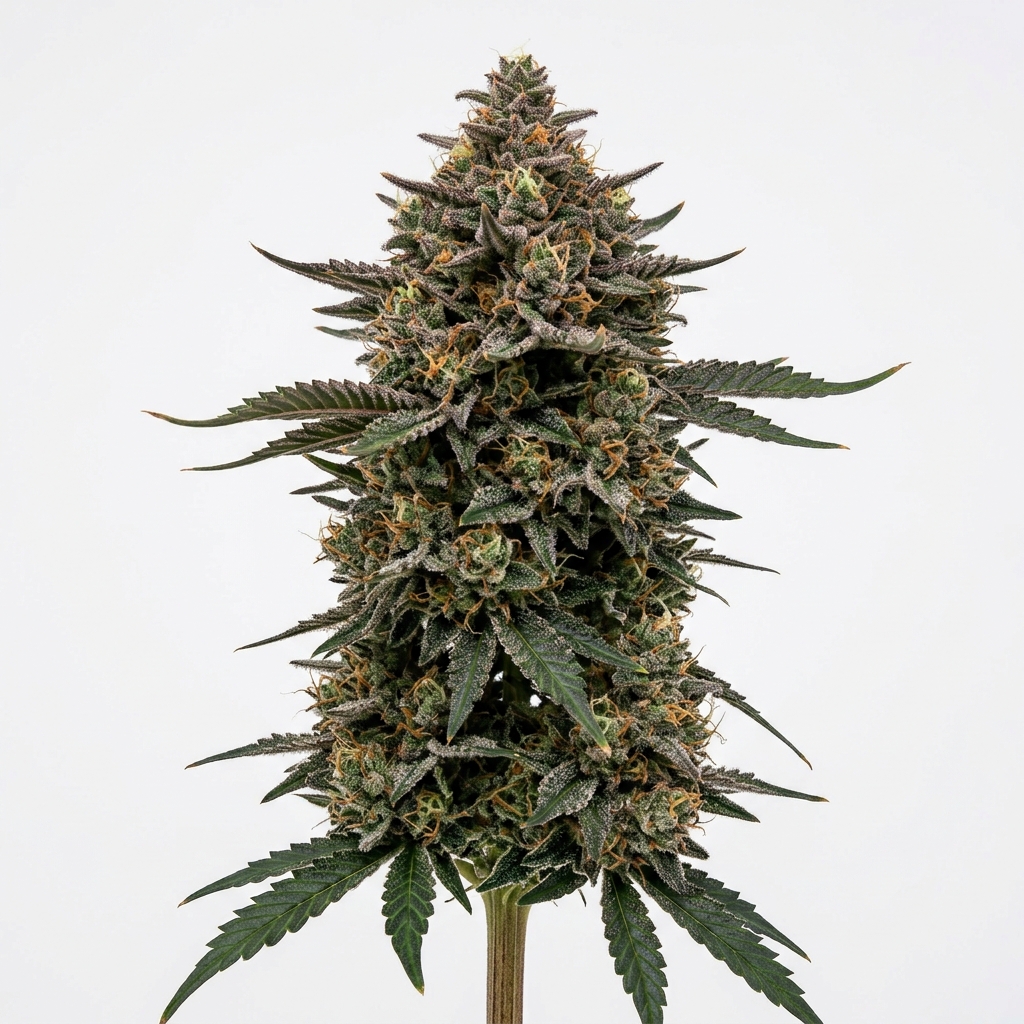
Space Cake (Cannabis Strain)
Space Cake is an indica-dominant hybrid cultivar typically testing between 20% and 25% THC, bred by crossing the legendary GSC Forum Cut with Snow Lotus. This cultivar balances a rich, creamy cookie-dough aroma with sharp herbal and fuel undertones, delivering a heavy resin profile and reliable physical structure. Cultivators prize this selection for its dense, trichome-laden buds and stable growth, making it a staple in both boutique gardens and extraction setups.
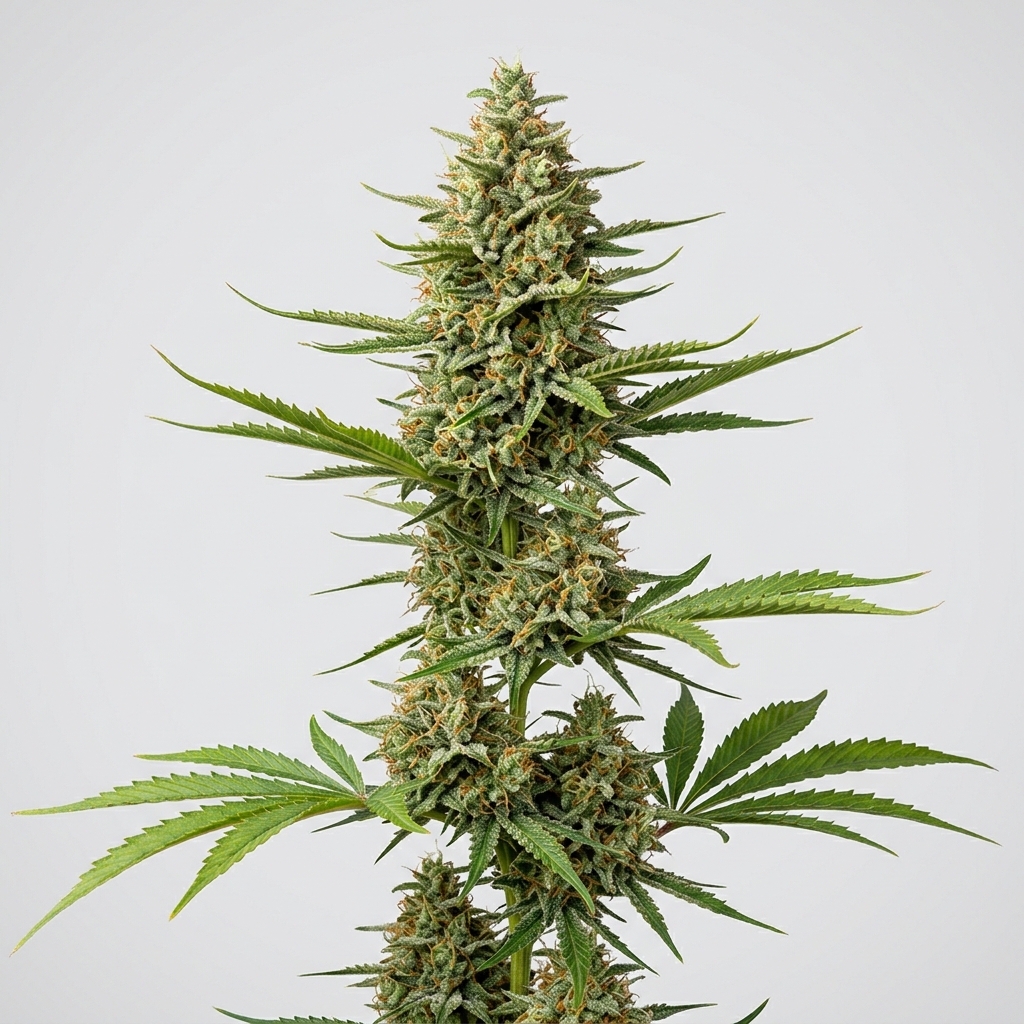
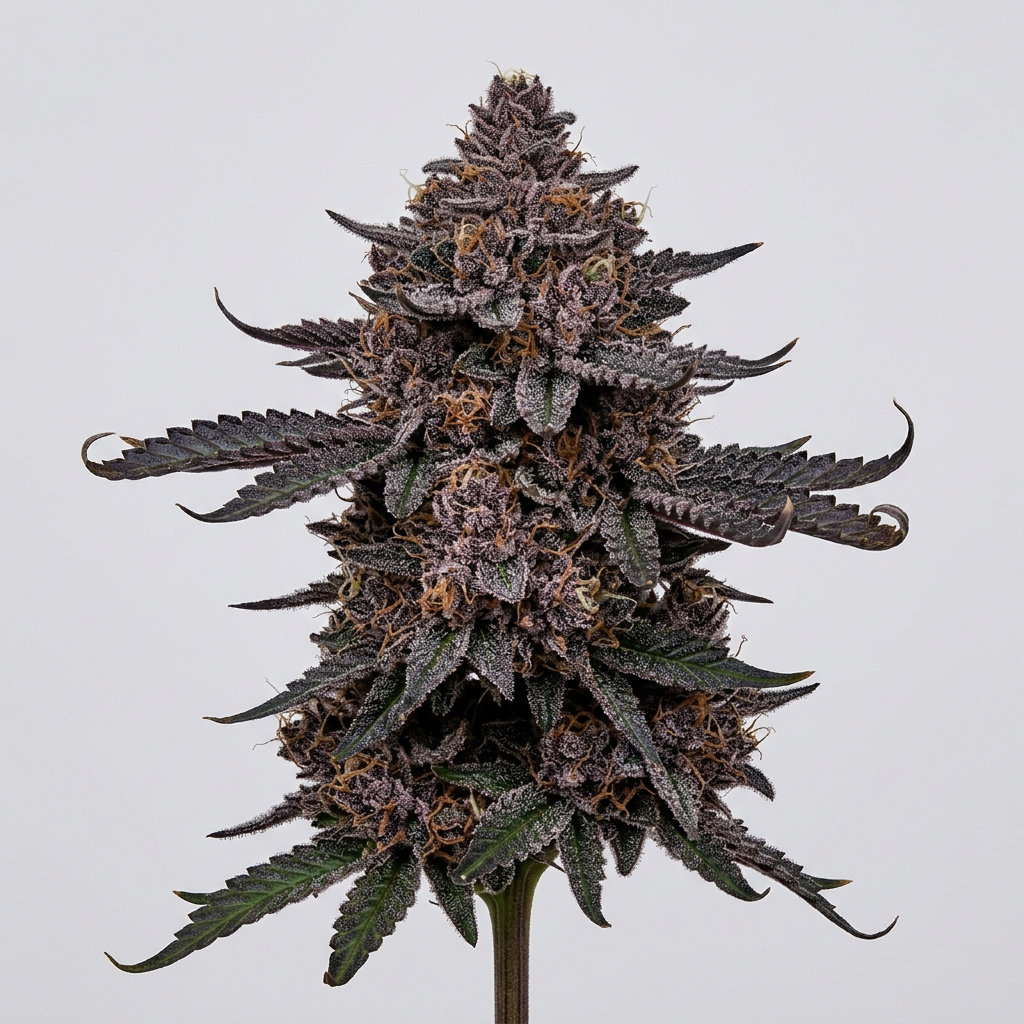
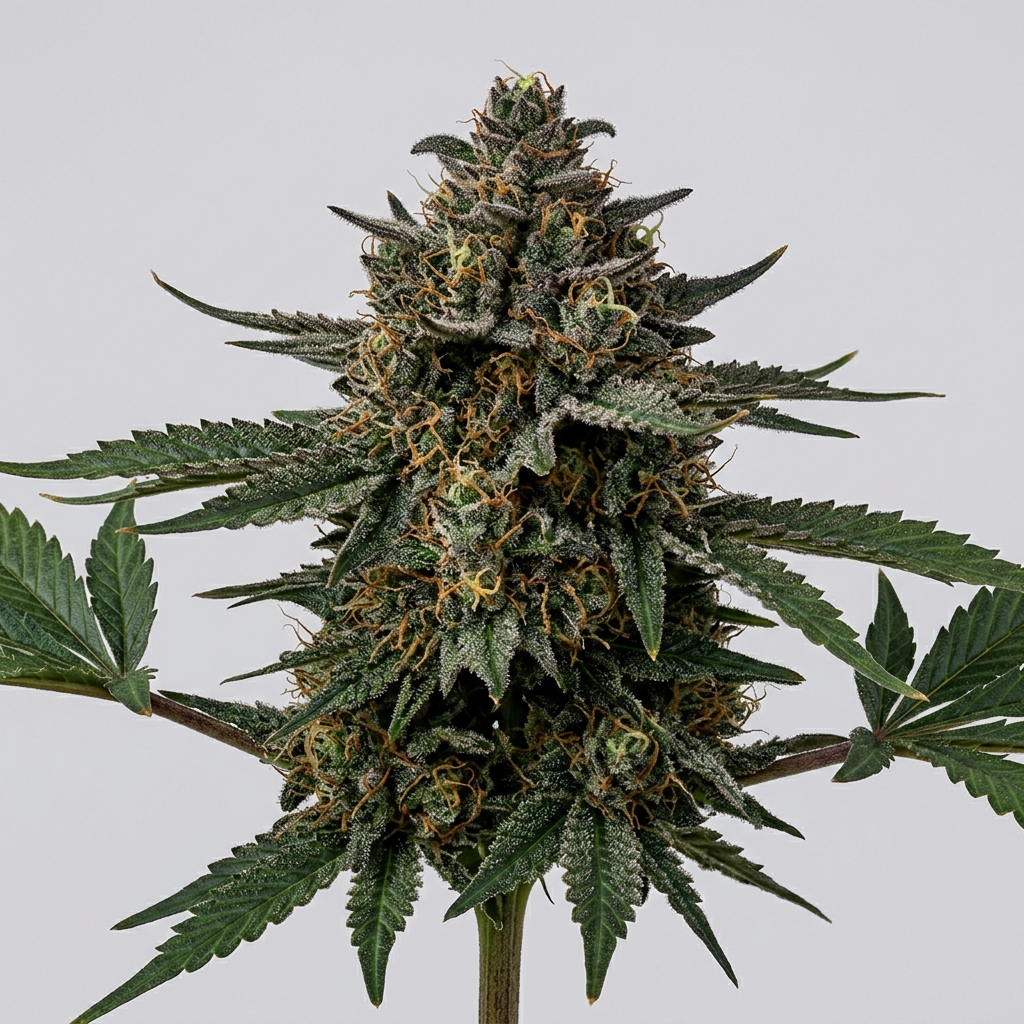
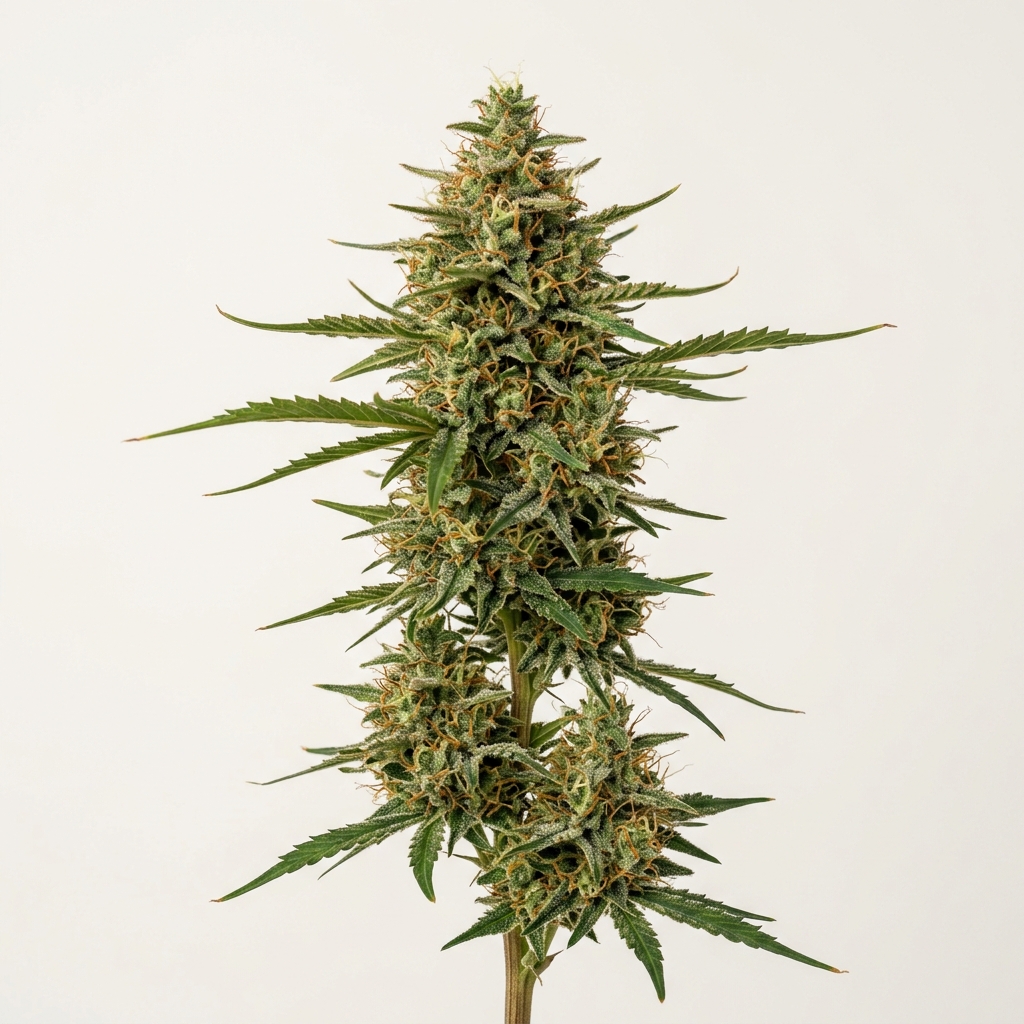
The physical bag appeal of this strain is defined by compact, spear-shaped colas wrapped in a thick coat of glassy resin. Cool night temperatures during late flower pull out deep violet hues across the dense bracts, contrasting with bright orange pistils. Its high concentration of resin-rich flowers makes it an excellent candidate for solventless washing, yielding clean, terpene-heavy extracts.
Quick Facts
| Metric | Details |
|---|---|
| Genetics | GSC (Forum Cut) × Snow Lotus |
| Variety | Indica-dominant hybrid |
| THC Range | 20% – 25% |
| Flowering Time | 8 – 9 weeks |
| Yield Potential | Moderate to High |
| Plant Height | Medium (controlled stretch) |
| Climate Preference | Temperate, low late-flower humidity |
| Difficulty | Moderate |
Scientific & Botanical Overview
Structurally, Space Cake showcases its lineage through tight internodal spacing and broad, dark green fan leaves. The plants develop a stout, bushy frame during vegetative growth, requiring strategic pruning to optimize airflow through the canopy.
The flower structure is characterized by highly swollen calyxes that stack tightly into dense, resinous clusters. Trichome development begins early in the flowering cycle, producing abundant capitate-stalked glands that cover the sugar leaves and bracts in a wet frost.
This cultivar shows moderate feeding requirements, responding well to balanced nitrogen levels in veg and a phosphorus-potassium boost mid-bloom. Managing canopy moisture is critical during the final weeks of flower to protect the compact colas from moisture retention.
Effects & Use-Cases (Reported)
Commonly reported effects: Users frequently describe a deep, creeping physical relaxation coupled with a calm, spacey mental ease. The initial onset brings a gentle cerebral lift that gradually settles into a heavy, grounding body sensation without immediate sedation.
Use-case context: This profile makes the strain highly suited for quiet evening use, wind-down routines, or creative, low-energy activities. It is often selected by those looking to ease physical tension or quiet a busy mind at the end of the day.
Note: Because of its creeping potency and high cannabinoid concentration, newer consumers should approach this cultivar with caution to avoid over-sedation.
Aroma & Flavors
Aroma: The olfactory profile opens with a warm, sweet pastry dough and vanilla cream base, layered with notes of damp earth and a sharp, herbal gasoline finish.
Flavor: On the exhale, it delivers a smooth, nutty cookie taste accented by a spicy herbal kick and a subtle hint of sour citrus.
Terpene associations: Analytical testing frequently identifies caryophyllene, limonene, and myrcene as the dominant terpenes driving this complex profile.
Tested Cannabinoid & Terpene Ranges
| Compound | Typical Range |
|---|---|
| Δ9-THC | 20.0% – 25.0% |
| CBG | 0.5% – 1.2% |
| beta-Caryophyllene | 0.4% – 0.9% |
| Limonene | 0.3% – 0.7% |
| Myrcene | 0.2% – 0.6% |
| Linalool | 0.1% – 0.4% |
Note: Cannabinoid and terpene ranges are literature-informed references and will vary depending on specific phenotypes, cultivation environments, and curing methods.
Cultivation Notes
- Humidity management: Maintain relative humidity below 45% during the final three weeks of flowering to prevent issues within the dense, compact colas.
- Canopy training: use low-stress training (LST) or topping early in the vegetative cycle to promote lateral branching and create an even canopy.
- Defoliation: Perform a thorough defoliation just before flipping to flower, and again around day 21, to improve light penetration to lower bud sites.
- Nutrient regimen: Feed with a moderate schedule, avoiding excess nitrogen in early bloom to prevent unwanted stretching.
- Phenotype variation: Watch for two main phenotypes: a shorter, cookie-dominant plant with dense purple buds, and a slightly taller, higher-yielding phenotype showing more influence from the Snow Lotus.
Grower Notes (Week-by-Week Snapshot)
- Weeks 1–3 (Transition & Stretch): Plants show a moderate, predictable stretch of about 50% to 80% after flipping to a 12/12 light cycle. Secure branches to trellis netting early to support the upcoming flower weight.
- Weeks 4–6 (Flower Development & Frost): Bud sites stack rapidly, and resin production begins to coat the surrounding sugar leaves. The sweet, doughy aroma becomes noticeable, requiring efficient carbon filtration.
- Weeks 7–9 (Ripening & Flush): Pistils turn orange and recede as the calyxes swell. Reduce night temperatures by 5–10°F to encourage the expression of dark purple and blue hues before harvest.
- Post-Harvest (Dry & Cure): Hang whole plants to dry at 60°F and 60% relative humidity for 10 to 14 days. A slow, controlled cure in airtight containers for at least three weeks fully develops the creamy vanilla and dough flavors.
Genetic Lineage
The maternal influence comes from the GSC Forum Cut, a legendary clone-only phenotype renowned for its tight, resin-encrusted buds and distinct baked-goods aroma. This parent passes down the dense flower structure, rich purple coloration, and sweet, creamy terpene profile that defines the hybrid.
The paternal contributor is Snow Lotus, an elite male selected by Bodhi Seeds that combines Afgooey and Blockhead genetics. This parent injects vigor, increases yield potential, and contributes a clean, herbal-spicy undertone that balances the rich sweetness of the cookie line.
Research Insights
Phytochemical analysis of Space Cake highlights a robust interaction between caryophyllene and limonene. This specific terpene pairing is frequently studied for its potential to modulate physical comfort and mood, offering a balanced physiological response.
Breeders value the cultivar’s stable genetic foundation, which consistently transmits high resin density and complex terpene profiles to later offspring. Its unique trichome structure makes it a highly regarded subject for research into solventless extraction efficiency.
Frequently Asked Questions
Is Space Cake an indica or sativa?
Space Cake is an indica-dominant hybrid, typically exhibiting a 65% indica and 35% sativa ratio, resulting in a physically relaxing yet mentally calm experience.
Who bred the Space Cake strain?
This cultivar was originally bred by Bodhi Seeds, a highly respected breeder known for utilizing the Snow Lotus male to elevate classic clone-only lines.
What does Space Cake smell like?
It features a rich aroma of sweet cookie dough, vanilla cream, and earthy undertones, finished with a sharp hint of herbal gas.
How long does Space Cake take to flower?
Under standard indoor cultivation conditions, this strain typically finishes flowering in 8 to 9 weeks.
Educational Disclaimer
This article is for educational and informational purposes only. Cultivation and consumption of cannabis are subject to varying local, state, and federal laws. Always consult local regulations before germinating or consuming cannabis.
Rate and review this strain
Ratings and reviews are accepted only from signed-in Google accounts.
Sign in with Google to leave a rating and written review.
Latest Reviews
0 reviewsNo reviews yet. Be the first Google user to rate and review this strain.