
S.A.G.E. (Cannabis Strain)
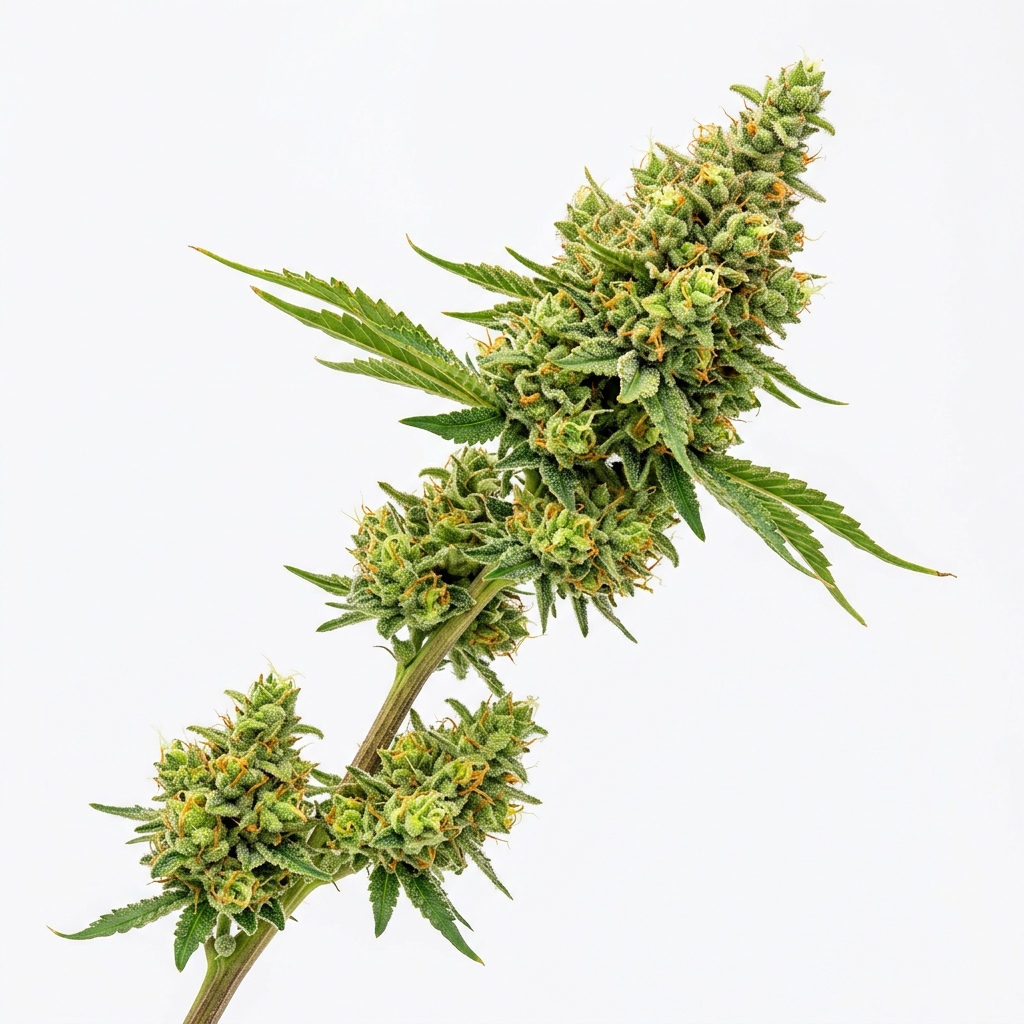
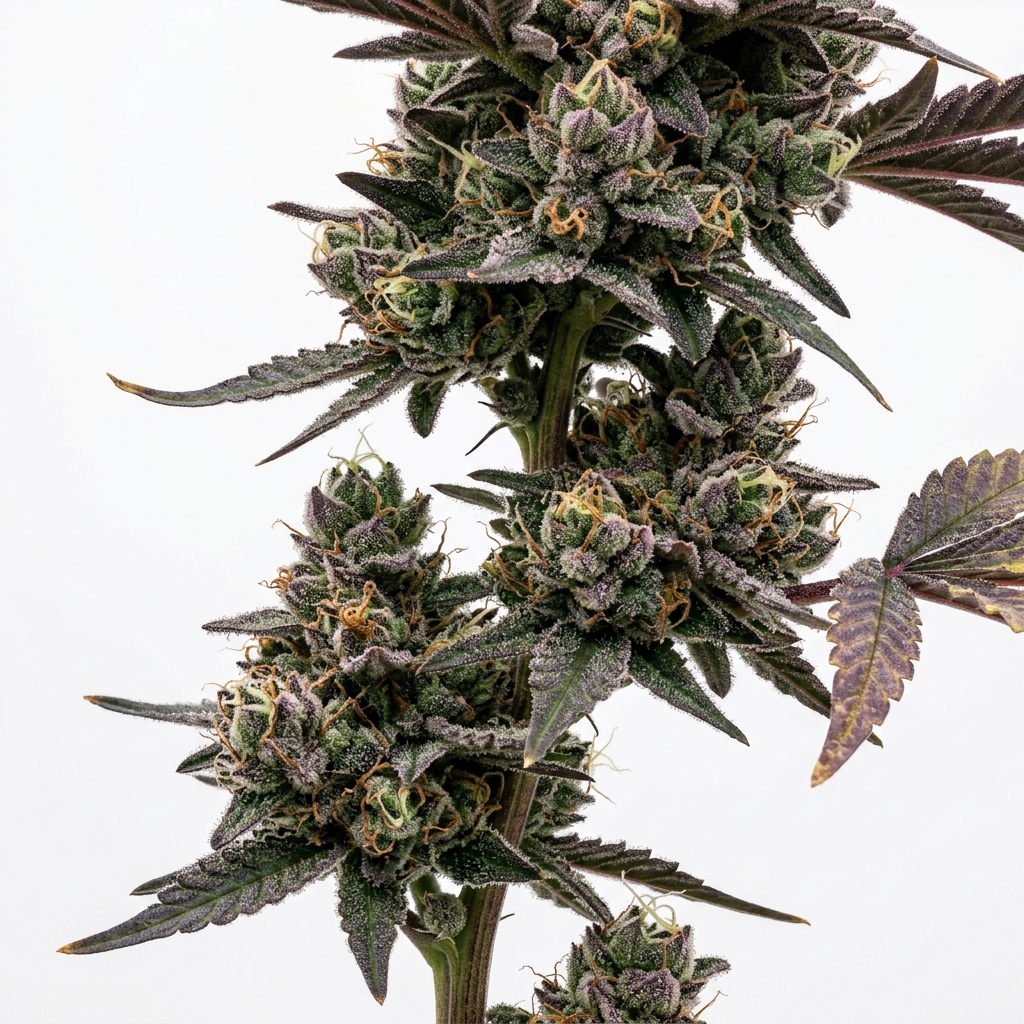
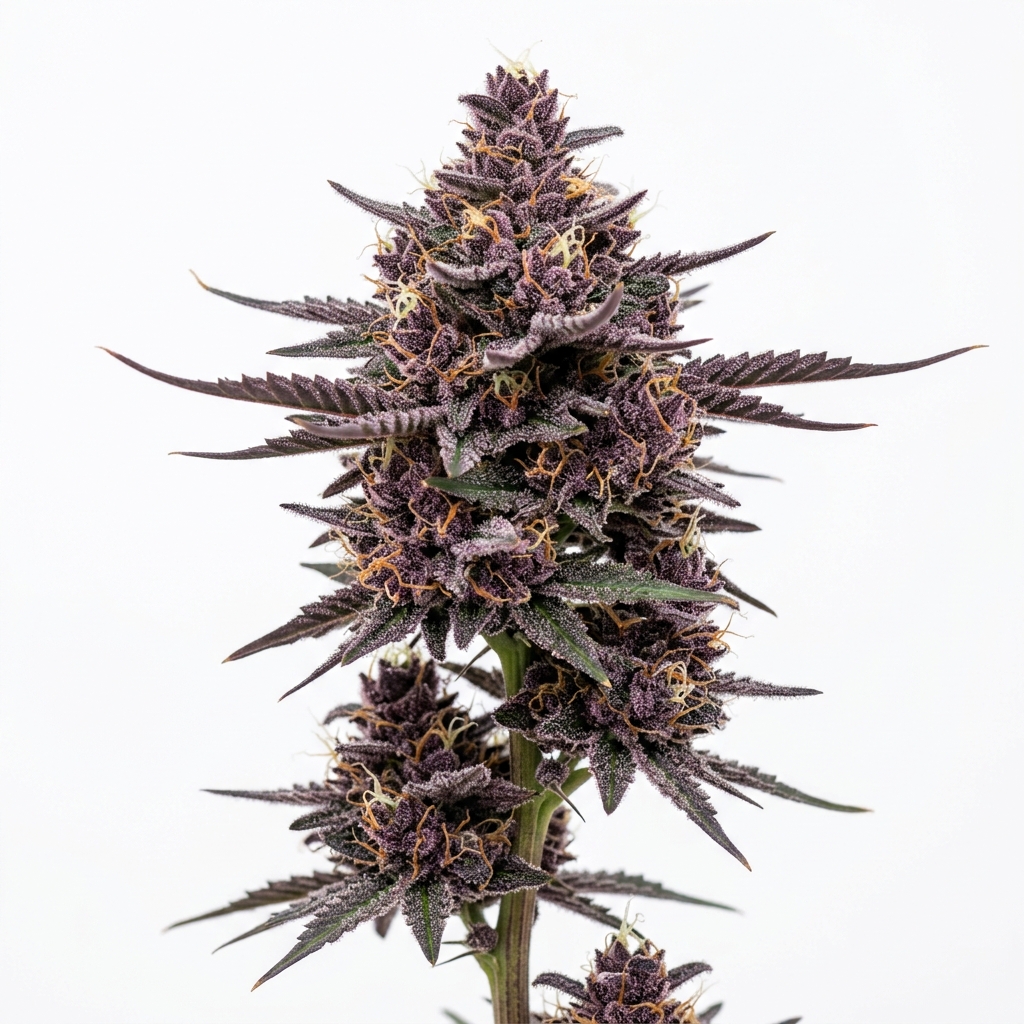
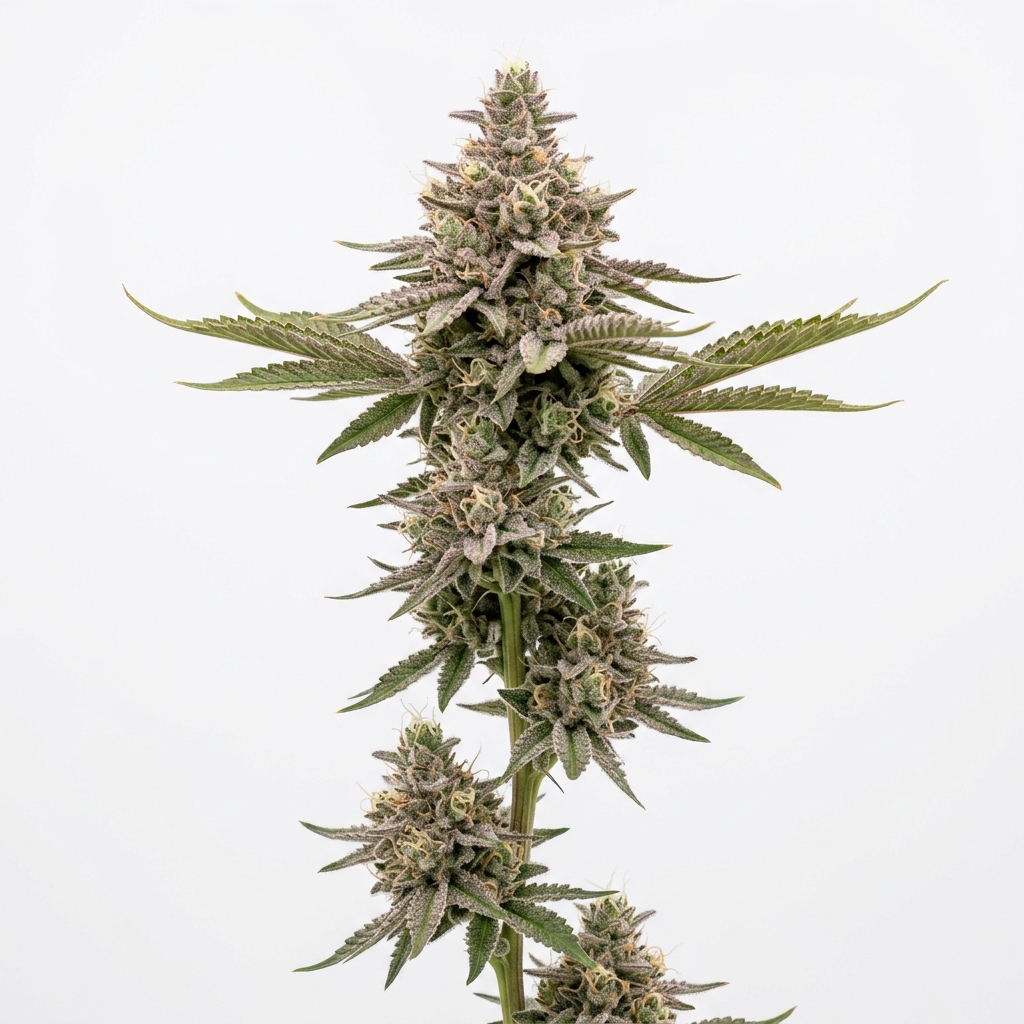
S.A.G.E. (Sativa Afghani Genetic Equilibrium) is a legendary sativa-dominant hybrid bred by T.H. Seeds, typically testing between 18% and 22% THC. This cultivar balances a select West Coast Sativa with a robust, resin-rich Afghani indica, yielding long, spear colas covered in sticky, greasy resin. Known for its distinct spicy sage, sandalwood, and sweet pine aroma, S.A.G.E. displays a classic sativa stretch in early flower but retains the dense, heavy bract structure of its indica lineage.
Growers and extractors value the strain for its high resin clarity and distinct, savory terpene profile that stands out from typical modern sweet hybrids. It delivers a clear, energizing head high paired with a calm, grounding physical finish, making it a daytime sensory hybrid with a dedicated following among legacy enthusiasts.
Quick Facts
| Attribute | Details |
|---|---|
| Genetics | West Coast Sativa × Afghani |
| Variety | Sativa-dominant Hybrid |
| THC Range | 18% – 22% |
| Flowering Time | 10 – 11 Weeks (70 – 77 Days) |
| Yield Potential | Moderate to High |
| Plant Height | Tall (significant stretch) |
| Climate Preference | Warm, temperate, dry late-flower |
| Difficulty | Moderate |
Scientific & Botanical Overview
Botanically, S.A.G.E. shows a classic hybrid equilibrium, showing broad fan leaves in early veg that give way to narrow, serrated leaflets as the plant stretches. The internodal spacing is moderately wide, a trait inherited from its sativa parent, which allows excellent light penetration and airflow through the lower canopy.
During the flowering phase, the plant develops elongated spear colas with swollen calyxes that stack tightly under optimal intensity. The trichome coverage is dense, producing small, glass-like heads that carry a high concentration of monoterpenes.
The cultivar requires careful environmental monitoring, particularly regarding humidity levels during the late-flower swelling stage. Its dense bracts can trap moisture if airflow is insufficient, making active ventilation and low relative humidity crucial in the final weeks.
Effects & Use-Cases (Reported)
Commonly reported effects include a sharp, cerebral lift, enhanced sensory focus, and a steady, functional physical relaxation.
Use-case context suggests it is highly suited for daytime activities, creative projects, and social settings where mental clarity and physical comfort are desired.
Note: Individual experiences may vary based on tolerance, dosage, and specific phenotype chemistry.
Aroma & Flavors
Aroma: A sharp herbal pungency dominated by fresh sage, sandalwood, and a sweet pine undertone.
Flavor: A complex blend of spicy black pepper, cedar wood, and a clean, minty finish on the exhale.
Terpene associations: High concentrations of terpinolene, caryophyllene, and myrcene drive its unique herbal-spicy profile.
Tested Cannabinoid & Terpene Ranges
| Compound | Tested Range |
|---|---|
| Δ9-THC | 18.0% – 22.0% |
| CBD | 0.1% – 0.5% |
| Terpinolene | 0.4% – 0.8% |
| beta-Caryophyllene | 0.3% – 0.6% |
| Myrcene | 0.2% – 0.5% |
Note: Cannabinoid and terpene levels are highly dependent on cultivation practices, curing methods, and specific phenotype selections.
Cultivation Notes
- Training: Highly responsive to topping and LST (low-stress training) to manage the vigorous sativa stretch during the first three weeks of flower.
- Nutrition: Prefers moderate feeding; excessive nitrogen during mid-to-late flower can delay maturity and affect terpene clarity.
- Humidity: Keep relative humidity (RH) below 45% during the final three weeks of flowering to protect the dense, heavy colas.
- Temperature: Thrives in daytime temperatures between 72°F and 80°F, with a slight drop at night to encourage terpene preservation.
- Harvest: Look for milky white trichomes with roughly 10% amber heads to capture the ideal balance of cerebral lift and physical ease.
Grower Notes (Week-by-Week Snapshot)
- Weeks 1–3: Plants show significant vertical stretch, often doubling in height. Ensure trellis netting is in place to support the long branches and tuck fan leaves to expose lower bud sites.
- Weeks 4–6: The stretch slows as flower sites begin to stack. Resin production starts early, coating the small leaves and stem surfaces with a greasy, aromatic sheen.
- Weeks 7–9: Buds swell rapidly, forming long, heavy spear colas. The distinctive spicy, herbal aroma intensifies, requiring robust carbon filtration.
- Weeks 10–11: Final flush period. Monitor trichome maturity closely as the calyxes swell and pistils recede. A slow dry (10–14 days at 60°F/60% RH) is essential to preserve the delicate wood and sage notes.
Genetic Lineage
S.A.G.E. was developed by the Amsterdam-based seed bank T.H. Seeds in the late 1990s. The breeders sought to balance the soaring, clear-headed qualities of a prized West Coast Sativa clone with the heavy yield, fast flowering time, and structural density of a select Afghani indica.
The resulting hybrid successfully stabilized these contrasting traits, creating a plant that grows like a sativa but yields with the density of an indica. It has served as a foundational breeding block for numerous modern hybrids looking to introduce a clean, herbal-spicy profile and reliable resin production.
Research Insights
Analytical data indicates that S.A.G.E. often expresses a terpinolene-dominant terpene profile, which is relatively rare among modern commercial hybrids. This compound, combined with beta-caryophyllene, contributes to the strain’s distinctive woodsy, peppery aroma and its clean, energizing effects.
Studies on old-school landrace-derived hybrids like S.A.G.E. show that the preservation of diverse terpene ratios plays a critical role in the modulation of THC. The presence of minor cannabinoids and a balanced monoterpene profile helps explain the sustained, clear-headed experience reported by consumers.
Frequently Asked Questions
What does S.A.G.E. stand for?
S.A.G.E. stands for Sativa Afghani Genetic Equilibrium, representing the balanced combination of its West Coast Sativa and Afghani parent lineages.
How long does S.A.G.E. take to flower?
S.A.G.E. typically requires 10 to 11 weeks (70 to 77 days) of flowering to reach full maturity, reflecting its strong sativa genetic influence.
Is S.A.G.E. difficult to grow indoors?
It is moderately challenging due to its significant early-flower stretch. Growers need to manage the height using training techniques like topping or trellis support, but it is highly resilient overall.
What are the main terpenes in S.A.G.E.?
The primary terpenes commonly found in S.A.G.E. are terpinolene, beta-caryophyllene, and myrcene, which combine to create its signature spicy, herbal, and woody aroma.
Educational Disclaimer
This content is for educational and informational purposes only. Cannabis laws and regulations vary by jurisdiction. Always consult with a qualified professional before making any cultivation or consumption decisions.
Rate and review this strain
Ratings and reviews are accepted only from signed-in Google accounts.
Sign in with Google to leave a rating and written review.
Latest Reviews
0 reviewsNo reviews yet. Be the first Google user to rate and review this strain.
Follow New Cultivar Records
Get newly documented genetics, breeder history, research highlights, and important Strainpedia discoveries by email.