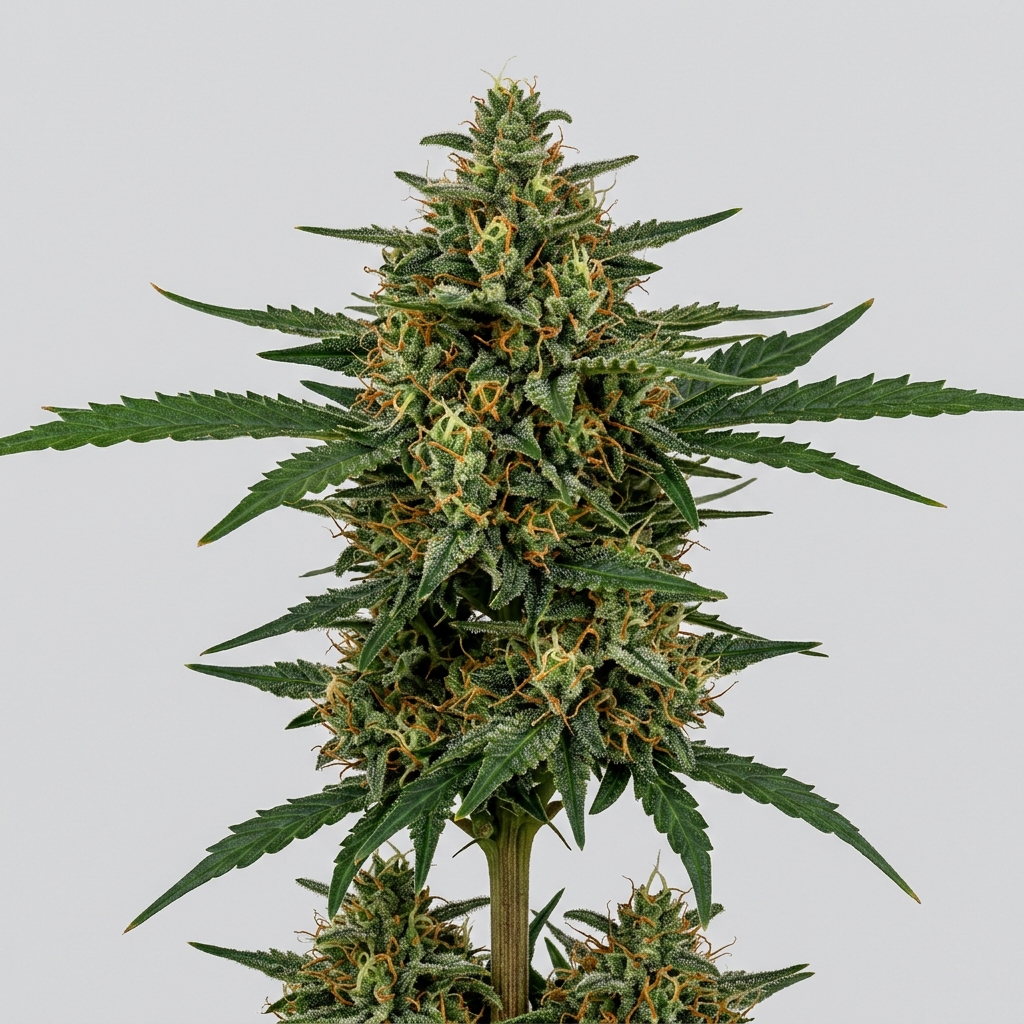
Ruderalis Indica (Cannabis Strain)
Ruderalis Indica is a classic semi-autoflowering hybrid crossing wild Cannabis ruderalis with landrace Indica genetics, delivering a functional cannabinoid profile with 2% to 8% THC and notable CBD levels. This hardy cultivar is defined by its compact, stocky structure, thick fibrous stems, and dense, earthy buds that mature independent of strict photoperiod triggers. Its aroma profile leans heavily into sweet licorice, damp earth, and wood, offering a resilient option for short-season outdoor growers seeking a reliable, low-potency harvest.
Originally bred by Sensi Seeds to explore the breeding potential of wild Eastern European populations, this strain has earned a reputation for its survival instincts. It thrives in cold, damp climates where more delicate indoor polyhybrids fail, making it a foundational tool for outdoor breeders and medical users prioritizing functional clarity over intense psychoactivity.
Quick Facts
| Attribute | Details |
|---|---|
| Genetics | Cannabis ruderalis × Indian Indica |
| Variety | Indica-dominant hybrid (semi-autoflowering) |
| THC Range | 2% – 8% |
| Flowering Time | 40 – 50 days (semi-auto) |
| Yield Potential | Moderate |
| Plant Height | Short (60 – 120 cm) |
| Climate Preference | Cool, temperate, short summers |
| Difficulty | Easy / Novice-friendly |
Scientific & Botanical Overview
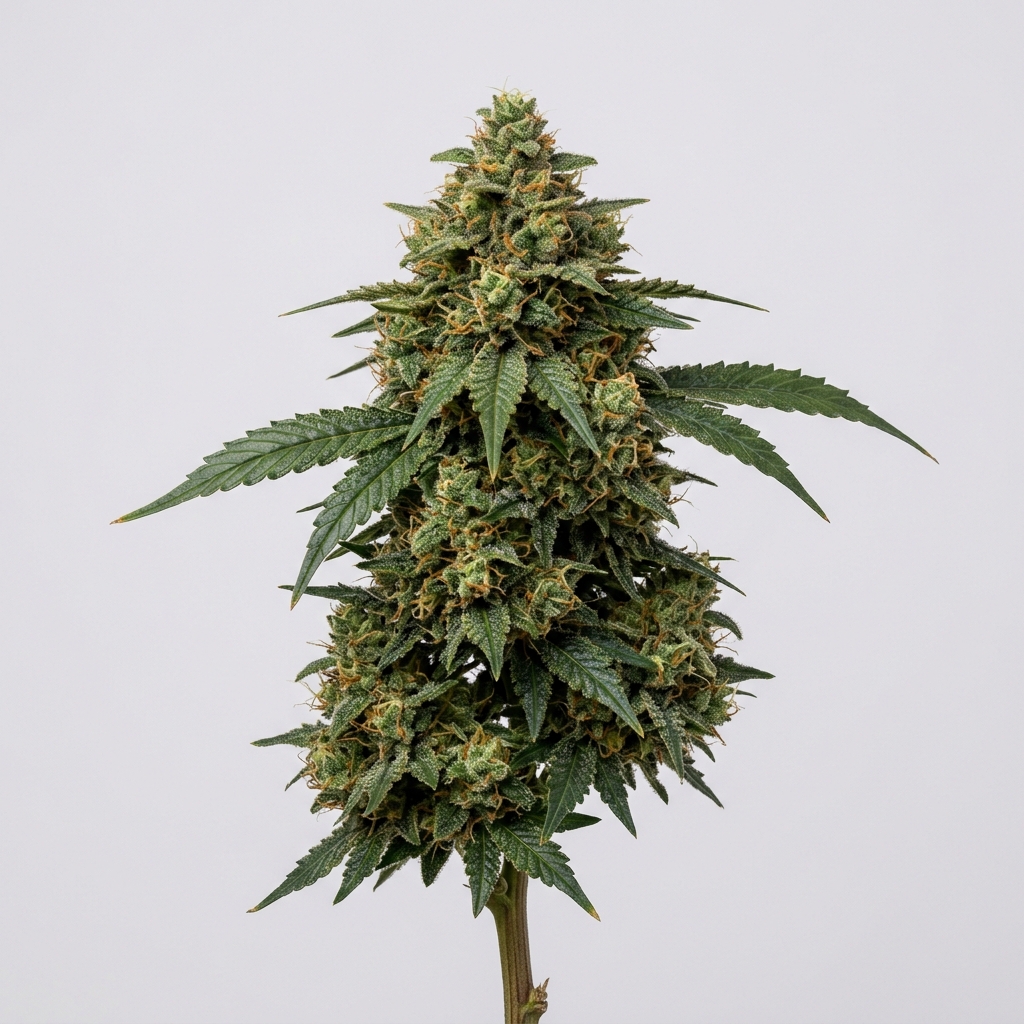
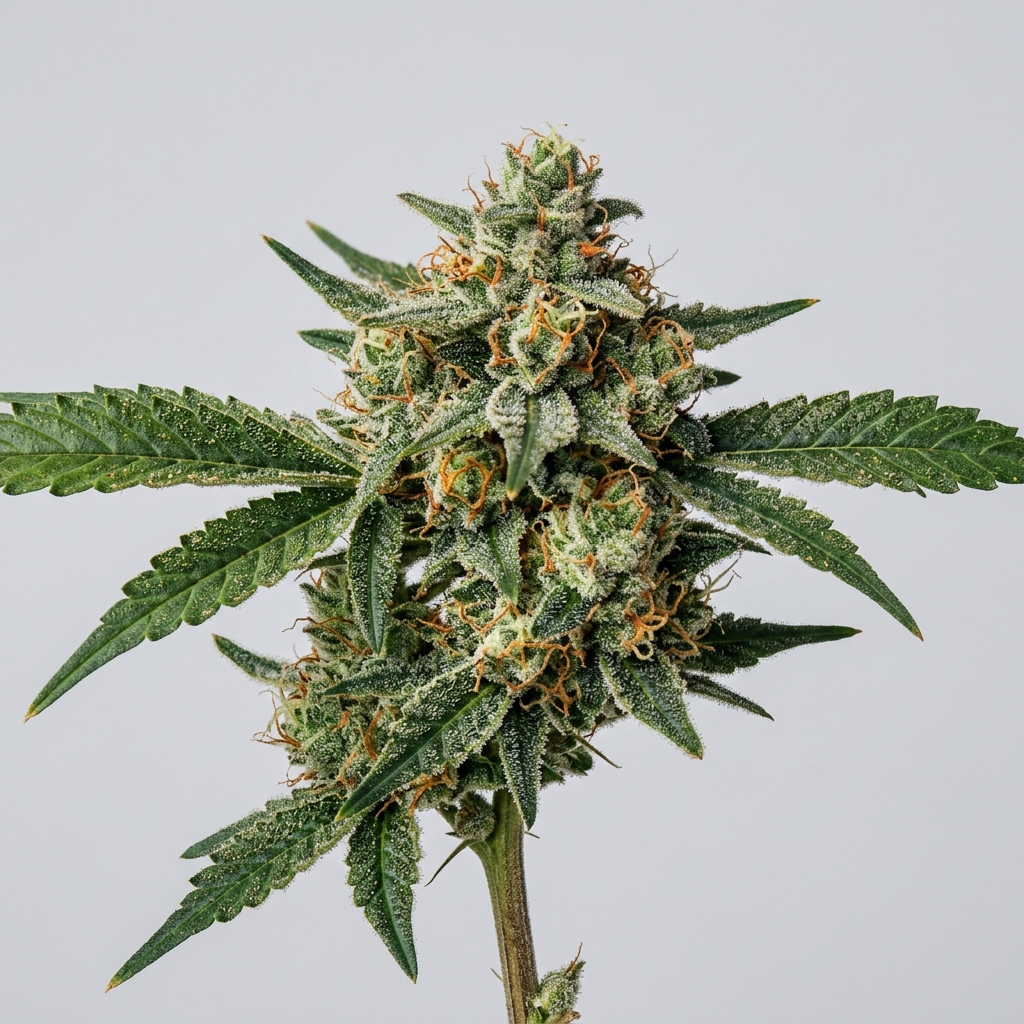
Botanically, Ruderalis Indica expresses a classic compact phenotype, rarely exceeding one meter in height when grown in standard conditions. The influence of wild Cannabis ruderalis introduces a semi-autoflowering trait, where a significant portion of the population initiates flowering based on maturity rather than daylight cycles. This genetic adaptation results in short internodal spacing, thick woody stems, and broad, dark green fan leaves that manage transpiration efficiently in cooler climates.
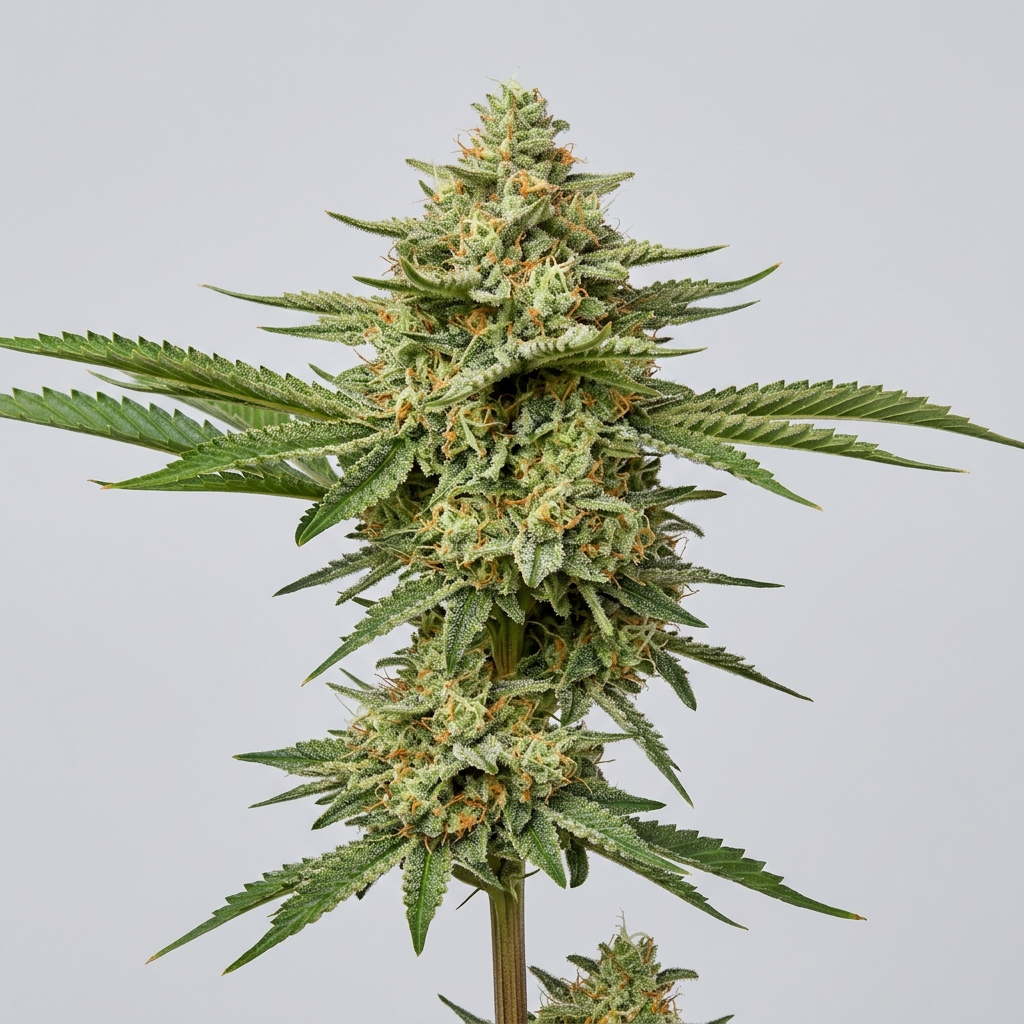
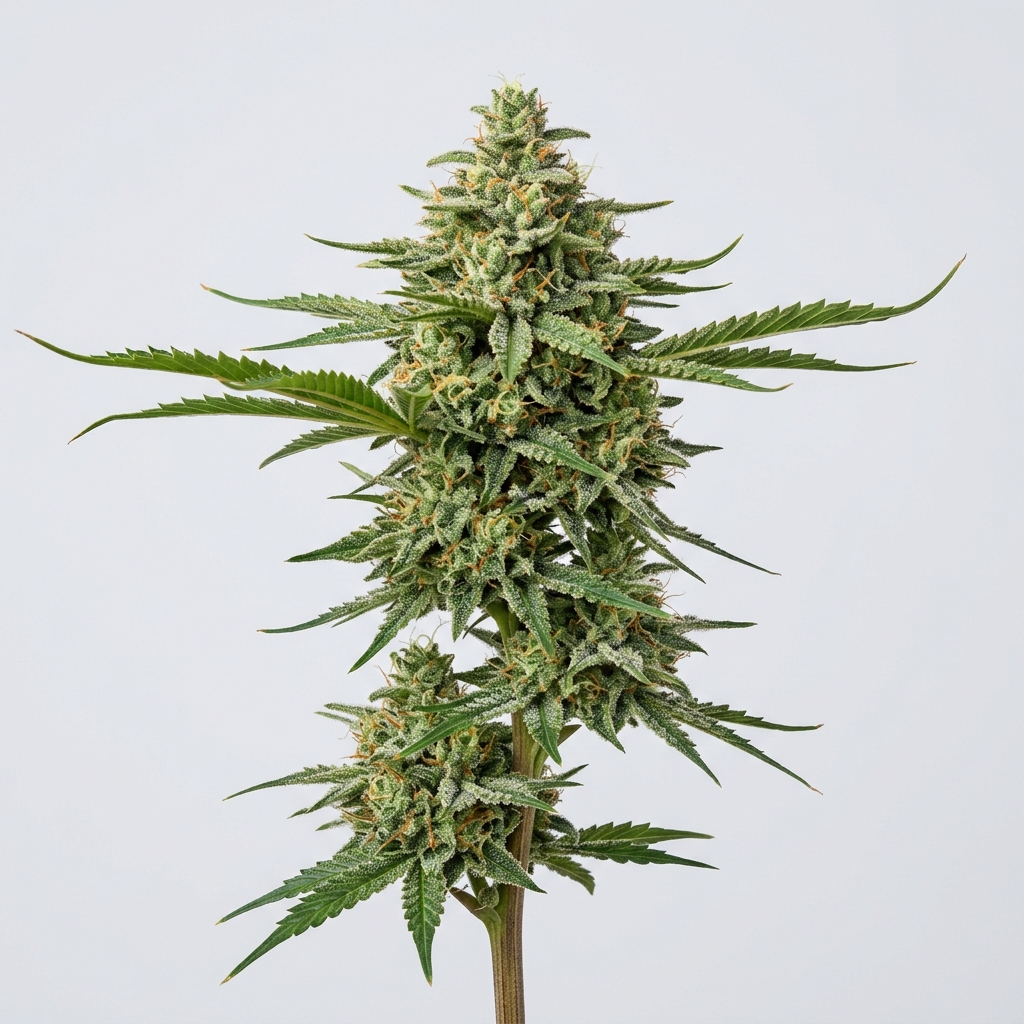
The inflorescence structure consists of small, dense bracts clustered tightly along the main stem, forming a singular, dominant central cola rather than sprawling lateral branches. Resin production is moderate but highly consistent, coating the swollen calyxes in a fine layer of glassy trichomes. This structural density helps protect the developing flowers from late-season frost and high humidity.
Unlike modern high-THC cultivars, the botanical focus of this strain is structural resilience and a balanced cannabinoid output. The plant’s vascular system is remarkably robust, allowing it to withstand nutrient fluctuations and temperature drops that would typically stunt more sensitive indica or sativa varieties.
Effects & Use-Cases (Reported)
Commonly reported effects: Users frequently report a mild, grounding body relaxation accompanied by clear-headed focus, with no significant cerebral intensity or couch-lock. The low THC ceiling combined with elevated CBD levels provides a gentle physical release that allows for normal daily activity.
Use-case context: This profile is well-suited for daytime consumption, microdosing, or blending with high-potency flowers to temper their psychoactive intensity. It is often selected by individuals seeking physical comfort without the cognitive disruption or anxiety sometimes triggered by modern high-potency hybrids.
Note: Individual experiences may vary based on phenotype variation, cultivation methods, and personal tolerance levels.
Aroma & Flavors
Aroma: The primary olfactory profile is deeply organic, dominated by damp forest floor, dried herbs, and a sweet licorice undertone. Breaking the dried buds releases a sharper pine note mixed with a subtle, musty spice that reflects its landrace heritage.
Flavor: On the palate, the smoke is thick and earthy, leaving a lingering taste of sweet wood, herbal tea, and a mild peppery finish. The lack of heavy, volatile fruit terpenes is replaced by a classic, old-school hashish character.
Terpene associations: Analytical testing typically shows a dominance of myrcene, caryophyllene, and pinene, which drive the strain’s earthy base, spicy undertones, and clean, forest-like top notes.
Tested Cannabinoid & Terpene Ranges
| Compound | Tested Range |
|---|---|
| Δ9-THC | 2.0% – 8.0% |
| CBD | 2.0% – 6.0% |
| Myrcene | 0.3% – 0.8% |
| Caryophyllene | 0.2% – 0.5% |
| Pinene | 0.1% – 0.4% |
Note: Cannabinoid and terpene levels are highly variable and depend on specific seeds, environmental factors, and curing techniques.
Cultivation Notes
- Photoperiod Management: Be prepared for semi-autoflowering behavior; some phenotypes will flower automatically after 5 to 7 weeks of vegetative growth, while others require a 12/12 light cycle shift.
- Nutrient Sensitivity: This cultivar requires minimal feeding; start with light nutrient inputs as it is easily burned by heavy nitrogen or PK boosters.
- Microclimate Resilience: Highly tolerant of cold nights and late-season rain, making it an excellent choice for northern latitudes or high-altitude outdoor gardens.
- Training Limitations: Avoid aggressive high-stress training (HST) or topping, as the quick transition to flower leaves little time for the plant to recover from structural damage.
- Defoliation: Keep defoliation minimal, focusing only on lower fan leaves that block airflow near the soil line, as the compact canopy naturally manages light penetration.
Grower Notes (Week-by-Week Snapshot)
- Weeks 1–3 (Seedling & Early Veg): Focus on establishing a strong root system in a well-draining, airy medium. Keep watering moderate, allowing the soil to dry slightly between cycles to encourage downward root stretch.
- Weeks 4–5 (Transition & Early Flower): Watch for the first signs of pre-flowers, which often appear without changing the light cycle. Ensure moderate phosphorus levels are introduced early to support the rapid development of the main central cola.
- Weeks 6–8 (Late Flower & Maturation): The buds will fill out into dense, compact clusters along the main stem. Maintain low humidity if growing indoors, though the strain naturally resists bud rot well in outdoor dampness.
- Harvest & Post-Harvest: Harvest when trichomes transition from clear to mostly milky, with a few amber heads. Execute a slow dry at 15-18°C and 60% humidity over 10 to 14 days to preserve the subtle herbal terpenes.
Genetic Lineage
The lineage of Ruderalis Indica represents a deliberate hybridization of wild Cannabis ruderalis specimens sourced from Eastern Europe with highly stable Indian Indica landraces. The goal of this cross was to capture the cold-hardiness and rapid, light-independent flowering traits of the ruderalis parent while infusing the resin-producing capabilities and physical structure of the indica line.
This genetic combination produced a semi-autoflowering population rather than a fully synchronized automatic strain. Breeders often use this line as a genetic stepping stone to introduce hardiness and early-flowering traits into sensitive indoor lines without completely diluting the physical qualities of the target cultivar.
Research Insights
Scientific interest in this cultivar focuses on its unique cannabinoid ratio, which naturally balances low THC levels with moderate CBD concentrations. This ratio is increasingly studied for its application in functional preparations where physical soothing is desired without the intense cognitive impairment associated with contemporary high-potency indica cultivars.
Additionally, agricultural researchers study the strain’s cold tolerance and photoperiod-independent flowering mechanisms. These traits offer valuable genetic markers for developing industrial or outdoor cultivars capable of producing consistent yields in marginal agricultural zones with short growing seasons.
Frequently Asked Questions
Is Ruderalis Indica a fully automatic strain?
No, it is classified as a semi-autoflowering strain. While a significant percentage of the plants will flower automatically based on age, some phenotypes still require a standard 12/12 light cycle shift to fully transition into flower.
What does Ruderalis Indica smell like?
The strain has a classic, old-school profile dominated by damp earth, sweet licorice, and dried herbs, with subtle undertones of fresh pine and mild spice.
Can this strain be grown successfully outdoors in cold climates?
Yes, this cultivar was specifically bred for cold-hardiness and rapid maturation, making it highly successful in cool, northern climates with short summers where other strains would fail to finish.
How potent is Ruderalis Indica?
It is a low-potency strain, typically testing between 2% and 8% THC. It also contains notable CBD levels, resulting in a balanced, functional effect rather than a heavy psychoactive experience.
Educational Disclaimer
This article is for educational and informational purposes only. Cultivation and consumption laws vary by jurisdiction. Always consult local regulations before germinating seeds or using cannabis products.
Rate and review this strain
Ratings and reviews are accepted only from signed-in Google accounts.
Sign in with Google to leave a rating and written review.
Latest Reviews
0 reviewsNo reviews yet. Be the first Google user to rate and review this strain.