
Four Way (Cannabis Strain)
Four Way (also written as 4-Way) is a classic indica-dominant hybrid, typically testing between 16% and 20% THC, bred by crossing four legendary landrace and heirloom cultivars: Afghani, Indian, Pakistani, and Skunk #1. This vintage cultivar is celebrated for its pungent skunk and spicy hash aroma, producing dense, resin-rich flowers with heavy, greasy trichome coverage. Cultivators prize the strain for its robust, stocky growth habit, short flowering cycle, and exceptional stability, making it a reliable choice for both indoor gardens and classic hash production.
Originally developed during the early days of Dutch breeding, this cultivar preserves the raw, unrefined power of its landrace ancestors while benefiting from the uniform structure and vigor of Skunk #1. It remains a favorite among old-school enthusiasts who value deep physical relaxation and complex, earthy flavor profiles over modern, sugary dessert profiles.
Quick Facts
| Attribute | Detail |
|---|---|
| Genetics | Afghani × Indian × Pakistani × Skunk #1 |
| Variety | Indica-dominant (80% / 20%) |
| THC Range | 16% – 20% |
| Flowering Time | 7 – 9 weeks (45 – 60 days) |
| Yield Potential | High |
| Plant Height | Medium (controlled stretch) |
| Climate Preference | Temperate, dry, and warm |
| Difficulty | Moderate |
Scientific & Botanical Overview
Botanically, Four Way displays classic indica morphology, characterized by broad fan leaves, thick stems, and a compact, bushy structure. The nodal spacing remains tight throughout the vegetative phase, requiring thoughtful defoliation to maintain optimal airflow through the dense canopy.
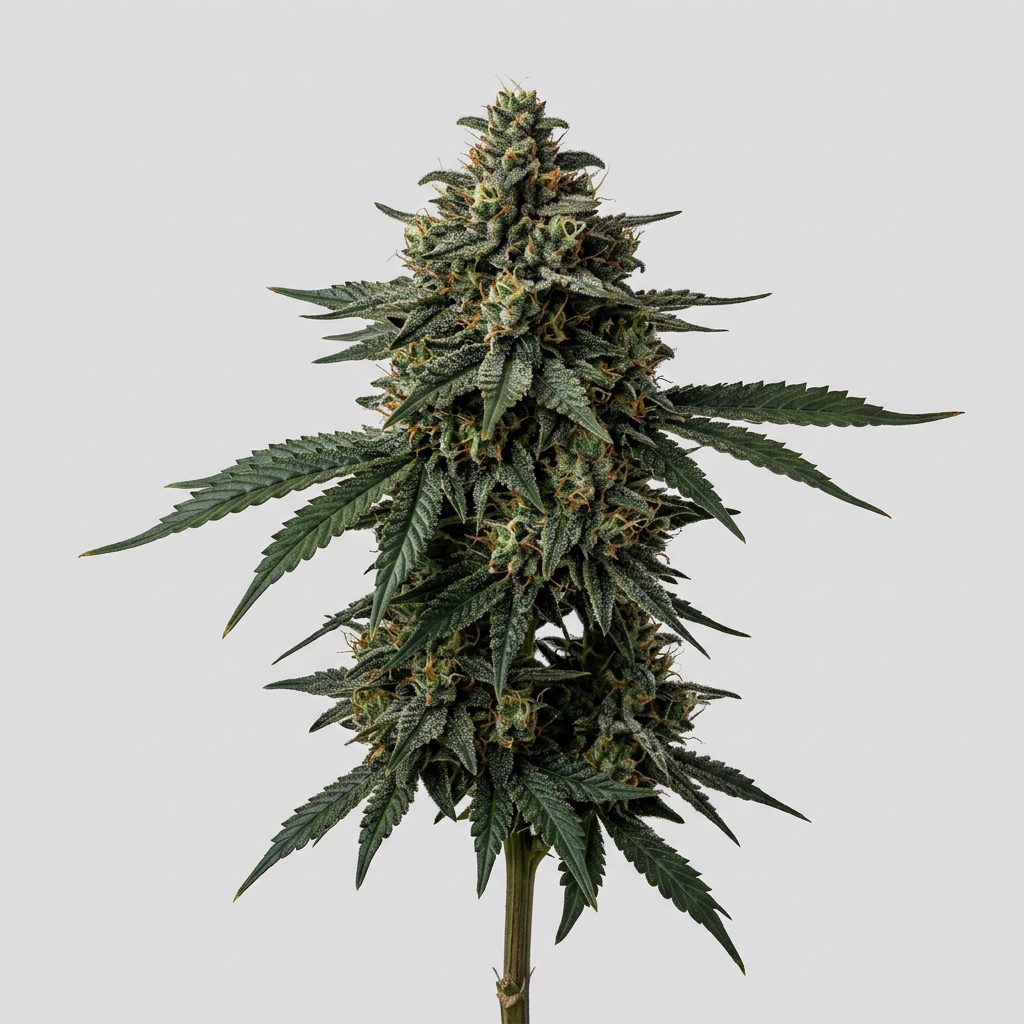
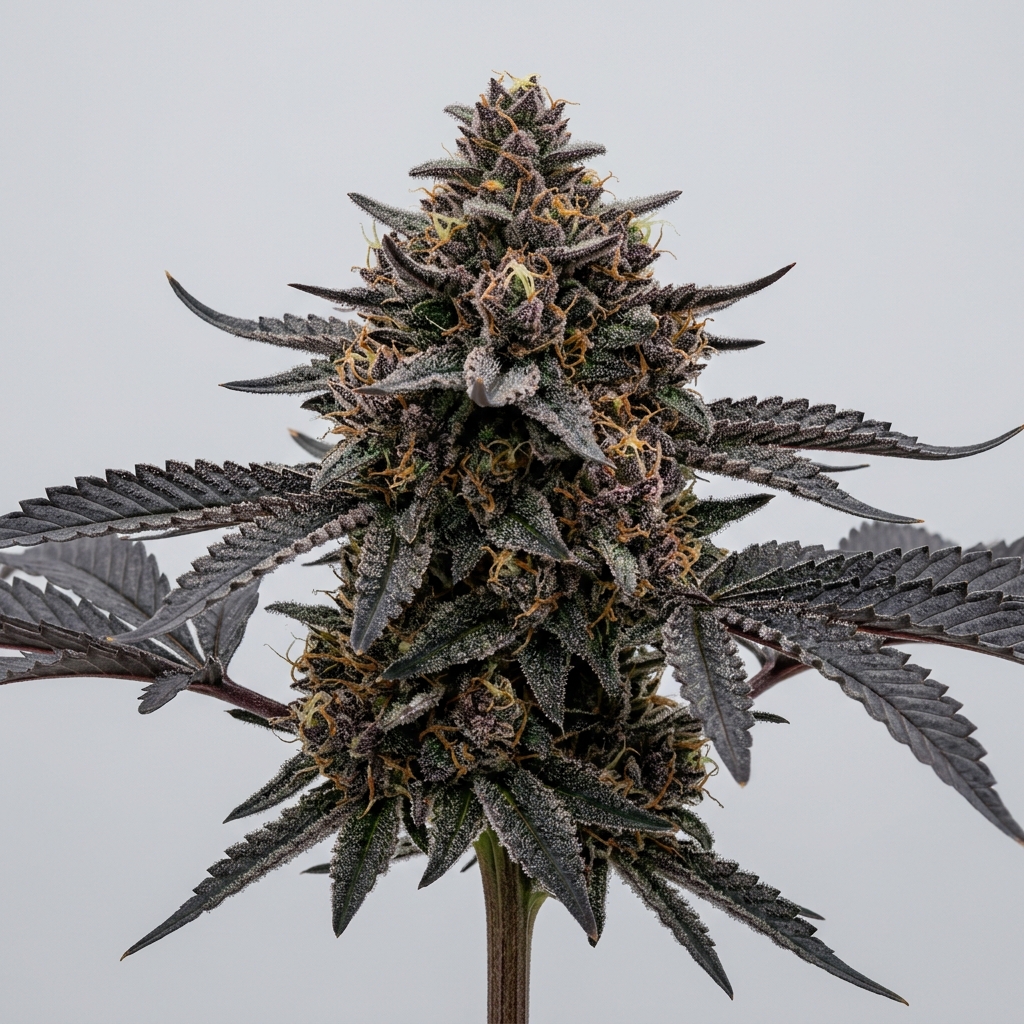
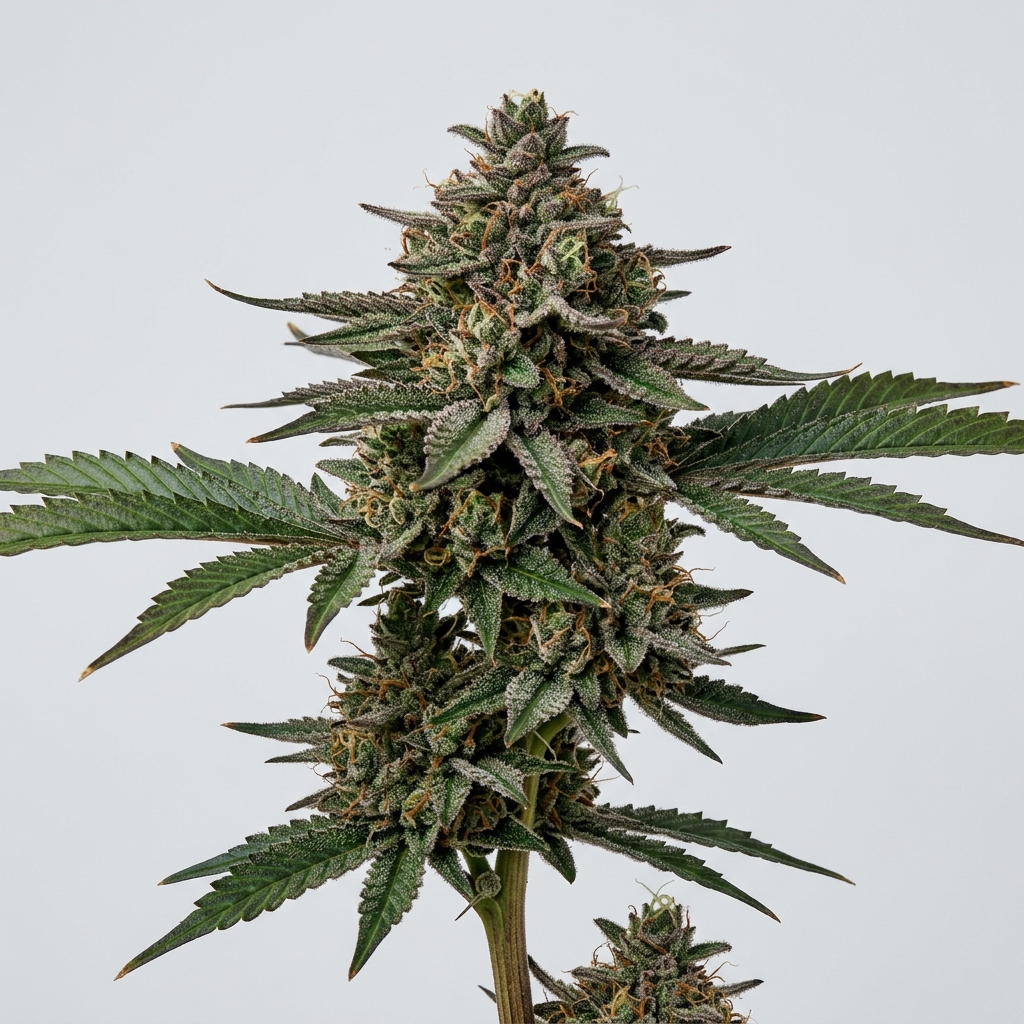
During the flowering cycle, the plant develops heavy, spear-shaped colas with tightly packed, swollen calyxes. The resin production is exceptionally high, with glandular trichomes quickly coating the dark green bracts and sugar leaves in a thick layer of greasy resin.
The strain’s diverse genetic background provides excellent natural resistance to common pests, though the sheer density of its mature buds makes late-flower humidity control critical to preventing mold. Its terpene synthesis leans heavily toward heavy sesquiterpenes, contributing to its distinctively pungent, old-school profile.
Effects & Use-Cases (Reported)
Commonly reported effects: Users frequently describe a heavy, creeping physical relaxation that settles deeply into the limbs, accompanied by a calm, meditative mental state. The experience is physical and grounding, often leading to a gentle sedation that makes it highly suitable for late evening or nighttime use.
Use-case context: This cultivar is typically selected by those seeking relief from physical tension, muscle soreness, or occasional sleeplessness. Its grounding nature also makes it a popular choice for quiet, low-energy activities like reading, listening to music, or preparing for sleep.
Note: Due to its heavy indica influence, novice consumers should approach this strain with caution, as higher doses can lead to pronounced lethargy and a strong desire to remain stationary.
Aroma & Flavors
Aroma: The primary scent profile is dominated by a sharp, pungent skunk and damp earth, accented by spicy, hash-like notes and a subtle, dark berry edge. Breaking the buds releases a deeper, peppery fuel aroma that reflects its rich landrace heritage.
Flavor: On the palate, the smoke is thick and expansive, delivering a robust flavor of spicy hashish, earthy pine, and a lingering herbal, black pepper finish.
Terpene associations: Laboratory analyses typically show a dominance of myrcene, caryophyllene, and limonene, which collectively drive the strain’s warm, spicy, and deeply relaxing characteristics.
Tested Cannabinoid & Terpene Ranges
| Compound | Typical Range |
|---|---|
| Δ9-THC | 16.0% – 20.0% |
| CBD | < 1.0% |
| CBG | 0.5% – 1.2% |
| Myrcene | 0.4% – 0.9% |
| Caryophyllene | 0.3% – 0.7% |
| Limonene | 0.2% – 0.5% |
Range note: Cannabinoid and terpene profiles are highly phenotype-dependent and subject to variation based on cultivation methods, curing techniques, and environmental conditions.
Cultivation Notes
- Humidity Management: Maintain relative humidity (RH) below 45% during the final three weeks of flowering to protect the dense, heavy colas from moisture retention and bud rot.
- Nutrient Regimen: This cultivar is a moderate feeder, responding well to standard organic inputs and a gradual increase in phosphorus and potassium during mid-flower.
- Training Techniques: use low-stress training (LST) or topping early in the vegetative stage to encourage lateral branching and create a uniform canopy.
- Pruning: Implement strategic defoliation and lollipoping before the transition to flower to improve light penetration and airflow through the lower branches.
- Harvest Timing: Watch for the transition of trichome heads from clear to milky white, with roughly 10% to 15% turning amber, to capture the peak physical potency of the strain.
Grower Notes (Week-by-Week Snapshot)
- Weeks 1–3 (Vegetative & Transition): Plants show a steady, controlled stretch upon flipping to a 12/12 light cycle, usually doubling in height. Focus on selective leaf tucking and establishing the canopy structure.
- Weeks 4–6 (Mid-Flowering): White pistils form dense clusters as the spear colas begin to take shape. Resin production begins early, coating the surrounding sugar leaves in a sticky, wet frost.
- Weeks 7–9 (Late-Flowering & Flush): The buds swell significantly, displaying dark green bracts and deep orange pistils. Initiate a clean water flush during the final 10 to 14 days while keeping temperatures cool to preserve volatile terpenes.
- Post-Harvest (Dry & Cure): Hang whole plants to dry at 60°F (15°C) and 60% humidity for 11 to 14 days. Follow with a slow cure in airtight glass jars for at least four weeks to fully develop the complex hash and skunk flavor profile.
Genetic Lineage
The lineage of Four Way represents a deliberate, multi-generational breeding effort by Sensi Seeds to stabilize a true “four-way” hybrid. By combining three classic landrace strains—an earthy, resinous Afghani indica, a spicy Indian cultivar, and a robust Pakistani hash plant—breeders established a deeply physical foundation.
To introduce vigor, uniformity, and a faster flowering response, breeders integrated Skunk #1 into the genetic mix. This addition successfully bridged the wild, diverse traits of the landraces, resulting in a highly stable, uniform hybrid that retains the raw potency and complex terpene profiles of its ancestors.
Research Insights
Phytochemical research into landrace-derived hybrids like Four Way highlights the preservation of diverse secondary metabolite profiles. The combination of high concentrations of myrcene and caryophyllene suggests a strong interaction with peripheral cannabinoid receptors, which may account for the deep, full-body relaxation commonly reported by consumers.
From a horticultural perspective, the strain serves as an excellent reference point for studying hybrid vigor and genetic stabilization. The successful integration of four distinct gene pools showcases how selective backcrossing can preserve ancestral resin qualities while establishing modern agronomic viability in indoor cultivation systems.
Frequently Asked Questions
Is Four Way an indica or sativa?
Four Way is a heavily indica-dominant hybrid, typically consisting of roughly 80% indica and 20% sativa genetics, derived from landrace ancestors and Skunk #1.
How long does Four Way take to flower?
Under standard indoor conditions, this cultivar has a relatively fast flowering time of 7 to 9 weeks (approximately 45 to 60 days).
What does Four Way smell like?
It features a deeply nostalgic, old-school aroma characterized by pungent skunk, damp earth, and rich, spicy hashish, with subtle peppery undertones.
Is this strain suitable for beginners to grow?
Yes, its robust landrace genetics and stable growth structure make it quite forgiving, though growers must carefully monitor humidity levels during late flower due to its dense bud structure.
Educational Disclaimer
This content is for educational and informational purposes only. Information regarding reported effects, terpene associations, and cultivation characteristics is based on historical breeder reports, laboratory analyses, and consumer feedback, and should not be taken as professional medical or horticultural advice.
Rate and review this strain
Ratings and reviews are accepted only from signed-in Google accounts.
Sign in with Google to leave a rating and written review.
Latest Reviews
0 reviewsNo reviews yet. Be the first Google user to rate and review this strain.