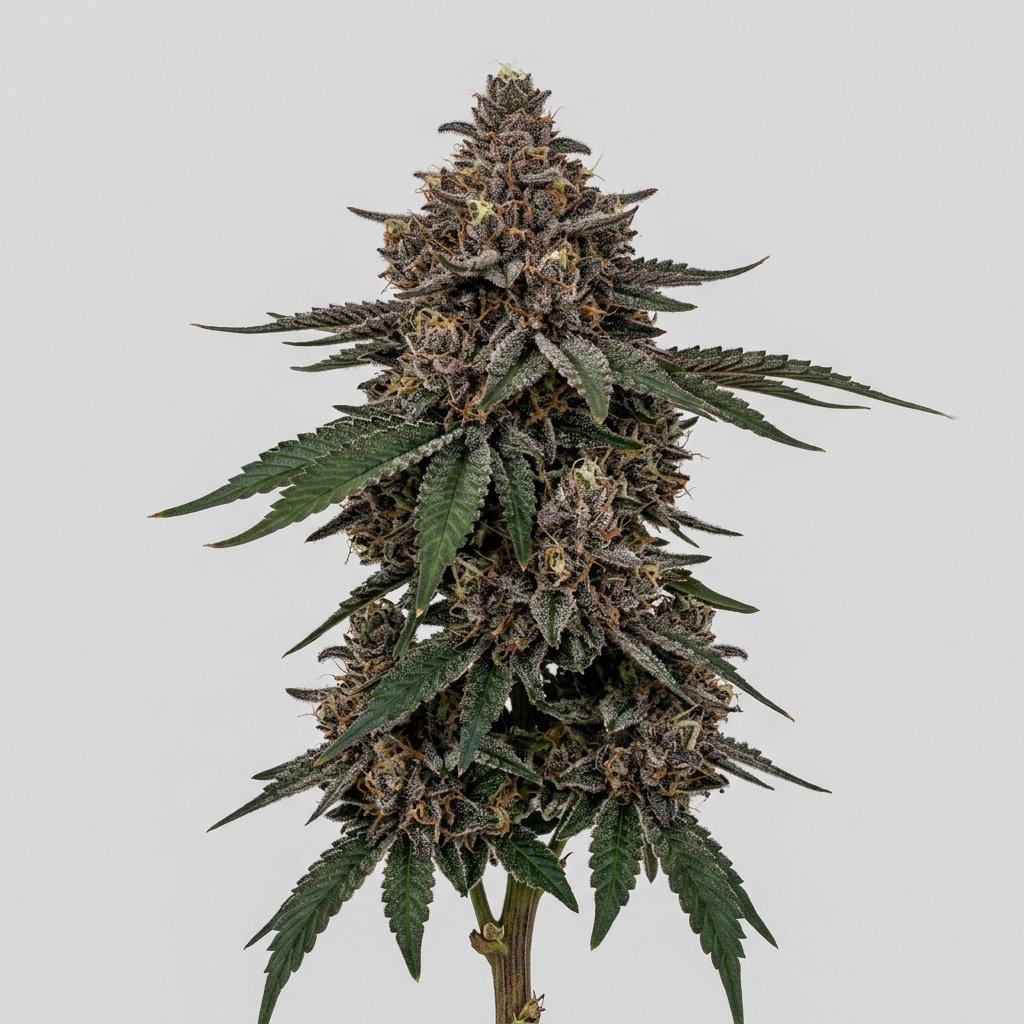
King Biscotti Pie (Cannabis Strain)
King Biscotti Pie is an indica-dominant hybrid cultivar typically testing between 22% and 28% THC, bred by crossing the heavy-hitting Biscotti with the dessert-forward Georgia Pie. This cultivar is highly regarded for its dense, grease-like resin coverage, deep purple-tinged bracts, and a complex aroma profile that balances warm baked dough with a sharp gas finish. In the garden, it shows a compact, sturdy growth habit with tight internodes, producing heavy spear colas that require careful late-flower humidity management. This combination of structural strength and exceptional resin quality makes it a staple for modern extraction-focused growers and evening connoisseurs alike.
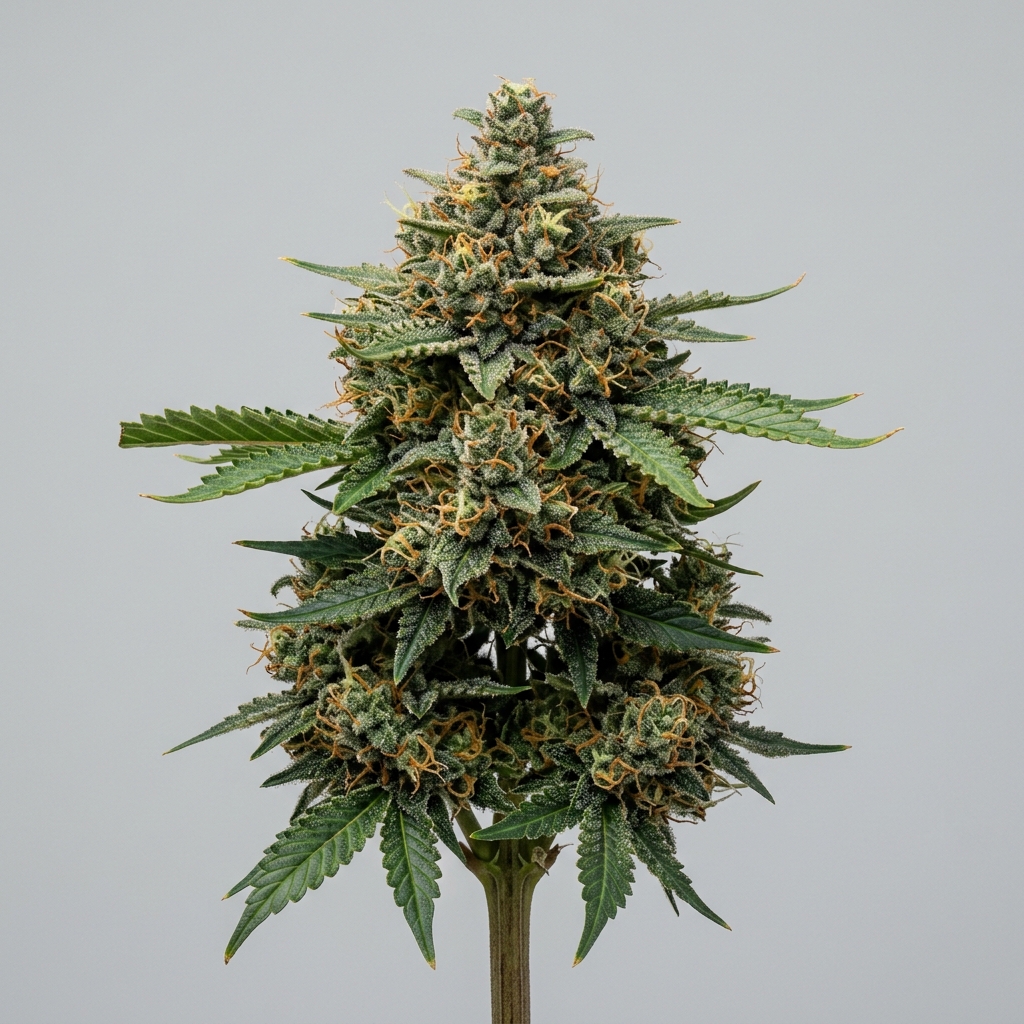
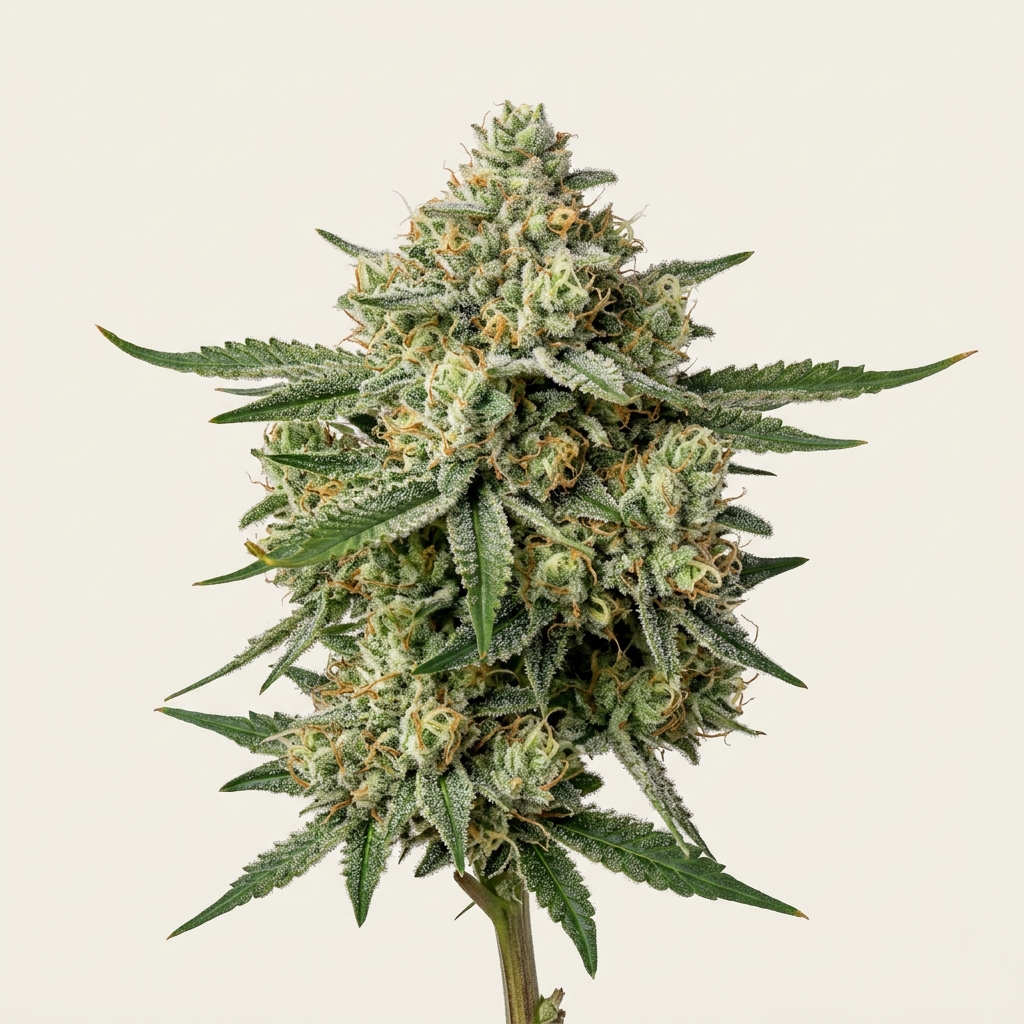
While it shares ancestral roots with the wider Cookies family, this selection stands out due to its distinct savory pastry undertones and heavy physical onset. Experienced cultivators value the strain for its consistent phenotype expression, showing minimal variation in terpene output when grown under stable conditions. Its visual appeal is marked by swollen calyxes coated in a thick layer of wet frost, contrasting beautifully with its dark autumn foliage.
Quick Facts
| Feature | Details |
|---|---|
| Genetics | Biscotti × Georgia Pie |
| Variety | Indica-dominant Hybrid |
| THC Range | 22% – 28% |
| Flowering Time | 8 – 9 Weeks |
| Yield Potential | Moderate to High |
| Plant Height | Medium (Controlled stretch) |
| Climate Preference | Temperate, low humidity |
| Difficulty | Moderate |
Scientific & Botanical Overview
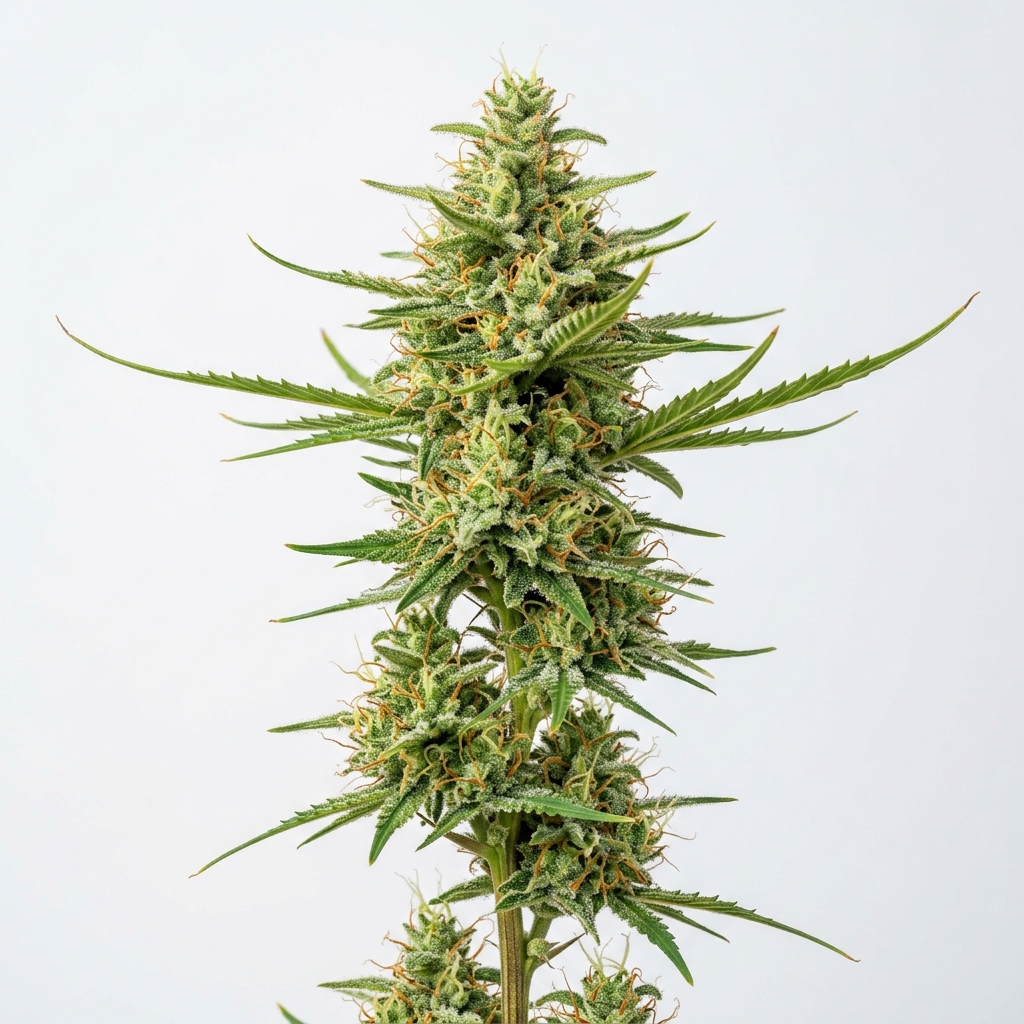
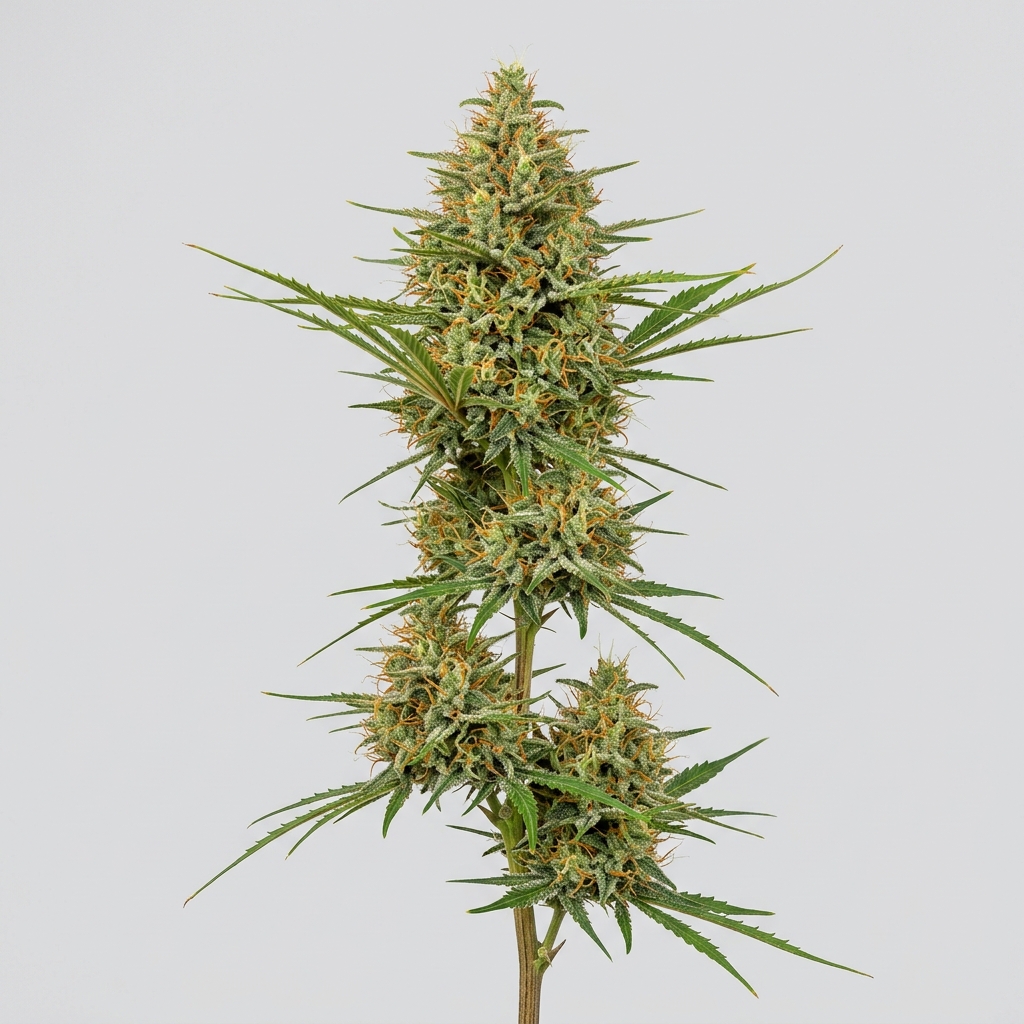
Botanically, King Biscotti Pie displays classic indica-dominant morphology, characterized by broad fan leaves, thick stems, and a squat lateral branching pattern. The plant focuses its energy on developing dense, resin-rich flower clusters that cluster tightly along the apical stems. During the transition to flower, the internodal stretching is highly manageable, usually averaging a 50% to 80% increase in overall height.
Anthocyanin accumulation is highly pronounced in this cultivar, especially when night temperatures drop during the final weeks of bloom. This genetic trait shifts the foliage from a vibrant forest green to deep hues of purple and near-black. The trichome heads are predominantly capitate-stalked, developing early in week three of flower and maturing into a sticky, greasy coat that resists wind damage.
The structural density of the buds is exceptionally high, with tightly packed bracts enclosing small, resinous calyxes. This tight configuration requires adequate airflow throughout the canopy to prevent micro-climates of trapped moisture. Growers should monitor leaf-to-calyx ratios, which remain favorable, making post-harvest processing highly efficient.
Effects & Use-Cases (Reported)
Commonly reported effects: Users typically describe a heavy, warming physical relaxation paired with a calm, slow-paced mental ease. The onset is often described as a creeping physical weight that settles into the limbs, making it highly suitable for late-evening wind-down routines.
Use-case context: Given its heavy physical profile, this strain is best reserved for nighttime use or quiet, sedentary activities. It is frequently selected by experienced consumers seeking to ease muscle tension or quiet a busy mind before sleep.
Please note: Individual experiences may vary, and high-potency cultivars can occasionally induce mild dry mouth or temporary lethargy in sensitive users.
Aroma & Flavors
Aroma: A rich blend of caramelized sugar, warm pastry dough, and a pungent, diesel-like fuel undertone that sharpens upon breaking the buds.
Flavor: The palate is dominated by a sweet, buttery cookie profile on the inhale, followed by a savory, earthy spice and a distinct tart gas finish.
Terpene associations: Analytical testing frequently highlights a dominance of caryophyllene, limonene, and myrcene, which drive its spicy, citrus-gassy, and earthy characteristics.
Tested Cannabinoid & Terpene Ranges
| Compound | Typical Range |
|---|---|
| Δ9-THC | 22.0% – 28.0% |
| CBD | < 1.0% |
| β-Caryophyllene | 0.5% – 0.9% |
| d-Limonene | 0.3% – 0.6% |
| β-Myrcene | 0.2% – 0.5% |
| Linalool | 0.1% – 0.3% |
Note: Cannabinoid and terpene content can vary significantly based on cultivation methods, curing practices, and specific phenotype selections.
Cultivation Notes
- Keep relative humidity (RH) below 45% during the final three weeks of flowering to protect the dense, compact colas from moisture retention.
- This cultivar thrives on a moderate nutrient regimen, showing sensitivity to excessive nitrogen during the early vegetative phase.
- Low-stress training (LST) and early topping help spread the canopy, encouraging uniform development of the lower lateral branches.
- Time the harvest based on trichome maturity; look for a distribution of roughly 80% milky and 20% amber heads for the optimal balance of potency and flavor.
- Select phenotypes that display early resin production and maintain strong stem integrity to support the heavy flower load.
Grower Notes (Week-by-Week Snapshot)
- Weeks 1–3: Establish a strong root zone and perform early topping at node five. Expect a controlled stretch as the plant transitions, with early pistil development and resin glands appearing near the end of week three.
- Weeks 4–6: The canopy will fill out rapidly. Implement light defoliation to clear up lower bud sites and improve internal airflow, as the fan leaves are broad and can block light.
- Weeks 7–9: Lower day and night temperatures slightly to encourage purple coloration. Reduce relative humidity to its lowest levels and monitor the heavy, resin-soaked colas daily for density-related issues.
- Post-Harvest: Execute a slow dry at 60°F (15°C) and 60% relative humidity for 11 to 14 days, followed by a minimum three-week cure to fully lock in the doughy, gassy terpene profile.
Genetic Lineage
The genetic foundation of King Biscotti Pie relies on the crossing of two modern powerhouse lines. Its maternal parent, Biscotti (itself a cross of Gelato #25, Girl Scout Cookies, and South Florida OG), contributes its signature buttery, fuel-forward terpene profile and heavy physical traits. This lineage ensures a high concentration of resin-rich trichomes and a dense, compact bud structure.
The paternal influence comes from Georgia Pie, a celebrated cross of Gellati and Kush Mints. Georgia Pie injects a sweet, baked-fruit complexity and structural vigor into the cross, enhancing the lateral branching and overall yield potential. The resulting hybrid successfully merges the doughy, dessert-like qualities of both parents into a highly stable, resin-dense cultivar.
Research Insights
Scientific interest in King Biscotti Pie focuses on its high concentration of sesquiterpenes, particularly caryophyllene. This compound’s ability to interact directly with peripheral receptors makes it a subject of study regarding physical comfort and relaxation pathways. The co-presence of monoterpenes like limonene suggests a modulated uptake that may influence the duration of its physical effects.
From a horticultural perspective, researchers study this cultivar’s stable anthocyanin expression under controlled thermal stress. The predictable transition to purple pigmentation provides valuable data on plant stress responses and secondary metabolite production. This stability makes it an excellent candidate for comparative studies on light spectrum utilization and terpene synthesis.
Frequently Asked Questions
Is King Biscotti Pie suitable for beginner growers?
While it has a manageable growth habit, its dense bud structure requires precise environmental controls, making it better suited for intermediate to experienced growers.
What are the dominant aromas of this strain?
The strain is widely recognized for its rich aroma of sweet, baked cookie dough blended with a sharp, gassy diesel finish.
How much does King Biscotti Pie stretch during flower?
This cultivar shows a moderate, highly controlled stretch, typically increasing in height by about 50% to 80% after entering bloom.
What is the ideal curing time for this cultivar?
A slow dry followed by a minimum of three to four weeks of curing in airtight glass jars is recommended to bring out the depth of the savory dough and gas notes.
Educational Disclaimer
This profile is for informational and educational purposes only. Cultivation and consumption of cannabis are subject to varying local laws and regulations.
Rate and review this strain
Ratings and reviews are accepted only from signed-in Google accounts.
Sign in with Google to leave a rating and written review.
Latest Reviews
0 reviewsNo reviews yet. Be the first Google user to rate and review this strain.