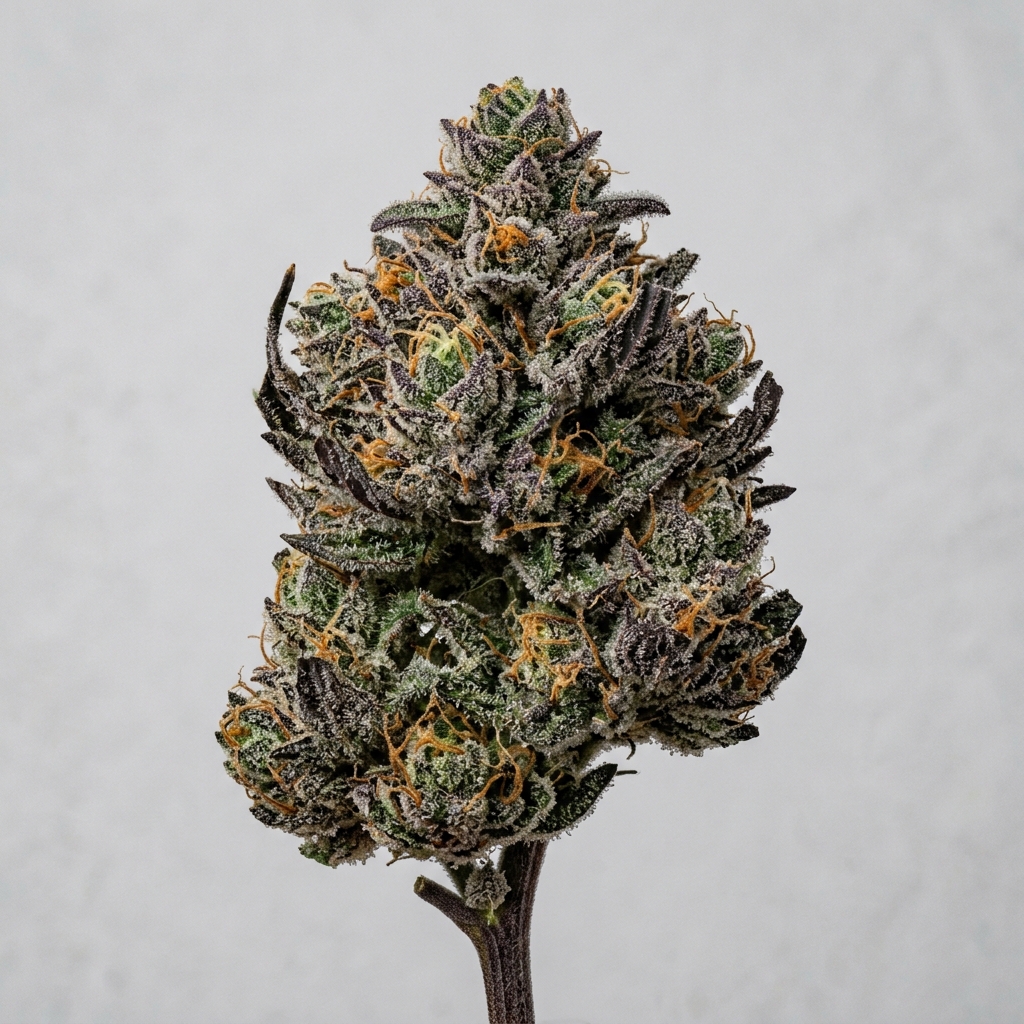
Grape Diamonds (Cannabis Strain)
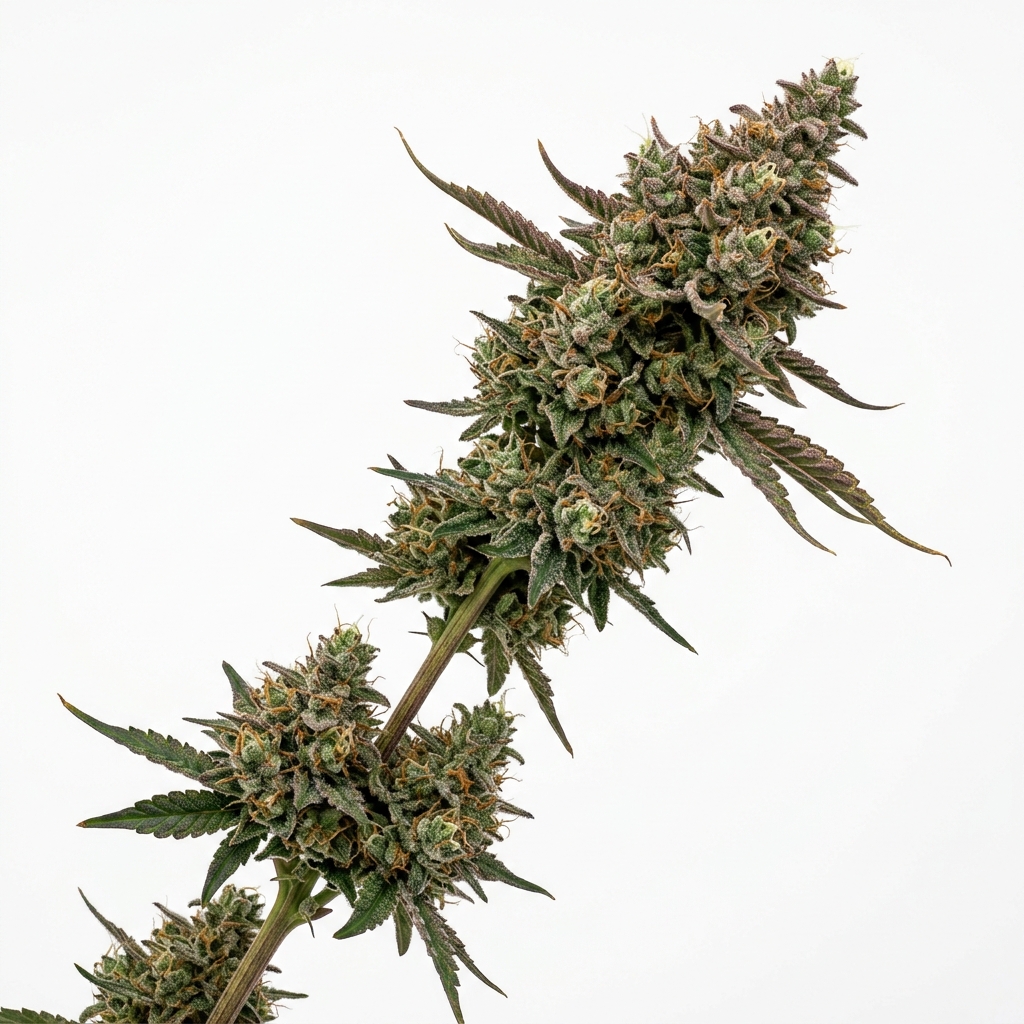
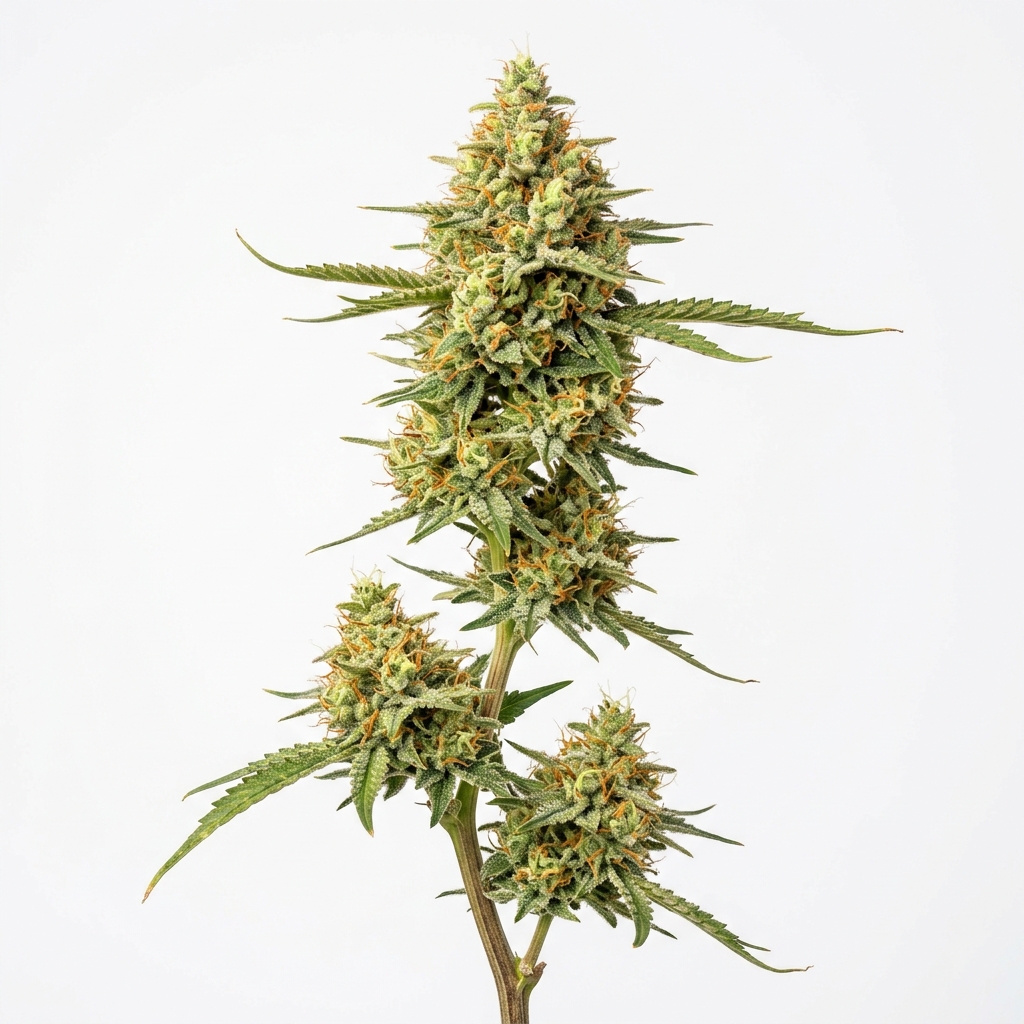
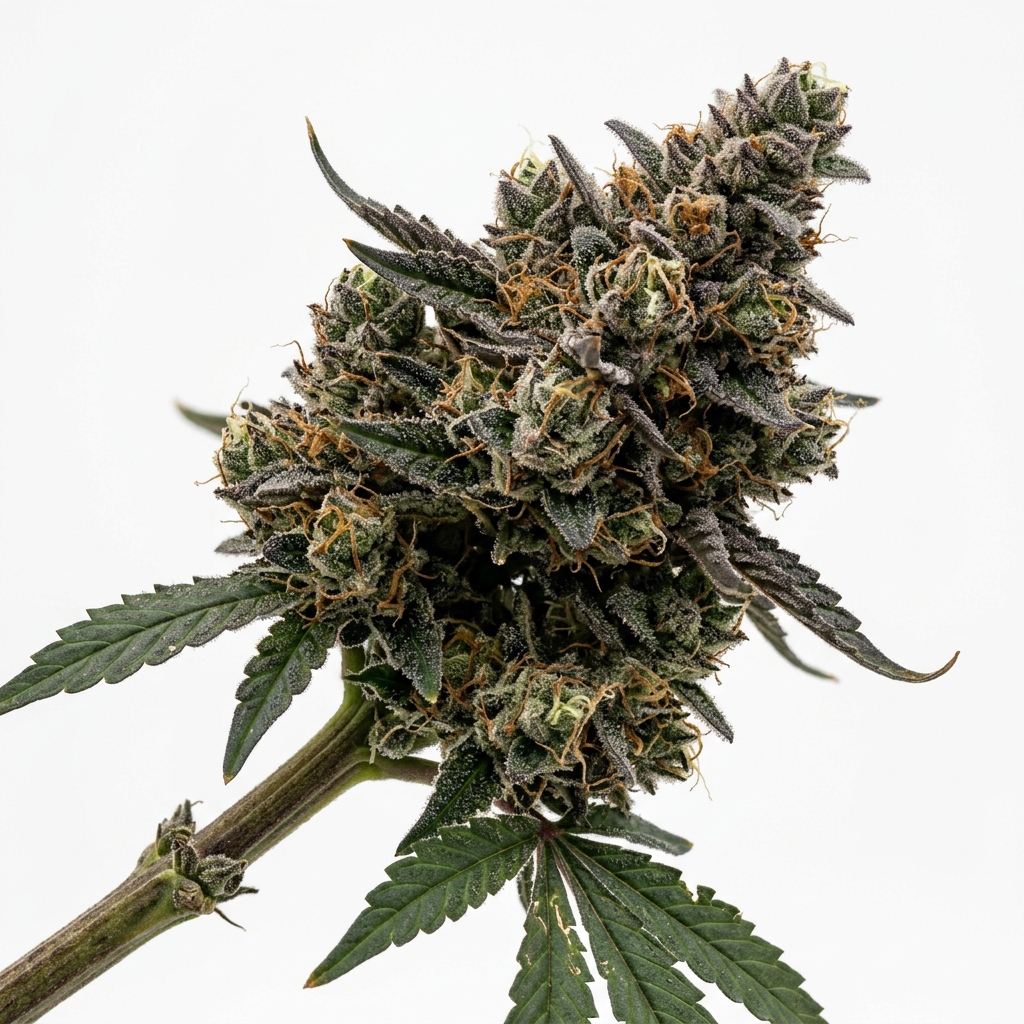
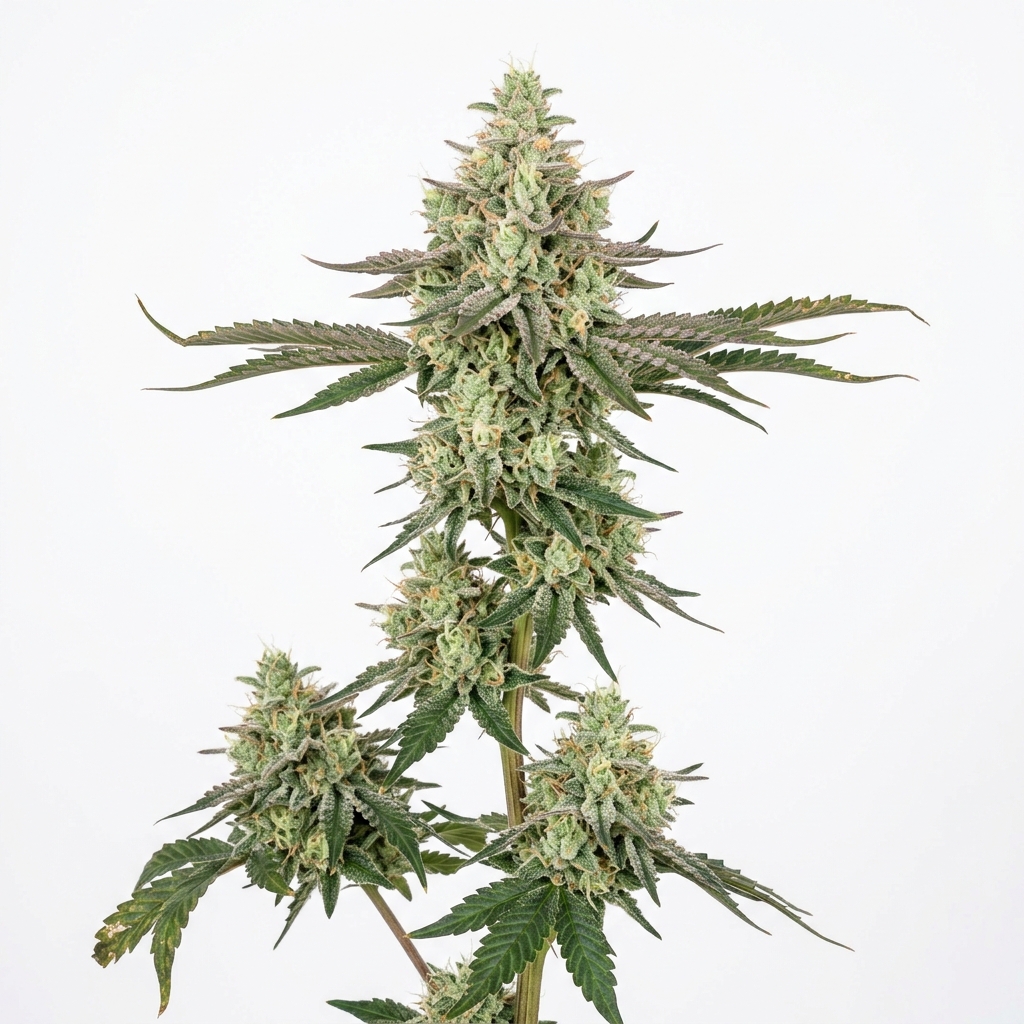
Grape Diamonds is a vibrant sativa-dominant hybrid, typically testing between 20% and 25% THC, bred by crossing Pink Grapefruit with Member Berry. Known for its striking visual appeal and glittering trichome coverage, this cultivar delivers a sharp profile of tart grape, fresh grapefruit, and skunky fuel. The plants exhibit a manageable stretch and produce dense, purple-splashed spear colas that make it a favorite for both boutique growers and extractors seeking high-clarity resin.
Unlike heavier purple varieties, this strain maintains a functional, uplifting character that fits daytime use. Its quick flowering cycle and robust resistance to common pests make it a reliable performer in various cultivation setups.
Quick Facts
| Field | Details |
|---|---|
| Genetics | Pink Grapefruit × Member Berry |
| Variety | Sativa-dominant Hybrid (approx. 70/30) |
| THC Range | 20% – 25% |
| Flowering Time | 8 – 9 weeks |
| Yield Potential | Moderate to High |
| Plant Height | Medium |
| Climate Preference | Temperate, mild, low late-flower humidity |
| Difficulty | Moderate |
Scientific & Botanical Overview
Botanically, Grape Diamonds expresses strong sativa-leaning structural traits inherited from its Member Berry lineage, while retaining the tighter node spacing of its grapefruit parent. The plants develop broad fan leaves early in veg, which quickly transition to narrower finger-like leaves as they enter the flowering stage. Under cooler night temperatures, the bracts readily accumulate anthocyanins, turning deep shades of purple and violet.
The resin profile is characterized by capitate-stalked trichomes that dry to a glassy, non-greasy finish, preserving volatile terpenes during the curing process. This structure makes the dried flowers exceptionally resilient to handling, maintaining their sparkling “diamond” appearance. The internal bud structure is dense, composed of tightly packed calyxes that resist moisture retention.
Growers observe a moderate nutrient demand, with the plant showing a preference for stable calcium and magnesium levels during the mid-flowering stretch. The canopy benefits from early topping to distribute energy across multiple dominant colas rather than a single main stem.
Effects & Use-Cases (Reported)
Commonly reported effects include a rapid onset of cerebral clarity, physical energy, and an uplifting sense of focus without heavy physical sedation. Users frequently describe a clean, bright buzz that settles behind the eyes before spreading into a light, functional body relaxation.
Use-case context favors daytime activities, creative projects, and social settings where mental agility is desired. The lack of a heavy physical crash makes it suitable for afternoon use or as a companion for outdoor activities.
Note: Individual experiences may vary, and high-THC cultivars should be approached with caution by those sensitive to uplifting sativa-leaning effects.
Aroma & Flavors
Aroma: A complex blend of sour grape, tart grapefruit, and a sharp, skunky fuel undertone that intensifies upon grinding the buds.
Flavor: The smoke carries a distinct sweet berry taste on the inhale, followed by a lingering herbal, citrus, and tart gas finish on the exhale.
Terpene associations: Cultivar analyses typically show high concentrations of myrcene, caryophyllene, and limonene, which drive its complex fruity-gas profile.
Tested Cannabinoid & Terpene Ranges
| Compound | Typical Range |
|---|---|
| Δ9-THC | 20% – 25% |
| CBG | 0.5% – 1.2% |
| Myrcene | 0.4% – 0.8% |
| Caryophyllene | 0.3% – 0.6% |
| Limonene | 0.2% – 0.5% |
These ranges represent typical analytical laboratory results. Individual harvests and phenotypes will vary based on cultivation environment, nutrition, and curing protocols.
Cultivation Notes
- Keep humidity below 45% in late flower to protect the dense colas from moisture-related issues.
- Responds well to low-stress training (LST) and early defoliation to improve light penetration through the canopy.
- Maintains a moderate stretch, typically doubling in size during the first three weeks of transition.
- Harvest when trichomes are mostly milky with about 10% amber for optimal terpene preservation.
- Phenotypes vary slightly, but most express purple hues naturally without requiring extreme cold shock.
Grower Notes (Week-by-Week Snapshot)
- Weeks 1–3 (Transition & Stretch): The plant stretches moderately; implement light defoliation at the base to encourage airflow and establish the main canopy structure.
- Weeks 4–6 (Mid-Flower & Resin): Trichome production begins early on the sugar leaves; maintain steady phosphorus and potassium inputs while monitoring canopy height.
- Weeks 7–9 (Late Flower & Color): Drop nighttime temperatures by 5–8°F to encourage the expression of deep purple and lavender hues across the dense calyxes.
- Post-Harvest (Dry & Cure): Hang dry at 60°F and 60% relative humidity for 11 to 14 days to preserve the delicate grape and grapefruit terpenes before a minimum three-week jar cure.
Genetic Lineage
Grape Diamonds was developed by Ethos Genetics as a selection from their Member Berry line, specifically crossing Pink Grapefruit with Member Berry. This breeding project aimed to capture the intense sweet berry notes of Member Berry while infusing the sharp, tart citrus kick of the Pink Grapefruit parent.
The resulting offspring stabilized the desired purple coloration and high trichome density, creating a reliable phenotype that consistently delivers both high bag appeal and a robust terpene profile.
Research Insights
Analytical testing of Grape Diamonds highlights a high concentration of monoterpenes, specifically myrcene and limonene, which work alongside sesquiterpenes like caryophyllene. This specific chemical distribution is responsible for the rapid sensory transition from sweet berry to sharp, gassy citrus.
The presence of minor cannabinoids, including measurable levels of CBG, suggests a complex cannabinoid profile that may modulate the overall uptake of THC, contributing to the clean, functional clarity reported by consumers.
Frequently Asked Questions
Is Grape Diamonds an indica or sativa?
Grape Diamonds is a sativa-dominant hybrid, typically classified as a 70/30 sativa-to-indica ratio, offering functional energy and mental clarity.
Who bred Grape Diamonds?
This cultivar was originally bred by Ethos Genetics as a selected phenotype from a cross of Pink Grapefruit and Member Berry.
What does Grape Diamonds smell like?
It features a pungent aroma of tart grape, fresh pink grapefruit, and a sharp, skunky gas finish.
How long does Grape Diamonds take to flower?
The strain has a relatively fast flowering time for a sativa-dominant hybrid, usually maturing within 8 to 9 weeks of indoor cultivation.
Educational Disclaimer
This guide is for educational and informational purposes only. Cultivation must comply with local laws and regulations.
Rate and review this strain
Ratings and reviews are accepted only from signed-in Google accounts.
Sign in with Google to leave a rating and written review.
Latest Reviews
0 reviewsNo reviews yet. Be the first Google user to rate and review this strain.
Follow New Cultivar Records
Get newly documented genetics, breeder history, research highlights, and important Strainpedia discoveries by email.