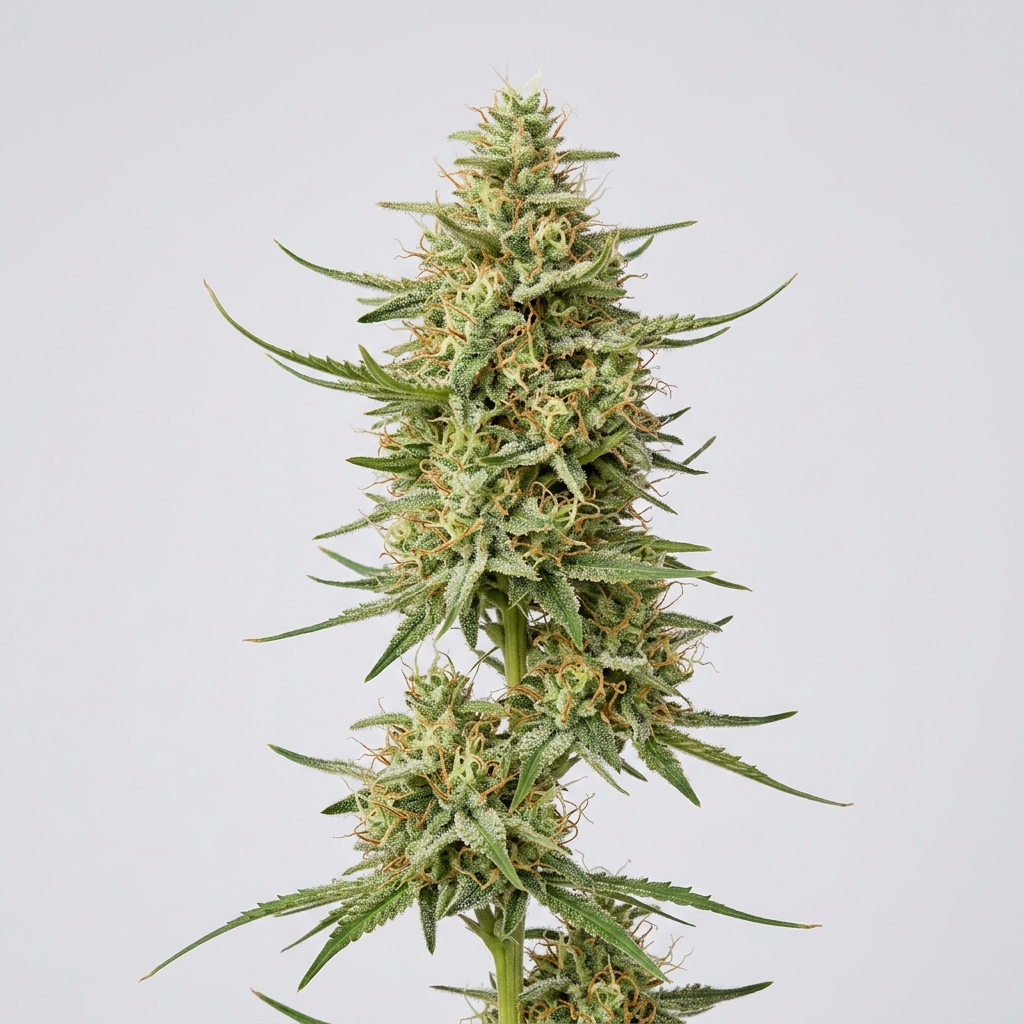
Eldorado (Cannabis Strain)
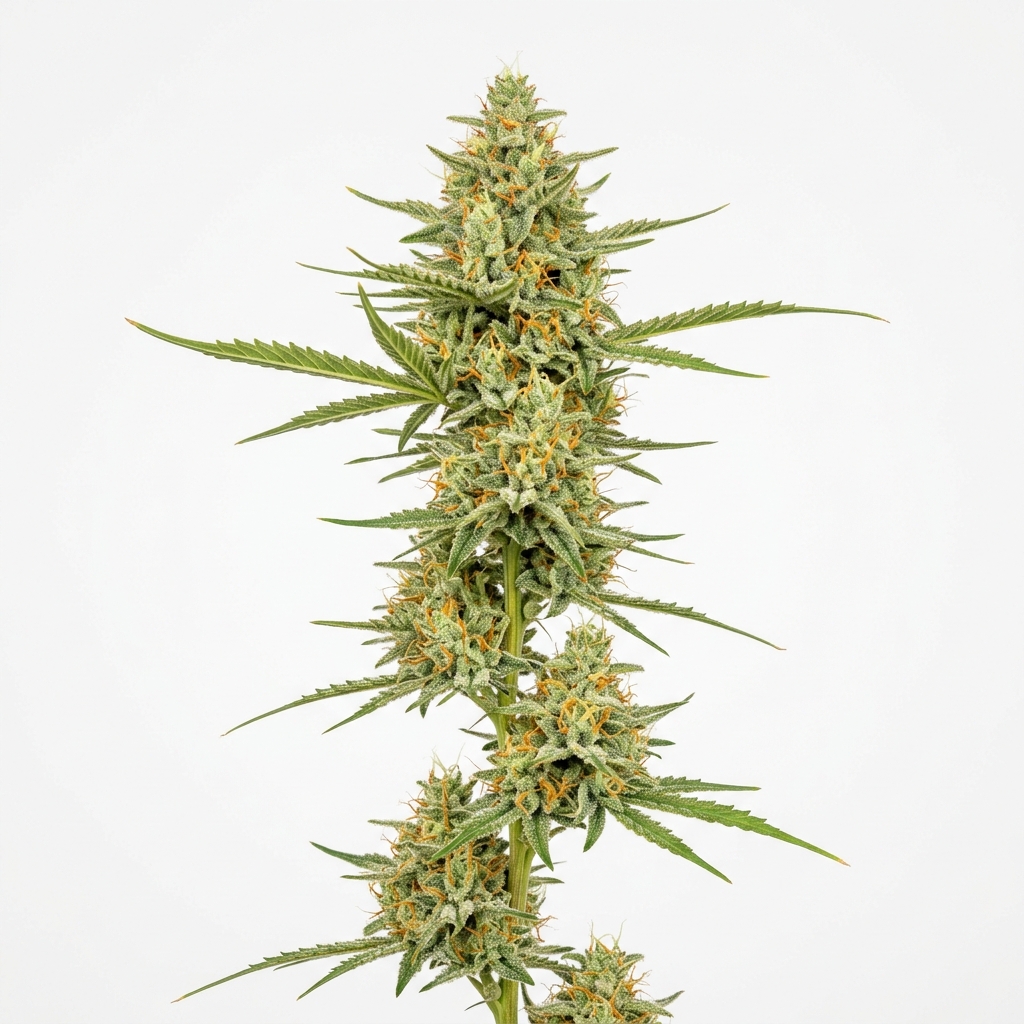
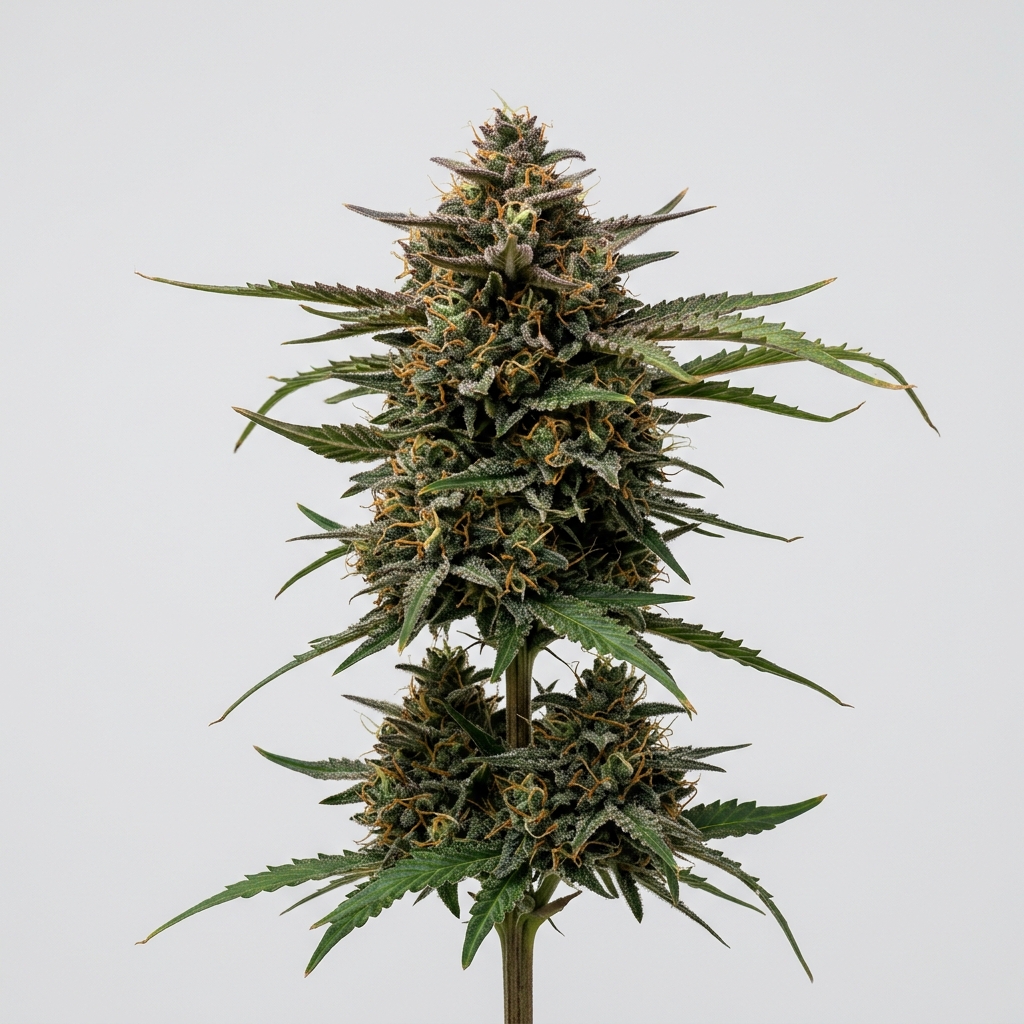
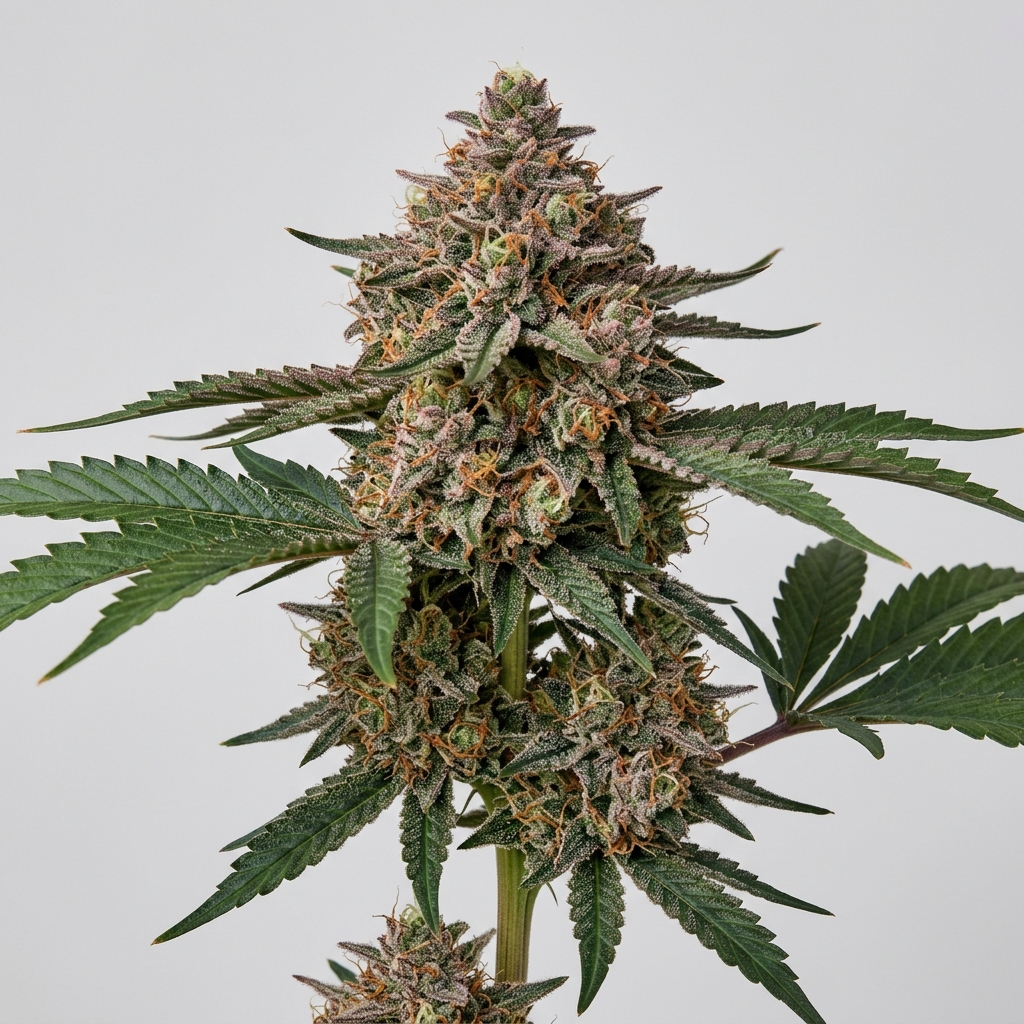
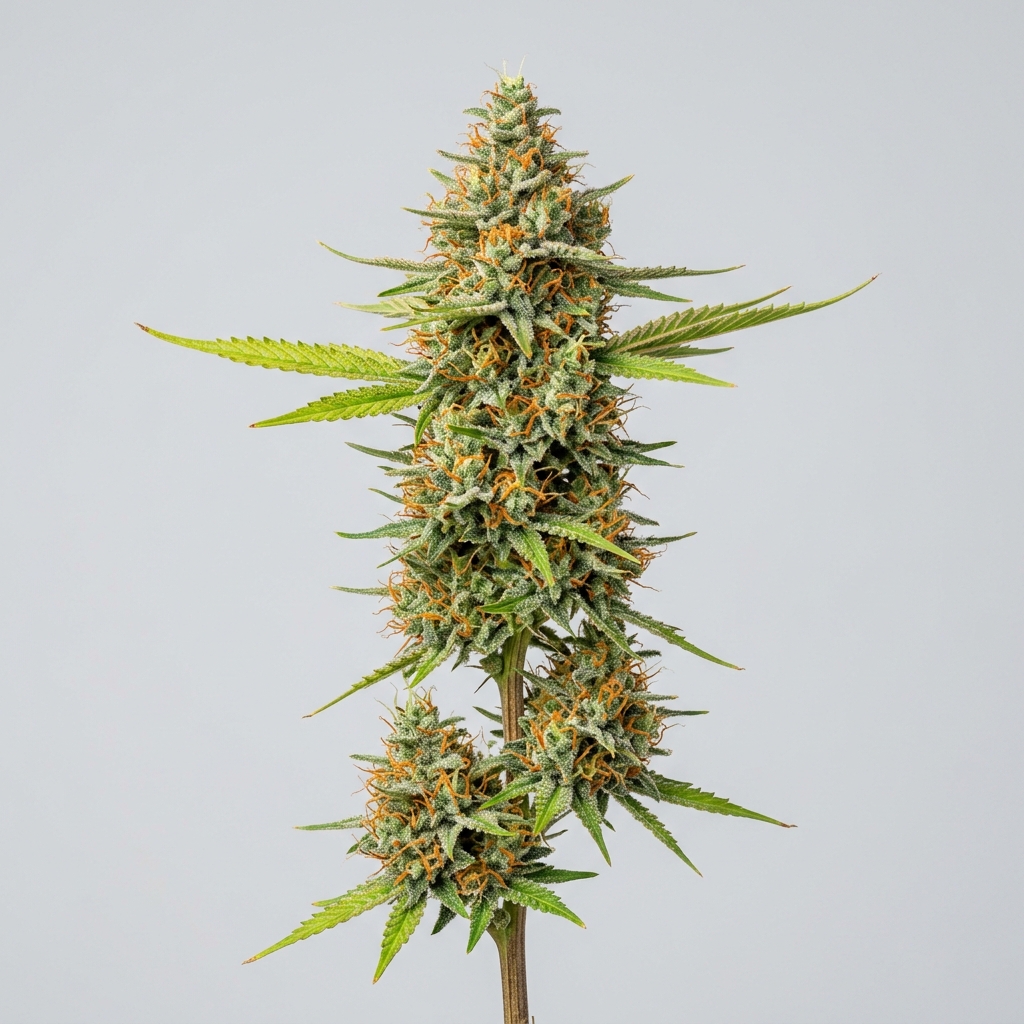
Eldorado is a rare, backcrossed landrace Sativa originating from the Oaxaca region of Mexico, celebrated for its soaring, clear-headed energy and historic genetics. Testing consistently between 18% and 22% THC, this cultivar features a sharp citrus lift layered with crisp pine and herbal spice. The plants exhibit a classic wild Sativa structure, developing tall, airy spear colas adorned with glassy buds and a delicate layer of wet frost. Cultivators prize this selection for its high mold resistance and authentic old-school character, making it a staple for preservationists of pure equatorial varieties.
Unlike modern dense hybrids, this strain retains the open, breathable bud structure characteristic of traditional Mexican landraces. This physical trait allows it to withstand high humidity during late flower, producing resin-rich flowers with exceptional terpene clarity. It offers a nostalgic, functional sensory profile that contrasts sharply with the heavy, gas-dominant profiles of the contemporary market.
Quick Facts
| Trait | Details |
|---|---|
| Genetics | Oaxacan Sativa landrace selection |
| Variety | Sativa (100%) |
| THC Range | 18% – 22% |
| Flowering Time | 11 – 13 weeks |
| Yield Potential | Moderate |
| Plant Height | Tall (Significant stretch) |
| Climate Preference | Warm, sunny, semi-humid to dry |
| Difficulty | Moderate to High (Requires height management) |
Scientific & Botanical Overview
From a botanical perspective, this cultivar showcases the classic morphology of equatorial Sativas. The plants grow tall and slender, utilizing wide internodal spacing and thin, narrow-fingered fan leaves to maximize light penetration and airflow. The stem structure is highly flexible, designed to sway in outdoor breezes rather than snap under the weight of its airy flowers.
Bud formation is characterized by elongated, loose spear colas with highly swollen calyxes and minimal leaf-to-calyx ratio. This open architecture prevents moisture entrapment, making the cultivar highly adapted to tropical climates where late-season humidity is a constant factor. The resin glands are small but densely concentrated, yielding a greasy resin that remains clear and glassy even at full maturity.
Unlike modern polyhybrids that mature rapidly, this landrace selection requires a prolonged vegetative and flowering cycle to synthesize its unique cannabinoid and terpene profile. The slow development allows the plant to build a complex array of secondary metabolites, avoiding the rapid degradation of delicate monoterpenes often seen in faster-flowering varieties.
Effects & Use-Cases (Reported)
Commonly reported effects: Users frequently describe the experience as intensely uplifting, cerebral, and clarifying. It delivers a clean, energetic spark that sharpens focus without the physical heaviness or lethargy associated with indica-dominant genetics.
Use-case context: This daytime sensory profile is well-suited for creative projects, outdoor activities, and social gatherings. The lack of a heavy physical comedown makes it an excellent choice for morning or afternoon consumption, keeping the mind active and alert.
Note: Because of its pure Sativa heritage and rapid cerebral onset, sensitive individuals should approach this cultivar with caution, as high doses may induce mild sensory overstimulation or pacing thoughts.
Aroma & Flavors
Aroma: The initial jar opening releases a sharp citrus lift dominated by fresh lemon peel and green apple, supported by a rustic, woody pine background and a subtle hint of herbal incense.
Flavor: On the palate, the smoke is exceptionally clean and crisp, offering a bright lemongrass flavor on the inhale, followed by an earthy, slightly spicy cedar finish that lingers pleasantly without any harshness.
Terpene associations: Laboratory analyses frequently associate this aromatic profile with high concentrations of terpinolene, supported by secondary levels of beta-caryophyllene and myrcene.
Tested Cannabinoid & Terpene Ranges
| Compound | Typical Range |
|---|---|
| Delta-9-THC | 18.0% – 22.0% |
| CBD | < 0.1% |
| Terpinolene | 0.4% – 0.8% |
| Beta-Caryophyllene | 0.2% – 0.5% |
| Myrcene | 0.1% – 0.4% |
| Limonene | 0.1% – 0.3% |
Note: Cannabinoid and terpene metrics are literature-informed references. Actual testing profiles vary significantly depending on the specific phenotype, growing medium, and curing methodology employed by the cultivator.
Cultivation Notes
- Humidity control: This variety is highly resistant to mold and bud rot due to its airy flower structure, but late-flower humidity should still be maintained below 50% to optimize resin production.
- Nutrient requirements: It is a light feeder compared to modern hybrids. Avoid heavy nitrogen applications during vegetative growth, as this can trigger uncontrollable stretching and weak, spindly stems.
- Training techniques: Early topping, low-stress training (LST), or utilizing a ScROG (Screen of Green) setup is essential for indoor growers to manage the aggressive vertical stretch.
- Harvest timing: Patience is required. Harvesting too early will result in underdeveloped trichomes and a racy, incomplete effect; wait for the pistils to fully recede and the glassy trichome heads to turn milky.
- Phenotype variation: Some selections exhibit a more compact structure, but the truest phenotypes will show the classic, tall, slow-maturing Oaxacan landrace traits.
Grower Notes (Week-by-Week Snapshot)
- Weeks 1–4 (Vegetative & Early Stretch): The plant establishes a deep root system and begins rapid vertical growth. Introduce light structural support early and apply topping to encourage lateral branching.
- Weeks 5–8 (Mid-Flower & Cola Definition): Vertical stretch continues even after initiating a 12/12 light cycle. Thin, airy flower clusters begin to form along the branches, and a subtle citrus aroma becomes noticeable.
- Weeks 9–12+ (Late-Flower & Resin Maturation): The spear colas fill out, showing swollen calyxes and a coating of glassy, wet frost. Reduce nitrogen to zero and monitor trichomes closely as the plant finishes its long cycle.
- Post-Harvest & Cure: A slow dry of 10 to 14 days at 60°F and 60% humidity is crucial to preserve the delicate terpinolene content. Cure in airtight glass jars for a minimum of four weeks to unlock the full wood and spice flavor profile.
Genetic Lineage
The genetic heritage of this cultivar traces back directly to the mountainous Oaxacan region of Mexico, a historic geographic zone known for producing some of the world’s finest highland Sativas. These landrace populations were selected and backcrossed over multiple generations by preservationist breeders to stabilize the line while retaining the wild, energetic spirit of the original landrace.
Unlike contemporary commercial strains that are heavily hybridized with indica genetics for speed and density, this selection remains a pure representation of its geographical origin. It serves as an important genetic baseline, preserving the unique physical traits and high-terpinolene chemotypes that have largely been bred out of modern indoor-focused cultivars.
Research Insights
Scientific interest in landrace selections like this one centers on their unique terpene distribution, particularly the dominance of terpinolene in combination with moderate THC levels. Research suggests that this specific chemical arrangement contributes to the clear-headed, non-sedating experience, contrasting with the myrcene-heavy profiles common in modern commercial cannabis.
Additionally, agricultural researchers study these equatorial varieties to understand natural pest and mold resistance mechanisms. The open, airy bract structure and flexible stems provide valuable genetic blueprints for breeding programs aiming to develop resilient cultivars capable of thriving in warm, humid outdoor environments without chemical interventions.
Frequently Asked Questions
How long does Eldorado take to flower?
This pure Sativa selection typically requires an extended flowering period of 11 to 13 weeks. Indoor growers must plan for this long cycle, while outdoor cultivators need a climate that remains warm and frost-free well into late autumn.
Is Eldorado suitable for beginner growers?
Due to its aggressive vertical stretch and long flowering time, it is generally considered a moderate to difficult strain to cultivate indoors. It requires active height-management techniques, though its high natural resistance to mold makes it forgiving in humid climates.
What does the Eldorado strain smell like?
The aromatic profile is dominated by a sharp citrus lift, reminiscent of fresh lemons and lemongrass. This bright top note is grounded by an old-school background of crisp pine, cedarwood, and a faint touch of herbal spice.
What are the primary effects of this strain?
It is widely reported to deliver a soaring, energetic, and highly cerebral experience. Users typically experience enhanced focus and creative stimulation with virtually no physical heaviness or comedown.
Educational Disclaimer
This article is intended solely for educational, historical, and botanical preservation purposes. Cultivation of cannabis is subject to varying local, state, and federal laws; readers must consult their local regulations before engaging in any cultivation activities. The information provided regarding cannabinoid profiles and reported effects does not constitute medical advice.
Rate and review this strain
Ratings and reviews are accepted only from signed-in Google accounts.
Sign in with Google to leave a rating and written review.
Latest Reviews
0 reviewsNo reviews yet. Be the first Google user to rate and review this strain.