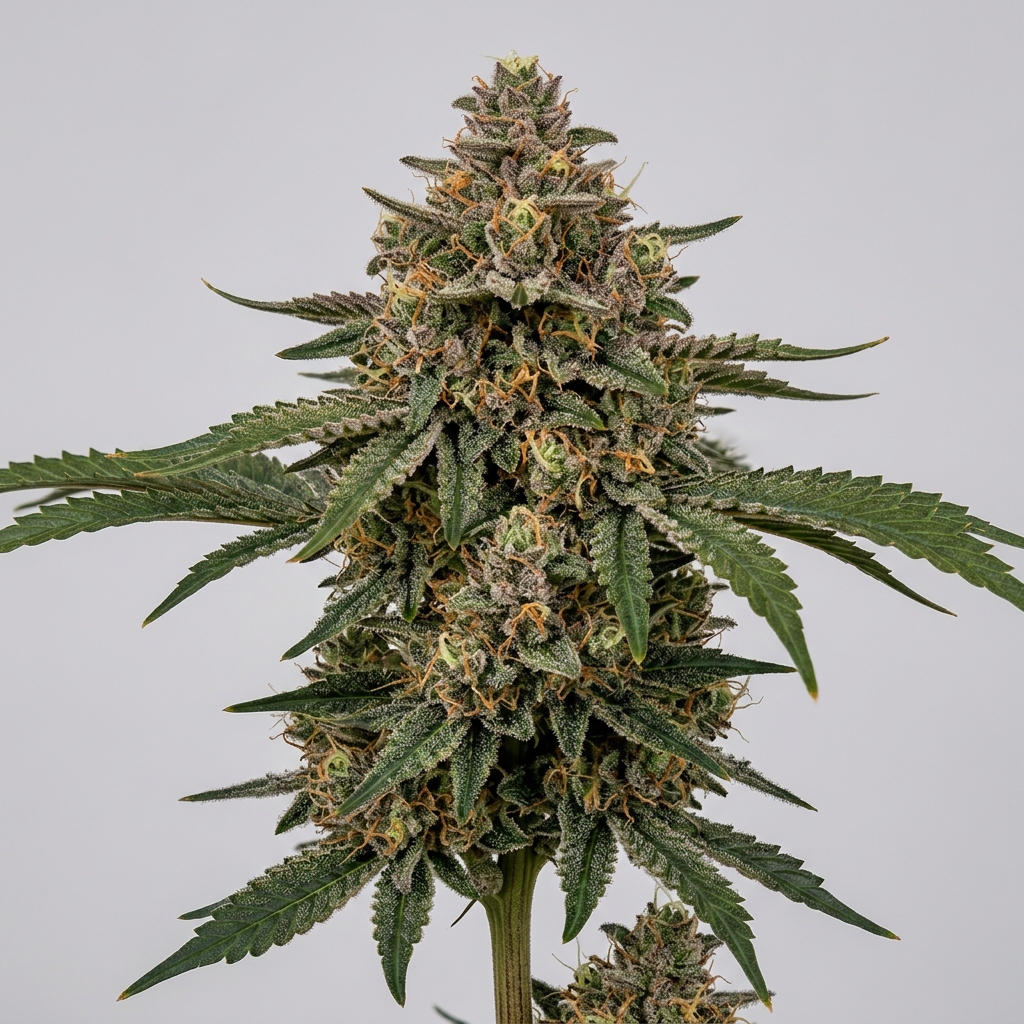
Devil Fruit (Cannabis Strain)
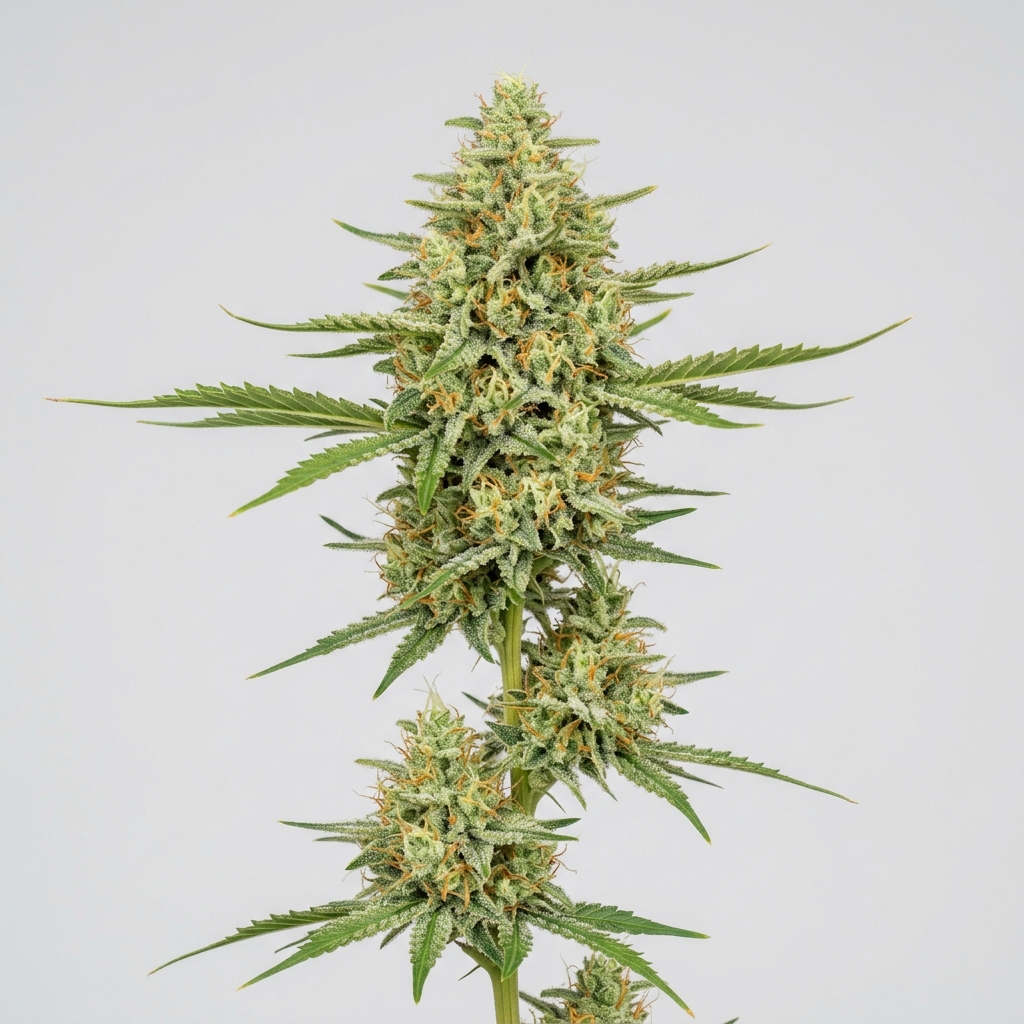
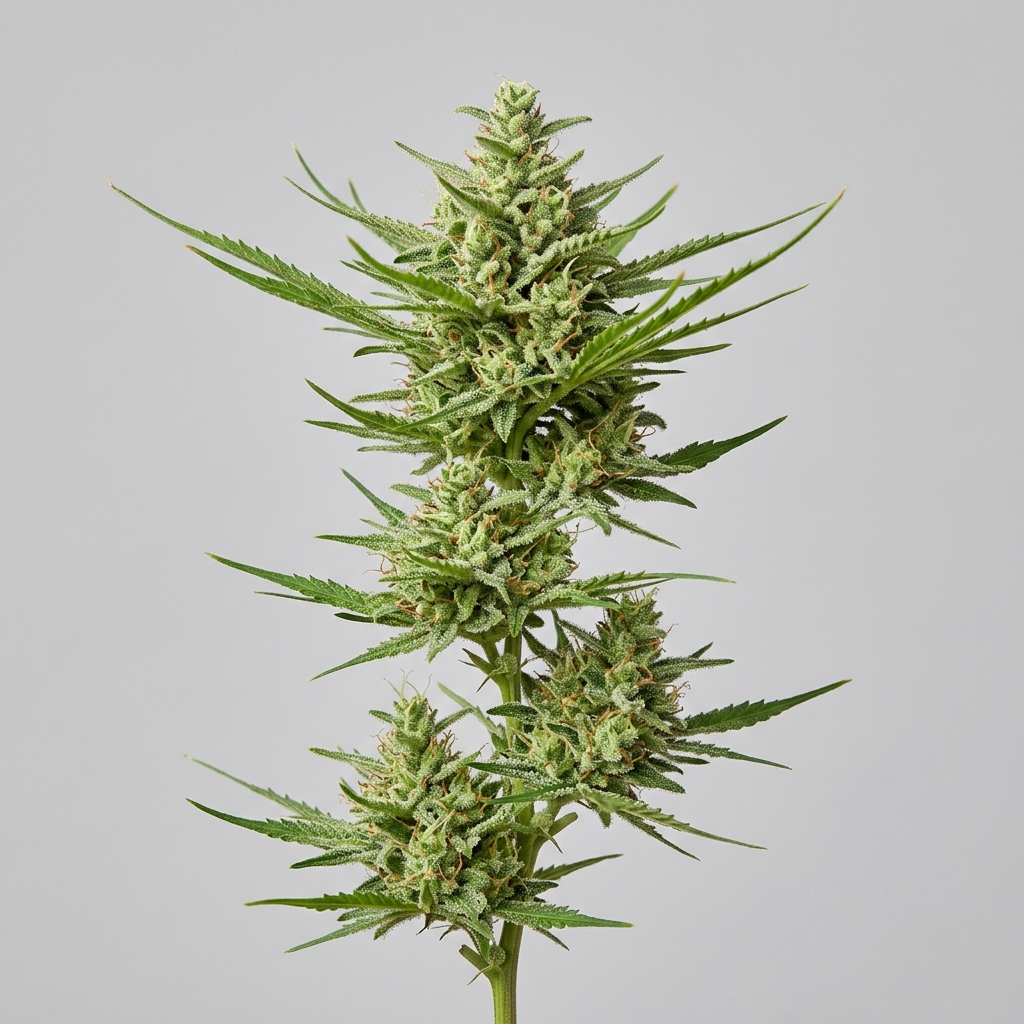
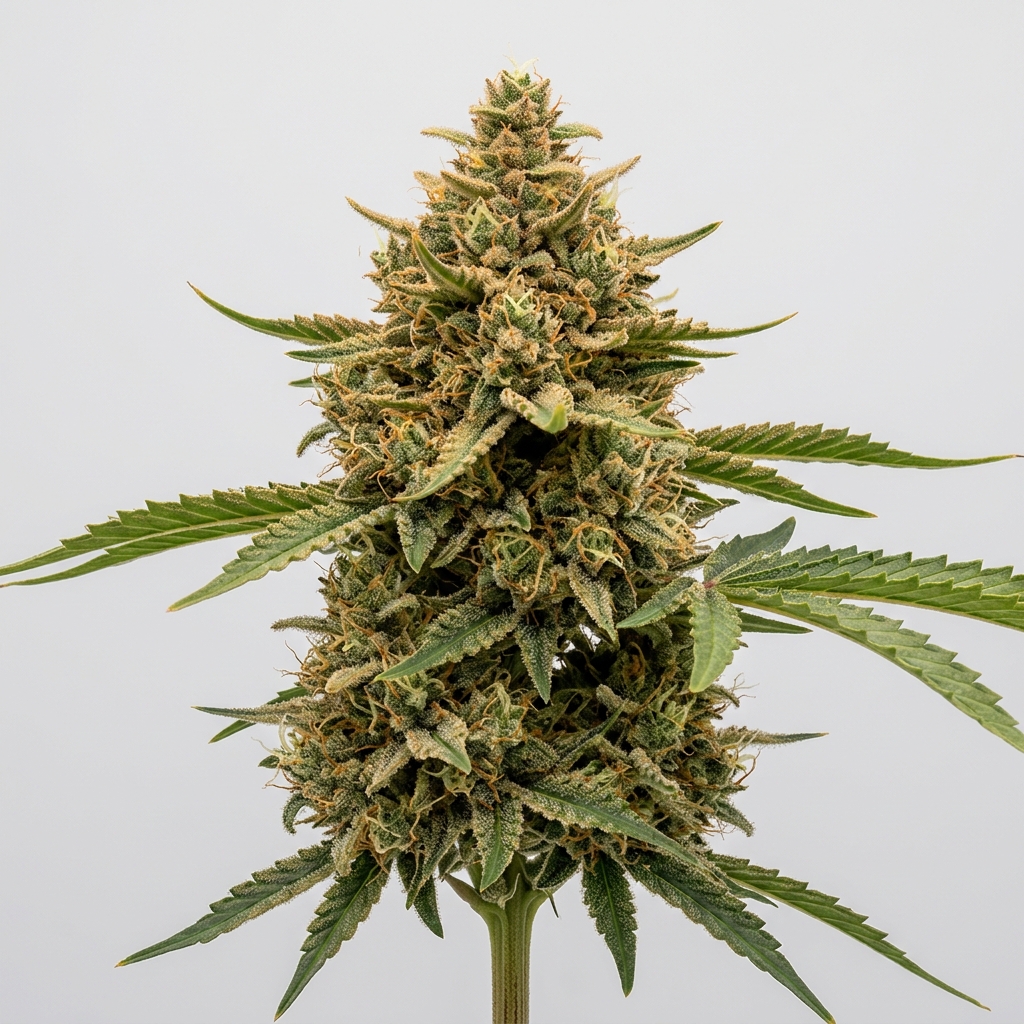
Devil Fruit is an indica-dominant hybrid, typically testing between 15% and 20% THC, created by crossing the resin-heavy Great White Shark with the sweet, berry-forward Shiskaberry. This cultivar is recognized for its dark berry edge, subtle spicy undertones, and dense, compact flower structure. Primarily favored for evening use, it delivers a steady, calming physical weight while maintaining a clear, functional headspace. The plant shows classic indica growth habits, producing broad fan leaves and heavy, resin-rich flowers that require careful humidity management in late bloom.
Cultivators select this strain for its reliable yields and classic sweet-earth profile. It performs extremely well in sea-of-green (SOG) setups, where its controlled stretch and dominant central colas can be maximized without requiring excessive vertical space.
Quick Facts
| Attribute | Details |
|---|---|
| Genetics | Great White Shark × Shiskaberry |
| Variety | Indica-dominant hybrid (70% Indica / 30% Sativa) |
| THC Range | 15% – 20% |
| Flowering Time | 8 – 9 Weeks |
| Yield Potential | Moderate to High |
| Plant Height | Medium |
| Climate Preference | Warm, dry temperate climates |
| Difficulty | Moderate |
Scientific & Botanical Overview
Devil Fruit displays a classic indica morphology, characterized by short internodal spacing and broad, dark-green fan leaves. The vegetative phase is steady and vigorous, building a sturdy frame capable of supporting heavy flower clusters. Stems are thick and woody, providing natural structural support that minimizes the need for extensive external trellising compared to lankier sativa varieties.
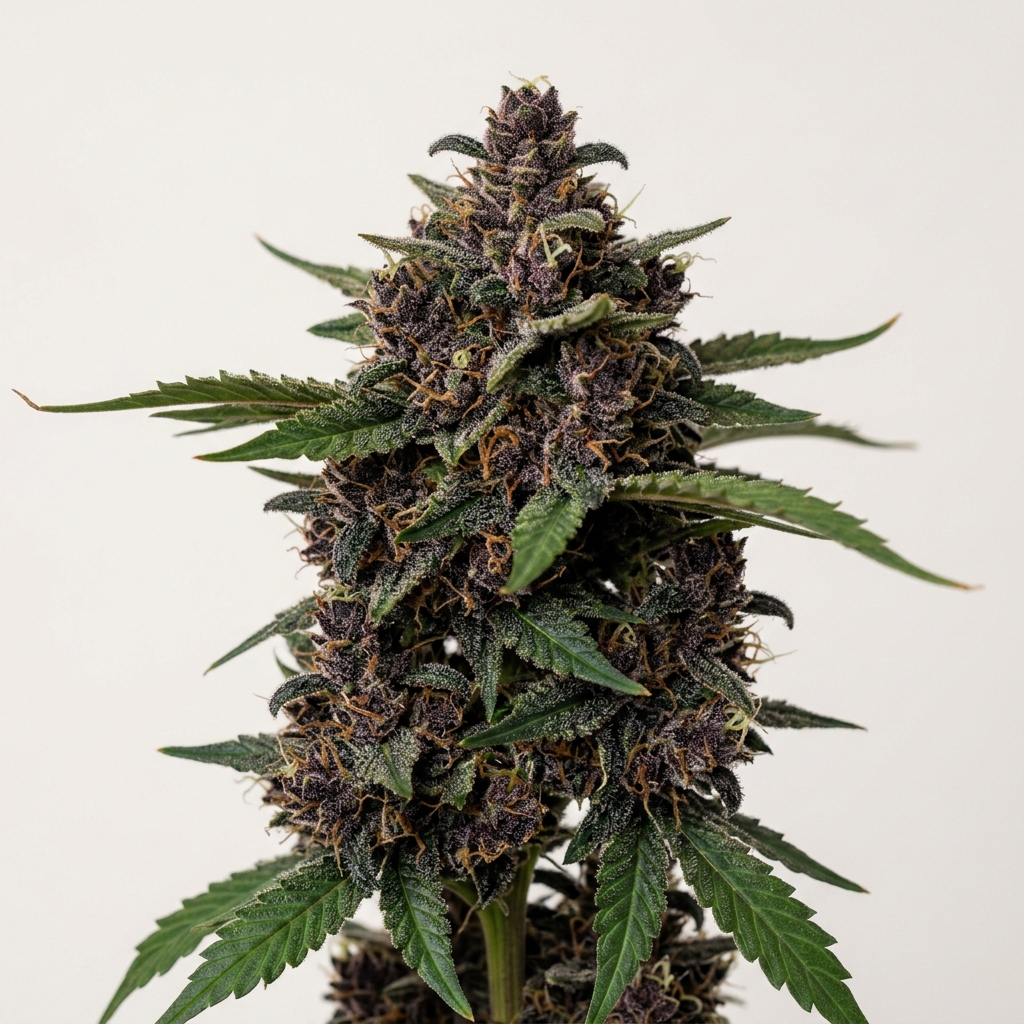
During the transition to flower, the nodal development accelerates, producing tight, spherical buds rather than long running spears. The bracts are dense and tightly packed, often showing subtle purple hues when exposed to cooler night temperatures late in the cycle. This color shift is accompanied by a significant increase in trichome density, which covers the calyxes in a fine, glassy layer of resin.
The stomatal density on the broad leaves requires consistent airflow to prevent stagnant microclimates from forming within the canopy. Because the buds mature into dense, heavy clusters, maintaining low humidity in the late flowering stage is critical to preventing botanical pathogens from developing inside the flower structure.
Effects & Use-Cases (Reported)
Commonly reported effects: A gentle physical relaxation that sets in slowly, accompanied by a mild, clear-headed mental ease. Users often note a sense of physical comfort without immediate, heavy sedation, making it suitable for transitioning into a calm evening state.
Use-case context: This cultivar is frequently chosen for unwinding after physical activity or as a companion for quiet, creative tasks. Its moderate THC range provides a more manageable and balanced experience for those sensitive to high-potency modern polyhybrids.
Note: Individual tolerance and phenotype variation can significantly alter the onset and depth of physical effects.
Aroma & Flavors
Aroma: A dominant sweet berry profile layered over an earthy, slightly spicy base. Breaking the buds releases a sharper, almost tart fruit note reminiscent of overripe plums and classic Afghan hash.
Flavor: The smoke carries a distinct dark berry edge on the inhale, followed by a dry, woody spice and a clean, slightly sweet finish on the palate.
Terpene associations: Typically dominated by myrcene, caryophyllene, and pinene, which drive the blend of deep sweetness, spice, and clean forest undertones.
Tested Cannabinoid & Terpene Ranges
| Compound | Typical Range |
|---|---|
| Δ9-THC | 15.0% – 20.0% |
| CBD | < 1.0% |
| β-Myrcene | 0.4% – 0.8% |
| β-Caryophyllene | 0.2% – 0.5% |
| α-Pinene | 0.1% – 0.3% |
| Linalool | 0.05% – 0.15% |
These ranges represent typical analytical lab results for this cultivar. Individual harvests will vary depending on cultivation conditions, curing methods, and specific phenotype selection.
Cultivation Notes
- Humidity control: Keep relative humidity (RH) below 45% during the final three weeks of flowering to prevent moisture retention in the dense, compact buds.
- Defoliation: Strip lower fan leaves before entering flower to improve light penetration and air movement through the dense inner canopy.
- Nutrient regimen: Responds well to a moderate feeding schedule; avoid over-fertilizing with nitrogen during mid-to-late vegetative growth.
- Training: Highly suited for Sea of Green (SOG) methods due to its dominant central cola and limited lateral stretch.
- Phenotype variation: Keep an eye out for cooler-running phenotypes that express deep purple hues and a sweeter Shiskaberry-forward aroma.
Grower Notes (Week-by-Week Snapshot)
- Weeks 1–3 (Transition & Stretch): The plant undergoes a controlled stretch, usually increasing in height by about 50% to 80%. Focus on tucking large fan leaves and establishing the primary canopy level.
- Weeks 4–6 (Mid-Flower & Bud Set): Button-like flower clusters form rapidly along the main stems. Resin production begins early, coating the surrounding sugar leaves in a glassy sheen. Ensure air circulation is high.
- Weeks 7–9 (Late Flower & Ripening): Calyxes swell significantly, and pistils turn a deep amber. Reduce temperatures slightly at night to encourage terpene preservation and potential purple coloration.
- Post-Harvest (Dry & Cure): Hang whole plants at 60°F (15°C) and 60% RH for 10 to 14 days. A slow dry preserves the delicate dark berry volatiles before a minimum three-week jar cure.
Genetic Lineage
The genetic foundation of Devil Fruit rests on a cross of two highly regarded classic parents: Great White Shark and Shiskaberry. Great White Shark, a member of the famous “White” family, contributes its heavy resin production, structural density, and deep, earthy physical undertones to the offspring.
On the other side, Shiskaberry provides the sweet, fruit-forward terpene profile and the vibrant berry notes that define the strain’s aroma. This combination results in an indica-dominant plant that tempers the heavy, sometimes narcotic traits of its parents into a more balanced, sensory-driven hybrid.
Research Insights
Analytical profiles of Devil Fruit highlight a high concentration of myrcene and caryophyllene, a combination often studied for its potential calming properties. The presence of pinene helps mitigate the heavy sedative qualities often associated with high-myrcene cultivars, supporting mental clarity.
Breeding studies note that the strain’s structural stability is highly inherited from its Afghan ancestry, showing consistent resistance to common pests while maintaining a highly predictable growth pattern across multiple generations.
Frequently Asked Questions
What is the flowering time for Devil Fruit?
Devil Fruit typically completes its flowering cycle in 8 to 9 weeks when grown indoors. Outdoor harvests generally occur in early to mid-October in the Northern Hemisphere.
Is Devil Fruit easy for beginners to grow?
It is considered a moderate difficulty strain. While its growth pattern is predictable and sturdy, its dense bud structure requires careful monitoring of humidity to prevent mold during late flower.
What does Devil Fruit smell like?
The strain features a sweet, dark berry aroma with a rich, earthy, and slightly spicy hash-like undertone inherited from its Great White Shark lineage.
How does Devil Fruit behave during the stretch phase?
It shows a very controlled and manageable stretch, usually gaining only 50% to 80% of its vegetative height, making it ideal for spaces with limited vertical clearance.
Educational Disclaimer
This article is for educational and informational purposes only. Cannabis cultivation and consumption are subject to varying legal regulations depending on jurisdiction. Always consult local laws and guidelines.
Rate and review this strain
Ratings and reviews are accepted only from signed-in Google accounts.
Sign in with Google to leave a rating and written review.
Latest Reviews
0 reviewsNo reviews yet. Be the first Google user to rate and review this strain.