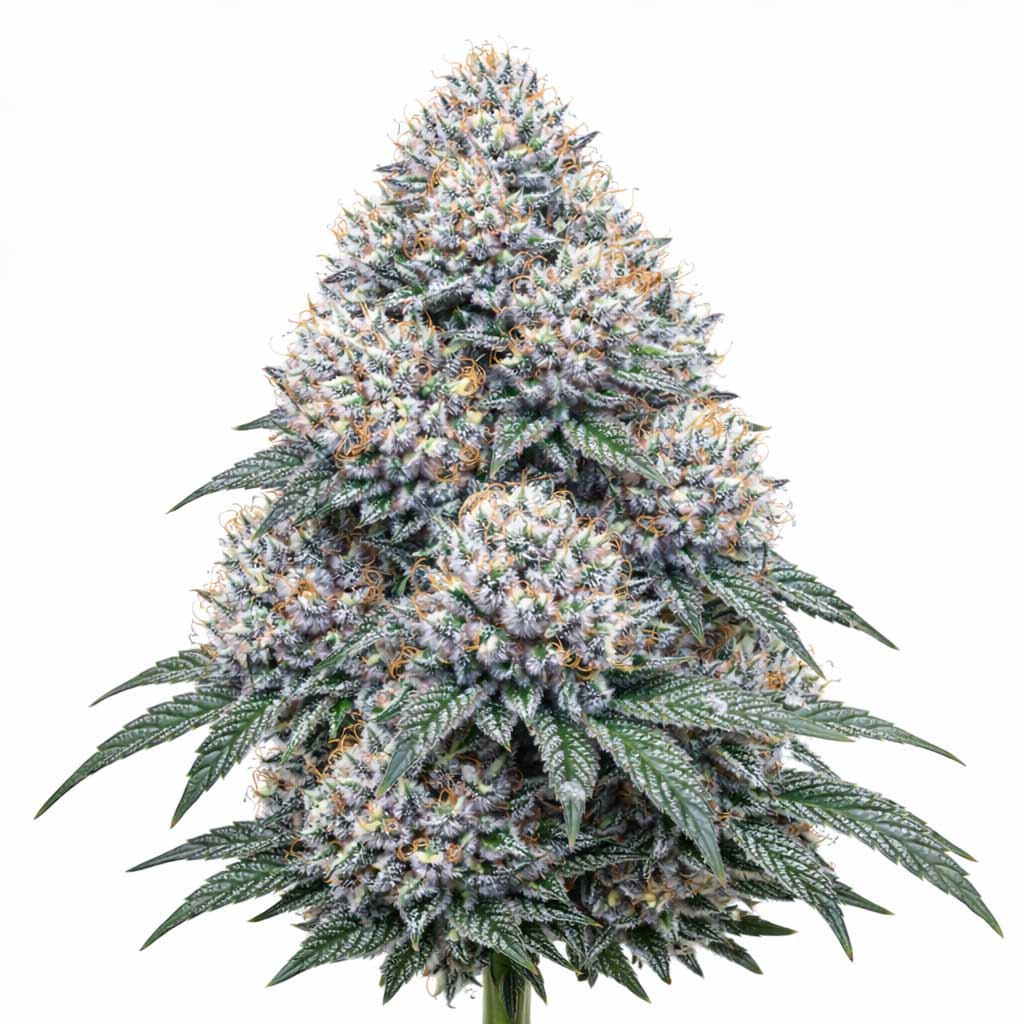
Bolo Runtz (Cannabis Strain)
Bolo Runtz is a high-potency, indica-dominant hybrid (typically testing between 26% and 30% THC) bred by crossing the candy-forward Runtz with the heavy-hitting White OG (or a gas-leaning phenotype of Jealousy). Selected primarily for its industrial fuel profile and oversized bud structure, this cultivar trades the delicate sweetness of classic Runtz for dense, greasy resin and massive terminal colas. It has earned a strong reputation among experienced growers for its heavy physical impact and strong extraction potential.
Unlike typical dessert strains that stay compact, this selection exhibits a wide-framed structure that requires deliberate canopy management. The resulting flowers are thick, resin-rich, and emit a pungent chemical aroma that lingers long after harvest.
Quick Facts
| Fact | Details |
|---|---|
| Genetics | Runtz x White OG (or high-gas Runtz x Jealousy phenotype) |
| Variety | Indica-Dominant Hybrid (approx. 70% Indica / 30% Sativa) |
| THC Range | 26% – 30% |
| Flowering Time | 8-9 weeks (56-63 days indoors) |
| Yield Potential | 500-600 g/m² (High) |
| Plant Height | 110-140 cm (Wide-framed and dense) |
| Climate Preference | Temperate / Arid (Requires strict humidity control) |
| Difficulty | Intermediate (Requires strong airflow management) |
Scientific & Botanical Overview
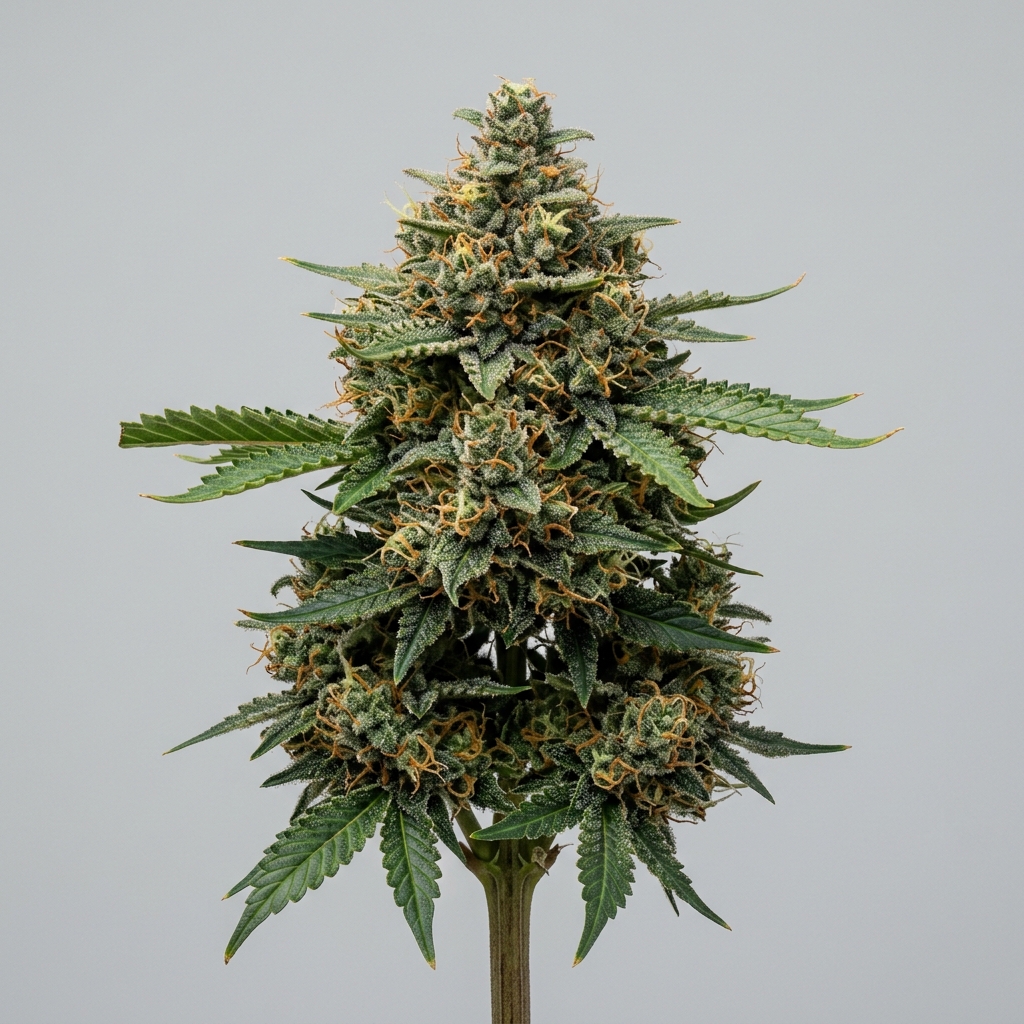
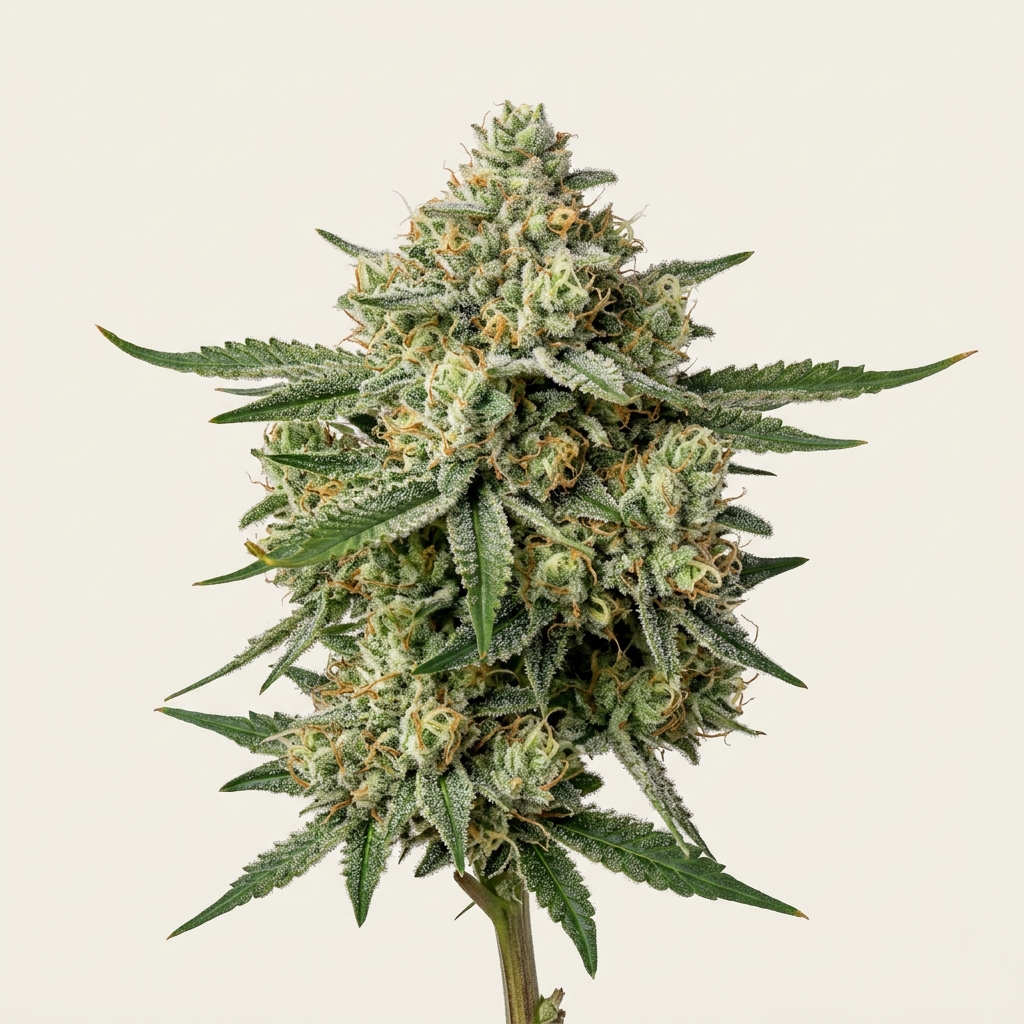
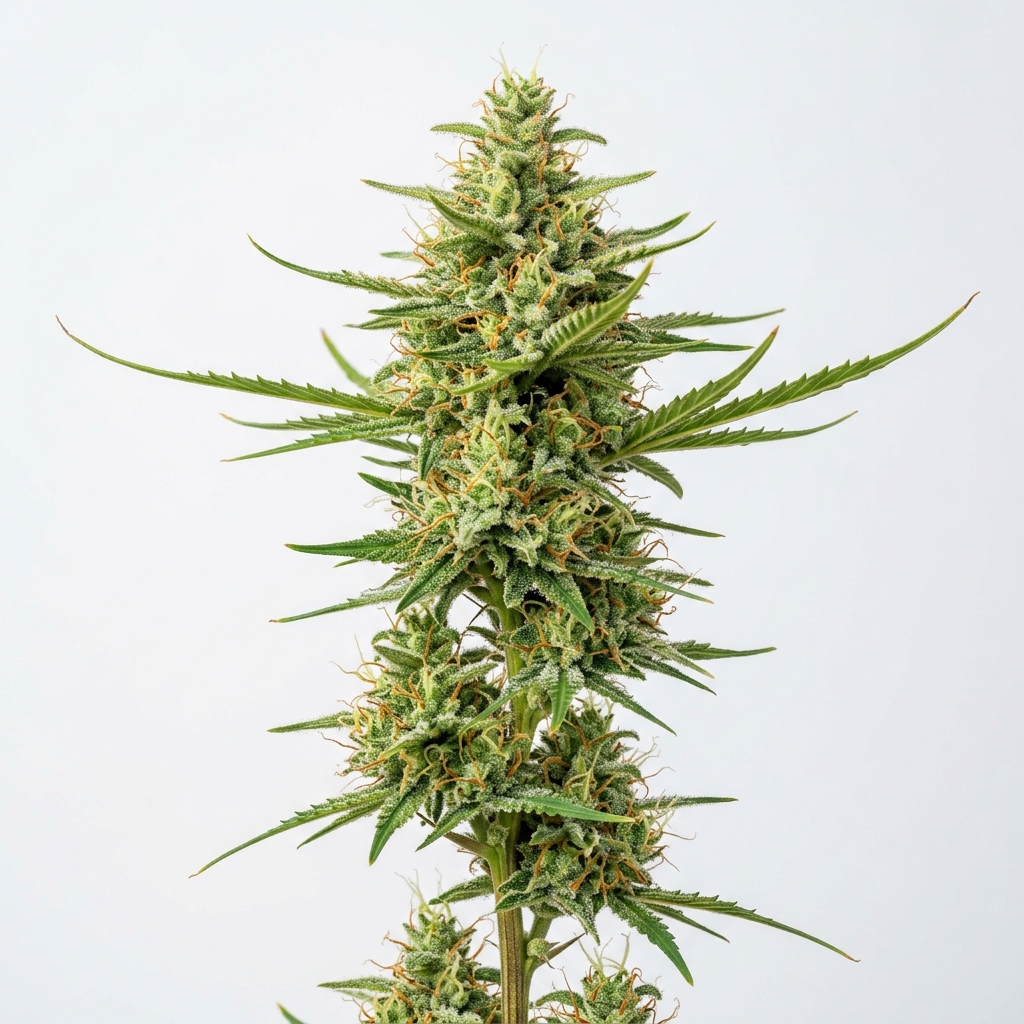
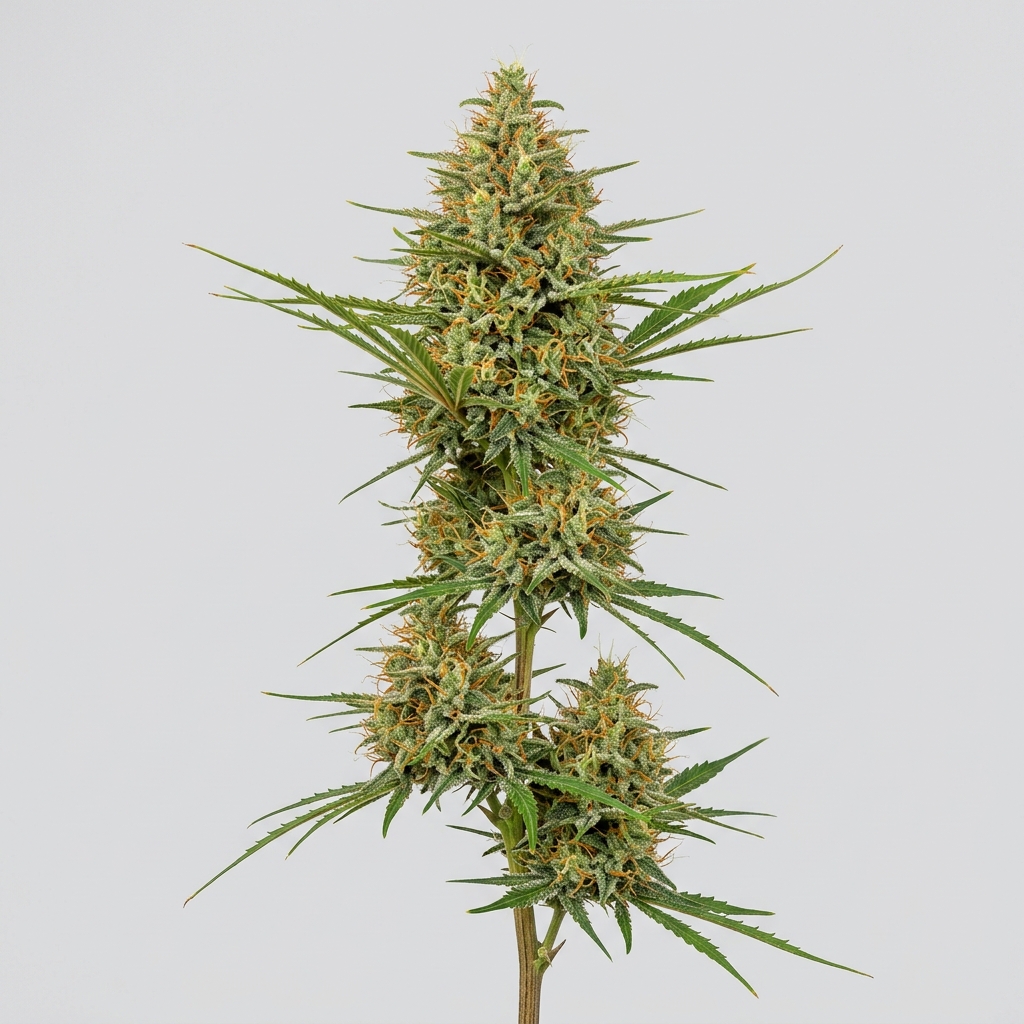
Bolo Runtz is distinguished by its highly dense, spear-shaped colas that swell significantly during the final weeks of bloom. The bracts are tightly packed and exhibit deep forest-green hues, often accented by deep indigo and purple undertones when exposed to cooler night temperatures. Large-headed glandular trichomes coat the entire surface, creating a wet, glassy frost that makes the buds sticky to the touch.
The influence of White OG genetics is highly apparent in the plant’s structural reinforcement. Stems grow notably thicker than standard Runtz cuts, allowing the branches to support the weight of its swollen calyxes. This heavy bud density requires strict environmental controls to prevent moisture retention within the interior flower clusters.
Vegetative growth is characterized by broad, dark green fan leaves and tight internodal spacing. Once flipped to a 12/12 light cycle, the plants undergo a moderate, highly manageable stretch, focusing energy on developing thick lateral branches that form a wide, productive canopy.
Effects & Use-Cases (Reported)
Commonly reported effects: Users frequently describe a rapid physical heaviness, deep muscle relaxation, and a calming mental ease. The high-potency profile typically leads to a heavy-lidded sedation and a strong increase in appetite, making it less suitable for active daytime tasks.
Use-case context: Due to its deeply relaxing and sedative nature, this cultivar is best reserved for late evening or nighttime use. It is commonly chosen by those looking to unwind after a physically demanding day or as a nightcap before sleep.
Note: These observations are based on subjective user reports and do not constitute medical advice. Individual experiences with high-THC cannabis cultivars can vary significantly based on tolerance and chemistry.
Aroma & Flavors
Aroma: The olfactory profile is dominated by a sharp, pungent diesel and industrial rubber aroma, layered with subtle undertones of sour grape and a creamy, doughy sweetness. It lacks the bright, sugary candy notes of its parent, leaning instead into a heavy, gas-forward chemical funk.
Flavor: On the inhale, users typically experience a thick, creamy gasoline flavor mixed with earthy pine and musky spice. The exhale leaves a distinct, long-lasting finish of tart gas and dark berry on the palate.
Terpene associations:
Caryophyllene (dominant), myrcene, and limonene drive this complex aromatic signature.
Tested Cannabinoid & Terpene Ranges
| Compound | Typical Range | Notes |
|---|---|---|
| Δ⁹-THC | 26% – 30% | High potency; varies by phenotype. |
| CBD | 0% – 0.2% | Minimal presence typical of modern gas-forward hybrids. |
| Caryophyllene | 0.9% – 1.5% | Primary contributor to the spicy, fuel-like aroma. |
| Myrcene | 0.6% – 1.0% | Associated with the heavy, physically relaxing effects. |
| Limonene | 0.4% – 0.7% | Adds a subtle citrus lift and brightens the heavy gas profile. |
*Ranges are literature- and lab-report-informed references and may vary by cultivation method, phenotype selection, and laboratory analysis.
Cultivation Notes
- Humidity Targets: Keep relative humidity (RH) strictly between 35% and 40% during the final three weeks of flowering to protect the dense, heavy colas from moisture issues.
- Nutrition: Bolo Runtz responds well to a robust phosphorus and potassium regimen during mid-to-late bloom to support its rapid calyx swelling.
- Training: Topping early and implementing a double-tier trellis system are highly recommended to distribute the weight of the massive terminal colas evenly.
- Harvest Window: Indoors, harvest is optimal at 56 to 63 days; outdoor growers in the Northern Hemisphere should target early October.
- Phenotype Management: Monitor plants for variations in stretch; gas-dominant phenotypes tend to stretch slightly more and require extra vertical clearance.
Grower Notes (Week-by-Week Snapshot)
- Weeks 1–3 (The Stretch): Plants exhibit a moderate stretch of roughly 1.5x their vegetative height. Focus on early defoliation of lower fan leaves to improve light penetration and encourage strong lateral branching.
- Weeks 4–6 (Resin and Aroma): Flower sites stack rapidly, and the first signs of greasy, wet frost appear on the sugar leaves. The aroma shifts dramatically from a mild herbal scent to a sharp, chemical fuel.
- Weeks 7–9 (Bulking and Ripening): Calyxes swell significantly, forming thick, heavy spear colas. Maintain strong airflow and monitor trichome maturity, looking for a mix of milky and amber heads before harvest.
- Post-Harvest (The Cure): A slow, 10-to-14-day dry at 60°F (15°C) and 60% RH is essential to preserve the volatile terpene profile and ensure even moisture distribution throughout the dense buds.
Genetic Lineage
The genetic foundation of Bolo Runtz lies in crossing the world-famous Runtz (Zkittlez x Gelato) with the heavy, resin-rich White OG. While standard Runtz selections favor a sweet, candy-like terpene profile, the introduction of White OG genetics injects a massive boost in bud density, resin production, and raw gas-forward potency.
Some breeders and cultivators report alternative selections utilizing a high-gas phenotype of Jealousy instead of White OG. Regardless of the specific parental variation, the breeding goal remains consistent: to elevate the physical potency and structural yield of the Runtz line while shifting its aromatic profile toward an industrial, fuel-heavy finish.
Research Insights
Research into Bolo Runtz often focuses on the high concentration of the sesquiterpene caryophyllene in combination with elevated levels of myrcene. In cannabis research, this specific terpene pairing is frequently studied for its potential to modulate the psychoactive effects of high THC concentrations, often correlating with reported sensations of deep physical sedation and muscle relaxation.
Furthermore, the cultivar’s exceptional trichome density and large gland heads make it a subject of interest for extraction-focused research. The high ratio of glandular trichomes to plant material allows for efficient solventless extraction, yielding highly aromatic live rosin with excellent terpene clarity.
Frequently Asked Questions
Why is this strain called
Rate and review this strain
Ratings and reviews are accepted only from signed-in Google accounts.
0.0/5
based on 0 ratings
Sign in with Google to leave a rating and written review.
Latest Reviews
0 reviews
No reviews yet. Be the first Google user to rate and review this strain.
Rate and review this strain
Ratings and reviews are accepted only from signed-in Google accounts.
Sign in with Google to leave a rating and written review.
Latest Reviews
0 reviewsNo reviews yet. Be the first Google user to rate and review this strain.