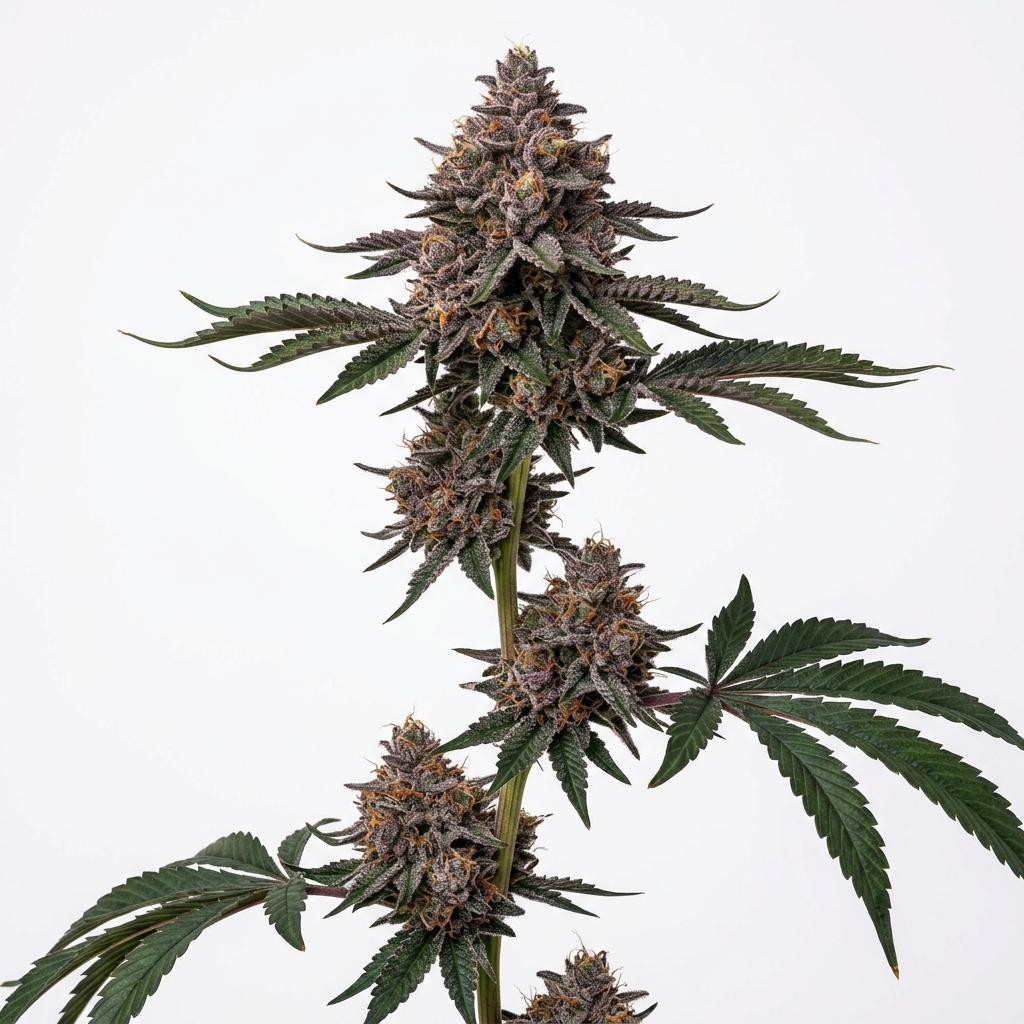
Cookie Dos (Cannabis Strain)
Cookie Dos is an indica-dominant hybrid bred by Revolution Cannabis, developed by crossing Do-Si-Dos with Cookies and Cream. Typically testing between 20% and 26% THC in mature dried flower, the cultivar is recognized for its dense, trichome-encrusted bracts, dessert-forward dough aroma, and lingering earthy fuel finish. Its balanced growth habit and heavy resin output make it a staple among growers who favor modern dessert cultivars with classic kush undertones.
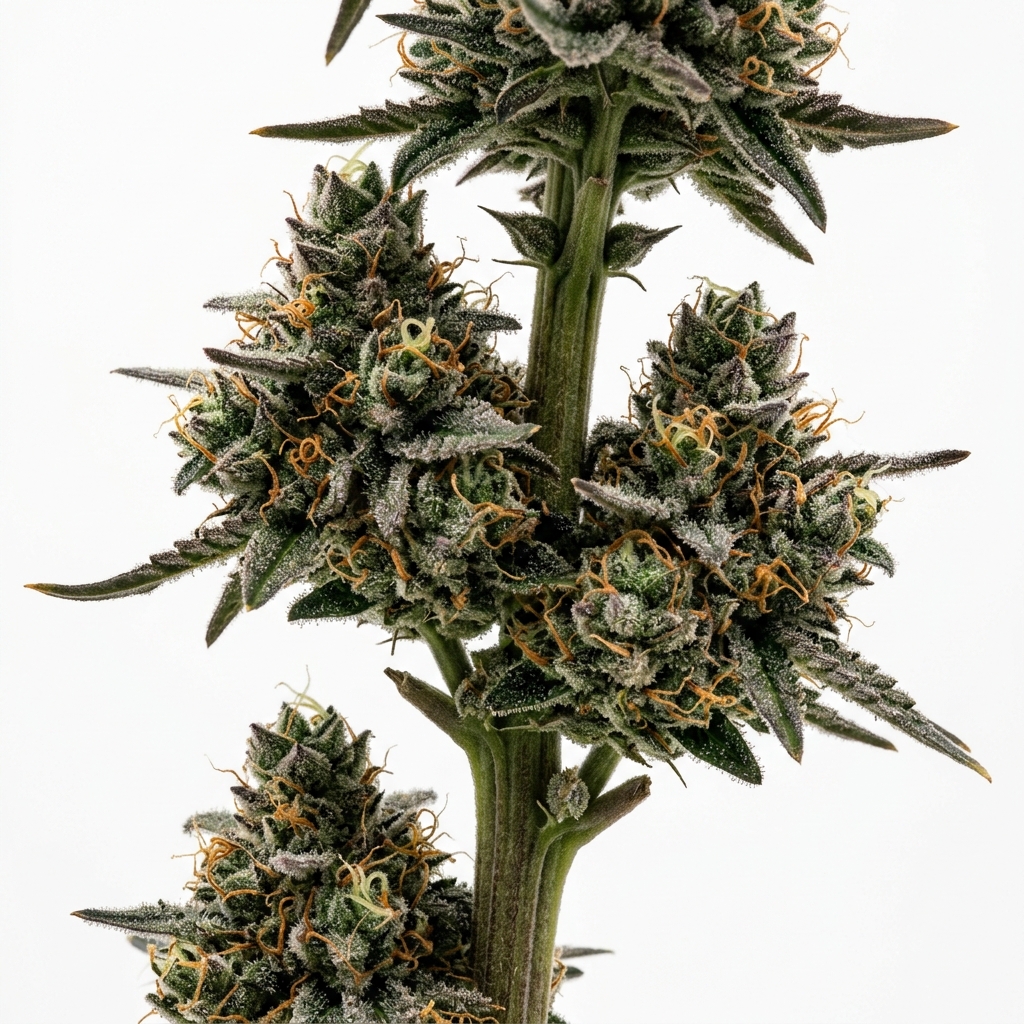
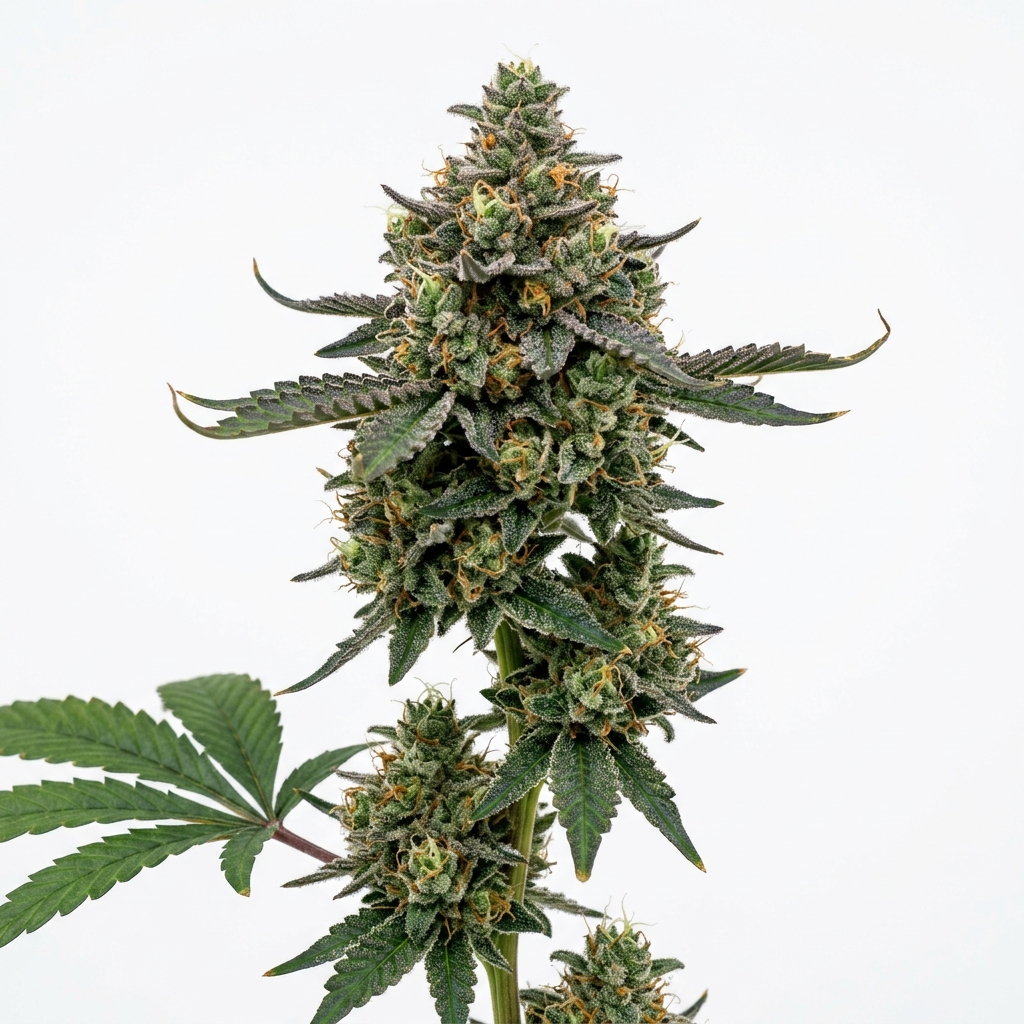
The lineage blends the rich, nutty sweetness of Cookies and Cream with the sharp, floral gas and calming physical presence of Do-Si-Dos. In the garden, Cookie Dos produces stocky plants with tight internodal spacing, broad fan leaves, and spear-shaped colas that take on deep purple shades in cooler late-flower environments. Consumers frequently report a soothing physical relaxation paired with a clear, tranquil mental lift suitable for late afternoon or evening hours.
Quick Facts
| Field | Value |
|---|---|
| Breeder | Revolution Cannabis |
| Genetics | Do-Si-Dos × Cookies and Cream |
| Variety | Indica-dominant hybrid (approx. 70/30) |
| THC Range | 20% – 26% |
| Flowering Time | 8 – 9 weeks (56 – 63 days) |
| Yield Potential | Moderate to High (400 – 500 g/m² indoor) |
| Plant Height | Medium (controlled stretch) |
| Climate Preference | Temperate to warm indoor environments with low humidity |
| Difficulty | Moderate |
Scientific & Botanical Overview
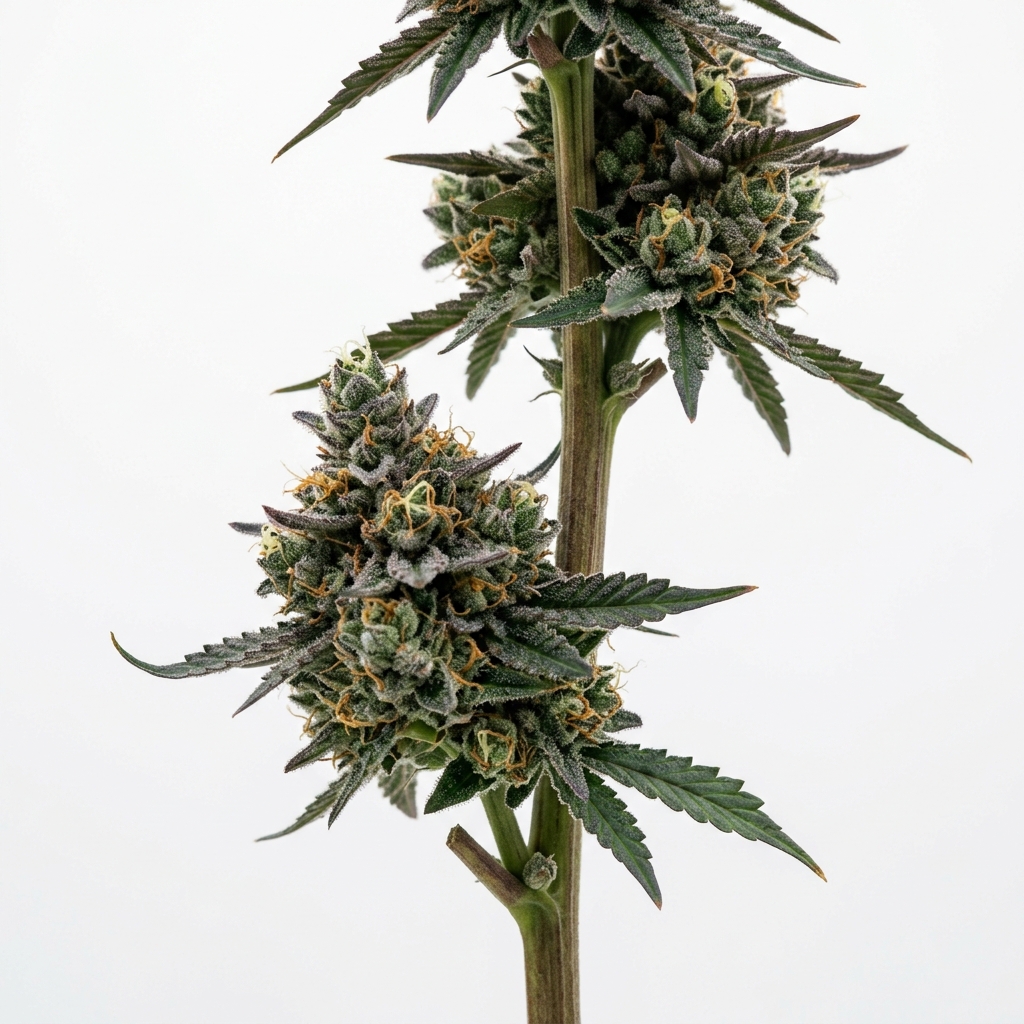
Cookie Dos shows morphological traits typical of contemporary polyhybrids rooted in the Girl Scout Cookies lineage. Vegetative growth displays stout main stems, short internodes, and dark forest-green foliage. As flowering initiates, the plant transitions smoothly with a predictable stretch of roughly 1.5x to 2x its vegetative height, avoiding the unmanageable elongation seen in more sativa-leaning lines.
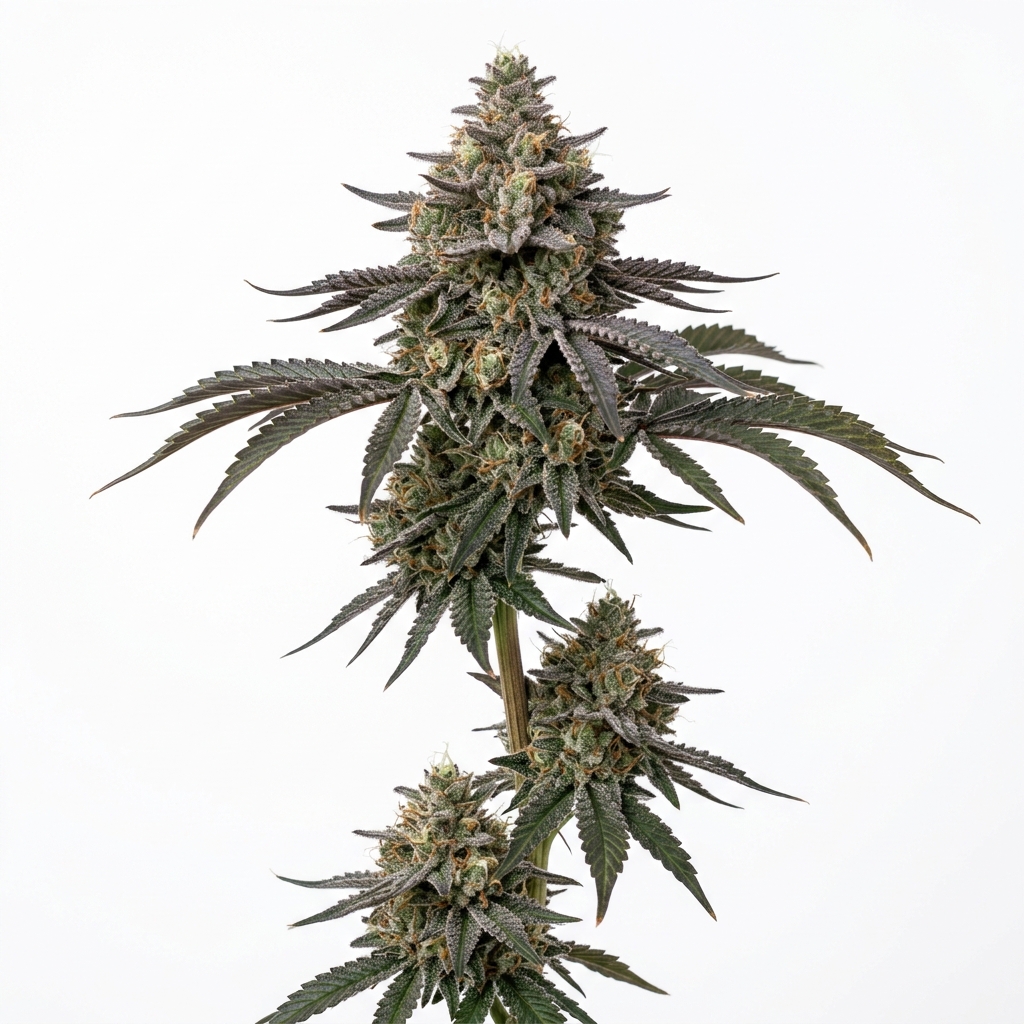
The inflorescences develop into compact, golf-ball clusters that merge into substantial spear colas along the primary branches. Calyxes swell significantly during weeks six through eight, coated in a thick blanket of capitate-stalked glandular trichomes. Under cooler night temperatures late in the cycle, anthocyanin accumulation often turns the upper sugar leaves and bract edges a deep violet, creating a stark visual contrast against milky resin glands and bright copper pistils.
From a phytochemical standpoint, the flower is dominated by monoterpenes and sesquiterpenes that balance rich sweetness with pungent volatile compounds. The combination of dense calyx clustering and high resin production demands attentive atmospheric management to prevent microclimates within the central canopy.
Effects & Use-Cases (Reported)
Commonly reported effects: Consumers typically describe an initial wave of mild cerebral euphoria that settles rapidly into deep physical ease. Muscle tension often softens without immediate heavy sedation, leaving the mind calm, centered, and functional during low-stress activities. Higher consumption levels lean progressively heavier, promoting physical stillness and restful sleep.
Use-case context: The cultivar is commonly chosen for late afternoon unwinding, quiet social gatherings, creative leisure, or end-of-day decompression. Its grounding physical profile makes it a practical selection for stretching, listening to music, or preparing for an uninterrupted evening rest.
Individual experiences vary based on dosage, tolerance, and consumption format. Sedative intensity increases significantly at higher intake levels.
Aroma & Flavors
Aroma: Freshly broken buds release an aromatic blend of sweet vanilla frosting, baked dough, and nutty earth, followed by a pungent backdrop of floral fuel and pine. As the flower cures, the sweeter pastry notes become more defined alongside a sharp, skunky undertone inherited from its OG Kush roots.
Flavor: The smoke is creamy and coating on the inhale, leading with sweet cookie batter and toasted nuts. The exhale shifts toward an earthy kush finish marked by subtle diesel, cracked black pepper, and faint herbal citrus that lingers on the palate.
Terpene associations: The sensory profile is primarily driven by beta-caryophyllene, limonene, and linalool, supported by secondary levels of myrcene and humulene that reinforce its warm, spiced dough qualities.
Tested Cannabinoid & Terpene Ranges
| Compound | Typical Flower Range |
|---|---|
| Δ9-THC / THCA | 20.0% – 26.0% |
| CBD / CBDA | < 0.5% |
| CBG / CBGA | 0.5% – 1.5% |
| Beta-Caryophyllene | 0.40% – 0.90% |
| Limonene | 0.30% – 0.70% |
| Linalool | 0.15% – 0.40% |
| Myrcene | 0.10% – 0.35% |
| Total Terpenes | 1.8% – 3.2% |
Range note: Cannabinoid and terpene concentrations reflect laboratory testing across dried uninfused flower batches. Expression varies depending on cultivation methods, lighting intensity, phenotype selection, and curing protocols.
Cultivation Notes
- Humidity management: Maintain 55% to 60% relative humidity during vegetative growth, stepping down to 45% by mid-flower and 40% in late flowering to protect thick, resinous colas from botrytis.
- Nutrient requirements: Plants handle moderate feeding well throughout vegetative stages; supply steady calcium and magnesium under high-intensity lighting, and taper nitrogen promptly after the third week of flower.
- Canopy training: Responds well to early topping and low-stress training (LST). Establishing an open, multi-top screen (SCROG) ensures even light distribution across secondary branches.
- Defoliation: Perform selective leaf stripping around day 21 and day 42 of flowering to improve interior airflow and allow direct light penetration to lower bud sites.
- Harvest window: Target harvest between 56 and 63 days of 12/12 lighting when trichome heads show roughly 85% to 90% milky opacity and 10% to 15% amber.
Grower Notes (Week-by-Week Snapshot)
- Weeks 1–3 (Transition & Stretch): Plants exhibit moderate stretch, extending roughly 50% to 75% in height. Pre-flowers appear rapidly along tight nodes; tuck or tie branches outward to widen the footprint.
- Weeks 4–6 (Bud Formation & Resin): Calyxes swell and trichome production accelerates across sugar leaves. Maintain steady airflow directly through the canopy as floral clusters consolidate.
- Weeks 7–9 (Ripening & Color Expression): Buds harden into dense spears. Lowering night temperatures to 18°C – 20°C (64°F – 68°F) encourages deep purple and maroon pigmentation across upper foliage.
- Post-Harvest / Cure: Dry whole plants or large branches at 15°C – 18°C (60°F) and 58% – 62% RH for 12 to 14 days. A slow cure of 3 to 4 weeks in sealed glass locks in creamy vanilla and gas terpene clarity.
Genetic Lineage
The maternal contributor, Do-Si-Dos (Girl Scout Cookies × Face Off OG), brings prominent resin coverage, floral fuel pungency, and substantial physical potency. Renowned for its tight flower structure and vibrant coloration, Do-Si-Dos anchors the structural stability and calming qualities found across this hybrid cross.
The paternal line, Cookies and Cream (Starfighter × Mystery Cookies / GSC phenotype), contributes exceptional trichome density and a distinct vanilla-sweet dough aroma. The union results in an indica-dominant cultivar that preserves the sought-after dessert profile while retaining the heavy-hitting body relaxation characteristic of classic OG lines.
Research Insights
Scientific literature on dominant cannabis terpenes suggests that combinations of beta-caryophyllene, limonene, and linalool may influence perceived relaxation and mood stability through diverse receptor interactions. Beta-caryophyllene acts as a dietary cannabinoid with selective affinity for CB2 receptors, while linalool has been studied in botanical research for its calming aromatic properties.
These broad pharmacological findings provide insight into general terpene mechanisms but do not serve as direct clinical proof for Cookie Dos specifically. Cultivar-level outcomes depend heavily on the whole-plant chemical matrix, dosage, consumption route, and individual endocannabinoid system tone.
Frequently Asked Questions
Who is the original breeder of Cookie Dos?
Cookie Dos was bred by Revolution Cannabis, who developed the strain by crossing Do-Si-Dos with Cookies and Cream.
Is Cookie Dos an indica or sativa?
Cookie Dos is an indica-dominant hybrid, generally showing an approximate 70% indica to 30% sativa genetic balance in its growth habit and physical effects.
What does Cookie Dos smell and taste like?
It carries an aroma of sweet vanilla dough, toasted nuts, and floral fuel. The flavor delivers creamy cookie batter on the inhale with an earthy kush and peppery gas finish on the exhale.
What is the average flowering time for Cookie Dos?
Indoor flowering typically completes in 8 to 9 weeks (56 to 63 days) under a standard 12/12 light schedule.
Educational Disclaimer
This content is for educational and informational purposes only. Cannabis laws and regulations vary by jurisdiction. Always consult with a qualified professional before beginning any cultivation project or consuming cannabis products.
Rate and review this strain
Ratings and reviews are accepted only from signed-in Google accounts.
Sign in with Google to leave a rating and written review.
Latest Reviews
0 reviewsNo reviews yet. Be the first Google user to rate and review this strain.
Follow New Cultivar Records
Get newly documented genetics, breeder history, research highlights, and important Strainpedia discoveries by email.