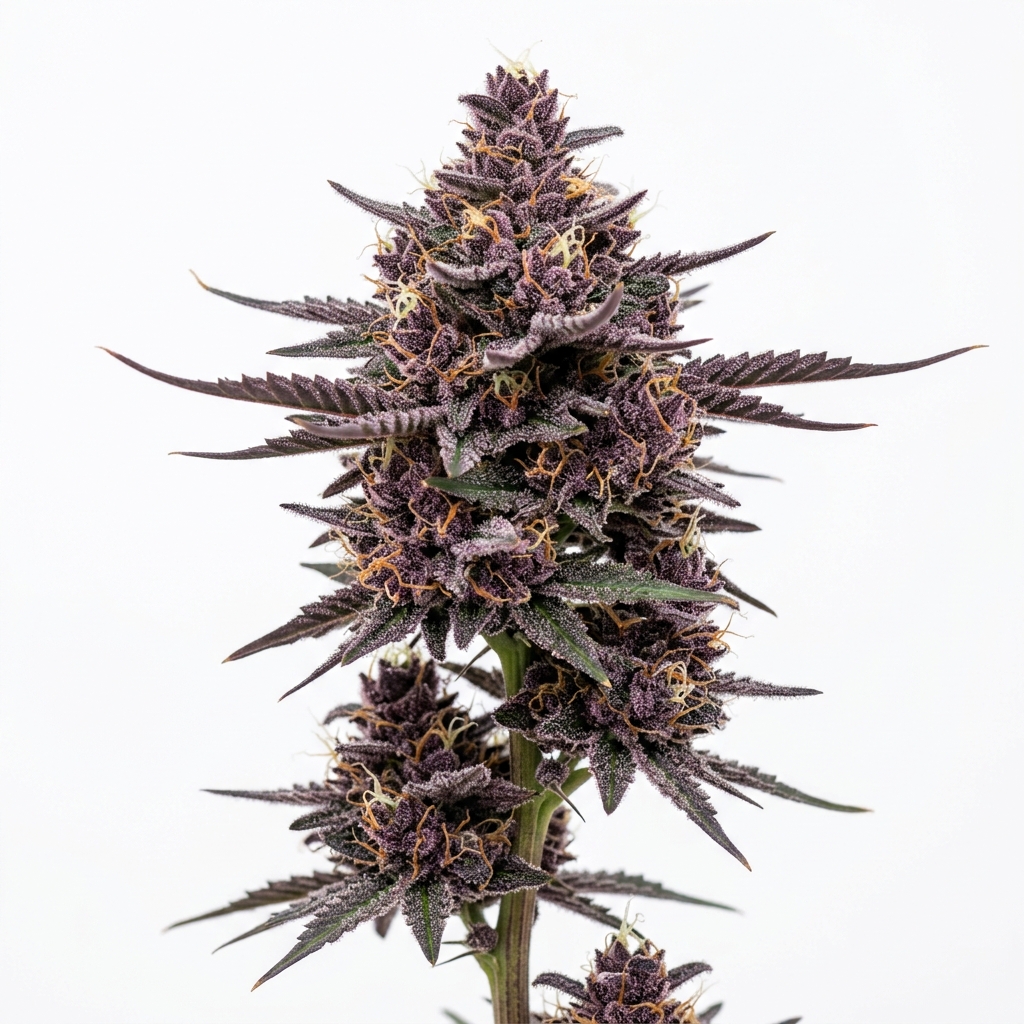
Tropicana Cookies Purple (Cannabis Strain)
Tropicana Cookies Purple is a sativa-dominant hybrid cultivar testing reliably between 18% and 24% THC, originally bred by Oni Seed Co through a cross of Tangie and Girl Scout Cookies (Forum Cut). Selected specifically for its deep violet pigmentation and heavy resin output, this cut combines sour blood orange and warm pastry dough with high glandular trichome density. The cultivar has earned a solid standing among solventless extractors for producing vibrant, anthocyanin-tinted wash water and aromatic bubble hash.
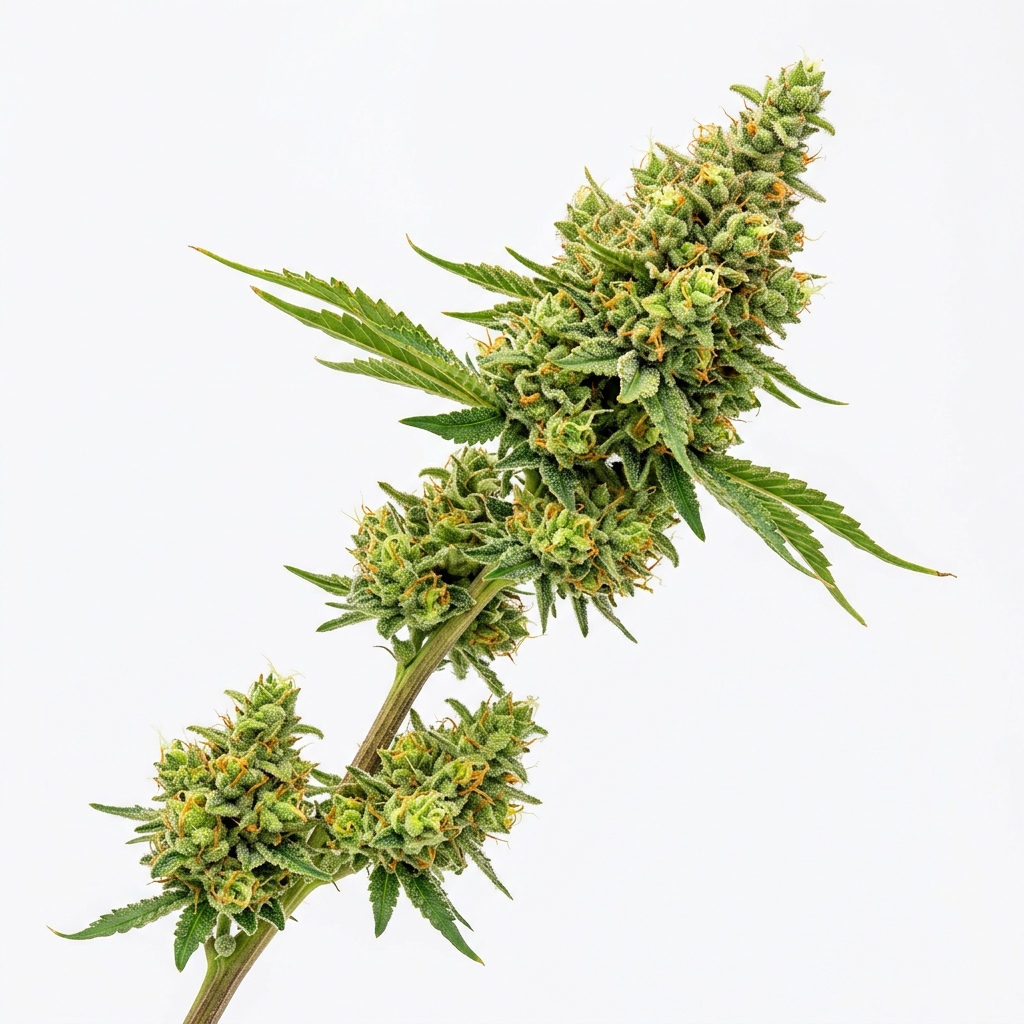
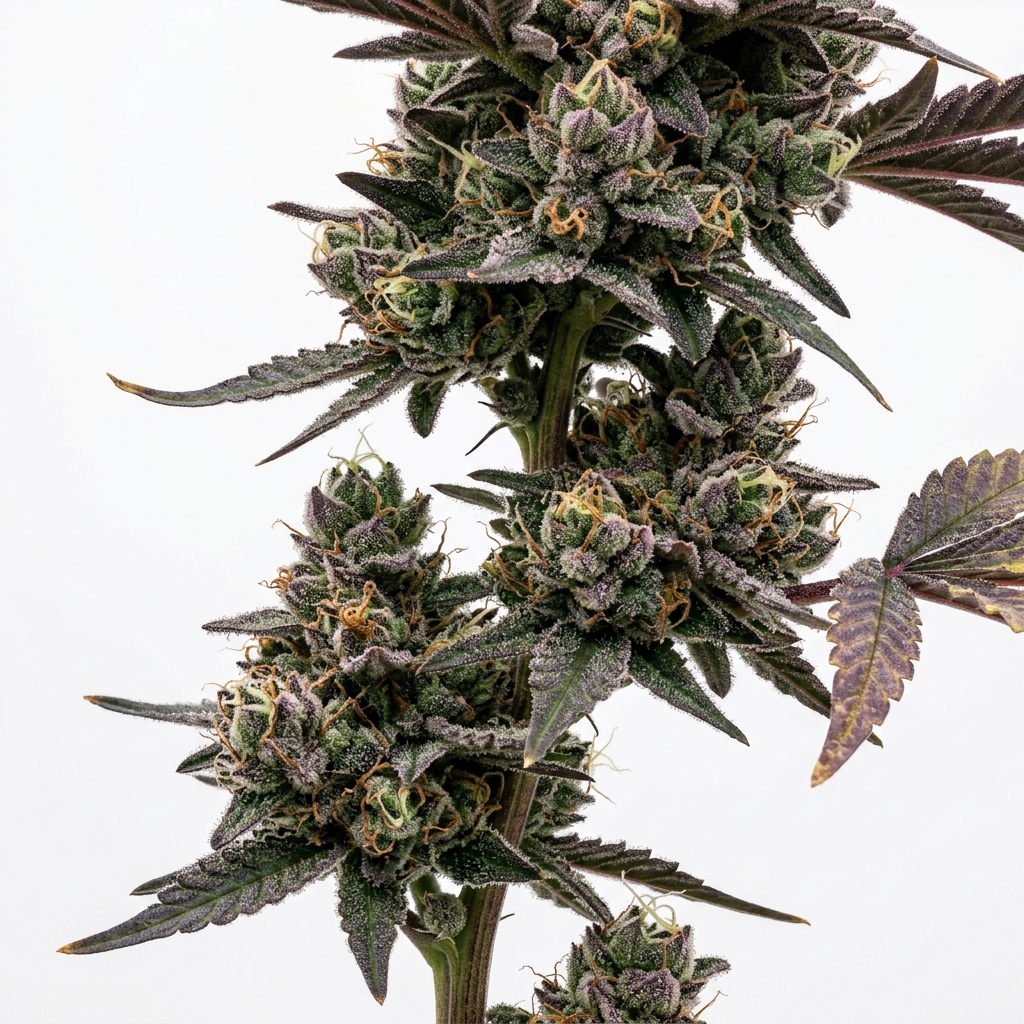
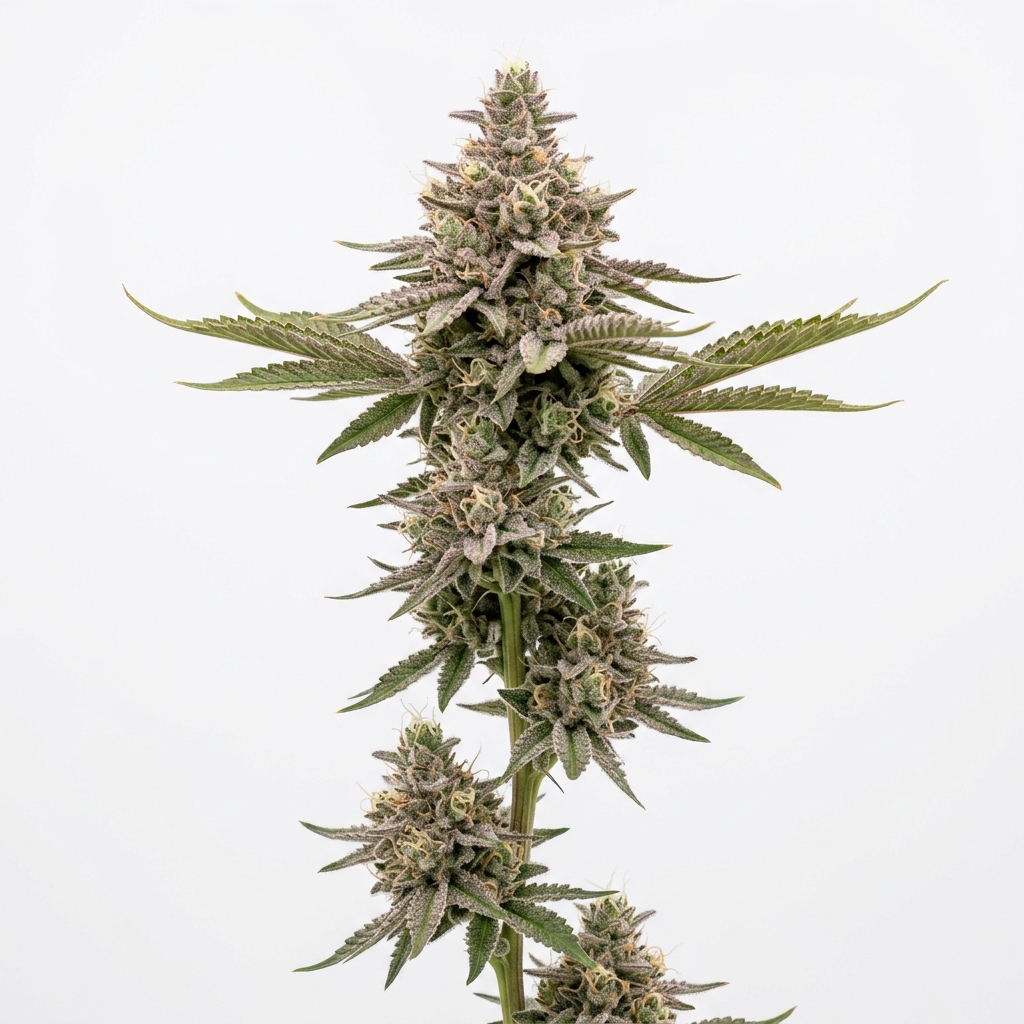
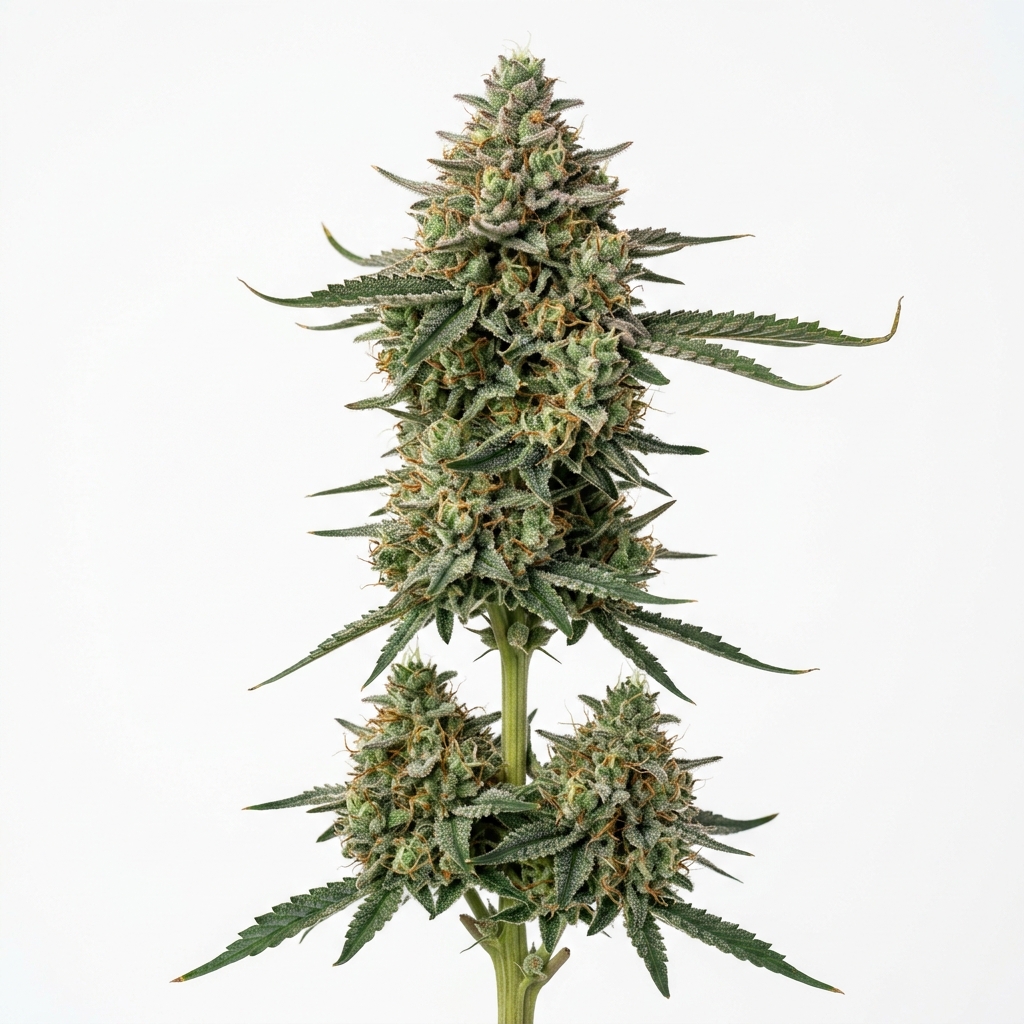
The plant shows a medium-tall vertical stretch inherited from its Tangie parent while retaining the dense bract cluster structure of the Cookie lineage. In cured form, the flowers show saturated purple calyxes woven with electric orange pistils and a fine coating of capitate-stalked trichomes. Consumers and cultivators typically report an uplifting, clear-headed onset paired with moderate physical ease that avoids heavy couchlock.
Quick Facts
| Attribute | Details |
|---|---|
| Breeder | Oni Seed Co (Harry Palms selection) |
| Genetics | Tangie × Girl Scout Cookies |
| Variety | Sativa-dominant hybrid (approx. 60/40) |
| THC Range | 18% – 24% |
| Flowering Time | 8 – 9 weeks (56 – 63 days) |
| Yield Potential | Moderate to high |
| Plant Height | Medium to tall |
| Climate Preference | Temperate to warm, low late-flower humidity |
| Difficulty | Moderate |
Scientific & Botanical Overview
Tropicana Cookies Purple is characterized by rapid anthocyanin accumulation that begins as early as the third week of bloom, regardless of steep night-cycle temperature drops. The plant shows broad fan leaves during vegetative growth that taper into thinner, serrated foliage as flowering initiates. Internodal spacing is moderate, requiring early trellis management to support elongated secondary branches.
The inflorescence develops into firm, conical colas composed of tightly packed, swollen calyxes. Trichome heads are predominantly bulbous with brittle stalks that separate cleanly during mechanical agitation. The dark purple bract tissue contrasts sharply with bright resin heads, giving mature flowers a frosted, wet appearance under direct light.
Cellular anthocyanin production in this phenotype is genetically driven rather than purely stress-induced. While lower nocturnal temperatures enhance the depth of purple and charcoal hues, the cut consistently produces purple pigmentation across standard controlled room temperatures. Stems remain sturdy, though heavy flowering weight benefits from supplemental staking.
Effects & Use-Cases (Reported)
Commonly reported effects: The experience typically begins with an alert cerebral lift, heightened sensory engagement, and a light surge in creative motivation. As the session progresses, a mild somatic calm settles into the shoulders and jaw without inducing lethargy or heavy physical sedation.
Use-case context: Consumers commonly choose this cultivar for daytime tasks, active outdoor pursuits, and social settings where functional mental clarity is desired. The balance of bright citrus top notes and smooth baseline physical relaxation makes it suitable for late morning or afternoon consumption.
Note: Individual experiences vary based on dosage, tolerance, and cannabinoid composition. High-potency flower should always be approached with measured pacing.
Aroma & Flavors
Aroma: Pungent fresh-squeezed orange peel, sharp tangerine, and sweet fermented berries dominate the unground flower. Cracking the dense colas releases a deeper undercurrent of warm cinnamon pastry, damp earth, and faint diesel fuel.
Flavor: The smoke or vapor delivers immediate blood orange zest and sour candy citrus on the inhale. The exhale transitions toward toasted sugar, spicy cookie dough, and a lingering herbal mint finish.
Terpene associations: The aroma and flavor profiles are driven by a terpene complex rich in caryophyllene, limonene, and myrcene, supported by secondary fractions of humulene and linalool.
Tested Cannabinoid & Terpene Ranges
| Compound | Type | Typical Range |
|---|---|---|
| Δ9-THC | Cannabinoid | 18.0% – 24.0% |
| CBG | Cannabinoid | 0.4% – 1.1% |
| CBD | Cannabinoid | < 0.2% |
| β-Caryophyllene | Terpene | 0.40% – 0.85% |
| d-Limonene | Terpene | 0.30% – 0.75% |
| β-Myrcene | Terpene | 0.15% – 0.50% |
| α-Humulene | Terpene | 0.10% – 0.30% |
| Linalool | Terpene | 0.05% – 0.20% |
Range note: Cannabinoid and terpene metrics reflect dried, uninfused flower samples tested across various commercial harvests. Actual figures fluctuate depending on lighting intensity, feeding strategy, phenotype selection, and curing duration.
Cultivation Notes
- Humidity management: Maintain 55% to 60% relative humidity during vegetative stages, dropping steadily to 40% to 45% during weeks six through nine to protect dense purple colas from botrytis.
- Nutrient requirements: Feed moderately through mid-flower with balanced nitrogen levels; avoid excess nitrogen past week four to prevent leafy flower structure and dark green chlorophyll retention.
- Canopy training: Apply topping early in veg and implement a double-trellis SCROG net to manage a moderate 1.5x to 2x flowering stretch and spread light across lower sites.
- Defoliation: Strip broad fan leaves at day 21 and day 42 of flowering to improve airflow through dense interior nodes and maximize direct light exposure on inner bud sites.
- Harvest window: Harvest between day 58 and day 65 when glandular trichome heads show roughly 10% to 15% amber and bracts have fully swollen.
Grower Notes (Week-by-Week Snapshot)
- Weeks 1–3: Plants transition with noticeable vertical stretch and rapid internode development. Early purple pigments begin emerging around bract bases by late week three.
- Weeks 4–6: Vertical growth halts as floral clusters bulk rapidly. Strong orange and candy terpene aromas intensify, while anthocyanin color spreads fully across calyxes and sugar leaves.
- Weeks 7–9: Calyxes swell and trichomes turn milky white over deep violet backgrounds. Reduce night temperatures slightly to 18°C–20°C and drop humidity to 40% for the final ripening phase.
- Post-harvest: Hang whole branches at 15°C–16°C (59°F–61°F) and 60% relative humidity for 12 to 14 days. A gentle, slow dry preserves volatile citrus monoterpenes and deep purple bag appeal.
Genetic Lineage
Tropicana Cookies Purple traces its genetic foundation directly to the breeding project at Oni Seed Co, orchestrated by Harry Palms. The mother parent, Tangie (California Orange × Skunk #1 lineage), contributes intense citrus zest, fast-stretching vigor, and an energetic daytime effect profile.
The pollinator, Girl Scout Cookies (Forum Cut), introduces structural density, heavy resin coverage, dark purple anthocyanin traits, and the baked sweet dough baseline. The resulting purple selections isolate the most colorful, wash-ready phenotypes while keeping the sharp citrus bouquet intact.
Research Insights
Academic cannabis research shows that terpene-cannabinoid profiles dominated by d-limonene and β-caryophyllene frequently correlate with consumer reports of alertness and mood elevation. Caryophyllene is unique as a dietary terpene that acts as a functional agonist at the human CB2 receptor, which researchers continue to study for its peripheral physiological role.
While general botanical studies confirm that anthocyanins are water-soluble flavonoid pigments with demonstrated antioxidant properties in plant tissue, their presence in cured flower does not directly alter psychoactive potency. In Tropicana Cookies Purple, purple pigmentation serves primarily as a distinct visual and genetic marker rather than a driver of cannabinoid potency.
Frequently Asked Questions
Who bred Tropicana Cookies Purple?
Tropicana Cookies was originally developed by Oni Seed Co through a cross between Tangie and Girl Scout Cookies. The Purple selection refers to the specific anthocyanin-heavy phenotypes selected and maintained for their deep violet flowers and solventless extraction performance.
Is Tropicana Cookies Purple an indica or sativa?
Tropicana Cookies Purple is a sativa-dominant hybrid, generally showing an approximate 60% sativa to 40% indica genetic distribution. Its growth habits and functional daytime effects lean toward its sativa heritage.
What does Tropicana Cookies Purple smell and taste like?
The profile features tart blood orange, sweet tangerine peel, and sour berry top notes over a base of warm cookie dough, subtle earth, and light spice.
What is the flowering time for Tropicana Cookies Purple?
Under standard indoor light cycles, Tropicana Cookies Purple finishes flowering in 8 to 9 weeks (56 to 63 days).
Educational Disclaimer
This content is for educational and informational purposes only. Cannabis laws and regulations vary by jurisdiction. Always consult with a qualified professional before beginning any cultivation project or consuming cannabis products.
Rate and review this strain
Ratings and reviews are accepted only from signed-in Google accounts.
Sign in with Google to leave a rating and written review.
Latest Reviews
0 reviewsNo reviews yet. Be the first Google user to rate and review this strain.
Follow New Cultivar Records
Get newly documented genetics, breeder history, research highlights, and important Strainpedia discoveries by email.