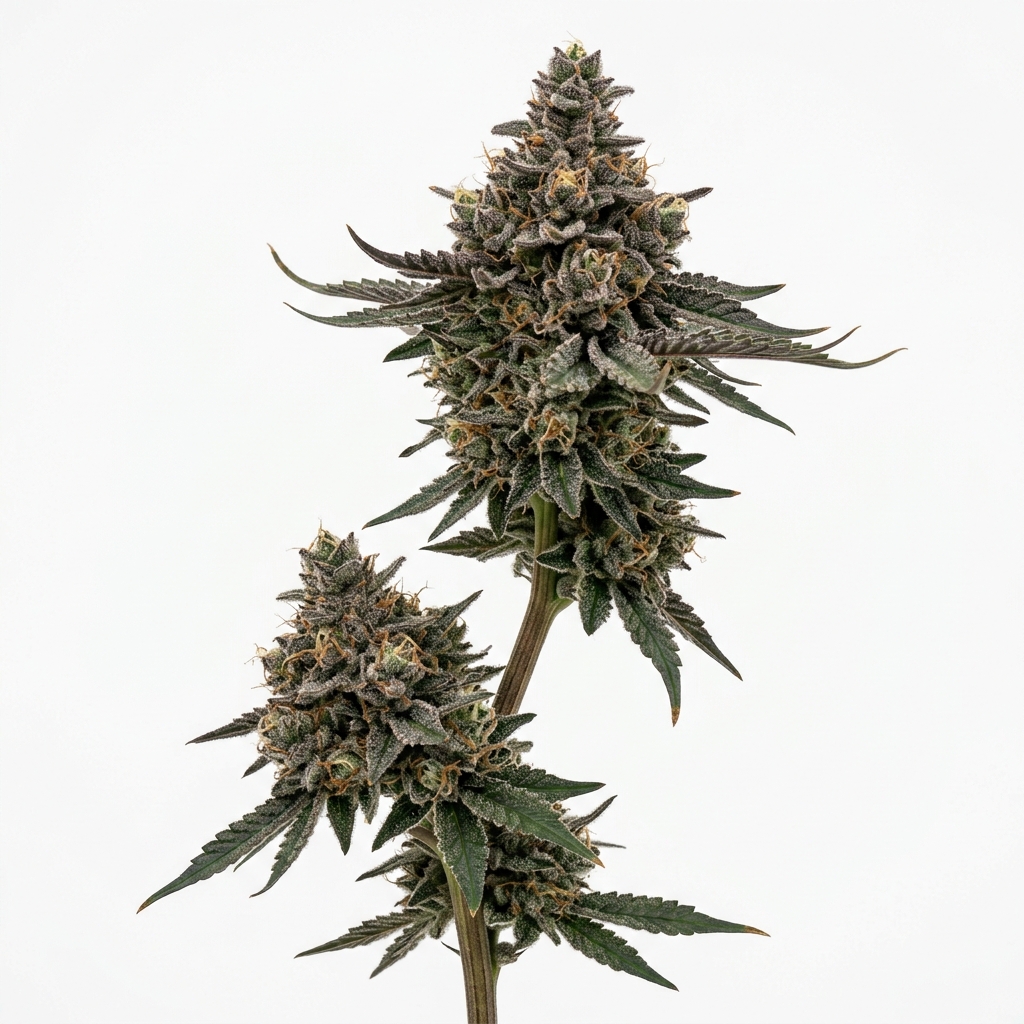
Lava Mintz (Cannabis Strain)
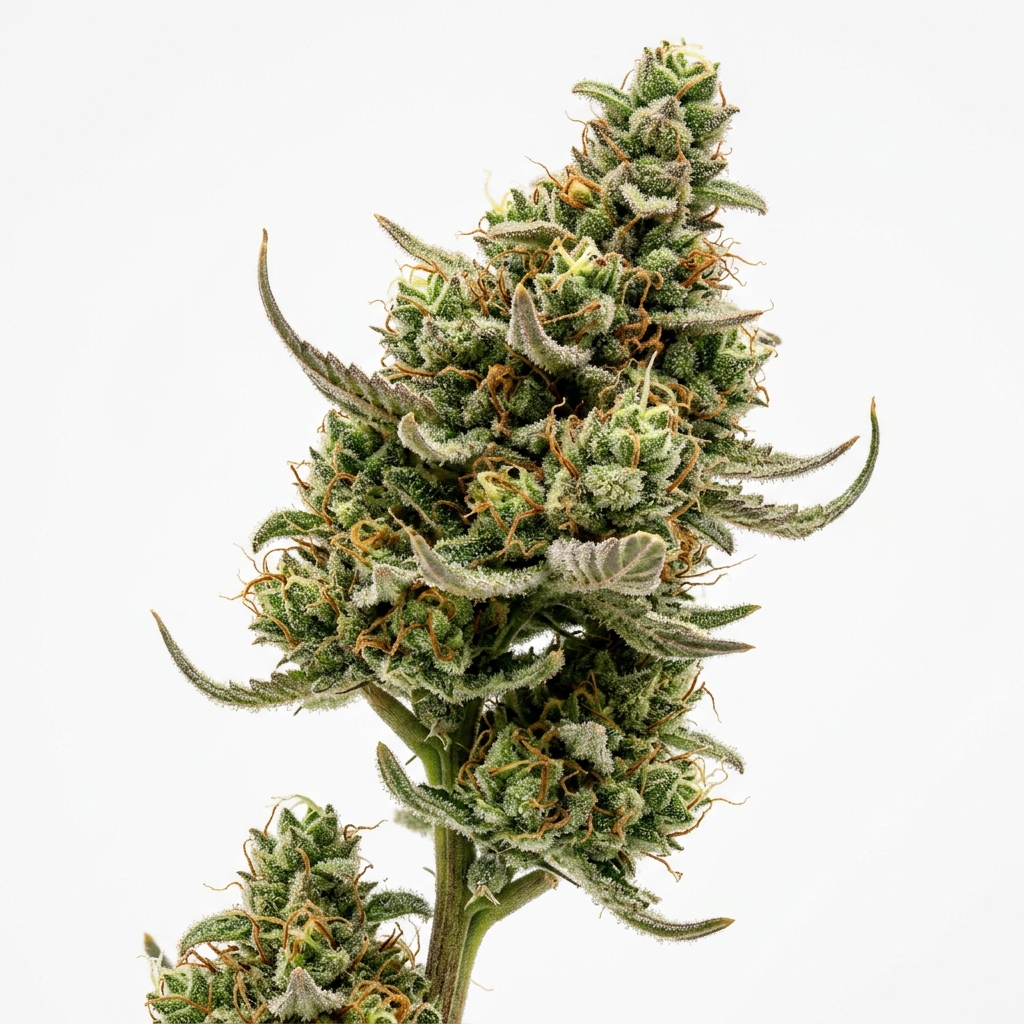
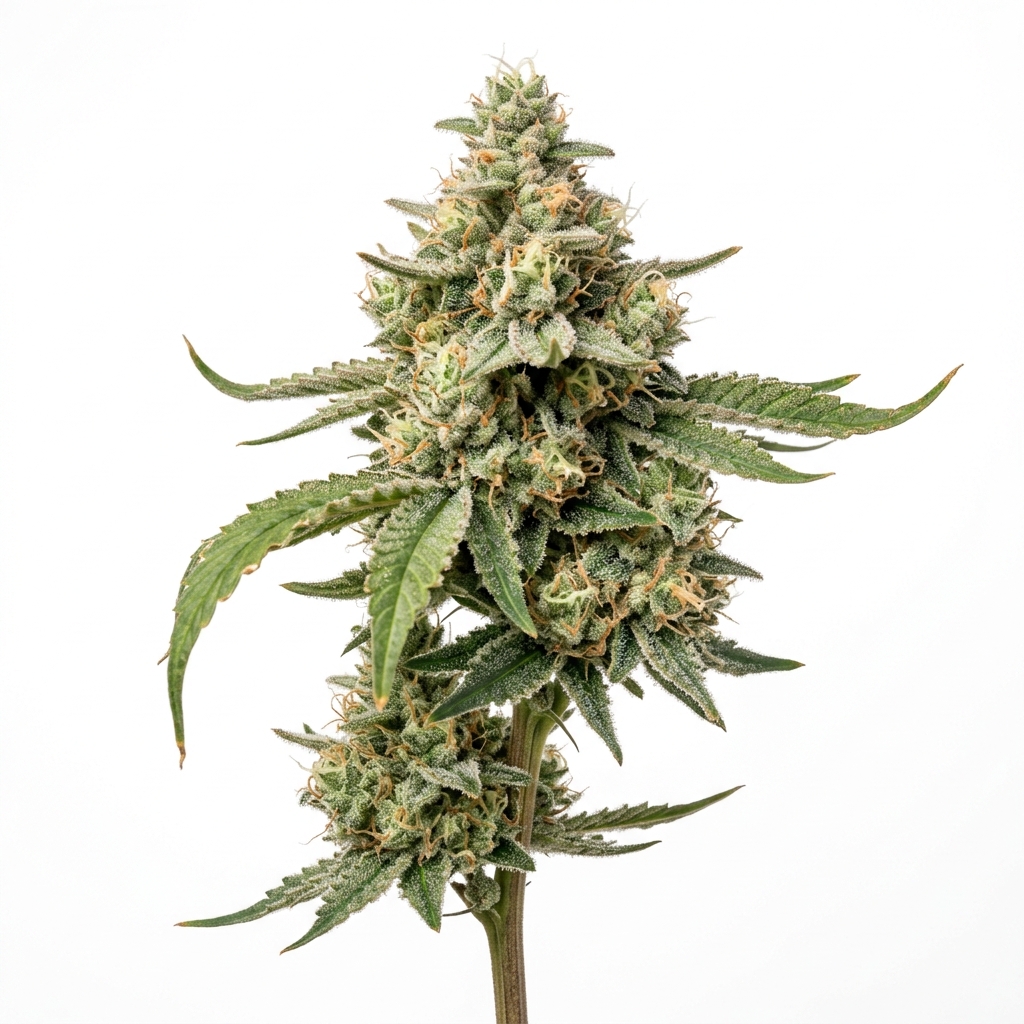
Lava Mintz is an indica-dominant hybrid cultivar testing between 22% and THC not consistently reported in uninfused dry flower, developed through the pairing of Lava Cake and Kush Mints. West Coast breeders popularized the cross to capture the dessert-forward pastry profile of the Thin Mint GSC line alongside the intense resin density and fuel-tinged menthol kick of modern mint genetics. The resulting flowers are compact, deep green to violet in color, and blanketed in thick, greasy trichome heads that deliver an earthy, sweet dough aroma backed by sharp herbal mint.
Cultivators value the variety for its manageable indoor height, strong lateral branching, and heavy calyx-to-leaf ratio during late bloom. The reported experience leans heavily toward deep physical decompression paired with a quiet, grounded cerebral calm. While potent enough to require measured pacing, its balanced terpene spread provides a smooth, lingering finish suited to quiet evening hours.
Quick Facts
| Field | Details |
|---|---|
| Breeder | Lit Farms / Various West Coast breeders |
| Genetics | Lava Cake × Kush Mints |
| Variety | Indica-dominant hybrid (approx. 70% indica / 30% sativa) |
| THC Range | 22% – 28% |
| Flowering Time | 8 – 9 weeks (56 – 63 days) |
| Yield Potential | Moderate to high (450 – 550 g/m² indoor) |
| Plant Height | Medium (controlled stretch) |
| Climate Preference | Temperate to warm indoor; dry Mediterranean outdoor |
| Difficulty | Moderate |
Scientific & Botanical Overview
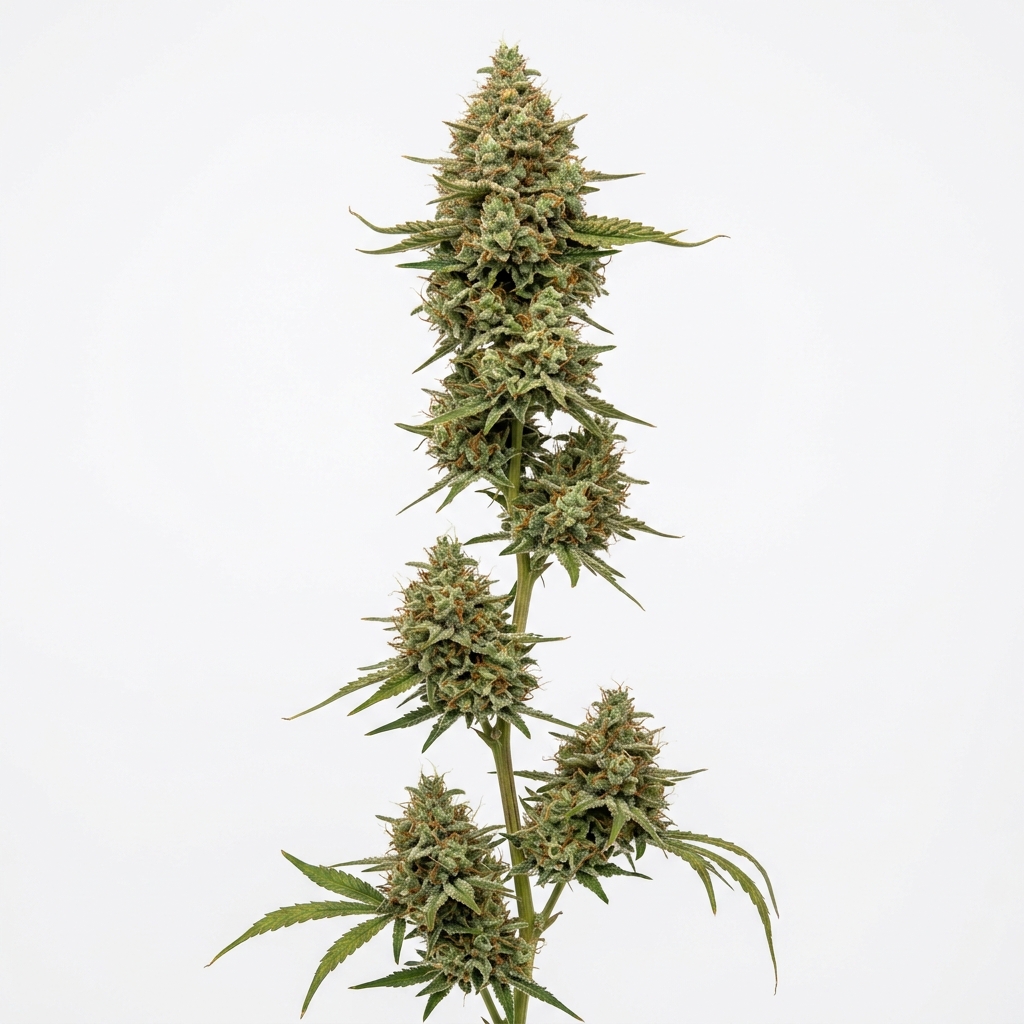
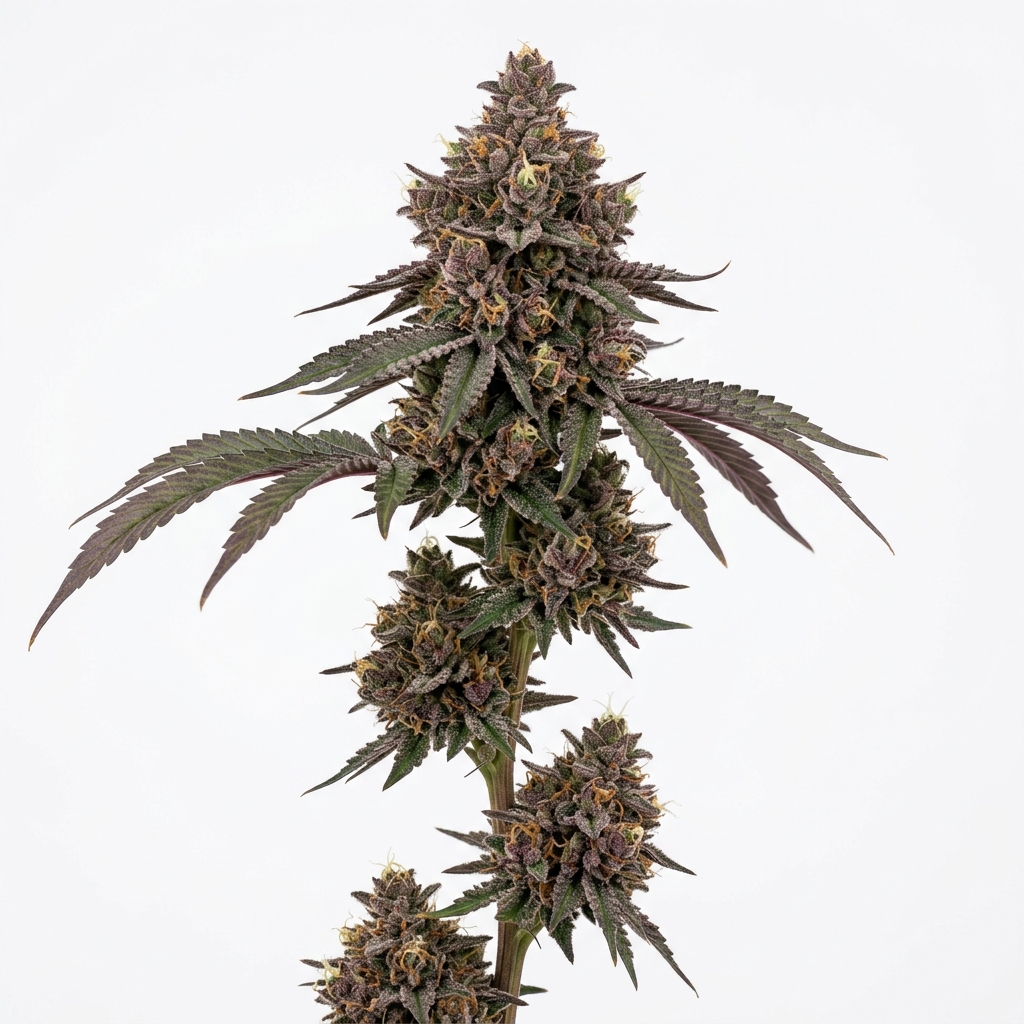
Lava Mintz presents classic broad-leaf morphological traits, displaying stout main stems, short internodes, and dark forest-green foliage. As flowering progresses, the calyxes swell tightly along the nodes, forming dense, golf-ball-shaped clusters that consolidate into thick spear colas. Under cooler night temperatures in late bloom, anthocyanin expression regularly pulls deep violet and charcoal tones across the outer bracts.
The trichome coverage on this cultivar is particularly dense, with glandular heads covering both floral bracts and surrounding sugar leaves. The capitate-stalked glands mature with noticeable opacity by week eight, maintaining firm cuticles that resist mechanical shearing. This heavy resin development makes the dried flower feel sticky and greasy rather than brittle once cured.
In the grow room, the plant develops a naturally bush-like habit that benefits from early structural support. Because the flowers pack together so tightly along the stems, interior microclimates can easily trap stagnant air. Maintaining continuous canopy movement and modest leaf thinning ensures uniform light penetration and protects the dense floral mass from moisture retention.
Effects & Use-Cases (Reported)
Commonly reported effects: Consumers typically report a swift shift toward physical relaxation accompanied by a soft, unhurried mental state. The onset often starts behind the eyes and in the neck before settling into a warm, heavy sensation across the limbs. At moderate amounts, it allows for quiet focus, but higher intake tends to encourage stillness, couchlock, and eventual drowsiness.
Use-case context: The cultivar is best suited for late afternoon or evening consumption, restful recovery routines, and quiet home activities. Many consumers select it to unwind after physical exertion or to transition away from high-stress workdays.
Individual response varies widely depending on personal tolerance, setting, and dose. Inexperienced consumers should approach higher-potency batches slowly to prevent heavy lethargy.
Aroma & Flavors
Aroma: The cured flowers emit a rich base of baked sweet dough and dark chocolate from the Lava Cake side, punctuated by sharp spearmint, earthy pine, and a light chemical gas finish. Breaking open a bud intensifies the cooling mint and diesel undertones.
Flavor: The smoke is thick and creamy on the inhale, tasting of sweet vanilla cookies and damp earth. The exhale sharpens into a crisp peppermint bite with a lingering kush aftertaste that stays on the palate.
Terpene associations: The sensory profile is primarily driven by beta-caryophyllene, limonene, and linalool, with secondary contributions from humulene and myrcene adding herbal and woody depth.
Tested Cannabinoid & Terpene Ranges
| Compound | Type | Reported Range |
|---|---|---|
| Δ9-THC | Cannabinoid | 22.0% – 28.0% |
| CBD | Cannabinoid | < 0.2% |
| CBG | Cannabinoid | 0.4% – 1.2% |
| Beta-Caryophyllene | Terpene | 0.60% – 1.20% |
| Limonene | Terpene | 0.40% – 0.90% |
| Linalool | Terpene | 0.15% – 0.45% |
| Humulene | Terpene | 0.10% – 0.35% |
Range note: Cannabinoid and terpene values reflect flower testing data across varied indoor grow environments. Specific concentrations fluctuate depending on root-zone parameters, lighting intensity, nutrient regimens, and curing precision.
Cultivation Notes
- Humidity management: Keep relative humidity around 55% during early bloom, stepping down to 40%–45% by week seven to guard the dense, resinous colas against botrytis.
- Nutrient requirements: The cultivar handles moderate to heavy feeding well, with steady calcium and magnesium uptake required through the stretch phase to maintain leaf health.
- Canopy training: Topping early in vegetative growth promotes an even multi-top canopy, making it well-suited for SCROG (Screen of Green) setups.
- Defoliation: Perform selective leaf removal around day 21 and day 42 of bloom to open lower bud sites to direct light and improve cross-canopy airflow.
- Harvest window: Most phenotypes reach peak resin maturity between days 58 and 63, when trichome heads show full cloudiness with 10%–15% amber transition.
Grower Notes (Week-by-Week Snapshot)
- Weeks 1–3 (Transition & Stretch): Expect a controlled stretch of roughly 1.5x. Lateral branches fill out quickly, requiring early trellis positioning to set the canopy baseline.
- Weeks 4–6 (Flower Set & Trichome Build): Pistils bunch rapidly as calyx structures swell. Trichomes coat sugar leaves and spread outward, bringing an early sweet dough scent to the room.
- Weeks 7–9 (Ripening & Color Flush): Floral mass hardens significantly. Lowering night temperatures by 5°F–8°F encourages purple pigmentation, while sweet dough notes gain a sharper mint-fuel edge.
- Post-Harvest (Drying & Curing): Whole-plant hang at 60°F and 60% relative humidity for 12 to 14 days preserves delicate monoterpenes before a minimum three-week jar cure.
Genetic Lineage
Lava Mintz unites two prominent modern dessert lines: Lava Cake and Kush Mints. Lava Cake, itself a cross of Grape Pie and Thin Mint GSC, contributes deep purple coloration, rich bakery-dough aromas, and dense, compact bud geometry. Its influence provides the heavy, dessert-like baseline that defines the cultivar’s initial jar appeal.
The Kush Mints parent (Bubba Kush × Animal Mints) reinforces structural vigor, boosts trichome production, and introduces a crisp, cooling herbal profile over a pungent fuel spine. The combination locks in consistent resin coverage and a distinct mentholated finish that sets Lava Mintz apart from standard sweet-leaning cookies cultivars.
Research Insights
Scientific literature on dominant cannabis terpenes points to distinct pharmacological properties. Beta-caryophyllene is unique among dietary terpenes for functioning as a selective agonist at the CB2 receptor, which researchers examine for its role in modulating inflammatory pathways. Limonene and linalool have been investigated in preclinical models for their potential influence on mood regulation and central nervous system excitability.
While these broad chemical studies offer useful context, they evaluate isolated compounds rather than whole-plant material. The specific experiential profile of Lava Mintz results from the collective presence of its cannabinoids and aromatic constituents working together, and individual human responses remain subjective.
Frequently Asked Questions
Who is the original breeder of Lava Mintz?
Lava Mintz was popularized by modern West Coast seedmakers, notably Lit Farms and affiliated craft breeders who paired selected cuts of Lava Cake with Kush Mints pollen.
Is Lava Mintz an indica or sativa?
Lava Mintz is an indica-dominant hybrid, displaying roughly 70% indica and 30% sativa morphology, resulting in compact growth and physically relaxing effects.
What does Lava Mintz smell and taste like?
The aroma combines sweet pastry dough, dark chocolate, and damp earth with a sharp peppermint kick. The flavor follows suit, tasting of vanilla dough on the inhale and cooling menthol gas on the exhale.
How long does Lava Mintz take to flower?
Under a standard 12/12 light cycle, indoor crops usually reach optimal maturity in 8 to 9 weeks (56 to 63 days).
Educational Disclaimer
This content is for educational and informational purposes only. Cannabis laws and regulations vary by jurisdiction. Always consult with a qualified professional before beginning any cultivation project or consuming cannabis products.
Rate and review this strain
Ratings and reviews are accepted only from signed-in Google accounts.
Sign in with Google to leave a rating and written review.
Latest Reviews
0 reviewsNo reviews yet. Be the first Google user to rate and review this strain.
Follow New Cultivar Records
Get newly documented genetics, breeder history, research highlights, and important Strainpedia discoveries by email.