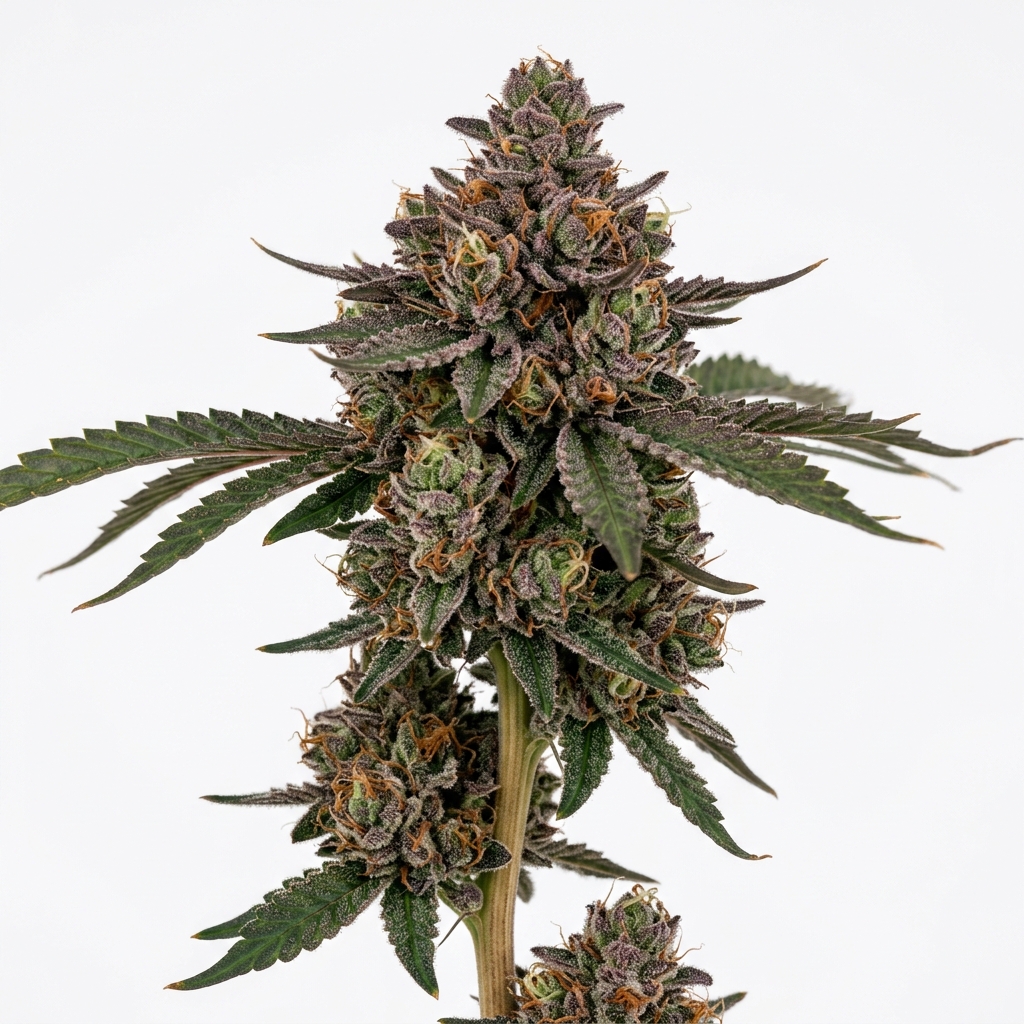
Blue Cherries (Cannabis Strain)
Blue Cherries is an indica-dominant hybrid typically testing between 18% and 24% THC, developed through crossing Blueberry with Cherry Pie. The original breeder is not consistently documented in reliable public sources, though the cultivar emerged from West Coast craft circles valued for distinct fruit-forward terpene profiles. The variety produces compact, resin-rich flowers characterized by ripe wild berry, tart cherry skin, and sweet bakery dough notes anchored by an earthy hash base. Its moderate, bush-like growth habit and dense bract structure make it a dependable performer for flower production and solventless resin extraction alike.
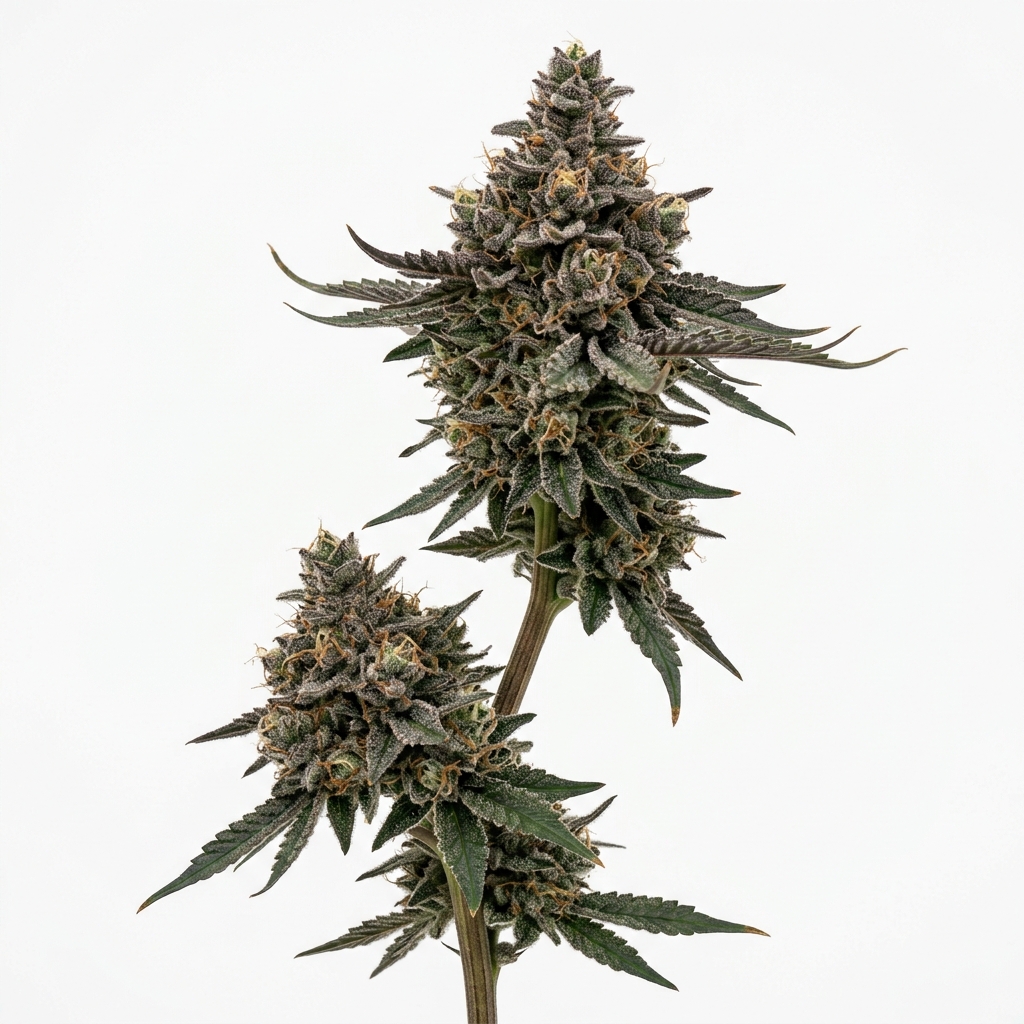
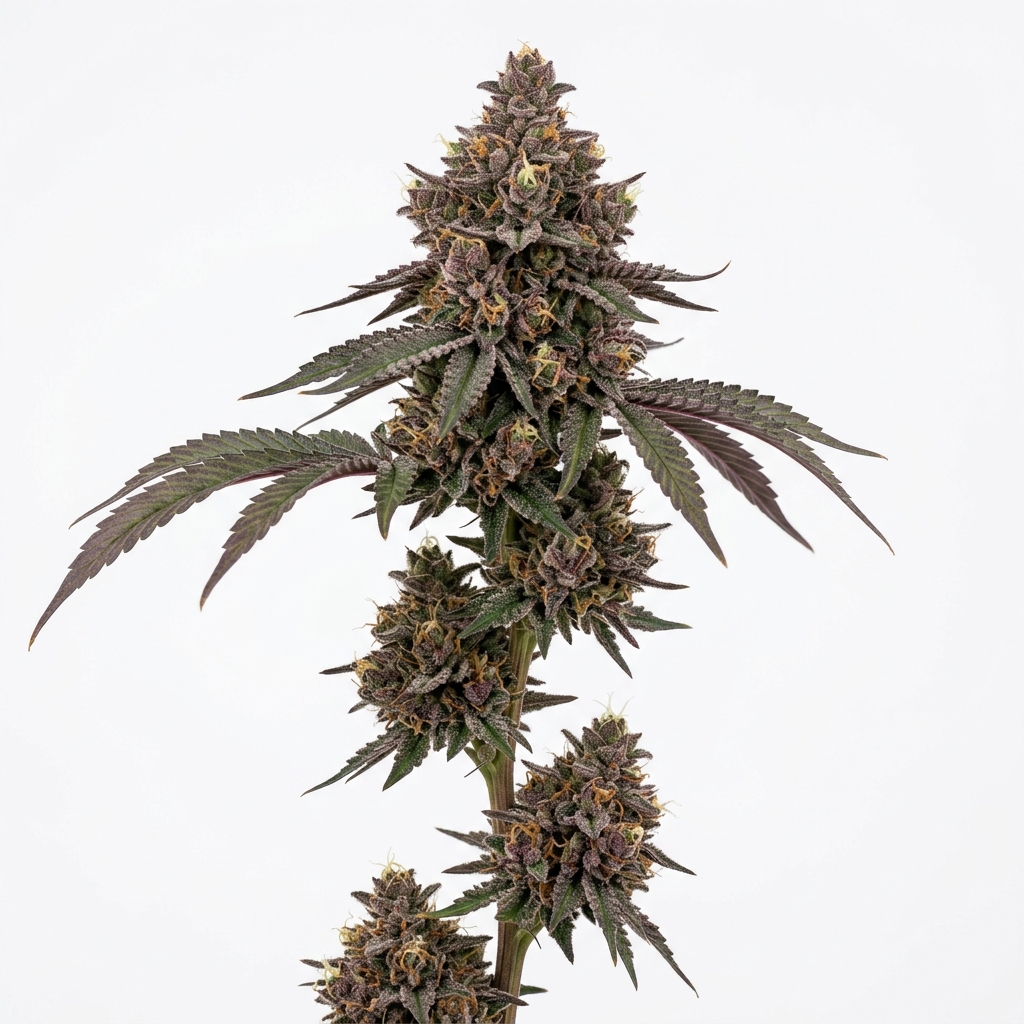
Drawing on the established genetic stability of its heritage lines, Blue Cherries displays pronounced anthocyanin accumulation under cooler night temperatures, shifting from deep forest green to plum and midnight purple. The stretch remains controlled throughout early flower, developing sturdy lateral branches that support heavy, rounded floral clusters without requiring excessive staking. Consumers typically report a smooth, creeping body relaxation accompanied by a clear, uplifted headspace suited for unhurried evenings.
Quick Facts
| Field | Detail |
|---|---|
| Breeder | Not consistently documented |
| Genetics | Blueberry × Cherry Pie |
| Variety | Indica-dominant hybrid (approx. 70% indica / 30% sativa) |
| THC Range | 18% – 24% (uninfused dried flower) |
| Flowering Time | 8 – 9 weeks (56 – 63 days) |
| Yield Potential | Moderate to high (approx. 400 – 500 g/m² indoors) |
| Plant Height | Medium (approx. 90 – 130 cm indoors) |
| Climate Preference | Temperate to Mediterranean; sensitive to late-flower dampness |
| Difficulty | Moderate |
Scientific & Botanical Overview
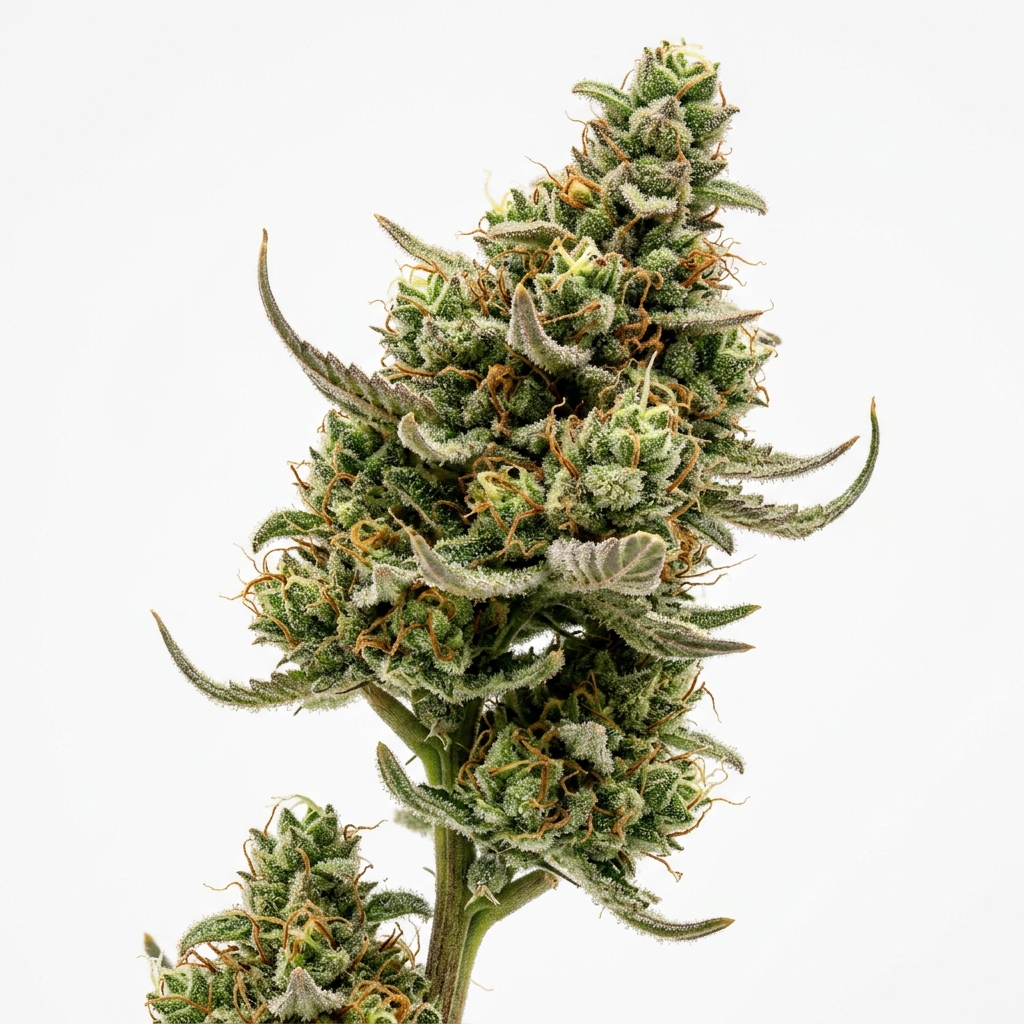
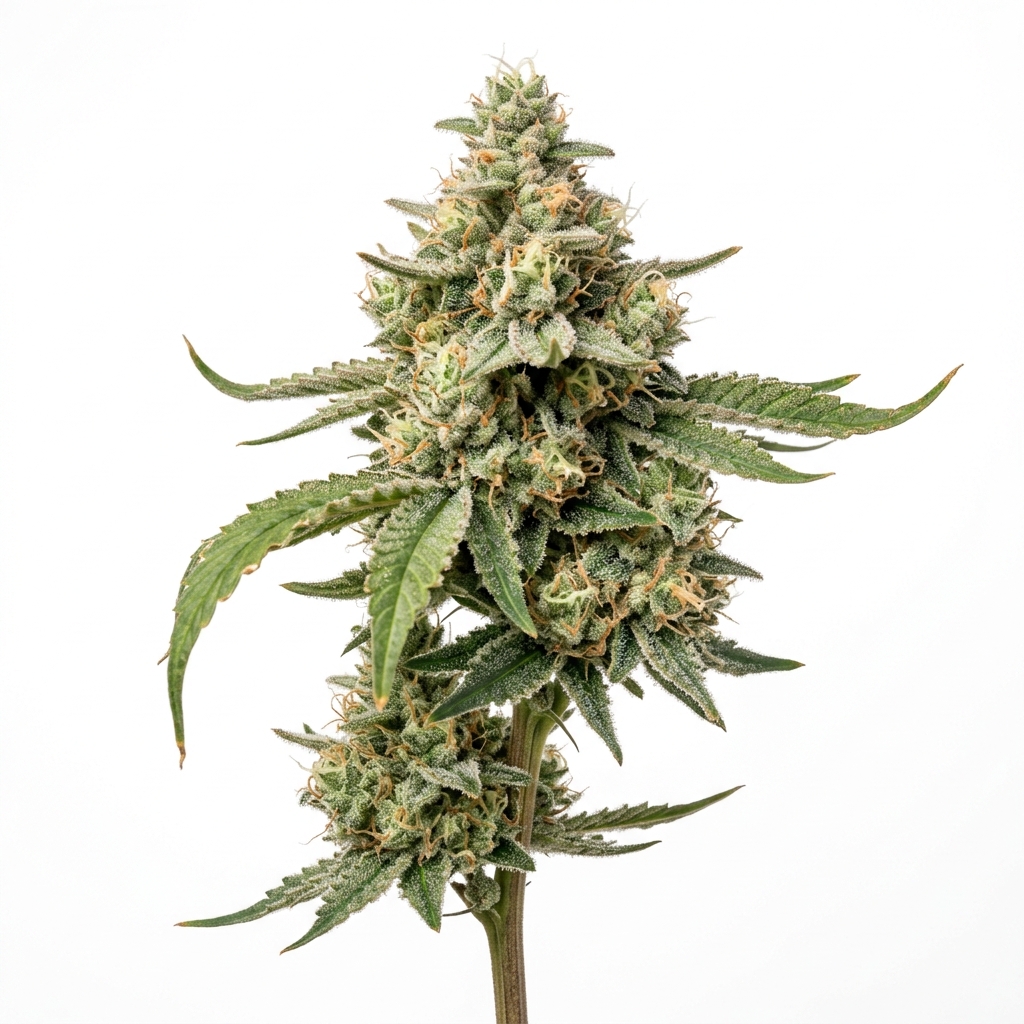
Morphologically, Blue Cherries produces broad, dark green fan leaves that reflect its indica-leaning heritage. Internodal spacing is relatively tight, yielding dense, conical flower clusters along strong secondary stems. As maturity approaches, cold night cycles often unlock anthocyanin pigmentation across the calyx tips and upper sugar leaves.
The glandular trichome coverage is thick and uniform, featuring bulbous capitate-stalked heads that hold onto the bract surface well into harvest. Dried flowers cure down to firm, golf-ball-sized nuggets with a low leaf-to-calyx ratio, simplifying manual manicuring. The cured resin maintains a slightly tacky texture with minimal degradation when cured under stable temperatures.
The chemical profile is led by dominant concentrations of myrcene, caryophyllene, and limonene, with minor contributions from pinene and linalool. This composition delivers an upfront fruit sweetness paired with a warm, peppery backbone. Total terpene content typically ranges between 1.5% and 2.5% in properly handled harvests.
Effects & Use-Cases (Reported)
Commonly reported effects: Blue Cherries typically initiates with a gentle head buzz that softens mental tension without inducing racy thoughts. Within twenty to thirty minutes, the physical influence settles through the neck, shoulders, and lower back, producing a weighted, tranquil body sensation. The experience remains calm and grounded, rarely escalating into overwhelming disorientation at moderate intake.
Use-case context: Given its physically relaxing nature and gentle cerebral shift, the cultivar is predominantly selected for evening wind-downs, quiet creative pastimes, or listening to music. It fits well into low-stress social gatherings or pre-bedtime routines where heavy physical exertion is not required.
Note: Individual experiences may vary significantly based on individual tolerance, consumption method, and specific batch chemistry.
Aroma & Flavors
Aroma: Opening a jar of cured Blue Cherries yields a layered scent of tart cherry skins, dark blueberry jam, and sweet vanilla dough. Breaking the buds apart introduces sharper undertones of pine needle, damp soil, and faint fuel.
Flavor: On the inhale, the smoke delivers a smooth wash of tart berry compote and glazed pastry. The exhale transitions to a drier, spicier note of cracked black pepper and mild cedar, leaving a lingering sweetness across the palate.
Terpene associations: The high proportion of β-myrcene drives the sweet, ripe fruit notes, while β-caryophyllene supplies the subtle peppery bite on the finish. d-Limonene adds bright citrus lift that keeps the heavy berry profile fresh.
Tested Cannabinoid & Terpene Ranges
| Compound | Tested Range (% dry weight) |
|---|---|
| Δ9-THC | 18.0% – 24.0% |
| CBD | < 0.5% |
| CBG | 0.2% – 1.0% |
| β-Myrcene | 0.5% – 1.2% |
| β-Caryophyllene | 0.3% – 0.8% |
| d-Limonene | 0.2% – 0.6% |
| α-Pinene | 0.1% – 0.3% |
Range note: Cannabinoid and terpene percentages are drawn from literature-informed testing profiles of dried flower batches. Actual secondary metabolite production is subject to phenotype selection, lighting intensity, nutrient regimen, and curing precision.
Cultivation Notes
- Humidity management: Maintain relative humidity around 55% to 60% during the vegetative phase. Reduce steadily to 45% by week four of bloom and down to 40% in late flower to protect the compact, dense colas from botrytis.
- Nutrient requirements: Blue Cherries responds well to moderate base feeding in veg with steady calcium and magnesium support. Dial back nitrogen early in flower and introduce phosphorus and potassium gently to prevent tip burn on sensitive leaves.
- Canopy training: Topping the main stem early establishes multiple primary colas. Employing low-stress training (LST) or a single-layer Trellis net spreads the bushy canopy and ensures equal light penetration across inner bud sites.
- Defoliation: Strip large lower fan leaves just before switching to 12/12 lighting, followed by a targeted clean-up around day 21 of flower. Clearing inner foliage improves airflow through the tight nodal clusters.
- Harvest window: Indoor flowering finishes cleanly within 56 to 63 days. Inspect glandular trichomes with a loupe; harvest when the vast majority of trichome heads are milky white with roughly 10% to 15% turning amber for peak aromatic depth.
Grower Notes (Week-by-Week Snapshot)
- Weeks 1–3 (Vegetative & Early Stretch): Plants establish compact root systems and dense leaf canopies quickly. Internodal stretch after the light flip is modest, usually around 1.3x to 1.5x original height.
- Weeks 4–6 (Bud Set & Calyx Expansion): Small, frosty buttons form rapidly along all main branch tops. Strong aromas of sour berry and floral sweetness begin to fill the grow space as resin production ramps up.
- Weeks 7–9 (Ripening & Flush): Calyxes swell and pistils turn dark amber. Lowering night temperatures by 3°C to 5°C during the final ten days helps express vibrant violet and indigo coloration across upper bracts.
Genetic Lineage
The lineage of Blue Cherries pairs two celebrated classic hybrids: Blueberry and Cherry Pie. Blueberry, originally developed by DJ Short in the late 1970s from Afghani, Thai, and Mexican landrace stock, contributes its signature sweet berry fragrance, compact structure, and intense purple hues. Its genetics provide the foundation for the cultivar’s calming physical profile.
On the other side of the cross, Cherry Pie (Granddaddy Purple × F1 Durb) introduces dense floral cluster formation, tart stone fruit terpenes, and a distinct baked-pastry undertone. This combination stabilizes into a balanced hybrid that brings together the fruit-heavy qualities of both parents into a durable, visually appealing flower.
Research Insights
Cannabis research increasingly investigates the behavioral and physiological interactions between primary phytocannabinoids like THC and volatile terpenes. In cultivars expressing significant levels of myrcene alongside caryophyllene, preliminary scientific literature points toward modulated cannabinoid uptake and cannabinoid receptor interactions, which may explain the deeper sense of physical ease reported by consumers.
It is important to emphasize that general pharmacological studies on isolated terpenes and synthetic models do not establish direct medical claims for whole-flower Blue Cherries. Batch-to-batch variation, individual endocannabinoid system differences, and combustion variables all influence real-world outcomes.
Frequently Asked Questions
Who is the original breeder of Blue Cherries?
The original breeder of Blue Cherries is not consistently documented in reliable public cultivation records. The cut emerged out of West Coast breeding networks through crosses of classic Blueberry and Cherry Pie stock.
Is Blue Cherries an indica or sativa?
Blue Cherries is an indica-dominant hybrid, generally showing roughly 70% indica and 30% sativa genetic expression in its growth habit, flowering structure, and calming effects.
What does Blue Cherries smell and taste like?
The cultivar features an aroma of sweet blueberry, tart cherry skin, and warm pastry dough. Its smoke tastes like fresh berry compote with a grounding finish of cracked pepper and subtle earth.
How long does Blue Cherries take to flower?
Under an indoor 12/12 light cycle, Blue Cherries typically completes its flowering cycle in 8 to 9 weeks (56 to 63 days).
Educational Disclaimer
This content is for educational and informational purposes only. Cannabis laws and regulations vary by jurisdiction. Always consult with a qualified professional before beginning any cultivation project or consuming cannabis products.
Rate and review this strain
Ratings and reviews are accepted only from signed-in Google accounts.
Sign in with Google to leave a rating and written review.
Latest Reviews
0 reviewsNo reviews yet. Be the first Google user to rate and review this strain.
Follow New Cultivar Records
Get newly documented genetics, breeder history, research highlights, and important Strainpedia discoveries by email.