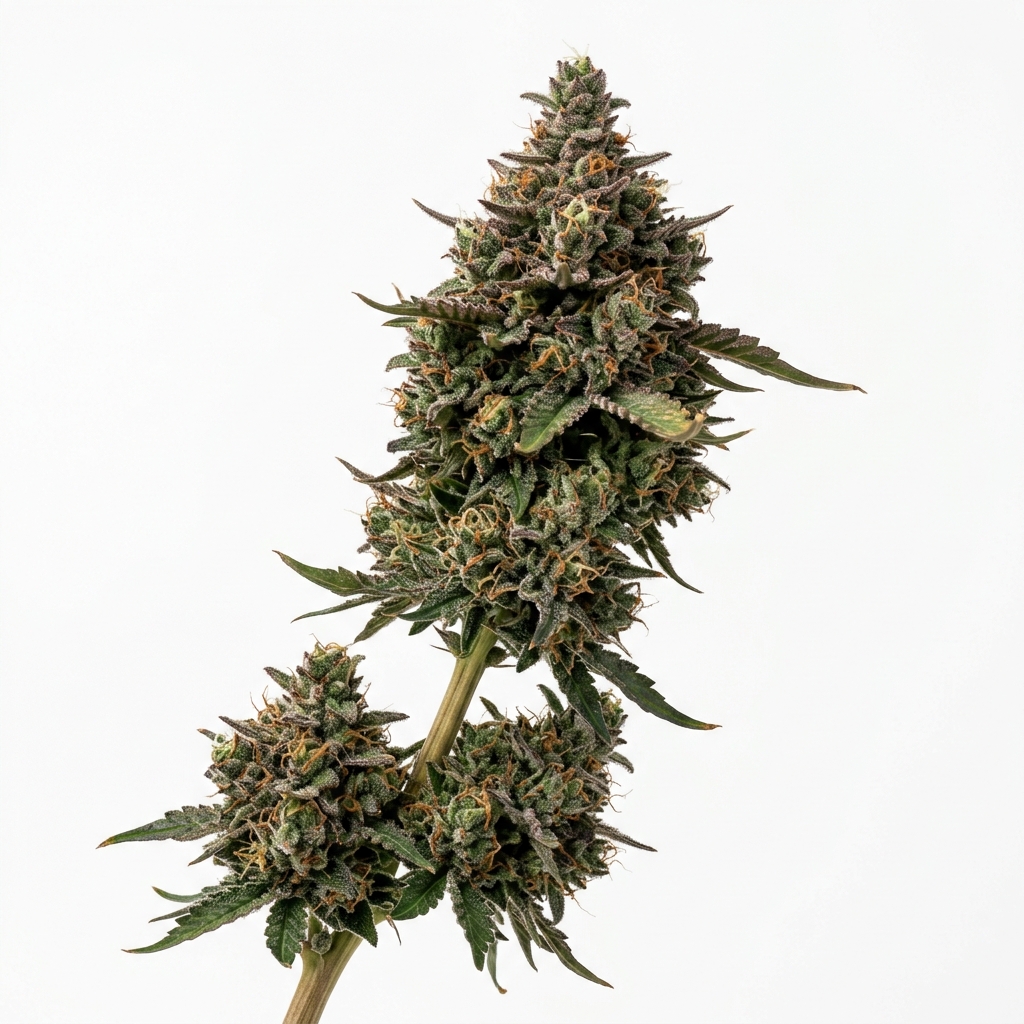
Hibachi (Cannabis Strain)
Hibachi is an indica-dominant hybrid cultivar typically testing between 22% and 28% THC, originally bred through a collaboration between Clearwater Genetics and Tiki Madman. Developed by crossing Mai Tai with Kush Mints, the cultivar delivers a layered sensory profile defined by candied tropical fruit, tart citrus peel, doughy pastry, and a crisp mint finish. Known for producing greasy, bulbous calyxes coated in heavy glandular trichomes, Hibachi has established a strong presence in boutique gardens and single-source solventless extraction programs.
The cross merges the vibrant anthocyanin expression and sweet terpene density of Mai Tai with the structural rigidity, thick resin heads, and earthy mint foundation of Kush Mints. In the grow room, plants display moderate stretch, tight nodal spacing, and dense spear-shaped colas that hold up well under intensive lighting. Cultivators and consumers frequently report a balanced experience characterized by an initial mood elevation that settles into lasting physical relaxation without immediate sedation.
Quick Facts
| Field | Details |
|---|---|
| Breeder | Clearwater Genetics × Tiki Madman |
| Genetics | Mai Tai × Kush Mints |
| Variety | Indica-dominant hybrid (approx. 65% indica / 35% sativa) |
| THC Range | 22% – 28% |
| Flowering Time | 8 – 9 weeks (56 – 63 days) |
| Yield Potential | Moderate to High (450 – 550 g/m² indoor) |
| Plant Height | Medium (controlled stretch) |
| Climate Preference | Temperate to Mediterranean; prefers controlled indoor conditions |
| Difficulty | Moderate |
Scientific & Botanical Overview
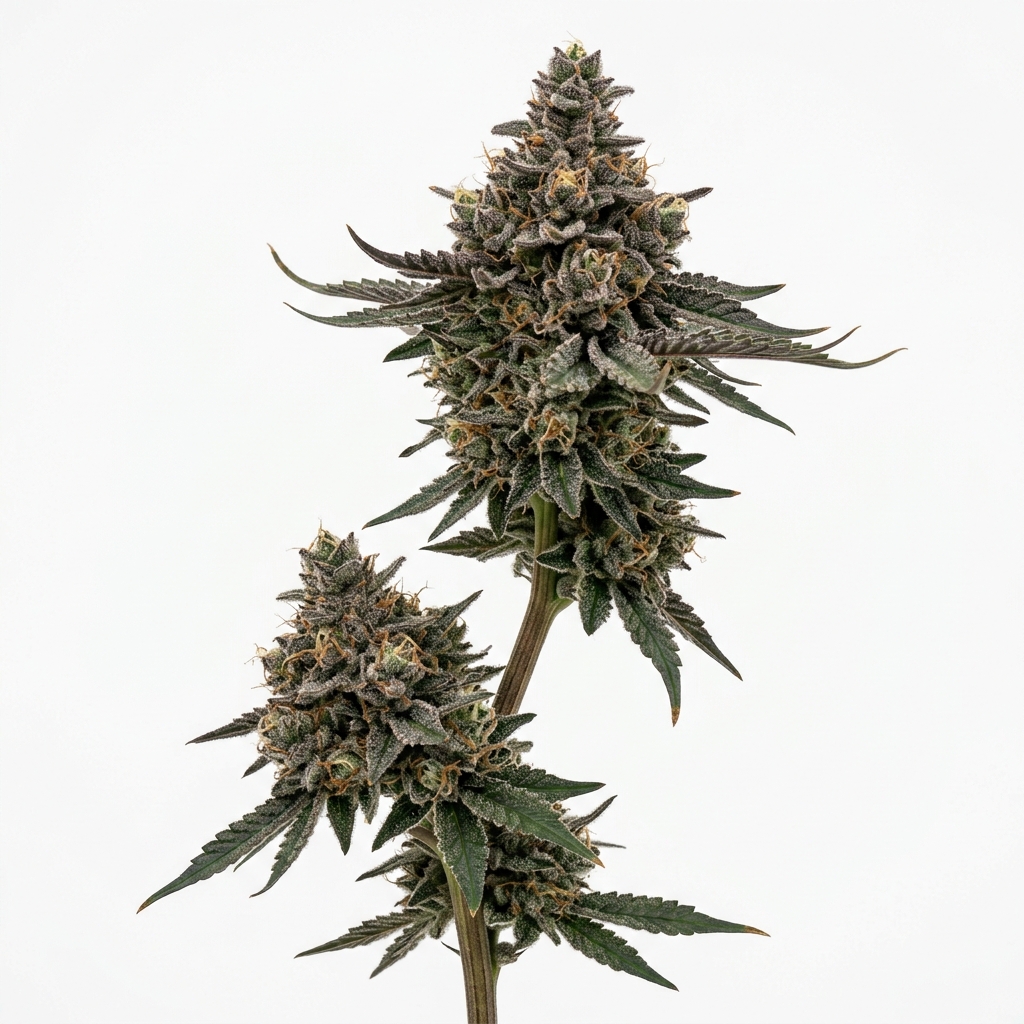
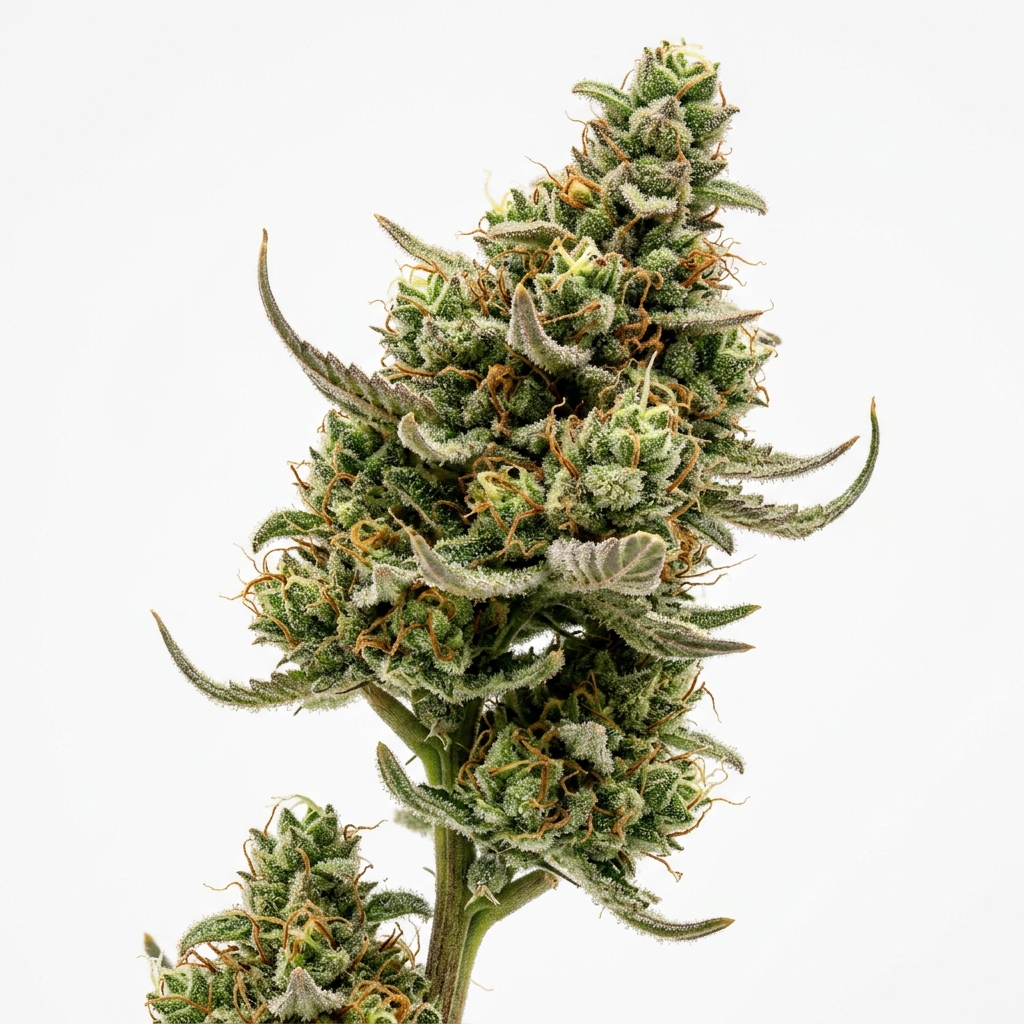
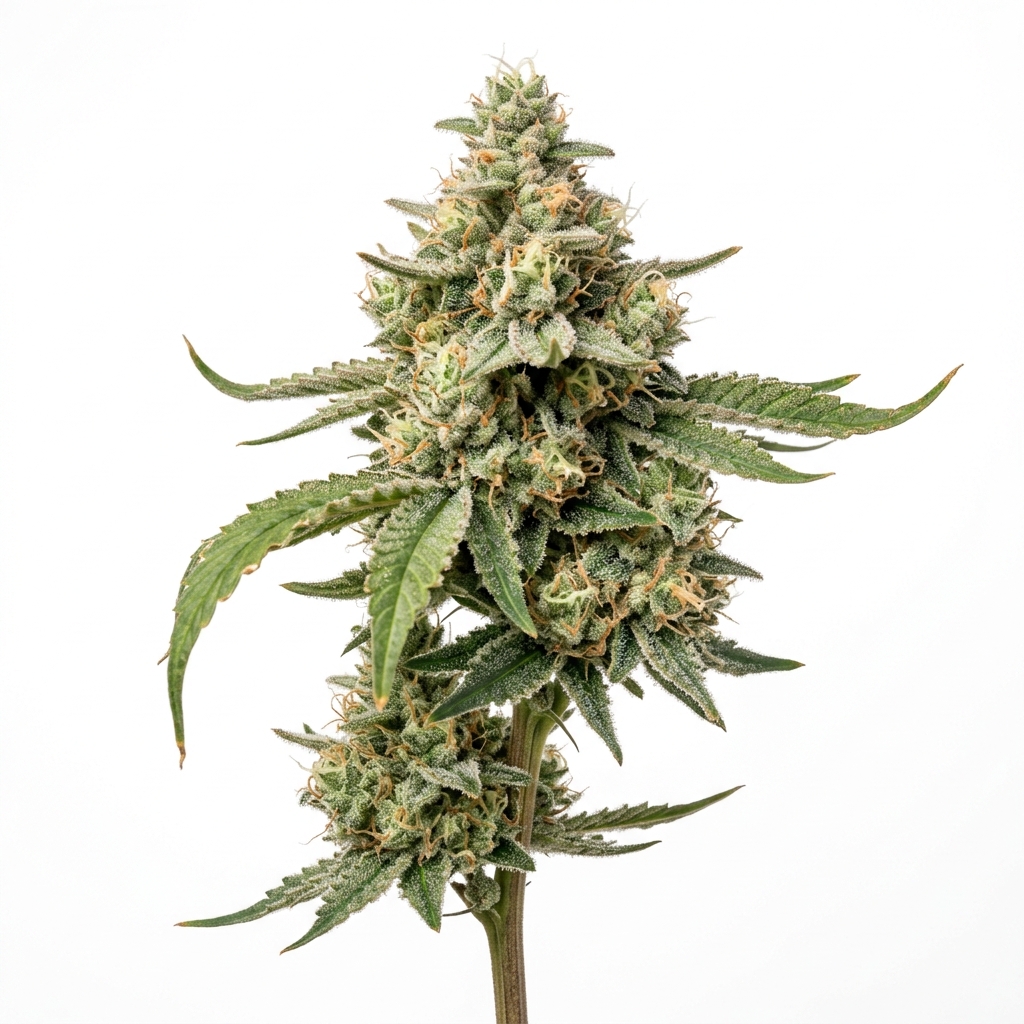
Botanically, Hibachi shows a sturdy hybrid architecture with medium internodal spacing, thick lateral branches, and broad, dark green fan leaves inherited from its Bubba Kush ancestry. As plants enter bloom, the stretch remains predictable at roughly 1.5x to 2x vegetative height, allowing growers to manage canopy uniformity easily under grid netting. The flowers develop into dense, conical clusters with high bract-to-leaf ratios, facilitating rapid post-harvest processing.
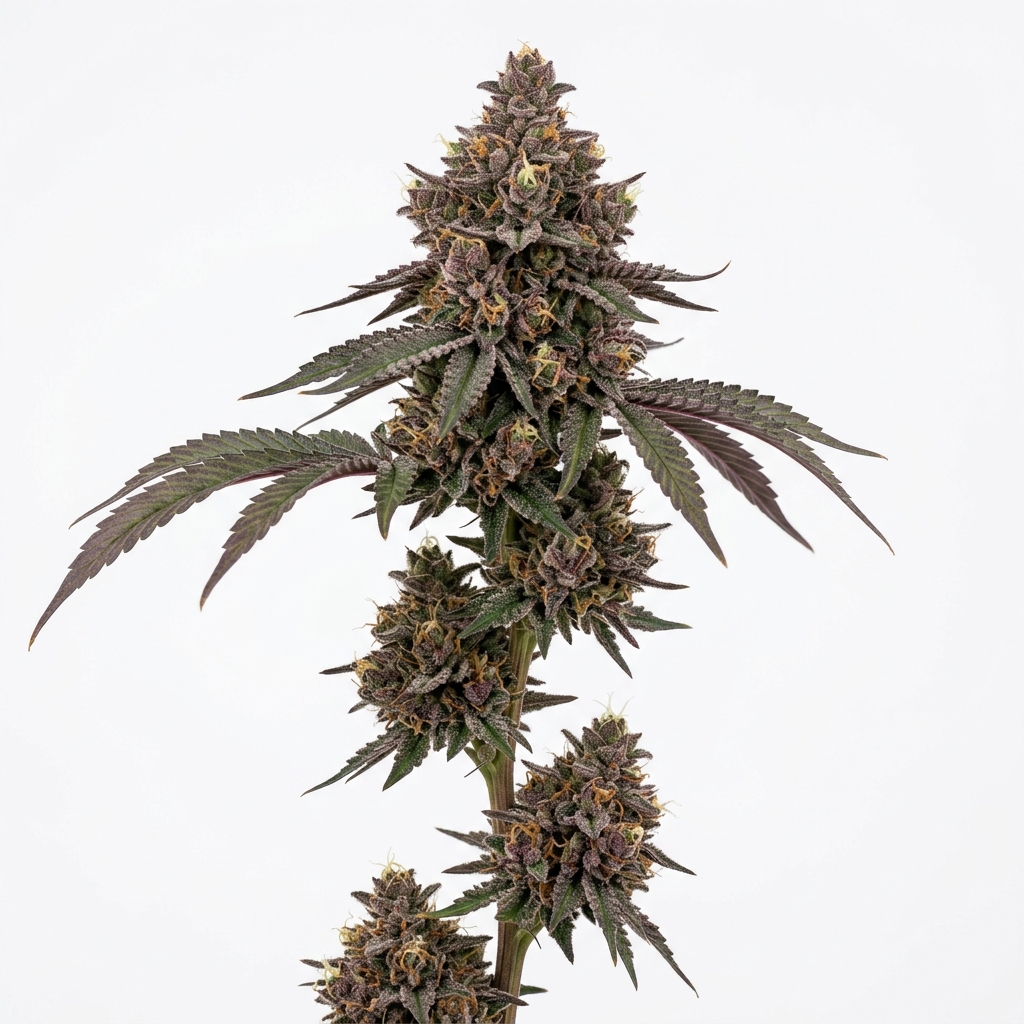
The glandular trichome structure is particularly well suited for mechanical separation. The trichome heads feature broad capitate stalks with brittle neck junctions that release readily in ice-water washes, yielding a pale, terpene-rich resin. Phenotypic expression can swing between deep forest green flowers accented by vibrant orange pistils and purple-flushed calyxes, depending on late-flower night temperatures.
Secondary metabolite synthesis in Hibachi produces high concentrations of caryophyllene, limonene, and myrcene, with detectable levels of linalool and humulene. This profile yields a distinctive balance between sweet monoterpenes and grounding sesquiterpenes. The cured flowers retain high moisture stability and dense structural integrity when dried in controlled environmental settings.
Effects & Use-Cases (Reported)
Commonly reported effects: Consumers typically describe an initial wave of clear mental uplift, marked by light euphoria and sensory enhancement. As the session progresses, this initial clarity transitions into a heavy, warm body relaxation that softens muscle tension and encourages physical ease. While potent, the physical onset tends to be calm and grounded rather than immediately fatiguing, allowing for conversational social settings early on.
Use-case context: Hibachi is widely selected for late afternoon or evening use when unwinding without total immobility is desired. Many users reach for this cultivar during creative leisure, casual social gatherings, or quiet decompression after a long day. Its lingering physical comfort makes it a favored choice among consumers seeking to ease everyday physical strain.
Note: Individual responses to cannabis flower vary widely depending on personal tolerance, dosage, individual endocannabinoid tone, and specific batch chemistry. First-time consumers should approach with measured dosing.
Aroma & Flavors
Aroma: The jar appeal of Hibachi opens with a bright burst of candied tropical fruit and tangy orange peel, followed quickly by pungent diesel and creamy dough. Breaking apart a cured bud reveals deeper base notes of wet earth, spearmint, and sharp peppery spice.
Flavor: On the palate, the smoke is dense, smooth, and layered. The initial draw delivers sweet citrus and rich cookie dough, which resolves into a lingering aftertaste of refreshing mint, subtle pine, and fuel on the exhale.
Terpene associations: The aroma and flavor profile is primarily driven by beta-caryophyllene for warmth and spice, limonene for the sweet citrus lift, and beta-myrcene for earthy depth, supported by subtle notes of linalool.
Tested Cannabinoid & Terpene Ranges
| Compound | Typical Tested Range |
|---|---|
| Δ9-THC | 22.0% – 28.0% |
| CBD | < 1.0% |
| CBG | 0.5% – 1.5% |
| Total Terpenes | 1.8% – 3.2% |
| Primary Terpenes | β-Caryophyllene, Limonene, β-Myrcene, Linalool |
Range note: Cannabinoid and terpene concentrations reflect flower testing and vary significantly across different phenotypes, cultivation techniques, nutrient programs, and post-harvest curing conditions.
Cultivation Notes
- Humidity management: Maintain relative humidity between 55% and 60% during early bloom, lowering to 40%–45% during the final three weeks to protect the dense colas from botrytis.
- Nutrient requirements: Hibachi handles moderate to heavy feeding during peak floral development, responding well to balanced potassium and phosphorus supplementation with steady calcium-magnesium inputs.
- Canopy training: Topping early in the vegetative phase followed by low-stress training (LST) and a single or double trellis net creates an even canopy of uniform spear colas.
- Defoliation: Perform a thorough lower canopy cleanout (lollipop) around day 21 of flower, followed by light fan leaf thinning around day 42 to improve light penetration and airflow through dense lower branches.
- Harvest window: Optimal resin maturity typically occurs between days 58 and 63, when trichome heads shift from mostly cloudy to roughly 10%–15% amber for maximum aromatic richness.
Grower Notes (Week-by-Week Snapshot)
- Weeks 1–3 (Transition & Stretch): Expect moderate vertical stretch of about 1.5x. Lay down the first trellis layer early to spread lateral shoots and maintain an even top plane.
- Weeks 4–6 (Bud Formation & Resin Onset): Calyxes swell quickly and link into solid floral columns. Trichome production accelerates heavily by week 5; keep air movement constant across the canopy.
- Weeks 7–9 (Ripening & Color Development): Colas become dense and rock-hard. Dropping night temperatures into the 64°F–68°F range during the final 10 days often coaxes out striking violet and plum hues across the upper bracts.
- Post-Harvest (Dry & Cure): Dry whole plants at 60°F and 60% relative humidity for 12 to 14 days. A slow cure of at least three weeks in airtight containers brings out the full interplay of tropical fruit and cool mint dough.
Genetic Lineage
Hibachi is the direct progeny of Mai Tai and Kush Mints. Mai Tai (a cross of Sunset Sherbet and Purple Punch) contributes sweet tropical fruit punch aromatics, rich citrus notes, and vibrant purple coloring. Its influence is apparent in Hibachi’s complex, candied bouquet and balanced early mood lift.
The pollen donor, Kush Mints (Bubba Kush × Animal Mints, bred by Seed Junky Genetics), introduces dense floral structure, substantial resin production, and a pronounced profile of cool mint, pine, and fuel. Together, these parents create a hybrid that unites modern candy-fruit terpene profiles with classic, heavy-hitting Afghan-derived resin traits.
Research Insights
Cannabis research increasingly focuses on the relationship between major phytocannabinoids like Δ9-THC and dominant sesquiterpenes such as beta-caryophyllene. Caryophyllene is unique among terpenes for its ability to bind directly to peripheral cannabinoid type 2 (CB2) receptors, which researchers study for its role in modulating inflammatory pathways and physical comfort.
While general scientific literature provides foundational insights into how terpenes and cannabinoids interact with human physiology, specific effects from individual cultivars like Hibachi are influenced by the complete chemical profile, individual metabolism, and consumption method. Continued standardized testing of whole-flower chemovars remains essential to fully mapping these complex botanical interactions.
Frequently Asked Questions
Who bred the Hibachi strain?
Hibachi was bred through a collaboration between Clearwater Genetics and Tiki Madman, two well-regarded boutique breeders known for working extensively with modern dessert and gas profiles.
Is Hibachi an indica or sativa?
Hibachi is an indica-dominant hybrid, exhibiting approximately 65% indica and 35% sativa lineage, characterized by sturdy plant structure and deeply relaxing physical properties.
What does Hibachi smell and taste like?
Hibachi features an aroma of sweet tropical fruit punch, tangy orange peel, and pungent fuel, followed by a smooth flavor profile of candied citrus, creamy cookie dough, and cool herbal mint on the exhale.
What is the flowering time of Hibachi?
Under indoor cultivation, Hibachi typically finishes flowering in 8 to 9 weeks (56 to 63 days), developing rock-solid colas covered in a thick layer of frosty trichomes.
Educational Disclaimer
This content is for educational and informational purposes only. Cannabis laws and regulations vary by jurisdiction. Always consult with a qualified professional before beginning any cultivation project or consuming cannabis products.
Rate and review this strain
Ratings and reviews are accepted only from signed-in Google accounts.
Sign in with Google to leave a rating and written review.
Latest Reviews
0 reviewsNo reviews yet. Be the first Google user to rate and review this strain.
Follow New Cultivar Records
Get newly documented genetics, breeder history, research highlights, and important Strainpedia discoveries by email.