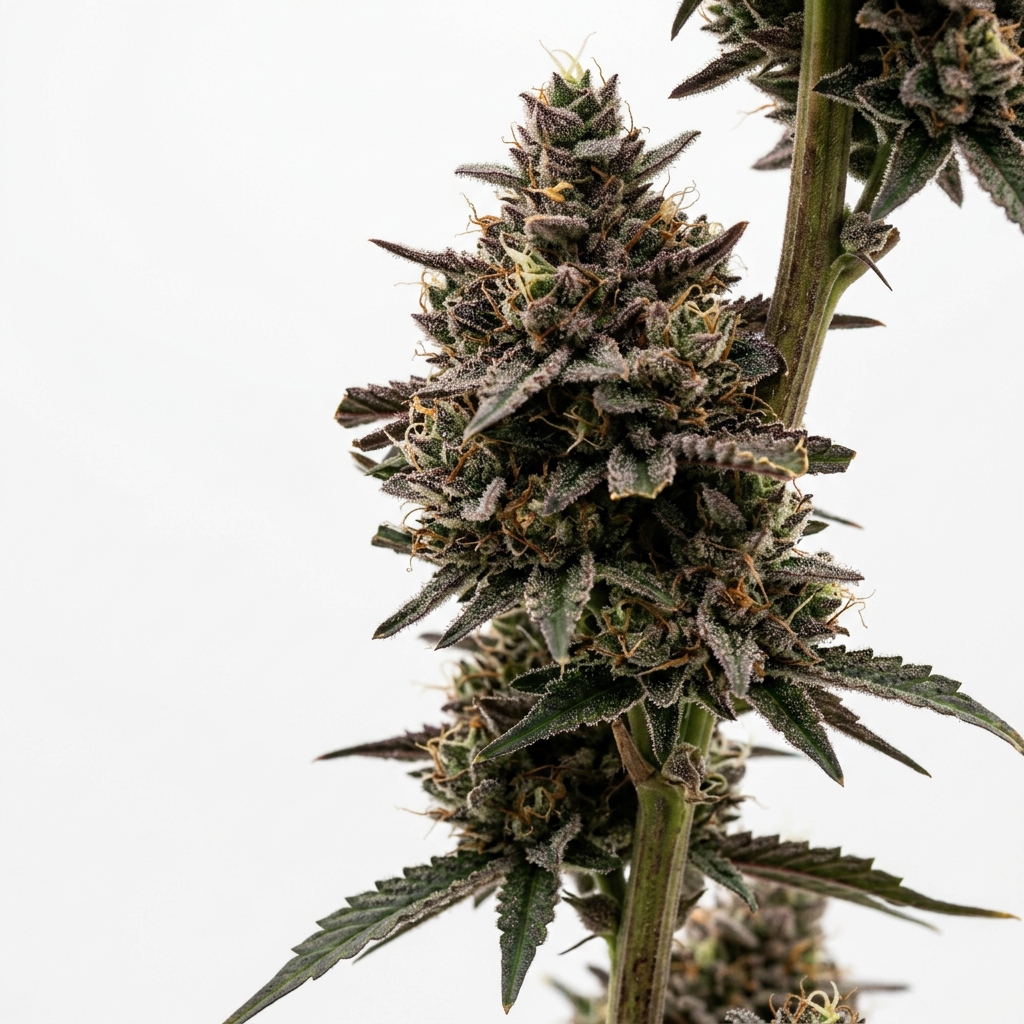
Lord Licorice (Cannabis Strain)
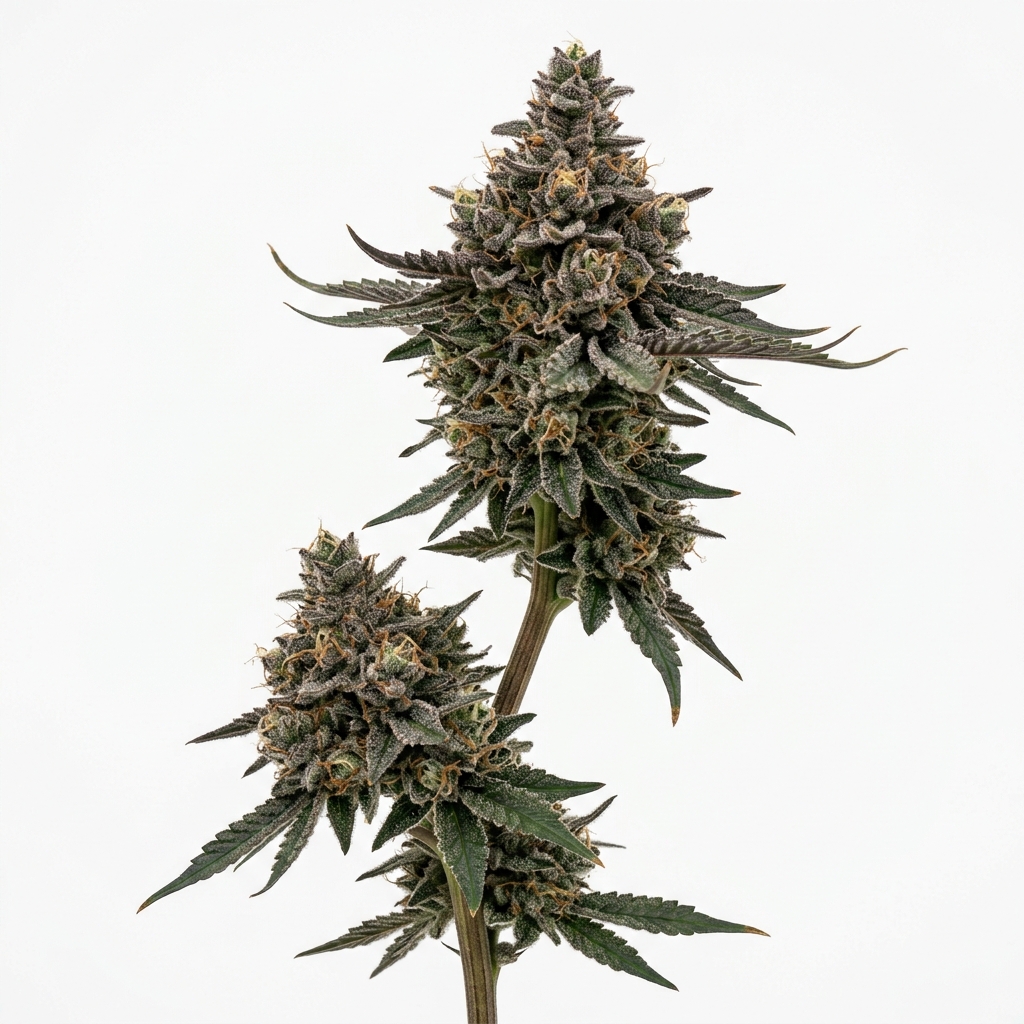
Lord Licorice is a potent indica-dominant hybrid testing between 22% and THC not consistently reported, bred by Skunk House Genetics through a cross of Black Licorice and Donny Burger. Built for cultivators and extractors who prize savory funk over standard sweetness, the cultivar combines dark anise spice with pungent fuel and garlic undertones. The plant develops dense, resin-encrusted spear colas with heavy trichome coverage and moderate stretch during early flowering.
The lineage pairs the licorice and herbal depth of Black Licorice with the industrial chem and GMO-derived potency of Donny Burger. Cultivators observe a sturdy plant structure capable of supporting heavy floral clusters, while consumers report deeply relaxing, grounded evening effects suited for unwinding after dark.
Quick Facts
| Field | Detail |
|---|---|
| Breeder | Skunk House Genetics |
| Genetics | Black Licorice × Donny Burger |
| Variety | Indica-dominant hybrid (~70% indica / 30% sativa) |
| THC Range | 22% – 28% |
| Flowering Time | 9 – 10 weeks (63 – 70 days) |
| Yield Potential | Moderate to heavy (450 – 550 g/m² indoors) |
| Plant Height | Medium to tall (120 – 160 cm) |
| Climate Preference | Temperate, Mediterranean, controlled indoor |
| Difficulty | Moderate |
Scientific & Botanical Overview
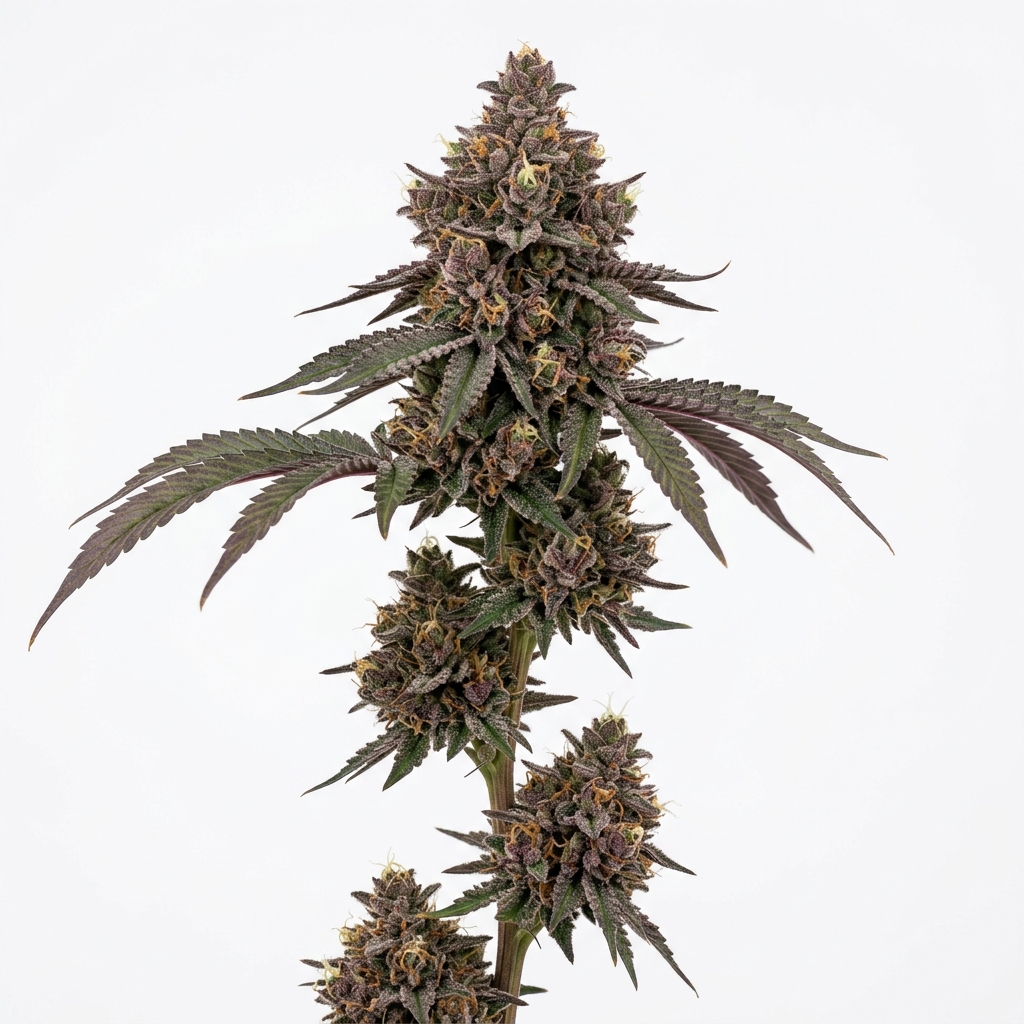
Lord Licorice displays classic Afghan-derived morphology reinforced by modern chem lineages. Foliage features broad fan leaves that turn deep forest green, often showing dark purple anthocyanin pigmentation along the sugar leaves during the final weeks of flowering. Nodes stay relatively compact during vegetative growth before elongating moderately in early bloom.
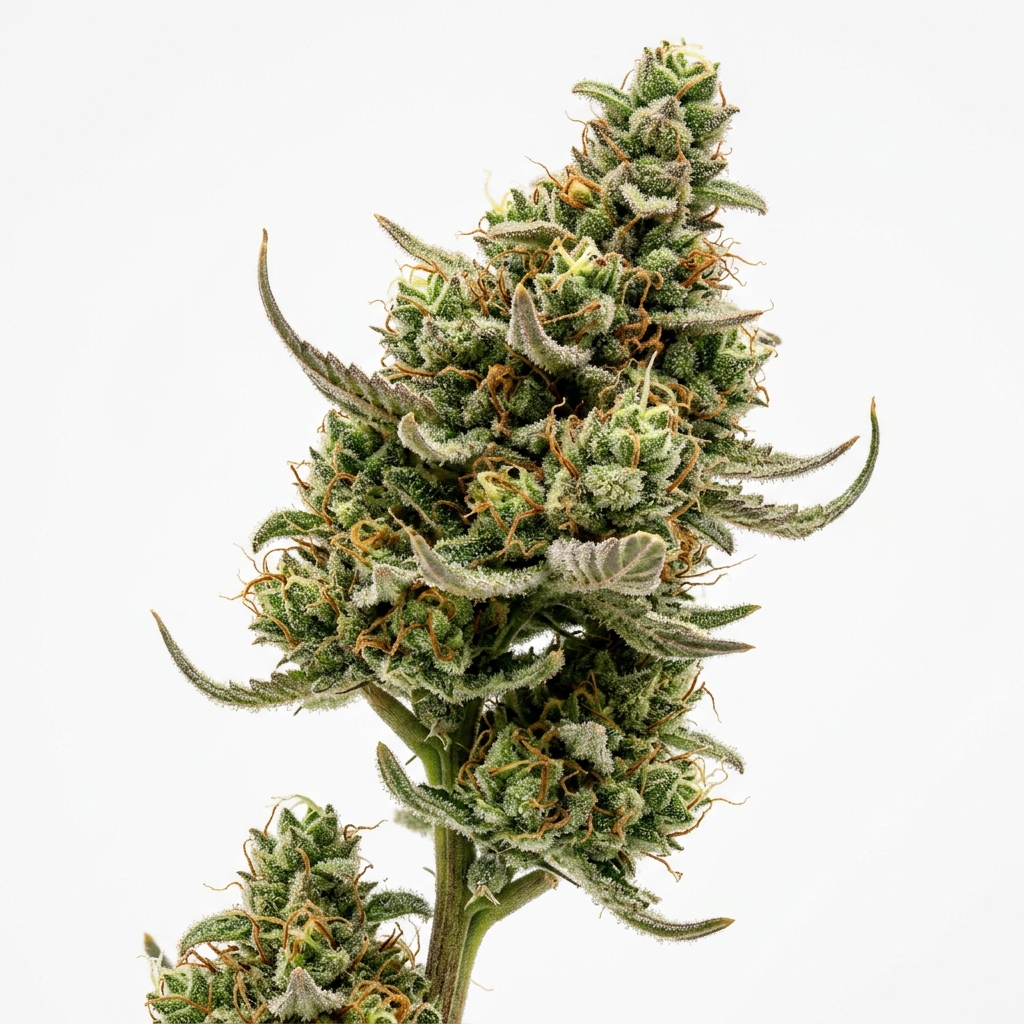
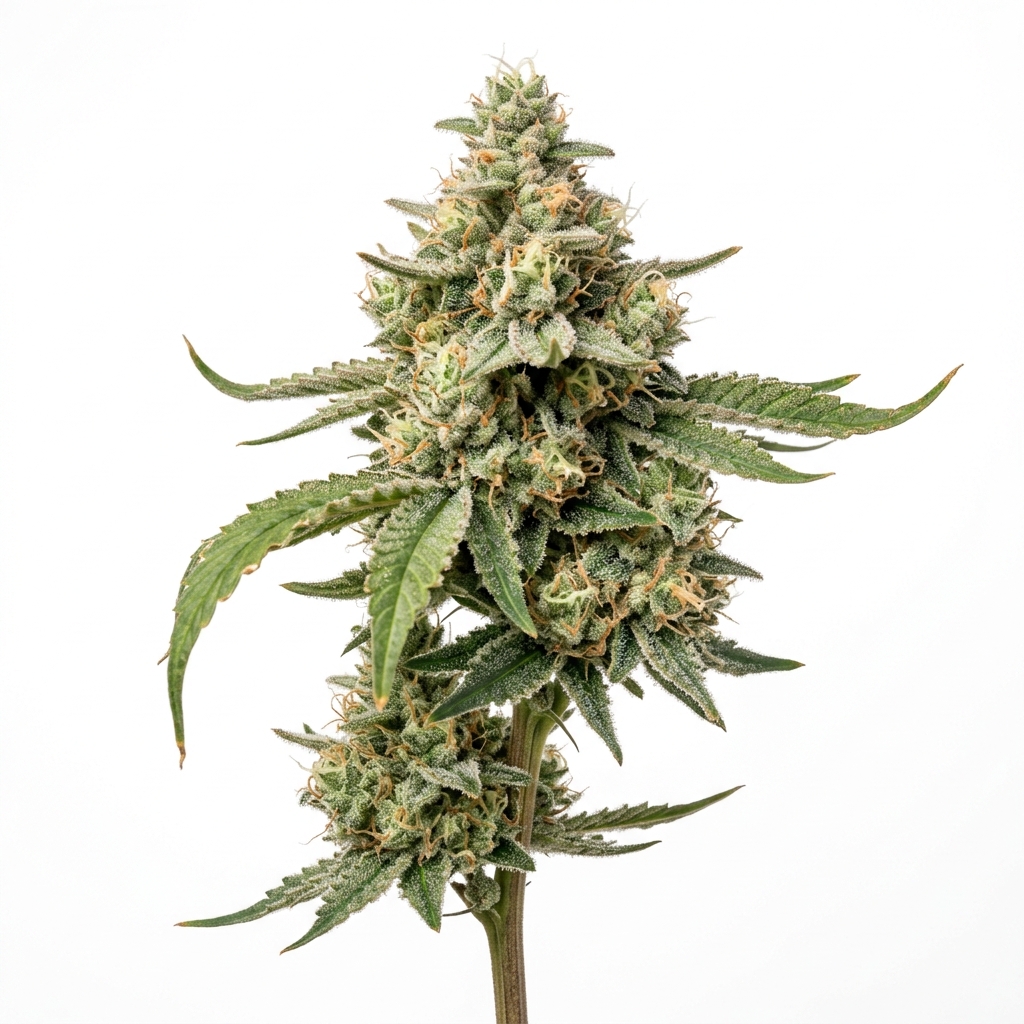
The floral architecture centers on dense, resin-rich bracts that stack into tapered spear colas. Trichome production is notably thick, coating the calyxes in a layer of greasy, bulbous glands that remain sticky well into the cure. This dense gland coverage contributes significantly to the cultivar’s distinct olfactory pungency.
Stems develop thick lateral support to handle heavy flower weight, though secondary trellis netting is usually beneficial once colas pack on mass. In controlled environments, flower development accelerates significantly between weeks five and eight, demanding steady airflow to keep microclimates dry inside the canopy.
Effects & Use-Cases (Reported)
Commonly reported effects: Consumers typically describe a fast-acting body melt paired with calm mental ease. The initial onset delivers physical heaviness across the shoulders and limbs, settling into deep, grounded sedation without sharp mental raciness.
Use-case context: Because of its sedative profile, Lord Licorice is best reserved for late evening routines, quiet downtime, or post-work relaxation. It is commonly selected by experienced consumers looking to unplug and prepare for restful sleep.
Note: Individual responses to cannabis flower vary widely depending on personal tolerance, setting, dosage, and consumption method.
Aroma & Flavors
Aroma: Breaking open cured flowers releases a sharp wave of black licorice, pungent fuel, and damp earth, accented by sulfurous garlic and crushed peppercorn. The cure retains a lingering savory chem profile that stays heavy in the room.
Flavor: The smoke or vapor coats the palate in dark anise, earthy spice, and heavy diesel funk. On the exhale, sweet herbal licorice balances against a sharp, peppery gas finish.
Terpene associations: Literature and lab profiles associate this flavor direction with elevated levels of beta-caryophyllene, myrcene, and limonene, with minor contributions from humulene and trans-nerolidol shaping the herbal undertones.
Tested Cannabinoid & Terpene Ranges
| Compound | Reported Range |
|---|---|
| Δ9-THC (Dried Flower) | 22.0% – 28.0% |
| CBD | < 0.5% (Typically trace) |
| CBG | 0.5% – 1.5% |
| Total Terpenes | 1.8% – 3.2% |
| Primary Terpenes | Beta-Caryophyllene, Myrcene, Limonene |
Range note: Cannabinoid and terpene concentrations vary by phenotype, environmental parameters, nutrient programs, and post-harvest drying practices. The ranges above represent typical lab-verified dried flower batches.
Cultivation Notes
- Humidity management: Keep relative humidity between 55% and 60% in early bloom, tapering down to 40% – 45% during late flower to safeguard dense spear colas from moisture buildup.
- Nutrient requirements: Plants respond well to moderate to heavy feeding during peak floral stacking, accepting steady calcium and magnesium inputs without early tip burn.
- Canopy training: Topping once or twice followed by low-stress training creates an even horizontal canopy and maximizes primary bud site illumination.
- Defoliation: Perform selective leaf stripping around day 21 and day 42 of flowering to improve airflow through the lower canopy and encourage light penetration.
- Harvest window: Watch for trichome maturity between day 63 and day 70, targeting mostly cloudy heads with 10% – 15% amber for full body relaxation and optimal terpene clarity.
Grower Notes (Week-by-Week Snapshot)
- Weeks 1–3: Plants show a controlled stretch of roughly 1.5× original height. Establish trellis support early and maintain stable root-zone moisture.
- Weeks 4–6: Rapid calyx development begins, accompanied by heavy resin coverage on upper sugar leaves. Distinct anise and chem aromas become noticeable across the grow room.
- Weeks 7–9: Flowers swell into solid spear colas. Foliage may express deep purples if night temperatures drop 5°C to 7°C below day temperatures.
- Post-Harvest: Dry whole plants at 15°C–18°C and 55%–60% relative humidity for 12 to 14 days before a minimum three-week cure to lock in the licorice-fuel profile.
Genetic Lineage
Lord Licorice owes its standout aromatic footprint to the pairing of Black Licorice and Donny Burger. Black Licorice brings its signature dark herb and star-anise terpene profile, accompanied by compact Afghani-style structure and dense bud morphology.
Donny Burger—a well-known cross of GMO and Han-Solo Burger—injects heavy fuel, savory garlic notes, and massive trichome coverage. Together, these parents yield a modern savory powerhouse that stands out among sweeter contemporary dessert lines.
Research Insights
Phytochemical analyses of cultivars rich in beta-caryophyllene and myrcene indicate that these terpenes contribute strongly to both earthy, peppery flavor notes and feelings of physical relaxation. Beta-caryophyllene is unique in its ability to bind selectively to peripheral CB2 receptors, a mechanism widely studied in general botanical pharmacology.
While broad scientific literature highlights the interactive properties of cannabinoids and terpenes, specific effects of Lord Licorice remain observational and dependent on individual batch chemistry. Cultivator practices, post-harvest curing, and personal tolerance fundamentally shape the consumer experience.
Frequently Asked Questions
Who bred the Lord Licorice strain?
Lord Licorice was bred by Skunk House Genetics, known for crossing specialized savory and gas lines with potent Burger family genetics.
Is Lord Licorice an indica or sativa?
Lord Licorice is an indica-dominant hybrid (roughly 70% indica / 30% sativa) characterized by deep physical calm and dense floral growth.
What does Lord Licorice smell and taste like?
It presents a rich blend of black licorice, herbal anise, and savory garlic funk backed by pungent diesel and cracked black pepper.
How long does Lord Licorice take to flower?
In indoor setups, Lord Licorice typically finishes flowering in 9 to 10 weeks (63 to 70 days).
Educational Disclaimer
This content is for educational and informational purposes only. Cannabis laws and regulations vary by jurisdiction. Always consult with a qualified professional before beginning any cultivation project or consuming cannabis products.
Rate and review this strain
Ratings and reviews are accepted only from signed-in Google accounts.
Sign in with Google to leave a rating and written review.
Latest Reviews
0 reviewsNo reviews yet. Be the first Google user to rate and review this strain.
Follow New Cultivar Records
Get newly documented genetics, breeder history, research highlights, and important Strainpedia discoveries by email.