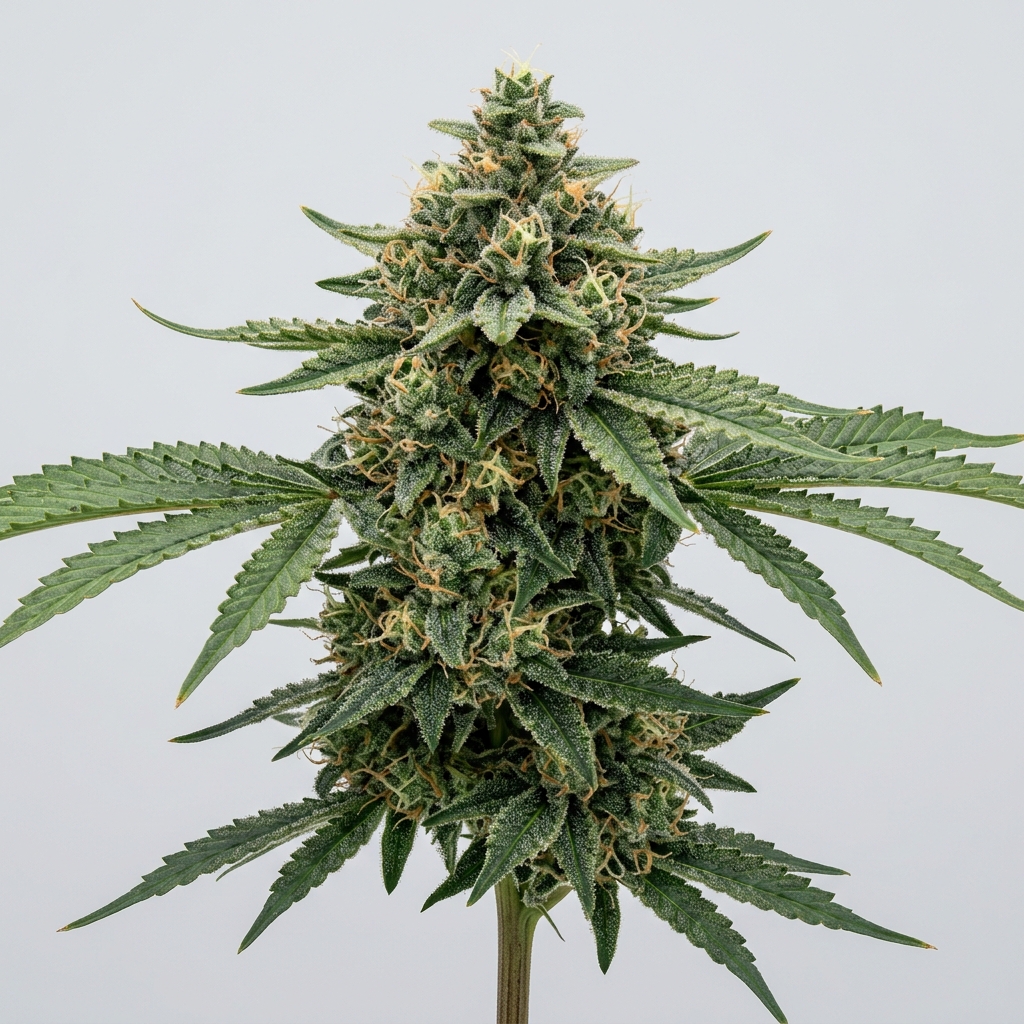
The Doctor (Cannabis Strain)
The Doctor is an indica-dominant cultivar originally bred by Green House Seeds, crossing Great White Shark, South Indian, and Super Skunk. Testing between 17% and 22% THC, this heavy evening hybrid is recognized for its dense, resin-rich flower structure and an aroma profile dominated by earthy musk, sweet incense, and sharp skunky undertones. The plant is celebrated by commercial and hobbyist growers alike for its rapid eight-week flowering cycle and heavy-yielding, glassy buds that require structural support in late bloom.
The cultivar has maintained a steady presence among growers seeking dependable physical relaxation and reliable garden performance. Its lineage brings together classic old-school genetics, resulting in broad fan leaves, tight internodes, and a squat, bushy profile that maximizes indoor canopy space.
Quick Facts
| Fact | Details |
|---|---|
| Genetics | Great White Shark × South Indian × Super Skunk |
| Variety | Indica-dominant Hybrid (80/20) |
| THC Range | 17% – 22% |
| Flowering Time | 8 weeks (approx. 56 days) |
| Yield Potential | High |
| Plant Height | Medium (squat, bushy) |
| Climate Preference | Temperate / Controlled Indoor |
| Difficulty | Moderate (requires physical support) |
Scientific & Botanical Overview
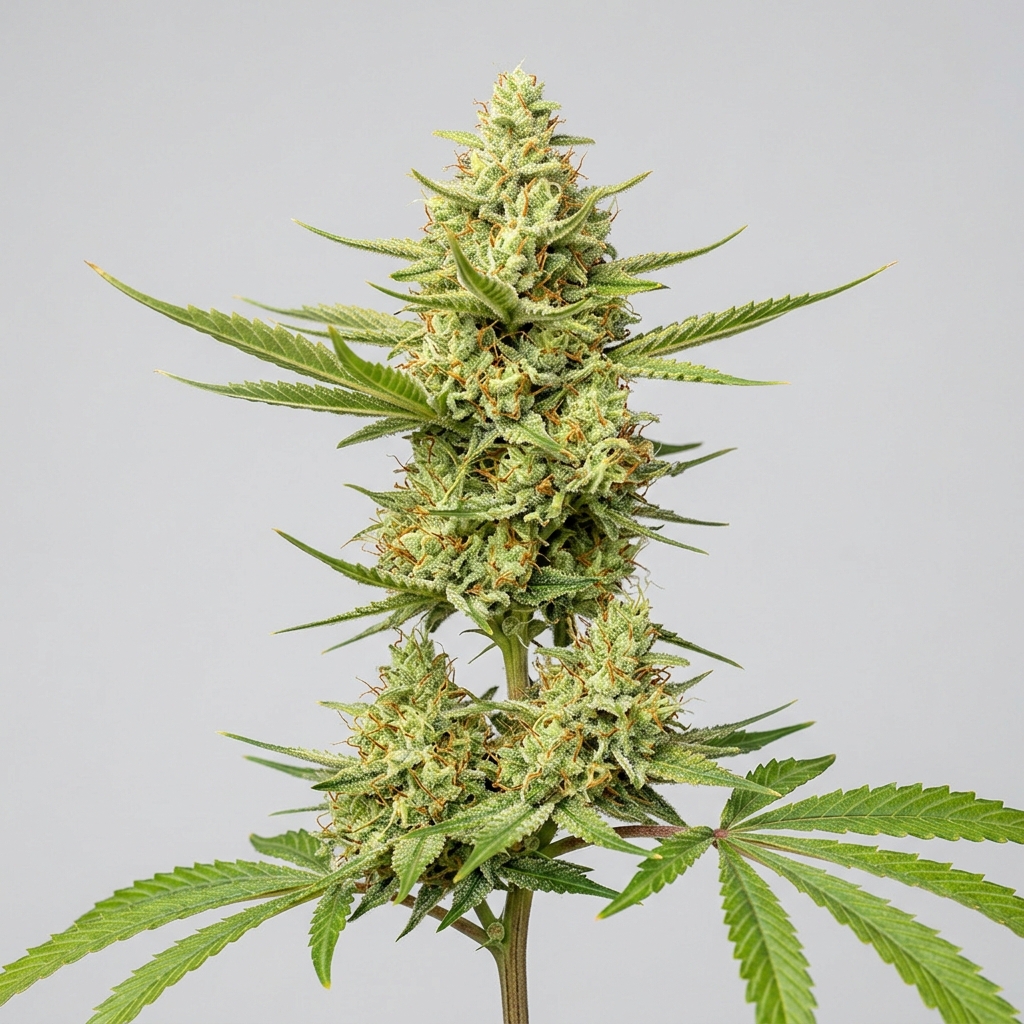
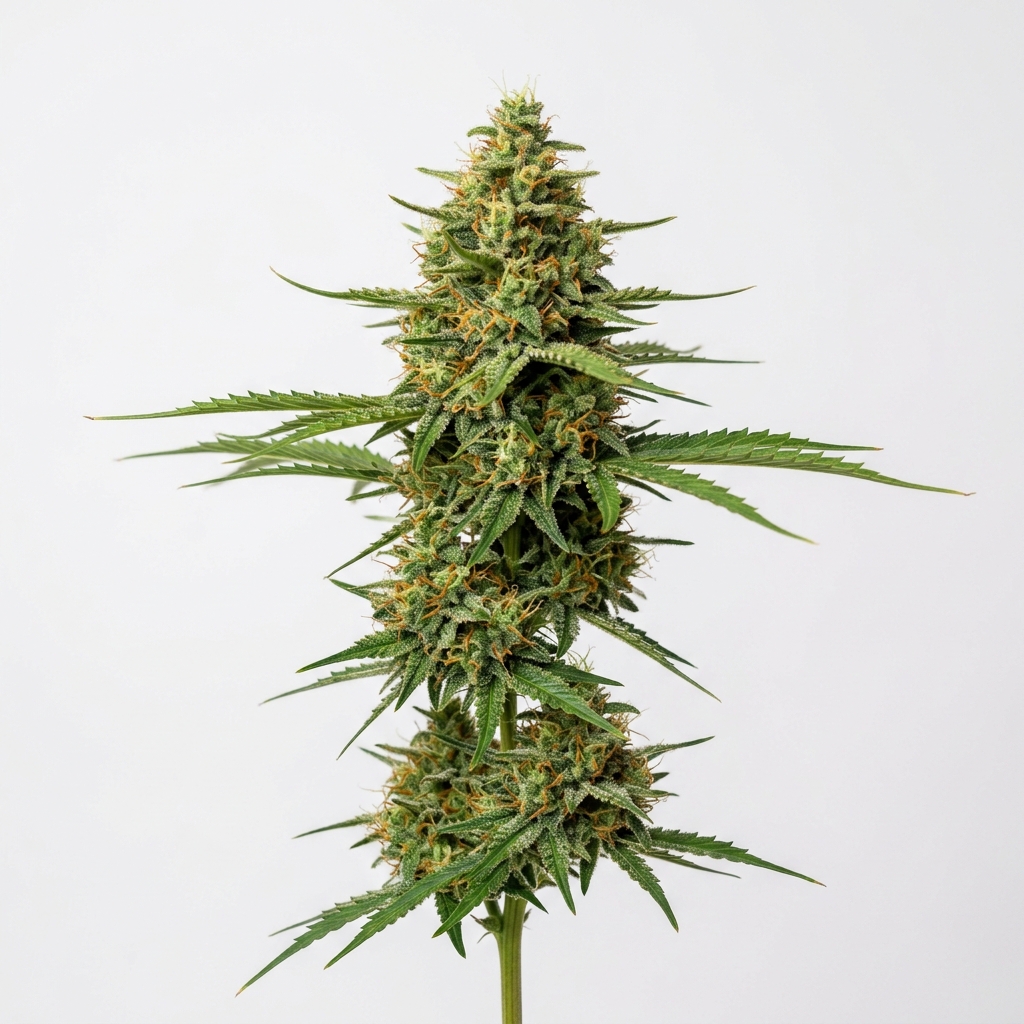
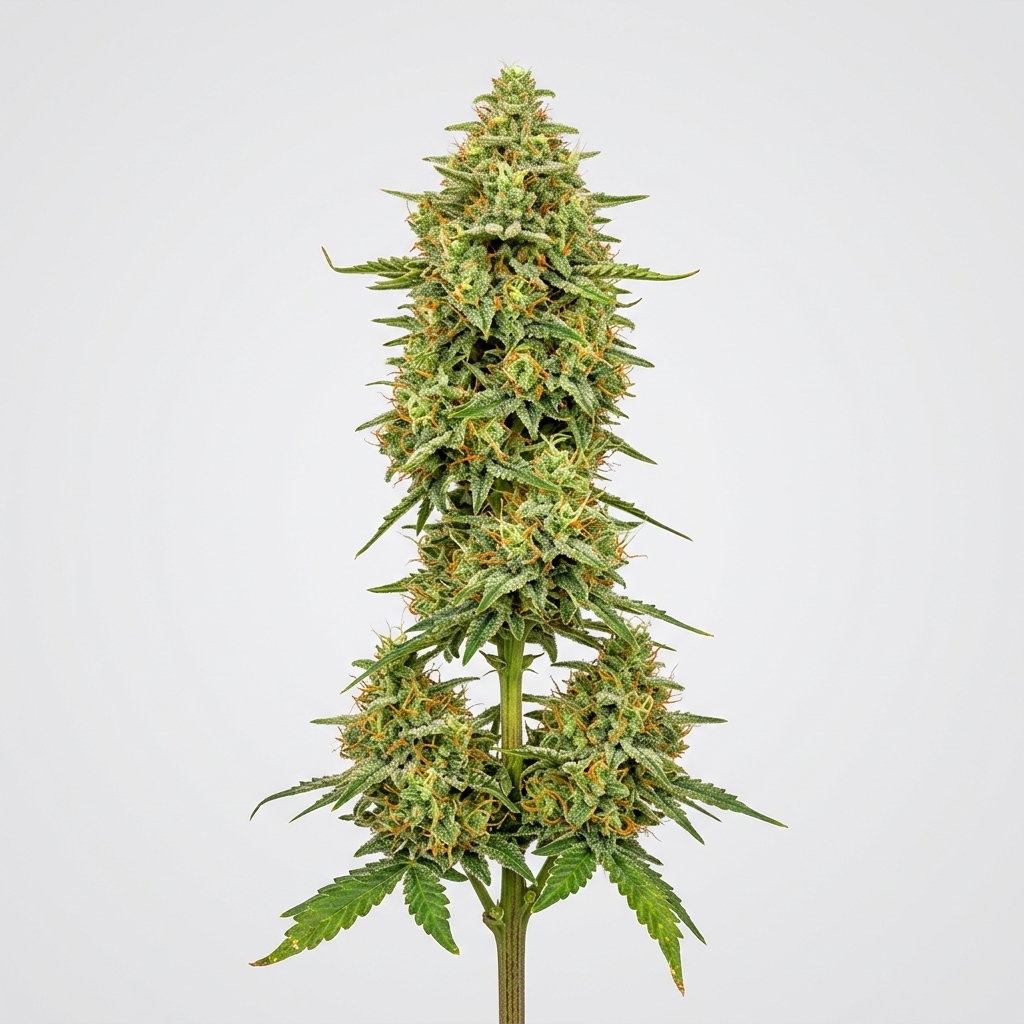
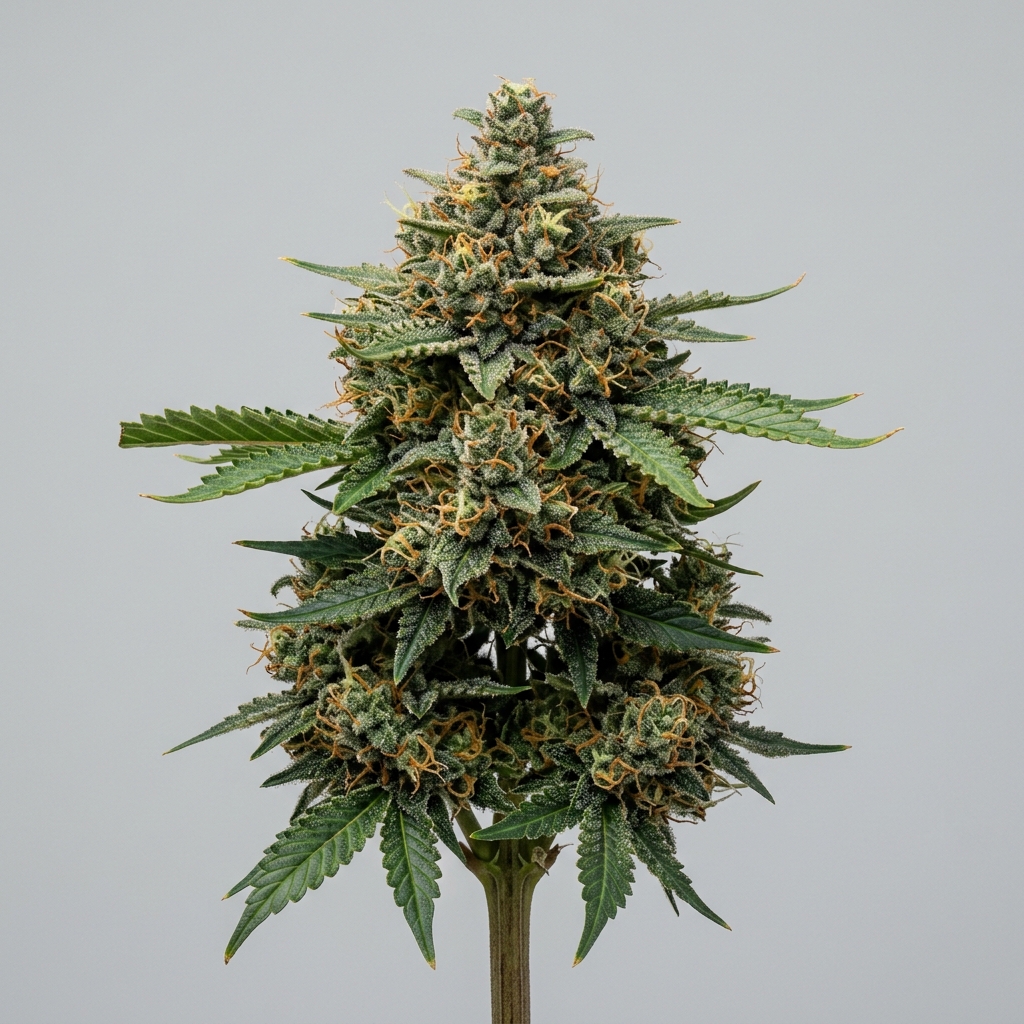
The Doctor displays classic indica morphology, characterized by thick stems, broad fan leaves, and dense, compact internodal spacing. The vegetative phase is marked by vigorous lateral branching, which creates a wide, flat canopy well-suited for indoor setups. This structural strength allows the plant to support a high volume of bud sites early in the cycle.
During transition, the plant undergoes a controlled stretch, focusing its energy on developing large, heavy terminal colas. The buds mature into dense bracts covered in a thick layer of greasy resin, with swollen calyxes that turn a deep forest green, occasionally showing pale orange pistils. The flowers tend to form chunky, rounded clusters rather than elongated spears.
Trichome development is aggressive, with capitate-stalked glands coating both the flowers and surrounding sugar leaves. This heavy resin coverage reflects its Great White Shark parentage, making the mature colas feel sticky and heavy to the touch as harvest approaches. Adequate ventilation is crucial to keep airflow moving through these dense flower clusters.
Effects & Use-Cases (Reported)
Commonly reported effects: Users frequently describe a heavy, creeping physical relaxation that settles deeply into the limbs, accompanied by a calm, quiet mental state. The experience is primarily sedative, making it highly suitable for late-evening use.
Use-case context: This cultivar is typically reserved for wind-down hours, helping to ease physical tension after demanding activities or preparing the body for rest. It is less suited for daytime productivity or social gatherings requiring high energy.
Note: Individual experiences may vary depending on tolerance, dosage, and specific phenotype chemistry.
Aroma & Flavors
Aroma: Deeply earthy and musky, with a dominant base of sweet hashish, damp forest floor, and a sharp skunky top note that intensifies when the buds are broken apart.
Flavor: The smoke carries a rich, herbal taste featuring notes of spicy incense and a subtle, dark berry edge on the exhale.
Terpene associations: Lab analysis typically highlights high concentrations of myrcene, caryophyllene, and pinene, which drive its classic earth-and-spice profile.
Tested Cannabinoid & Terpene Ranges
| Compound | Typical Range |
|---|---|
| Δ9-THC | 17% – 22% |
| CBD | <1.0% |
| Myrcene | 0.4% – 0.9% |
| Caryophyllene | 0.2% – 0.5% |
| Pinene | 0.1% – 0.3% |
Cannabinoid and terpene levels are highly variable and depend on cultivation practices, curing methods, and environmental conditions.
Cultivation Notes
- Humidity Management: Keep late-flower humidity strictly below 45% to prevent mold in the exceptionally dense, heavy colas.
- Nutrient Regimen: Responds well to a moderate-to-heavy feeding schedule, showing a strong appetite for phosphorus and potassium during peak flower.
- Physical Support: Trellis netting or bamboo stakes are essential by week 5 of flower, as the heavy colas will bend or snap branches under their own weight.
- Pruning: Implement selective defoliation and under-shucking (lollipoping) early in bloom to improve airflow through the dense canopy.
- Phenotype Variation: Phenotypes are generally stable, though some selections may stretch slightly more and require extra canopy management.
Grower Notes (Week-by-Week Snapshot)
- Weeks 1–3 (Transition & Early Flower): Plants show a moderate stretch, typically doubling in size. Focus on tucking fan leaves and setting up the primary trellis layer to establish an even canopy.
- Weeks 4–6 (Mid-Flower): Bud sites swell rapidly and begin producing a noticeable layer of wet frost. Ensure secondary support structures are in place, as the branches start leaning under the increasing weight.
- Weeks 7–8 (Late Flower & Ripening): Lower the humidity and begin a clean flush. Watch for the pistils to turn amber and the trichomes to transition from clear to cloudy, with a small percentage of amber heads indicating peak maturity.
- Post-Harvest (Dry & Cure): Hang the whole plant for a slow dry at 60°F (15°C) and 60% relative humidity for 10 to 14 days. A patient two-week jar cure is required to lock in the deep, skunky incense undertones.
Genetic Lineage
The Doctor is built on a foundation of classic old-school genetics. Its maternal parent, Great White Shark (a descendant of Super Skunk, Single-Origin Brazilian, and South Indian), contributes massive resin potential and a dense bud structure. This parentage ensures a thick layer of glassy trichomes across the mature flowers.
This was crossed with a robust South Indian landrace and Super Skunk to reinforce structural stability, shorten the flowering window, and inject a heavy, fuel-like skunk aroma. The resulting hybrid preserves the physical weight of its ancestors while offering an easier, faster cultivation cycle.
Research Insights
Analytical data on this lineage shows a high concentration of monoterpenes, particularly myrcene, which works alongside the THC to produce a deeply relaxing, physical effect. This interaction highlights how classic breeding selections prioritize structural resin density alongside specific chemical profiles. The heavy concentration of sesquiterpenes like caryophyllene also suggests strong interaction with peripheral receptors.
The presence of caryophyllene adds a spicy note to the flavor profile and interacts with peripheral pathways, contributing to the strain’s reputation for physical soothing. Researchers find that the preservation of these landrace-derived terpene profiles is crucial for maintaining the distinct physical properties of vintage indica cultivars.
Frequently Asked Questions
What is the genetic background of The Doctor?
The Doctor is a cross of Great White Shark, South Indian, and Super Skunk, resulting in an 80% indica-dominant hybrid with a rich, old-school heritage.
Does this strain require support during growth?
Yes, because of the massive, heavy colas it produces, the branches will bend or break without support. Using trellis nets or bamboo stakes is highly recommended.
What are the main aromas of The Doctor?
The strain has a pungent, earthy aroma characterized by sweet incense, damp forest floor, and a sharp skunky finish.
How long does it take to flower?
The Doctor has a fast flowering time, typically ripening fully within 8 weeks (56 days) of indoor cultivation.
Educational Disclaimer
This content is for educational and informational purposes only. Cultivation and consumption of cannabis are subject to local laws and regulations.
Rate and review this strain
Ratings and reviews are accepted only from signed-in Google accounts.
Sign in with Google to leave a rating and written review.
Latest Reviews
0 reviewsNo reviews yet. Be the first Google user to rate and review this strain.