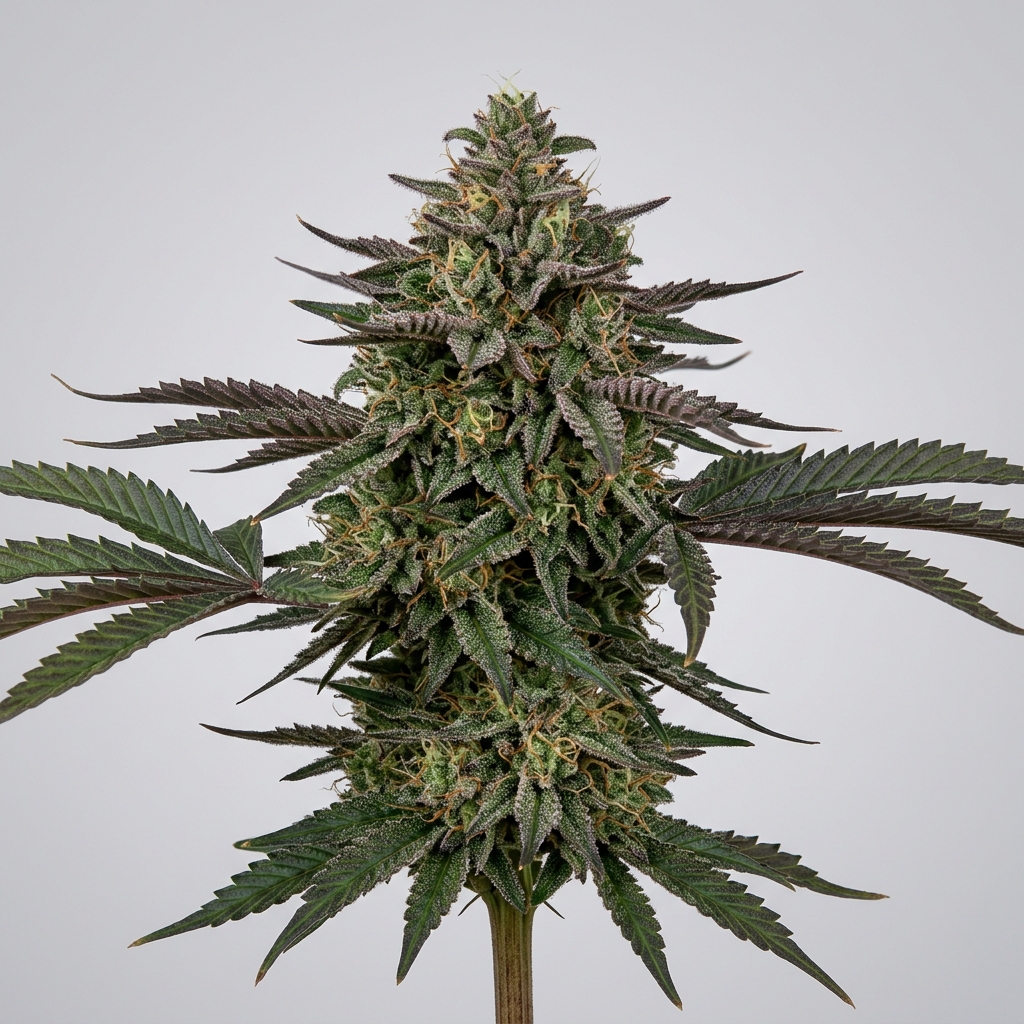
Sweet Purple (Cannabis Strain)
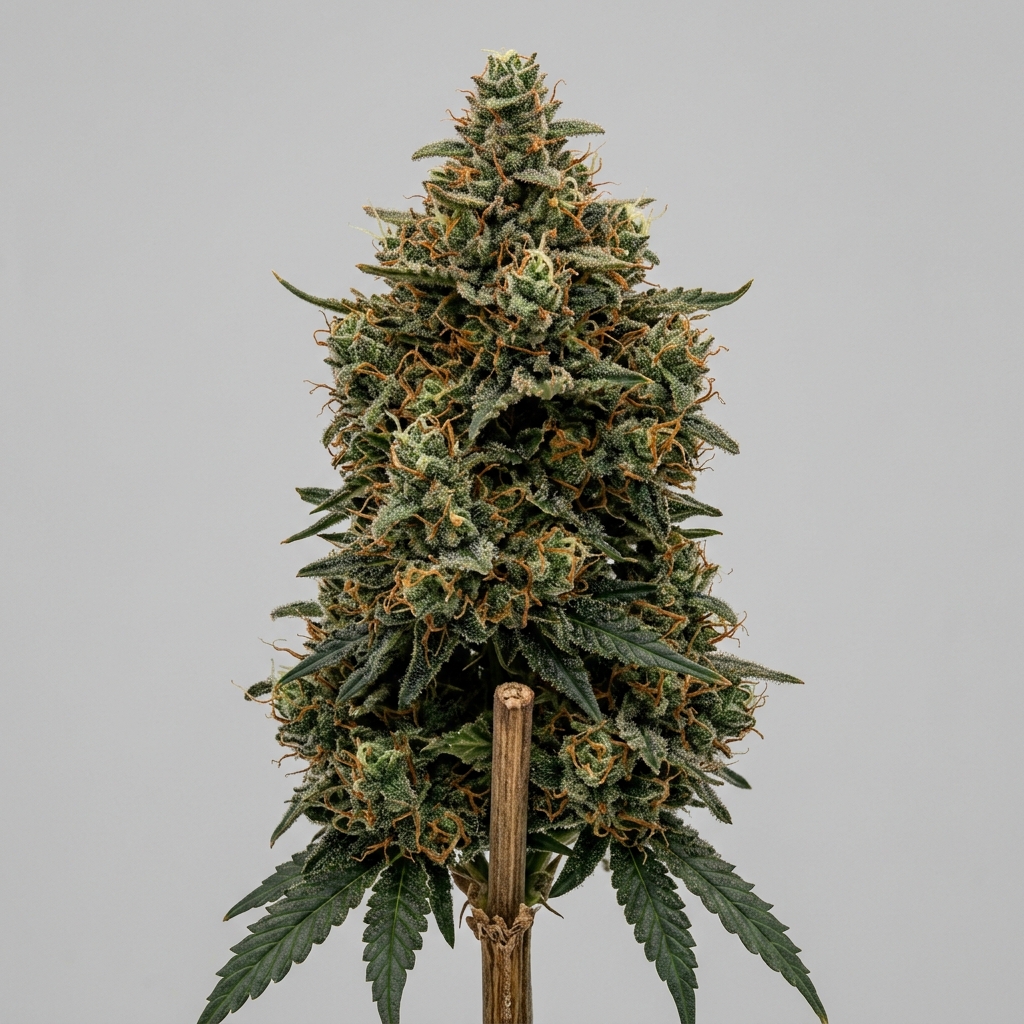
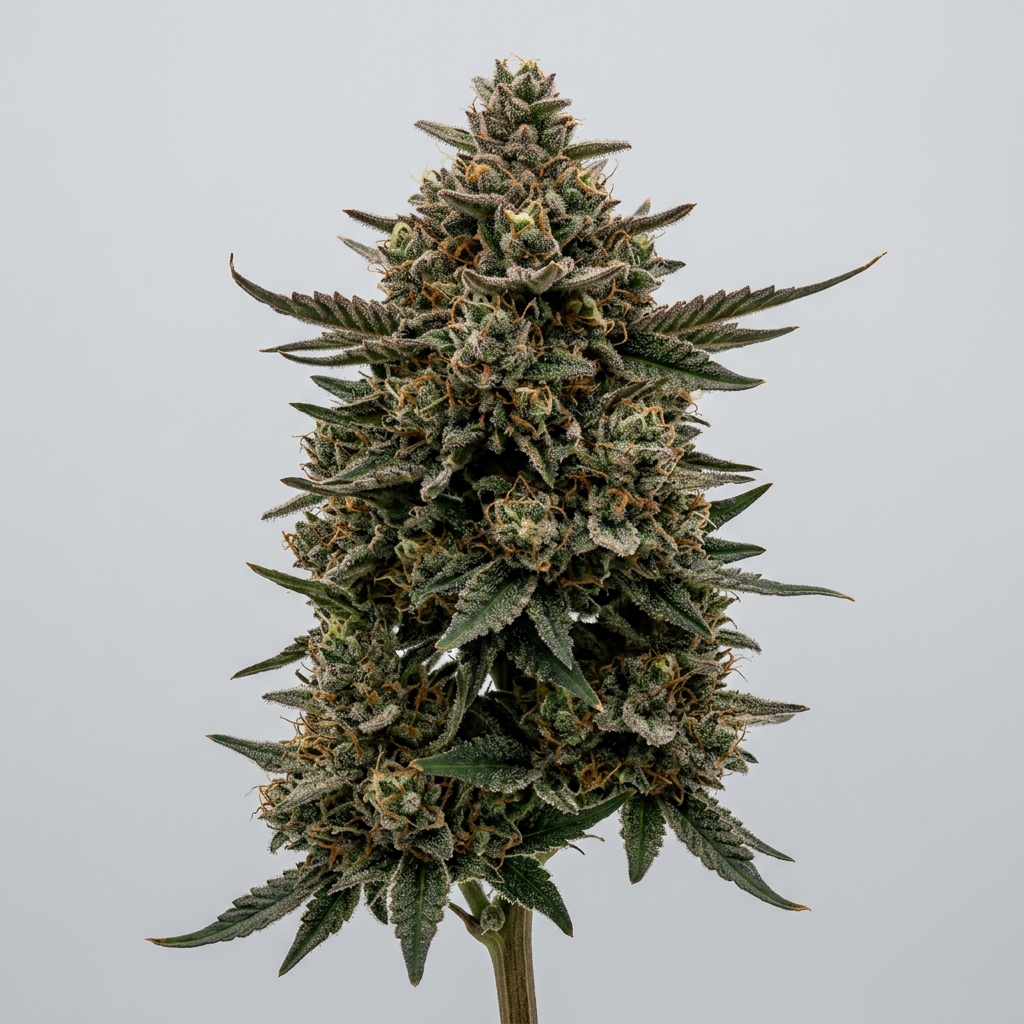
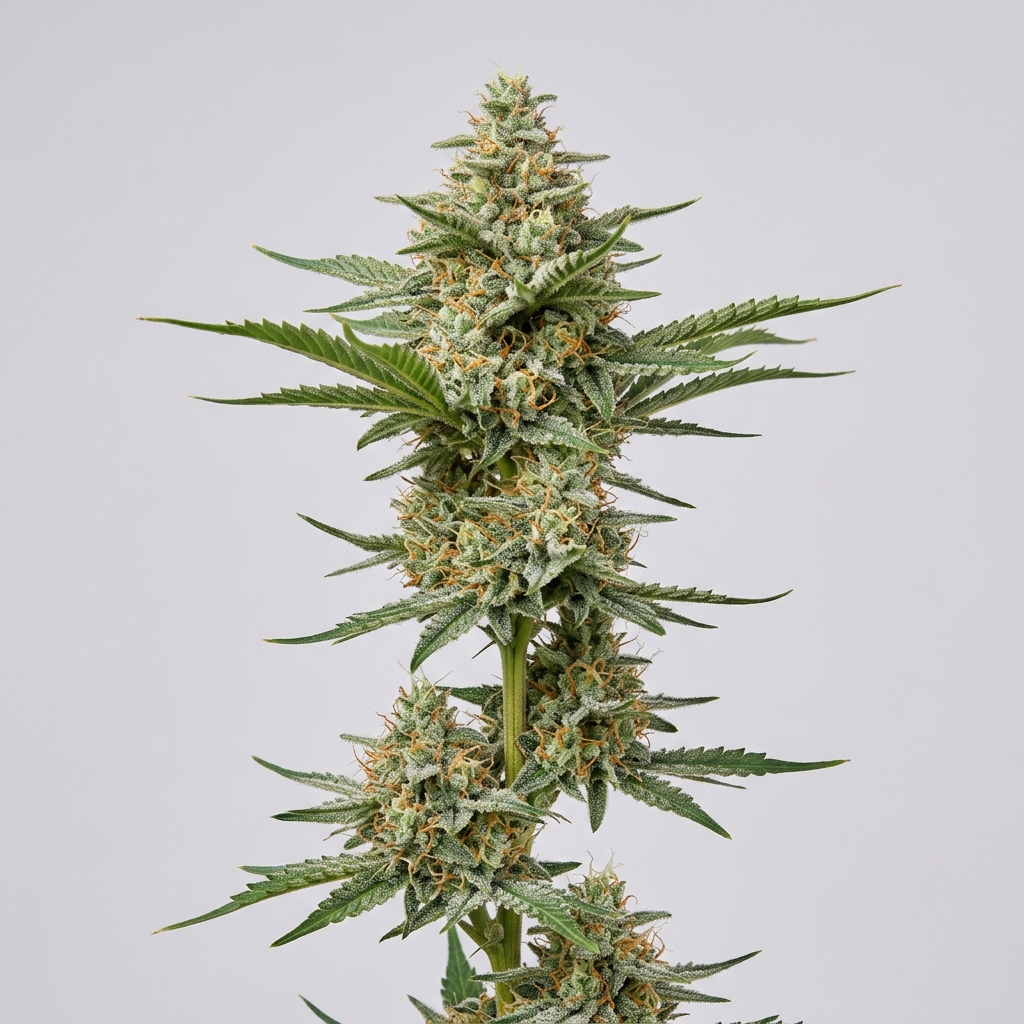
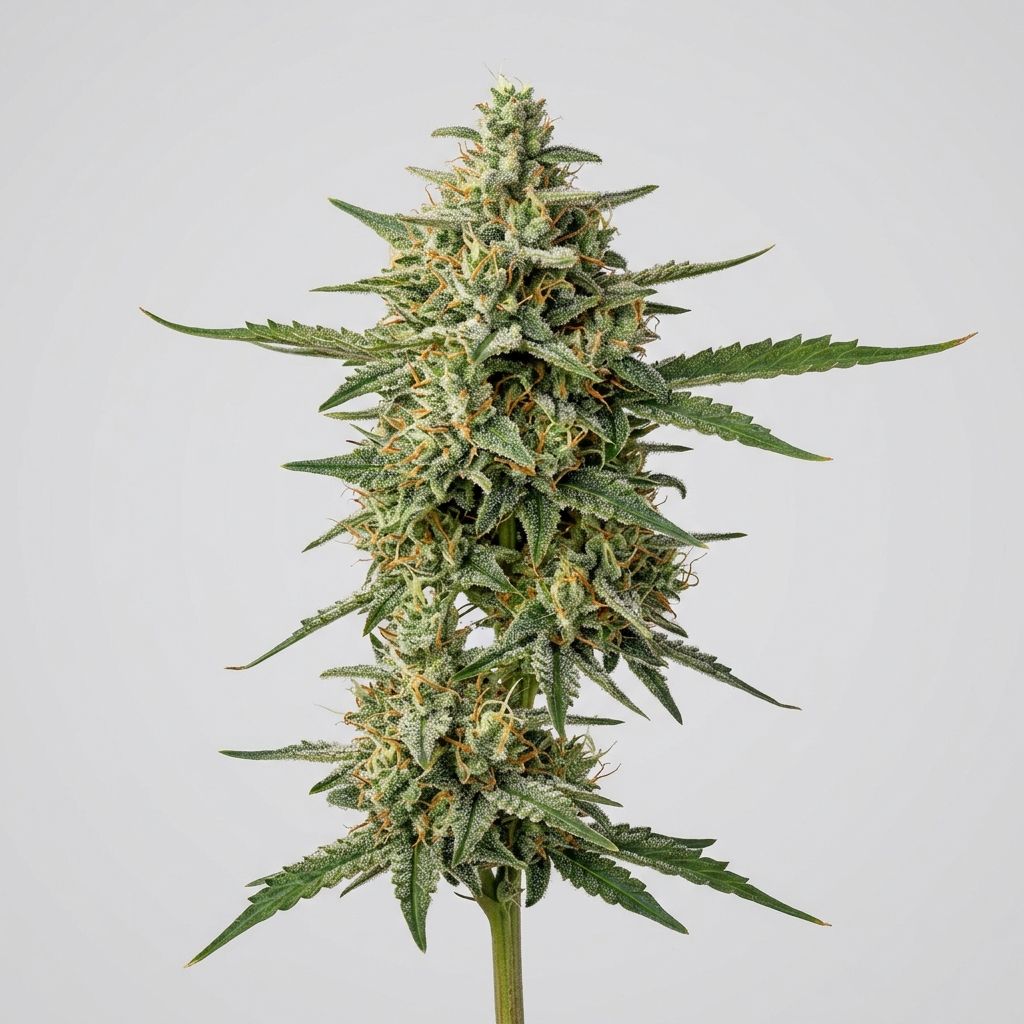
Sweet Purple is an indica-dominant hybrid (typically testing between 12% and 17% THC) bred by crossing a selected Purple phenotype with an early-flowering Dutch Sativa and a sweet Indica backcross. Engineered specifically for resilience in cooler outdoor climates, this cultivar produces dense, forest-green buds that develop deep violet hues along the bracts and fan leaves as harvest approaches. Its aromatic profile is defined by a sweet, dark berry edge and a subtle herbal earthiness, backed by a moderate layer of glassy resin. Growers value this variety for its reliable mold resistance, controlled outdoor stretch, and consistent performance in northern latitudes where autumn dampness threatens less hardy genetics.
While modern indoor hybrids often push extreme potency, this old-school cultivar prioritizes physical hardiness and terpene clarity. The resulting flowers offer a balanced, mellow experience that avoids the heavy sedation of modern couch-lock indicas. It remains a staple for outdoor cultivators seeking a dependable purple harvest without the need for sophisticated environmental controls.
Quick Facts
| Field | Details |
|---|---|
| Genetics | Purple × Early Dutch Sativa × Sweet Indica |
| Variety | Indica-dominant hybrid (approx. 60% Indica / 40% Sativa) |
| THC Range | 12% – 17% |
| Flowering Time | 50 – 55 days (Late September outdoors) |
| Yield Potential | Moderate to high (highly productive outdoors) |
| Plant Height | Medium to tall (typically 1.5 – 2.5 meters outdoors) |
| Climate Preference | Cool, temperate, northern latitudes |
| Difficulty | Easy / Beginner-friendly |
Scientific & Botanical Overview
Sweet Purple shows a robust, open vegetative structure that allows for excellent airflow through the inner canopy. The leaves are typically broad with deep serrations, shifting from a rich forest green to dark plum tones when exposed to cooler nighttime temperatures during late flower. This color transition is driven by high concentrations of anthocyanin pigments within the plant’s epidermal layers.
Unlike many purple cultivars that suffer from delicate structures, this genotype develops thick, woody stems and strong lateral branches capable of supporting its spear colas without extensive trellising. The internodal spacing is moderate, providing enough separation to limit moisture retention around the dense bracts. This physical spacing is a critical evolutionary defense for plants grown in humid climates.
The glandular trichomes are primarily capitate-stalked, forming a fine, wet frost rather than a greasy, resinous blanket. This structural feature contributes to the strain’s natural defense mechanism against bud rot (Botrytis cinerea) and powdery mildew in damp outdoor environments. The resin remains highly stable, preserving terpene clarity even under fluctuating weather conditions.
Effects & Use-Cases (Reported)
Commonly reported effects: A gentle physical relaxation paired with a clear, functional mental lift. Unlike high-THC cultivars, the onset is gradual, offering a mild warming sensation in the limbs without inducing heavy physical lethargy or cognitive fog.
Use-case context: Best suited for late afternoon or early evening use, particularly for outdoor activities or casual social settings. It provides a grounded, calm state that allows users to remain active and engaged while enjoying a subtle physical release.
Note: Individual tolerance and phenotype variation can alter these outcomes; lower-tolerance users should start with small doses due to the creeping nature of its physical effects.
Aroma & Flavors
Aroma: A dominant blend of sweet wild berries, damp forest floor, and a sharp herbal undertone that becomes more pronounced when the buds are broken apart.
Flavor: The smoke delivers a smooth, dark berry edge on the inhale, followed by a mild, earthy pine and a clean mint finish on the exhale.
Terpene associations: Rich in myrcene, pinene, and caryophyllene, which drive its sweet, herbal, and earthy sensory qualities.
Tested Cannabinoid & Terpene Ranges
| Compound | Tested Range |
|---|---|
| Δ9-THC | 12.0% – 17.0% |
| CBD | < 1.0% |
| Myrcene | 0.4% – 0.8% |
| Pinene | 0.2% – 0.5% |
| Caryophyllene | 0.15% – 0.4% |
Note: Cannabinoid and terpene levels are highly variable and depend on specific phenotype, soil chemistry, and curing practices.
Cultivation Notes
- Humidity management: Maintain vegetative humidity around 55-60%, dropping to 40-45% during the final weeks of indoor flowering, though the strain handles outdoor dampness exceptionally well.
- Nutrient requirements: Responds best to moderate organic feeding; avoid heavy nitrogen applications in early flower to prevent leafy bud structures.
- Training techniques: Highly receptive to topping and low-stress training (LST) to promote a multi-cola canopy, though it naturally forms a dominant central spear if left untrained.
- Harvest timing: Look for 70% milky and 30% amber trichomes, typically coinciding with the deep purple coloration of the calyxes.
- Phenotype variations: Some phenotypes remain entirely green but display higher sweetness, while the purple-leaning phenotypes show the signature dark berry aroma.
Grower Notes (Week-by-Week Snapshot)
- Weeks 1–3 (Vegetative & Early Stretch): The plant establishes a deep root system quickly. Outdoor plants will show a controlled stretch, rapidly developing strong lateral branches with thick fan leaves.
- Weeks 4–6 (Mid-Flower Development): Small, glassy buds begin to cluster along the internodes. The sweet berry aroma starts to emerge, and faint purple shading may appear on the margins of the upper bracts if night temperatures drop.
- Weeks 7–9 (Late Flower & Senescence): The colas swell into dense, spear-shaped clusters. Deep purple and violet hues spread across the calyxes and fan leaves. Flush with pure water during the last 10 days to encourage clean terpene clarity and a smooth burn.
- Post-Harvest (Dry & Cure): Hang dry at 60°F (15°C) and 60% relative humidity for 11–14 days. A slow dry is essential to preserve the delicate berry and herbal notes before transitioning to a minimum three-week jar cure.
Genetic Lineage
Sweet Purple is the result of a deliberate breeding program designed to solve the challenges of northern outdoor cultivation. By crossing a hardy, high-performing Purple selection with an early-flowering Dutch Sativa, breeders secured a short flowering window that finishes before the harsh autumn weather sets in.
To temper the sativa stretch and enhance sweetness, the lineage was backcrossed with a sweet, resin-rich Indica. This genetic combination ensures that while the plant retains sativa-like height and mold resistance, the bud structure and physical effects remain characteristically indica-dominant.
Research Insights
Horticultural interest in Sweet Purple often centers on its high concentration of anthocyanins, the water-soluble pigments responsible for its deep violet coloration. These compounds not only serve an aesthetic purpose but are also linked to the plant’s natural defense mechanisms against cold stress and UV radiation, explaining its superior performance in colder microclimates.
From a chemical perspective, the co-dominance of myrcene and pinene creates a distinct aromatic profile that balances physical relaxation with mental alertness. This specific terpene ratio prevents the heavy, sedating “couch-lock” state often associated with pure indica varieties, making it a valuable subject for studying balanced hybrid profiles.
Frequently Asked Questions
Does Sweet Purple always turn purple?
While the genetic predisposition for purple coloring is strong, the expression of these pigments is highly temperature-dependent. Cooler nighttime temperatures during the mid-to-late flowering stage are usually required to trigger the deep violet hues in the calyxes and fan leaves.
Is Sweet Purple suitable for indoor growing?
Yes, it can be grown indoors with good results, but its true potential is realized outdoors. Its natural resistance to mold, pests, and cool temperatures makes it uniquely suited for outdoor gardens in temperate climates.
What does Sweet Purple taste like?
It features a distinct sweet berry flavor on the inhale, complemented by an earthy, pine-like undertone and a clean, slightly herbal finish on the exhale.
How long does Sweet Purple take to flower?
Indoors, it typically finishes flowering in 50 to 55 days. Outdoors, it is usually ready for harvest by late September in the Northern Hemisphere, escaping the worst of the autumn rains.
Educational Disclaimer
This article is for educational and informational purposes only. Local laws regarding cannabis cultivation and consumption vary widely, and readers should consult their local regulations before germinating seeds or using cannabis products.
Rate and review this strain
Ratings and reviews are accepted only from signed-in Google accounts.
Sign in with Google to leave a rating and written review.
Latest Reviews
0 reviewsNo reviews yet. Be the first Google user to rate and review this strain.