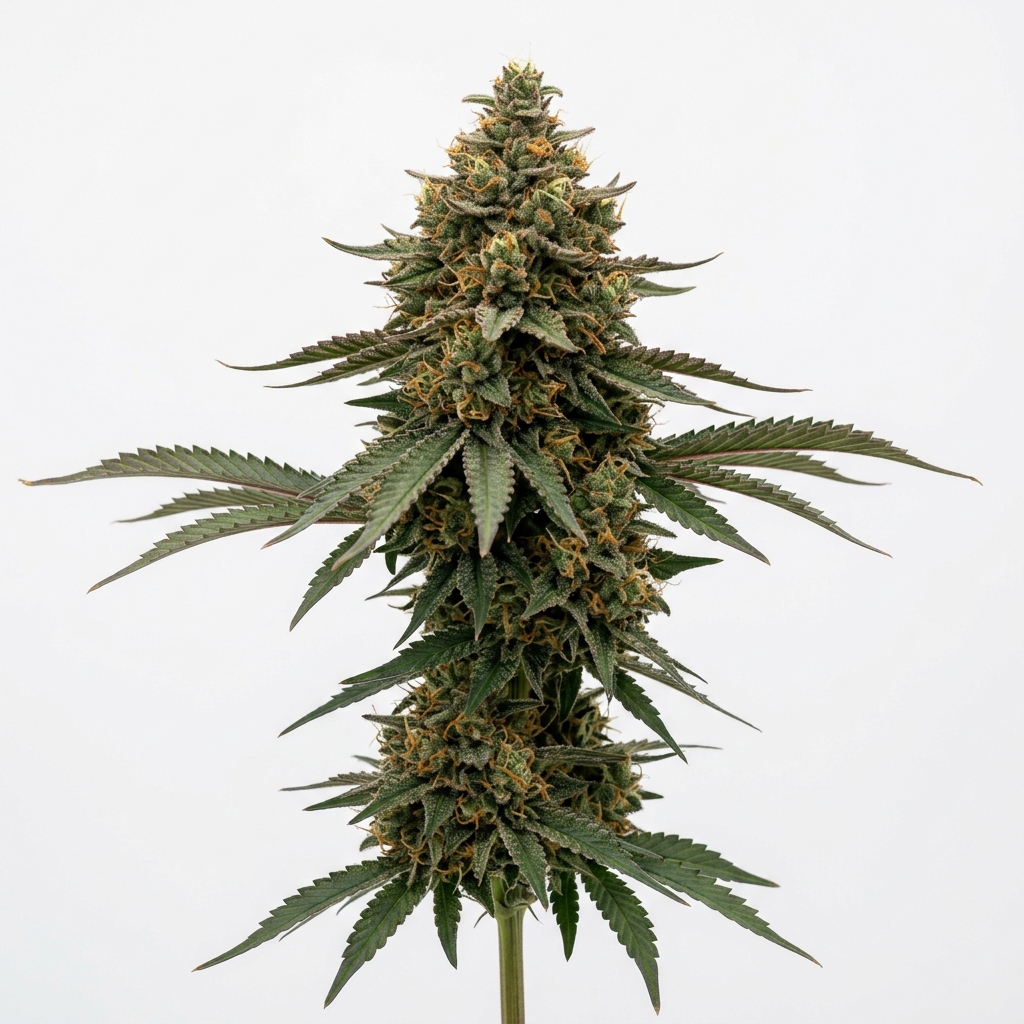
Chronic Thunder (Cannabis Strain)
Chronic Thunder is an indica-dominant hybrid, testing between 20% and 23% THC, created by crossing the legendary Chronic with Alaskan Thunder Fuck. This cultivar is recognized for its dense, heavy-yielding structure and a deeply pungent profile that blends sharp fuel with warm cinnamon spice and earthy kush notes. Grown primarily for its thick, resin-coated spear colas and reliable physical weight, it serves as a staple for cultivators seeking high-productivity indica genetics.
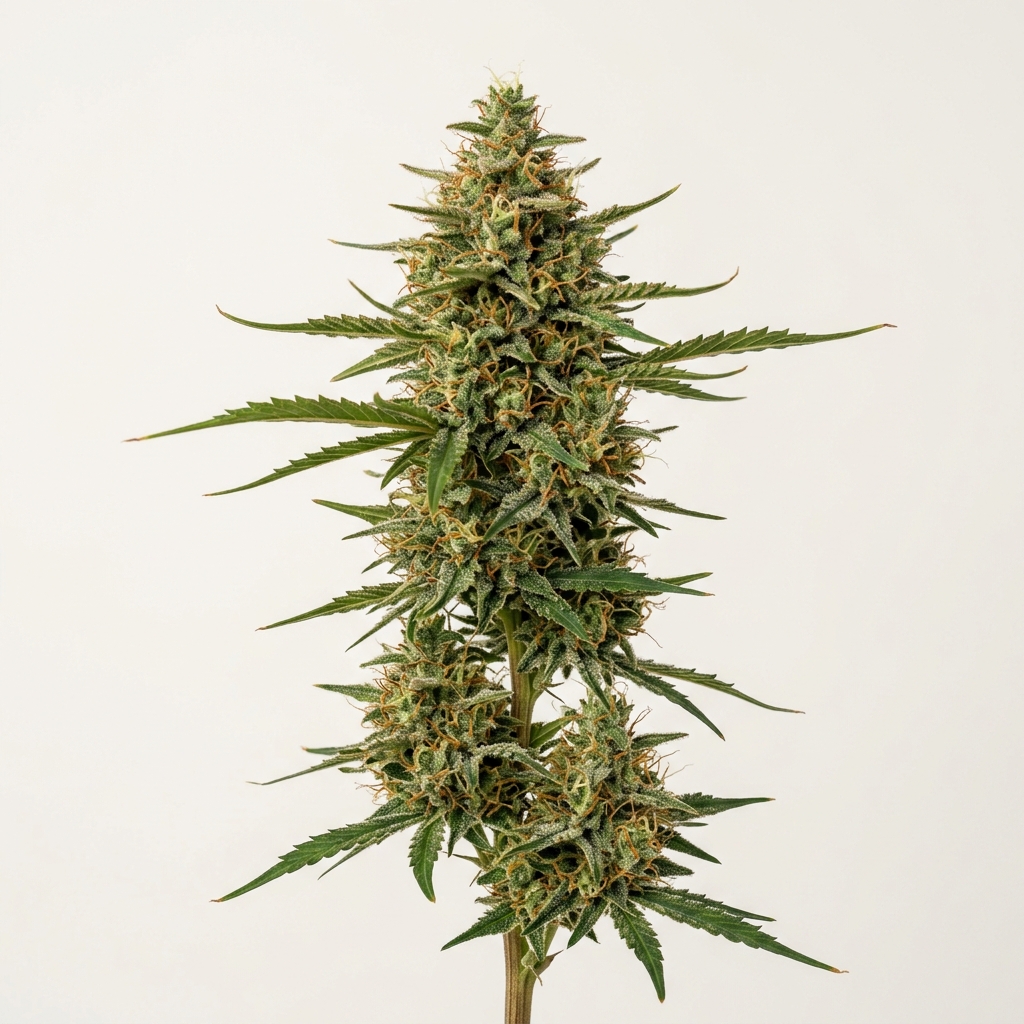
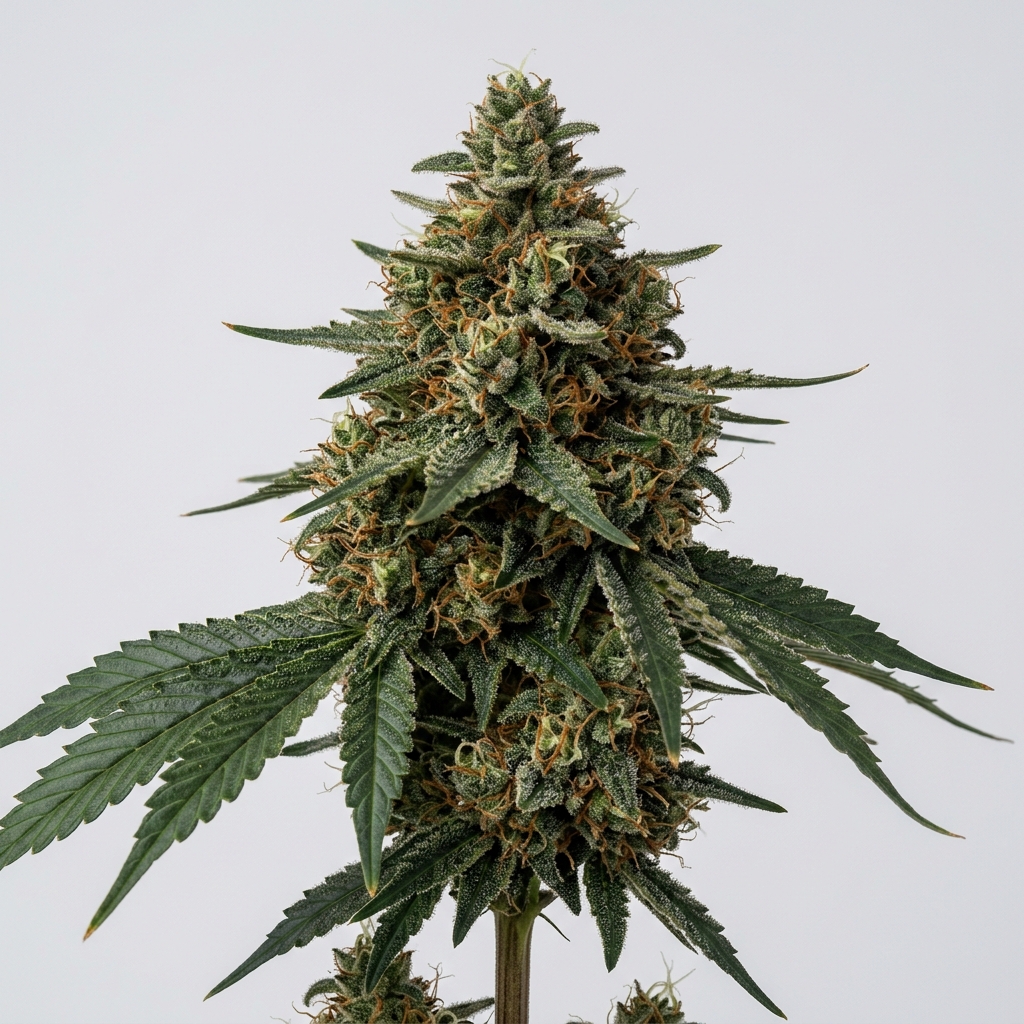
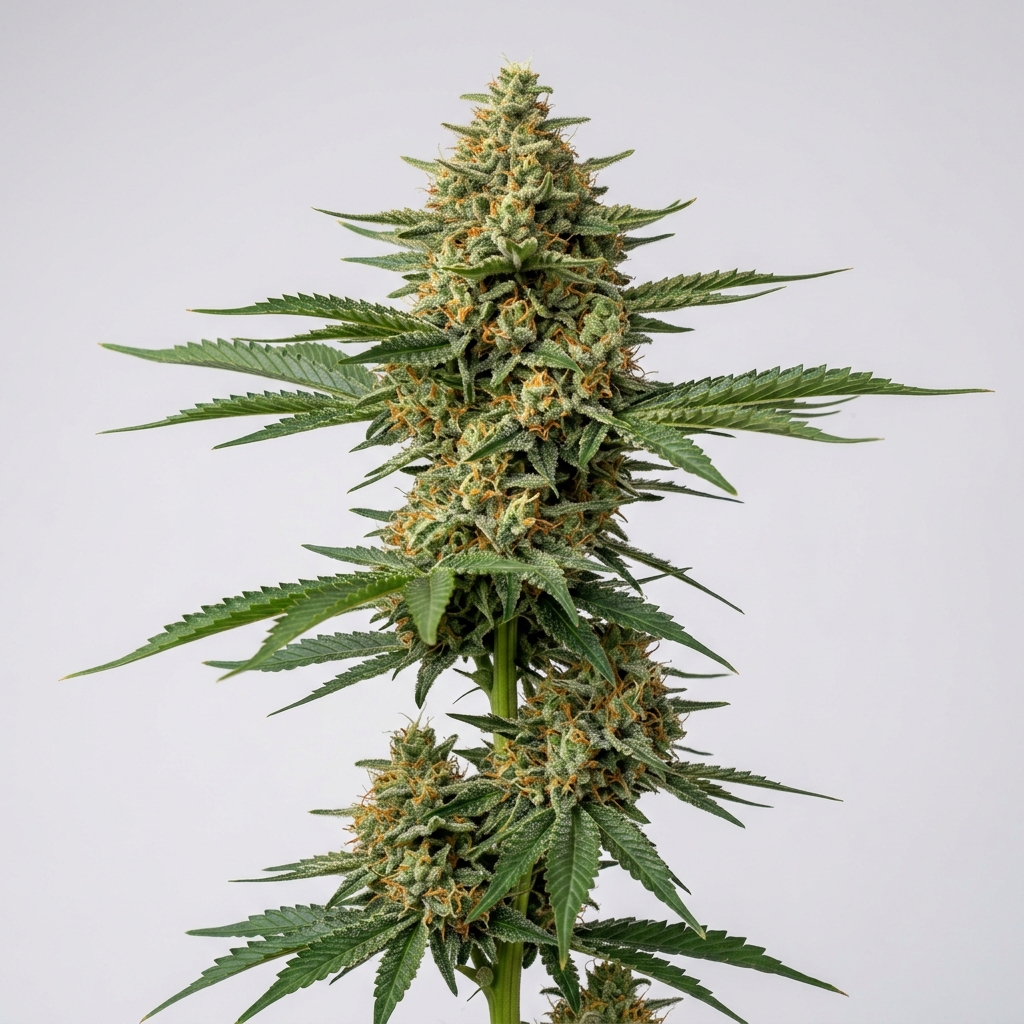
The buds cure to a deep forest green, showing off tightly packed bracts and a heavy dusting of amber trichomes. It carries a classic, old-school presence that appeals to seasoned consumers who value heavy-bodied physical relaxation. Its growth habits favor low-stress training, producing reliable yields without requiring highly complex nutrient regimens.
Quick Facts
| Metric | Details |
|---|---|
| Genetics | Chronic × Alaskan Thunder Fuck |
| Variety | Indica-dominant (approx. 70% Indica / 30% Sativa) |
| THC Range | 20% – 23% |
| Flowering Time | 8 – 9 Weeks (55 – 63 Days) |
| Yield Potential | High (up to 600g/m² indoors) |
| Plant Height | Medium (approx. 90 – 100 cm indoors) |
| Climate Preference | Temperate, moderate humidity |
| Difficulty | Moderate |
Scientific & Botanical Overview
This cultivar shows classic indica morphology, displaying broad fan leaves, thick stems, and tight internodal spacing. The vegetative stage requires attentiveness to leaf density, as the broad foliage can easily restrict airflow if left unmanaged. Proper defoliation is recommended to ensure light penetrates the lower canopy.
As it transitions to flower, the plant shows a controlled stretch, usually doubling in size before focusing its energy on lateral bud development. The primary colas form dense, heavy spears that often require structural support late in the cycle due to the sheer weight of the swollen calyxes. This heavy bud structure is a direct inheritance from its commercial-grade parentage.
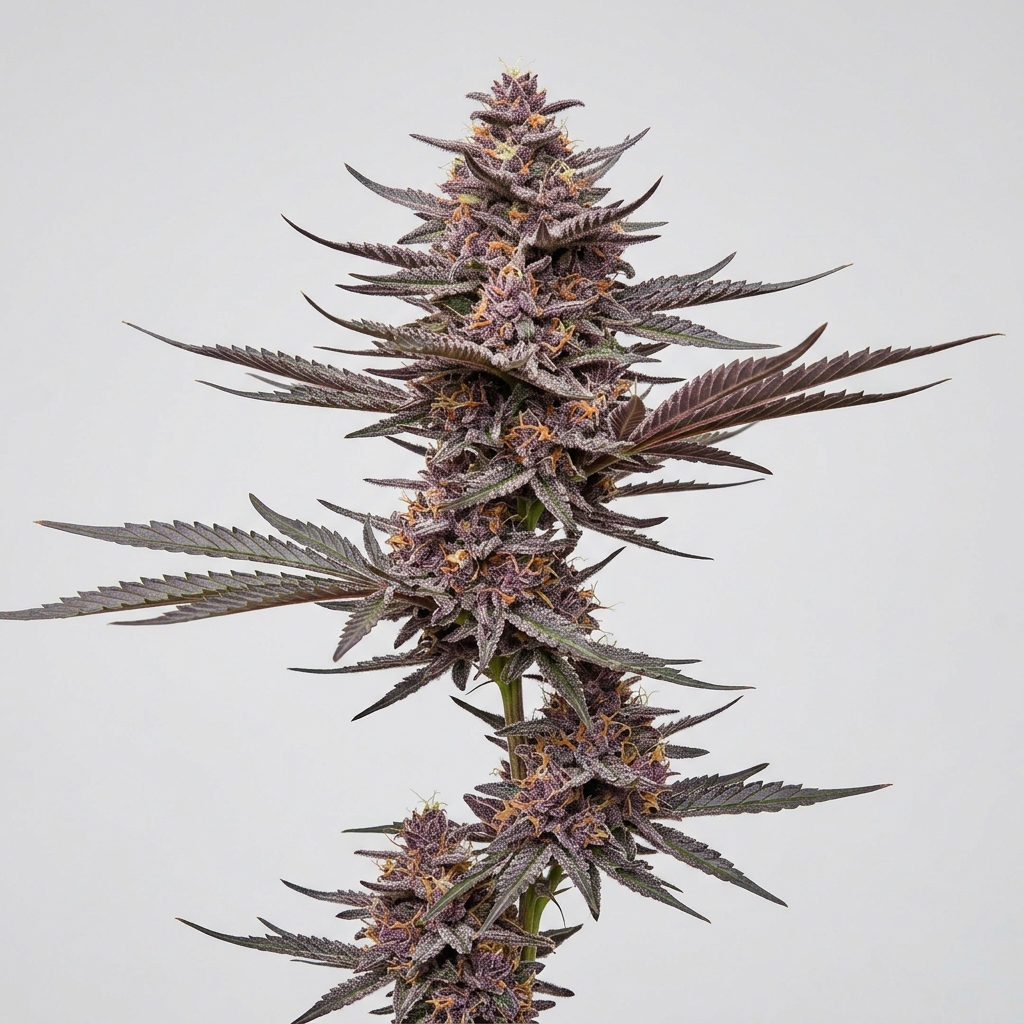
The resin production is steady, coating the deep green bracts in a sticky layer of greasy trichomes that darken to an amber hue near harvest. Cold nighttime temperatures during late flower can coax subtle purple highlights out of the fan leaves, though the buds themselves remain mostly olive green. The overall visual appeal is defined by thick orange pistils and a wet, glassy frost layer.
Effects & Use-Cases (Reported)
Commonly reported effects: Deep physical relaxation, a heavy body sensation, and a calming mental ease that settles in shortly after consumption. Users frequently report a warming sensation that spreads through the limbs, making it highly suitable for evening use.
Use-case context: Well-suited for wind-down routines, late-night decompression, or quiet leisure activities where physical activity is not required. The physical weight makes it a poor choice for daytime productivity or social gatherings requiring high energy.
Note: Due to its heavy physical onset, newer consumers should approach this cultivar with caution to avoid early couch-lock.
Aroma & Flavors
Aroma: Pungent and earthy, dominated by a sharp fuel and diesel base with clear notes of damp soil and dried wood. Breaking the buds releases a spicier, peppery kick that hints at its northern heritage.
Flavor: The smoke is thick and herbal, delivering a rich kush taste on the inhale followed by a warm cinnamon and pine finish. A subtle sweetness lingers on the palate, softening the heavy fuel notes.
Terpene associations: High concentrations of myrcene provide the earthy, sedative undertone, supported by caryophyllene for spice and limonene for a subtle, lifting citrus edge.
Tested Cannabinoid & Terpene Ranges
| Compound | Typical Range |
|---|---|
| Δ9-THC | 20.0% – 23.0% |
| CBD | < 1.0% |
| Myrcene | 0.5% – 1.1% |
| Caryophyllene | 0.3% – 0.8% |
| Limonene | 0.2% – 0.5% |
Note: Cannabinoid and terpene levels are highly variable and depend on specific cultivation practices, environmental conditions, and curing methods.
Cultivation Notes
- Keep indoor humidity below 45% during late flower to protect the dense, thick colas from moisture retention.
- Implement structural support, such as trellising or bamboo stakes, by week 4 of flower to prevent the heavy branches from bending.
- Respond well to a moderate-to-heavy feeding schedule, particularly with phosphorus and potassium during peak bud development.
- Prune the lower third of the canopy (lollipoping) early in flower to maximize light penetration and airflow to the upper colas.
- Ensure a slow, controlled dry of 10 to 14 days at 60°F and 60% relative humidity to preserve the volatile terpene profile.
Grower Notes (Week-by-Week Snapshot)
- Weeks 1–3 (Transition & Early Flower): The plants show moderate stretch and begin forming clusters of white pistils. Prune lower fan leaves to improve airflow and set up trellis nets early.
- Weeks 4–6 (Mid-Flower Development): Buds swell rapidly, forming thick, sticky clusters. Keep a close eye on humidity levels and ensure stakes or trellis lines are supporting the heaviest branches.
- Weeks 7–9 (Late Flower & Ripening): Trichomes shift from clear to milky with amber heads appearing. Reduce watering slightly, lower humidity to 40%, and flush with plain water during the final 7 to 10 days.
- Post-Harvest (Dry & Cure): Hang whole plants to dry slowly in a dark, climate-controlled space. Once the stems snap instead of bending, trim the buds carefully and cure in airtight glass jars for a minimum of three weeks.
Genetic Lineage
The lineage of this cultivar stems from a deliberate pairing of Chronic and Alaskan Thunder Fuck. The maternal parent, Chronic, is a classic high-yielding indica-dominant line known for its sweet, honey-like aroma and reliable, commercial-scale production value.
The paternal influence comes from Alaskan Thunder Fuck, a legendary cultivar from the Matanuska Valley known for its resilient growth, frosty appearance, and sharp, pine-diesel punch. This combination grounds the sativa stretch of the Alaskan parent while infusing the dense Chronic structure with enhanced resin coverage and a deeper, more complex terpene profile.
Research Insights
Horticultural interest in this hybrid focuses on its dense floral architecture and the preservation of its volatile terpene profile during the drying phase. The high concentration of myrcene combined with moderate levels of caryophyllene suggests a strong interaction with physical receptors, which aligns with its reported relaxing properties.
Breeding evaluations highlight the cultivar’s ability to maintain high yields without sacrificing resin quality or potency. Its robust structure and resistance to minor environmental fluctuations make it a valuable subject for studying high-efficiency commercial production in controlled indoor environments.
Frequently Asked Questions
Is Chronic Thunder suitable for beginner growers?
Yes, it is relatively easy to manage due to its sturdy structure and predictable growth patterns, though close attention must be paid to humidity levels in late flower to prevent mold in the dense buds.
What does Chronic Thunder smell like?
It features a deeply pungent, earthy aroma dominated by fuel, diesel, and damp soil, with warm undertones of cinnamon spice and pine.
How long does Chronic Thunder take to flower?
Indoors, this cultivar typically finishes flowering within 8 to 9 weeks, or approximately 55 to 63 days of a 12/12 light cycle.
What are the main physical characteristics of the plant?
It grows to a medium height with broad fan leaves, tight internodes, and heavy, spear-shaped colas that often require physical support due to their weight.
Educational Disclaimer
This material is provided for educational and informational purposes only. Cultivation and consumption of cannabis are subject to varying local and federal laws.
Rate and review this strain
Ratings and reviews are accepted only from signed-in Google accounts.
Sign in with Google to leave a rating and written review.
Latest Reviews
0 reviewsNo reviews yet. Be the first Google user to rate and review this strain.