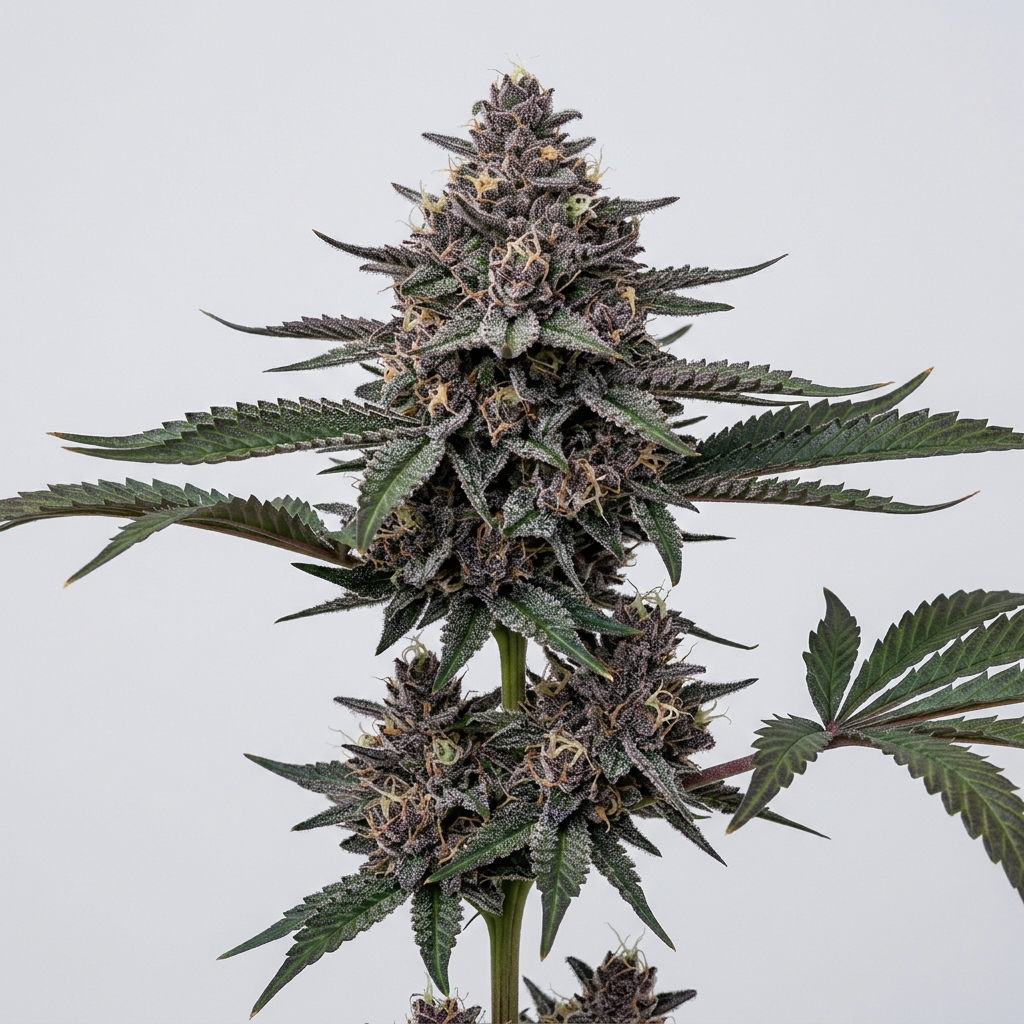
Crimea Blue (Cannabis Strain)
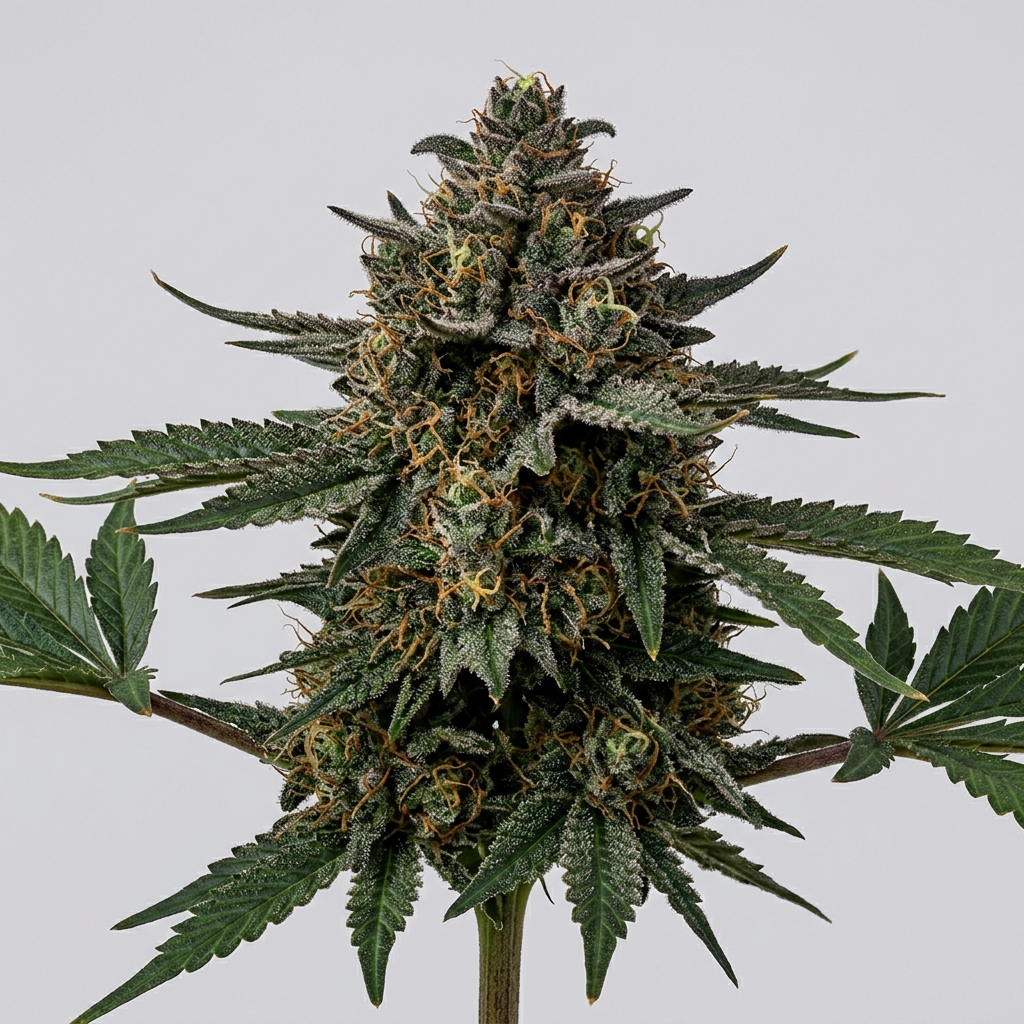
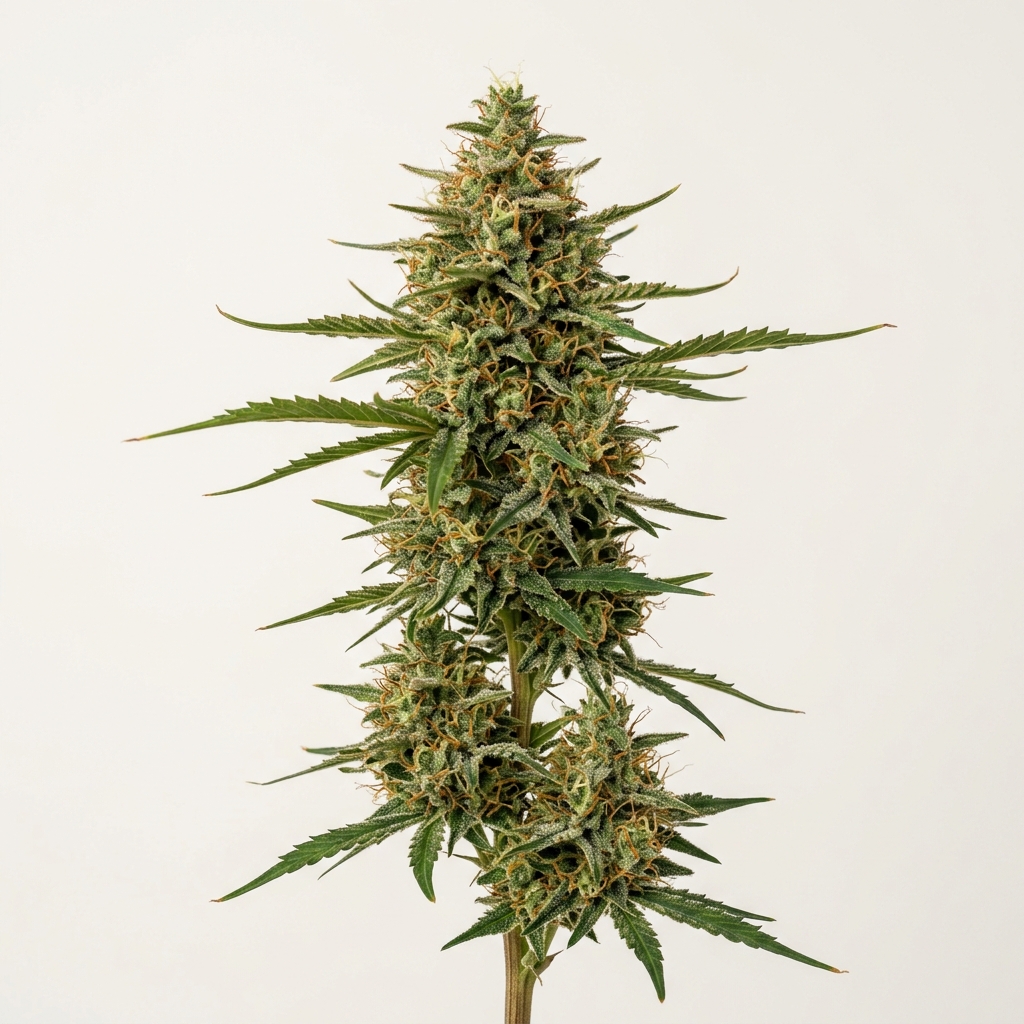
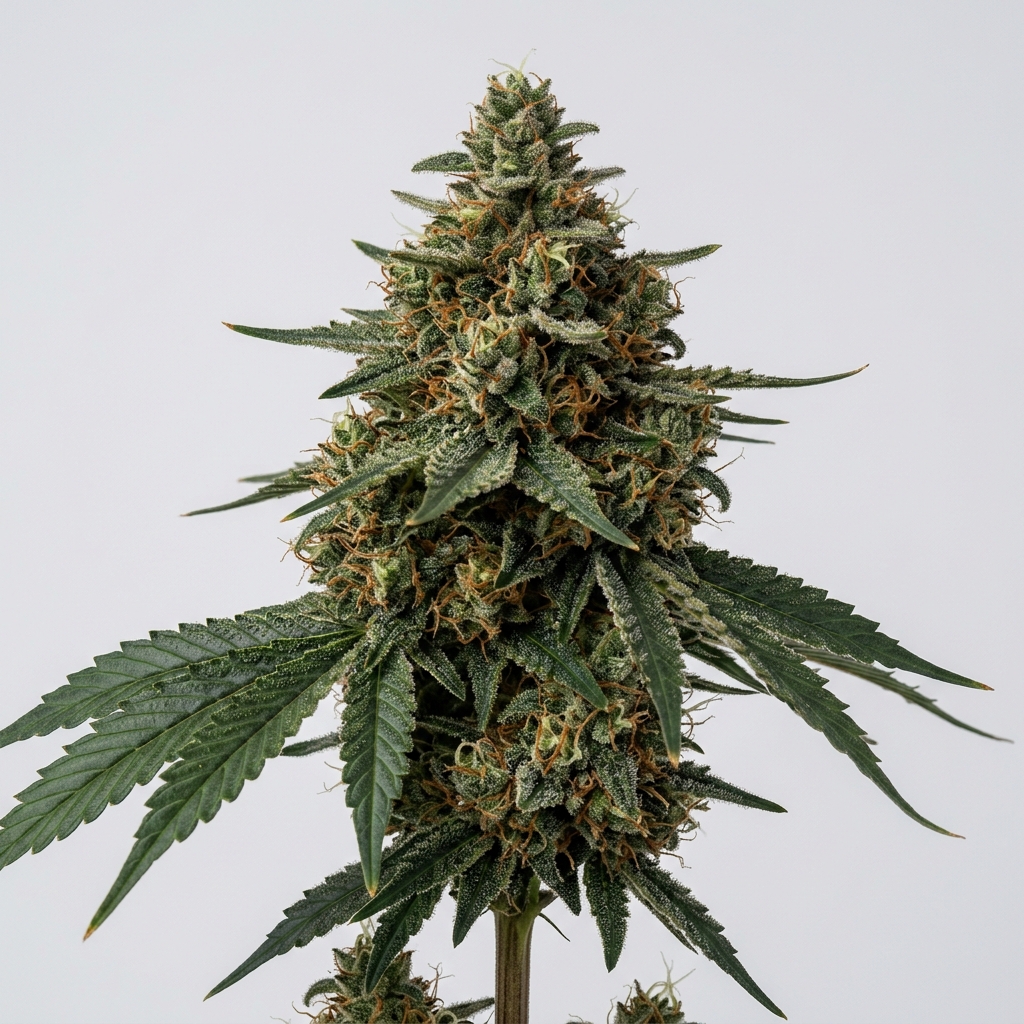
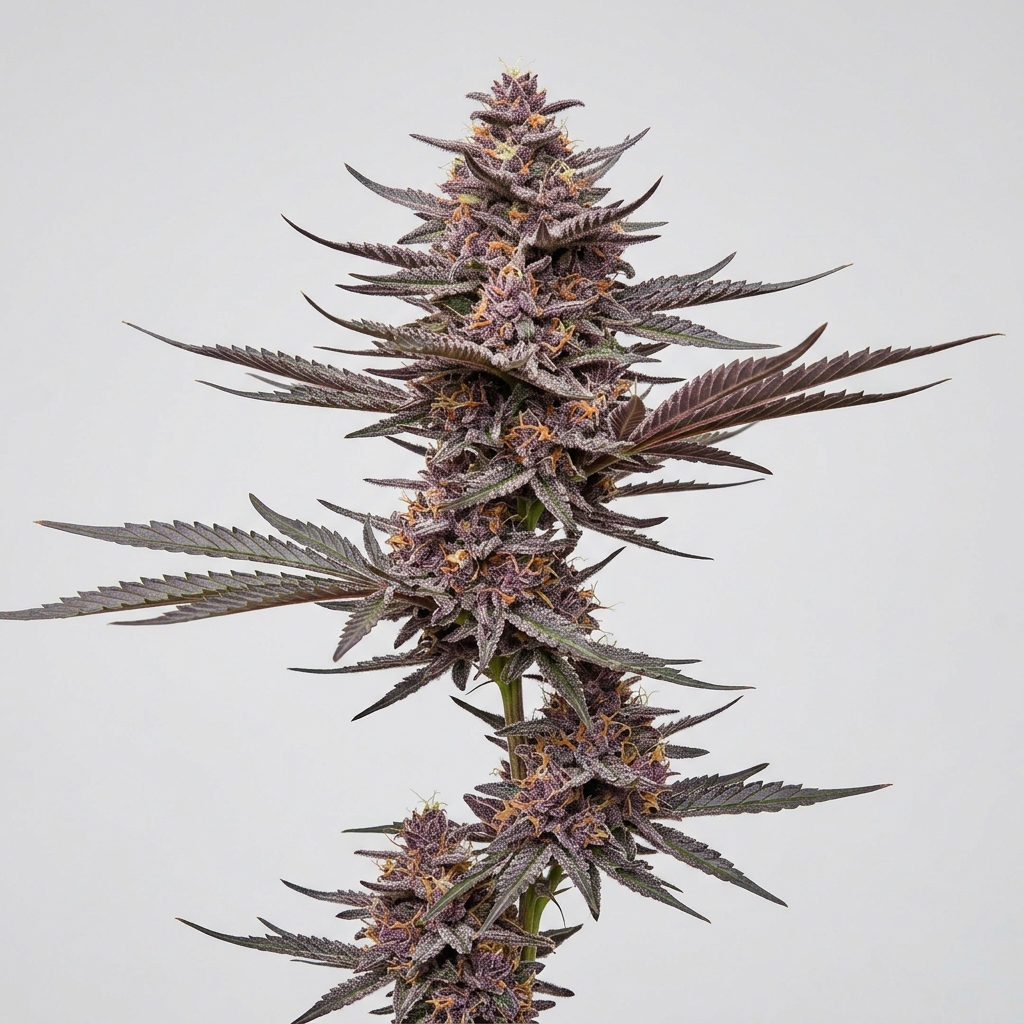
Crimea Blue is an indica-dominant hybrid, typically testing between 18% and 22% THC, bred by crossing the legendary Blueberry with a potent Crimean Hash Plant. Known for its dense, resin-rich flowers that often exhibit deep purple and blue hues, this cultivar balances a sweet, dark berry edge with a sharp, earthy kush base. It grows as a stocky, fast-flowering plant with tight internodes, making it a favorite for growers seeking high-quality hash-making material and a deeply relaxing evening experience.
The strain has earned a reputation for its thick, greasy resin coverage and exceptional terpene clarity. While it offers a sturdy physical profile suitable for indoor gardens, its lineage gives it a resilience that performs well in cooler temperate climates.
Quick Facts
| Parameter | Detail |
|---|---|
| Genetics | Blueberry × Crimean Hash Plant |
| Variety | Indica-dominant hybrid |
| THC Range | 18% – 22% |
| Flowering Time | 8 – 9 weeks |
| Yield Potential | Moderate to high |
| Plant Height | Short to medium |
| Climate Preference | Temperate to cool |
| Difficulty | Moderate |
Scientific & Botanical Overview
Botanically, Crimea Blue shows classic indica morphology, characterized by broad fan leaves, thick stems, and a compact, bushy structure. The plant naturally develops a dominant central cola, though it responds exceptionally well to early training to distribute growth across secondary branches.
Its flowering phase is relatively short, usually wrapping up in 55 to 63 days indoors. During the final weeks, the dense bracts swell significantly, producing tightly packed, spear-shaped colas that require adequate airflow to prevent moisture retention.
Anthocyanin accumulation is highly pronounced in this cultivar, especially when night temperatures drop during late flower. This genetic trait shifts the light green foliage and calyxes into striking shades of violet, indigo, and deep blue, complemented by a heavy coat of glassy trichomes.
Effects & Use-Cases (Reported)
Commonly reported effects: Users frequently describe a rapid transition from a light, cerebral lift to a heavy, full-body physical stone. The initial onset is often clear and focused before settling into a deep, meditative state of relaxation.
Use-case context: This cultivar is best suited for evening or nighttime use, making it ideal for winding down after active days. Its physical heaviness makes it a popular choice for quiet leisure activities, reading, or preparing for sleep.
Note: Individual experiences may vary depending on tolerance, dosage, and specific phenotype chemistry.
Aroma & Flavors
Aroma: A complex blend of sweet, overripe blueberries and wet earth, cut by a sharp pine and herbal undertone. Breaking the buds releases a deeper, musky hash scent that lingers in the room.
Flavor: The smoke carries a rich, dark berry flavor on the inhale, transitioning to a spicy, earthy kush finish with a subtle minty edge on the exhale.
Terpene associations: The dominant terpenes typically associated with this profile are myrcene, caryophyllene, and pinene, which drive its herbal and woody complexity.
Tested Cannabinoid & Terpene Ranges
| Compound | Typical Range |
|---|---|
| Δ9-THC | 18.0% – 22.0% |
| CBD | < 1.0% |
| Myrcene | 0.5% – 0.9% |
| Caryophyllene | 0.3% – 0.6% |
| Pinene | 0.2% – 0.4% |
Note: These ranges represent typical analytical testing data across multiple cultivated phenotypes. Actual cannabinoid and terpene concentrations depend heavily on cultivation methods, curing processes, and environmental variables.
Cultivation Notes
- Humidity: Keep relative humidity (RH) between 50% and 55% during early bloom, dropping to 40% or lower in the final three weeks to protect the dense, heavy colas from mold.
- Nutrition: This strain is a moderate feeder; avoid heavy nitrogen applications during mid-to-late flowering to prevent nutrient burn and preserve terpene clarity.
- Training: use low-stress training (LST) and light defoliation early in the vegetative phase to open up the canopy and improve light penetration to lower bud sites.
- Harvest: Harvest when trichomes are mostly milky white with about 10% to 15% turning amber to capture the peak balance of physical relaxation and flavor.
- Phenotype management: Look for phenotypes that show early purple coloration and strong lateral branching, as these often produce the most aromatic flowers.
Grower Notes (Week-by-Week Snapshot)
- Weeks 1–3 (Vegetative & Transition): The plant maintains a compact profile with minimal stretch after the flip to flower. Focus on establishing a clean canopy through light pruning of lower, shaded fan leaves.
- Weeks 4–6 (Mid-Flower): Flower clusters begin to stack rapidly, forming dense, resinous spears. Ensure constant air circulation and monitor soil moisture levels closely as water intake peaks.
- Weeks 7–9 (Late Flower & Flush): Drop nighttime temperatures by 5°F to 10°F to stimulate the expression of blue and purple hues. Initiate a thorough two-week flush with plain, pH-balanced water to ensure a clean, smooth-burning final product.
- Post-Harvest (Dry & Cure): Hang-dry the whole plant at 60°F and 60% relative humidity for 10 to 14 days. A slow dry followed by a minimum of four weeks in glass jars preserves the delicate berry and hash terpene profile.
Genetic Lineage
The lineage of Crimea Blue traces back to a deliberate cross of the classic Blueberry and an indigenous Crimean Hash Plant selection. The Blueberry parent, a legendary staple of West Coast breeding, contributes its signature sweet berry aroma, colorful pigmentation, and relaxing properties.
The paternal contributor, an indica-dominant landrace variant from the Crimean region, infuses the cross with exceptional hardiness, a short flowering cycle, and a dense, resin-heavy bud structure. This combination results in a robust hybrid that retains the sensory appeal of its fruit-forward ancestor while gaining the physical vigor of a classic hash plant.
Research Insights
Scientific interest in cultivars like Crimea Blue often centers on the interaction between high concentrations of myrcene and moderate levels of pinene. While myrcene is widely studied for its sedating, muscle-relaxing properties, the presence of pinene can help mitigate some of the mental cloudiness often associated with heavy indica strains.
Additionally, the intense purple coloration observed in late-stage flowers points to a high concentration of anthocyanins, water-soluble pigments belonging to the flavonoid family. These compounds not only serve an evolutionary purpose by protecting the plant from cold stress and UV radiation but also contribute to the complex visual appeal sought after in modern cannabis breeding.
Frequently Asked Questions
Is Crimea Blue an indica or a sativa?
Crimea Blue is an indica-dominant hybrid, typically exhibiting around an 70% to 80% indica bias, resulting in a short growth habit and deeply relaxing physical effects.
How long does Crimea Blue take to flower?
Indoors, this strain usually completes its flowering cycle in 8 to 9 weeks (55 to 63 days). Outdoor harvests typically occur in late September to early October in the Northern Hemisphere.
What does Crimea Blue smell like?
It features a distinct aroma of sweet, ripe blueberries mixed with earthy, spicy hash notes and a clean, piney undertone.
Is Crimea Blue hard to grow?
It is considered a moderate-difficulty strain. While its compact size and resilience make it manageable, its dense bud structure requires careful humidity management during late flower to prevent bud rot.
Educational Disclaimer
This article is for educational and informational purposes only. Cannabis laws and regulations vary by jurisdiction. Cultivation and consumption should only be undertaken in accordance with local laws.
Rate and review this strain
Ratings and reviews are accepted only from signed-in Google accounts.
Sign in with Google to leave a rating and written review.
Latest Reviews
0 reviewsNo reviews yet. Be the first Google user to rate and review this strain.