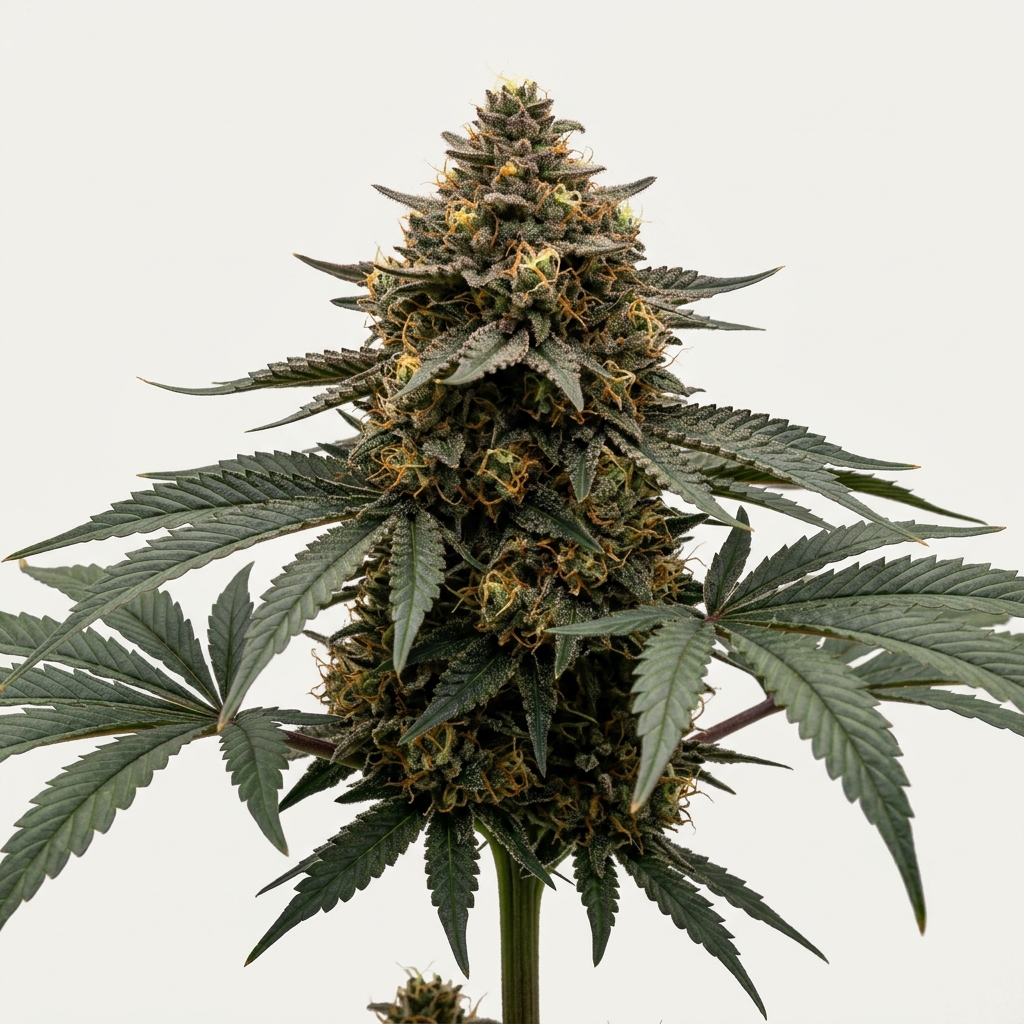
Phatt Fruity (Cannabis Strain)
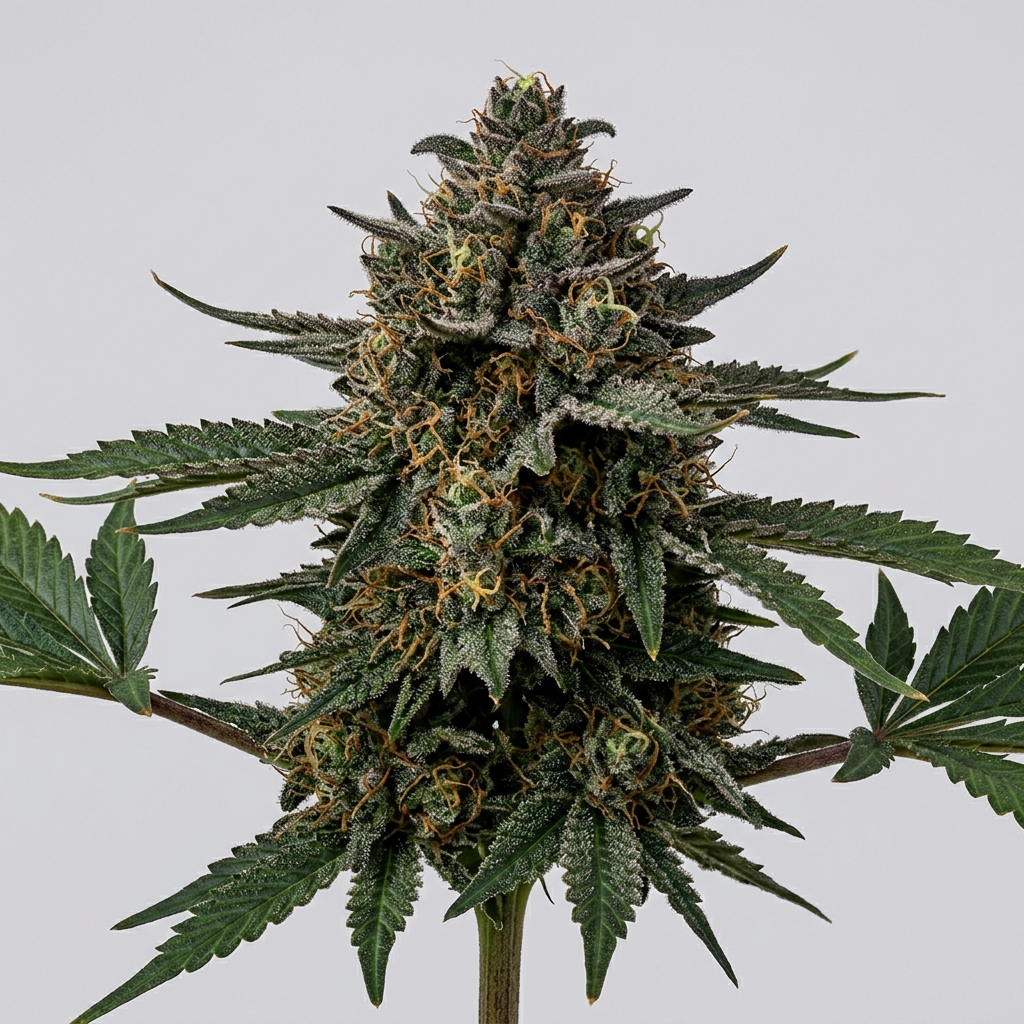
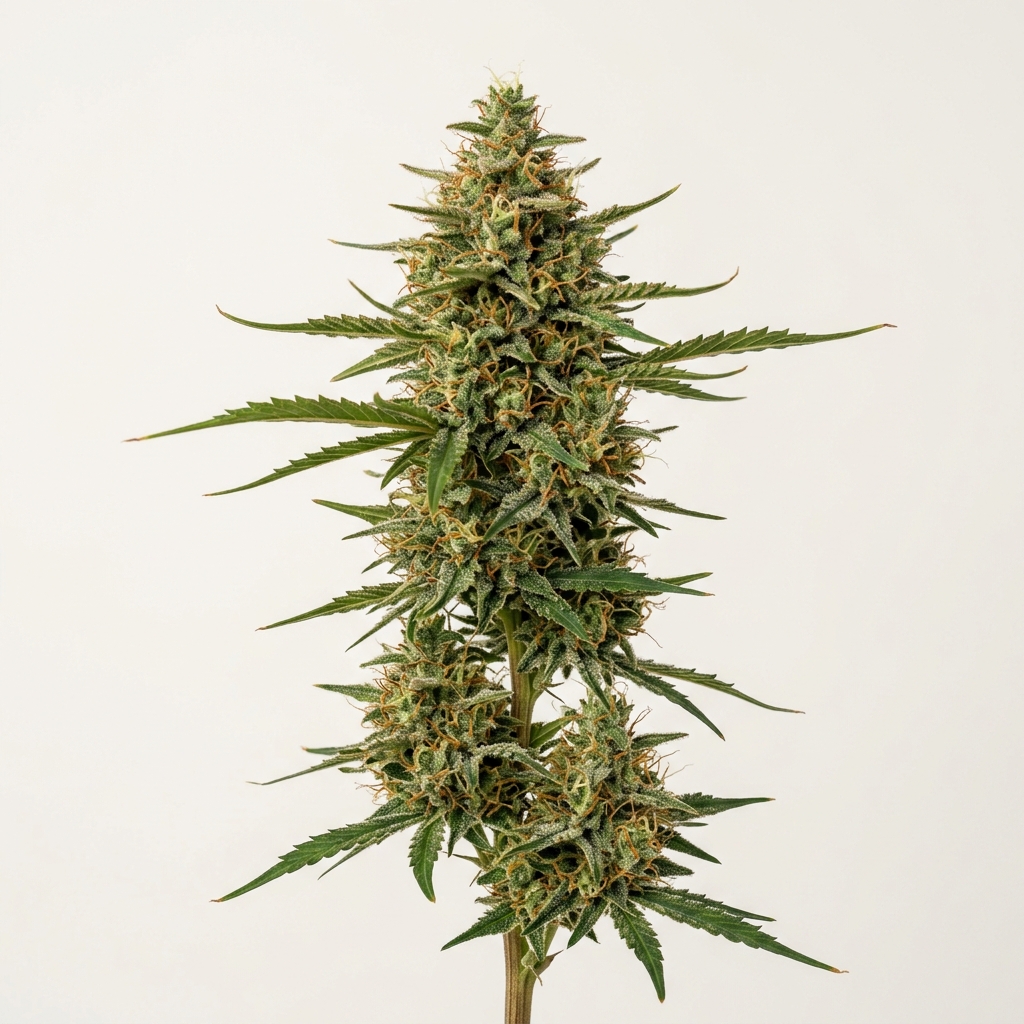
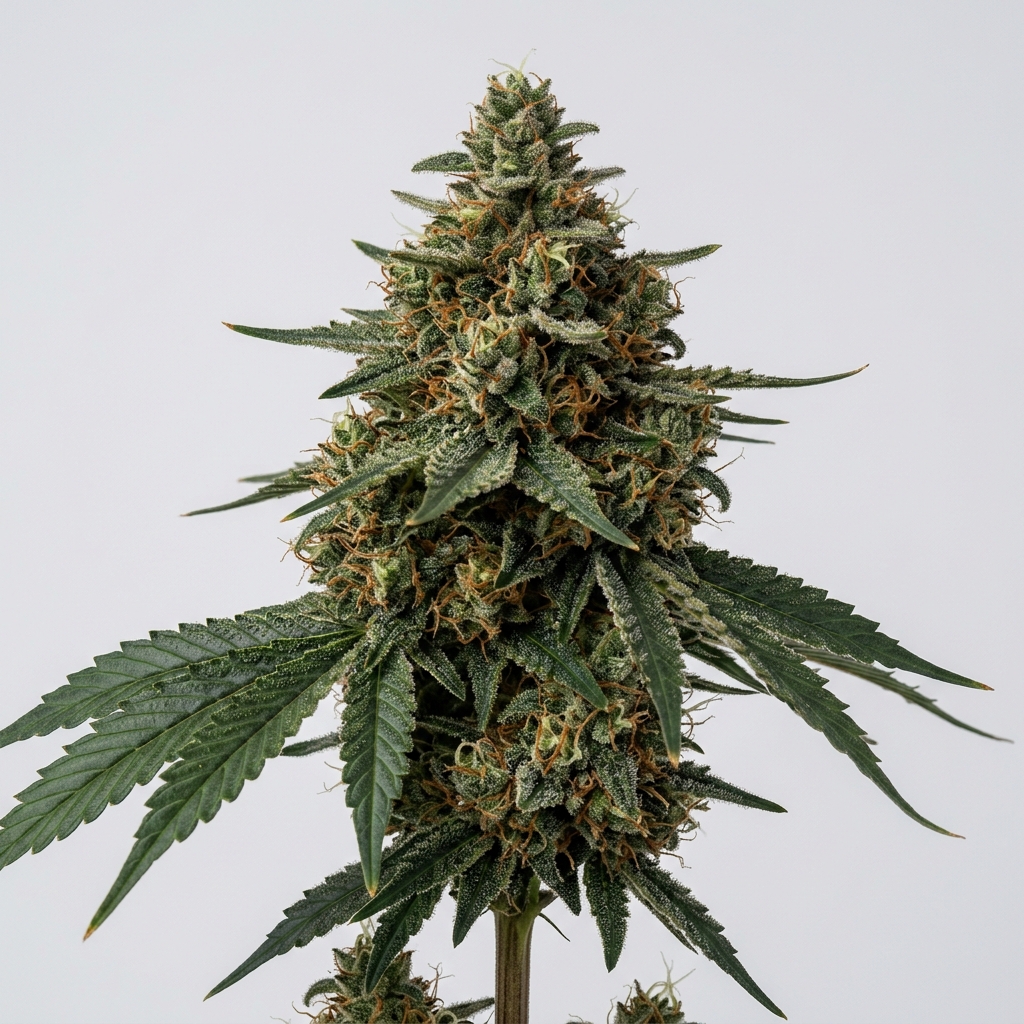
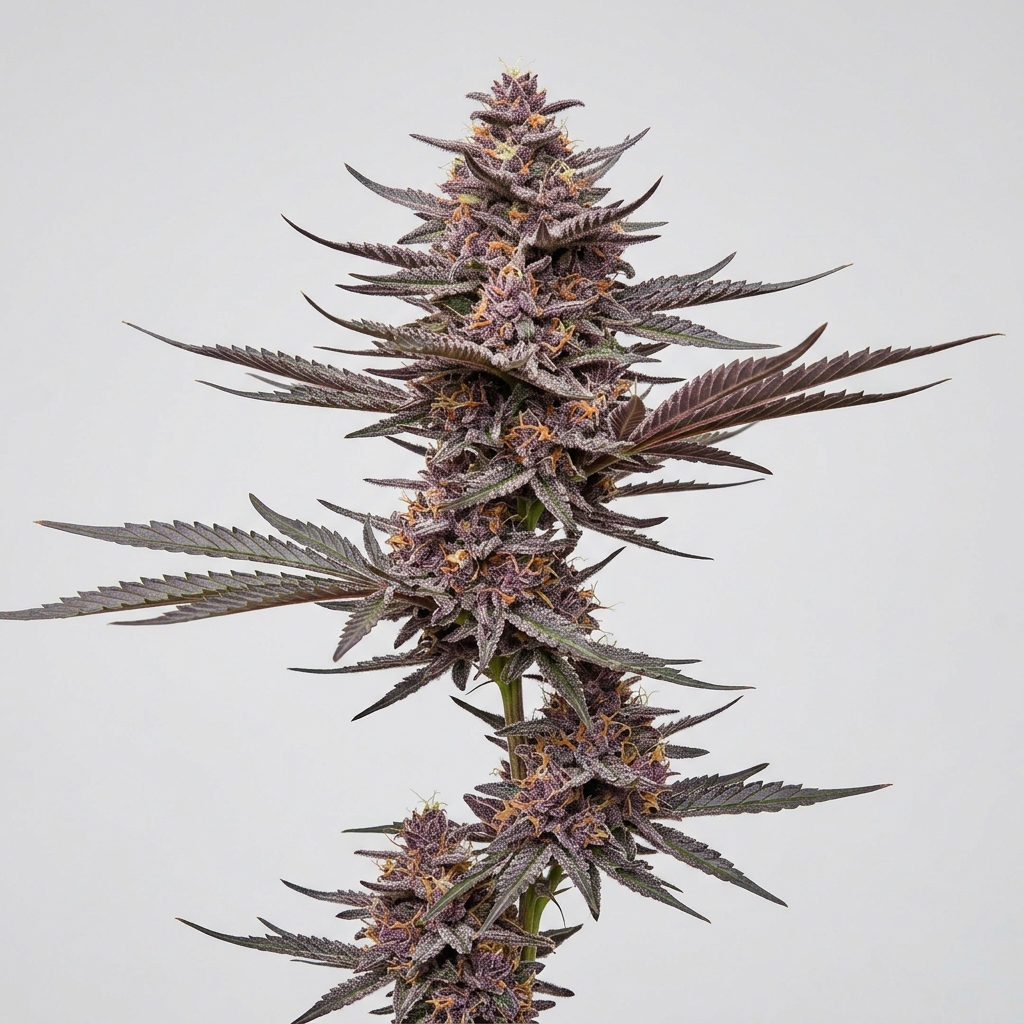
Phatt Fruity is an indica-dominant cultivar bred by Barney’s Farm, crossing classic landrace genetics from Afghanistan, North India, and Mexico. Testing typically between 15% and 20% THC, this strain is recognized for its compact, stocky structure, high resistance to mold, and dense, resin-rich flowers. Its terpene profile delivers a distinct blend of sweet berries, musky earth, and a sharp spice undertone, making it a reliable choice for both extraction and traditional flower curing.
Cultivators favor this variety for its robust physical resilience and manageable canopy stretch, particularly in temperate or unpredictable outdoor climates. The finished buds are heavy, displaying swollen calyxes coated in a greasy resin layer that appeals to old-school indica enthusiasts.
Quick Facts
| Attribute | Details |
|---|---|
| Genetics | Afghan × North Indian × Mexican |
| Variety | Indica-dominant Hybrid (70/30) |
| THC Range | 15% – 20% |
| Flowering Time | 8 – 9 Weeks (56 – 63 days) |
| Yield Potential | High (450 – 550 g/m²) |
| Plant Height | Short to Medium (80 – 100 cm) |
| Climate Preference | Temperate, cool, or humid climates |
| Difficulty | Easy to Moderate |
Scientific & Botanical Overview
Botanically, Phatt Fruity shows classic indica morphology, characterized by broad fan leaves, thick stems, and tight internodal spacing. The vegetative stage is marked by rapid lateral branching, creating a dense bush that naturally resists wind and physical stress.
The cultivar’s resilience is largely attributed to its landrace heritage, which provides natural defenses against common pathogens and powdery mildew. During early flower, the stretch is minimal, allowing growers to maximize vertical space in restricted indoor setups.
As the plant matures, it develops thick, heavy spear colas that require adequate airflow despite the strain’s inherent mold resistance. The dense bracts swell significantly in the final two weeks, accumulating a dense layer of sticky, amber-tinted trichomes.
Effects & Use-Cases (Reported)
Commonly reported effects: Users frequently describe a heavy, relaxing physical sensation that settles deep into the limbs, accompanied by a calm, grounded mental state. The onset is gradual, easing tension without immediate, overwhelming sedation.
Use-case context: This profile makes it well-suited for evening use, wind-down routines, or quiet, low-activity settings. Its physical weight is often favored by those looking to ease muscle tension after physical exertion.
Note: Individual experiences may vary based on tolerance, dosage, and specific phenotype chemistry.
Aroma & Flavors
Aroma: The initial nose is dominated by a rich, musky earthiness, quickly followed by a sweet, dark berry edge and a subtle hint of herbal spice.
Flavor: On the exhale, the smoke or vapor carries a distinct ripe-fruit sweetness contrasted by a sharp, slightly bitter hash-like finish on the palate.
Terpene associations: Analytical testing frequently highlights the presence of myrcene, caryophyllene, and limonene, which drive the strain’s earthy-sweet base and subtle citrus lift.
Tested Cannabinoid & Terpene Ranges
| Compound | Tested Range |
|---|---|
| Δ9-THC | 15.0% – 20.0% |
| CBD | < 1.0% |
| Myrcene | 0.4% – 0.8% |
| Caryophyllene | 0.2% – 0.5% |
| Limonene | 0.1% – 0.3% |
Values are based on laboratory averages across multiple phenotypes and cultivation environments. Individual results may vary.
Cultivation Notes
- Humidity Management: Maintain relative humidity around 50-55% during early flower, dropping to 40-45% in the final weeks to protect the dense, heavy colas.
- Defoliation: Prune lower fan leaves and non-essential lateral shoots before the second week of flower to improve light penetration and airflow through the dense canopy.
- Nutrient Requirements: This cultivar is a moderate feeder; avoid heavy nitrogen applications late in the vegetative phase to prevent leaf curl.
- Training Techniques: Responds well to Low Stress Training (LST) and topping, which encourages a more uniform canopy of spear colas.
- Harvest Timing: Look for a high concentration of milky white and amber trichomes, typically appearing around day 60 of flowering.
Grower Notes (Week-by-Week Snapshot)
- Weeks 1–3 (Transition & Early Stretch): The plant undergoes a controlled stretch, usually increasing in height by only 50-60%. Focus on tucking large fan leaves to expose emerging bud sites.
- Weeks 4–6 (Bud Development & Resin Onset): Flowers begin to cluster into dense buttons. Resin glands appear early on the sugar leaves, releasing a faint sweet-and-earthy aroma.
- Weeks 7–9 (Maturation & Flush): Colas swell significantly and become heavy. Reduce nutrients and initiate a clean water flush during the final 10 days while monitoring trichome color.
- Post-Harvest (Slow Dry & Cure): Hang the whole plant for 10-14 days at 60°F (15°C) and 60% humidity. A slow dry preserves the delicate berry and spice notes, preventing a grassy finish.
Genetic Lineage
Phatt Fruity draws its robust genetics from a blend of three distinct geographic regions, combining landrace genetics from Afghanistan and North India with a vibrant Mexican sativa line. This combination balances the heavy, resinous structure of pure indicas with the subtle energetic lift and mold resistance found in high-altitude sativas.
The resulting hybrid showcases the stability of its ancestral parents, exhibiting uniform growth patterns across different phenotypes. Breeders value this lineage for its reliable outdoor performance and consistent terpene production.
Research Insights
Terpene analysis of Phatt Fruity indicates a high concentration of myrcene, which is associated with the strain’s deep physical relaxation. The presence of caryophyllene adds a spicy, wood-like note while interacting with peripheral receptors to support a soothing physical sensation.
Research into its environmental resilience suggests that its North Indian and Afghan heritage contributes to a thick cuticle layer on the leaves. This physical trait helps the plant retain moisture and resist environmental stress, making it an excellent reference point for breeding hardier outdoor cultivars.
Frequently Asked Questions
What is the genetic background of Phatt Fruity?
Phatt Fruity is an indica-dominant hybrid bred by Barney’s Farm, crossing landrace strains from Afghanistan, North India, and Mexico.
Is Phatt Fruity easy to grow for beginners?
Yes, it is highly recommended for beginners due to its compact size, natural mold resistance, and forgiving nature when subjected to minor environmental fluctuations.
What does Phatt Fruity smell and taste like?
It features a complex aroma of musky earth and sweet berries, with a flavor profile that transitions from ripe fruit sweetness to a spicy, hash-like finish.
What are the primary reported effects of this strain?
Users commonly report a deeply relaxing and grounding physical effect, making it ideal for evening use, stress relief, and winding down.
Educational Disclaimer
This article is for educational and informational purposes only. Cannabis laws and regulations vary by jurisdiction. Always consult with a professional regarding cultivation, consumption, and legal compliance in your area.
Rate and review this strain
Ratings and reviews are accepted only from signed-in Google accounts.
Sign in with Google to leave a rating and written review.
Latest Reviews
0 reviewsNo reviews yet. Be the first Google user to rate and review this strain.