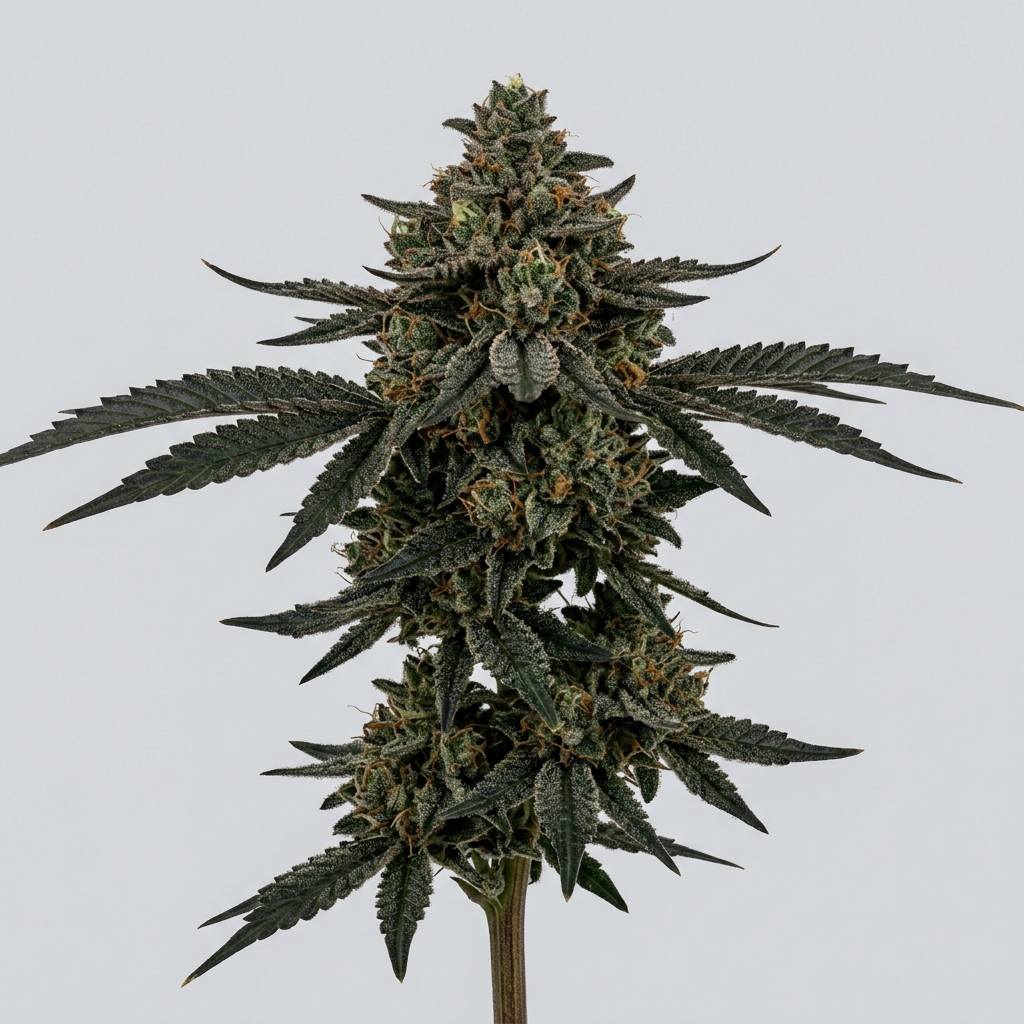
Violator Kush (Cannabis Strain)
Violator Kush is an indica-dominant hybrid testing between 18% and 24% THC, created by crossing the classic landrace strains Hindu Kush and Malana. This heavy evening cultivar is widely recognized for its pungent, earthy hash aroma, thick coat of wet frost, and dense, low-growing plant structure. Cultivators prize this strain for its high yield of resin-rich flowers and compact, bushy stature that performs exceptionally well in indoor environments.
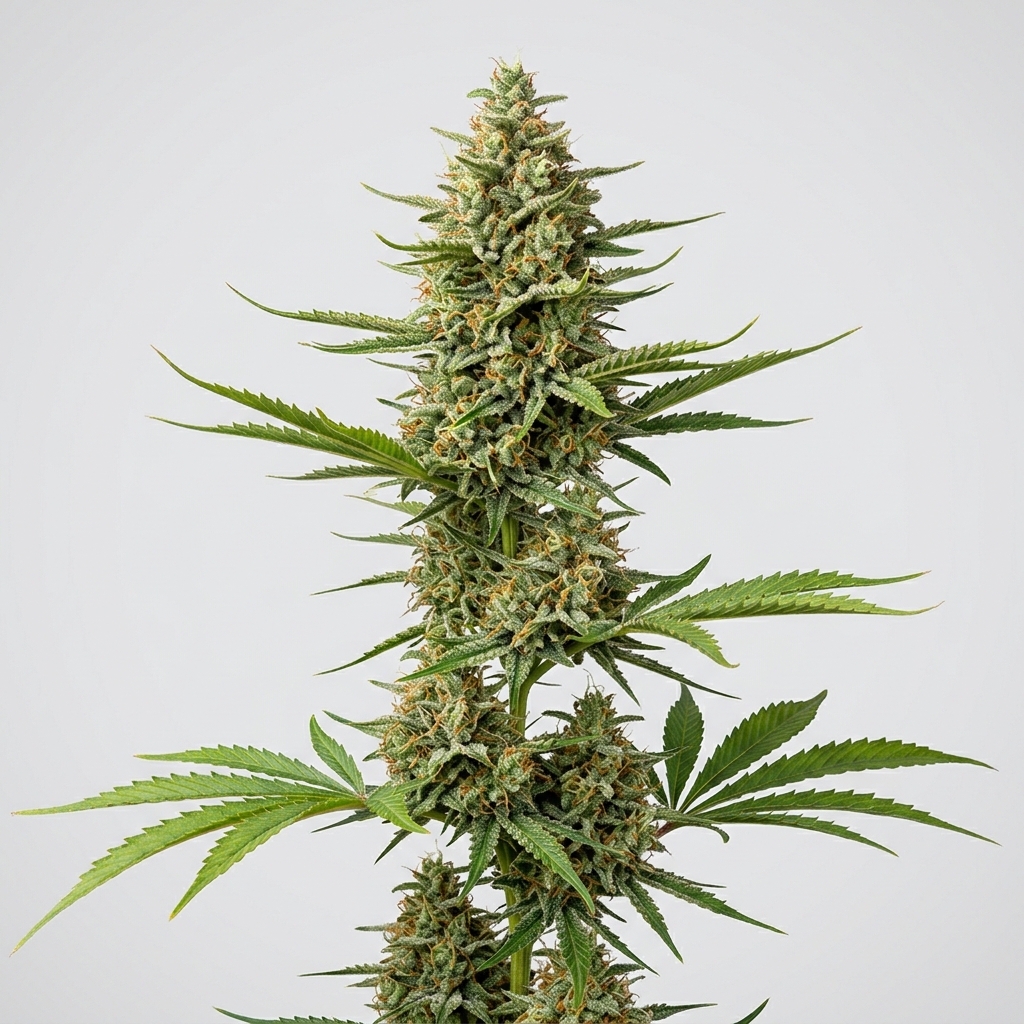
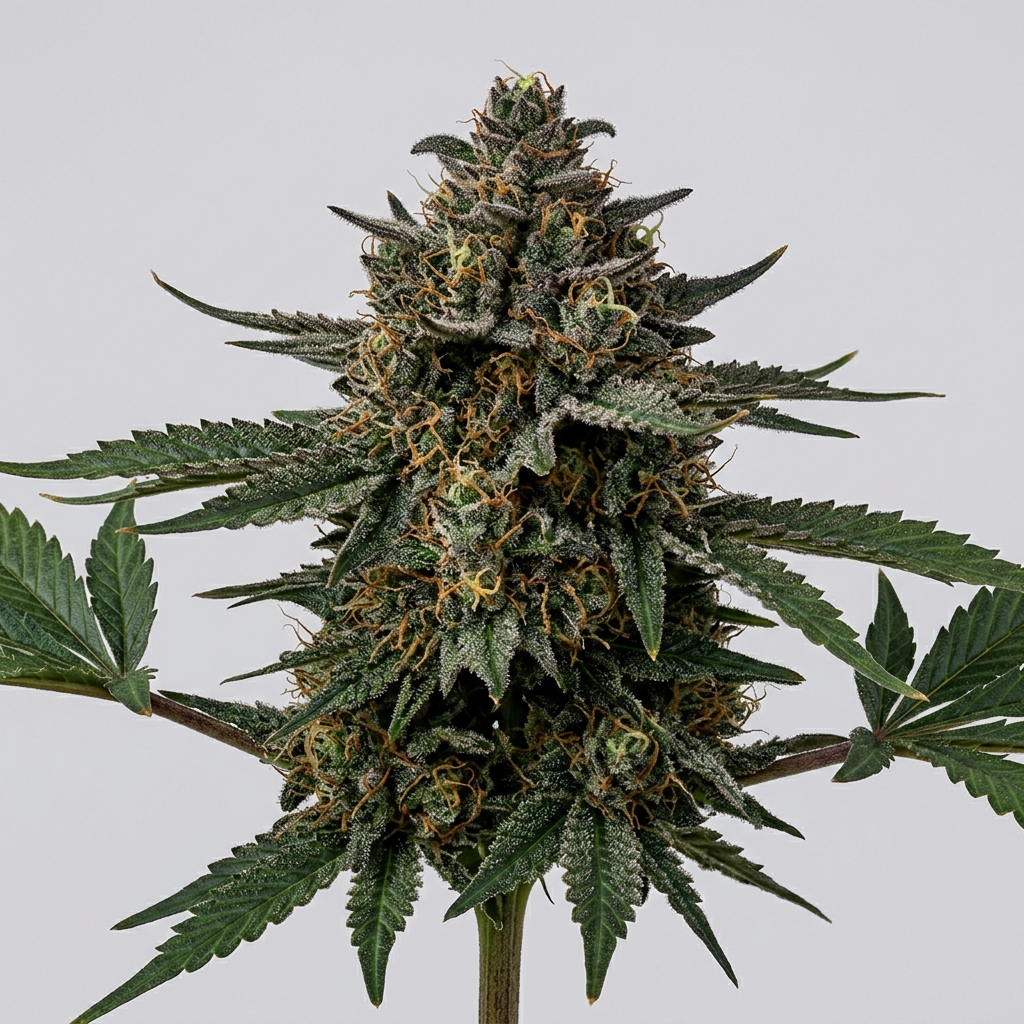
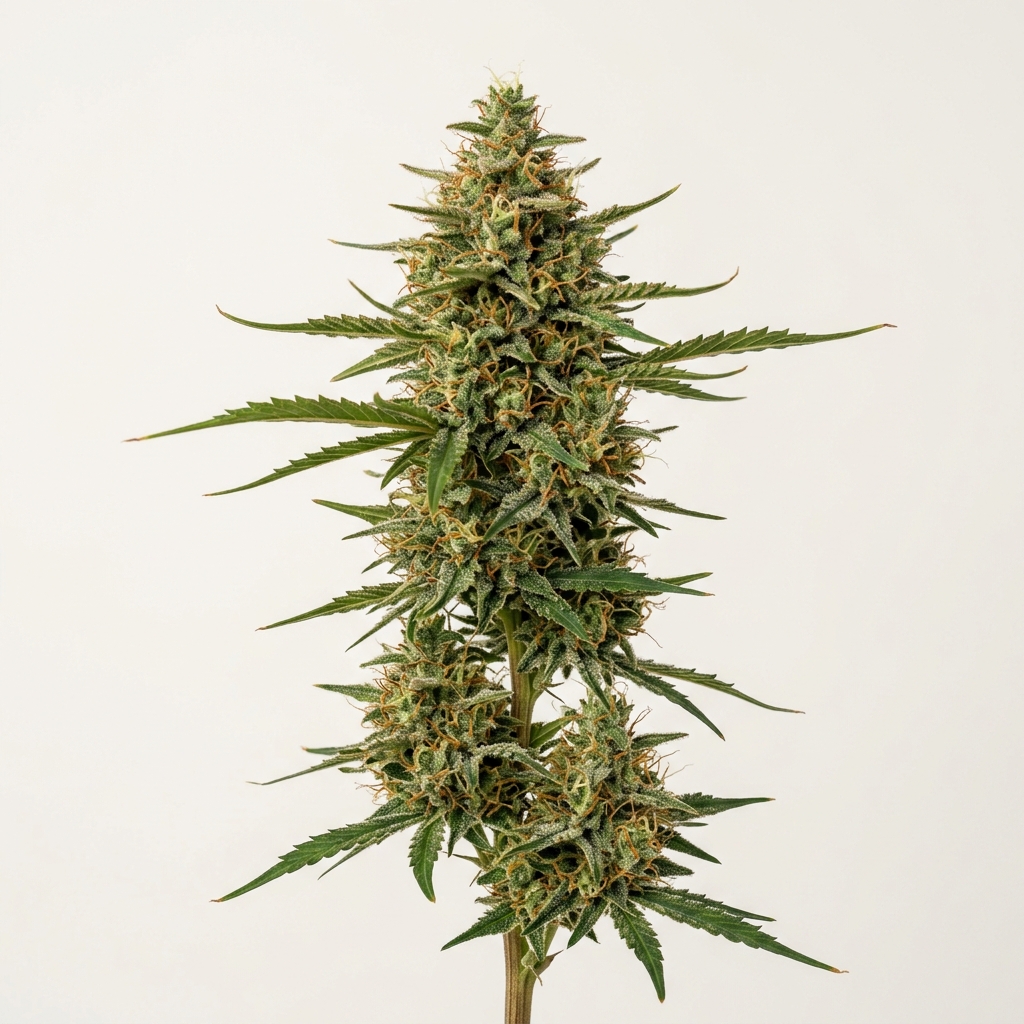
The plants display classic indica morphology with broad, dark green fan leaves and tight internodal spacing. As the flowering phase progresses, the heavy spear colas develop swollen calyxes that become completely coated in a greasy resin layer. Proper canopy management and late-flower humidity control are essential to support these dense, heavy-yielding clusters.
Quick Facts
| Fact | Details |
|---|---|
| Genetics | Hindu Kush × Malana |
| Variety | Indica-dominant hybrid (approx. 80% Indica / 20% Sativa) |
| THC Range | 18% – 24% |
| Flowering Time | 8 – 9 weeks |
| Yield Potential | Moderate to High |
| Plant Height | Short to Medium |
| Climate Preference | Temperate, dry climates with low humidity |
| Difficulty | Moderate |
Scientific & Botanical Overview
Botanically, Violator Kush shows a robust, squat growth profile characteristic of its pure Hindu Kush ancestry. The plant maintains a strong central stem with short, stiff lateral branches that easily support the weight of its heavy flowers. The dense foliage requires strategic defoliation to improve light penetration and airflow through the lower canopy.
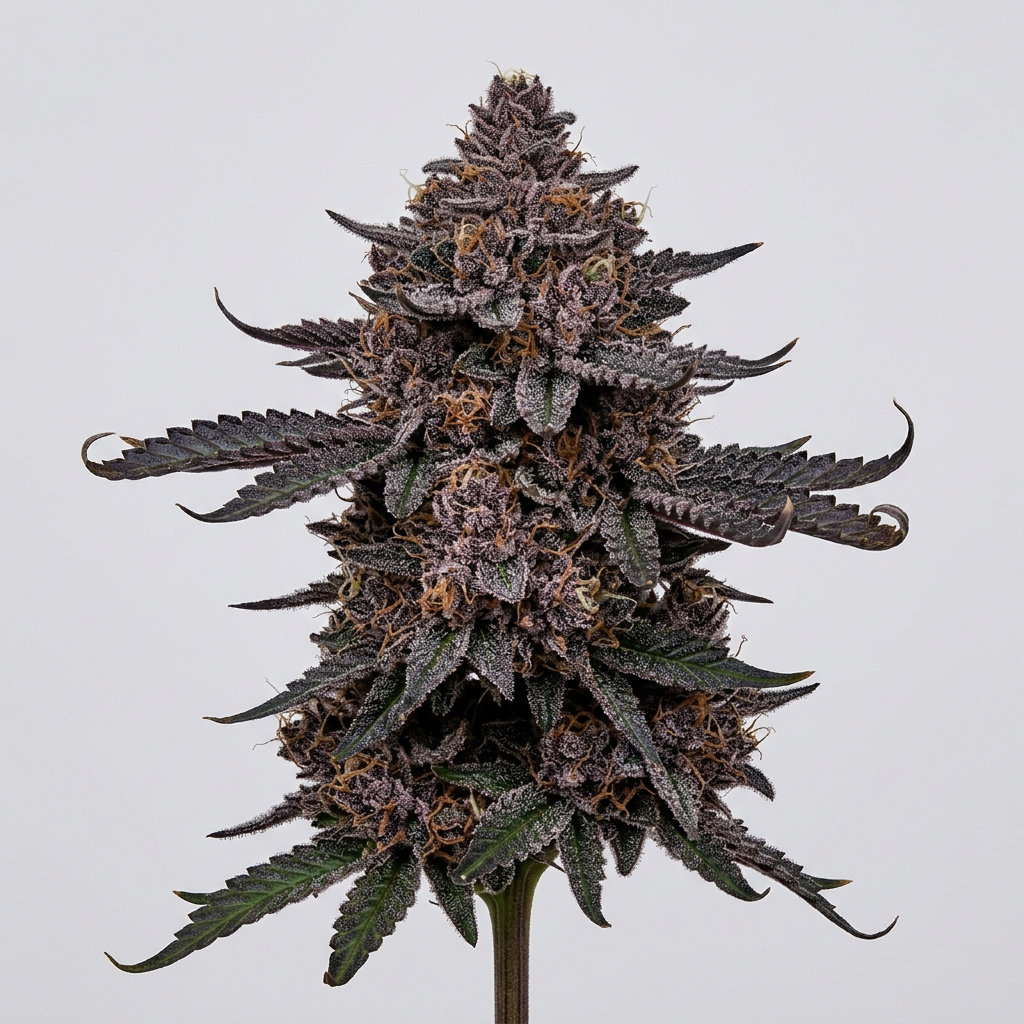
The trichome distribution on Violator Kush is exceptionally dense, covering not only the bracts and calyxes but also extending deep into the surrounding sugar leaves. This resin-heavy phenotype produces a high concentration of sesquiterpenes, contributing to the strain’s characteristically sticky, greasy texture during handling.
Under cooler night temperatures in late flower, some phenotypes may display deep forest green hues with subtle purple undertones. The pistils remain relatively short and turn a dark, burnt-orange color as the plant reaches peak maturity.
Effects & Use-Cases (Reported)
Commonly reported effects: Users frequently describe a heavy, deeply relaxing physical sensation that begins in the limbs and settles into a profound body stone. The initial onset is often accompanied by a calm, tranquil head space that gradually transitions into deep sedation.
Use-case context: Due to its heavy physical profile, this strain is best reserved for late evening or nighttime use. It is a popular choice for unwinding after physical exertion or preparing for restful sleep.
Note: Individual tolerance and dosage significantly influence the depth of the sedative effects, and novice consumers should approach this heavy indica-dominant cultivar with caution.
Aroma & Flavors
Aroma: The primary aroma is dominated by a pungent, earthy kush base, layered with notes of spicy mountain hash, musty damp soil, and a sharp pine finish.
Flavor: On the palate, it delivers a rich, herbal smoke with a distinct peppery spice and a subtle, sweet woodiness on the exhale.
Terpene associations: Analytical testing frequently associates this profile with high levels of myrcene, caryophyllene, and limonene.
Tested Cannabinoid & Terpene Ranges
| Compound | Typical Range |
|---|---|
| Δ9-THC | 18.0% – 24.0% |
| CBD | < 0.5% |
| Myrcene | 0.5% – 1.2% |
| Caryophyllene | 0.3% – 0.8% |
| Limonene | 0.2% – 0.6% |
Note: Cannabinoid and terpene levels are highly variable and depend on specific phenotype selection, cultivation methods, and curing practices.
Cultivation Notes
- Keep vegetative time moderate to manage the compact, bushy structure before transitioning to flower.
- Implement regular defoliation and lollipoping to maintain excellent airflow through the dense inner canopy.
- Maintain strict humidity control, keeping relative humidity below 45% during the final three weeks of flowering to prevent bud rot in the dense colas.
- Provide sturdy support, such as a trellis net, to assist the short branches as the heavy buds swell.
- Execute a thorough flush during the final 10 to 14 days to preserve the clean, spicy hash flavor profile.
Grower Notes (Week-by-Week Snapshot)
- Weeks 1–3 (Transition & Stretch): The plant undergoes a controlled stretch, typically doubling in height. Focus on selective leaf tucking and minor defoliation to expose lower bud sites to light.
- Weeks 4–6 (Bud Development & Resin): White pistils form dense clusters, and the first signs of greasy resin appear on the calyxes. Monitor nutrient intake closely, as the plant responds well to moderate phosphorus and potassium feeding.
- Weeks 7–9 (Ripening & Flush): Calyxes swell significantly, and the trichomes transition from clear to milky white. Lower the room temperature and humidity, and begin flushing with pure water once the pistils turn mostly orange.
- Post-Harvest (Slow Dry & Cure): Hang-dry the whole plant at 60°F (15°C) and 60% relative humidity for 10 to 14 days. A slow dry is essential to lock in the earthy terpene clarity and prevent a grassy smell.
Genetic Lineage
Violator Kush is a direct descendant of two highly respected landrace genetics: Hindu Kush and Malana. Hindu Kush, sourced from the rugged mountain range bordering Afghanistan and Pakistan, contributes the strain’s short, sturdy growth habits, dense bud structure, and deep, physical sedative qualities.
The second parent, Malana, is a legendary hand-rubbed charas strain from the high-altitude valleys of Northern India. This lineage introduces a unique resin-rich profile, adding a spicy, herbal complexity to the terpene profile and enhancing the overall resin production of the offspring.
Research Insights
Scientific interest in cultivars like Violator Kush often centers on the interaction between high concentrations of myrcene and beta-caryophyllene. These compounds are believed to work in tandem with the strain’s cannabinoid content, potentially enhancing the physical, muscle-relaxing properties through what is commonly described as the entourage effect.
From a breeding perspective, the combination of a pure Pakistani indica with an Indian landrace charas plant provides a highly stable genetic foundation. Breeders value this lineage for its predictable growth patterns, high resin gland density, and resistance to environmental stressors in temperate zones.
Frequently Asked Questions
Is Violator Kush suitable for outdoor cultivation?
Yes, but it requires a dry climate with low humidity during late summer and early autumn. Because of its exceptionally dense buds, late-season rain can easily lead to moisture retention and mold issues.
What is the typical flowering time for Violator Kush?
Indoor growers can expect Violator Kush to reach full maturity in 8 to 9 weeks, while outdoor harvests typically occur in late September to early October.
How tall does the plant grow?
Violator Kush is a short to medium-height plant that rarely stretches excessively, making it an excellent candidate for space-constrained indoor grow rooms or multi-tier setups.
What does Violator Kush smell like?
The strain has a very pungent, old-school aroma dominated by an earthy kush base, spicy mountain hash, and a fresh pine finish.
Educational Disclaimer
This article is for educational and informational purposes only. Local laws regarding cannabis cultivation and consumption vary widely, and readers should consult their regional regulations before attempting to grow or use this cultivar.
Rate and review this strain
Ratings and reviews are accepted only from signed-in Google accounts.
Sign in with Google to leave a rating and written review.
Latest Reviews
0 reviewsNo reviews yet. Be the first Google user to rate and review this strain.