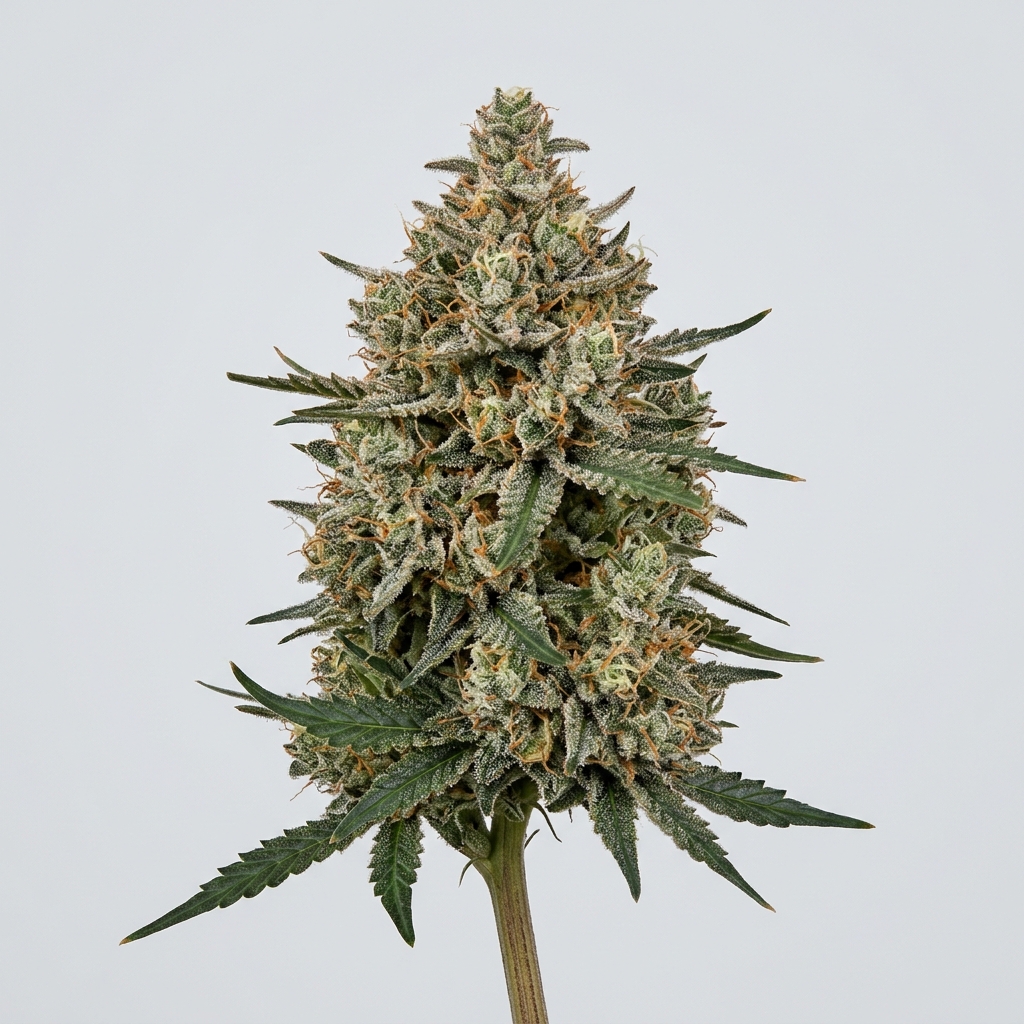
Vanilla Kush (Cannabis Strain)
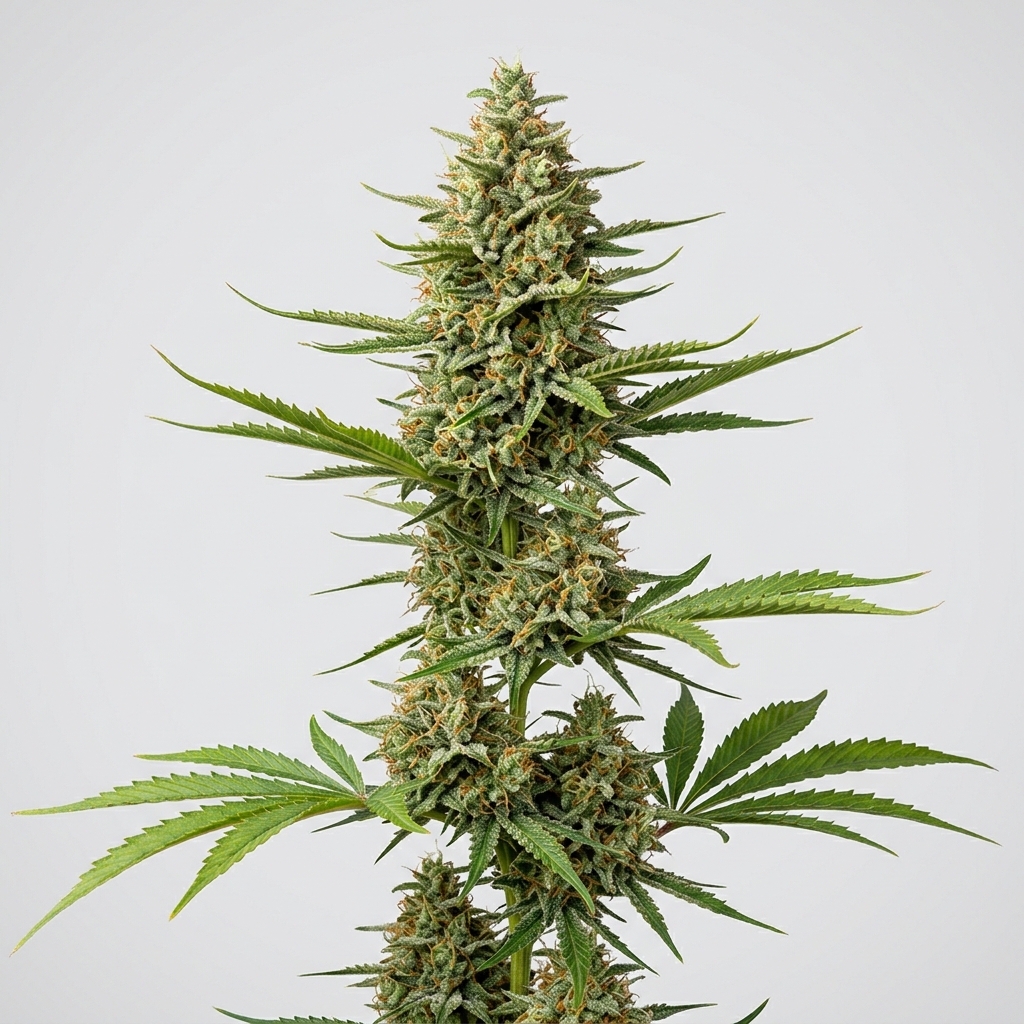
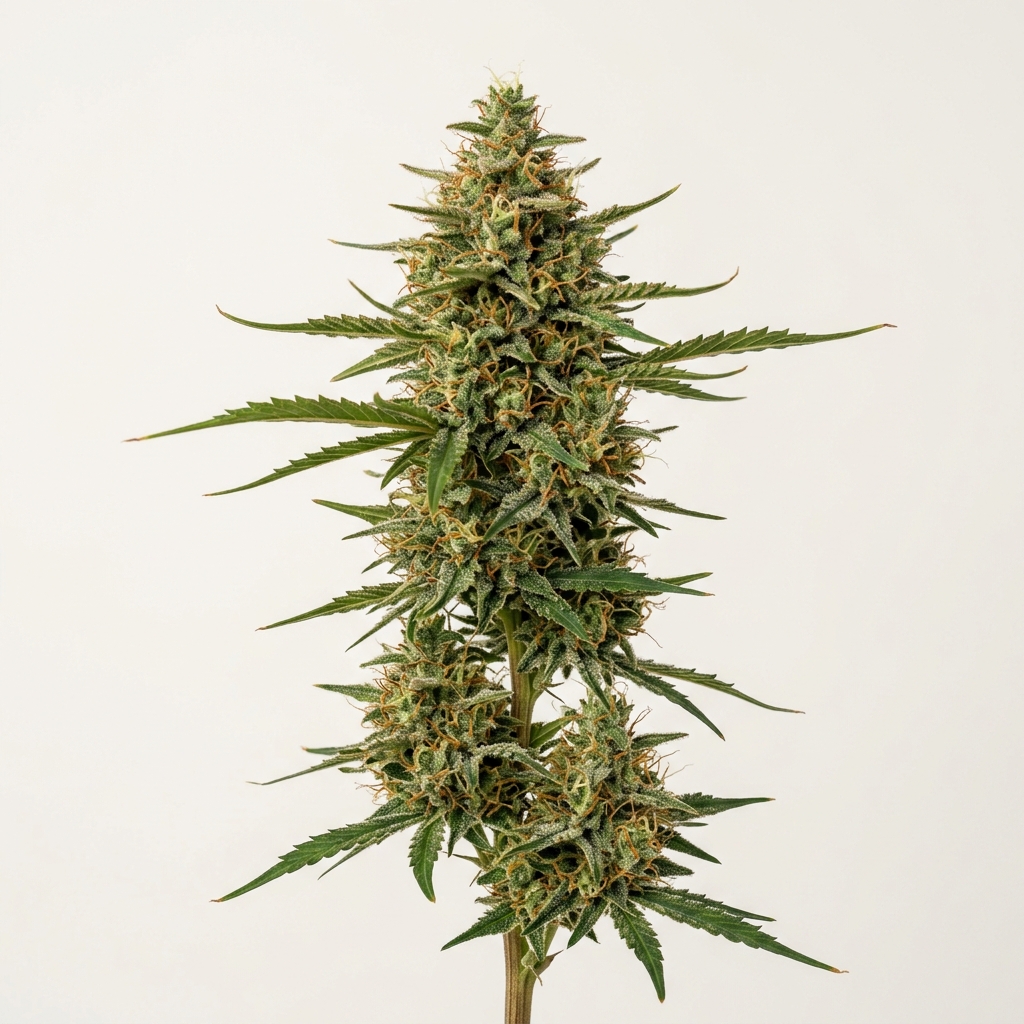
Vanilla Kush is a highly resinous, indica-dominant cultivar bred by crossing classic Afghan and Kashmir landrace genetics. Typically testing between 20% and 24% THC, this strain is celebrated for its dense, cone-shaped buds covered in a thick layer of greasy silver trichomes. The terpene profile leans heavily toward sweet vanilla, creamy lavender, and a deep, earthy kush undertone. Its compact growth habit and heavy lateral branching make it a favorite among growers seeking high-quality extraction-grade material from a manageable canopy.
The cultivar has earned a reputation for its deep physical relaxation and calm, quiet qualities. While it remains a staple in Dutch coffeeshops, contemporary cultivators appreciate its predictable growth cycle and exceptional resin coverage. It serves as an ideal choice for evening use or concentrate production.
Quick Facts
| Attribute | Details |
|---|---|
| Genetics | Afghan × Kashmir |
| Variety | Indica-dominant |
| THC Range | 20% – 24% |
| Flowering Time | 8 – 9 Weeks |
| Yield Potential | Moderate to High |
| Plant Height | Short to Medium |
| Climate Preference | Temperate, low humidity |
| Difficulty | Moderate |
Scientific & Botanical Overview
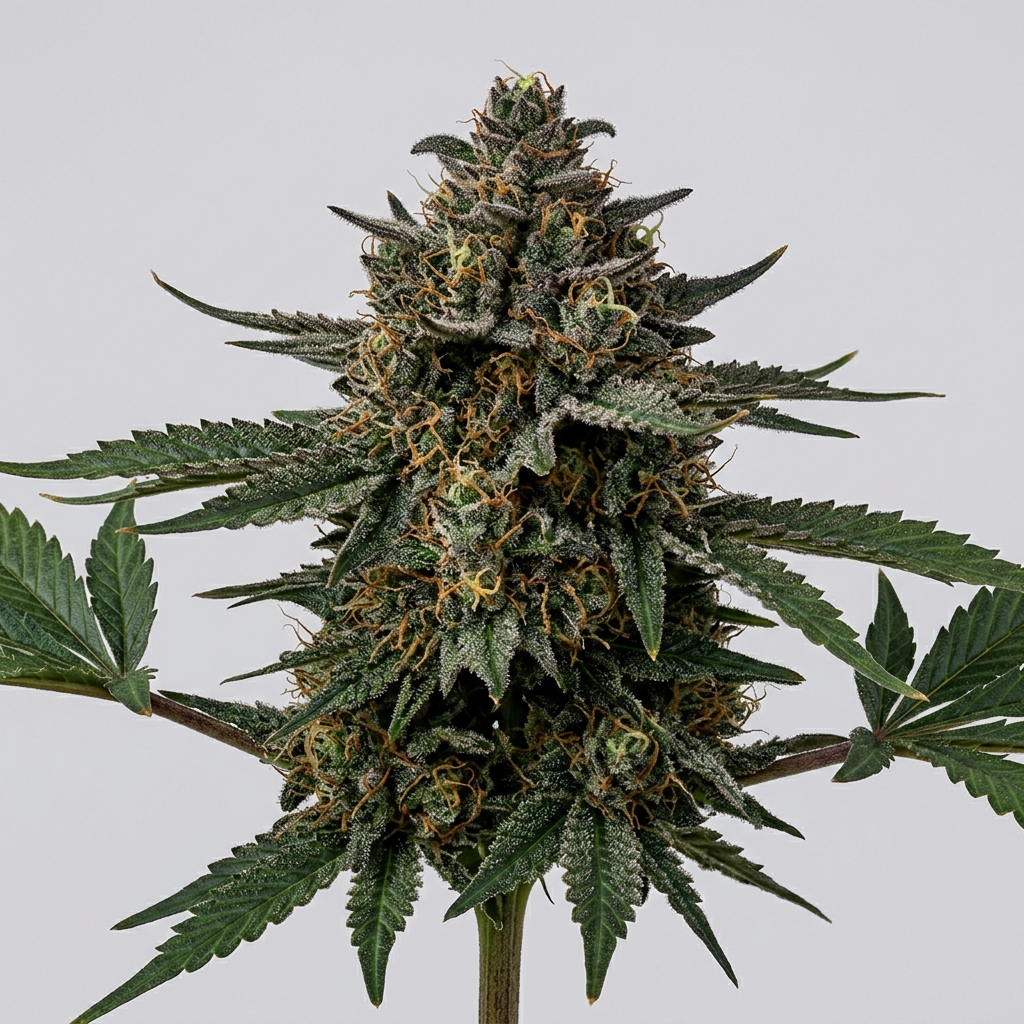
Vanilla Kush shows classic indica morphology, characterized by broad fan leaves, thick stems, and tight internodal spacing. The vegetative stage is stable, with the plant focusing its energy on building a sturdy, squat frame capable of supporting heavy terminal colas. This structural rigidity allows the plant to bear significant weight without requiring extensive support networks.
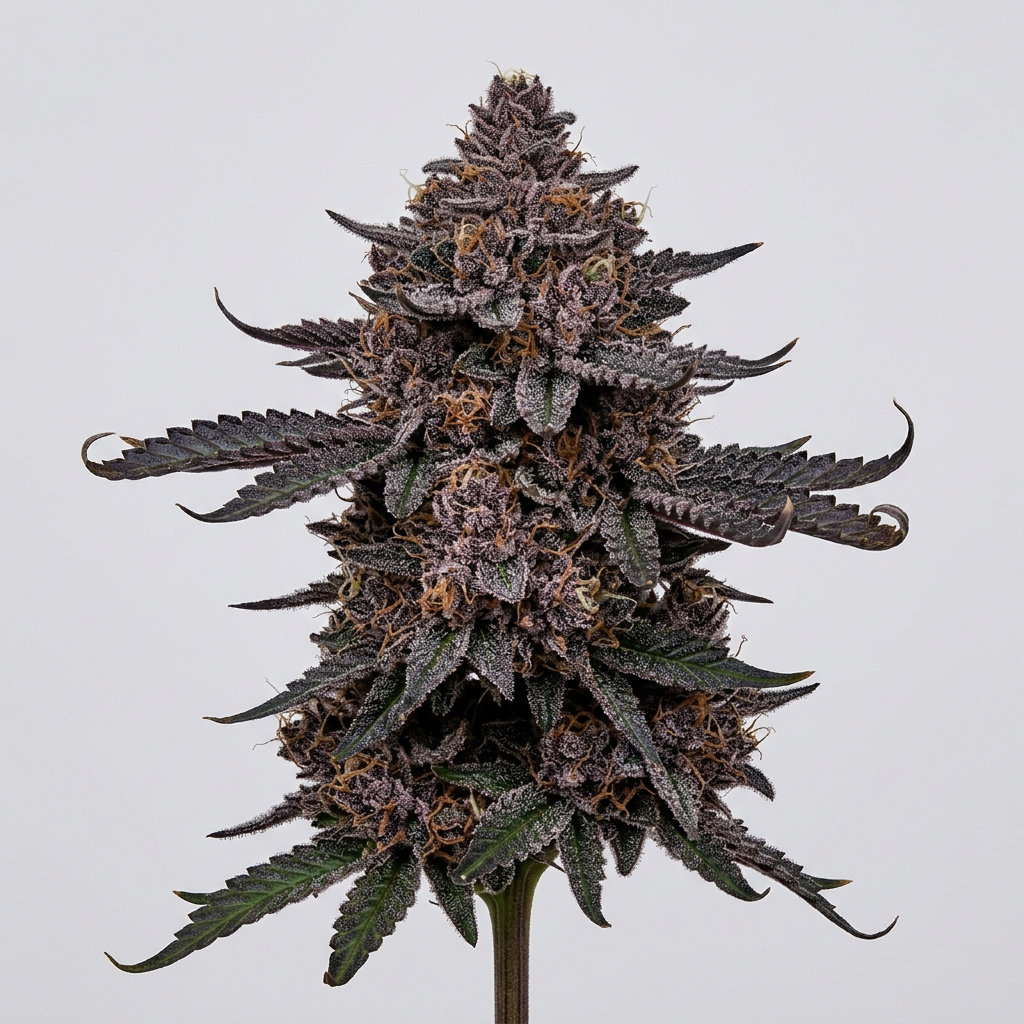
During the flowering cycle, the calyxes swell significantly, forming dense, compact clusters that minimize air space within the buds. The heavy resin production begins early in flower, coating the sugar leaves and bracts in a glassy, wet frost that turns amber as harvest approaches. The trichomes are primarily capitate-stalked, featuring large heads rich in essential oils.
Anthocyanin expression is common under cooler night temperatures, revealing subtle purple and deep green hues beneath the thick trichome blanket. The dense bud structure requires careful environmental monitoring to prevent moisture retention in the deep folds of the colas. Maintaining a clean canopy with adequate light penetration ensures uniform flower development.
Effects & Use-Cases (Reported)
Commonly reported effects: Deep physical relaxation, muscle ease, heavy-lidded sedation, and a calm, quiet mental space.
Use-case context: Best suited for evening or late-night consumption, wind-down routines, or quiet, low-energy activities.
Note: Individual tolerance and dosage significantly influence the onset and depth of physical sedation.
Aroma & Flavors
Aroma: Sweet vanilla bean, creamy custard, and toasted nuts, grounded by a sharp, musky earthiness.
Flavor: Smooth herbal smoke with a distinct vanilla sweetness on the inhale and a spicy, pine-tinged kush finish.
Terpene associations: Myrcene, caryophyllene, and limonene dominate the profile, with notable traces of linalool contributing to the floral sweetness.
Tested Cannabinoid & Terpene Ranges
| Compound | Tested Range |
|---|---|
| Δ9-THC | 20.0% – 24.0% |
| CBD | < 1.0% |
| Myrcene | 0.5% – 1.2% |
| Caryophyllene | 0.3% – 0.8% |
| Limonene | 0.2% – 0.6% |
| Linalool | 0.1% – 0.4% |
Note: Cannabinoid and terpene levels are highly variable and depend on specific cultivation practices, curing methods, and phenotype selection.
Cultivation Notes
- Humidity: Keep late-flower humidity below 45% to prevent mold within the exceptionally dense, resinous colas.
- Nutrition: Responds well to moderate feeding; avoid excess nitrogen during mid-to-late vegetative growth to prevent leaf curling.
- Training: use low-stress training (LST) or light defoliation to improve light penetration through the broad fan leaves.
- Airflow: Ensure robust ventilation and direct airflow beneath the canopy to mitigate stagnant air pockets.
- Harvest: Harvest when trichomes are mostly milky with roughly 10% to 15% amber for the optimal balance of flavor and sedation.
Grower Notes (Week-by-Week Snapshot)
- Weeks 1–3: The plant maintains a slow, controlled stretch. Focus on establishing a clean, flat canopy using light training while ensuring root zones remain well-oxygenated.
- Weeks 4–6: Calyxes begin to stack and resin production accelerates rapidly. A sweet, doughy aroma becomes noticeable, and the plant requires consistent potassium and phosphorus support.
- Weeks 7–9: Buds swell into dense, heavy spears. Reduce humidity levels, initiate a clean water flush to clear residual nutrients, and monitor trichome maturity closely.
Genetic Lineage
Vanilla Kush derives its robust structure and intense resin output from a select Afghan landrace, a strain known for its heavy physical traits and resistance to harsh climates. This maternal line provides the deep, earthy kush foundation and the compact, stocky growth habit. The landrace genetics ensure a highly reliable growth cycle with predictable physical traits.
The paternal influence comes from a unique Kashmir strain, which introduces the exotic, sweet vanilla and herbal notes that define the cultivar’s sensory profile. This combination yields a highly stable hybrid that preserves the resin-rich qualities of traditional hash plants while elevating the aromatic complexity. The resulting offspring consistently produce dense, fragrant flowers with high hash yields.
Research Insights
Analytical testing reveals a terpene profile dominated by myrcene and caryophyllene, which work together to produce the strain’s signature heavy physical profile. The presence of linalool, though in smaller quantities, contributes to the sweet, floral scent and enhances the overall calming effect. These compounds interact directly with the plant’s high cannabinoid content to deliver a deeply relaxing physical response.
The cultivar’s high concentration of resin glands makes it a subject of interest for extraction research. The physical structure of the trichomes allows for easy separation during dry-sifting or ice-water washing, yielding highly aromatic solventless concentrates. This high resin-to-plant-matter ratio makes it highly efficient for hash makers seeking quality yields.
Frequently Asked Questions
Is Vanilla Kush difficult to grow?
It is considered a moderate strain to cultivate. Its compact size makes it easy to manage indoors, but its dense buds require strict humidity control during late flower to avoid mold issues.
What does Vanilla Kush smell like?
The strain features a sweet, creamy vanilla aroma layered over a rich, earthy kush base with subtle hints of lavender and pine.
When is the best time to harvest Vanilla Kush?
Indoors, the flowering cycle typically finishes in 8 to 9 weeks. Harvest when the majority of the trichomes have transitioned from clear to a milky white, with a small percentage turning amber.
How does Vanilla Kush handle training?
It responds exceptionally well to low-stress training (LST) and topping. Because of its short internodes and broad fan leaves, regular defoliation is recommended to improve light penetration and airflow.
Educational Disclaimer
This article is for educational and informational purposes only. Local laws regarding cannabis cultivation and consumption vary widely, and readers must comply with their regional regulations.
Rate and review this strain
Ratings and reviews are accepted only from signed-in Google accounts.
Sign in with Google to leave a rating and written review.
Latest Reviews
0 reviewsNo reviews yet. Be the first Google user to rate and review this strain.