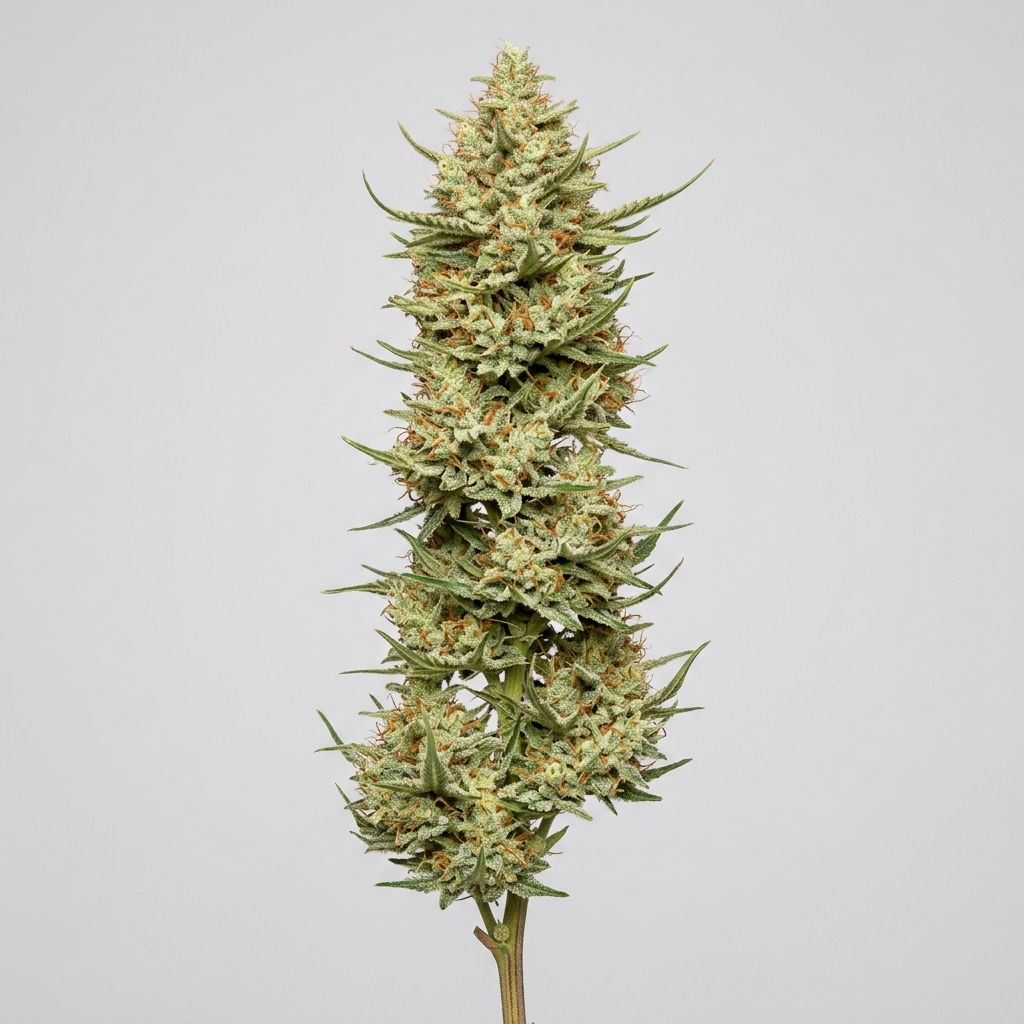
Laughing Buddha (Cannabis Strain)
Laughing Buddha is an award-winning sativa-dominant hybrid crossing landrace Thai and Jamaican
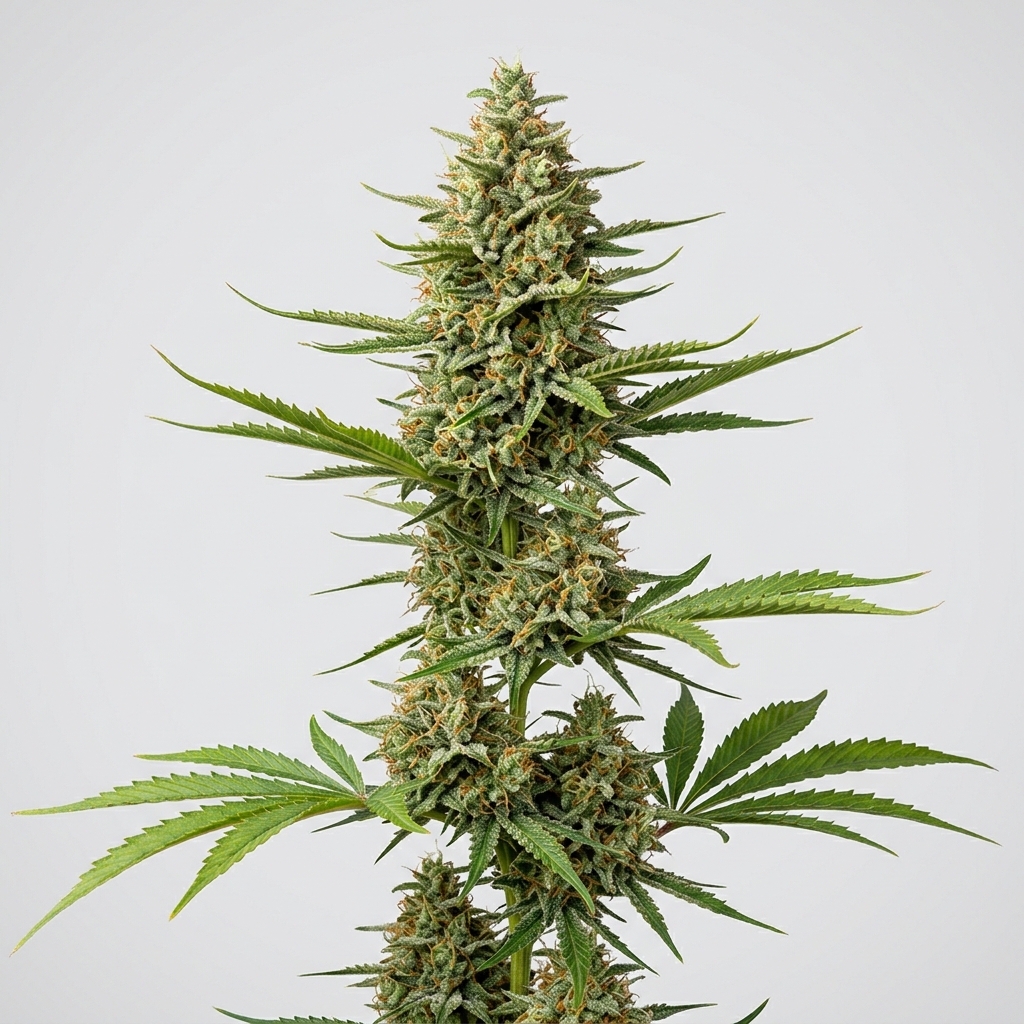
genetics, typically testing between 18% and 22% THC. This cultivar is highly regarded for its sweet, spicy tropical aroma, soaring energetic clarity, and massive, resin-frosted spear colas. While its wild sativa lineage drives a significant height stretch during early flower, the plant develops dense, heavy bracts that require structural support as harvest approaches.
Originally bred by Barney’s Farm, this strain captures the essence of classic landrace sativas while maintaining a manageable domestic flowering cycle. Cultivators prize it for its high yield potential and unique, terpene-rich resin that carries sharp herbal and citrus undertones.
Quick Facts
| Fact | Details |
|---|---|
| Genetics | Thai Sativa × Jamaican Sativa |
| Variety | Sativa-dominant hybrid |
| THC Range | 18.0% – 22.0% |
| Flowering Time | 10 – 12 weeks (70 – 85 days) |
| Yield Potential | High |
| Plant Height | Tall (significant stretch) |
| Climate Preference | Warm, semi-humid to dry late flower |
| Difficulty | Moderate to Experienced |
Scientific & Botanical Overview
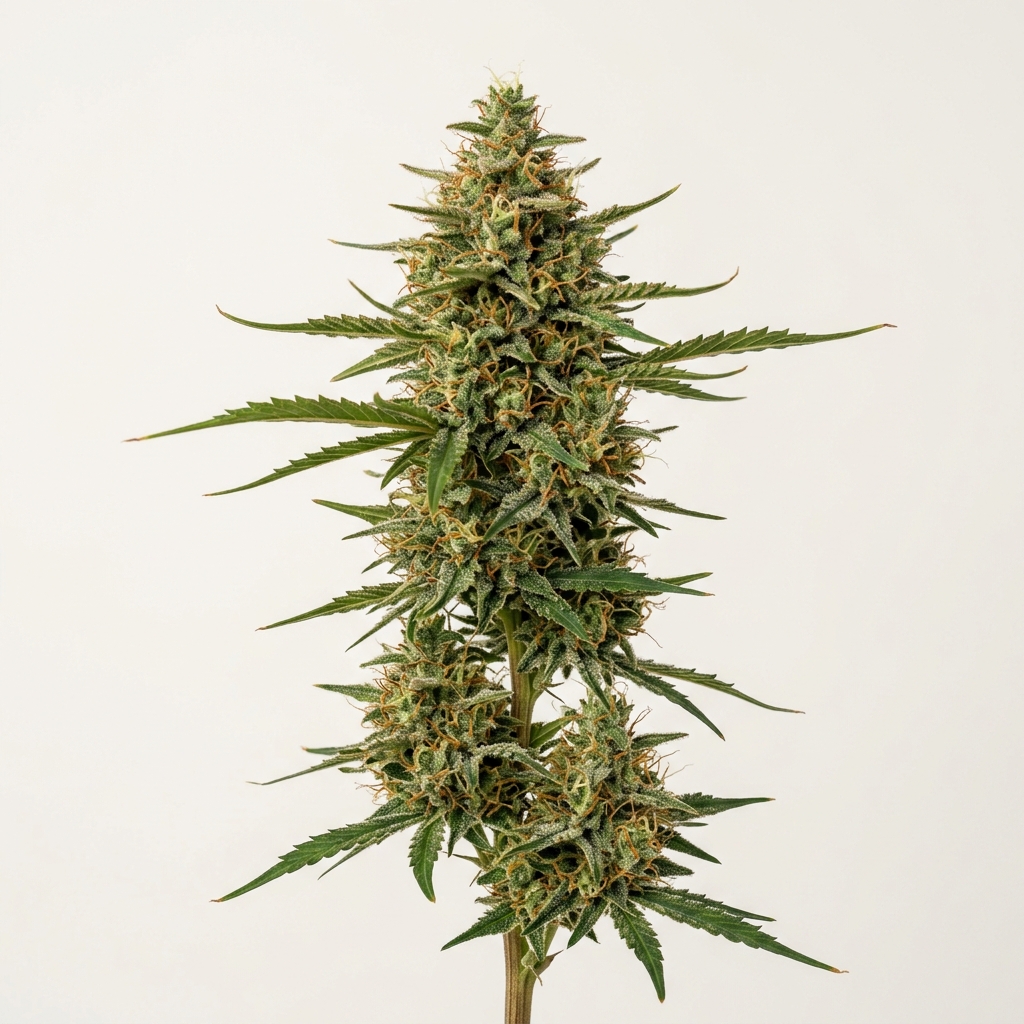
Laughing Buddha shows classic sativa morphology, characterized by long, slender branches, narrow fan leaves, and wide internodal spacing. As the plant transitions into flower, it undergoes a dramatic stretch that can easily double its vegetative height. Managing the canopy early is essential to prevent indoor plants from outgrowing vertical limits.
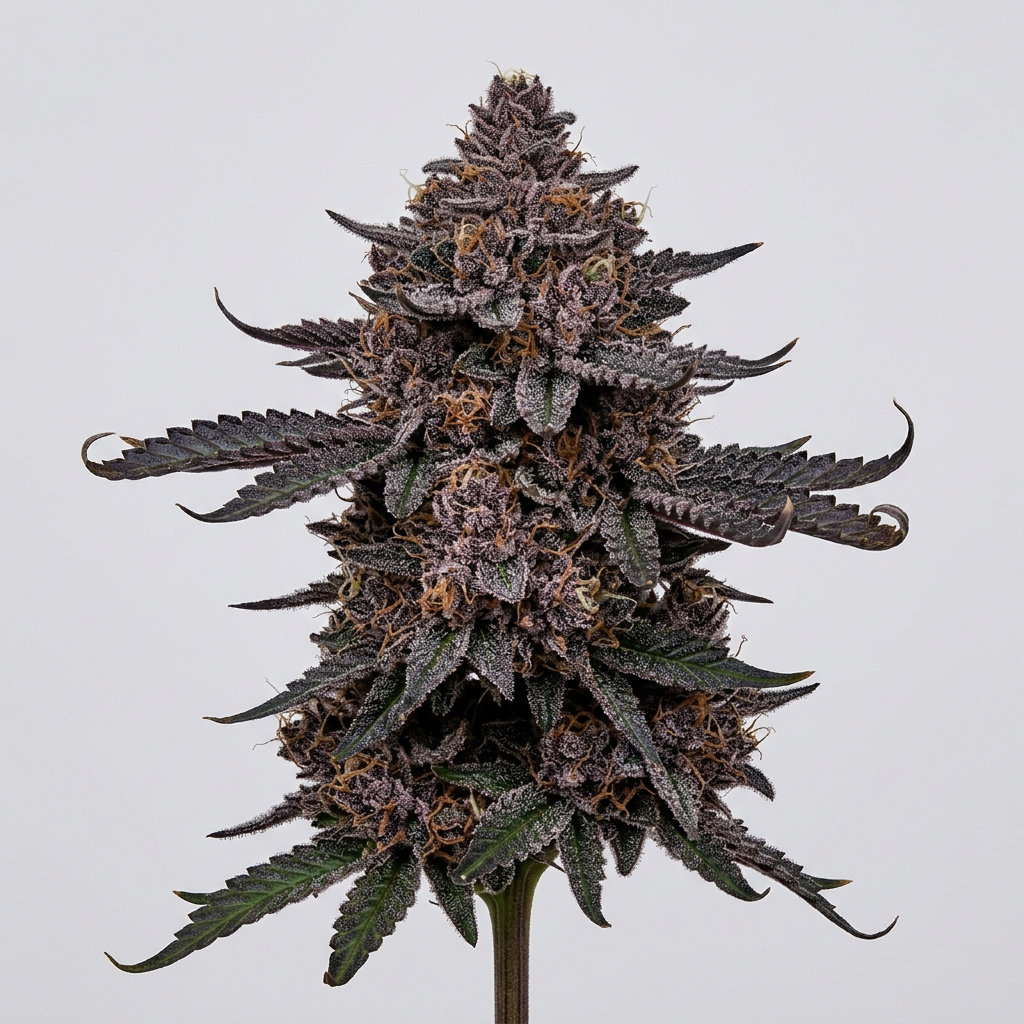
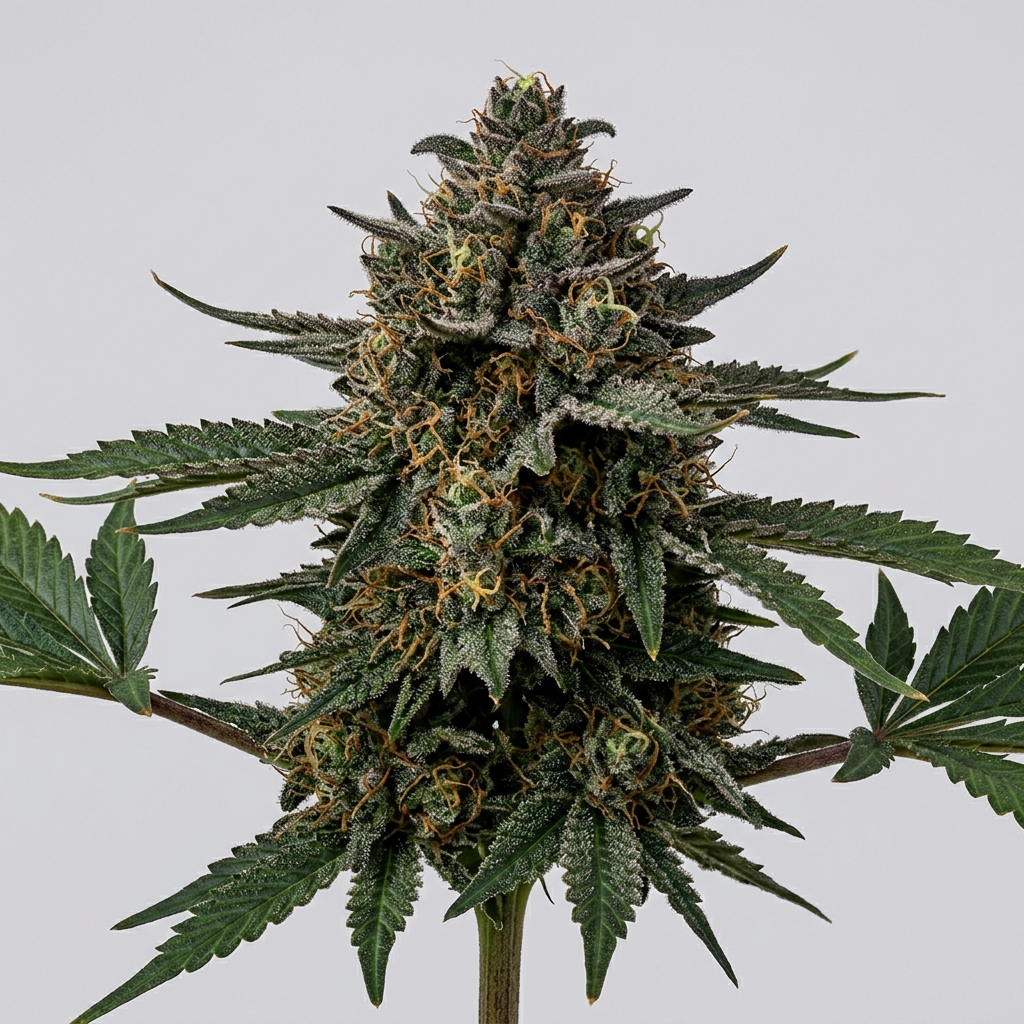
The floral structure consists of elongated, spear-shaped colas that run along the lateral branches. Unlike airy landrace sativas, these buds mature into dense, swollen calyxes packed tightly together, creating substantial weight. The pale green bracts are heavily coated in a wet frost of medium-sized trichomes.
Due to the density of these large colas, airflow management within the canopy is a critical botanical consideration. The plant produces a moderate leaf-to-bud ratio, allowing for decent light penetration, though strategic defoliation helps maintain consistent development across lower bud sites.
Effects & Use-Cases (Reported)
Commonly reported effects: Users frequently describe a rapid, soaring cerebral lift characterized by enhanced focus, giggly energy, and a bright sensory shift. The physical sensation remains light and functional, avoiding the heavy, grounding sedation typical of indica-heavy hybrids.
Use-case context: This profile makes the cultivar highly suited for daytime activities, creative projects, or social gatherings where mental clarity is desired. The upbeat, energetic nature of the high makes it a popular choice for morning or afternoon consumption.
Note: Individual tolerance and chemistry vary; higher doses of sativa-dominant landrace crosses can occasionally induce mild physical pacing or heightened alertness in sensitive individuals.
Aroma & Flavors
Aroma: The initial nose is dominated by a sharp citrus lift and sweet tropical fruit notes, backed by an earthy, herbal undertone. Breaking the dried buds releases a spicy, peppery kick reminiscent of its classic Thai heritage.
Flavor: On the palate, the smoke delivers a smooth, sweet herbal draw with a clean, roasted nut and mint finish. The exhale leaves a lingering, tart citrus and spice complexity that remains crisp.
Terpene associations: Analytical profiles typically show a dominance of myrcene, caryophyllene, and limonene, which drive the sweet, spicy, and citrus-forward sensory signature.
Tested Cannabinoid & Terpene Ranges
| Compound | Tested Range |
|---|---|
| Δ9-THC | 18.0% – 22.0% |
| CBD | < 0.2% |
| Myrcene | 0.4% – 0.8% |
| Caryophyllene | 0.3% – 0.6% |
| Limonene | 0.2% – 0.5% |
| Humulene | 0.1% – 0.3% |
Note: Cannabinoid and terpene levels are highly variable and depend on specific phenotype, environmental conditions, and cultivation methods.
Cultivation Notes
- Humidity: Keep relative humidity (RH) around 55-60% in early flower, dropping to 40-45% by late flower to protect the dense colas from moisture buildup.
- Nutrition: Prefers a moderate, steady nutrient regimen; avoid heavy nitrogen feeding during mid-to-late flower to prevent leaf burn and foxtailing.
- Training: use Low Stress Training (LST), topping, or a ScROG (Screen of Green) setup early in veg to control the dramatic vertical stretch.
- Harvest: Monitor trichomes closely; harvest when they are mostly milky white with about 10% amber to preserve the bright, energetic high.
- Phenotype management: Expect some variation in height; taller phenotypes require early staking or trellis netting to support the heavy, leaning branches.
Grower Notes (Week-by-Week Snapshot)
- Weeks 1–3 (Transition & Stretch): The plant undergoes rapid vertical growth. Ensure trellis nets are in place and tuck branches daily to establish an even canopy before the stretch slows.
- Weeks 4–6 (Bud Formation & Support): Spear colas begin to form along the branches. Add secondary support structures, such as bamboo stakes, as the sheer weight of the developing buds will start to bend the slender branches.
- Weeks 7–9 (Resin Swell): Trichome production intensifies, and the sweet, spicy aroma becomes highly pronounced. Keep airflow high and lower the humidity to protect the dense, swelling bracts.
- Weeks 10–12 (Ripening & Flush): The pistils turn deep orange, and the calyxes swell fully. Execute a clean water flush during the final 10–14 days to enhance the clean, smooth flavor profile before harvest.
Genetic Lineage
Laughing Buddha is a deliberate hybrid of two distinct landrace sativas: a pure Thai sativa and a selected Jamaican sativa. This combination brings together the soaring, long-lasting mental energy of Southeast Asian genetics with the sweet, tropical flavor profiles of Caribbean cultivars.
Bred by the renowned Barney’s Farm, the goal was to stabilize a sativa-dominant plant that delivers the legendary effects of its parents while refining the flowering time and bud density for modern indoor cultivation. The resulting hybrid has earned international acclaim, including a High Times Cannabis Cup win in 2003.
Research Insights
Phytochemical analysis of this cultivar highlights a rich concentration of monoterpenes, particularly myrcene and limonene, alongside sesquiterpenes like caryophyllene. This specific chemical arrangement supports the bright, uplifting sensory experience reported by consumers, showing how classic sativa terpene profiles interact with moderate-to-high THC levels.
From a breeding perspective, the hybrid shows how landrace genetics can be successfully adapted to indoor cultivation environments without losing their distinct physical and experiential qualities. The dense bud structure of Laughing Buddha represents an important step in sativa hybridization, offering a blueprint for high-yielding, sativa-dominant cultivars.
Frequently Asked Questions
Is Laughing Buddha suitable for beginner growers?
It can be challenging for absolute beginners due to its significant height stretch and long flowering period of 10 to 12 weeks. It requires active canopy management, training, and careful environmental control to prevent mold in its dense colas.
What does Laughing Buddha smell like?
The strain has a highly aromatic profile characterized by sweet, tropical fruit and sharp citrus notes, balanced by a distinct spicy, earthy, and herbal undertone upon grinding.
How long does Laughing Buddha take to flower?
This cultivar typically finishes its flowering cycle in 10 to 12 weeks (70 to 85 days) when grown indoors, which is relatively fast for a strain with such strong landrace sativa lineage.
Does this strain require physical support during growth?
Yes. Due to its slender sativa branches and surprisingly heavy, dense spear colas, the plant almost always requires bamboo stakes or trellis netting to prevent branches from snapping under their own weight in late flower.
Educational Disclaimer
This article is intended purely for educational and informational purposes. Cultivation and consumption of cannabis are subject to varying legal regulations depending on jurisdiction. Always consult local laws and guidelines prior to handling or consuming cannabis products.
Rate and review this strain
Ratings and reviews are accepted only from signed-in Google accounts.
Sign in with Google to leave a rating and written review.
Latest Reviews
0 reviewsNo reviews yet. Be the first Google user to rate and review this strain.