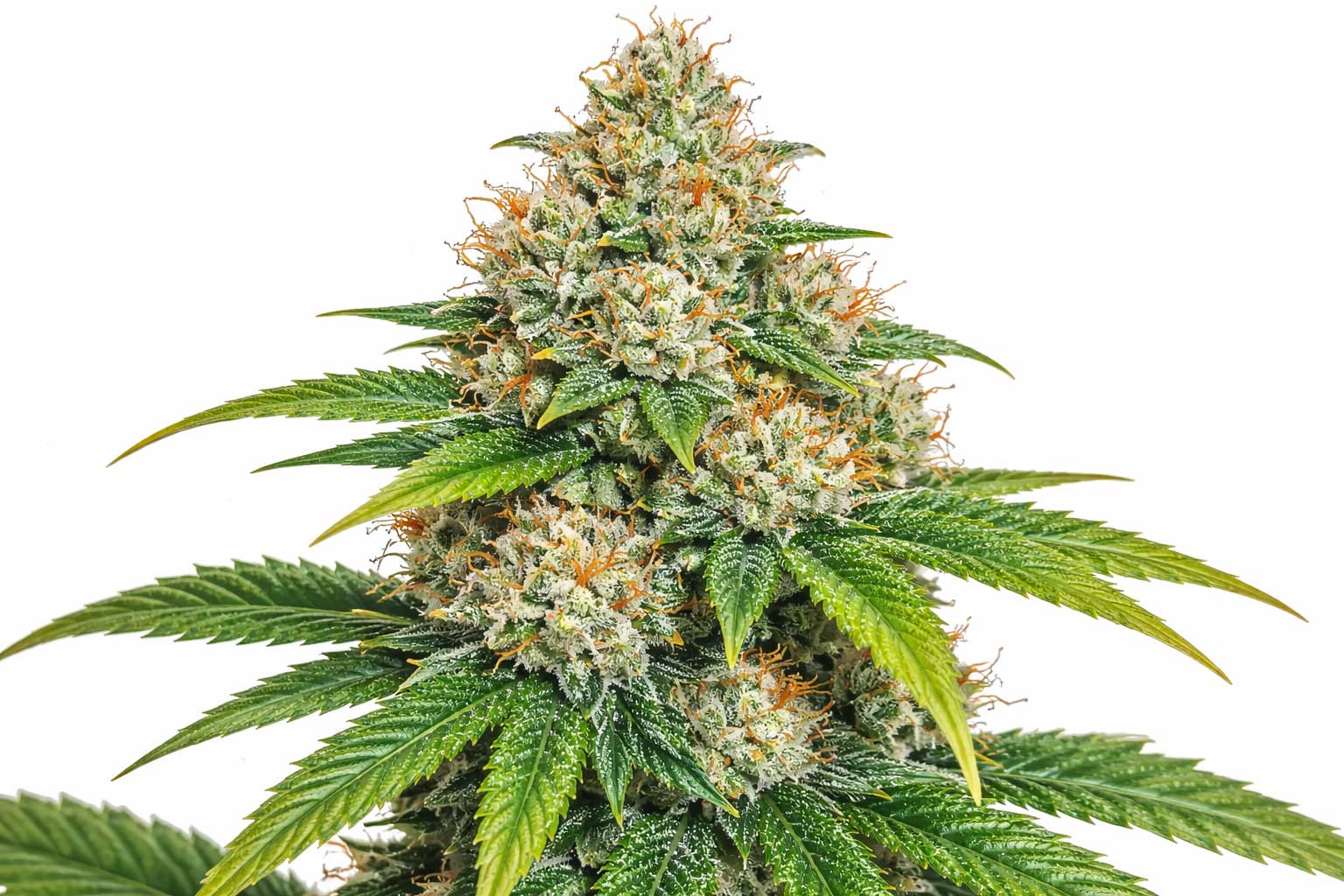
Skunk #1 (Cannabis Strain)
Skunk #1 is a foundational balanced hybrid, typically testing between 15% and 19% THC, bred from a classic three-way cross of Afghan, Acapulco Gold, and Colombian Gold. This historic cultivar is defined by its pungent, musky-sweet aroma, greasy resin coverage, and a highly uniform, vigorous growth structure. Known for its reliable performance in almost any medium, it delivers a bright, sensory-focused lift paired with a smooth physical finish.
Originally stabilized in the late 1970s, this strain fundamentally changed the landscape of indoor cultivation. It remains a vital genetic backbone for modern breeding, favored for its predictable growth patterns and classic, old-school profile.
Quick Facts
| Feature | Details |
|---|---|
| Genetics | Afghan × Acapulco Gold × Colombian Gold |
| Variety | Balanced Hybrid |
| THC Range | 15%–19% |
| Flowering Time | 8–9 weeks (56–63 days) |
| Yield Potential | 500–600 g/m² (High) |
| Plant Height | 110–150 cm (Moderate stretch) |
| Climate Preference | Temperate / Controlled Indoor |
| Difficulty | Beginner |
Scientific & Botanical Overview
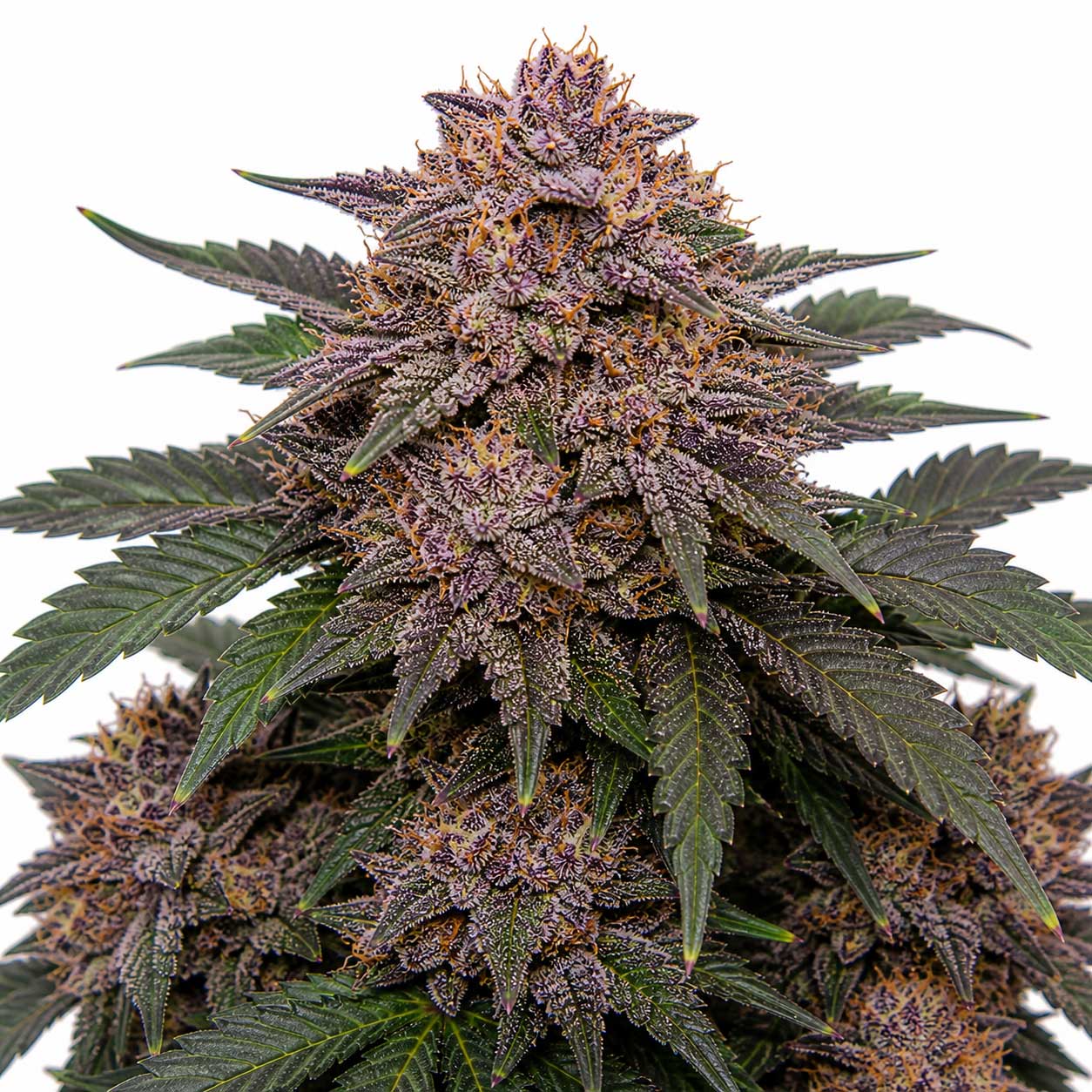
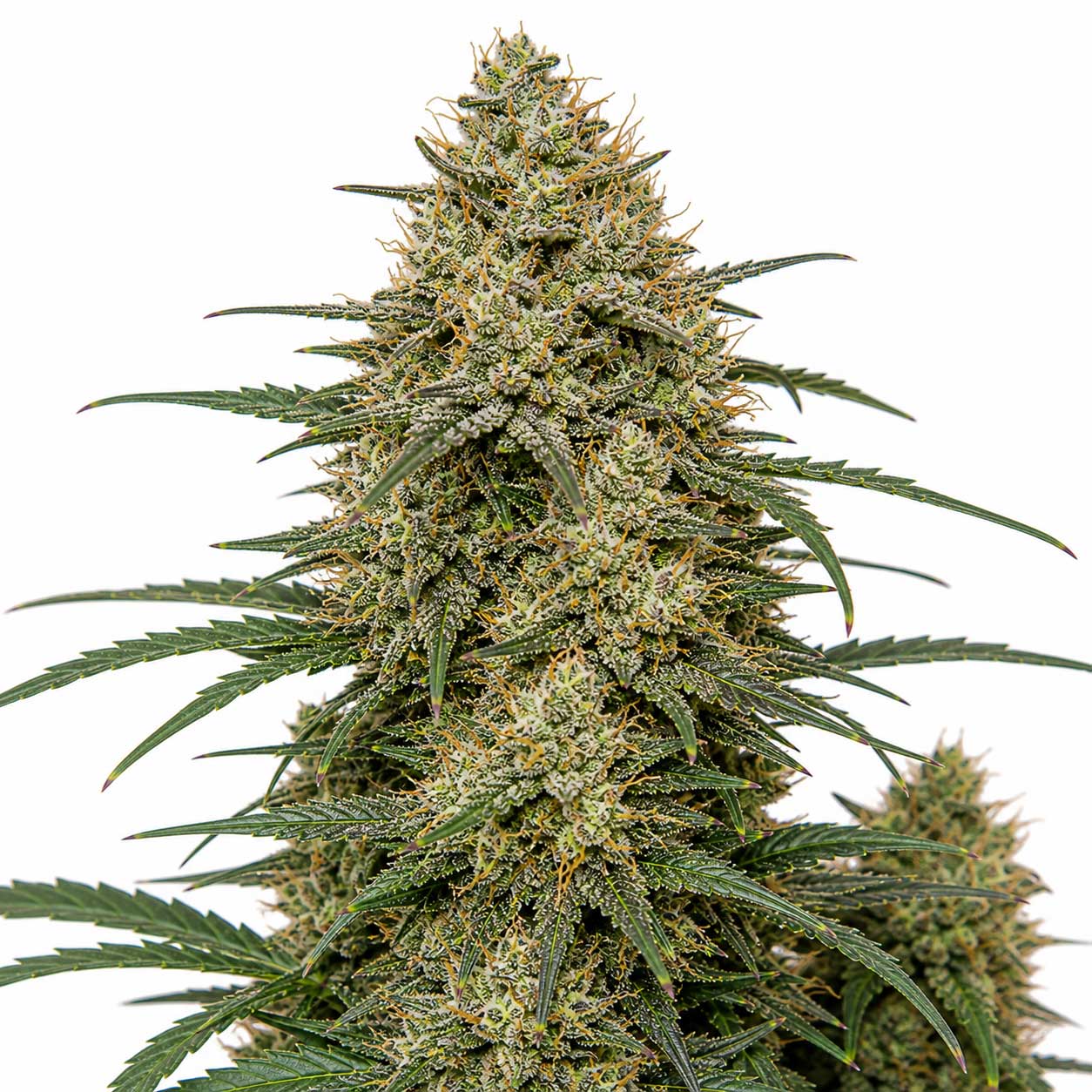
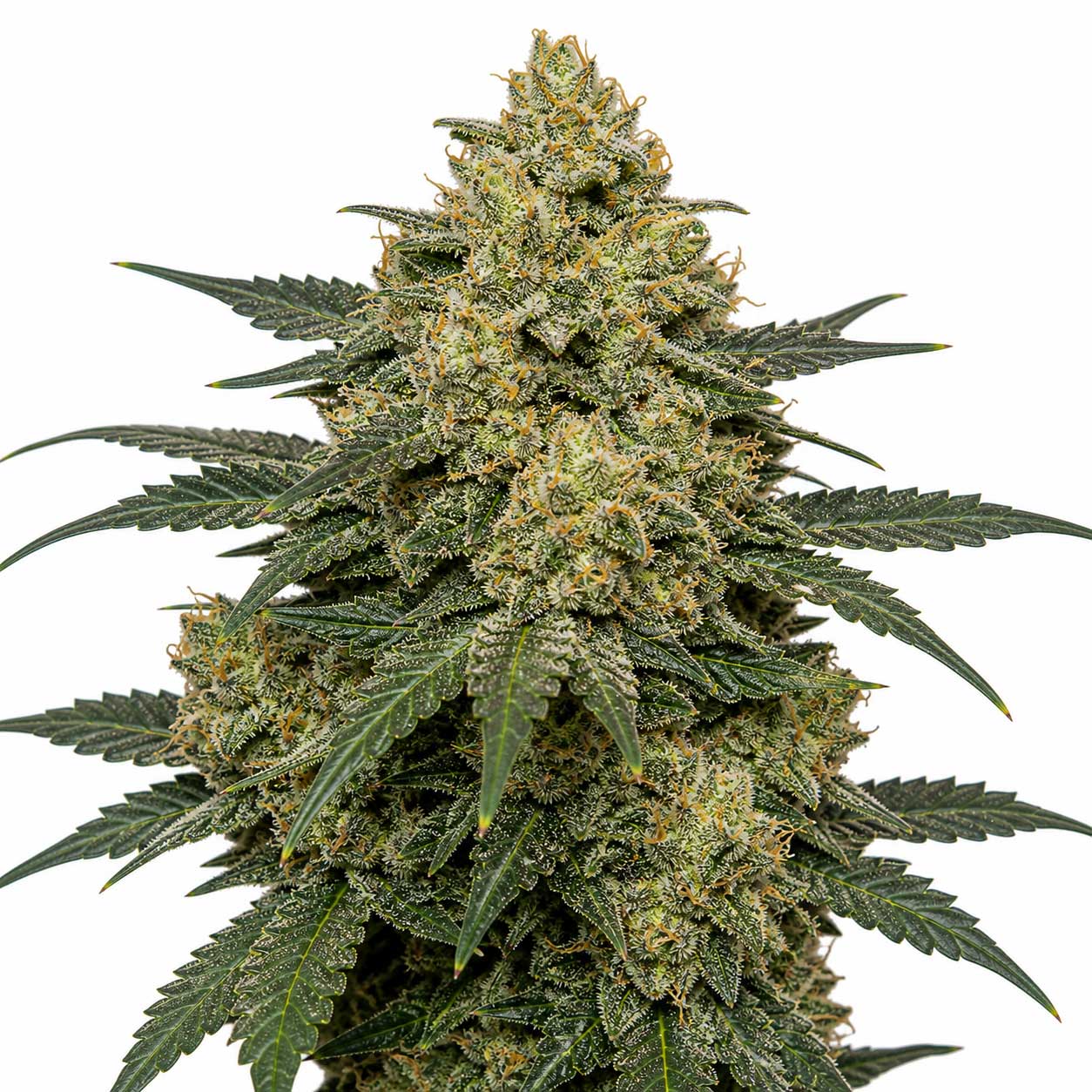
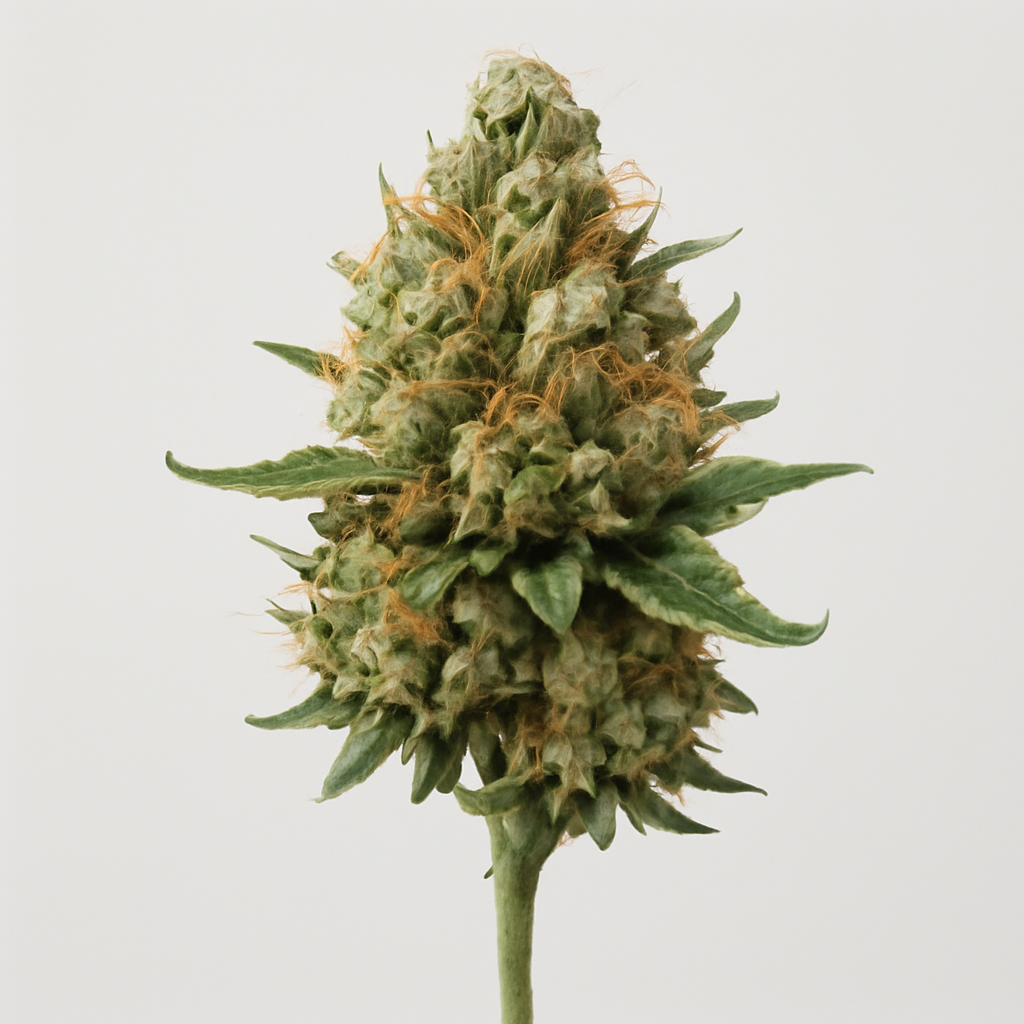
Skunk #1 develops thick, spear-shaped colas with a high calyx-to-leaf ratio that simplifies the trimming process. The flowers show off a vibrant lime-green hue accented by thin, burnt-orange pistils. A heavy layer of silver, wet-looking trichomes coats the dense bracts as they mature.
Botanically, the plant is highly resilient, showing strong lateral branching and short internodal spacing that supports its heavy flower load. Its genetic stability means that different phenotypes express remarkably consistent growth habits and terpene profiles.
The cultivar is characterized by its high production of monoterpenes, particularly myrcene and limonene, which drive its sharp, sharp-citrus and earthy-musk profile. This combination sets it apart from modern, dessert-style hybrids that lean heavily into pure sugar or dough notes.
Effects & Use-Cases (Reported)
Commonly reported effects: A quick, clear cerebral lift often accompanied by enhanced sensory perception and a steady, grounding physical warmth.
Use-case context: This hybrid is well-suited for daytime activities, creative projects, or social gatherings where mental clarity and physical comfort are desired.
Note: These observations are based on anecdotal reports and are not intended as medical advice.
Aroma & Flavors
Aroma: A sharp blend of pungent skunk, damp earth, sweet citrus, and a subtle herbal spice.
Flavor: The smoke carries a savory, zesty citrus profile on the inhale, leaving a smooth, earthy, and slightly peppery finish on the exhale.
Terpene associations:
Myrcene, Limonene, Caryophyllene, and Pinene.
Tested Cannabinoid & Terpene Ranges
| Compound | Typical Range* | Notes |
|---|---|---|
| Δ9-THC | 15.0%–19.0% | Consistent, functional potency profile. |
| CBG | 1.0%–2.0% | Often associated with focused mental clarity. |
| Myrcene | 0.8%–1.4% | Drives the earthy-musk aroma and grounding physical finish. |
| Limonene | 0.5%–0.9% | Contributes to the sharp citrus lift. |
| Pinene | 0.3%–0.6% | Supports mental alertness and herbal freshness. |
*Ranges are literature-informed references for high-quality harvests and may vary based on phenotype, cultivation environment, and analytical testing methods.
Cultivation Notes
- Humidity: Maintain relative humidity between 45% and 50% during the final three weeks of flowering to prevent moisture retention in the dense colas.
- Nutrition: Responds well to moderate feeding, requiring a steady supply of phosphorus and potassium as the flower sites begin to swell.
- Training: Topping and low-stress training are highly effective for managing the initial stretch and encouraging an even canopy.
- Harvest: Outdoors, the plants are typically ready for harvest by mid-October in the Northern Hemisphere.
- Phenotype Management: Keep air circulation high throughout the canopy, as the heavy spear colas require constant airflow to thrive.
Grower Notes (Week-by-Week Snapshot)
- Weeks 1–3 (The Stretch): Plants undergo a moderate, controlled stretch, establishing a strong structural frame with sturdy lateral branches.
- Weeks 4–6 (Flower Development): Flower sites multiply rapidly, and the first signs of greasy resin appear alongside a rising sweet-skunk aroma.
- Weeks 7–9 (The Ripening): Calyxes swell significantly, trichome heads turn milky, and the pungent, musky aroma intensifies as the plants reach full maturity.
Genetic Lineage
The lineage of Skunk #1 is a masterclass in landrace hybridization, combining genetics from South America and Asia. The cross of Afghan indica with Acapulco Gold and Colombian Gold sativas created a plant that combined the short flowering time of an indica with the uplifting qualities of a sativa.
This genetic blueprint was stabilized over multiple generations, resulting in the first reliable, uniform hybrid seed line. Today, it serves as the direct ancestor for legendary families like Cheese, Super Silver Haze, and countless others.
Research Insights
Analytical testing of Skunk #1 reveals a balanced chemical profile where THC levels remain moderate, allowing minor cannabinoids like CBG to influence the overall experience. The high concentration of myrcene works in tandem with limonene to modulate the onset, providing a clear-headed focus rather than heavy sedation.
Breeders frequently utilize this cultivar in breeding programs due to its homozygous traits, which reliably pass down vigor, yield, and pest resistance to offspring. Its terpene profile serves as a benchmark for studying the genetic inheritance of volatile sulfur compounds in cannabis.
Frequently Asked Questions
Is Skunk #1 easy for beginners to grow?
Yes, it is highly regarded as one of the most forgiving strains for novice growers due to its extreme genetic stability and high resistance to common pests and mold.
What does Skunk #1 smell like?
It has a famously loud aroma that blends sharp, sour skunk with sweet citrus, wet earth, and subtle herbal spices.
How long does Skunk #1 take to flower?
Indoors, the strain typically finishes flowering in 8 to 9 weeks, while outdoor plants are ready for harvest by mid-October.
What are the primary terpenes in Skunk #1?
The dominant terpenes are myrcene, limonene, and caryophyllene, which together create its pungent, earthy, and citrusy profile.
Educational Disclaimer
This content is provided strictly for educational and botanical reference purposes. It does not constitute medical advice or encourage the illegal cultivation or consumption of controlled substances.
Rate and review this strain
Ratings and reviews are accepted only from signed-in Google accounts.
Sign in with Google to leave a rating and written review.
Latest Reviews
0 reviewsNo reviews yet. Be the first Google user to rate and review this strain.