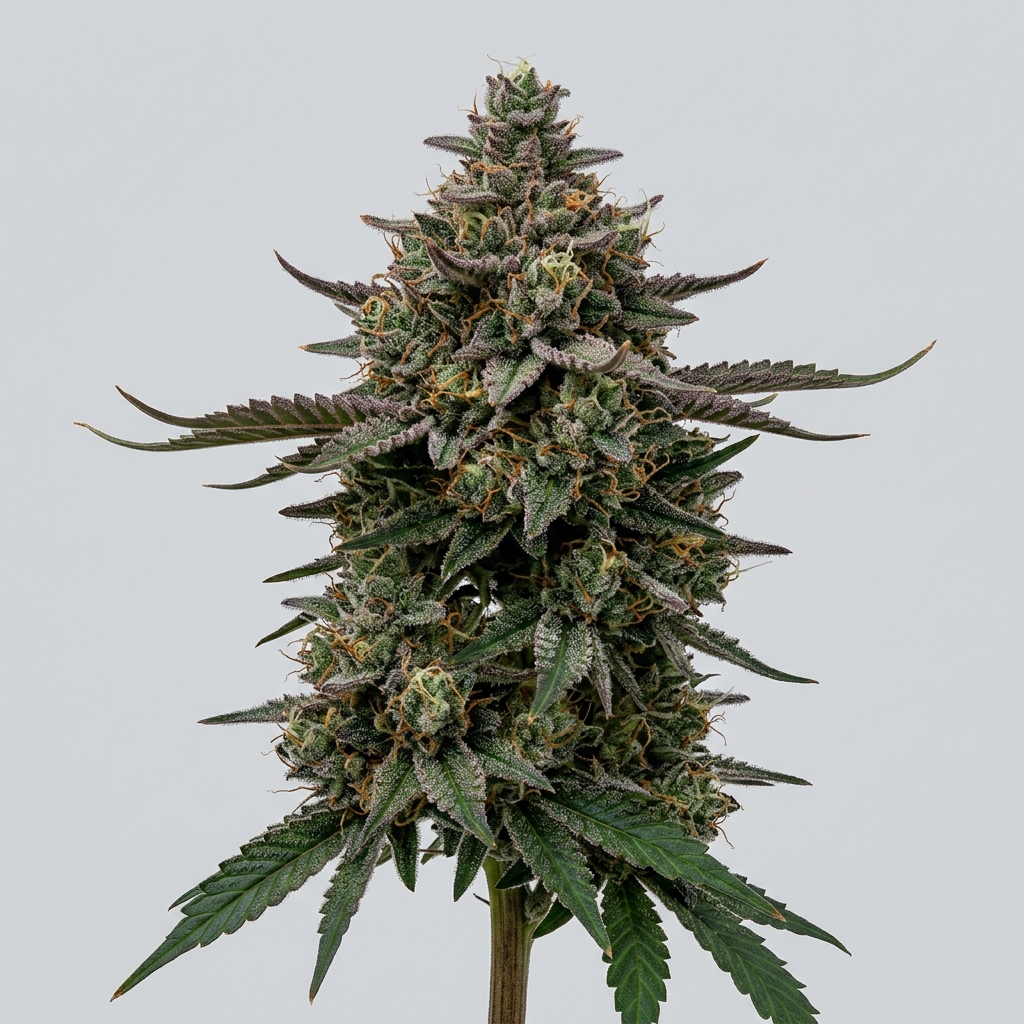
White Tahoe Cookies (Cannabis Strain)
White Tahoe Cookies is an indica-dominant hybrid typically testing between 20% and 27% THC, created by crossing The White, Tahoe OG, and the classic Girl Scout Cookies Forum Cut. This cultivar is highly regarded for its sweet dough and earthy kush profile punctuated by a sharp fuel finish, delivering a heavy evening experience. It produces compact, slow-stretching plants characterized by tight internodes and dense, resin-rich flowers that develop an abundance of wet frost early in the bloom cycle.
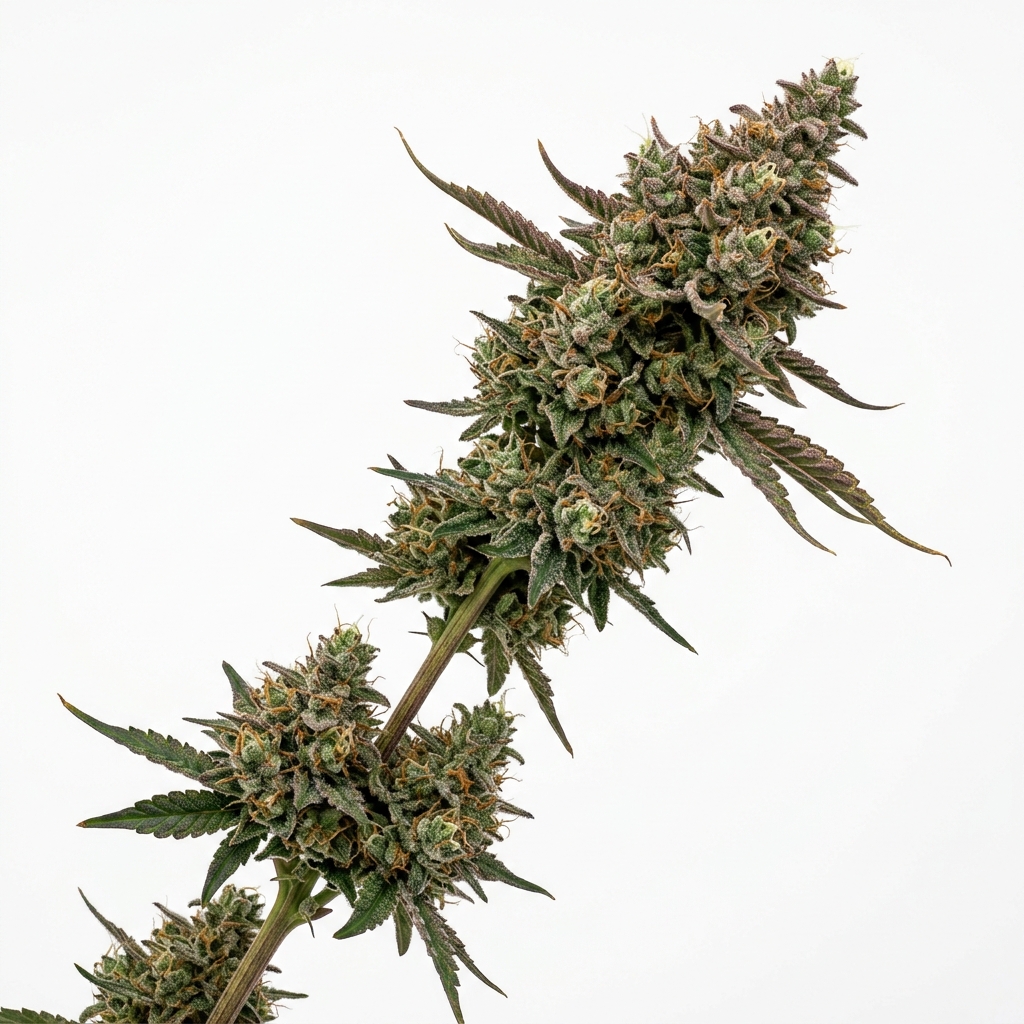
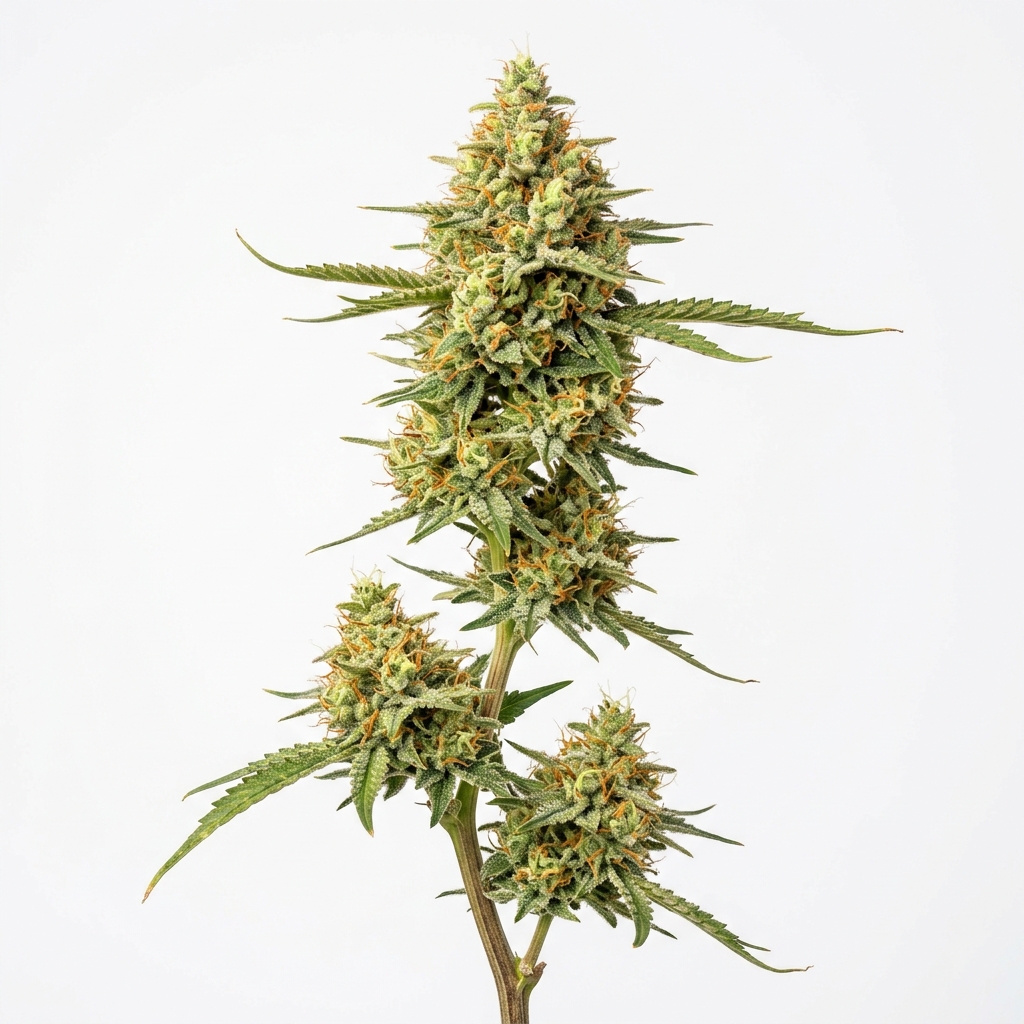
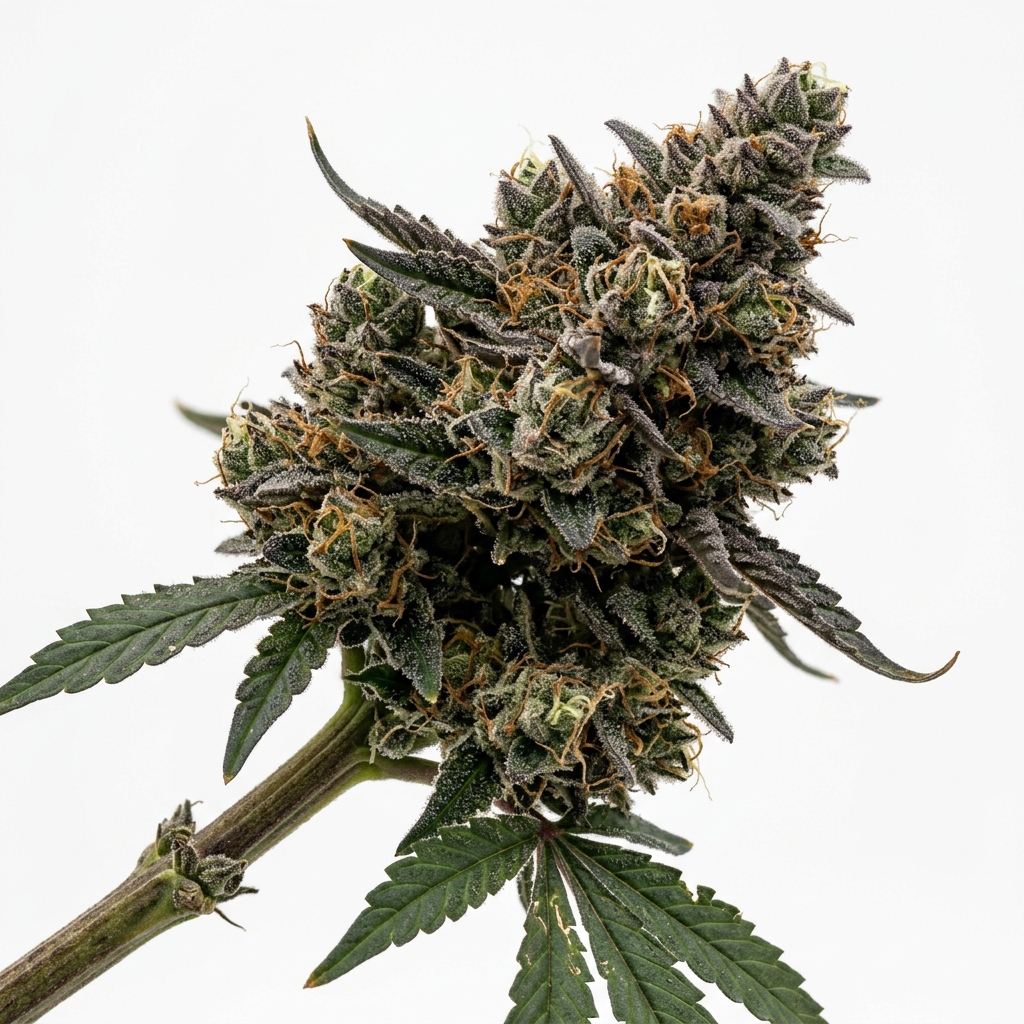
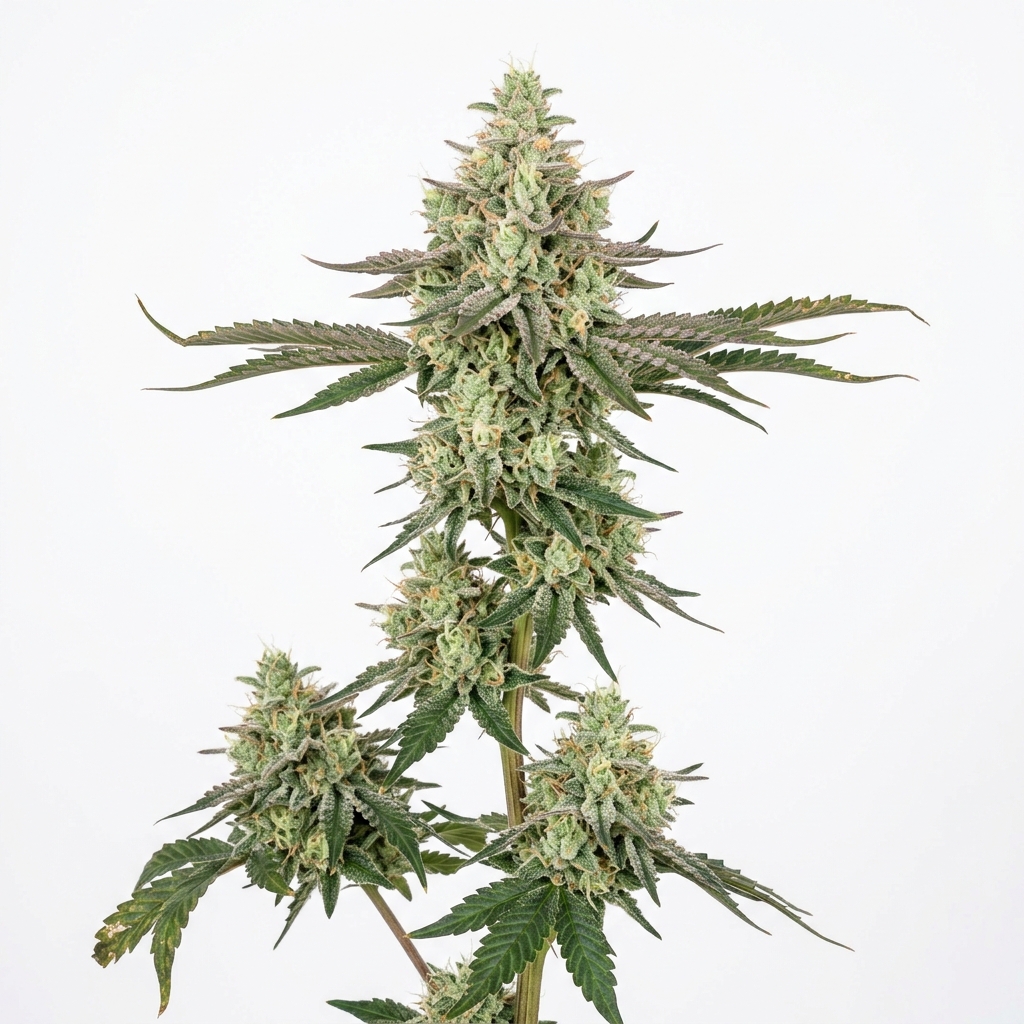
The visual appeal of this strain is driven by its tight, grape-shaped buds and swollen calyxes. Under cooler night temperatures in late flower, the deep green foliage often gives way to rich purple undertones. Extractors favor this cultivar for its greasy resin and high trichome density, which holds up exceptionally well during solventless processing.
Quick Facts
| Attribute | Details |
|---|---|
| Genetics | The White × Tahoe OG × Girl Scout Cookies |
| Variety | Indica-dominant Hybrid |
| THC Range | 20% – 27% |
| Flowering Time | 8 – 9 Weeks |
| Yield Potential | Moderate |
| Plant Height | Medium (Compact) |
| Climate Preference | Controlled Indoor / Temperate |
| Difficulty | Moderate |
Scientific & Botanical Overview
Botanically, this cultivar shows classic indica morphology, characterized by broad fan leaves and a stout, bushy stature. The nodal spacing remains tight throughout the vegetative phase, requiring deliberate pruning to ensure adequate light penetration to the lower bud sites. The plant structures its yield along sturdy lateral branches rather than a single dominant main stem.
Resin production is a defining botanical trait of this hybrid. The influence of The White is evident in the early onset of capitate-stalked trichomes, which cover the dense bracts and sugar leaves by the third week of flowering. This heavy resin layer acts as a natural barrier, but also demands strict environmental controls to prevent moisture entrapment within the dense flower clusters.
During the final weeks of maturation, the calyxes swell significantly, creating compact, heavy spear colas. The foliage transition is highly sensitive to temperature drops, which trigger anthocyanin production and turn the leaves deep purple. Growers should prioritize air circulation and maintain low relative humidity during this final swelling phase to preserve terpene clarity.
Effects & Use-Cases (Reported)
Commonly reported effects: Users frequently describe a rapid physical heaviness accompanied by a soothing mental ease. The initial onset typically relaxes the shoulders and limbs before settling into a deep, sedative state that makes physical activity unlikely.
Use-case context: This profile makes the cultivar highly suitable for late-evening use, wind-down routines, or quiet listening sessions. It is rarely recommended for daytime tasks or activities requiring high physical coordination.
Note: Due to the high concentration of THC, inexperienced consumers should approach this strain with caution, as early sedation and dry mouth are common.
Aroma & Flavors
Aroma: The initial scent is dominated by sweet, warm cookie dough and earthy hash, which opens up into a sharp fuel and citrus kick when the buds are broken apart.
Flavor: On the exhale, the smoke carries a creamy, doughy taste paired with a spicy herbal undertone and a faint mint finish.
Terpene associations: The primary terpenes shaping this profile are caryophyllene, which provides the spicy fuel note, alongside limonene for the citrus lift, and myrcene for the deep, musky undertone.
Tested Cannabinoid & Terpene Ranges
| Compound | Typical Range |
|---|---|
| Δ9-THC | 20.0% – 27.0% |
| CBG | 0.5% – 1.5% |
| beta-Caryophyllene | 0.4% – 0.8% |
| Limonene | 0.3% – 0.6% |
| Myrcene | 0.2% – 0.5% |
Note: Cannabinoid and terpene levels are literature-informed references and will vary based on specific phenotypes, environmental conditions, and cultivation methods.
Cultivation Notes
- Humidity Management: Keep relative humidity below 45% during the final four weeks of flower to protect the dense, compact colas from internal mold.
- Nutrient Requirements: This cultivar responds well to a moderate feeding schedule, showing a high sensitivity to over-fertilization, particularly with nitrogen in early flower.
- Training Techniques: use low-stress training (LST) and strategic defoliation to open up the canopy and improve airflow through the tight internodes.
- Phenotype Management: Watch for variations in stretch; some phenotypes inherit more of the Tahoe OG lineage and will stretch slightly more than the cookie-dominant cuts.
- Harvest Window: Plan the harvest when trichomes show a 15% to 20% amber ratio to capture the peak sedative profile and rich terpene clarity.
Grower Notes (Week-by-Week Snapshot)
- Weeks 1–3 (Transition & Early Flower): The plants show a controlled stretch, usually doubling in height. Focus on selective defoliation below the main canopy line to establish clear airflow.
- Weeks 4–6 (Mid-Flower & Resin Onset): Glassy buds begin to form as wet frost spreads rapidly from the calyxes to the surrounding sugar leaves. The aroma transitions from fresh vegetation to a sweeter, doughy profile.
- Weeks 7–9 (Late Flower & Ripening): Bud density increases significantly as the bracts swell. Introduce cooler night temperatures to encourage purple hues, and initiate a thorough two-week flush to ensure a clean, smooth burn.
Genetic Lineage
The lineage of this hybrid is a deliberate three-way cross designed to maximize resin coverage and structural density. The White contributes its famous outer coating of trichomes and neutralizes excessive stretch, while Tahoe OG infuses the line with classic fuel-forward potency and deep physical relaxation. The Girl Scout Cookies parent brings the sweet, doughy flavor and complex terpene structure that defines the modern cookie family.
This genetic combination has proven highly stable, with most phenotypes retaining the compact growth habit and heavy resin output. It remains a foundational building block for contemporary breeders looking to introduce high trichome density and sweet, gassy notes into new crosses.
Research Insights
Analytical testing of this cultivar highlights a high concentration of sesquiterpenes, particularly caryophyllene, alongside monoterpenes like limonene. This specific chemical distribution supports the physical relaxation associated with the cultivar, as these compounds interact closely with localized receptors. The presence of secondary cannabinoids like CBG further enriches the overall profile of the mature flower.
From an extraction standpoint, research into the trichome structure of this strain reveals strong, flexible stalks and thick heads. This physical makeup prevents the glands from rupturing prematurely during harvest, making it highly efficient for dry sift and ice water extraction methods.
Frequently Asked Questions
Is White Tahoe Cookies difficult to grow?
It is moderately difficult. While the plant maintains a manageable, compact height, its tight internodes and dense buds require careful humidity management and regular canopy thinning to prevent mold.
What does White Tahoe Cookies smell like?
The aroma is a mix of sweet cookie dough, earthy hash, and a sharp fuel finish that becomes more pronounced when the buds are broken apart.
What is the average flowering time?
This cultivar typically finishes flowering within 8 to 9 weeks when grown indoors under standard light cycles.
Is this strain suitable for daytime use?
Generally no. Due to its heavy physical relaxation and sedative tendencies, it is best reserved for evening use or late-night wind-down sessions.
Educational Disclaimer
This profile is for educational and informational purposes only. Cultivation and consumption of cannabis are subject to varying local laws and regulations. Always consult with local guidelines before initiating any horticultural activities.
Rate and review this strain
Ratings and reviews are accepted only from signed-in Google accounts.
Sign in with Google to leave a rating and written review.
Latest Reviews
0 reviewsNo reviews yet. Be the first Google user to rate and review this strain.
Follow New Cultivar Records
Get newly documented genetics, breeder history, research highlights, and important Strainpedia discoveries by email.