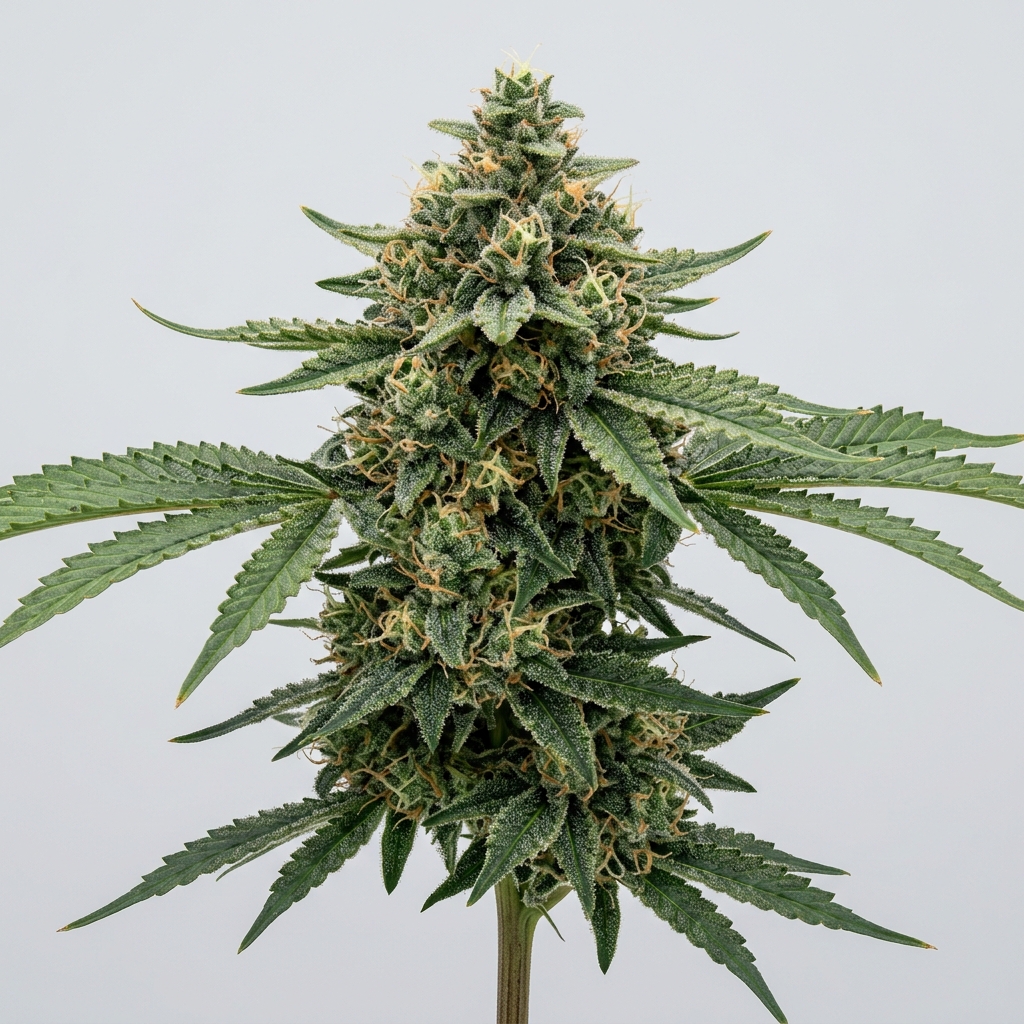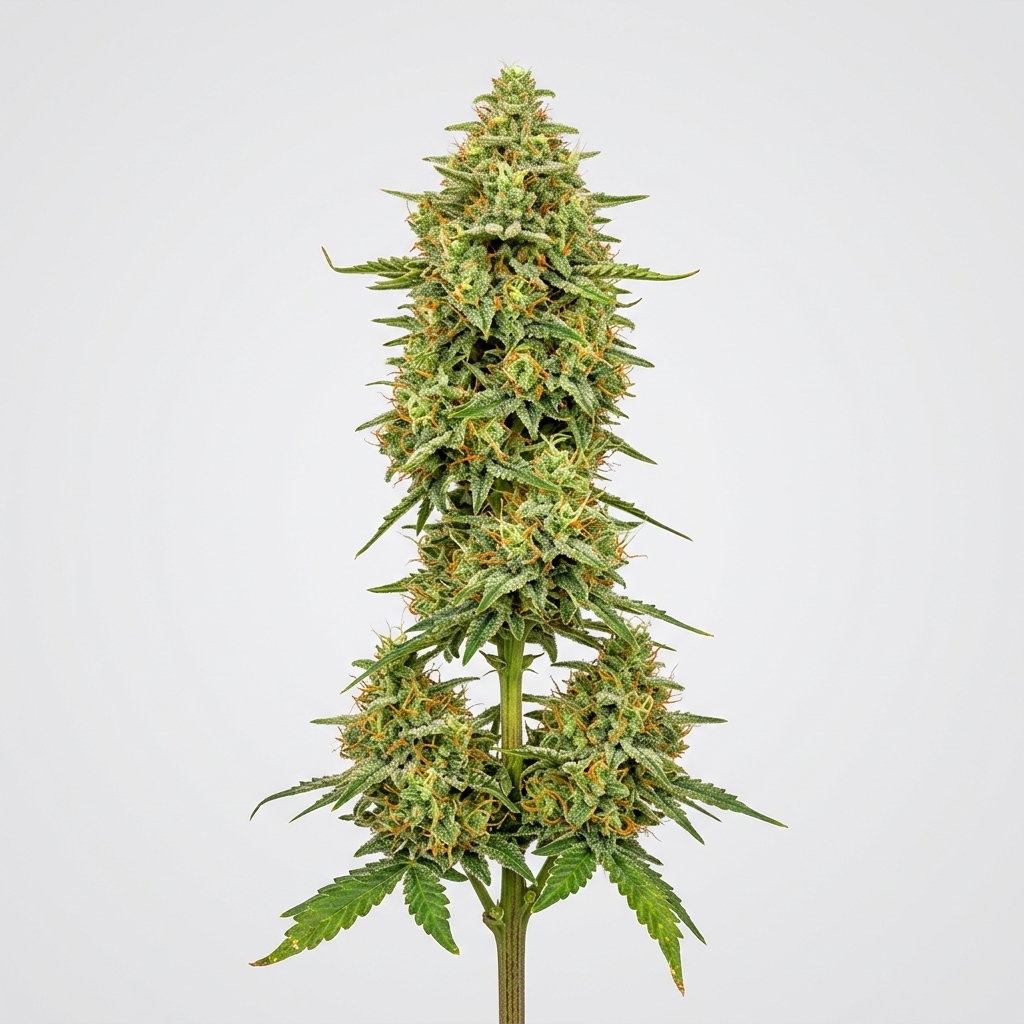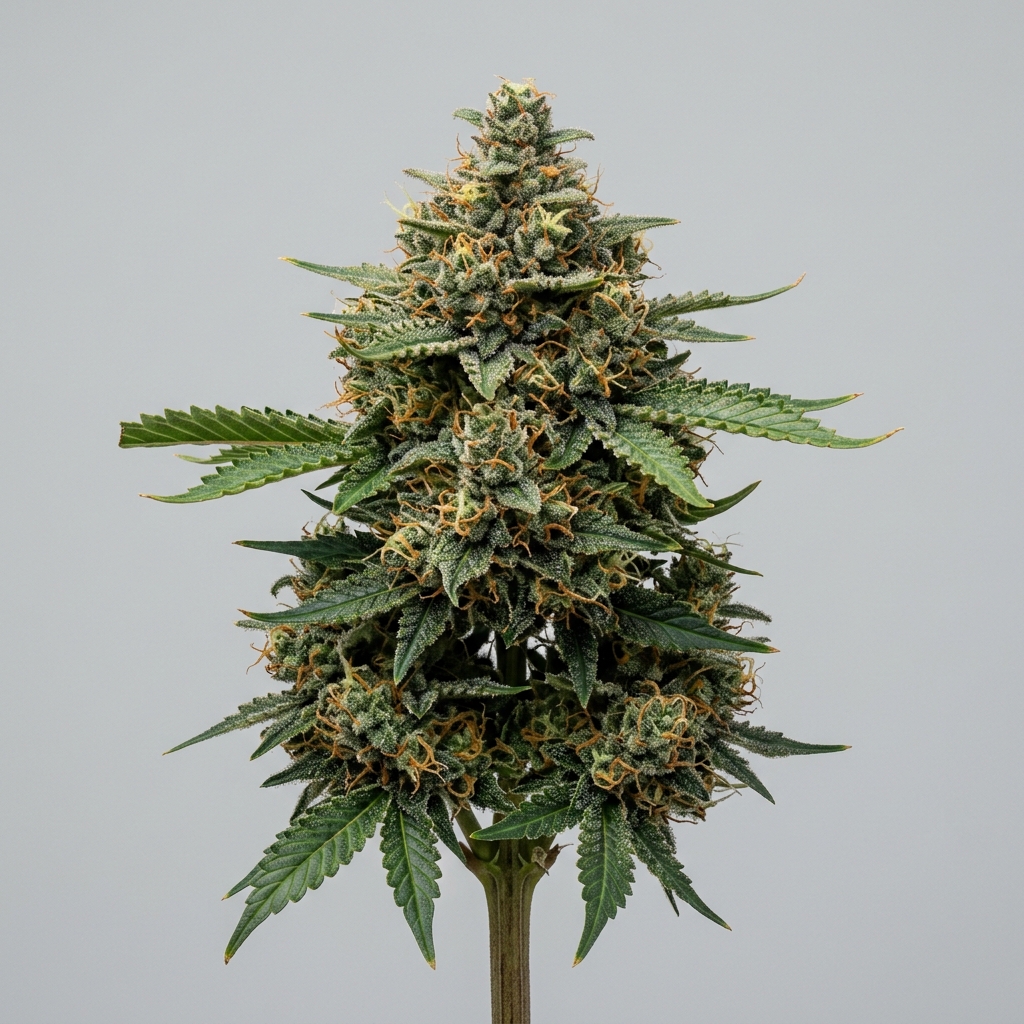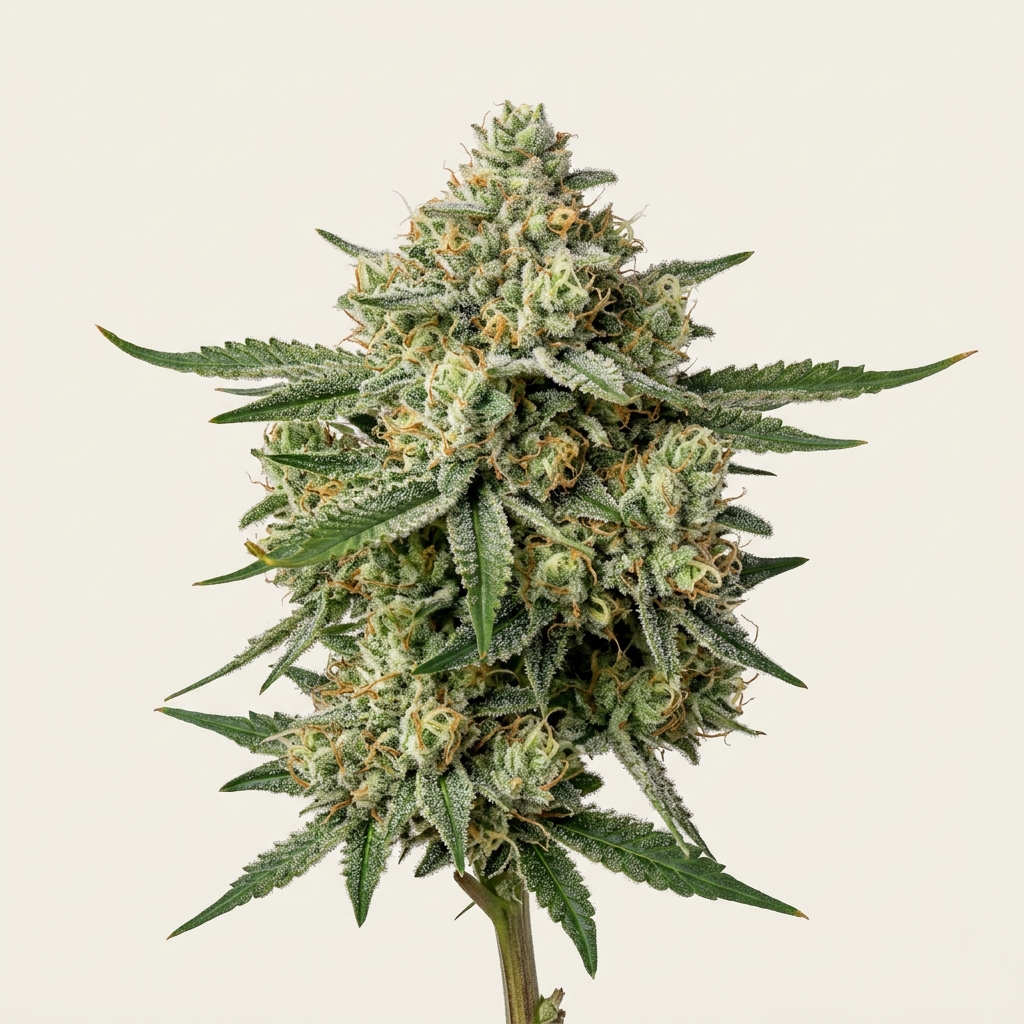
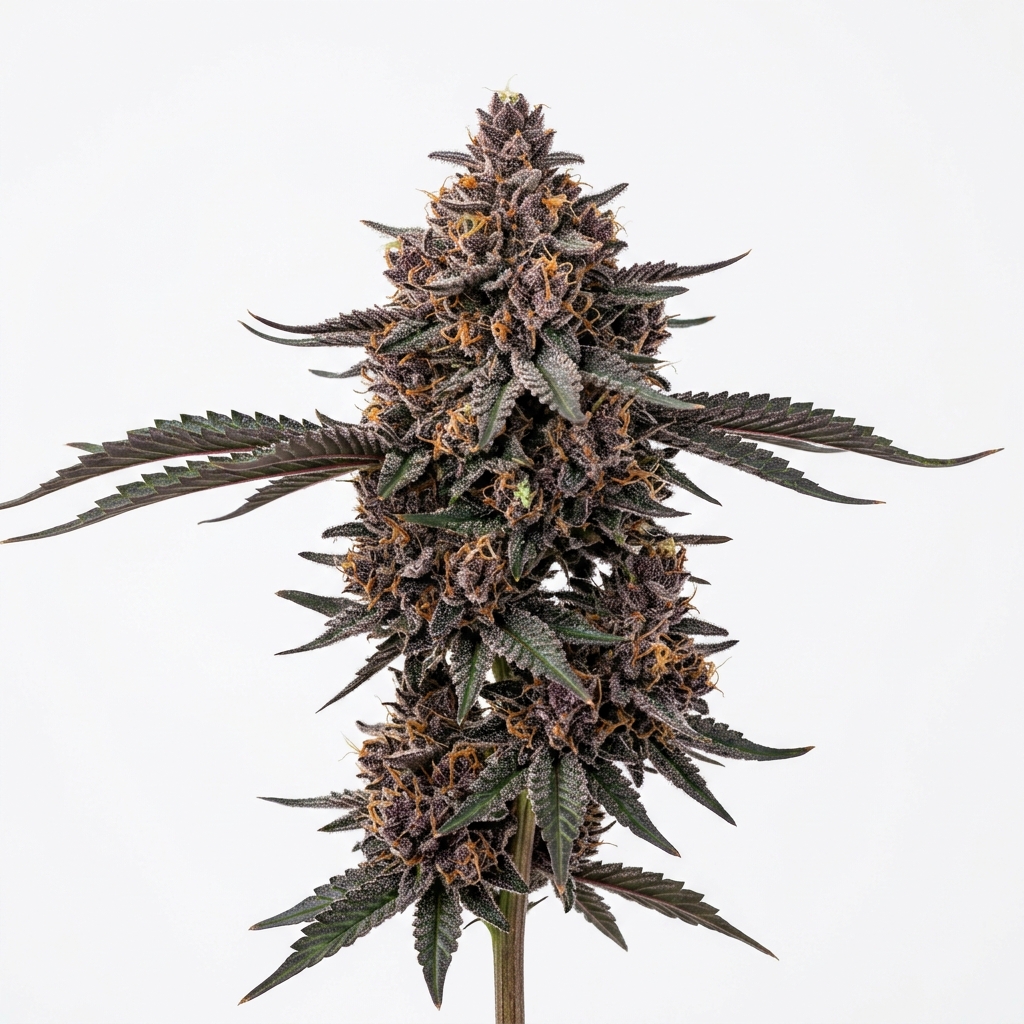
Italian Ice (Cannabis Strain)
Italian Ice is a premium, indica-dominant hybrid typically testing between 18% and 24% THC, bred by crossing Gelato 45 with Forbidden Fruit. This cultivar is highly regarded for its dark berry edge, tart gas aroma, and heavy coating of greasy resin. Cultivators favor its controlled stretch and tight internodes, which yield dense, purple-hued spear colas. It serves as a modern staple for those seeking a balanced, dessert-forward profile with a smooth, lingering finish.
The plant shows broad fan leaves and swollen calyxes that turn deep violet under cooler night temperatures. It demands careful attention to late-flower humidity due to the sheer density of its bracts. For extractors and growers alike, its wet frost and terpene clarity make it a highly rewarding selection.
Quick Facts
| Field | Details |
|---|---|
| Genetics | Gelato 45 × Forbidden Fruit |
| Variety | Indica-dominant hybrid (approx. 60/40) |
| THC Range | 18% – 24% |
| Flowering Time | 8 – 9 Weeks |
| Yield Potential | Moderate to High |
| Plant Height | Medium (Controlled stretch) |
| Climate Preference | Temperate, low late-flower humidity |
| Difficulty | Moderate |
Scientific & Botanical Overview
This cultivar grows as a stout, bushy plant with strong lateral branches, a structure inherited from its indica ancestry. The internodal spacing remains tight, encouraging the development of stacked flower clusters along the main stems. Broad, dark green fan leaves dominate the canopy during vegetative growth, requiring strategic pruning to ensure adequate light penetration.
As the plant transitions to flower, the calyx-to-leaf ratio becomes highly favorable, producing dense bracts that swell significantly in the final weeks. Anthocyanin accumulation is highly pronounced in this cultivar, triggered by temperature drops to reveal deep purple and nearly black hues across the foliage and buds. The trichome heads are predominantly capitate-stalked, secreting a viscous, greasy resin that preserves volatile monoterpenes.
The vascular system of this strain supports a high nutrient uptake, particularly demanding phosphorus and potassium during mid-to-late bloom. Its tight bud structure, while aesthetically striking, creates microclimates within the colas that require constant airflow. Maintaining a stable vapor pressure deficit (VPD) is critical to preventing moisture stagnation near the stem.
Effects & Use-Cases (Reported)
Commonly reported effects: Users typically describe a heavy physical relaxation coupled with a calm, clear-headed mental state. The onset is gradual, starting as a warm pressure behind the eyes before settling into a deep body melt that does not immediately induce sleep.
Use-case context: Well-suited for late afternoon or evening use, this strain is frequently selected for winding down after physical exertion or for quiet creative sessions. Its balanced nature allows for social conversation without the racing thoughts sometimes associated with high-THC sativa cultivars.
Note: Individual tolerance and environmental settings can influence the perceived intensity of these physical effects.
Aroma & Flavors
Aroma: A pungent blend of sweet musk, tart gas, and overripe blackberries, accented by a subtle earthy undertone.
Flavor: The palate is dominated by a creamy, citrus-forward sweetness on the inhale, followed by a sharp, fuel-like finish with hints of spice.
Terpene associations: High concentrations of caryophyllene, limonene, and myrcene drive its complex aromatic profile, balancing the sweet fruit notes with a grounding fuel base.
Tested Cannabinoid & Terpene Ranges
| Compound | Typical Range |
|---|---|
| Δ9-THC | 18.0% – 24.0% |
| CBD | 0.1% – 0.5% |
| CBG | 0.5% – 1.2% |
| Beta-Caryophyllene | 0.4% – 0.9% |
| Limonene | 0.3% – 0.7% |
| Myrcene | 0.2% – 0.6% |
Cannabinoid and terpene levels are highly variable and depend heavily on cultivation methods, curing processes, and specific phenotype selections.
Cultivation Notes
- Humidity: Keep relative humidity (RH) below 45% during the final three weeks of flowering to prevent internal mold in the dense colas.
- Nutrition: Responds well to a moderate feeding schedule; avoid excessive nitrogen in early bloom to prevent leaf curl.
- Training: use low-stress training (LST) and early topping to create a multi-topped canopy and maximize light exposure to lower nodes.
- Harvest: Monitor trichome maturity closely; harvest when roughly 15% to 20% of the heads turn amber for the most balanced physical profile.
- Phenotype management: Select for phenotypes that display both the purple coloration of Forbidden Fruit and the dense, resinous structure of Gelato 45.
Grower Notes (Week-by-Week Snapshot)
- Weeks 1–3: The plants undergo a moderate stretch, typically doubling in height. Focus on selective defoliation of lower fan leaves to improve airflow beneath the canopy.
- Weeks 4–6: Flower clusters begin to stack rapidly, and the first signs of resin production appear on the sugar leaves. Introduce support structures like trellis netting to hold the weight of developing colas.
- Weeks 7–9: Bud swelling peaks and deep purple colors emerge. Reduce night temperatures by 5–10°F to enhance anthocyanin production and flush the medium thoroughly with clean water to ensure a clean burn.
- Post-Harvest: A slow, 14-day dry at 60°F and 60% humidity is essential to preserve the delicate, volatile monoterpenes before a minimum four-week cure.
Genetic Lineage
The lineage of Italian Ice is a deliberate pairing of two highly influential modern cultivars. Gelato 45, a legendary pheno from the Cookie family, contributes its signature doughy sweetness, tight bud structure, and heavy resin production. This parent ensures the offspring carries a relaxing physical profile and a smooth, creamy smoke texture.
On the other side, Forbidden Fruit (Cherry Pie × Tangie) injects an intense profile of rotten fruit, sharp citrus, and deep purple coloration. This parental influence is highly visible in the dark hues of the foliage and the complex, musky berry undertones of the dried flowers. The resulting hybrid successfully captures the structural density of the Gelato parent with the loud, exotic aromatics of the Forbidden Fruit.
Research Insights
Analytical testing of Italian Ice highlights a complex interaction between its primary terpenes and moderate-to-high THC levels. The presence of caryophyllene suggests potential interaction with peripheral cannabinoid receptors, which may explain the heavy physical relaxation reported by consumers. This compound, when paired with the uplifting qualities of limonene, creates a balanced physiological effect that avoids excessive sedation.
From a breeding perspective, the strain is of interest for its stable inheritance of anthocyanin expression and dense bract formation. Researchers studying cannabis morphology note that the cross preserves the glandular trichome density of the Gelato line while enhancing the volatile ester profile inherited from the Tangie lineage. This genetic stability makes it a valuable subject for further hybrid development targeting specific dessert-gas profiles.
Frequently Asked Questions
Is Italian Ice an indica or sativa?
Italian Ice is an indica-dominant hybrid, typically classified as a 60% indica and 40% sativa blend, though physical traits can lean heavily toward its indica parentage.
What does Italian Ice smell like?
It features a complex aroma of sweet musk, dark berries, and tart gas, balanced by a creamy citrus finish on the palate.
How long does Italian Ice take to flower?
This cultivar typically completes its flowering cycle in 8 to 9 weeks when grown indoors.
Is Italian Ice difficult to grow?
It is of moderate difficulty; the main challenge is managing canopy humidity and ensuring adequate airflow to protect its highly dense colas.
Educational Disclaimer
This content is provided for educational and informational purposes only. It is not intended as medical advice or as encouragement to engage in illegal cultivation practices. Always consult local laws and medical professionals regarding cannabis use.
Rate and review this strain
Ratings and reviews are accepted only from signed-in Google accounts.
Sign in with Google to leave a rating and written review.
Latest Reviews
0 reviewsNo reviews yet. Be the first Google user to rate and review this strain.