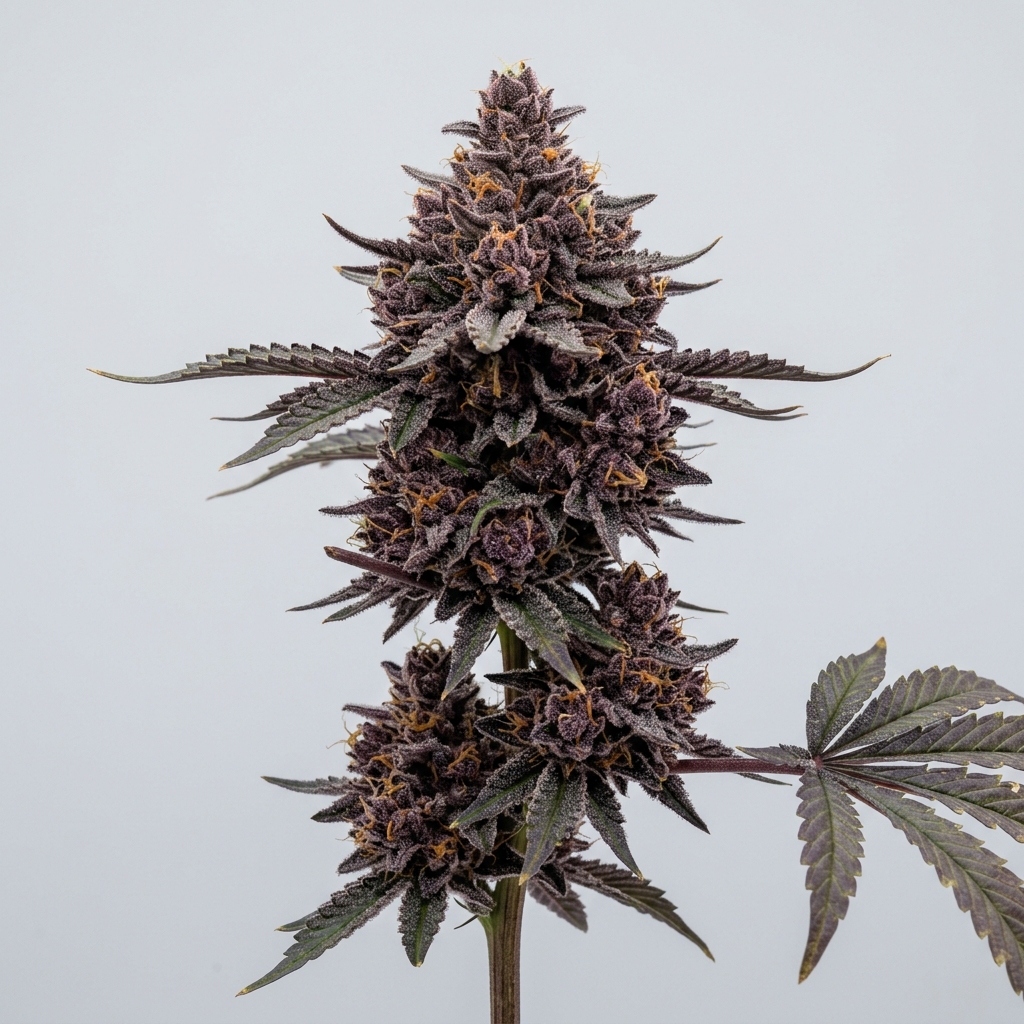
Purple Grape Gelato (Cannabis Strain)
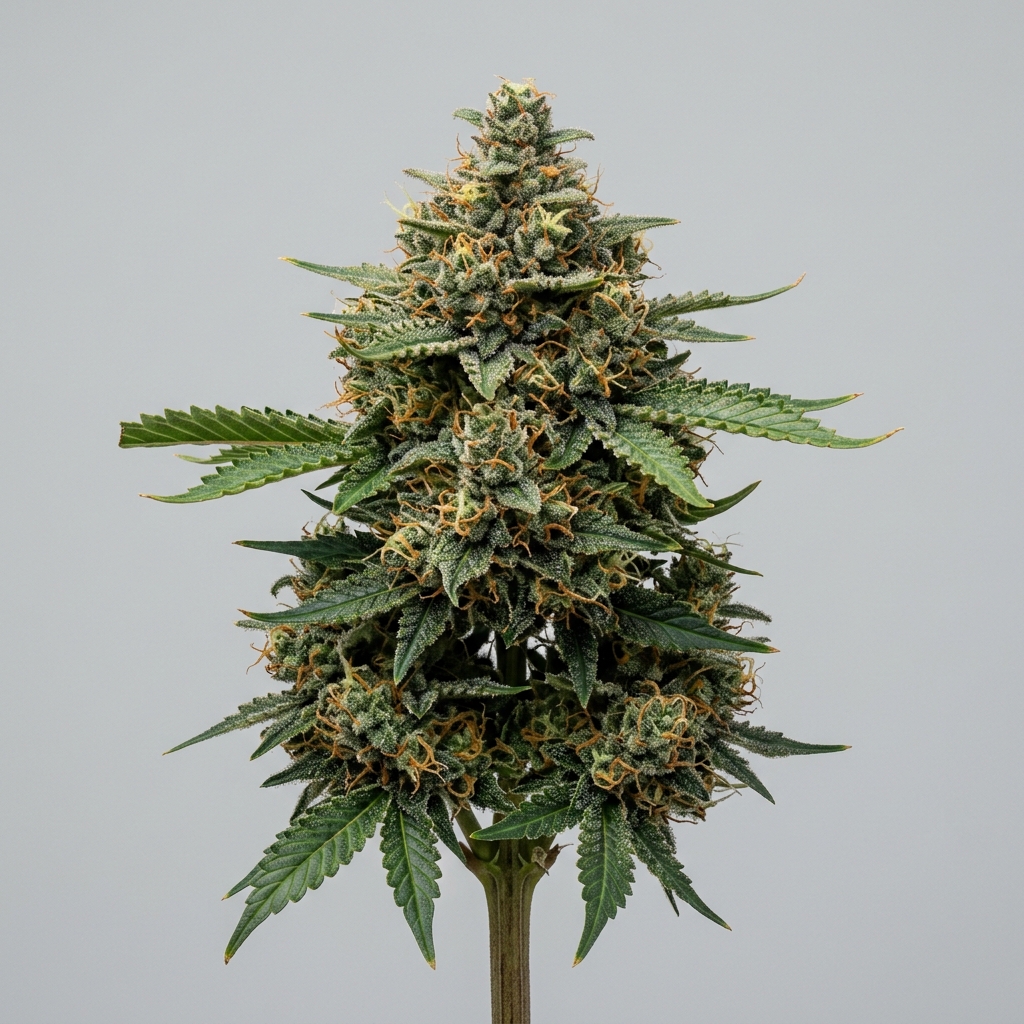
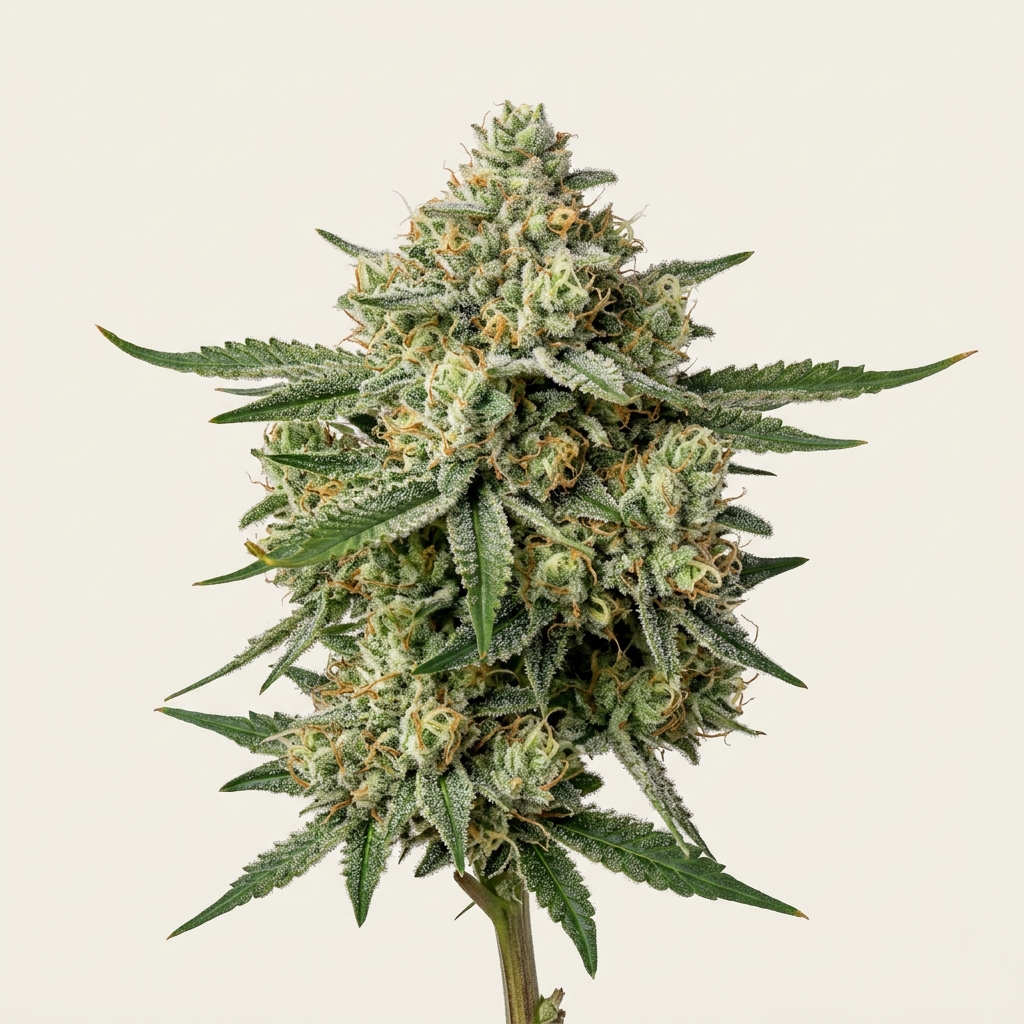
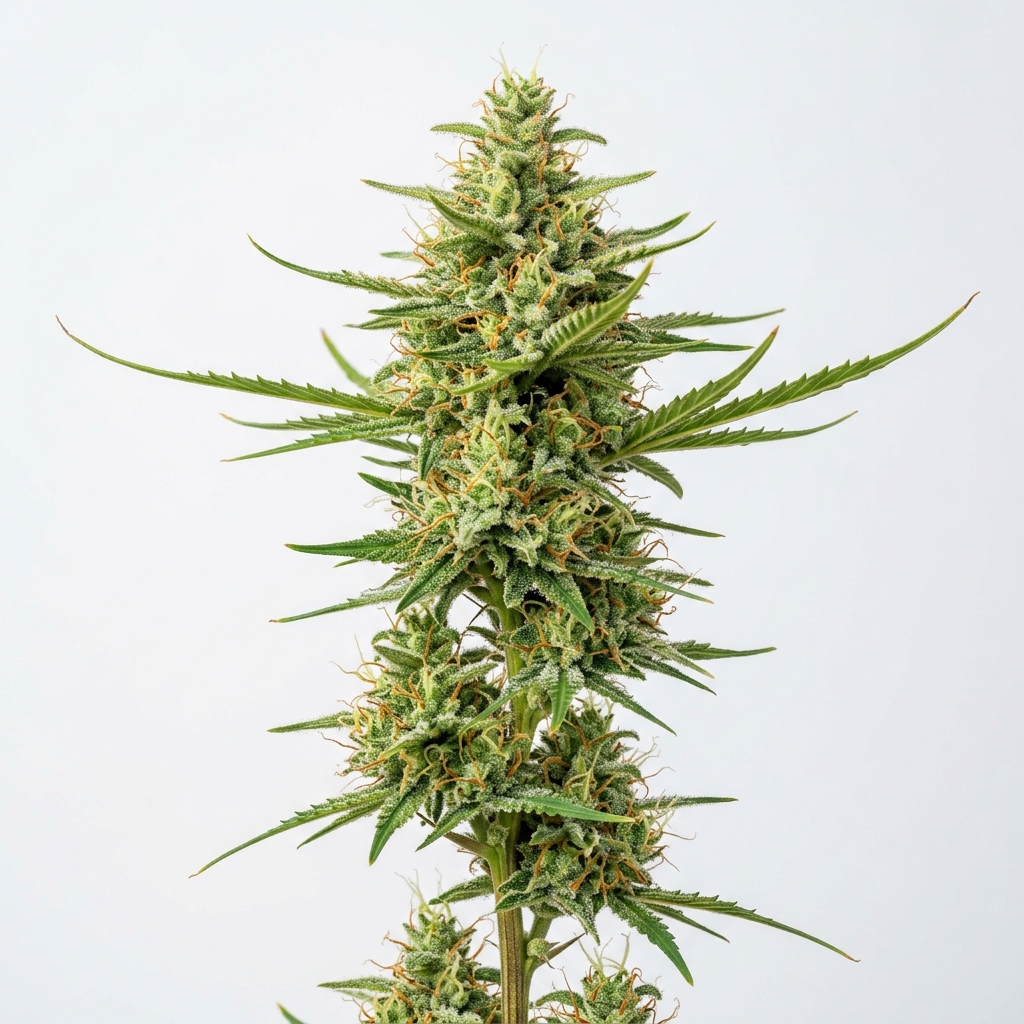
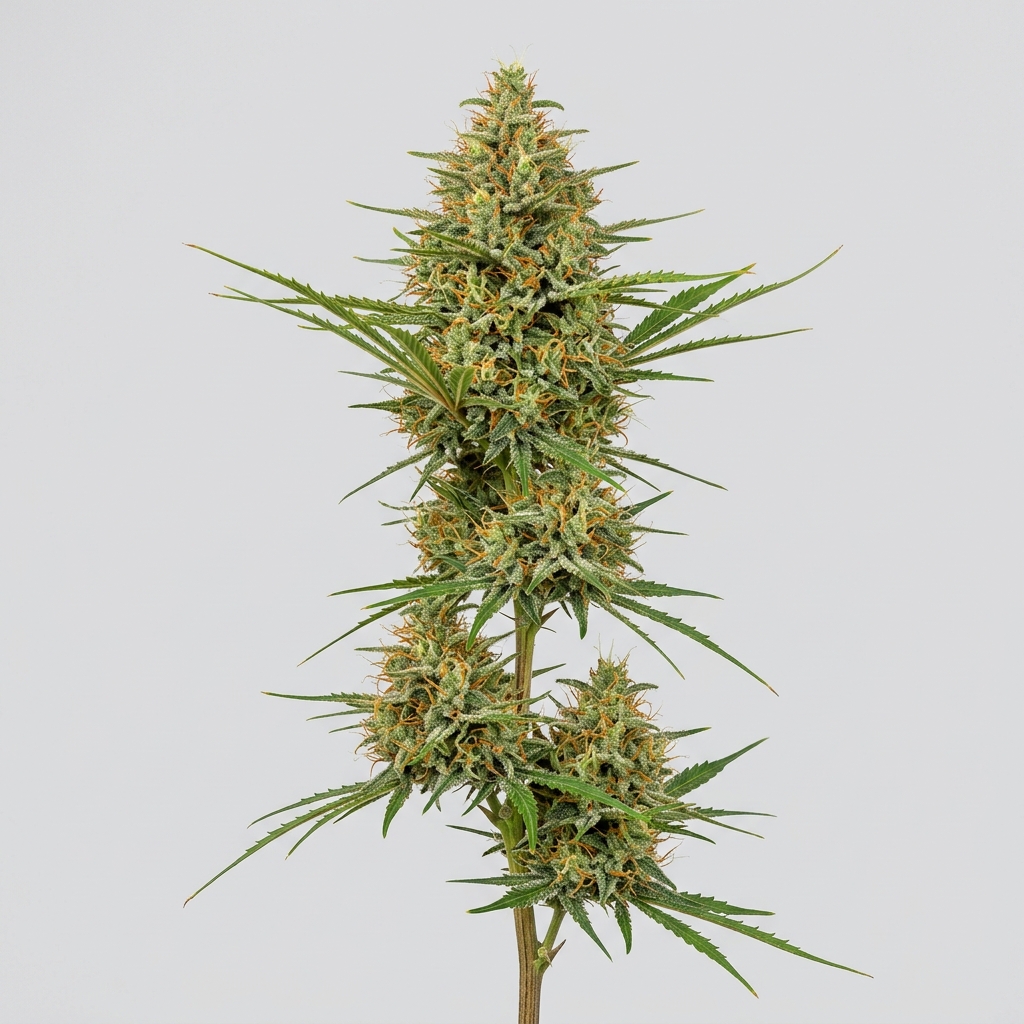
Purple Grape Gelato is an indica-dominant hybrid typically testing between 20% and 25% THC, bred by crossing the dessert classics Purple Punch and Gelato #33. This cultivar is highly regarded for its dark berry edge, creamy gas aroma, and heavy resin production that coats its dense, purple-hued bracts in a thick layer of wet frost. In the garden, it shows a controlled stretch and develops tight internodes, yielding medium-sized, highly resinous spear colas that demand careful humidity management during late flower.
Cultivators and extraction artists favor this strain for its greasy resin texture and strong terpene retention throughout the curing process. Its striking visual appeal, characterized by deep anthocyanin coloration and contrasting bright orange pistils, makes it a staple in contemporary boutique collections.
Quick Facts
| Fact | Details |
|---|---|
| Genetics | Purple Punch × Gelato #33 |
| Variety | Indica-dominant Hybrid |
| THC Range | 20% – 25% |
| Flowering Time | 8 – 9 Weeks |
| Yield Potential | Moderate to High |
| Plant Height | Medium (Controlled Stretch) |
| Climate Preference | Temperate, Low Late-Flower Humidity |
| Difficulty | Moderate |
Scientific & Botanical Overview
Purple Grape Gelato shows classic indica-leaning morphology, producing broad fan leaves and a sturdy, stocky frame. The plants typically maintain tight branching, requiring strategic defoliation to improve light penetration and airflow through the lower canopy.
As flowering progresses, the cultivar undergoes a notable color shift, expressing deep purple and violet tones across its dense bracts. This coloration is driven by anthocyanin accumulation, which is often enhanced by dropping night temperatures during the final weeks of the cycle.
The resin glands on this cultivar are particularly dense and greasy, forming close-set capitate-stalked trichomes. The glassy buds mature into tightly packed clusters with swollen calyxes, making it highly resilient during the drying process.
Effects & Use-Cases (Reported)
Commonly reported effects: Users frequently describe a heavy physical relaxation coupled with a calm, clear mental state. The initial onset is often reported as a soft cerebral lift that transitions into a soothing, full-body warmth.
Use-case context: This cultivar is best suited for evening use or quiet, post-work wind-downs. Its deeply relaxing properties make it a popular choice for passive activities, listening to music, or preparing for sleep.
Note: Due to its moderate-to-high potency, novice consumers should approach this strain with caution to avoid early-onset lethargy.
Aroma & Flavors
Aroma: The raw flowers release a pungent blend of sweet grape candy and tart gas, backed by a subtle earthy undertone. Breaking the buds apart reveals a sharper, doughy musk reminiscent of its cookie heritage.
Flavor: On the palate, it delivers a smooth, creamy gelato flavor layered with ripe dark berries and a cool, slightly minty finish. The smoke is heavy but clean, leaving a lingering sweetness.
Terpene associations: Laboratory profiles typically show a dominance of caryophyllene, limonene, and myrcene, which drive its spicy, citrus-sweet, and musky character.
Tested Cannabinoid & Terpene Ranges
| Compound | Typical Range |
|---|---|
| Δ9-THC | 20.0% – 25.0% |
| CBD | < 0.5% |
| β-Caryophyllene | 0.4% – 0.8% |
| d-Limonene | 0.3% – 0.6% |
| β-Myrcene | 0.2% – 0.5% |
| Linalool | 0.1% – 0.3% |
Note: Cannabinoid and terpene levels are highly variable and depend on specific phenotypes, cultivation methods, and curing conditions.
Cultivation Notes
- Keep late-flower humidity below 45% to prevent moisture retention within the dense, resin-rich flowers.
- use low-stress training (LST) or topping early in the vegetative phase to promote lateral growth and even out the canopy.
- Apply a moderate nutrient regimen, as the cultivar can be sensitive to excessive nitrogen during early flower.
- Ensure thorough canopy defoliation around week three of flower to maximize light penetration to the lower spear colas.
- Maintain cool night temperatures during the final two weeks of flowering to stimulate rich purple pigmentation.
Grower Notes (Week-by-Week Snapshot)
- Weeks 1–3 (Transition & Early Flower): Plants exhibit a moderate, controlled stretch. Focus on tucking fan leaves and establishing a flat canopy using trellis netting to prepare for bud development.
- Weeks 4–6 (Mid-Flower & Resin Onset): The first signs of wet frost appear on the sugar leaves. Swollen calyxes begin to cluster, and the sweet grape aroma starts to intensify.
- Weeks 7–9 (Late Flower & Ripening): Deep purple hues emerge as the canopy matures. Monitor trichome ambering closely, reduce humidity, and execute a thorough flush to ensure a clean burn.
- Post-Harvest (Drying & Curing): A slow dry at 60°F (15°C) and 60% relative humidity for 10 to 14 days preserves the delicate dark berry edge and greasy resin texture.
Genetic Lineage
Purple Grape Gelato derives its complex profile directly from its parentage of Purple Punch and Gelato #33. The Purple Punch contribution brings the intense grape candy sweetness, rich color, and robust structure, while the Gelato #33 lineage introduces the creamy, gas-forward doughiness and dense trichome coverage.
This genetic combination results in a balanced expression of both parents, offering a reliable growth habit alongside a highly sought-after dessert terpene profile. The lineage remains highly stable, with most phenotypes leaning toward the colorful, berry-dominant side of the spectrum.
Research Insights
Scientific interest in cultivars like Purple Grape Gelato frequently focuses on the accumulation of anthocyanins in the bract tissue. These water-soluble pigments react to environmental triggers, such as temperature drops, to produce the deep purple coloration without compromising cannabinoid synthesis.
Additionally, the high concentration of caryophyllene combined with limonene is studied for its potential to modulate the classic sedative effects of THC. This terpene synergy is believed to provide a more balanced, clear-headed physical relaxation than myrcene-heavy cultivars alone.
Frequently Asked Questions
Is Purple Grape Gelato hard to grow?
No, it is generally considered a moderate-difficulty strain. It requires basic canopy management and strict humidity control during late flower, but its controlled stretch makes it highly manageable in indoor setups.
What does Purple Grape Gelato smell like?
The strain is known for its strong aroma of sweet grape candy and tart gas, balanced by a creamy, doughy undertone and a hint of dark berries.
How long does it take for Purple Grape Gelato to flower?
The cultivar typically completes its flowering cycle in 8 to 9 weeks when grown indoors, producing dense, resinous spear colas.
Does this strain always turn purple?
While the genetics strongly favor purple coloration, expressing these deep hues usually requires a slight drop in nighttime temperatures during the final weeks of flowering.
Educational Disclaimer
This article is intended solely for educational and informational purposes. Cultivation of cannabis is subject to varying local, state, and federal laws. Always consult local regulations before germinating seeds or cultivating any cannabis varieties.
Rate and review this strain
Ratings and reviews are accepted only from signed-in Google accounts.
Sign in with Google to leave a rating and written review.
Latest Reviews
0 reviewsNo reviews yet. Be the first Google user to rate and review this strain.