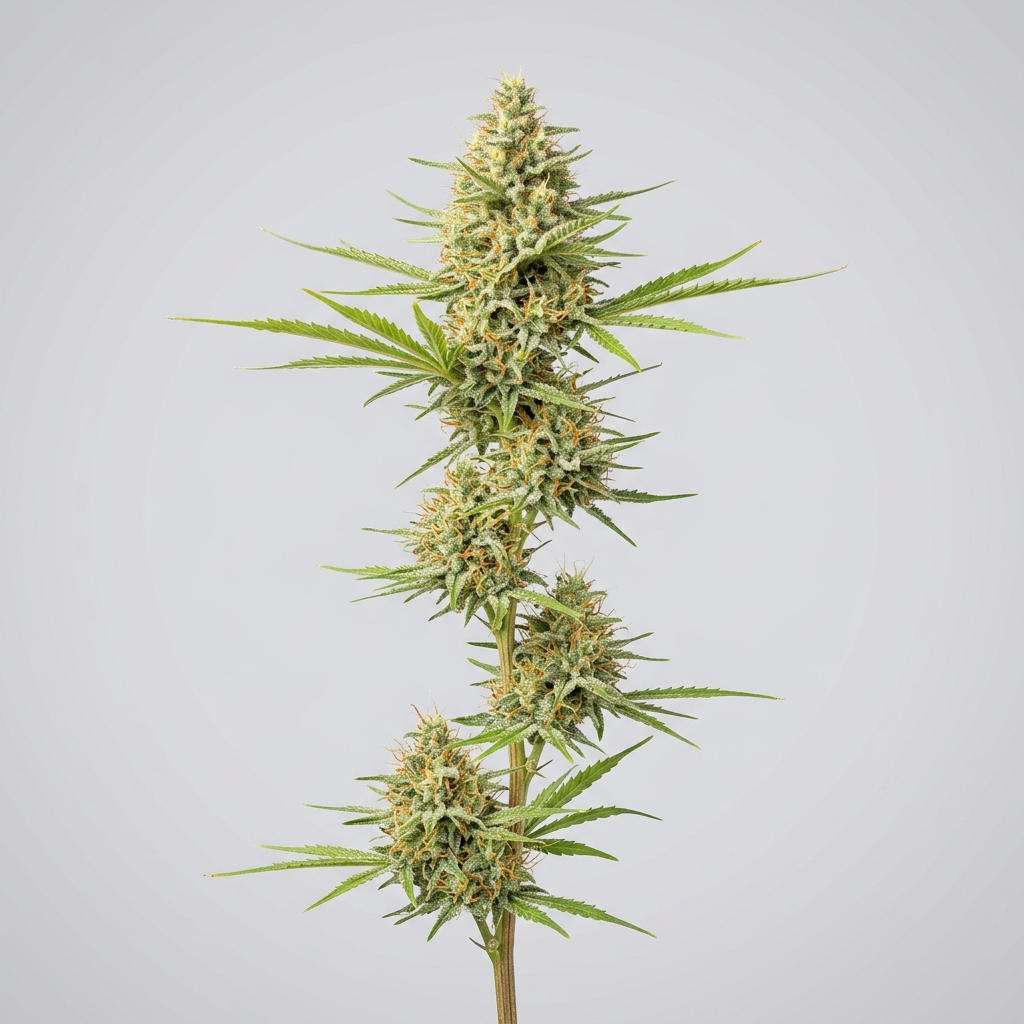
Queen Mother (Cannabis Strain)
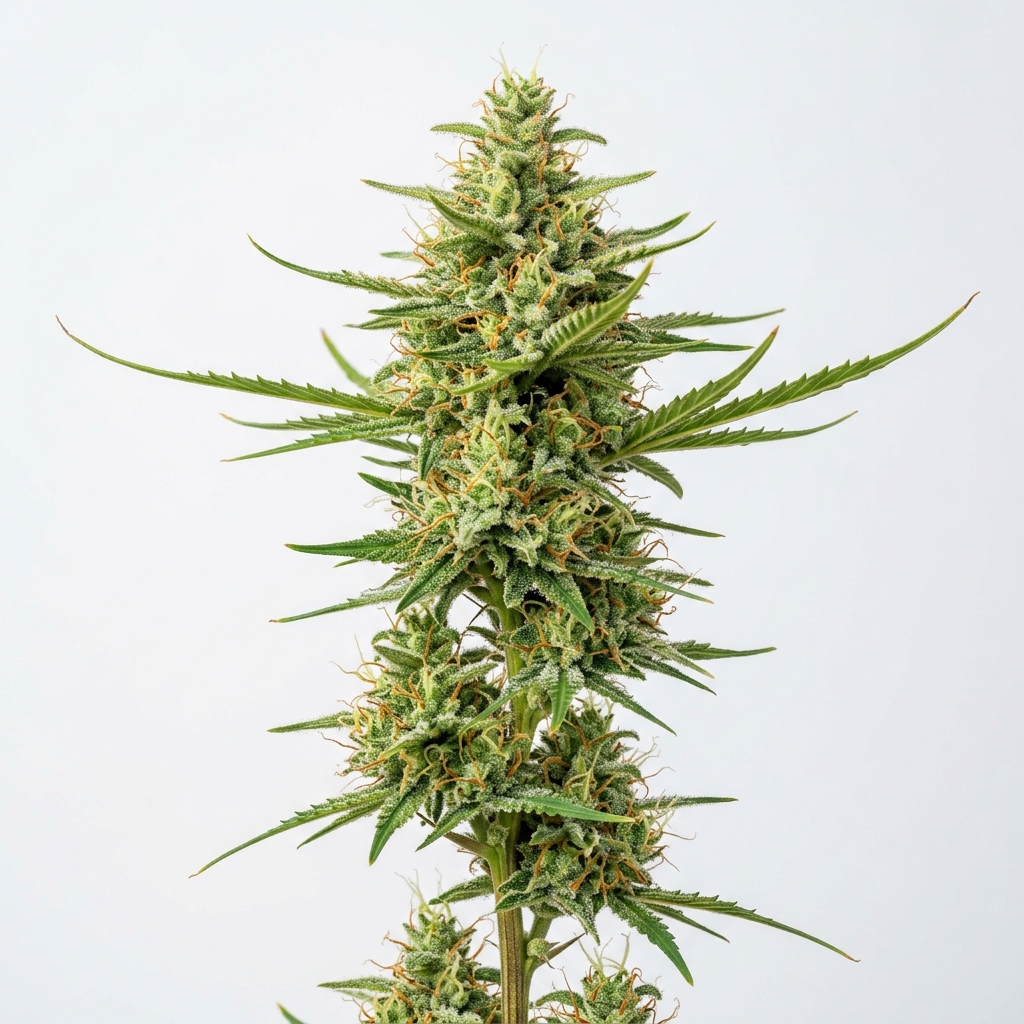
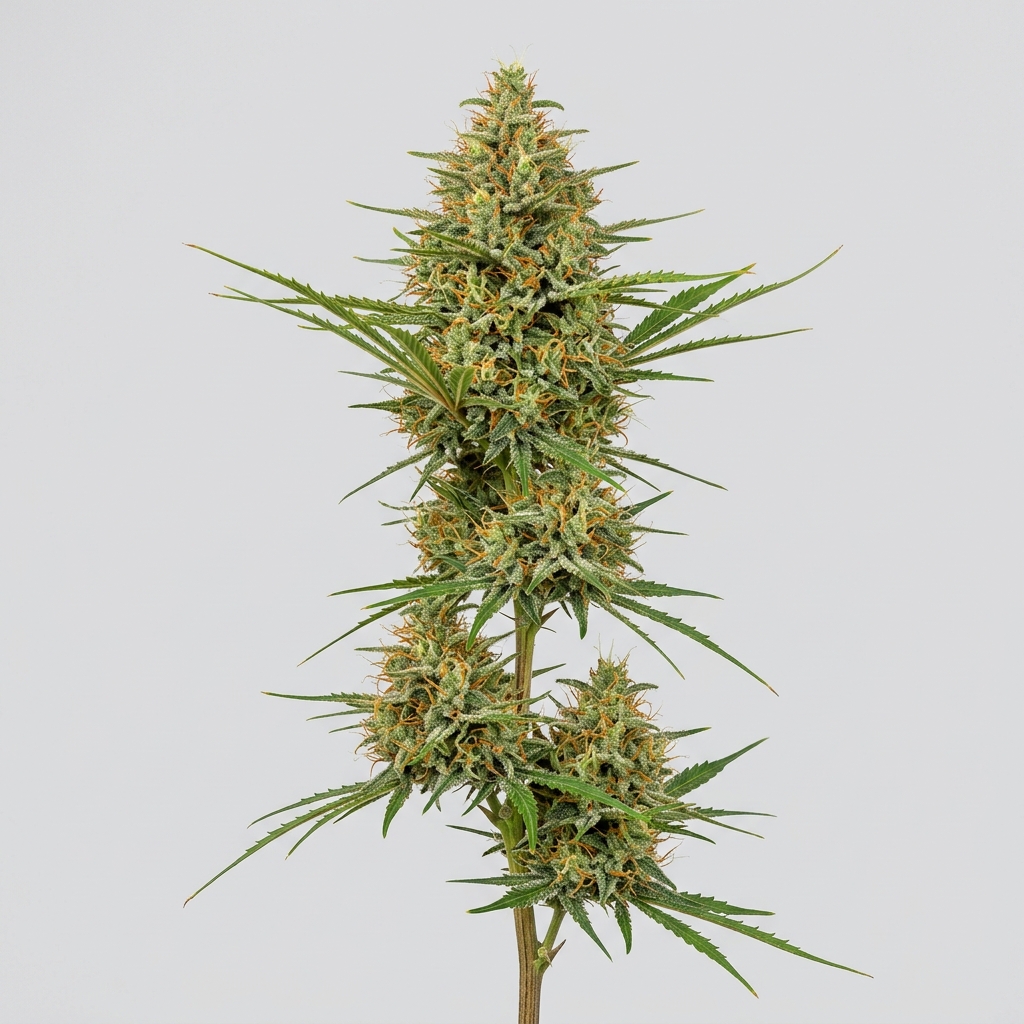
Queen Mother (also known as Reina Madre) is a legendary sativa-dominant cultivar originally bred by Delicatessen Seeds. This strain crosses a wild Reunion Island Sativa (Zamal) with a complex Congo and Spanish sativa hybrid. Typically testing between 17% and 22% THC, it delivers a signature aroma of sweet anise, dry herbs, and a sharp citrus lift. The plant is celebrated for its tall, energetic growth habit and its ability to produce glassy, resin-rich spear colas in a remarkably short flowering time for a sativa-dominant variety.
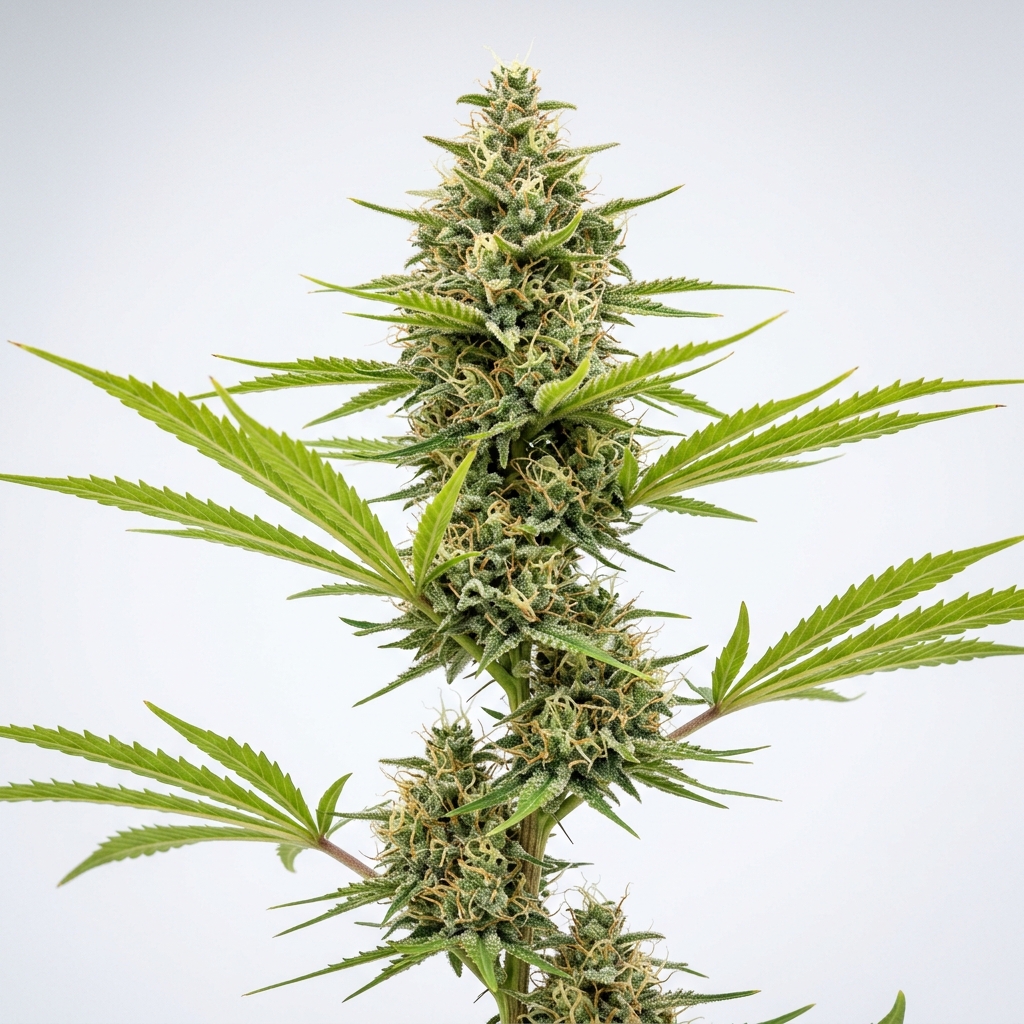
As a cornerstone of European sativa breeding, Queen Mother has earned a dedicated following among growers who value old-school landrace genetics. It delivers a clean, cerebral experience that avoids the heavy physical weight of modern dessert hybrids. Its thin, elegant fan leaves and open canopy structure make it a favorite for outdoor gardens and large indoor spaces alike.
Quick Facts
| Key Metric | Details |
|---|---|
| Genetics | Reunion Island Sativa (Zamal) × Congo/Spanish Sativa |
| Variety | Sativa-dominant (approx. 70/30) |
| THC Range | 17% – 22% |
| Flowering Time | 8 – 9 weeks |
| Yield Potential | Moderate to High |
| Plant Height | Tall (requires training) |
| Climate Preference | Warm, sunny, Mediterranean |
| Difficulty | Moderate |
Scientific & Botanical Overview
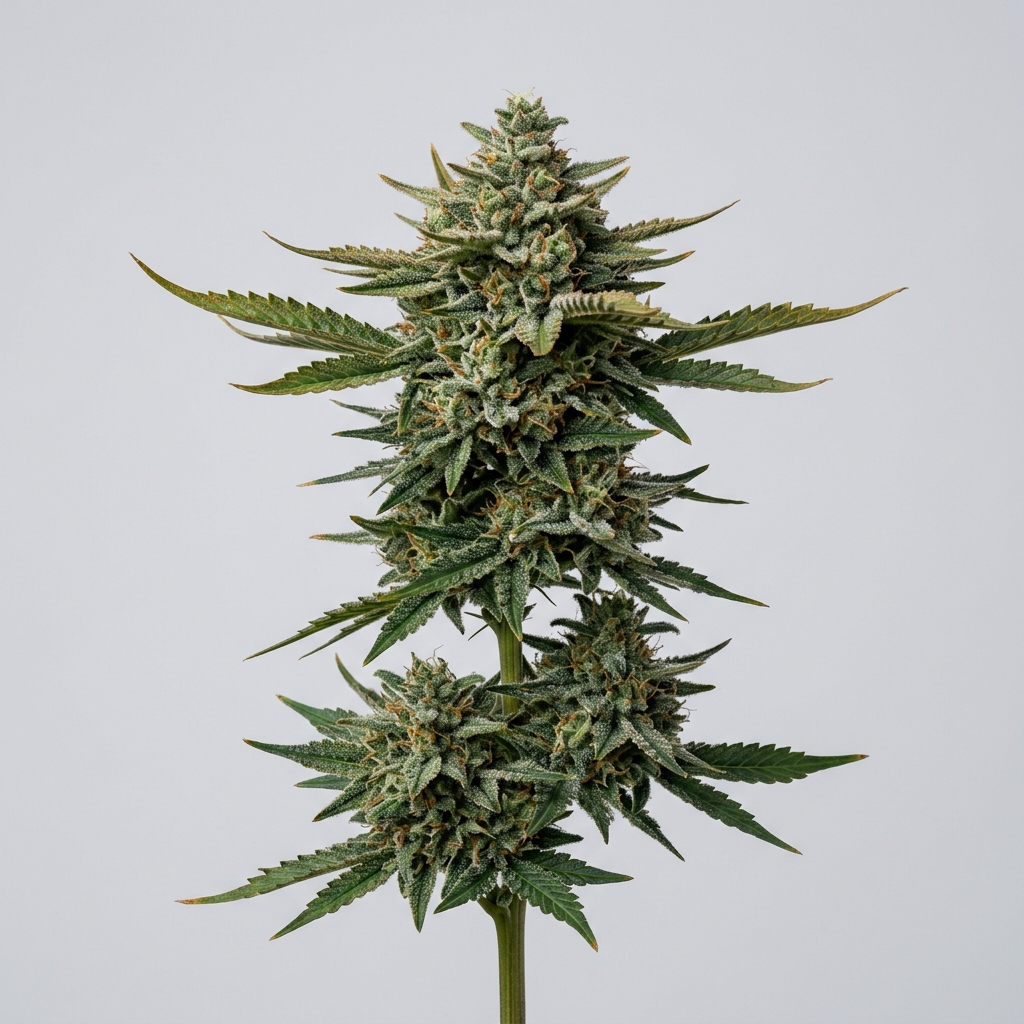
Botanically, Queen Mother displays classic equatorial morphology, characterized by thin fan leaves, long internodal spacing, and a strong vertical stretch during early flower. The buds form along elongated spear colas with swollen calyxes and fine, bright orange pistils. This structure allows excellent light penetration and airflow throughout the lower canopy.
Unlike many pure landrace sativas that struggle to build resin density, this cultivar develops a glistening layer of glassy trichomes. The resin is thin but highly aromatic, preserving terpene clarity even under warmer greenhouse conditions. The stalks are fibrous and flexible, designed to support the weight of the long colas without snapping easily.
Its ancestral roots in Réunion Island and the Congo basin give the strain a high natural resistance to mold, mildew, and pests. This resilience makes it a reliable choice for outdoor growers facing late-season humidity. Indoors, the plant requires active canopy management to control its vigorous height.
Effects & Use-Cases (Reported)
Commonly reported effects: Users frequently describe a rapid, clear-headed lift characterized by sensory sharpness and physical energy. The experience remains functional and cerebral, making it a classic daytime choice. It is rarely associated with the heavy physical sedation or mental fog common to high-myrcene indica hybrids.
Use-case context: This strain is best suited for creative work, outdoor activity, or early morning focus. Its uplifting nature makes it a popular companion for social gatherings or physical exercise. The clear finish ensures a smooth transition as the initial onset tapers off.
Note: Individual tolerance and dosage play a significant role in sativa-dominant experiences. High-THC batches may feel overly stimulating for consumers sensitive to energetic cultivars.
Aroma & Flavors
Aroma: A complex blend of sweet anise, wet earth, and fresh herbal spice, accented by a sharp citrus lift when the buds are broken. The scent is airy and fresh rather than heavy or skunky.
Flavor: The smoke is remarkably clean, leaving a lingering taste of sweet wood, dry herbs, and a light mint finish on the exhale. It lacks the heavy fuel or syrupy sweetness of modern dessert genetics.
Terpene associations: Lab analyses typically show a dominance of terpinolene, myrcene, and caryophyllene, which work together to create its bright, spicy, and herbal character.
Tested Cannabinoid & Terpene Ranges
| Compound | Typical Range |
|---|---|
| Δ9-THC | 17.0% – 22.0% |
| CBD | < 0.5% |
| Terpinolene | 0.4% – 0.9% |
| Myrcene | 0.3% – 0.7% |
| Caryophyllene | 0.2% – 0.5% |
Cannabinoid and terpene levels are highly variable and depend heavily on cultivation practices, curing methods, and specific phenotypes.
Cultivation Notes
- Humidity Control: Maintain 55% to 60% relative humidity during the vegetative phase. Lower this to 40% to 45% in late flower to protect the dense bracts along the spear colas.
- Nutrition: Queen Mother is a light feeder compared to modern hybrids. Avoid heavy nitrogen during veg to prevent excessive stretching, and keep nutrients moderate during flower.
- Training: use Screen of Green (ScrOG) or low-stress training (LST) early in the vegetative cycle to manage the height and encourage lateral branching.
- Airflow: Ensure strong fan placement beneath the canopy. Even with its naturally airy structure, keeping the lower stems clear of dead foliage prevents stagnant microclimates.
- Phenotype Management: Some phenotypes stretch up to three times their vegetative height. Flip to flower early if indoor vertical space is limited.
Grower Notes (Week-by-Week Snapshot)
- Weeks 1–3 (Transition & Stretch): The plant will stretch aggressively. Ensure training screens are in place and tuck branches daily to maintain an even canopy. Keep nitrogen levels moderate.
- Weeks 4–6 (Early Flower): Elongated spear colas begin to form. White pistils will emerge rapidly along the internodes. Resin production starts early, showing as a fine, wet frost on the sugar leaves.
- Weeks 7–9 (Late Flower & Ripening): Calyxes will swell and the pistils will turn a deep orange. Terpene production peaks with a strong anise and citrus aroma. Flush with plain water during the final 10 days, monitoring trichome clarity for a clean harvest.
Genetic Lineage
Queen Mother is the flagship creation of Spanish breeder Delicatessen Seeds. It represents a meticulous cross between a wild landrace from Réunion Island (Zamal) and a complex Congo-derived hybrid. This combination infuses the strain with pure equatorial energy while tempering the long, difficult flowering cycles typical of wild sativas.
This lineage has made Queen Mother a valuable building block in modern cannabis breeding. Most notably, it is a direct parent of Juanita la Lagrimosa, the landmark cultivar that helped jumpstart the modern CBD movement. Its stable, fast-flowering sativa traits continue to be prized by breeders working to preserve old-school genetics.
Research Insights
Phytochemical studies on landrace-derived hybrids like Queen Mother often highlight high levels of terpinolene combined with moderate THC. This specific chemical profile is associated with an uplifting, non-sedating sensory direction. The presence of secondary terpenes like pinene and caryophyllene helps ground the cerebral experience.
The strain’s preservation of wild African and island genetics provides valuable genetic diversity. Breeders value its short flowering cycle—unusual for a pure-behaving sativa—as a tool for stabilizing outdoor-friendly sativa cultivars without relying on heavy indica genetics to reduce flowering time.
Frequently Asked Questions
Is Queen Mother a pure sativa?
While often described as a pure sativa due to its growth habit and effects, Queen Mother is technically a sativa-dominant hybrid containing landrace genetics from Réunion Island and the Congo, stabilized with a Spanish sativa hybrid.
How long does Queen Mother take to flower?
Despite its heavy sativa heritage, Queen Mother flowers quickly, typically finishing in 8 to 9 weeks when grown indoors. Outdoors, it is usually ready for harvest by early October in the Northern Hemisphere.
What does Queen Mother smell like?
It features a distinct aroma of sweet anise, woody spice, and herbal earth, rounded out by a sharp citrus lift when the buds are handled or broken apart.
Is Queen Mother easy to grow indoors?
It is rated as moderate difficulty. While it is highly resistant to mold and pests, its vigorous vertical stretch during early flower requires active canopy management and training to control indoor height.
Educational Disclaimer
This article is intended solely for educational and informational purposes. Cannabis cultivation and consumption are subject to varying local, state, and federal laws. Always consult with local regulations before germinating seeds or consuming cannabis products.
Rate and review this strain
Ratings and reviews are accepted only from signed-in Google accounts.
Sign in with Google to leave a rating and written review.
Latest Reviews
0 reviewsNo reviews yet. Be the first Google user to rate and review this strain.